New Jersey Real Estate Home Sales Package with Offer to Purchase, Contract of Sale, Disclosure Statements and more for Residential House
Understanding this form package
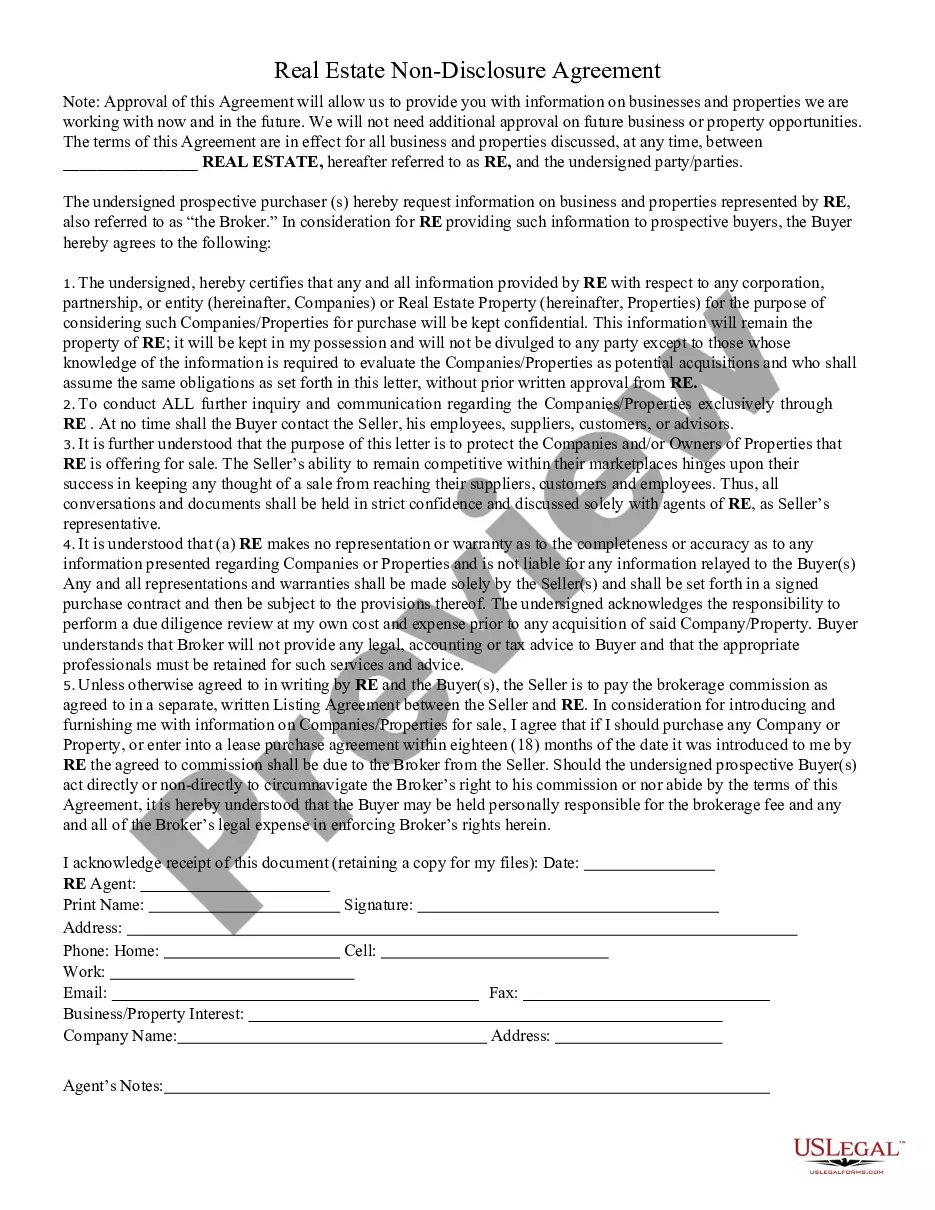
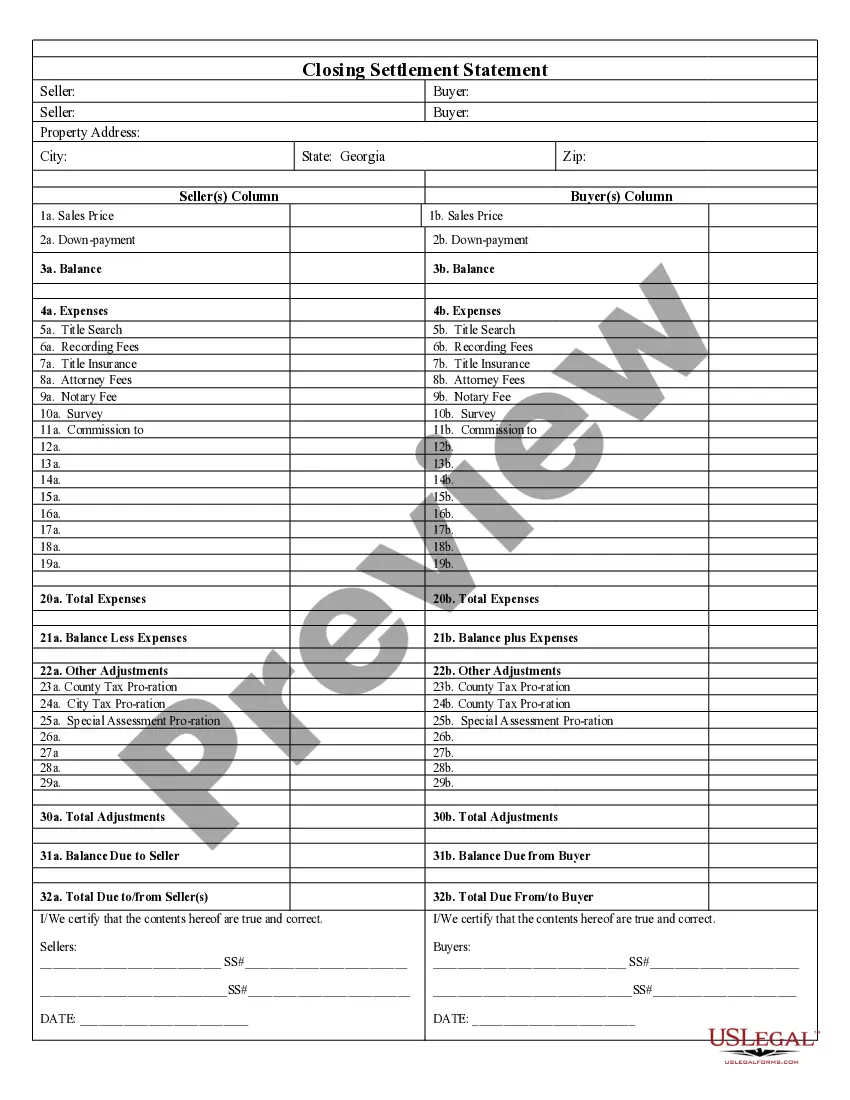
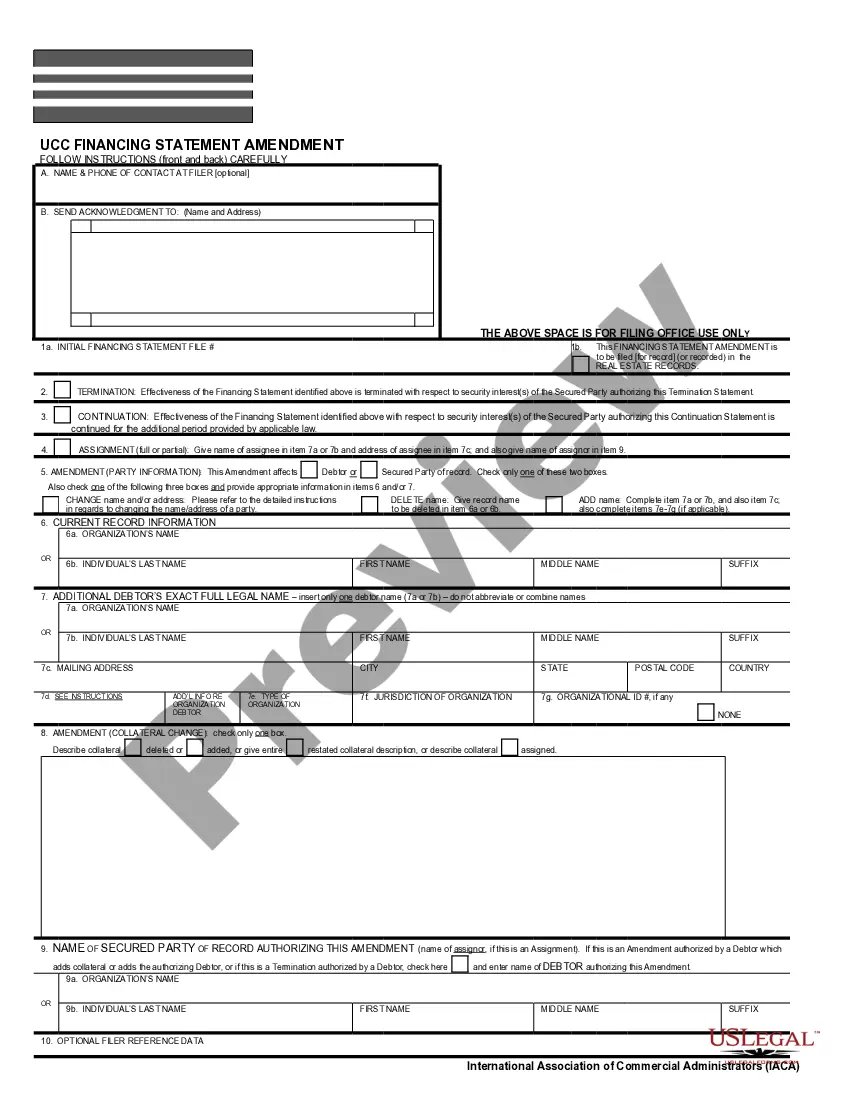
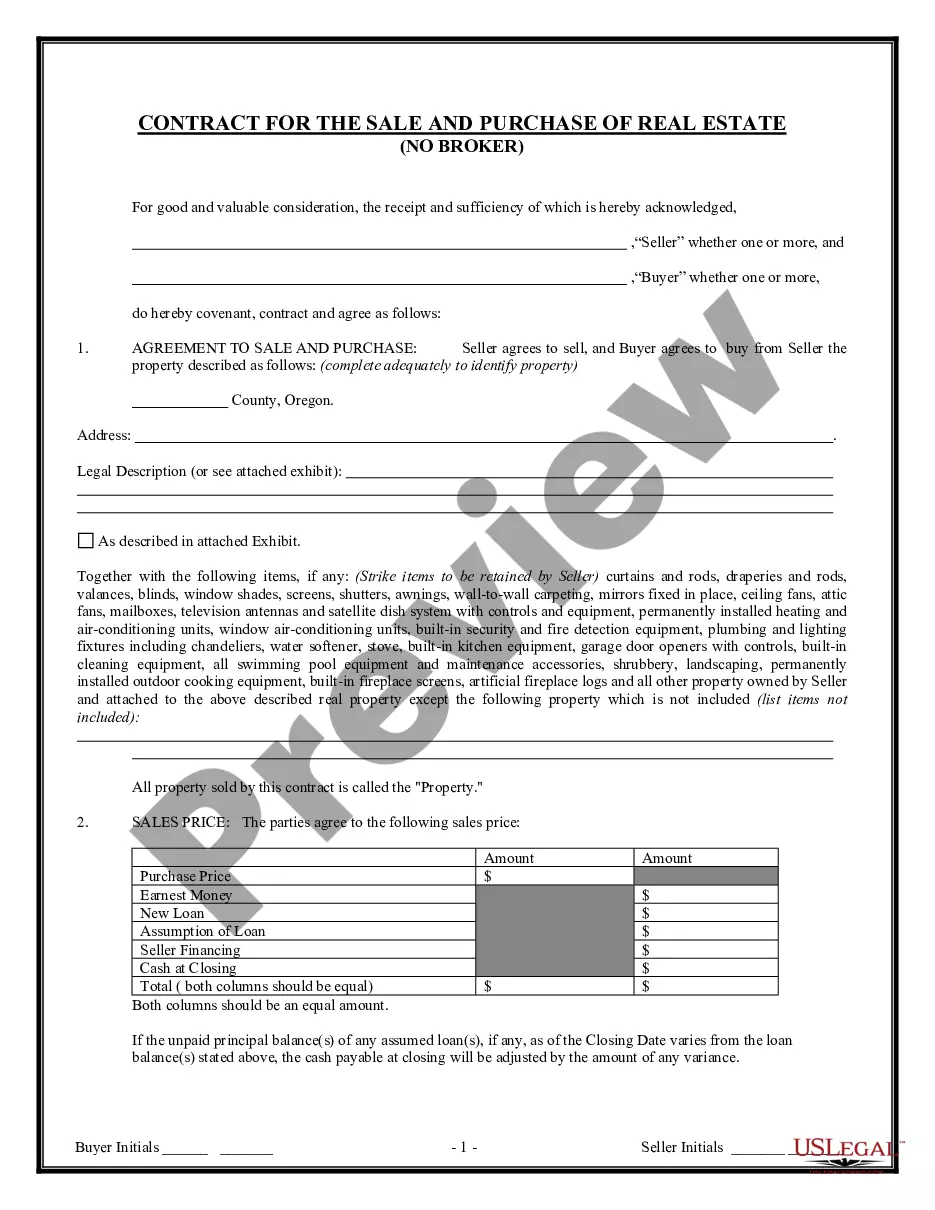
The New Jersey Real Estate Home Sales Package is a comprehensive collection designed to assist both buyers and sellers involved in residential real estate transactions. This package includes essential forms such as the Offer to Purchase, Contract of Sale, and various disclosure statements, all drafted by licensed attorneys. Unlike generic real estate forms, this package is specifically tailored to meet New Jersey's legal requirements, making the home buying or selling process simpler and clearer.
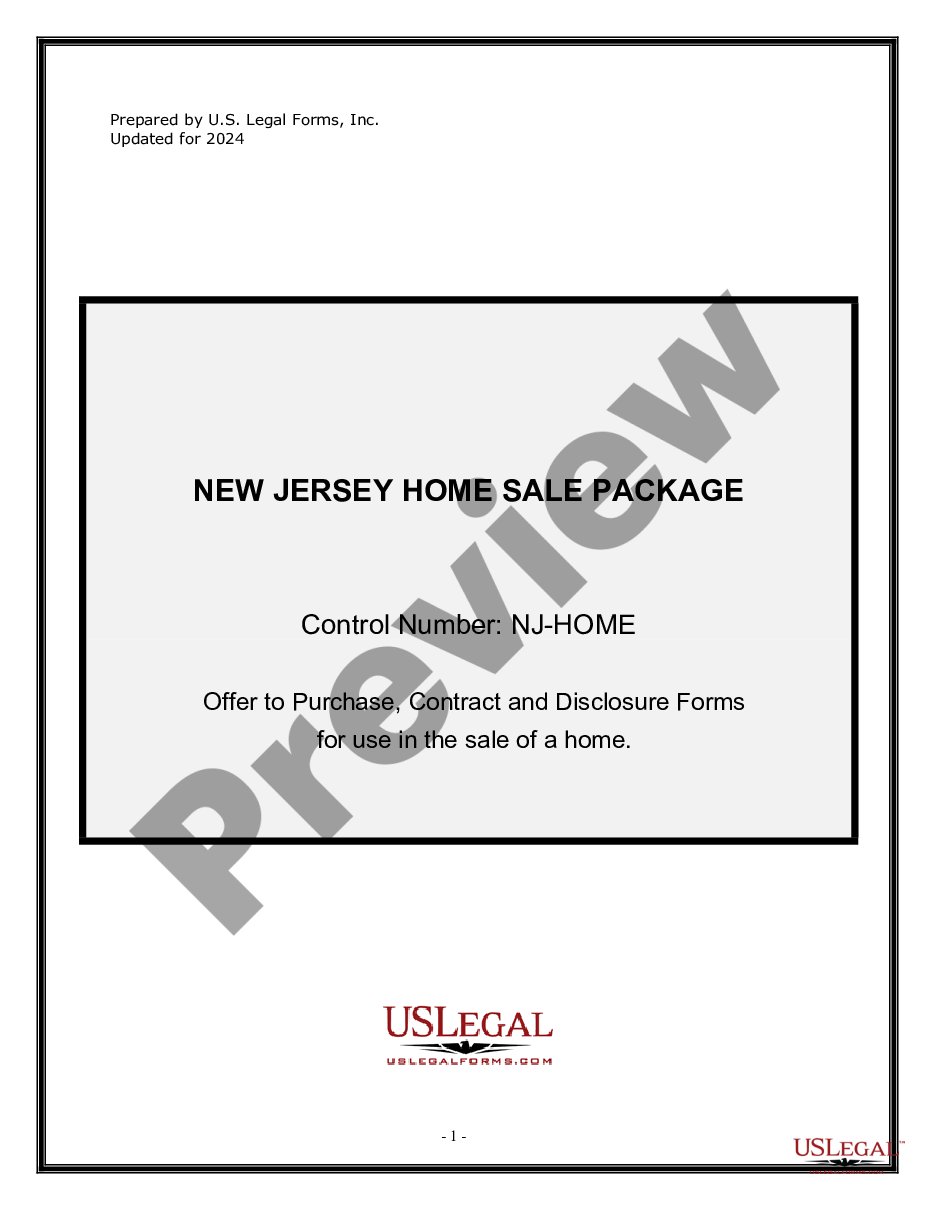
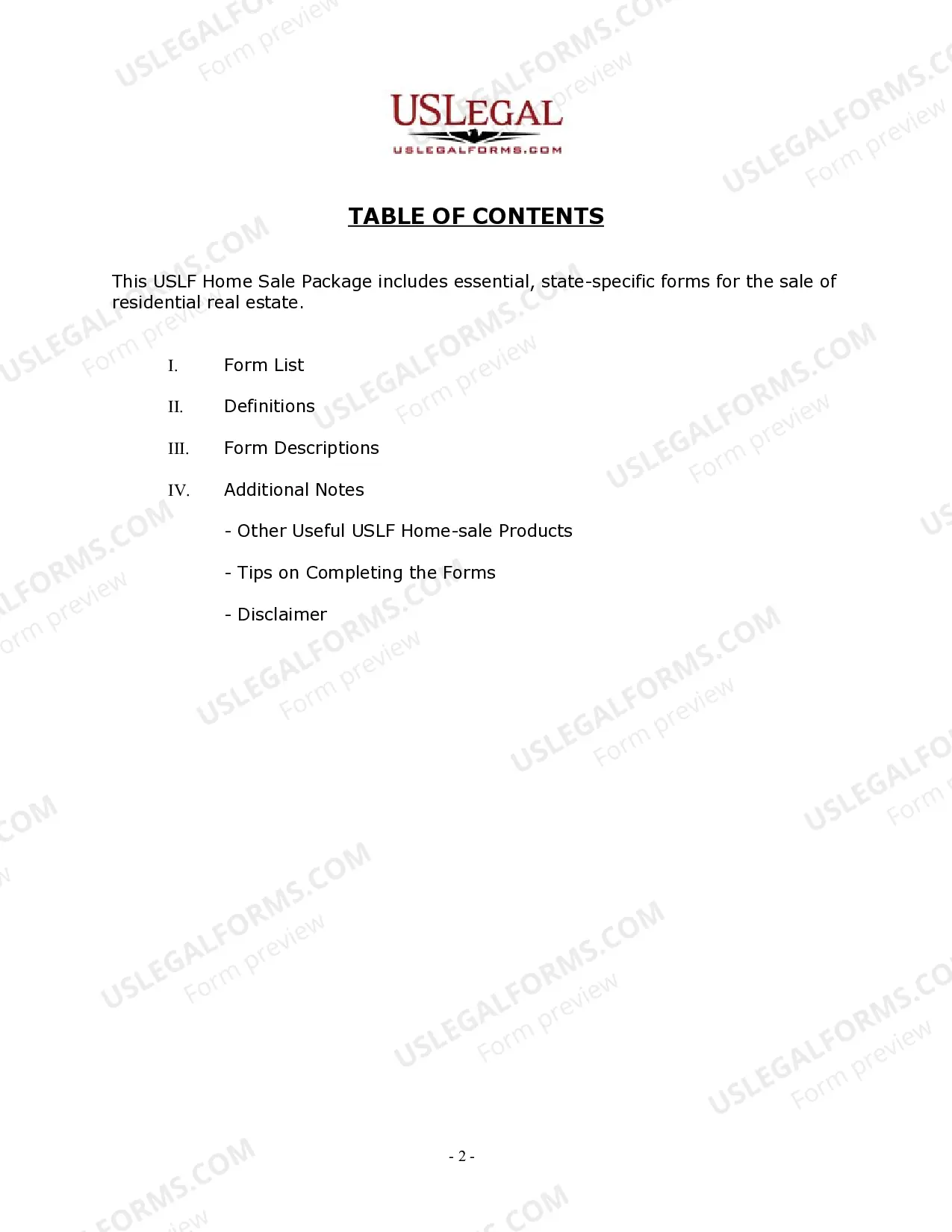
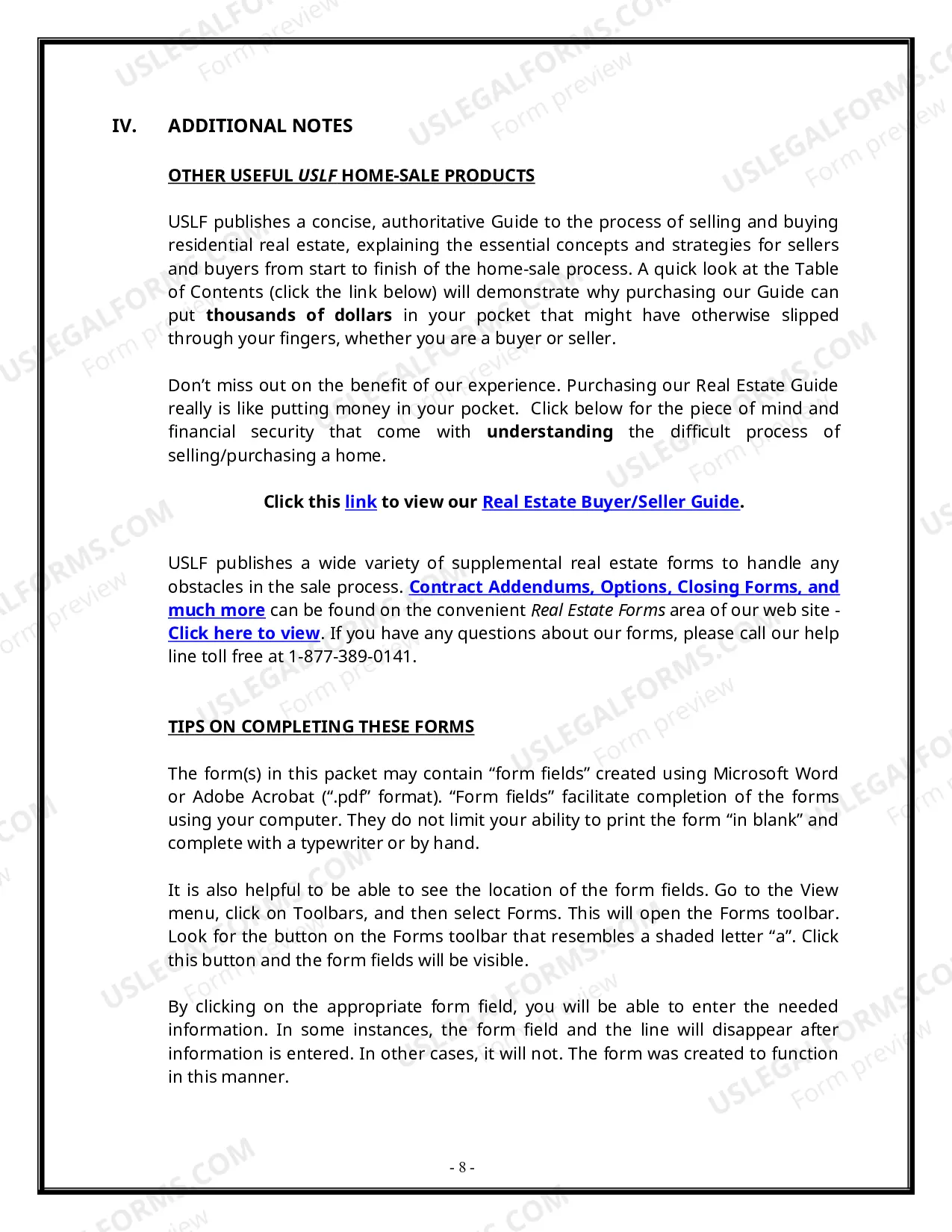
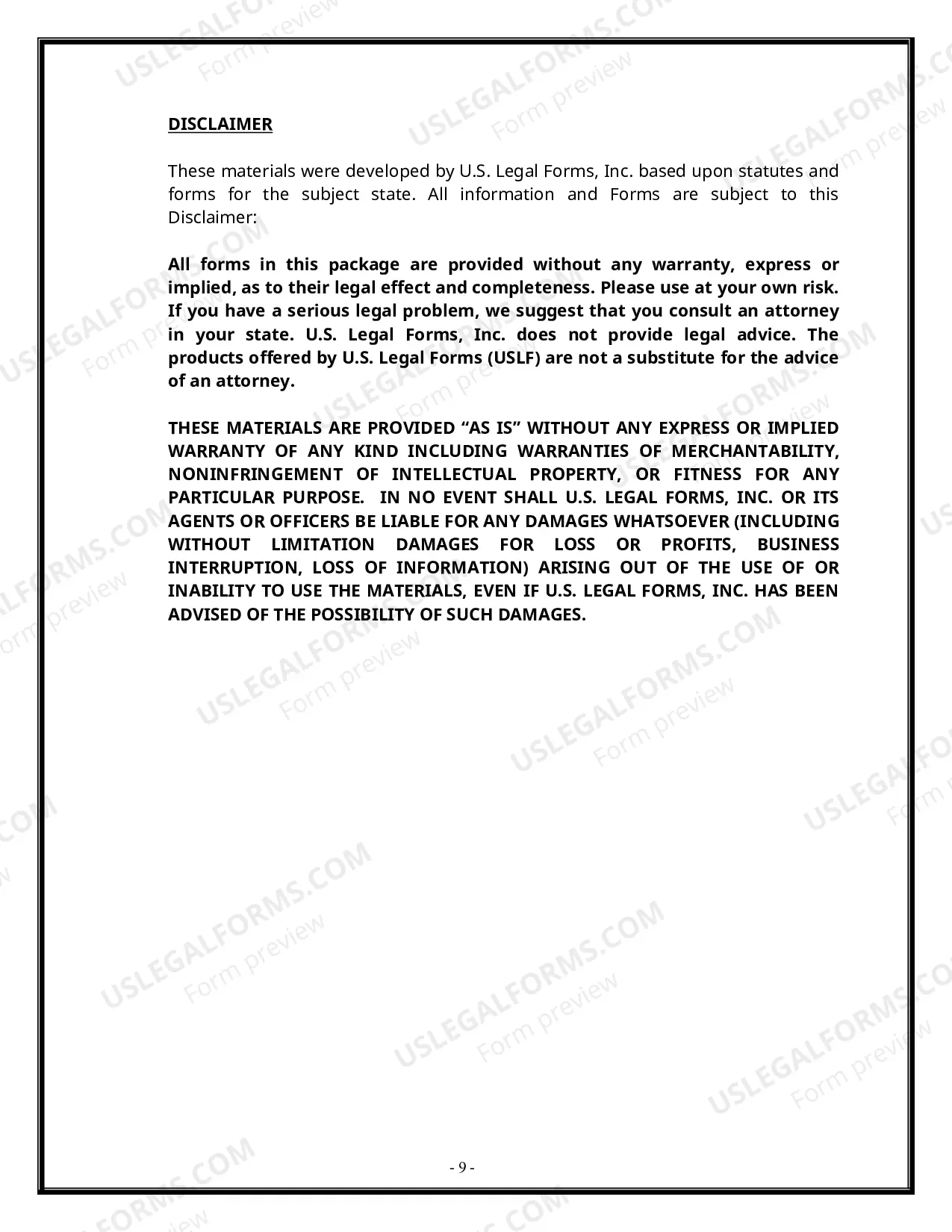
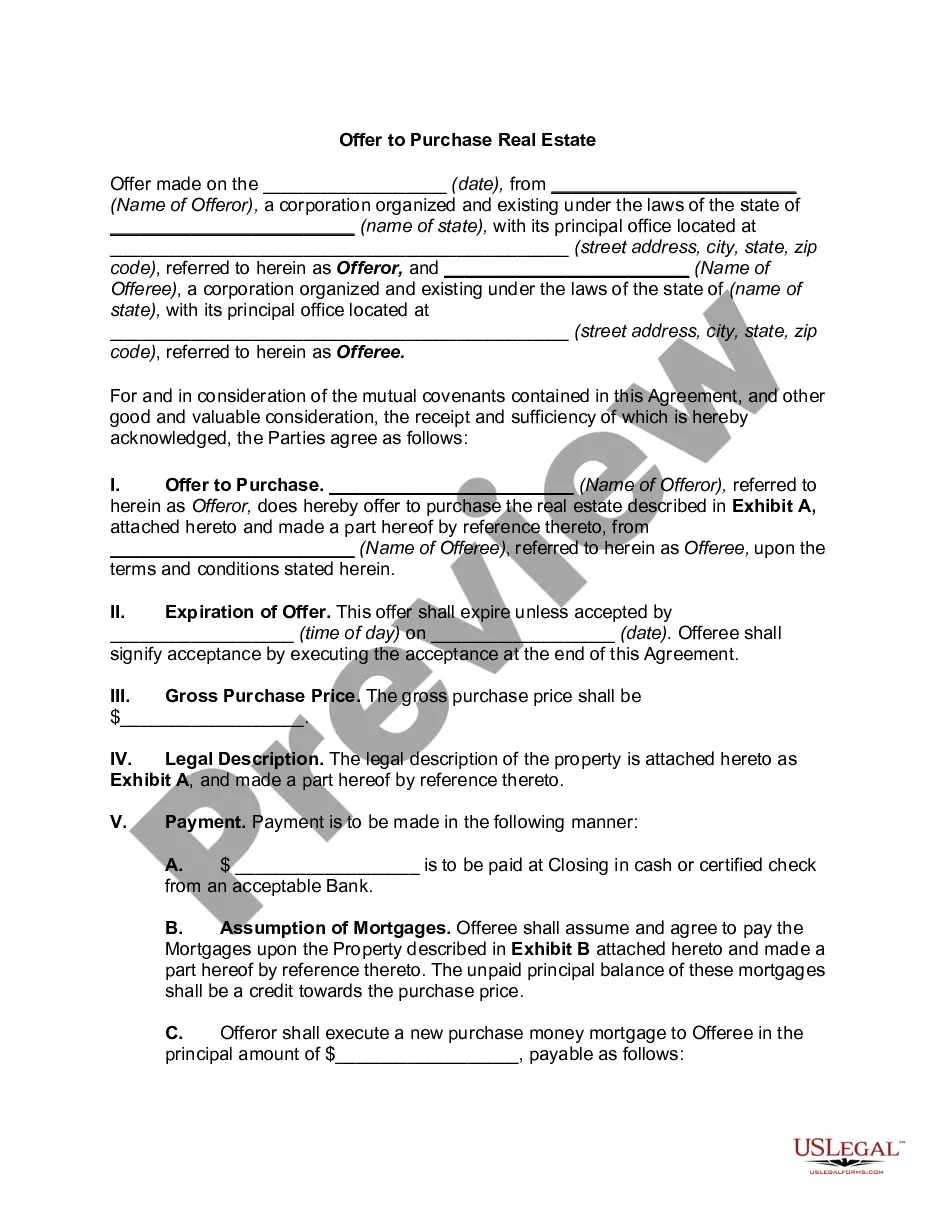
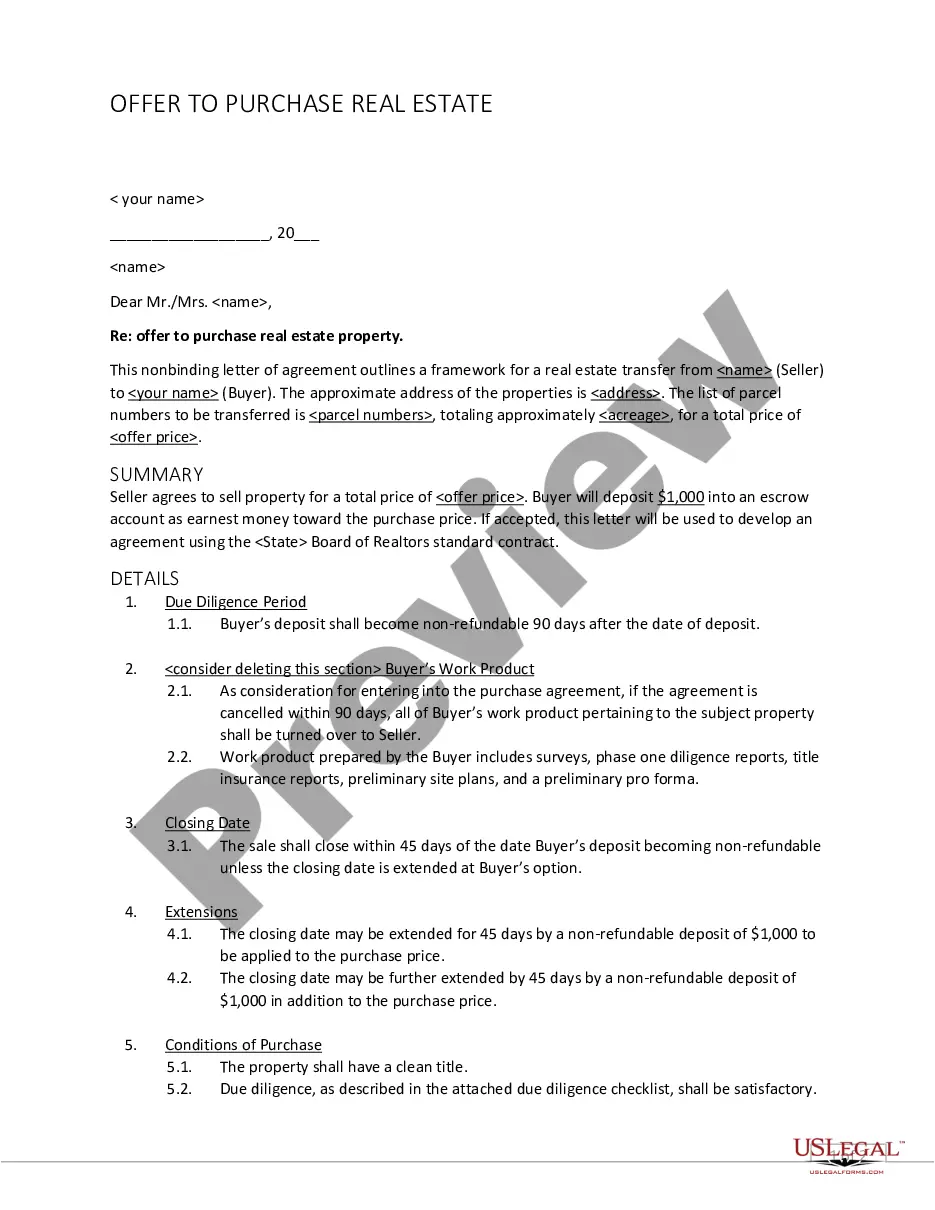
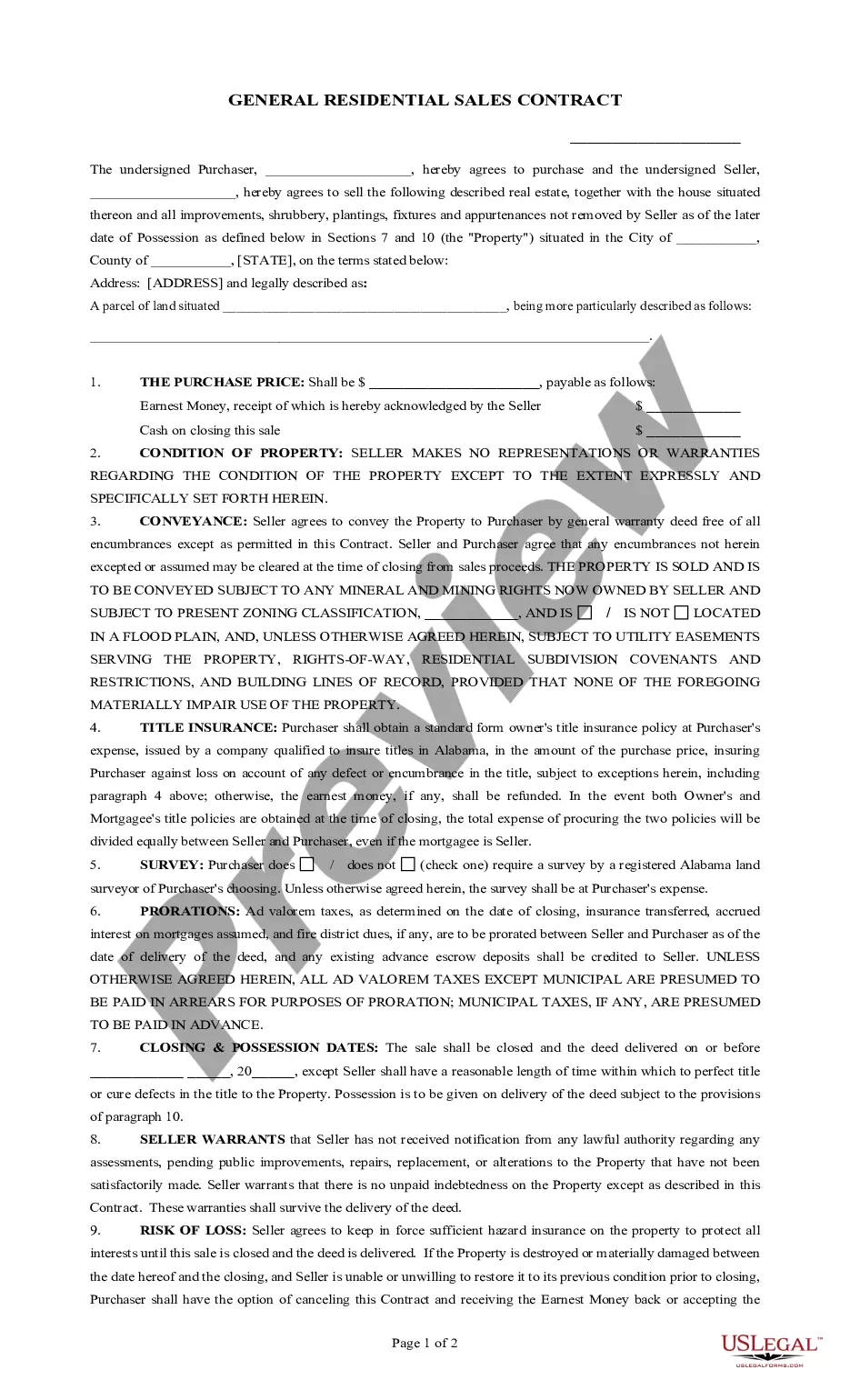
Documents contained in this package


Common use cases
This form package is ideal for use during a residential home sale or purchase in New Jersey. You should consider using it when:
- You are planning to buy or sell a home.
- You need to communicate the terms of the sale between the buyer and seller.
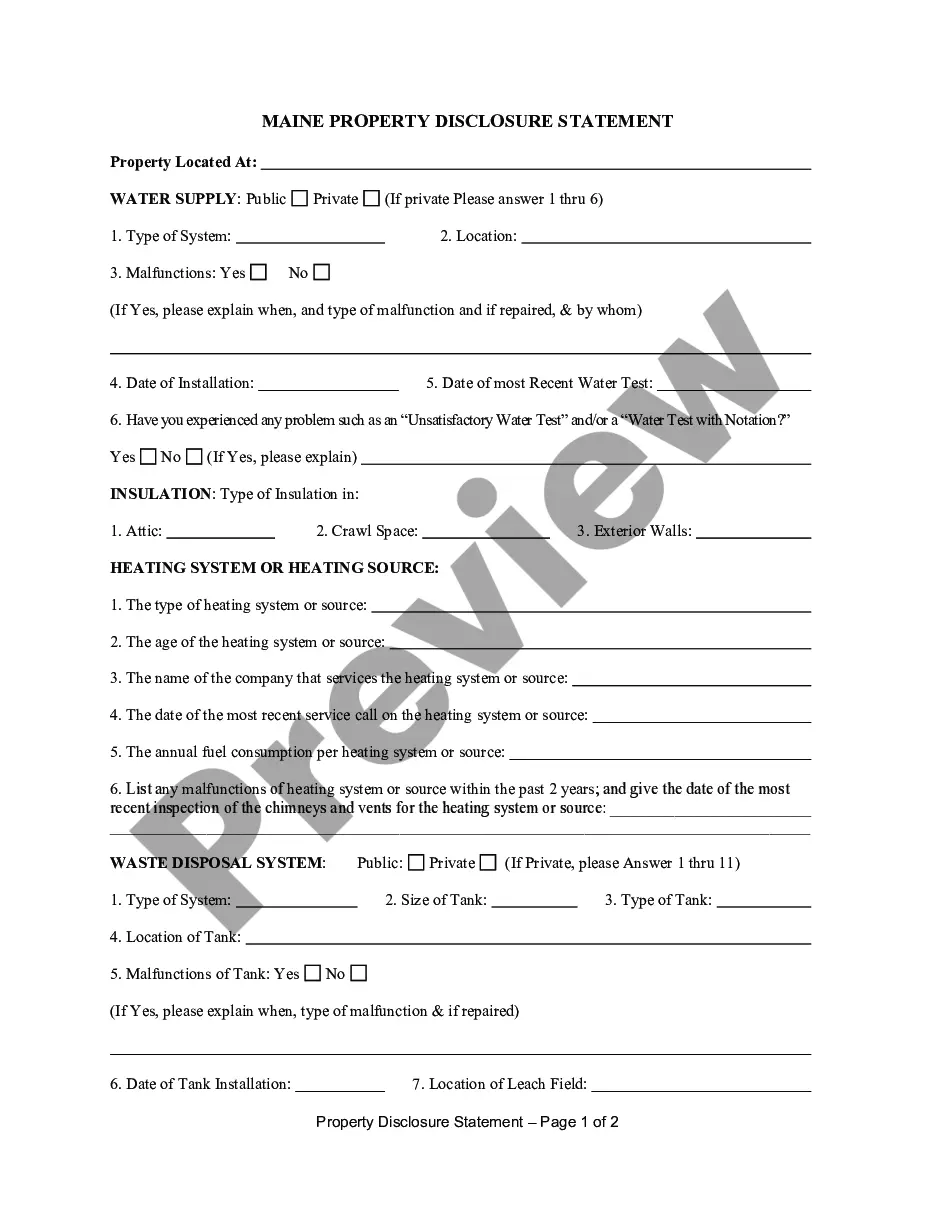
- There are necessary disclosures regarding the property's condition and lead-based paint.
- You want to ensure compliance with state-specific real estate regulations.
Intended users of this form package
- Homeowners looking to sell their residential property in New Jersey.
- Buyers interested in purchasing a residential property in New Jersey.
- Real estate agents assisting clients with home sales or purchases.
- Individuals seeking to understand the legal aspects of real estate transactions.
How to prepare this document
- Review all included forms carefully to understand their purpose.
- Identify the parties involved in the transaction (buyer and seller).
- Fill out the Offer to Purchase, ensuring all important terms are specified.
- Complete the Contract of Sale, including property details and agreed-upon price.
- Include necessary disclosure forms concerning property conditions and lead-based paint.
- Ensure that all parties sign and date the completed forms correctly.
Do forms in this package need to be notarized?
Some included forms must be notarized to ensure validity. US Legal Forms provides secure online notarization powered by Notarize, allowing you to complete the process through a verified video call anytime.
Get your form ready online
Our built-in tools help you complete, sign, share, and store your documents in one place.
Make edits, fill in missing information, and update formatting in US Legal Forms—just like you would in MS Word.
Download a copy, print it, send it by email, or mail it via USPS—whatever works best for your next step.
Sign and collect signatures with our SignNow integration. Send to multiple recipients, set reminders, and more. Go Premium to unlock E-Sign.
If this form requires notarization, complete it online through a secure video call—no need to meet a notary in person or wait for an appointment.
We protect your documents and personal data by following strict security and privacy standards.

Make edits, fill in missing information, and update formatting in US Legal Forms—just like you would in MS Word.

Download a copy, print it, send it by email, or mail it via USPS—whatever works best for your next step.

Sign and collect signatures with our SignNow integration. Send to multiple recipients, set reminders, and more. Go Premium to unlock E-Sign.

If this form requires notarization, complete it online through a secure video call—no need to meet a notary in person or wait for an appointment.

We protect your documents and personal data by following strict security and privacy standards.
Avoid these common issues
- Failing to complete the Disclosure Statements fully, which can lead to legal issues.
- Not including all necessary signatures, making the contract unenforceable.
- Ignoring state-specific requirements, leading to potential penalties.
- Assuming verbal agreements are enforceable; all agreements should be documented in writing.
Why use this package online
- Instant access to professionally drafted legal forms tailored for New Jersey.
- Easily editable forms that can be customized to your specific transaction needs.
- Convenient downloading options that allow you to print and fill out from home.
- Reliable information ensuring compliance with New Jersey real estate laws.
Legal use & context
- This package is designed to be compliant with New Jersey real estate laws, which require written contracts for home sales.
- Using these forms helps ensure that both parties' rights and obligations are clearly defined, minimizing disputes.
- Inadequate or incorrect completion of these forms can lead to enforceability issues in the event of a conflict.
Main things to remember
- This form package provides essential legal forms for residential real estate transactions in New Jersey.
- Proper completion of these forms helps to avoid legal issues and misunderstandings.
- Understanding the need for disclosures is crucial for protecting against liability.
Looking for another form?
Form popularity
FAQ
California, like many states, requires its residential property sellers to disclose, in writing, details about the property they have on the market.
Answer. An offer to purchase is the document used at the time an offer is made by the buyer and before the due diligence period. The definitive purchase agreement is the document signed at the closing and after due diligence.
But if it can be proven that something was known and omitted, a seller can get in big trouble. A seller may be liable to the buyer for the nondisclosure of material facts, negligent misrepresentation of facts, intentional misrepresentation of facts, or suppression or concealment of facts, Zuetel explains.
A real estate deal can take a turn for the worst if the contract is not carefully written to include all the legal stipulations for both the buyer and seller.You can write your own real estate purchase agreement without paying any money as long as you include certain specifics about your home.
Among the numerous types of things a seller in New Jersey is required to disclose are electrical system hazards; structural problems; roof leakage; termites; environmental hazards; and plumbing, water, and sewage issues.
Although there's no list of required disclosures a seller must make according to New Jersey's statutes, the state's courts have carved out rules (under what's called the "common law") to protect buyers against sellers who fail to disclose material facts or who hide information about their property.
"No Seller Disclosures" means that the seller is selling the property without disclosing any defects or facts that might be necessary for a buyer to make an informed decision. A purchaser should get written permission to bring the purchaser's...
Although there's no list of required disclosures a seller must make according to New Jersey's statutes, the state's courts have carved out rules (under what's called the "common law") to protect buyers against sellers who fail to disclose material facts or who hide information about their property.