New Hampshire Sale of a Business Package
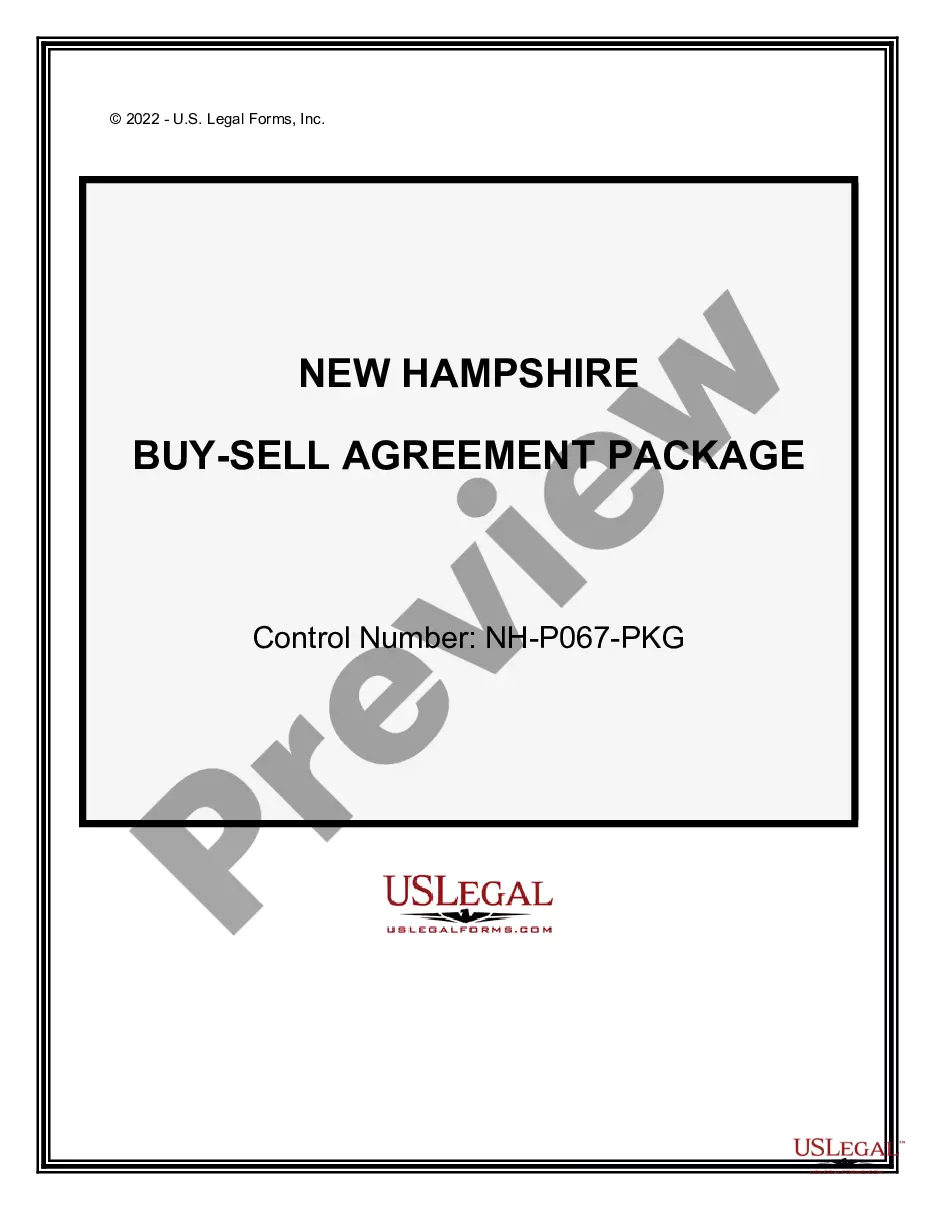
What this form package covers
The New Hampshire Sale of a Business Package includes essential legal documents necessary for individuals or businesses involved in buying or selling a business. This package features state-specific forms that can be modified to suit your unique circumstances, ensuring both parties are adequately protected throughout the sales process.
What’s included in this form package
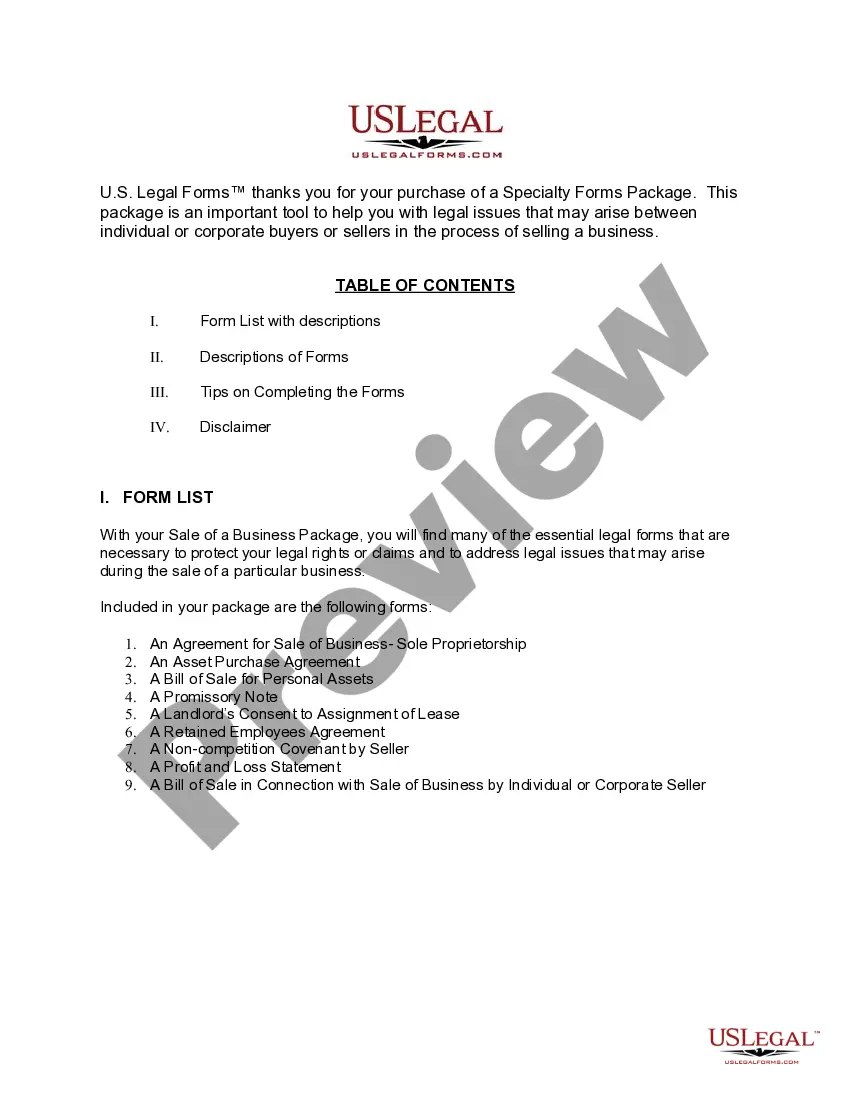
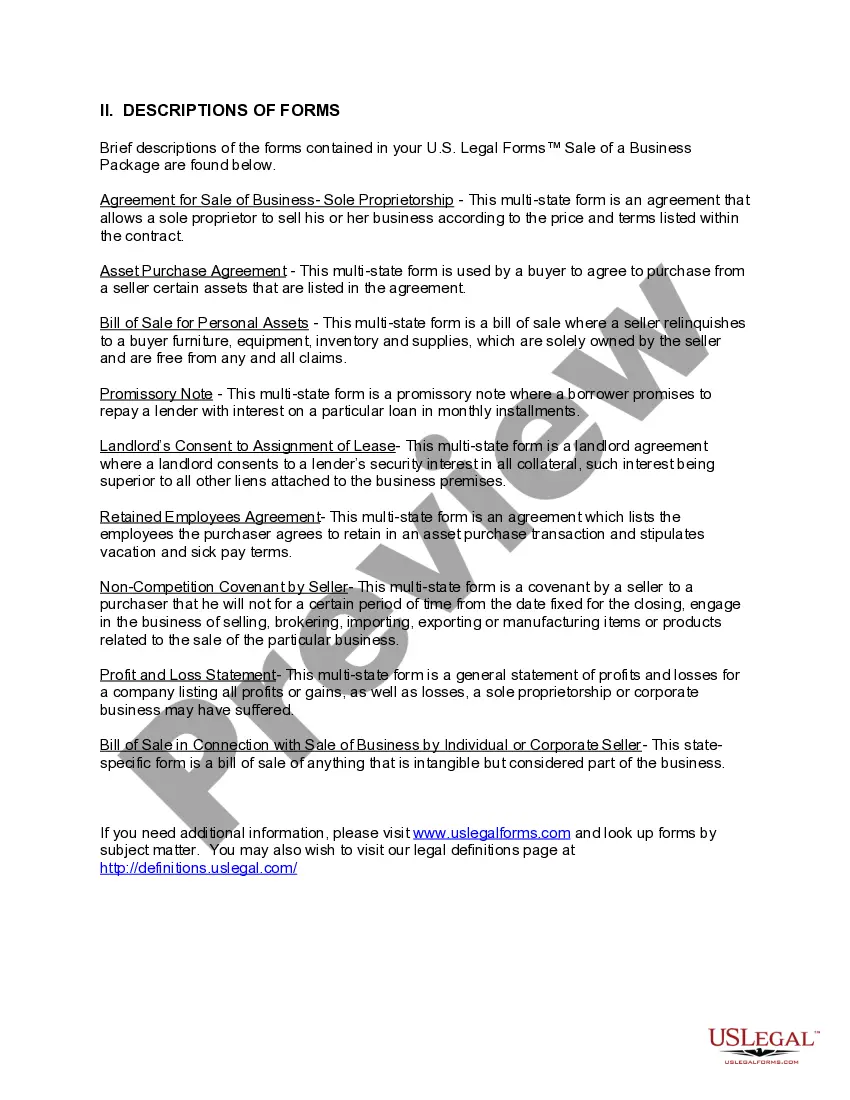
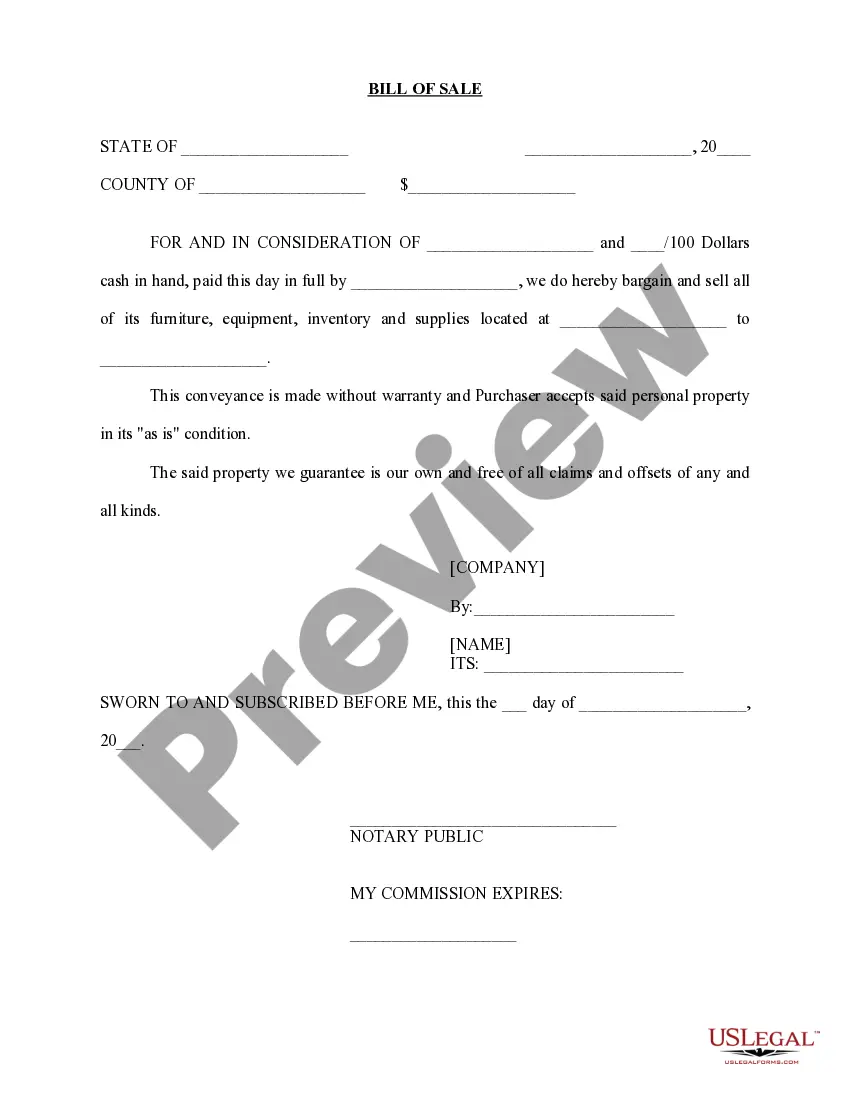
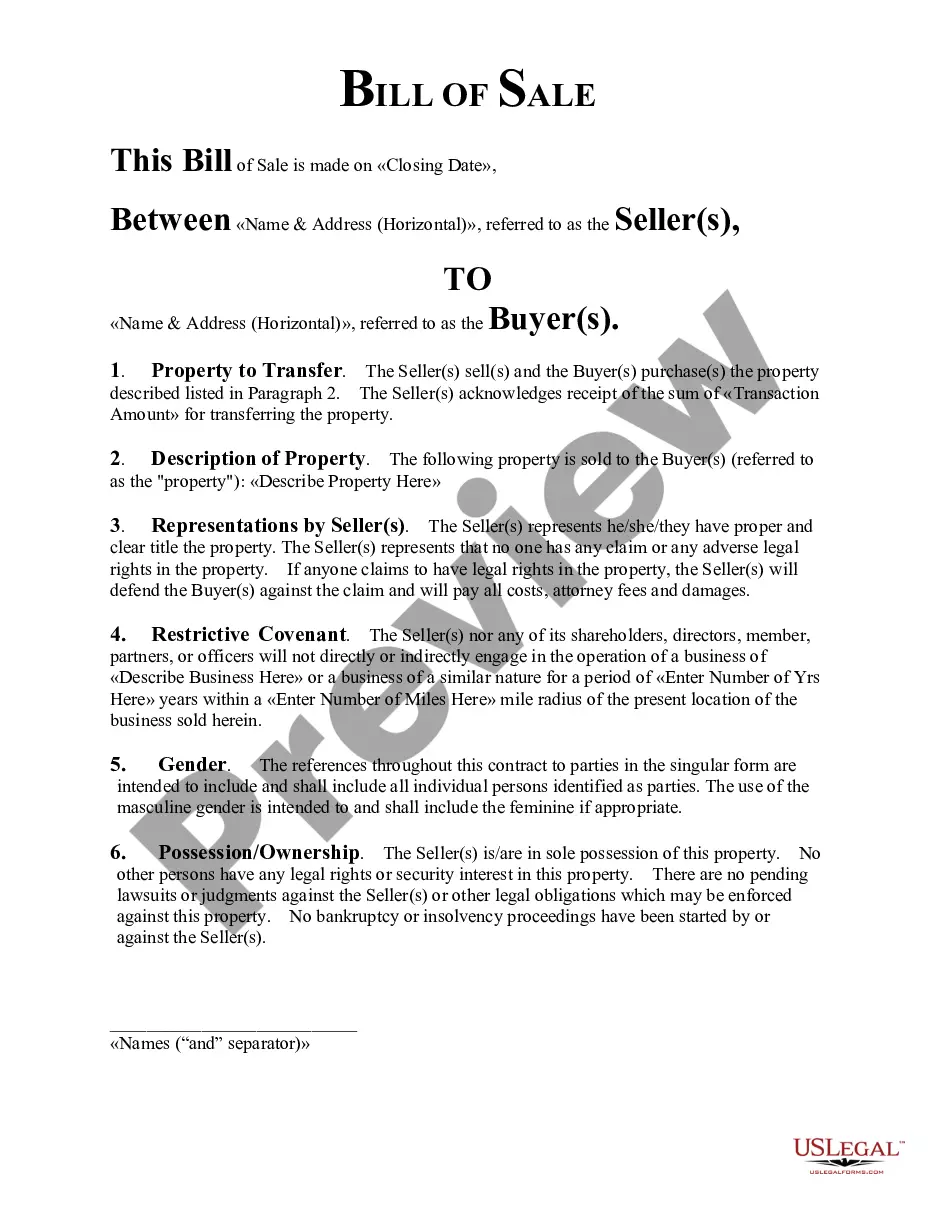
- Bill of Sale in Connection with Sale of Business by Individual or Corporate Seller
- Asset Purchase Agreement - Business Sale
- Sale of Business - Bill of Sale for Personal Assets - Asset Purchase Transaction
- Sale of Business - Landlord's Consent to Assignment of Lease - Asset Purchase Transaction
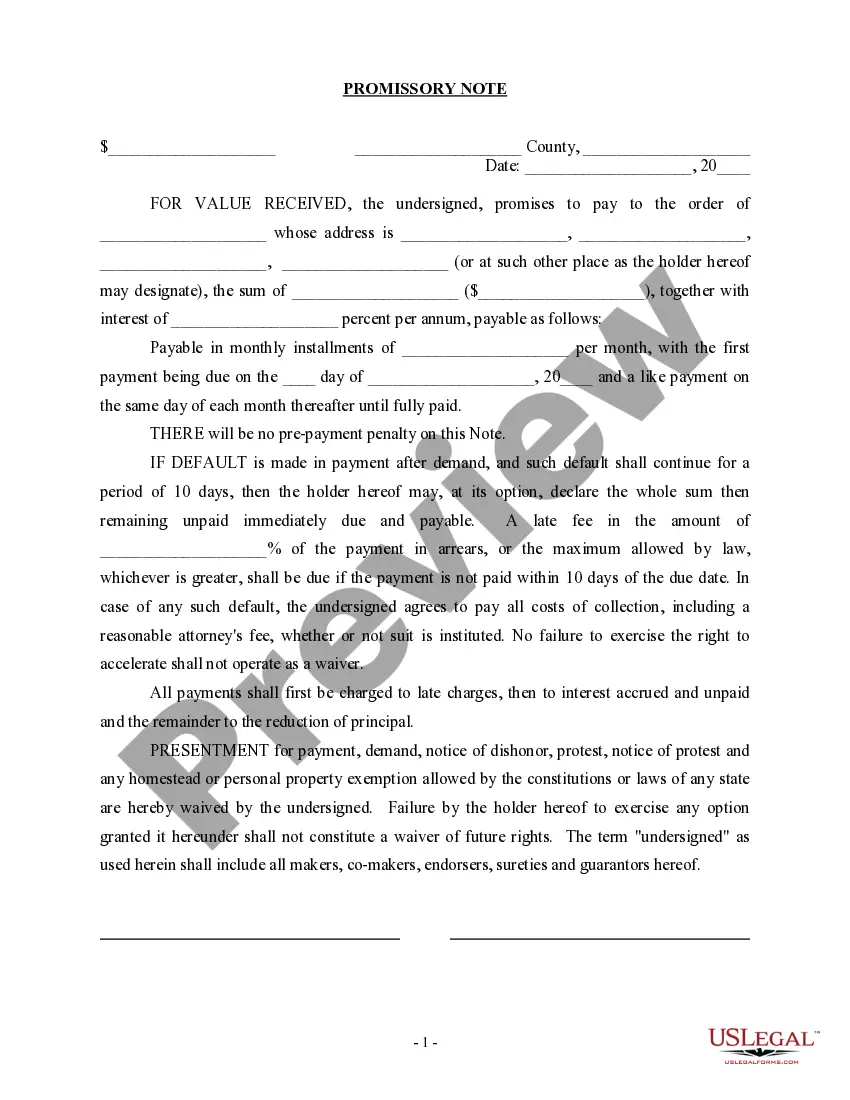
- Sale of Business - Promissory Note - Asset Purchase Transaction
- Sale of Business - Retained Employees Agreement - Asset Purchase Transaction
- Noncompetition Covenant by Seller in Sale of Business
- Agreement for Sale of Business - Sole Proprietorship - Asset Purchase
- Profit and Loss Statement
Common use cases
This package should be used when:
- You are considering selling your business and need to formalize the agreement.
- You are a buyer looking to acquire a business and require clear terms for the transaction.
- You need to ensure compliance with state laws specific to New Hampshire, especially regarding business sales.
- You want to specify terms of employee retention or non-competition to protect the businessâs operation post-sale.
Who needs this form package
- Business owners who wish to sell their business.
- Individuals or corporations looking to buy an existing business.
- Attorneys and legal professionals assisting clients with business transactions.
- Anyone involved in the sale of personal assets in relation to a business.
How to complete these forms
- Review the included forms to familiarize yourself with the required information.
- Identify the parties involved in the transaction, including buyers, sellers, and any other relevant stakeholders.
- Enter accurate details such as business name, sale price, and terms of the agreement.
- Ensure all necessary signatures are obtained, including those from witnesses if required.
- Keep copies of all completed forms for your records.
Do documents in this package require notarization?
Forms in this package typically do not require notarization unless required by local law. Make sure to check if notarization applies to specific agreements or documents within your transaction.
Get your form ready online
Our built-in tools help you complete, sign, share, and store your documents in one place.
Make edits, fill in missing information, and update formatting in US Legal Forms—just like you would in MS Word.
Download a copy, print it, send it by email, or mail it via USPS—whatever works best for your next step.
Sign and collect signatures with our SignNow integration. Send to multiple recipients, set reminders, and more. Go Premium to unlock E-Sign.
If this form requires notarization, complete it online through a secure video call—no need to meet a notary in person or wait for an appointment.
We protect your documents and personal data by following strict security and privacy standards.

Make edits, fill in missing information, and update formatting in US Legal Forms—just like you would in MS Word.

Download a copy, print it, send it by email, or mail it via USPS—whatever works best for your next step.

Sign and collect signatures with our SignNow integration. Send to multiple recipients, set reminders, and more. Go Premium to unlock E-Sign.

If this form requires notarization, complete it online through a secure video call—no need to meet a notary in person or wait for an appointment.

We protect your documents and personal data by following strict security and privacy standards.
Common mistakes
- Failing to specify payment terms in the promissory note or asset purchase agreement.
- Not including a non-competition clause, which can lead to future business conflicts.
- Overlooking the requirement for landlord consent if the business operates in a leased space.
- Not retaining necessary employees as defined in the Retained Employees Agreement.
Advantages of online completion
- Convenience of accessing all necessary documents in one package.
- Editability allows you to customize forms to fit your specific situation.
- Reliability of documents drafted by licensed attorneys ensuring legal compliance.
- Ability to complete forms from the comfort of your own home, without the need for an attorneyâs visit.
Legal use & context
- These forms are intended to provide a framework for the legal aspects of selling a business, minimizing the risk of disputes.
- Correctly completed and signed forms can be enforceable in a court of law if disputes arise.
- Consult a legal professional if you have questions about the documentsâ enforceability in your specific situation.
Quick recap
- The New Hampshire Sale of a Business Package offers tailored legal documents essential for business sales in New Hampshire.
- It is crucial to customize forms to reflect the specifics of your transaction.
- Completing the package correctly can provide legal protection and clarity during the selling process.
Looking for another form?
Form popularity
FAQ
For taxable periods ending before December 31, 2016, a 0.75% tax is assessed on the enterprise value tax base, which is the sum of all compensation paid or accrued, interest paid or accrued, and dividends paid by the business enterprise, after special adjustments and apportionment.
The State of New Hampshire does not have a general sales and use tax. Therefore, the Department does not issue Certificates for Resale or Tax Exemptions, nor does the Department issue tax exempt numbers.
The Business Profits Tax ("BPT") was enacted in 1970. The tax is assessed on income from conducting business activity within the state at the rate of 7.7% for taxable periods ending on or after December 31, 2019.
Does New Hampshire have a sales tax? No, there is no general sales tax on goods purchased in New Hampshire. How do I get a sales and use tax exemption certificate? The Department has no authority to issue a certificate.
Overview of New Hampshire Taxes New Hampshire has no income tax on wages and salaries. However, there is a 5% tax on interest and dividends. The state also has no sales tax. Homeowners in New Hampshire pay the fourth-highest average effective property tax rate in the country.
The tax is only on interest (such as money earned from a savings accounts) and dividends (income distributed to people who own shares of stock, mutual funds, or exchange traded funds).Also, the tax does not currently apply to capital gains (selling an investment for more than what you bought it for).
Currently, six states Nevada, Ohio, South Dakota, Texas, Washington, and Wyoming do not have a corporate income tax.New Hampshire has both a business profits tax (BPT), which is a tax on business income, and a business enterprise tax (BET), which is a tax on a business's enterprise value tax base.
The United States imposes a tax on the profits of US resident corporations at a rate of 21 percent (reduced from 35 percent by the 2017 Tax Cuts and Jobs Act).
Overview of New Hampshire Taxes New Hampshire has no income tax on wages and salaries. However, there is a 5% tax on interest and dividends. The state also has no sales tax. Homeowners in New Hampshire pay the fourth-highest average effective property tax rate in the country.