Nebraska Owner's or Seller's Affidavit of No Liens
About this form
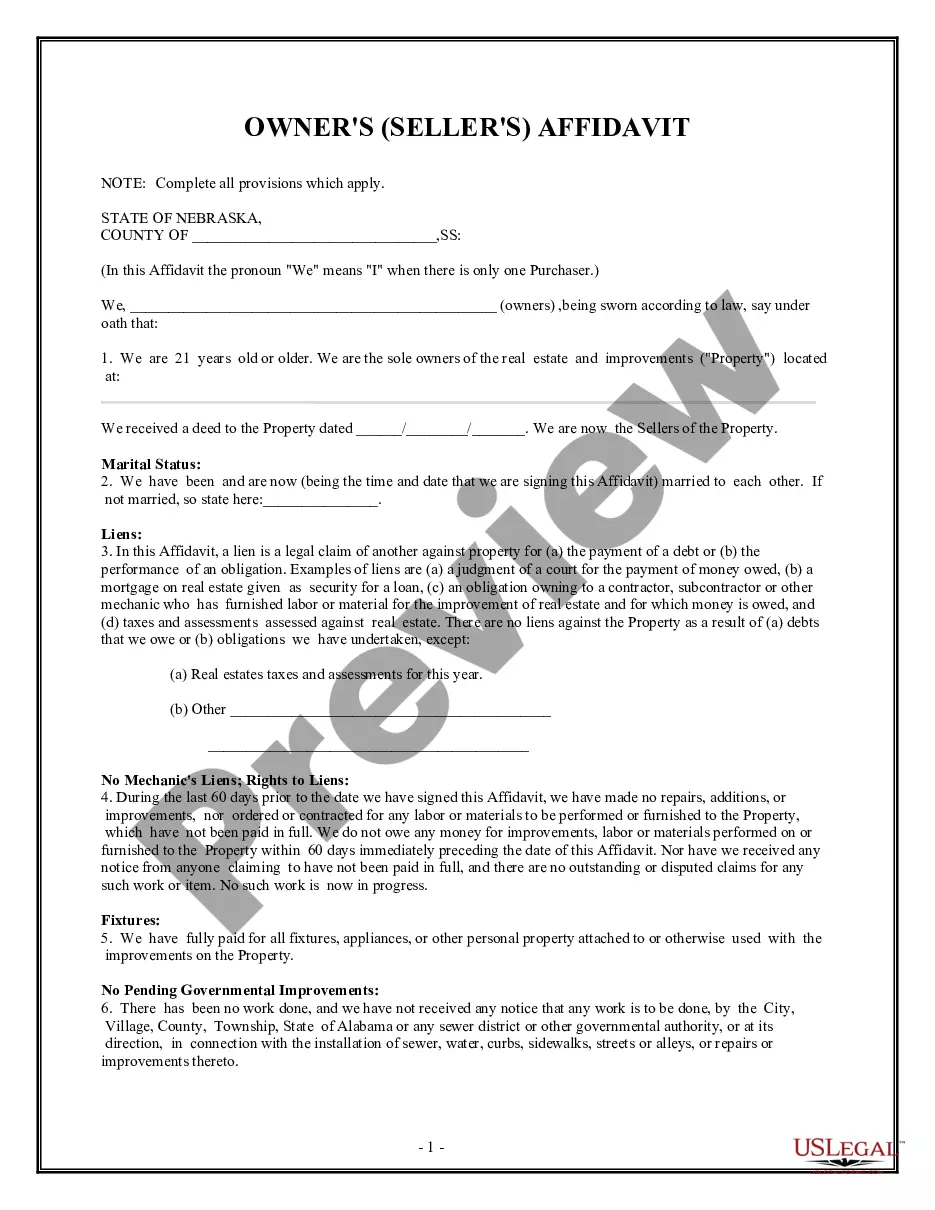
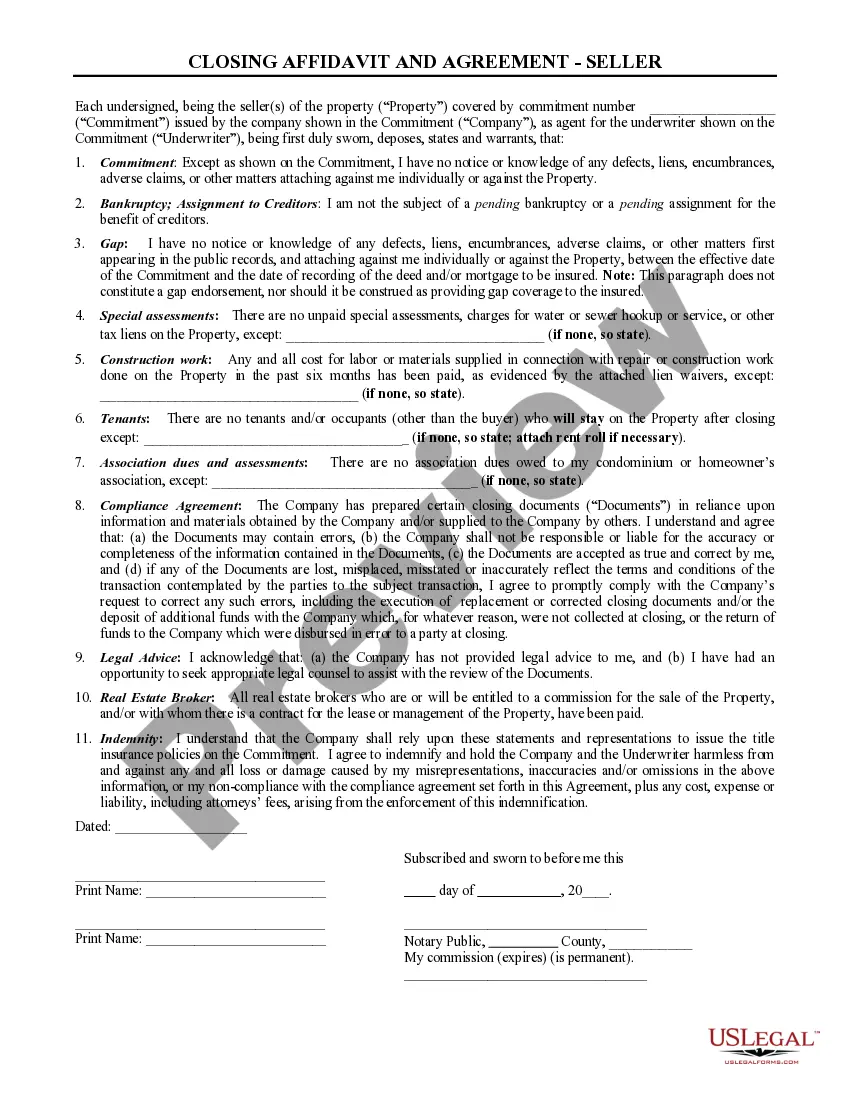
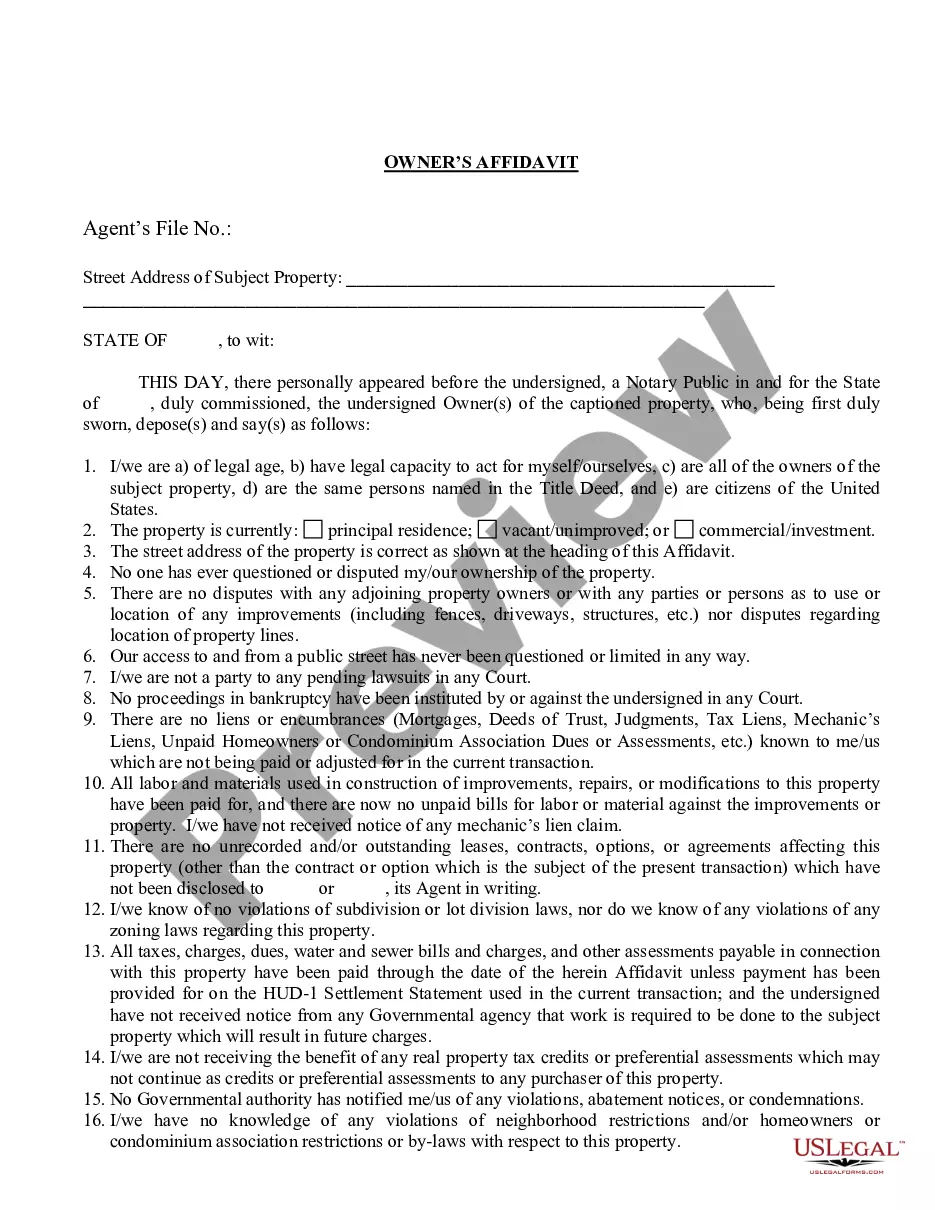
The Owner's or Seller's Affidavit of No Liens is a legal document used by sellers during the closing of a property transaction. This affidavit serves to certify that there are no outstanding liens on the property being sold, ensuring that the seller has clear ownership and that the property is free of any financial claims. This form stands out from other affidavits by specifically addressing liens and related obligations, making it a vital part of real estate transactions.
Form components explained
- Seller's affirmation of ownership and property details.
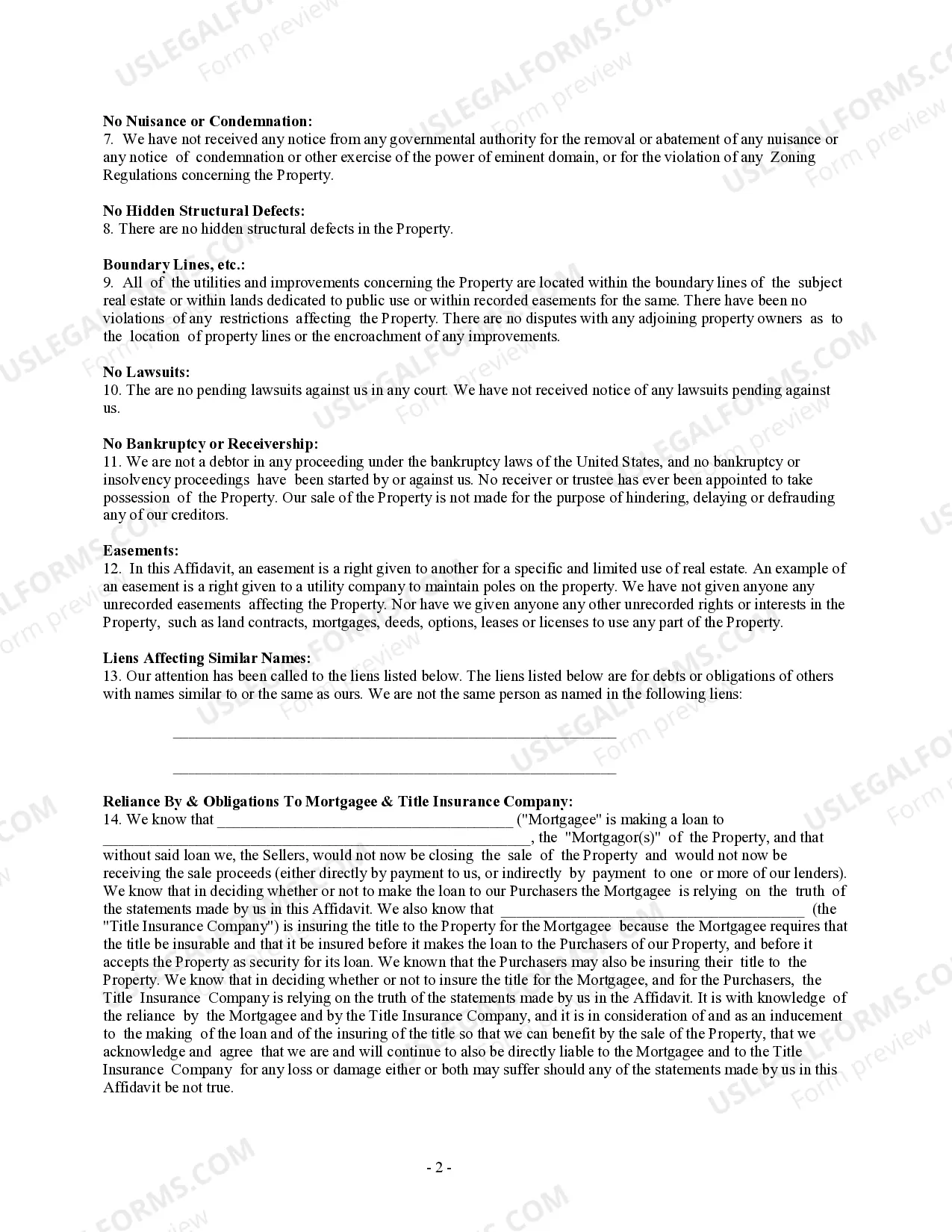
- Certification that no liens exist against the property.
- Disclosure of any real estate taxes or pending obligations.
- Assurance that no recent repairs or improvements have incurred unpaid debts.
- Acknowledgment of compliance with local governmental regulations.
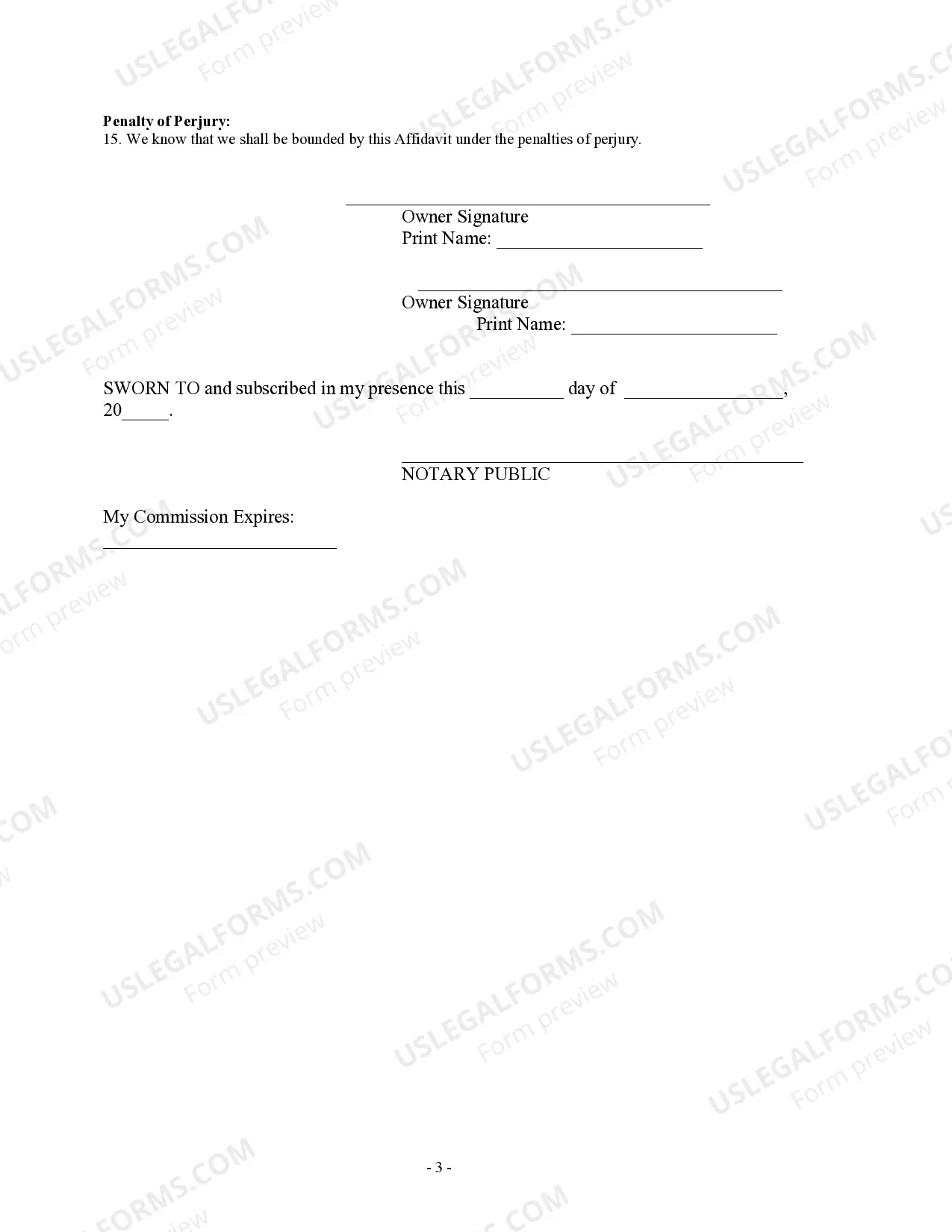
- Signature and notarization requirements.

Situations where this form applies
This form should be used in situations where a property seller is finalizing a real estate transaction. Specifically, it is important when the seller needs to affirm that the property is free from any liens, which could affect the buyer's ownership. It is commonly utilized at the closing stage to ensure transparency and legal compliance in the property transfer process.
Who should use this form
This affidavit is primarily for:
- Individual property owners selling real estate.
- Couples or co-owners of a property looking to certify clear title.
- Real estate agents or attorneys representing sellers in transactions.
Instructions for completing this form
- Identify the parties involved and provide the property details.
- Certify the absence of liens and indicate any exceptions, such as real estate taxes for the current year.
- Affirm any repairs or improvements have been fully paid for within the specified timeframe.
- Sign the affidavit in the presence of a notary public.
- Ensure all statements made in the affidavit are accurate and truthful to avoid penalties.
Is notarization required?
This form needs to be notarized to ensure legal validity. US Legal Forms provides secure online notarization powered by Notarize, allowing you to complete the process through a verified video call, available anytime.
Get your form ready online
Our built-in tools help you complete, sign, share, and store your documents in one place.
Make edits, fill in missing information, and update formatting in US Legal Forms—just like you would in MS Word.
Download a copy, print it, send it by email, or mail it via USPS—whatever works best for your next step.
Sign and collect signatures with our SignNow integration. Send to multiple recipients, set reminders, and more. Go Premium to unlock E-Sign.
If this form requires notarization, complete it online through a secure video call—no need to meet a notary in person or wait for an appointment.
We protect your documents and personal data by following strict security and privacy standards.
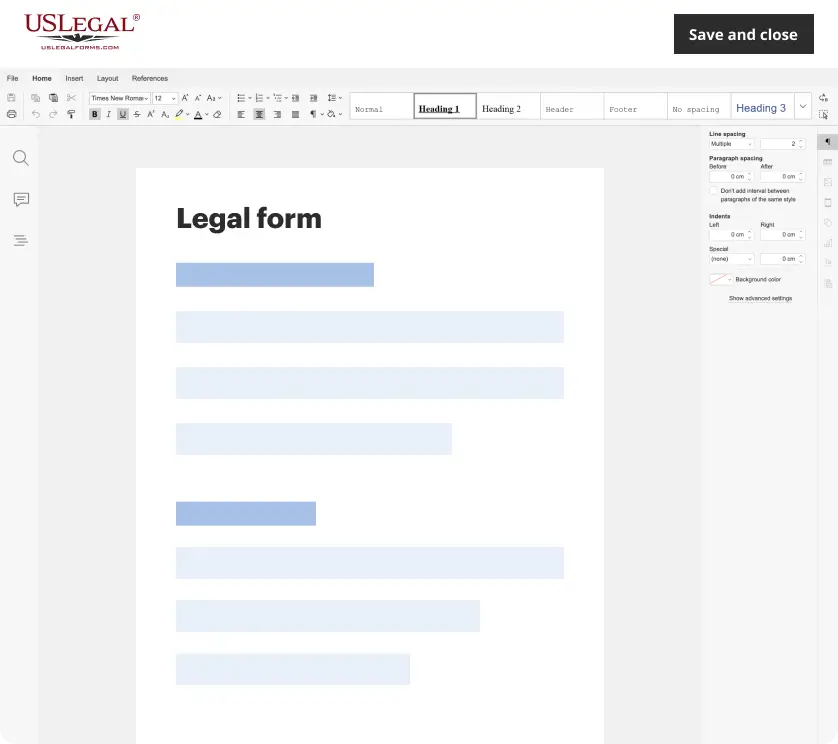
Make edits, fill in missing information, and update formatting in US Legal Forms—just like you would in MS Word.
Download a copy, print it, send it by email, or mail it via USPS—whatever works best for your next step.
Sign and collect signatures with our SignNow integration. Send to multiple recipients, set reminders, and more. Go Premium to unlock E-Sign.

If this form requires notarization, complete it online through a secure video call—no need to meet a notary in person or wait for an appointment.
We protect your documents and personal data by following strict security and privacy standards.
Common mistakes
- Failing to disclose existing liens or obligations can invalidate the affidavit.
- Not completing all applicable sections of the form may lead to legal issues.
- Omitting signatures or failing to have the document notarized could render it unenforceable.
Why complete this form online
- Convenience of downloading and completing the form at any time.
- Editability allows for quick adjustments based on specific circumstances.
- Reliability ensures that the affidavit meets legal standards.
Quick recap
- The Owner's Affidavit of No Liens is crucial for real estate transactions.
- This form certifies that the property is free from liens, protecting the buyer.
- It must be completed, signed, and notarized for legal effect.
- Accurate details and disclosures are essential to avoid legal issues.
Looking for another form?
Form popularity
FAQ
Step 1: Prepare the lien form. Fill out the information on the lien form. Step 2: Record your lien. Step 3: Serve a copy of the mechanics lien.
Things Not Covered in Your Title Policy Any defects created after the issuance of the policy, or defects that you create. Issues arising as the result of failing to pay your mortgage. Issues arising as the result of failing to obey the law or certain covenants. Specific taxes and assessments.
Mechanic's liens create a cloud on title, meaning that they appear in public property records. Liens are sometimes said to travel with the land, meaning that anyone who buys your house would take the property subject to the contractor's lien (or, more likely, demand that you pay it off first).
Title insurance is an insurance policy that protects you, the home owner, against challenges to the ownership of your home or from problems related to the title to your home. The policy provides coverage against losses due to title defects, even if the defects existed before you purchased your home.
Two basic types of title insurance policies are available to owners of real property in California: (1) a standard coverage policy and (2) an extended coverage policy. A standard policy insures primarily against defects in title which are discoverable through an examination of the public record.
However, the title does not prove ownership.Title insurance protects the buyer of property or the lender for the property against unknown defects in the title.
An Owner Affidavit is a document used by title and closing agencies to ensure that the current owner of a property is in ownership of the property free and clear of any encumbrances.The Owner Affidavit places the seller on the hook for any claims that may arise that are not covered by the title insurance policy.
Discharge or release of lien. In Nebraska, liens can be discharged at any time by the contractor who asserted the lien by filing a release with the Register of Deeds.
Negotiate with the contractor who placed the lien (the "lienor" to remove it. Obtain a lien bond to discharge the lien, or. File a lawsuit to vacate the lien.