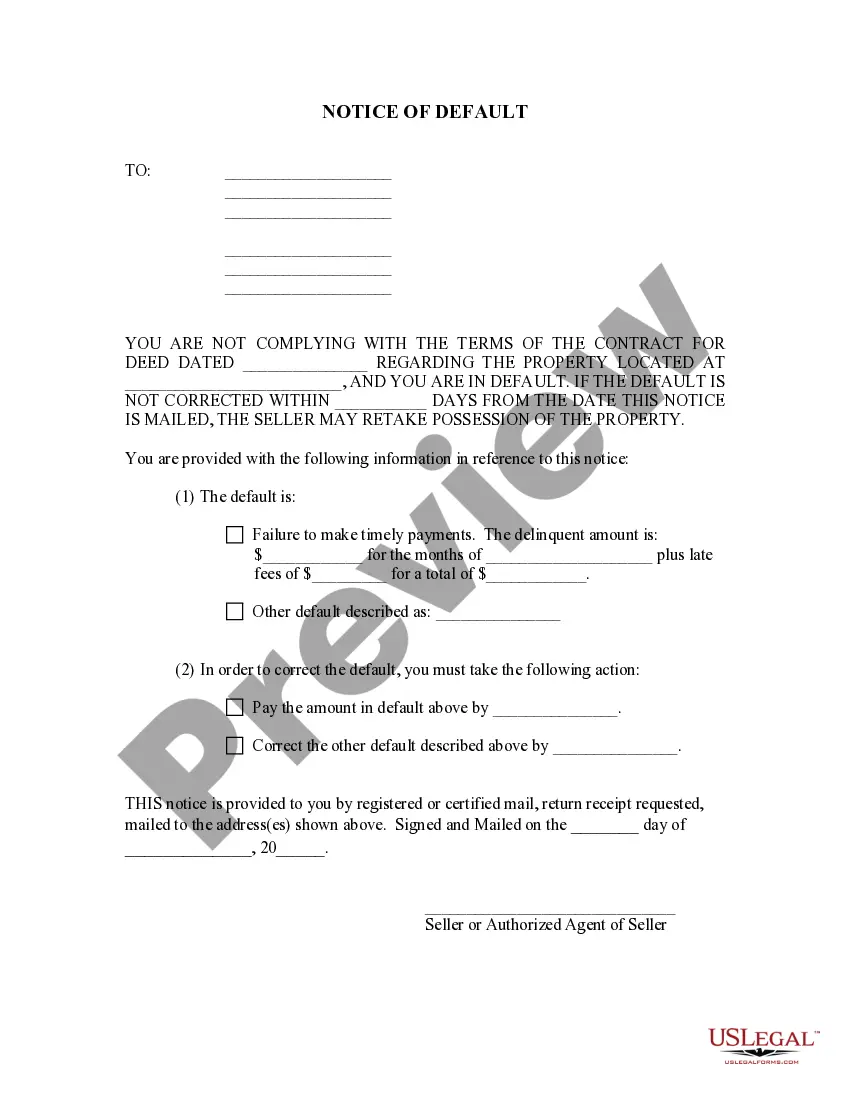
Nebraska Seller's Information for Appraiser provided to Buyer
What is this form?
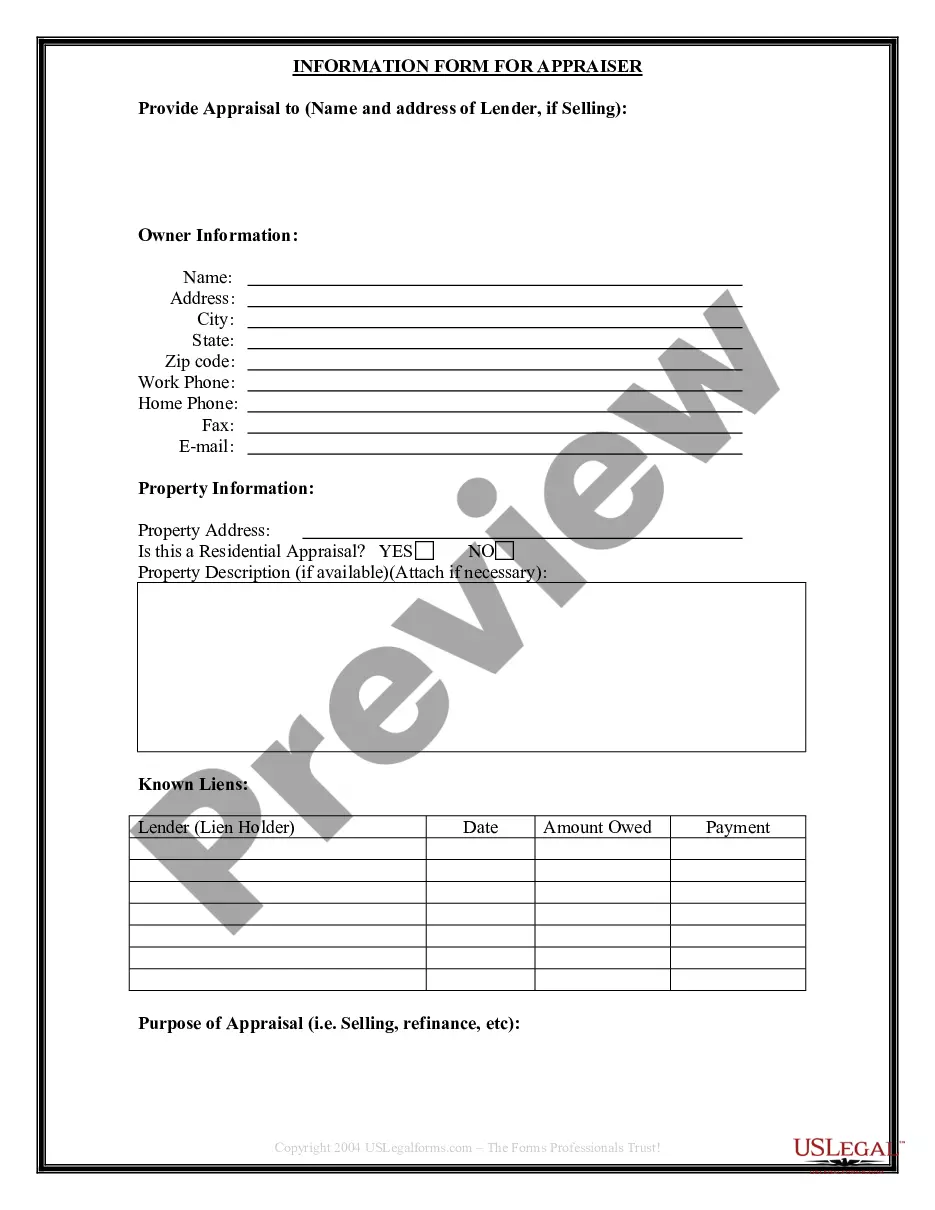
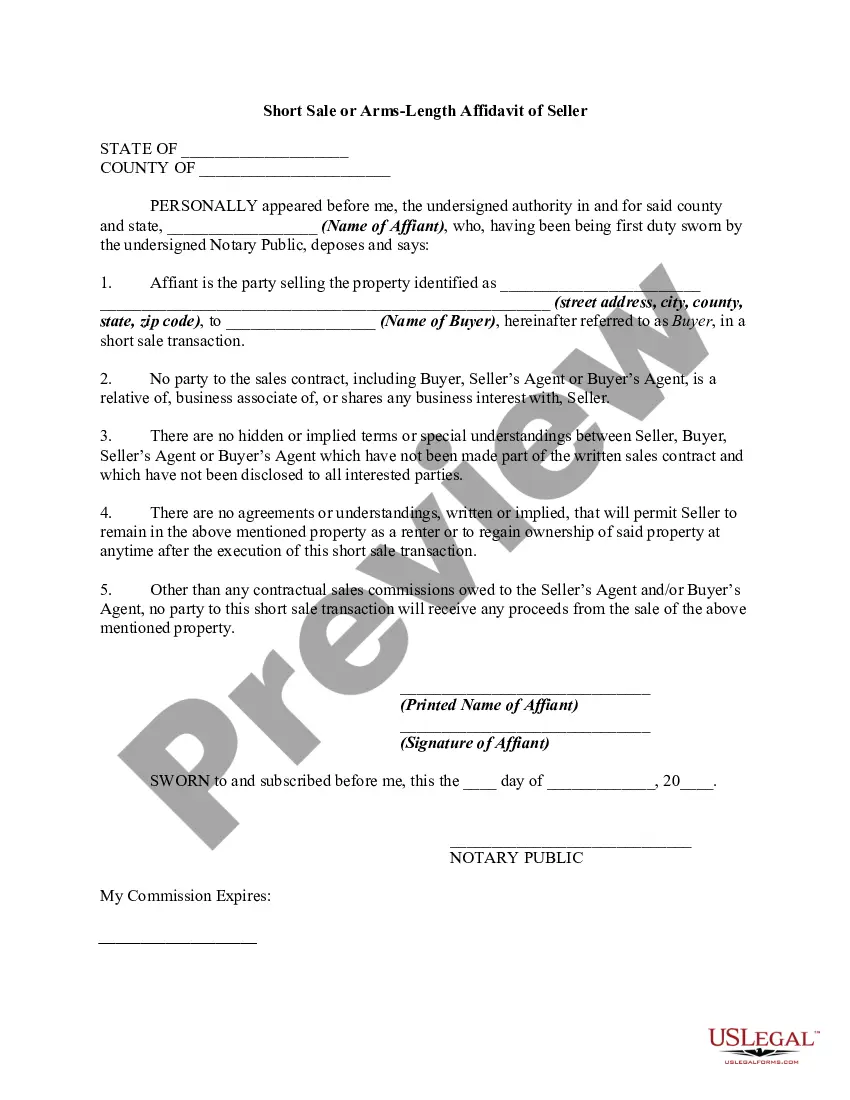
The Seller's Information for Appraiser provided to Buyer form is a crucial document used in Nebraska real estate transactions. This form enables the Seller to offer essential details needed by the appraiser to evaluate the property before the sale. By streamlining the information flow, this form enhances the appraisal process, setting it apart from other general real estate forms.
Key parts of this document
- Contact information for the Seller.
- Property details including address and features.
- Disclosure of any known issues or features affecting property value.
- Information about local market conditions.
- Signature of the Seller indicating the accuracy of provided information.

Situations where this form applies
This form is typically used during the buying process of real estate in Nebraska. It is essential when the Buyer engages an appraiser to determine the value of a property before finalizing the purchase. It helps ensure that the appraiser has the necessary information for a thorough evaluation, making it pivotal in real estate transactions.
Who needs this form
- Home Sellers who are preparing to enter a property sale.
- Buyers looking to obtain an appraisal for a property in Nebraska.
- Real estate agents facilitating transactions between Buyers and Sellers.
Instructions for completing this form
- Identify the parties involved by including the Sellerâs name and contact information.
- Fill in the property details, including the complete address and significant features of the property.
- Disclose any known issues or notable features that may impact the propertyâs value.
- Provide context regarding local market conditions that may influence appraisal outcomes.
- Sign and date the form, affirming that the information provided is complete and accurate.
Notarization requirements for this form
This form does not typically require notarization unless specified by local law. It is advisable to confirm any notary requirements specific to your transaction or locality.
Get your form ready online
Our built-in tools help you complete, sign, share, and store your documents in one place.
Make edits, fill in missing information, and update formatting in US Legal Forms—just like you would in MS Word.
Download a copy, print it, send it by email, or mail it via USPS—whatever works best for your next step.
Sign and collect signatures with our SignNow integration. Send to multiple recipients, set reminders, and more. Go Premium to unlock E-Sign.
If this form requires notarization, complete it online through a secure video call—no need to meet a notary in person or wait for an appointment.
We protect your documents and personal data by following strict security and privacy standards.

Make edits, fill in missing information, and update formatting in US Legal Forms—just like you would in MS Word.

Download a copy, print it, send it by email, or mail it via USPS—whatever works best for your next step.

Sign and collect signatures with our SignNow integration. Send to multiple recipients, set reminders, and more. Go Premium to unlock E-Sign.

If this form requires notarization, complete it online through a secure video call—no need to meet a notary in person or wait for an appointment.

We protect your documents and personal data by following strict security and privacy standards.
Common mistakes
- Incomplete or missing property details which can hinder the appraisal.
- Failure to disclose significant property issues, leading to inaccurate appraisals.
- Not signing the form, which may render it invalid.
Benefits of completing this form online
- Instant access to professionally drafted legal templates.
- Edit and customize the form easily to meet specific needs.
- Convenient download options allow for quick completion and submission.
- Reliable and accurate forms, drafted by licensed attorneys.
Key takeaways
- The Seller's Information for Appraiser is essential when a Nebraska property is under appraisal.
- It helps streamline the appraisal process by providing necessary details upfront.
- Accurate completion of the form can prevent common appraisal mistakes.
Looking for another form?

Form popularity
FAQ
Step 1: Decide on an asking price. Step 2: Give your house a spruce-up. Step 3: Start advertising your property. Step 4: Arrange viewings. Step 5: Negotiate a price. Step 6: Accepting an offer. Step 7: Instruct a solicitor or conveyancer.
Consult with your Real Estate Agent or mortgage professional, as closing costs will be specific to your transaction. Buyer's Estimated Closing Costs: Commission: For starters "Realtor fees" (commissions) are 100% FREE to you, the buyer. In Nebraska, the seller generally pays the commission.
Scope Out the Competition (Be A Nosey Neighbor) Give Nebraska Buyers What They Want. Analyze Nebraska's Real Estate Market Data for a Correct Listing Price. Make Sure Your Real Estate Photographs Don't Suck.
Proof of Identity. Your solicitor will need to see a photo ID such as your passport or driving licence and also a proof of address, such as a recent bank statement or utility bill. Property Title Deeds. These are paper documents showing the chain of ownership for the land and property you wish to sell. An EPC.
The typical seller disclosure form is several pages long, and it asks the seller to report known defects in the home. This will include the appliances, as well as information about electrical, heating, sewer, water or other mechanical systems.
Original Sales Contract. Professional Appraisal From The Original Purchase of Your Home. Mortgage Statement (Payoff Amount) Homeowners Insurance Records. Homeowners Association Documents. Home Repair and Maintenance Records. Receipts for Capital Improvements.
Property sellers are usually required to disclose information about a property's condition that might negatively affect its value. Even if the law doesn't require disclosure of a problem, it might be wise for a seller to disclose it anyway.
Closing costs for buyers typically range between 2 4 percent of the home's purchase price and are often less for sellers. In some situations, buyers and sellers share the cost of closing costs. In other situations, the buyer may be responsible for all closing costs or the seller may be fully responsible.
Buyers must sign off on all disclosures and reports. So it's important to review them carefully and ask questions if you need to. Full disclosure upfront is the way to go. Providing full disclosure can help a seller.