North Carolina Agreement for Payment of Unpaid Rent
Understanding this form
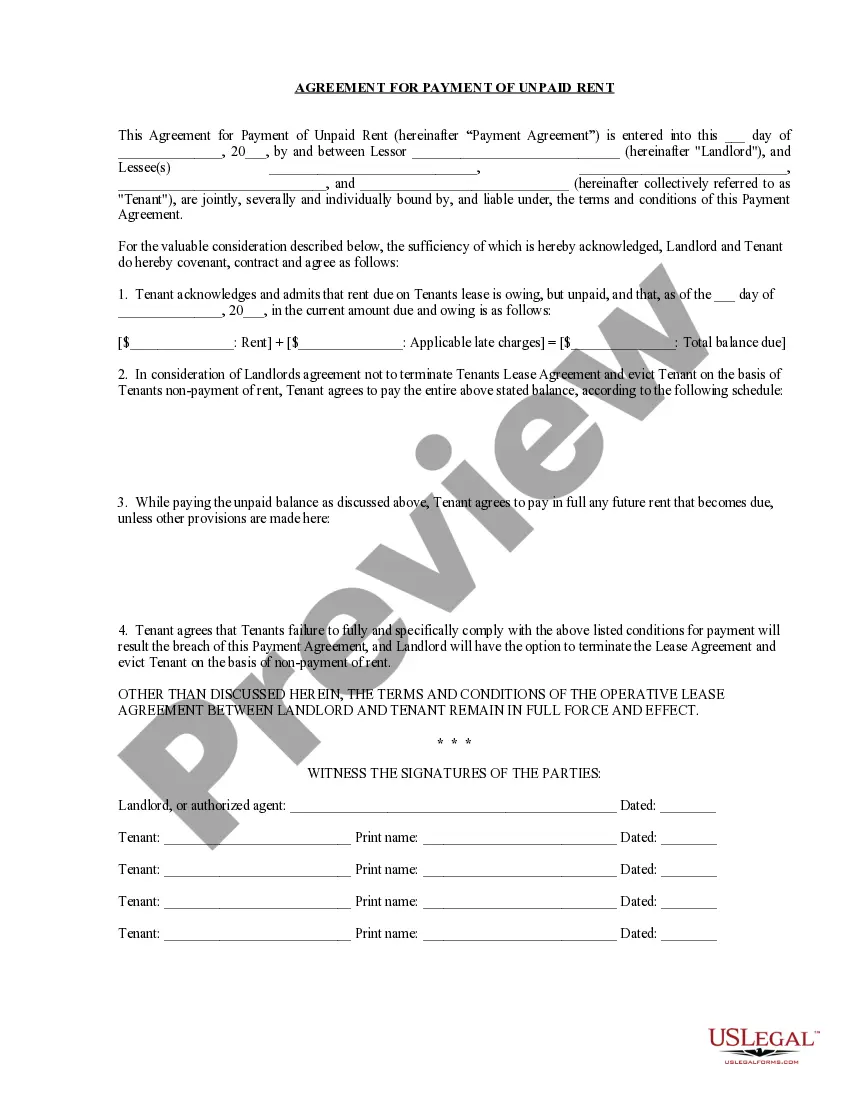
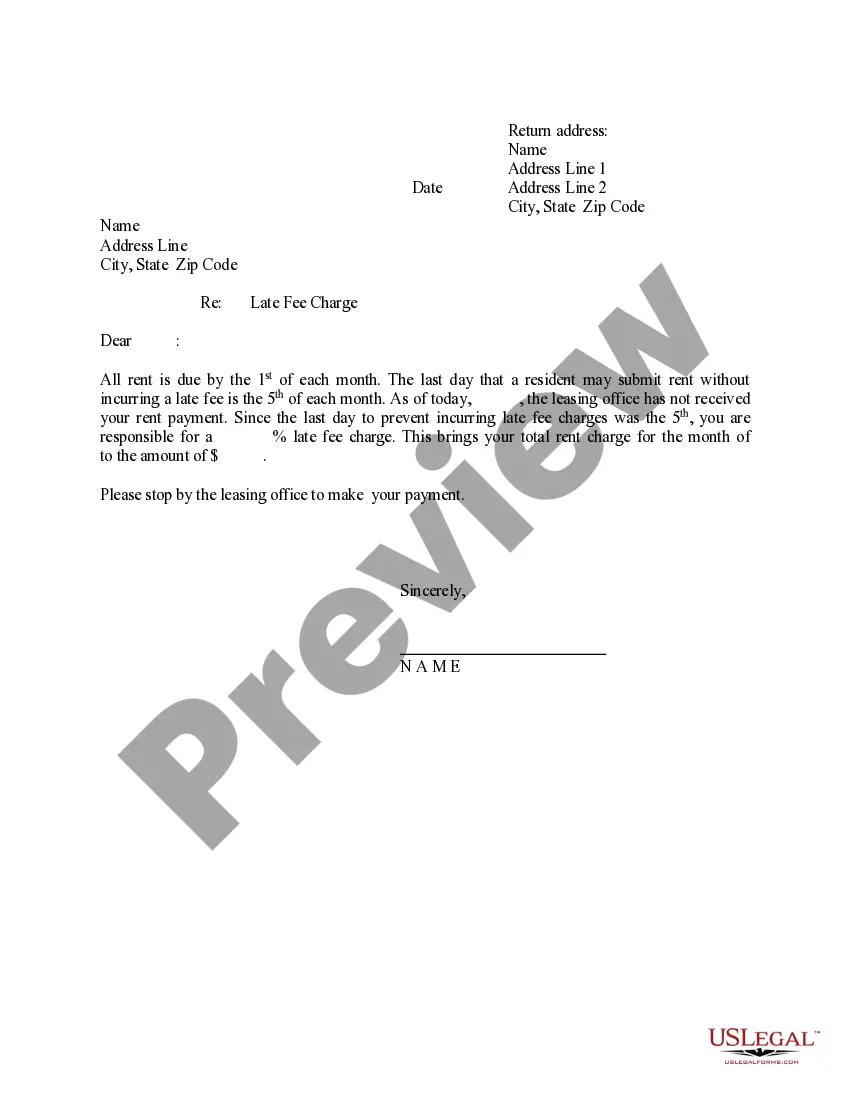
The Agreement for Payment of Unpaid Rent is a legal document that outlines an agreement between a landlord and tenant regarding overdue rent payments. This form establishes a repayment structure and deadlines to facilitate the tenant's payment of overdue rent, while the landlord agrees not to evict the tenant during this period. It is specifically designed to meet all necessary state law specifications and can be essential for managing rental agreements efficiently.
Key parts of this document
- Identification of the landlord (Lessor) and tenant (Lessee) parties involved.
- Statement of the total unpaid rent amount, including applicable late charges.
- Terms and conditions agreed upon by both parties, including payment deadlines.
- Clarity that existing lease agreement terms remain in effect except as modified by this payment agreement.
- Signatures from both the landlord and all tenants, indicating mutual agreement.

Common use cases
This form is particularly useful when a tenant has fallen behind on their rent payments but mutually agrees with the landlord on a plan to pay the overdue amount. Use this agreement to avoid eviction proceedings while establishing a clear repayment schedule. It is ideal during financial hardships when tenants need a formal arrangement to catch up on payments without losing their housing.
Who this form is for
- Landlords who want to formalize an agreement with a tenant regarding unpaid rent.
- Tenants who require a structured plan to address overdue rent with their landlord.
- Real estate managers or property owners dealing with multiple rental agreements.
Instructions for completing this form
- Identify the parties involved by entering the landlord's and tenant's names and contact details.
- Specify the amount of unpaid rent and any late charges incurred.
- Establish terms for repayment, including deadlines for future payments.
- Ensure the agreement maintains the original lease terms unless modified.
- All parties must sign the agreement, indicating their acceptance of the terms.
Is notarization required?
Notarization is generally not required for this form. However, certain states or situations might demand it. You can complete notarization online through US Legal Forms, powered by Notarize, using a verified video call available anytime.
Get your form ready online
Our built-in tools help you complete, sign, share, and store your documents in one place.
Make edits, fill in missing information, and update formatting in US Legal Forms—just like you would in MS Word.
Download a copy, print it, send it by email, or mail it via USPS—whatever works best for your next step.
Sign and collect signatures with our SignNow integration. Send to multiple recipients, set reminders, and more. Go Premium to unlock E-Sign.
If this form requires notarization, complete it online through a secure video call—no need to meet a notary in person or wait for an appointment.
We protect your documents and personal data by following strict security and privacy standards.

Make edits, fill in missing information, and update formatting in US Legal Forms—just like you would in MS Word.

Download a copy, print it, send it by email, or mail it via USPS—whatever works best for your next step.

Sign and collect signatures with our SignNow integration. Send to multiple recipients, set reminders, and more. Go Premium to unlock E-Sign.

If this form requires notarization, complete it online through a secure video call—no need to meet a notary in person or wait for an appointment.

We protect your documents and personal data by following strict security and privacy standards.
Common mistakes to avoid
- Failing to include complete information for all parties involved.
- Not specifying the total amount due clearly, leading to confusion.
- Omitting signatures from all necessary parties, which may invalidate the agreement.
- Neglecting to mention existing lease terms that remain in effect.
Why use this form online
- Convenient access to legal forms required for rental agreements.
- Edit and customize the template to fit your specific needs easily.
- Reliable and professionally drafted content that complies with state regulations.
Legal use & context
- This agreement provides legal protection for both the landlord and tenant when payment terms are agreed upon.
- Failure to complete payments as outlined may still result in eviction proceedings.
- Consulting legal counsel can help clarify any specific obligations or protections relevant to your state.
What to keep in mind
- The Agreement for Payment of Unpaid Rent helps establish a clear payment plan to prevent eviction.
- Both landlords and tenants can benefit from a written, signed agreement to manage overdue rent.
- Ensure the document is filled out accurately and signed by all relevant parties for enforceability.
Looking for another form?

Form popularity
FAQ
1) Stay calm and respectful. While dealing with these cases can be extremely stressful, it's important to approach the situation as calmly as possible. 2) Have an in-person meeting with your tenant. 3) Act quickly. 4) Keep proper documentation. 5) Do not accept partial payments if you plan to evict.
Step 1: Check Your Lease Documents and Payment Records. Step 2: Send a Late Rent Notice. Step 3: Make a Phone Call. Step 4: Send a Pay or Quit Notice. Step 5: Take Legal Action.
Using a Section 8 notice By failing to pay their rent, your tenant has broken the terms of their tenancy agreement, meaning you can serve them a Section 8 notice at any point in the tenancy. Your tenant may dispute the eviction, so you need to be ready with evidence of unpaid rent and your efforts to resolve the issue.
In short, nothing in the CARES Act or Governor Cooper's Order prohibits evictions for reasons other than late payment or nonpayment of rent, such as evictions related to health, safety, or criminal activity. These types of evictions by a landlord would not violate the Order.
Include the date at the top of the letter. Acknowledge that you you are behind in paying your rent and apologize for your actions. Explain the situation that has led to your current financial hardship. Stick to the facts, and resist the urge to write emotional appeals or project a negative attitude.
Notice Requirements for North Carolina Landlords A landlord can simply give you a written notice to move, allowing you seven days as required by North Carolina law and specifying the date on which your tenancy will end.
If you have rent arrears, your landlord may try and evict you. This is called seeking possession. To do this, in most cases they will need to follow a procedure which involves getting a court order. They can't make you leave your home without going to court first.
North Carolina law says that your landlord must keep your housing fit and safe. It also says that you, the tenant, must pay your rent, keep your home clean, and not damage your home. To make the law work, both the tenant and the landlord must do their part.