Michigan Letter from Tenant to Landlord containing Notice to landlord to withdraw improper rent increase during lease
Overview of this form
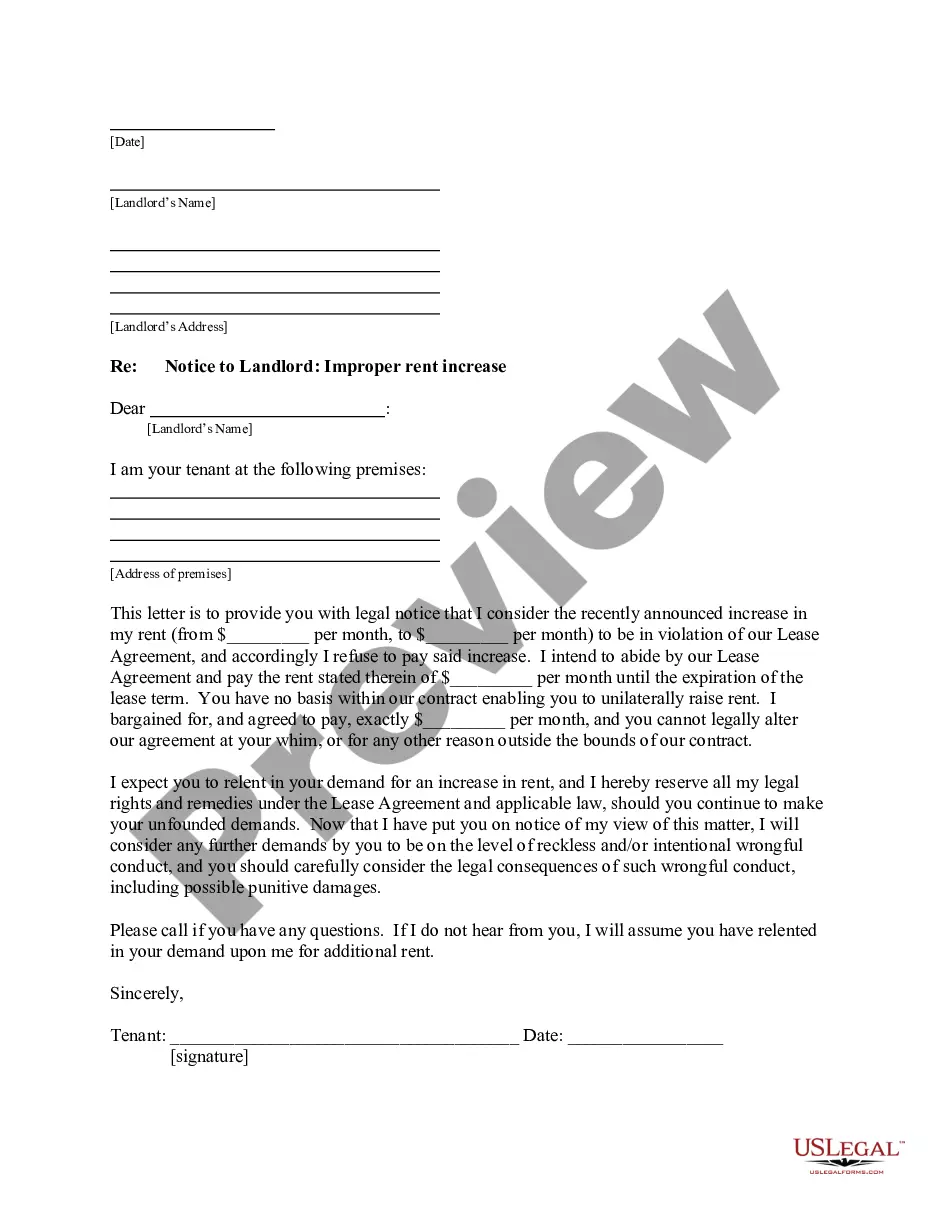
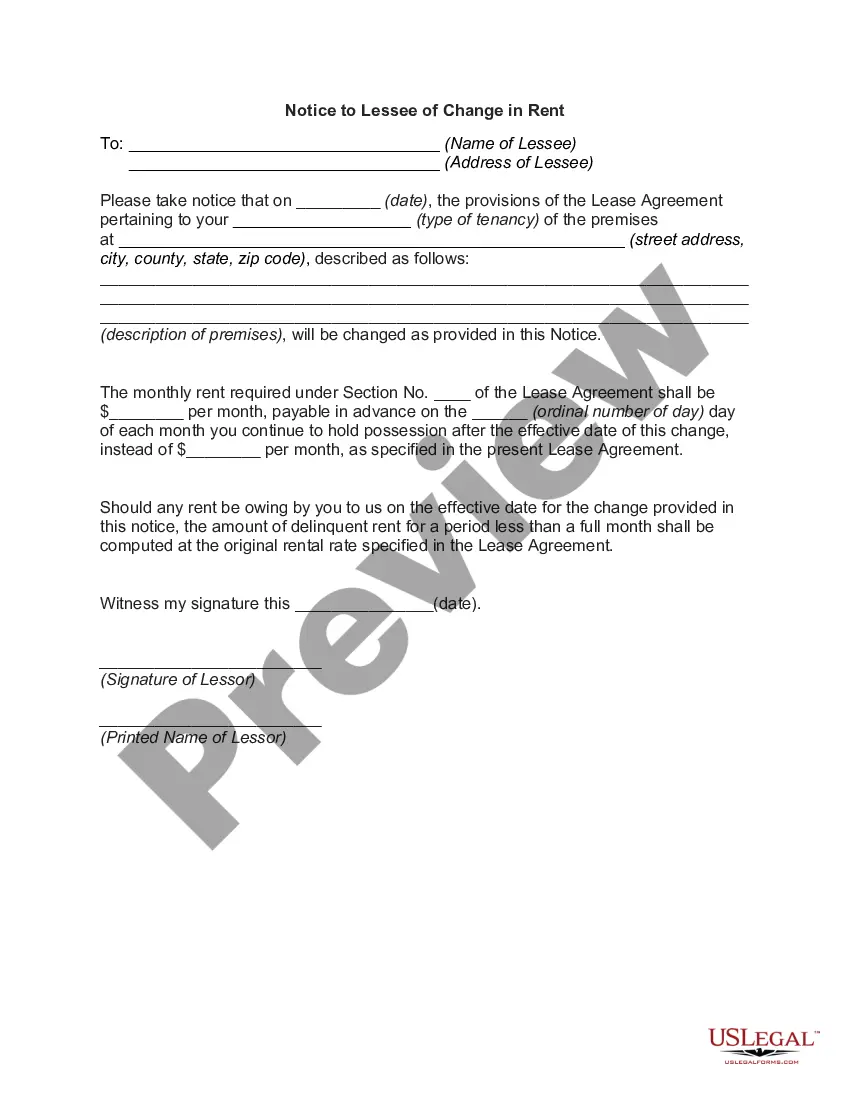
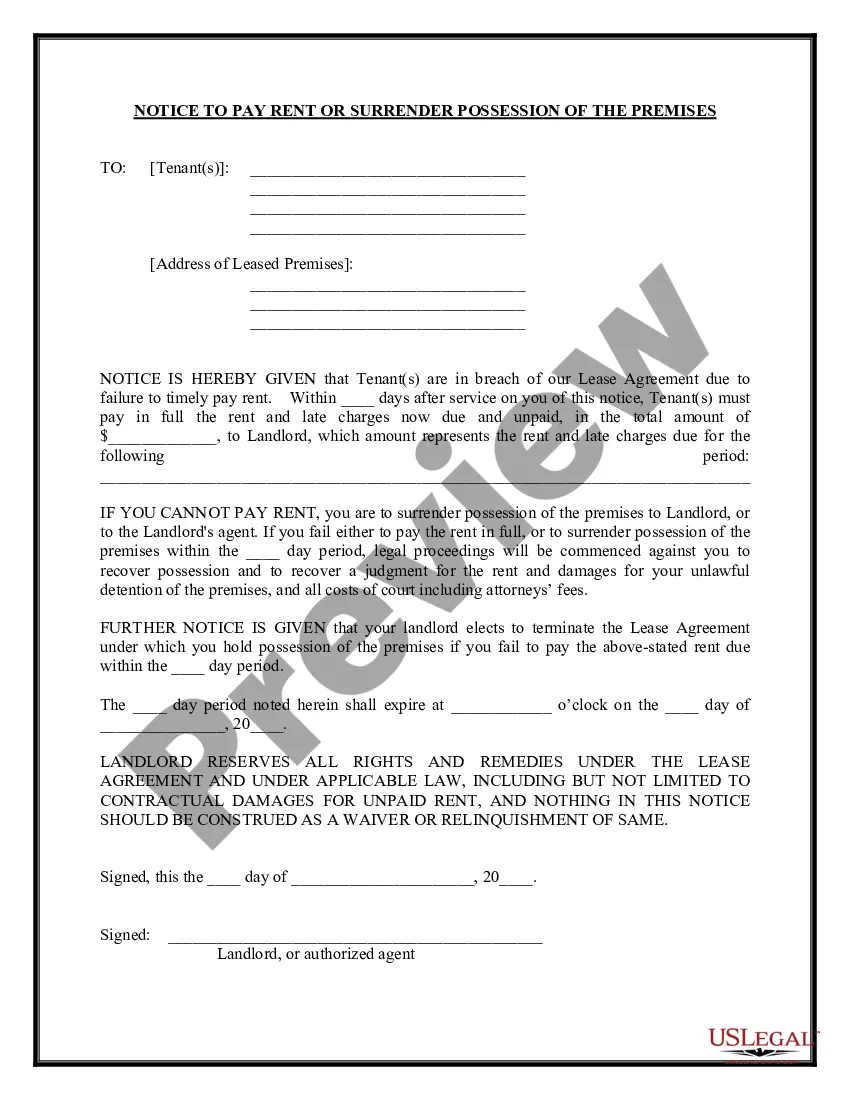
This form is a Letter from Tenant to Landlord containing Notice to the landlord to withdraw an improper rent increase during the lease. Its primary purpose is to formally advise the landlord of the tenant's refusal to accept an unjustified rent increase, while reserving the tenant's legal rights as outlined in their lease agreement. This letter serves as a crucial communication tool to protect tenant rights and ensure that the landlord is aware of the tenant's position on rent increases, setting it apart from general rent increase notices or lease termination letters.
Key components of this form
- Statement of refusal to accept the rent increase.
- Reservation of legal rights under the lease agreement.
- Warning against further demands deemed reckless or wrongful.
- Assumption clause if no response is received from the landlord.
- Signature and date fields for tenant acknowledgment.

When this form is needed
This form should be used when a landlord has proposed a rent increase during an active lease, and the tenant believes that the increase is unjustified or not legally permissible. It serves as a formal notice to the landlord, expressing the tenant's stance on the increase and providing a basis for any future legal actions if necessary. Utilize this form to effectively communicate your position before the expiration of the lease term.
Who can use this document
- Current tenants facing unjust rent increases from their landlords.
- Tenants wishing to formally communicate their refusal to accept a proposed rent increase.
- Individuals wanting to protect their legal rights under a lease agreement.
- Renters in multi-unit dwellings subject to improper rent increases.
How to prepare this document
- Identify the parties involved: enter the tenant's name and address, and the landlord's name and address.
- Clearly state the demand for the withdrawal of the proposed rent increase.
- Reserve your legal rights by including a statement referencing the lease agreement.
- Incorporate a warning about the potential consequences of continued demands.
- Sign and date the form once all information is complete.
Does this form need to be notarized?
This form usually doesn’t need to be notarized. However, local laws or specific transactions may require it. Our online notarization service, powered by Notarize, lets you complete it remotely through a secure video session, available 24/7.
Get your form ready online
Our built-in tools help you complete, sign, share, and store your documents in one place.
Make edits, fill in missing information, and update formatting in US Legal Forms—just like you would in MS Word.
Download a copy, print it, send it by email, or mail it via USPS—whatever works best for your next step.
Sign and collect signatures with our SignNow integration. Send to multiple recipients, set reminders, and more. Go Premium to unlock E-Sign.
If this form requires notarization, complete it online through a secure video call—no need to meet a notary in person or wait for an appointment.
We protect your documents and personal data by following strict security and privacy standards.

Make edits, fill in missing information, and update formatting in US Legal Forms—just like you would in MS Word.

Download a copy, print it, send it by email, or mail it via USPS—whatever works best for your next step.

Sign and collect signatures with our SignNow integration. Send to multiple recipients, set reminders, and more. Go Premium to unlock E-Sign.

If this form requires notarization, complete it online through a secure video call—no need to meet a notary in person or wait for an appointment.

We protect your documents and personal data by following strict security and privacy standards.
Typical mistakes to avoid
- Failing to send the notice via a method that provides proof of delivery.
- Not signing and dating the form, making it incomplete.
- Omitting important details about the proposed rent increase.
- Using vague language that does not clearly express the refusal.
Why use this form online
- Convenient access to a legally sound document that can be completed from home.
- Editable templates that allow customization for individual circumstances.
- Assurance of compliance with current legal standards as drafted by licensed attorneys.
Legal use & context
- This form is designed to formally communicate the tenant's position regarding a rent increase.
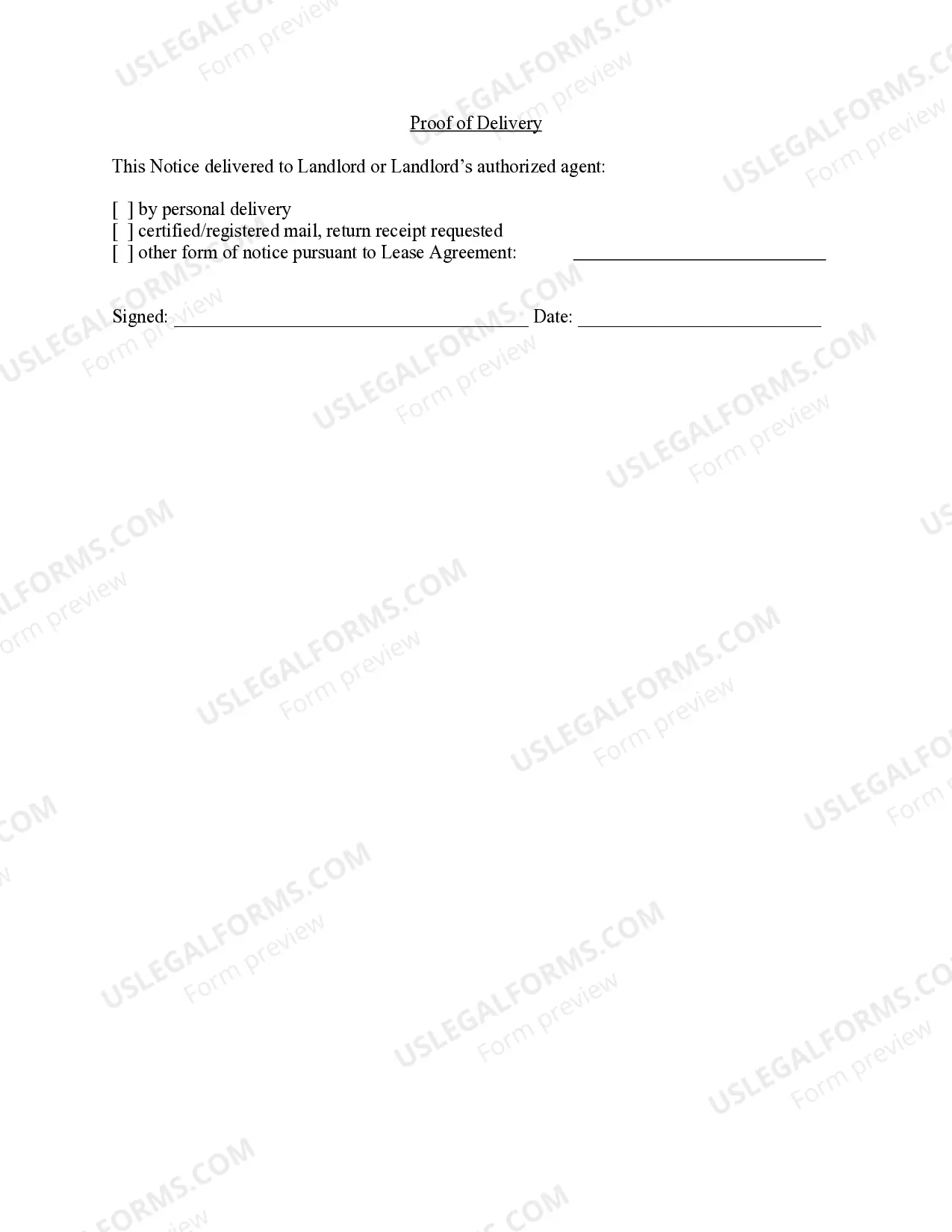
- It is advisable to send this notice via certified mail or another method that confirms receipt.
- Understanding local laws is crucial, as different jurisdictions may have specific timelines and requirements for contesting rent increases.
Quick recap
- This form helps tenants formally refuse unjustified rent increases.
- It is crucial for protecting tenant rights and reserving legal options.
- Completing this notice accurately can prevent future disputes with landlords.
Looking for another form?
Form popularity
FAQ
Every time the tenancy ends legally, the notice to quit also expires. This is valid when the tenancy is renewed for either a new fixed term or a new periodic tenancy. When the rent is increased or decreased, a new tenancy has to be issued, so any notice served is deprecated.
Unfortunately that is not the case. Once a break notice has been served is cannot be unilaterally withdrawn. Even if both parties agree that the notice is withdrawn, service of the notice terminates the existing lease and creates a new tenancy by implication. There are a number of consequences that flow from this.
Pay any delinquent rent that is due to the landlord within the allotted time of the notice. Move out of the premises within the allotted time of the notice. File an answer with the judicial court. File a motion to stay with the court.
Name of Tenant and Other Persons who need to comply with the order or vacate the property. Address of the Rental Property in Michigan. Reason for ending the Michigan Rental Agreement. Number of days the Tenant has to correct the issue.
I am giving 1 month's notice to end my tenancy, as required by law. I will be leaving the property on (date xxxxx). I would like you to be at the property on the day I move out to check the premises and for me to return the keys. I also need you to return my tenancy deposit of (state amount).
Address the letter to the exact name on the tenancy agreement. Inform the tenant of the eviction. Be plain and concise. State the reasons for the eviction. Be sure to include the specific time of eviction. Ensure to get a copy of the letter. Serve the notice.
Pay any delinquent rent that is due to the landlord within the allotted time of the notice. Move out of the premises within the allotted time of the notice. File an answer with the judicial court. File a motion to stay with the court.
Surprisingly, this is not the case. In fact, once a break notice has been validly served it cannot be withdrawn; service of the notice effectively terminates the existing lease and creates a new tenancy by implication if the tenant remains in occupation past the break date (Tayleur v Wildin (1867-68) LR 3 Ex 303).
Unfortunately that is not the case. Once a break notice has been served is cannot be unilaterally withdrawn. Even if both parties agree that the notice is withdrawn, service of the notice terminates the existing lease and creates a new tenancy by implication. There are a number of consequences that flow from this.