Michigan Letter from Landlord to Tenant for Failure of to dispose all ashes, rubbish, garbage or other waste in a clean and safe manner in compliance with community rules
Overview of this form
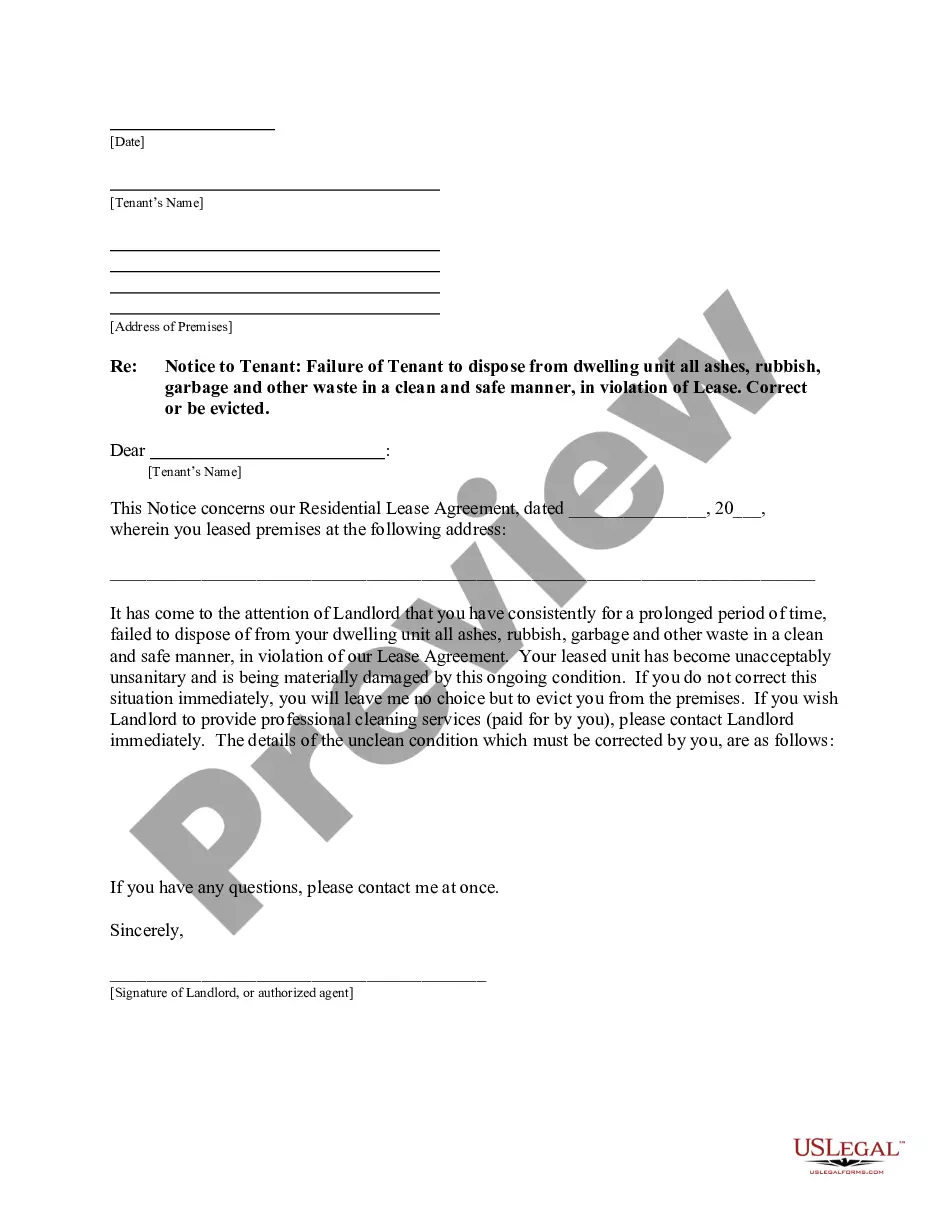
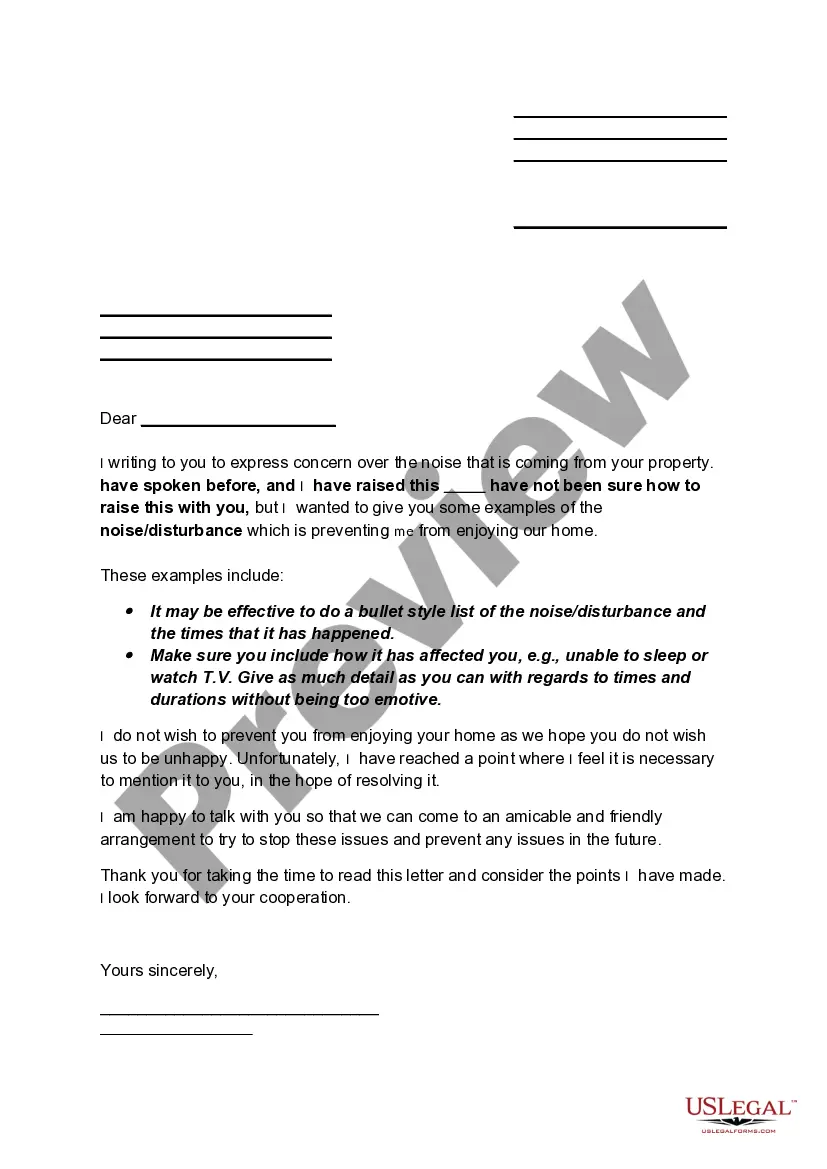
This form is a letter from a landlord to a tenant addressing the failure to dispose of waste properly, in accordance with community rules. This notice serves as a formal demand for the tenant to rectify unsanitary conditions or face potential eviction. Unlike general eviction notices, this form specifically targets the tenant's failure to maintain cleanliness and safety related to waste disposal.
Key components of this form
- Introduction of the landlord's concern about waste disposal
- Reference to the lease agreement and community standards
- Specific details about the unclean conditions observed
- Warning of potential eviction if the issue is not resolved
- Offer for professional cleaning services at the tenant's expense


Common use cases
Use this form when a tenant consistently fails to dispose of ashes, rubbish, garbage, or other waste in a clean and safe manner. If the condition of the rental unit has become unsanitary and violates community standards, this letter serves as a necessary step before initiating eviction proceedings.
Who can use this document
- Landlords seeking to address cleanliness issues with their tenants
- Property managers responsible for maintaining compliance with community rules
- Tenants who need formal documentation of a sanitation-related concern
Completing this form step by step
- Identify the parties involved: landlord and tenant
- Clearly state the issues related to waste disposal
- Specify any actions the tenant must take to resolve the situation
- Provide a deadline for compliance before eviction is pursued
- Include a note about the option for professional cleaning services
Notarization guidance
This form does not typically require notarization to be legally valid. However, some jurisdictions or document types may still require it. US Legal Forms provides secure online notarization powered by Notarize, available 24/7 for added convenience.
Get your form ready online
Our built-in tools help you complete, sign, share, and store your documents in one place.
Make edits, fill in missing information, and update formatting in US Legal Forms—just like you would in MS Word.
Download a copy, print it, send it by email, or mail it via USPS—whatever works best for your next step.
Sign and collect signatures with our SignNow integration. Send to multiple recipients, set reminders, and more. Go Premium to unlock E-Sign.
If this form requires notarization, complete it online through a secure video call—no need to meet a notary in person or wait for an appointment.
We protect your documents and personal data by following strict security and privacy standards.
Make edits, fill in missing information, and update formatting in US Legal Forms—just like you would in MS Word.
Download a copy, print it, send it by email, or mail it via USPS—whatever works best for your next step.
Sign and collect signatures with our SignNow integration. Send to multiple recipients, set reminders, and more. Go Premium to unlock E-Sign.
If this form requires notarization, complete it online through a secure video call—no need to meet a notary in person or wait for an appointment.
We protect your documents and personal data by following strict security and privacy standards.
Mistakes to watch out for
- Failing to document specific instances of waste disposal issues
- Not providing a clear deadline for compliance
- Omitting the reference to the lease agreement
- Neglecting to offer solutions, such as professional cleaning
Benefits of completing this form online
- Convenience of immediate download and accessibility
- Editability to personalize the form according to specific situations
- Reliable templates drafted by licensed attorneys ensuring legal compliance
Legal use & context
- This form serves as a formal communication that can be used as evidence in eviction proceedings if necessary.
- Failure to follow through on the notice may impact a landlord's ability to pursue eviction due to non-compliance.
- The clarity and specificity of the notice can strengthen the landlord's position in a legal context.
Main things to remember
- This form is crucial for addressing tenant waste disposal issues legally and formally.
- Clear communication is essential to avoid misunderstandings and potential legal complications.
- Using an online form can streamline the process and ensure compliance with legal standards.
Looking for another form?
Form popularity
FAQ
The lessor is also known as the landlord in lease agreements that deal with property or real estate.
Tenants have the right to refuse entry, if asked. But should they ignore a request for entry then their landlord has the right to let themselves in if they have a valid reason to do so.
A lessor of real property; the owner or possessor of an estate in land or a rental property, who, in an exchange for rent, leases it to another individual known as the tenant.
Landlord usually refers the owner of real property, such as a house, building, or land, that is leased or rented to another person or entity, called the tenant. In a lease contract, the landlord or landlady transfers part of his or her interest to the tenant.
What are the antonyms for LANDLORD? renter, roomer, lessee, Leaser, boarder.
Answer. The opposite gender of the landlord is the lady landlord. The landlord is known as the owner of your house and you are giving rent to that person.
While landlady refers exclusively to a woman, in law the word landlord can refer to a person of either sex. Most provinces have property rental statutes with titles such as the Landlord and Tenant Act.
Landlady: The word 'landlady' means a woman who owns a piece of property, plot, building, flat or other equivalent and is subject to receive rent for her possession. This word is the feminine form of the word 'landlord'. Therefore, this is the correct option.
The term landlord refers to a person who owns property and allows another person to use it for a fee.The person using the property is called a tenant. The agreement between a landlord and a tenant is called a lease or rental agreement.