Maryland Minutes for Organizational Meeting
The Minutes for Organizational Meeting form is an essential document used by Maryland corporations to officially record joint actions taken by Incorporators, Shareholders, and the Board of Directors without the need for a formal meeting. This form ensures compliance with the Maryland General Corporation Law by documenting decisions that may occur at the organizational meeting, streamlining the process for new corporations.
- Identification of the corporation and date of organizational actions.
- Names and addresses of Directors and Incorporators.
- Election of Directors and Officers, including President, Secretary, and Treasurer.
- Approval of Articles of Incorporation and By-Laws.
- Establishment of a corporate seal and fiscal year.
- Consent from all Shareholders and Directors, signifying a unanimous decision.
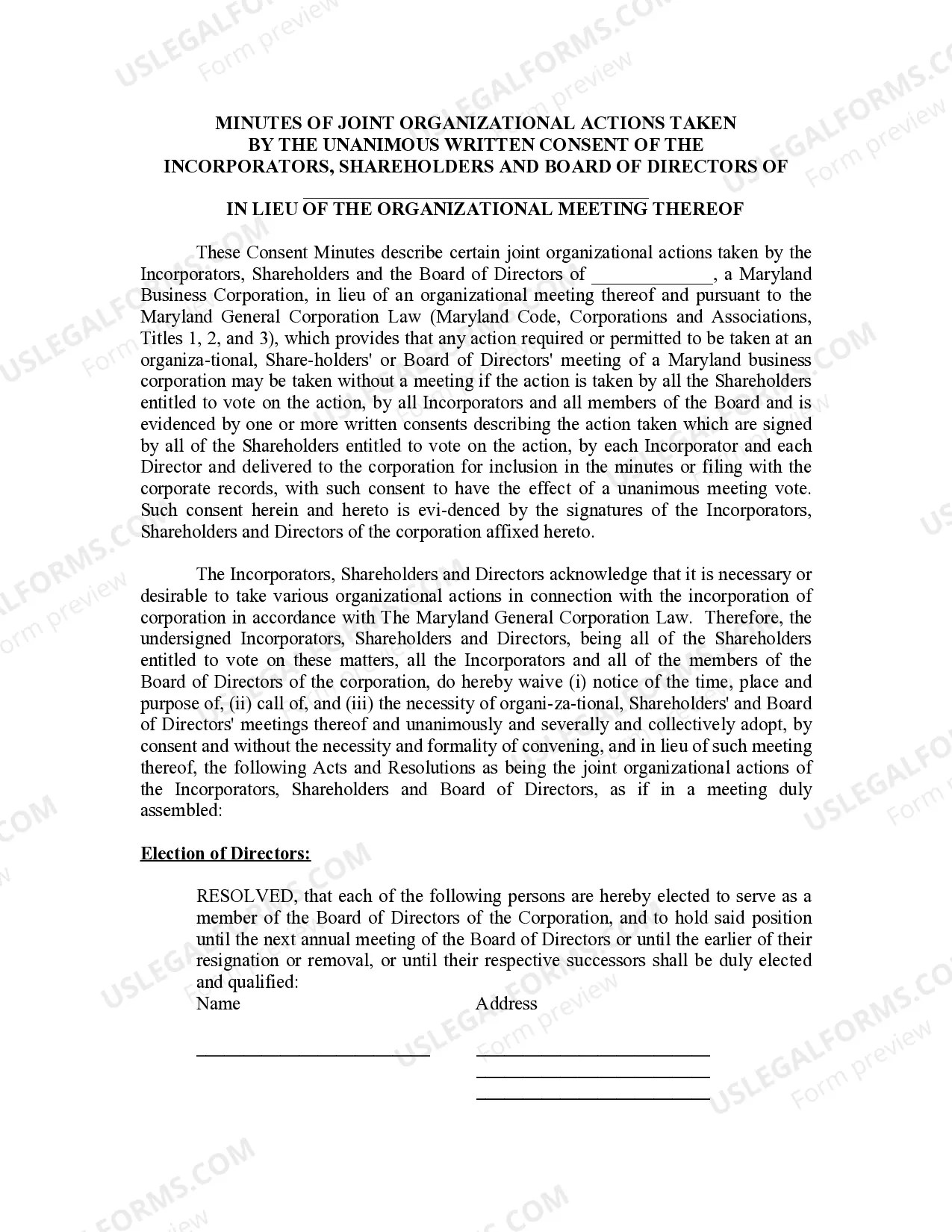
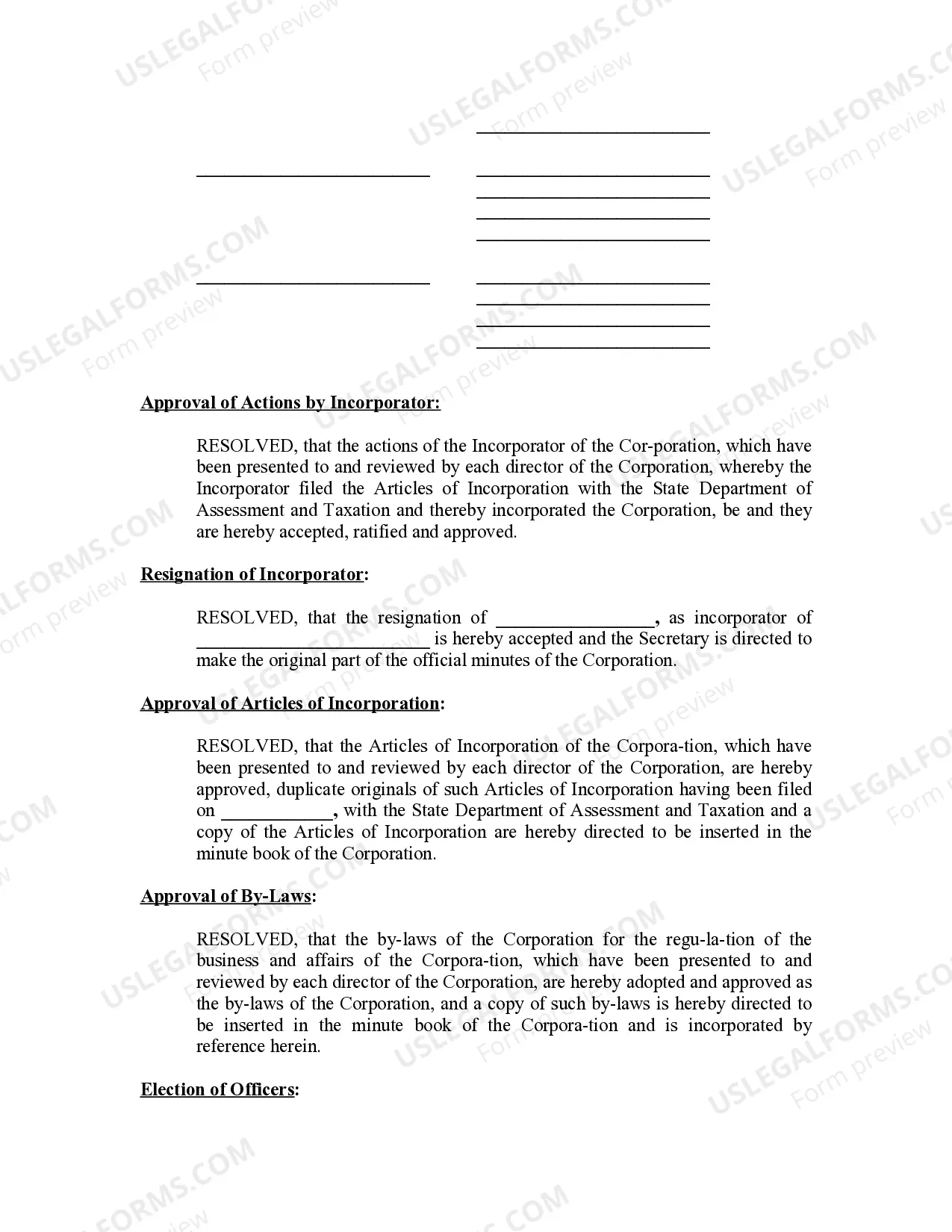
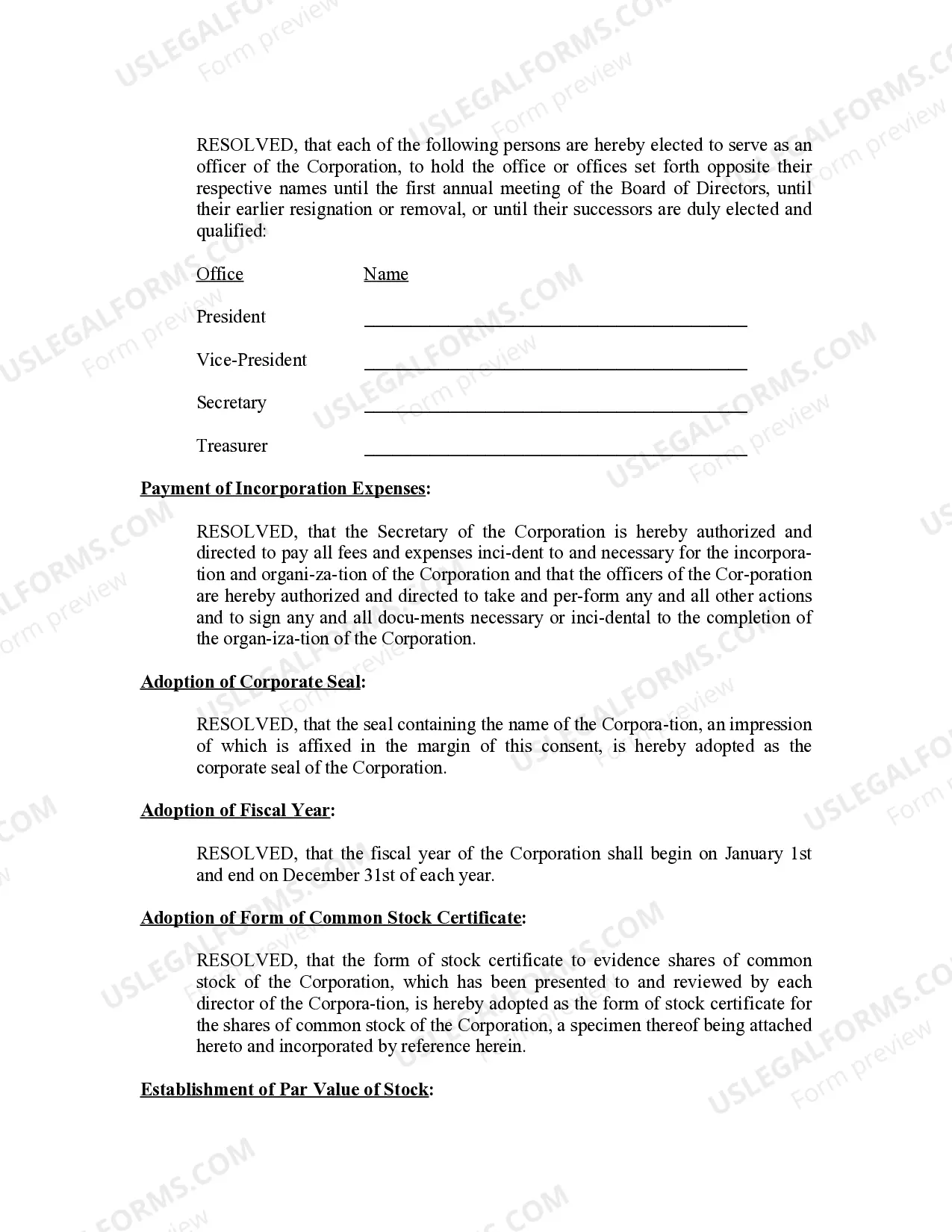
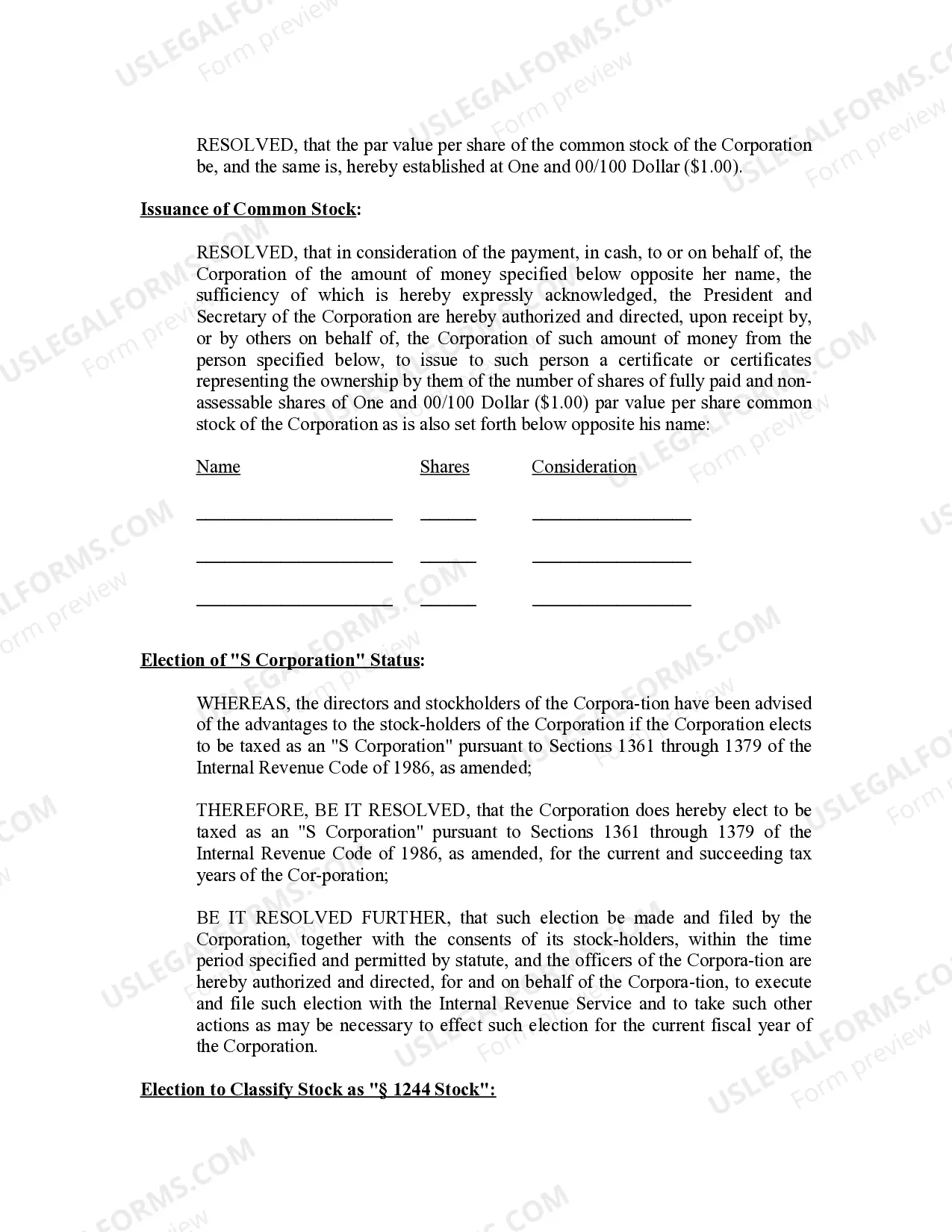
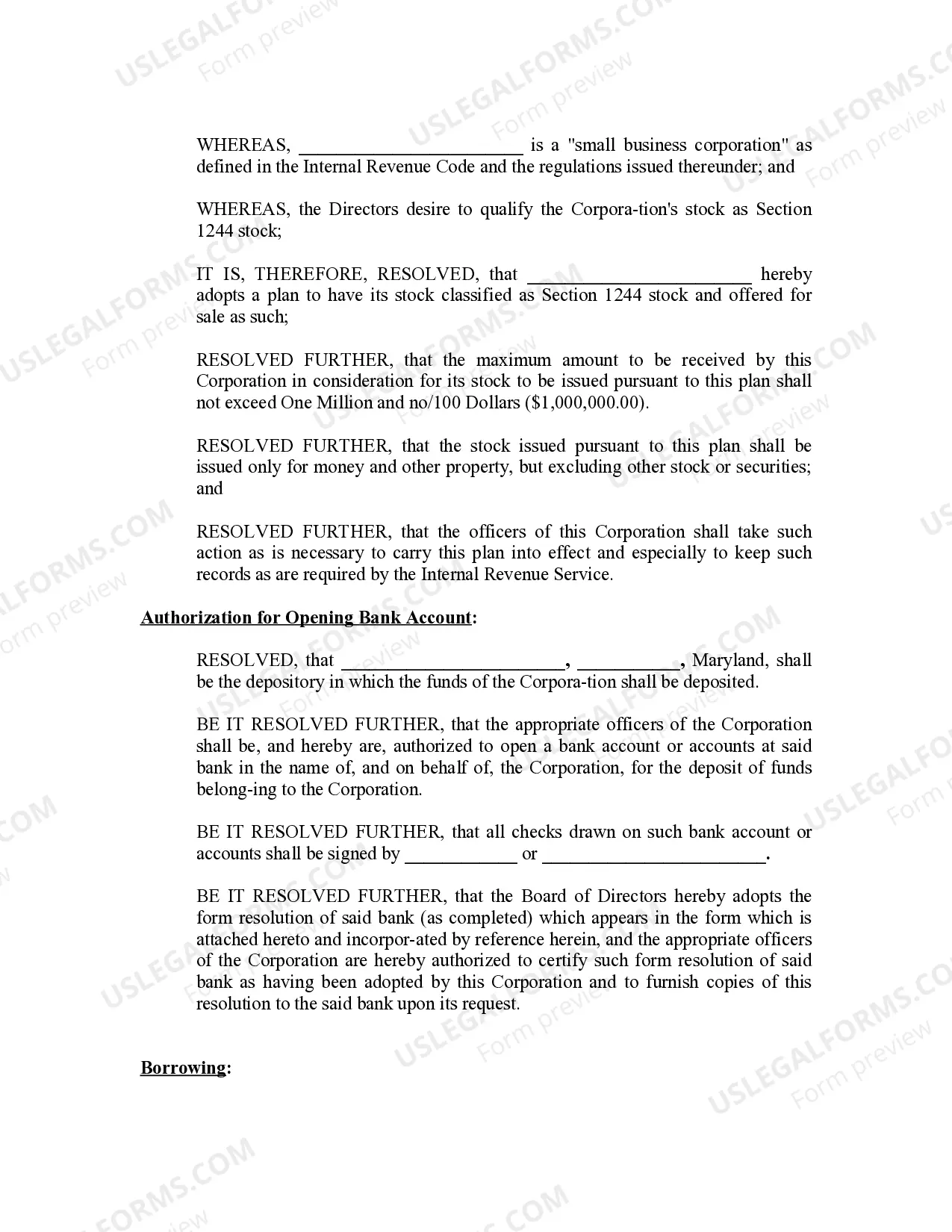
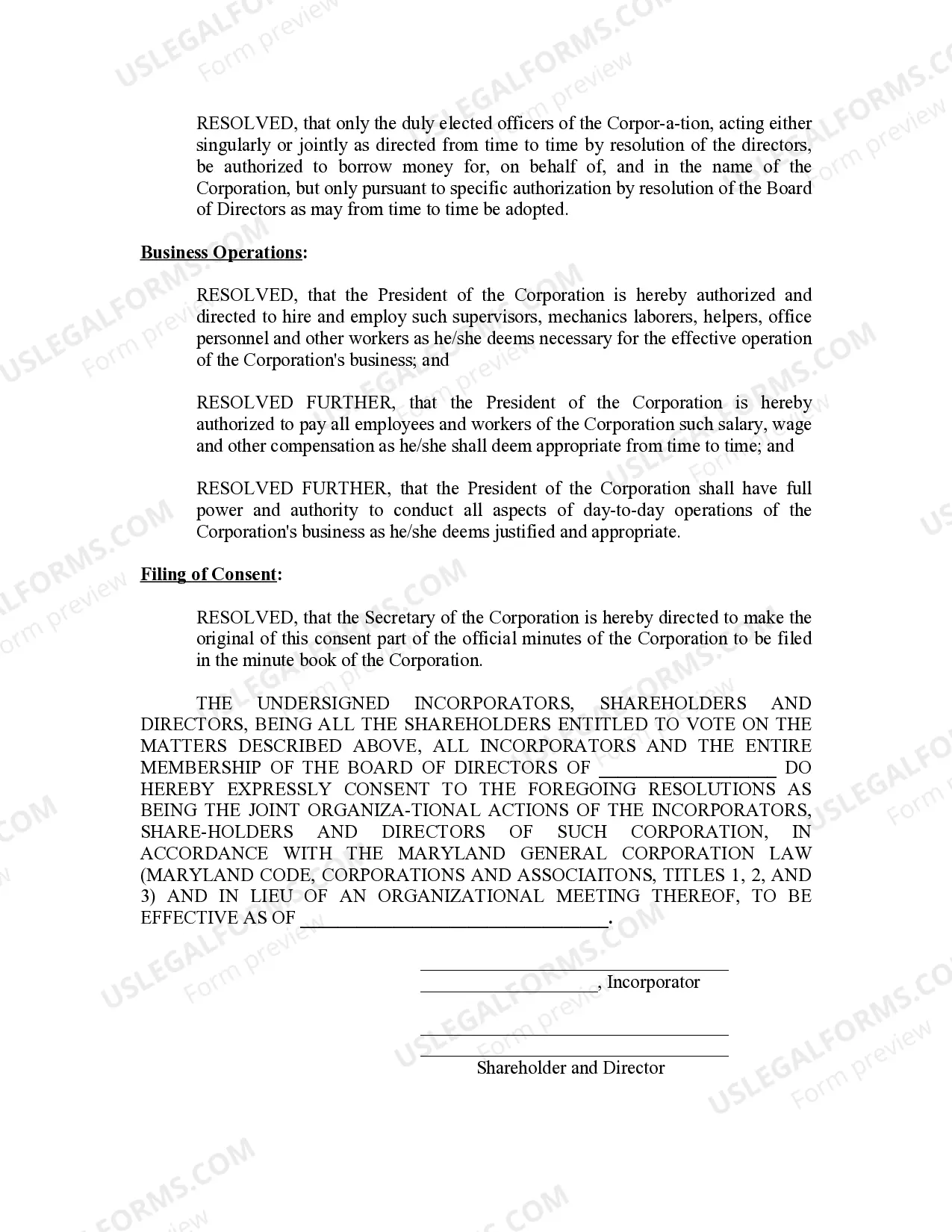
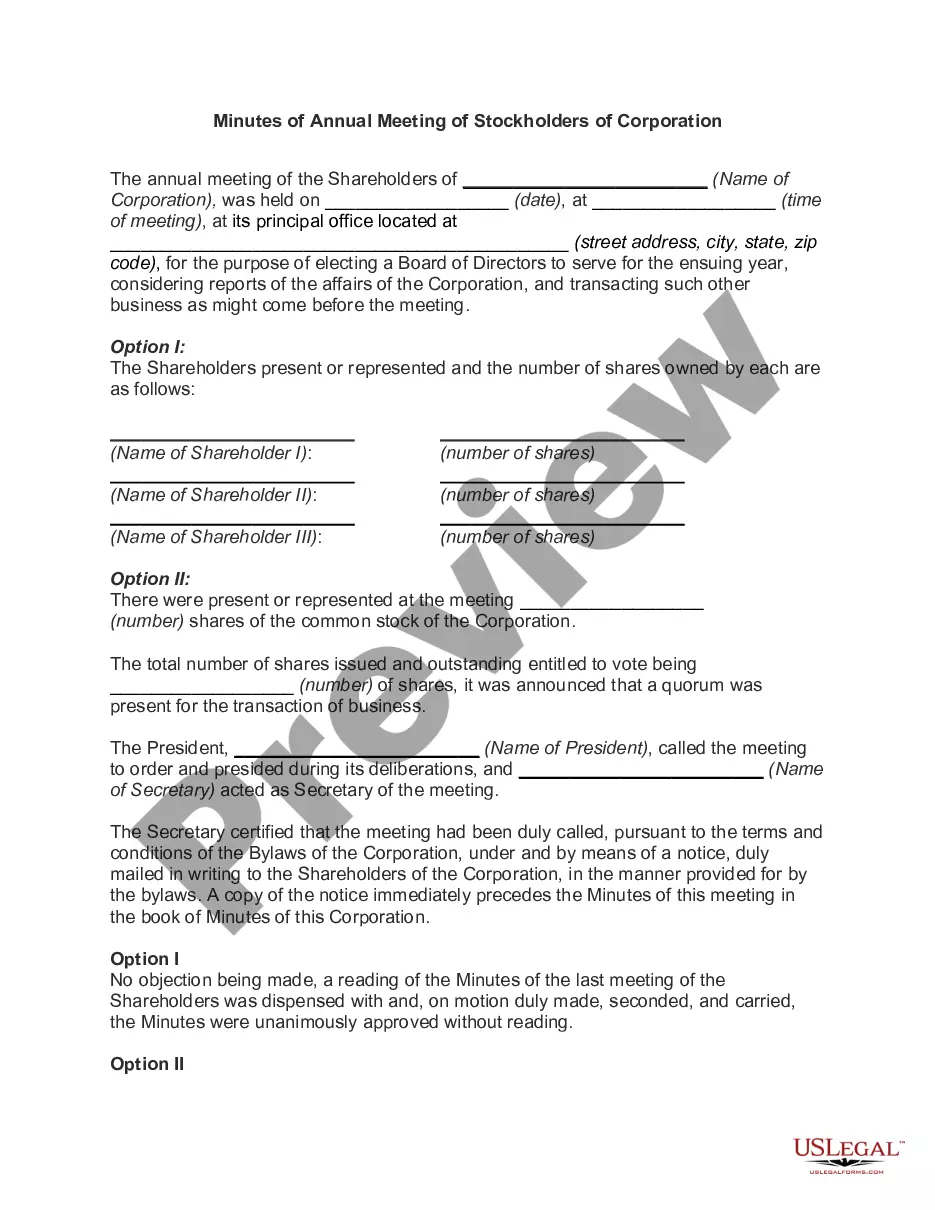
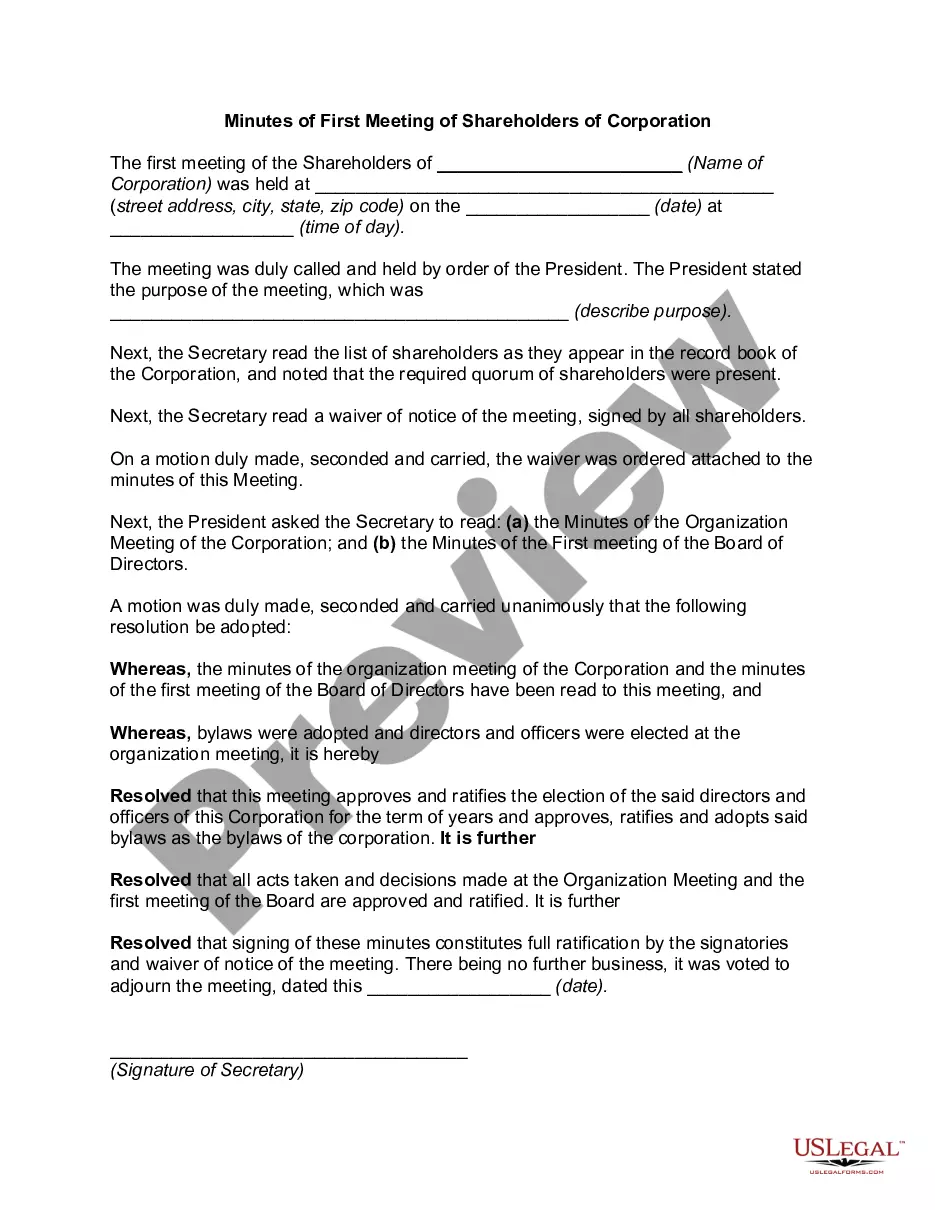
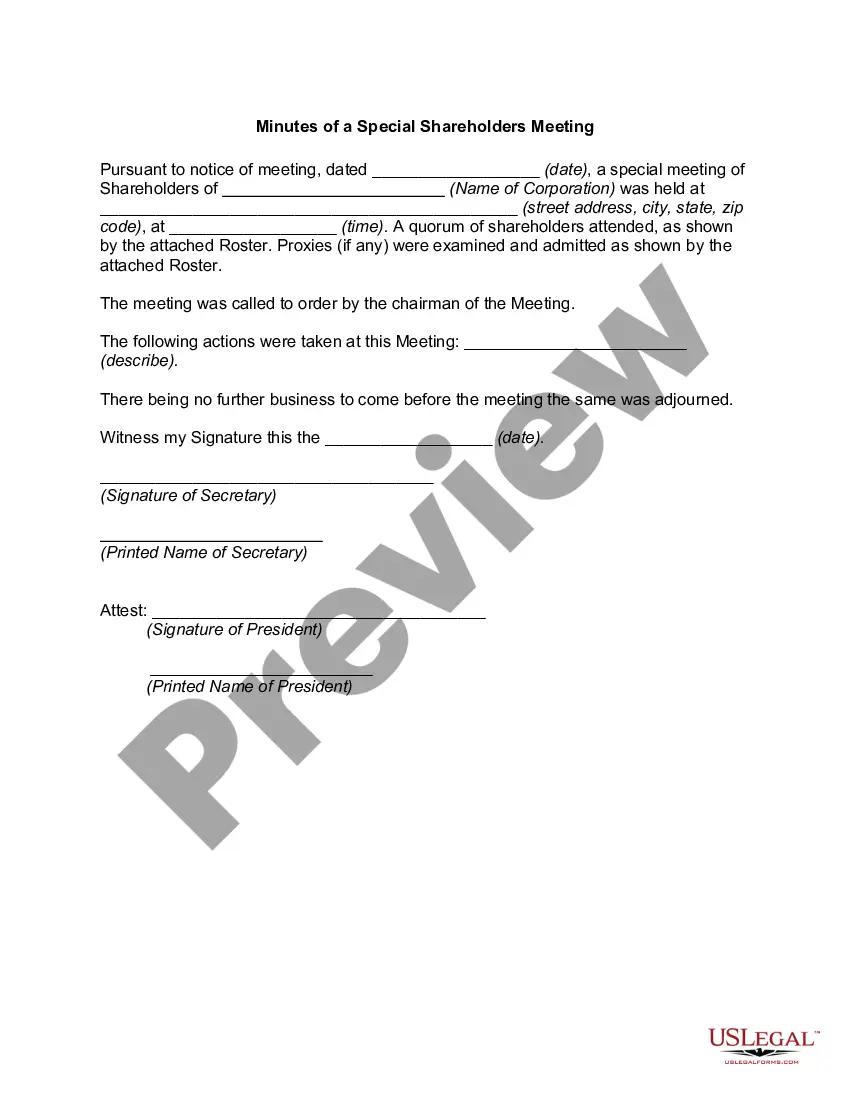
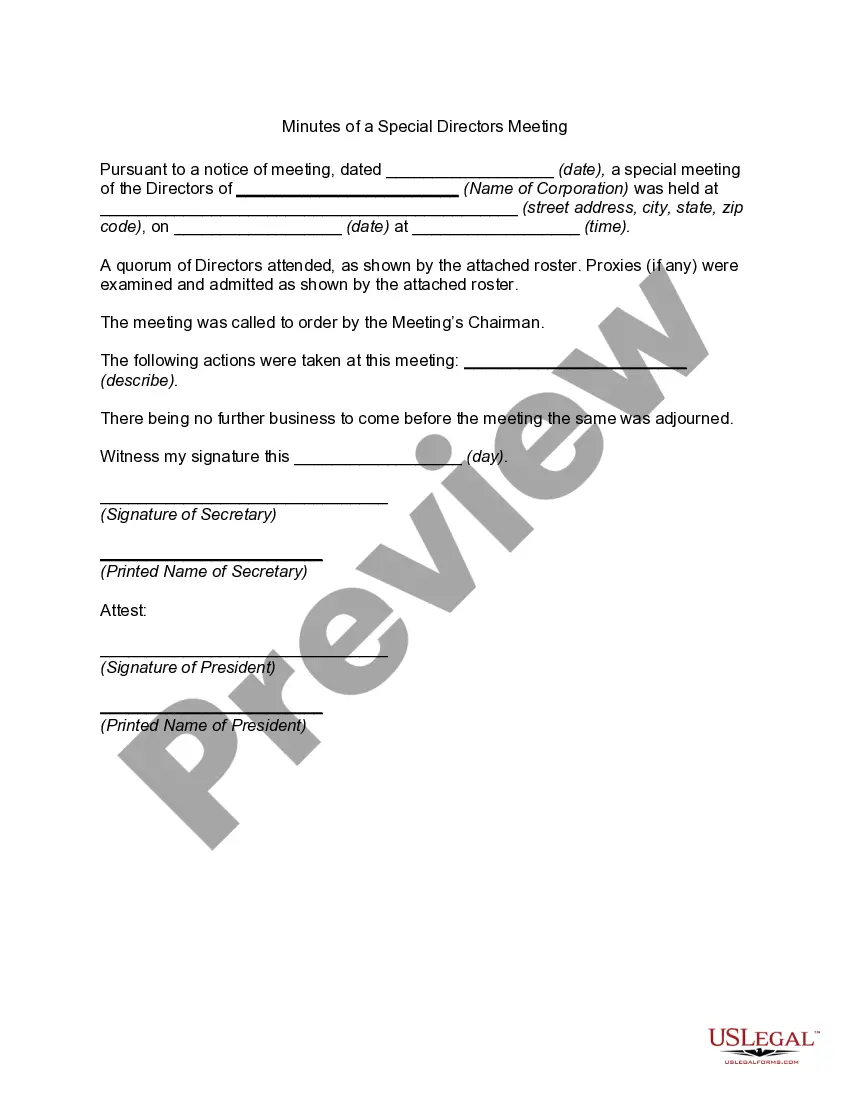
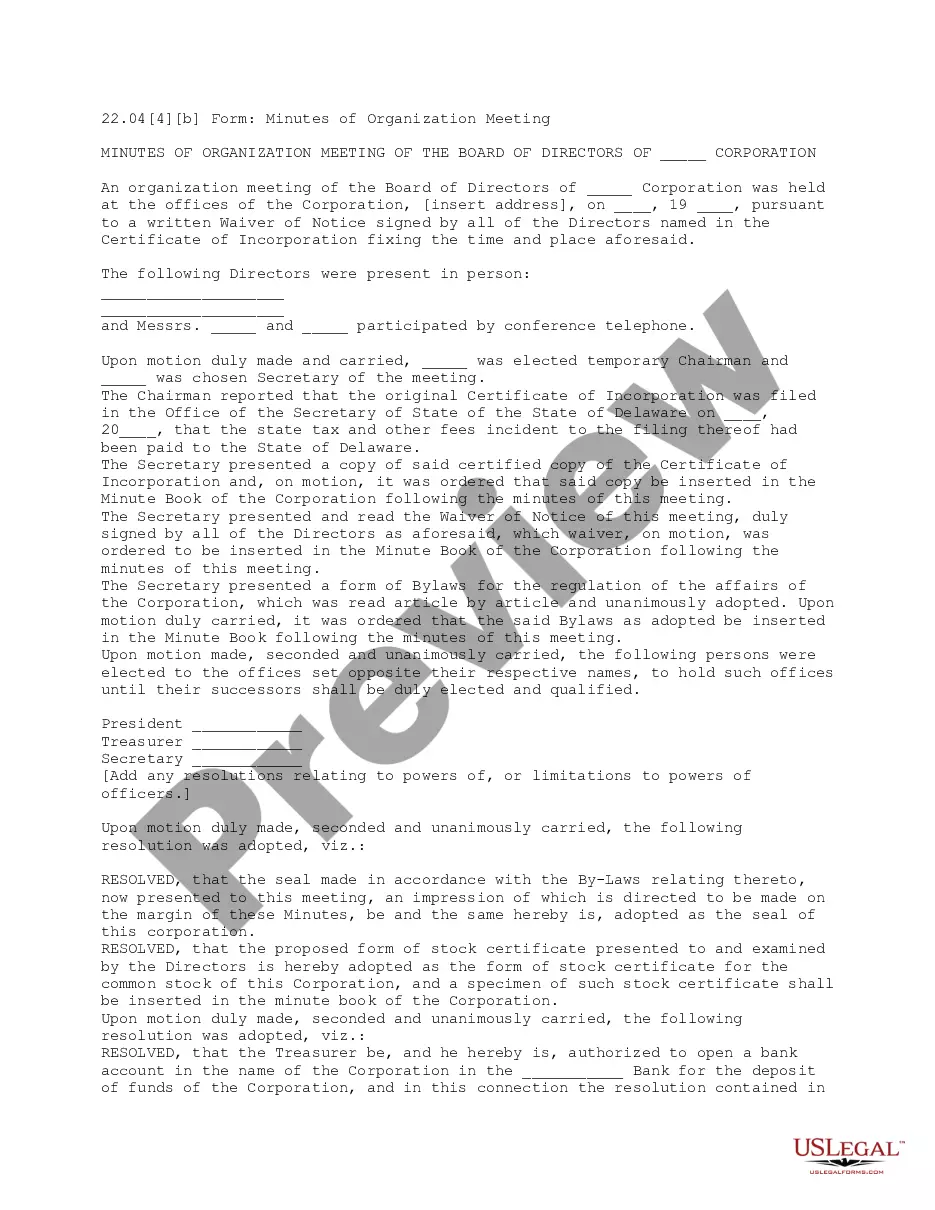
This form is needed when forming a Maryland corporation and the Incorporators, Shareholders, and Directors wish to document their initial decisions without convening a formal organizational meeting. Common scenarios include the election of Directors and Officers, adoption of By-Laws, and approval of Articles of Incorporation.
This form is intended for:
- Incorporators of new Maryland corporations.
- Shareholders participating in the formation of a corporation.
- Members of the Board of Directors of a Maryland corporation.
To complete the Minutes for Organizational Meeting form, follow these steps:
- Fill out the name of the corporation and the date of the meeting.
- List the names and addresses of all Directors and Incorporators.
- Elect the Directors and Officers by providing their names and the respective positions.
- Document the approval of the Articles of Incorporation and By-Laws.
- Secure the signatures of all Incorporators, Shareholders, and Directors to indicate their consent.
Notarization requirements for this form
Notarization is not commonly needed for this form. However, certain documents or local rules may make it necessary. Our notarization service, powered by Notarize, allows you to finalize it securely online anytime, day or night.
Get your form ready online
Our built-in tools help you complete, sign, share, and store your documents in one place.
Make edits, fill in missing information, and update formatting in US Legal Forms—just like you would in MS Word.
Download a copy, print it, send it by email, or mail it via USPS—whatever works best for your next step.
Sign and collect signatures with our SignNow integration. Send to multiple recipients, set reminders, and more. Go Premium to unlock E-Sign.
If this form requires notarization, complete it online through a secure video call—no need to meet a notary in person or wait for an appointment.
We protect your documents and personal data by following strict security and privacy standards.
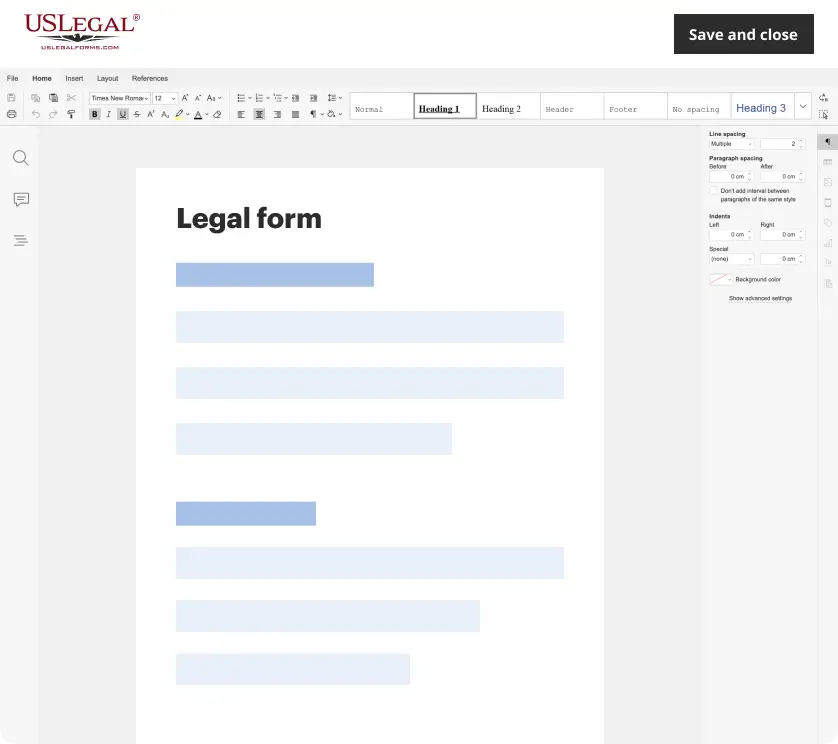
Make edits, fill in missing information, and update formatting in US Legal Forms—just like you would in MS Word.
Download a copy, print it, send it by email, or mail it via USPS—whatever works best for your next step.
Sign and collect signatures with our SignNow integration. Send to multiple recipients, set reminders, and more. Go Premium to unlock E-Sign.
If this form requires notarization, complete it online through a secure video call—no need to meet a notary in person or wait for an appointment.
We protect your documents and personal data by following strict security and privacy standards.
- Ignoring the requirement for a minimum of three Directors, unless there are fewer Stockholders.
- Failing to include all necessary signatures from Incorporators, Shareholders, and Directors.
- Not documenting the approval of the Articles of Incorporation and By-Laws.
- Convenience of assembling all necessary consent documentation in one place.
- Editable format allows you to customize the document before finalizing.
- Reduces the need for in-person meetings, streamlining the organizational process.
- The Minutes for Organizational Meeting form is critical for documenting initial actions for Maryland corporations.
- All Incorporators, Shareholders, and Directors must consent to the minutes for them to be valid.
- Ensure compliance with the state-specific requirements outlined by the Maryland General Corporation Law.
Looking for another form?

Form popularity
FAQ
Meeting name and place. Date and time of the meeting. List of meeting participants. Purpose of the meeting. For each agenda items: decisions, action items, and next steps. Next meeting date and place. Documents to be included in the meeting report.
Name of the organization. date and time of meeting. board members in attendance, excused, and absent. existence of a quorum. motions made and by whom. brief account of any debate. voting results. names of abstainers and dissenters.
Organizational meetings are held to appoint officers, elect or appoint directors, issue shares in the corporation, approve bylaws, setup minute books, appoint or waive the appointment of auditors, set up bank accounts, etc.
Organization name. Date of meeting. Time the meeting was called to order. Board members present. Name of the presiding officer. Absent board members. Note whether the session meets quorum. Guests and organizational staff present.
A corporation's organizational meeting is meant to be the initial meeting of the owners of the corporation and management. Typically, the items on the meeting agenda include: The appointment of corporate officers. The acquisition of a minute book to record meeting minutes and actions. The approval of Corporate Bylaws.
Date, time, and location. Minutes should include this basic information about when and where the meeting was held and how long it lasted. Creator. List of persons present. Topics list. Voting record. Review and approval.
What's In. The minutes should include the title of the group that is meeting; the date, time, and venue; the names of those in attendance (including staff) and the person recording the minutes; and the agenda.
Nonprofit boards don't have to share their meeting minutes, policies or audit results with the public. They don't have to share the contact information for board directors either.
Use a template. Check off attendees as they arrive. Do introductions or circulate an attendance list. Record motions, actions, and decisions as they occur. Ask for clarification as necessary. Write clear, brief notes-not full sentences or verbatim wording.