Massachusetts Letter from Tenant to Landlord containing Notice to landlord to cease retaliatory decrease in services
What this document covers
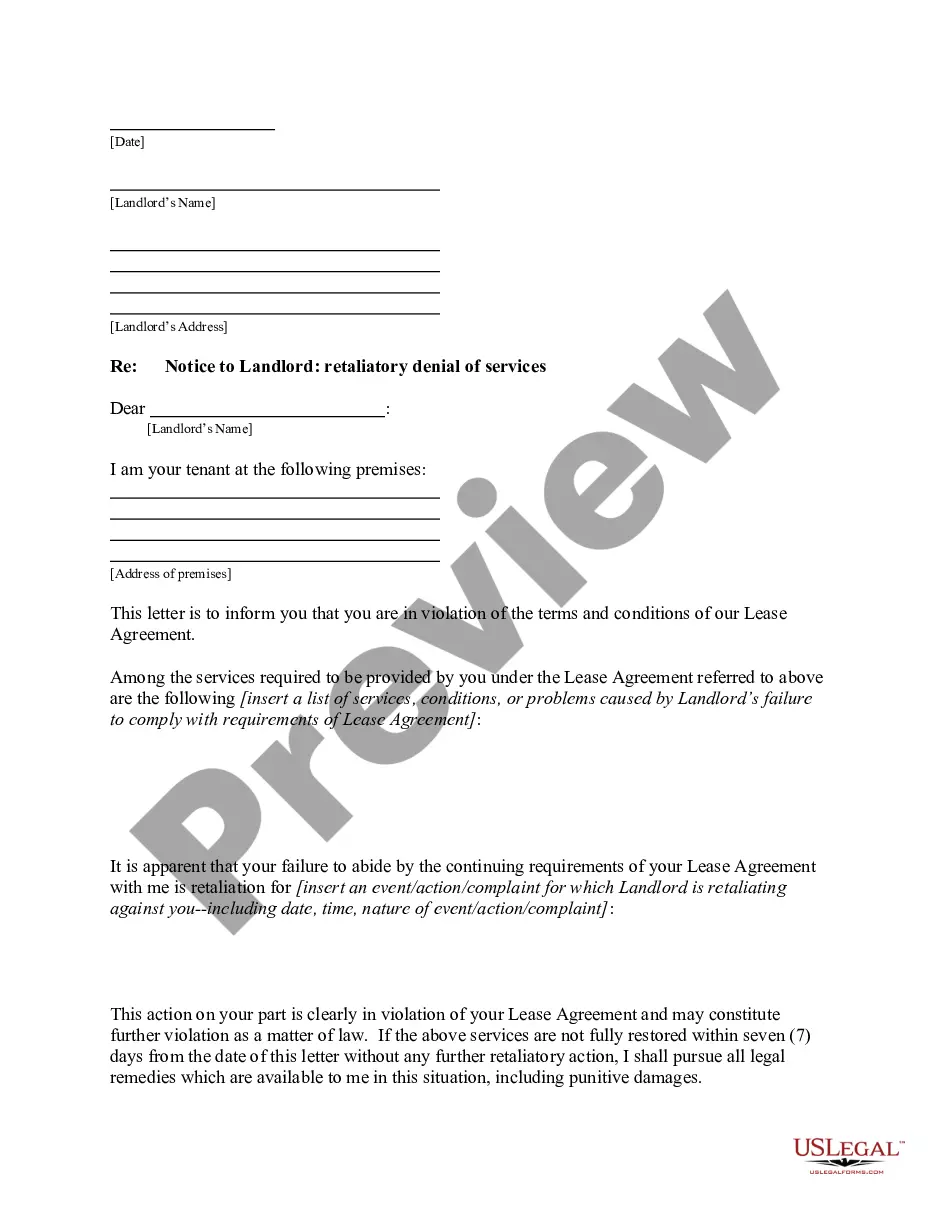
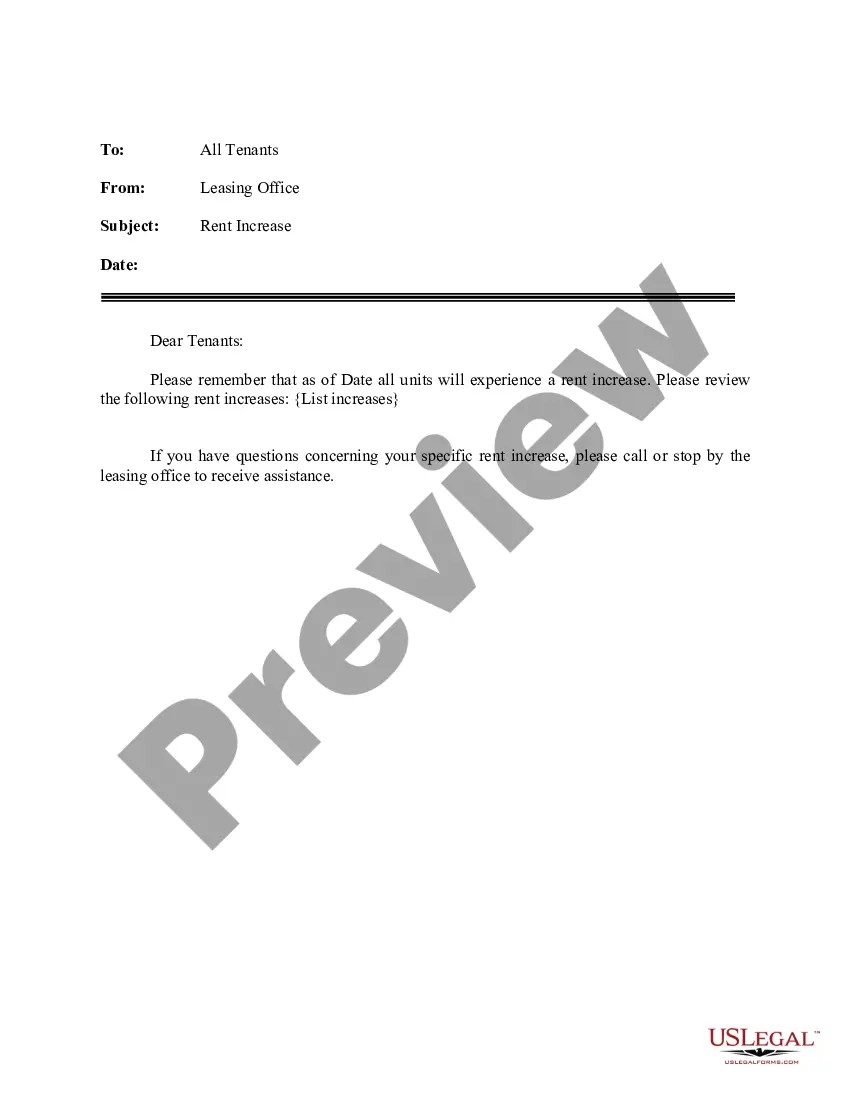
This form is a letter from a tenant to a landlord, providing notice to cease retaliatory decrease in services. The purpose of this letter is to formally communicate the tenant's claim that the landlord's failure to provide necessary services is in retaliation for actions taken by the tenant, potentially breaching the lease agreement and violating the law. This letter differs from other types of communication with landlords, as it specifically addresses retaliatory behavior related to service provision outlined in the lease agreement.
Main sections of this form
- Identification of the tenant and landlord involved
- List of services or conditions denied by the landlord
- Statement of legal obligations under the lease agreement
- Notice of the breach and request to cease retaliatory actions
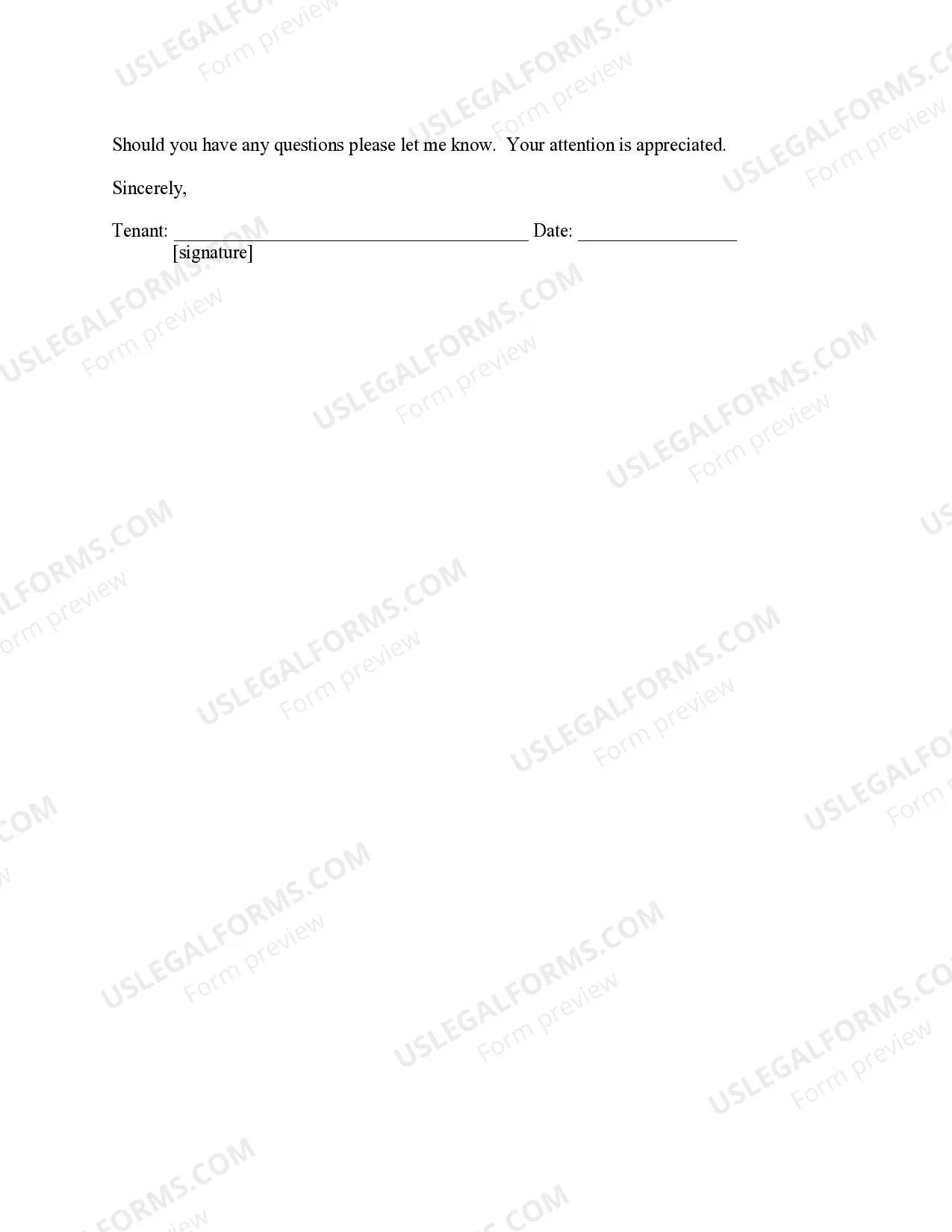
- Signature and date for validation


When to use this form
This form should be used when a tenant believes that a landlord is retaliating against them by decreasing services outlined in the lease agreement, typically after the tenant has exercised their legal rights, such as filing a complaint or requesting repairs. Using this letter can help document the issue formally before escalating to legal action.
Who can use this document
- Tenants who feel their landlord is retaliating by withholding services
- Individuals who wish to formally notify their landlord of perceived violations
- Renters looking to protect their rights under the lease agreement
How to complete this form
- Identify and clearly state the parties involved: tenant and landlord.
- Detail the specific services or conditions that the landlord has failed to provide.
- Refer to the relevant sections of the lease agreement that have been violated.
- Clearly state the expectation for the landlord to cease retaliatory actions.
- Sign and date the letter before delivery to ensure proper documentation.
Is notarization required?
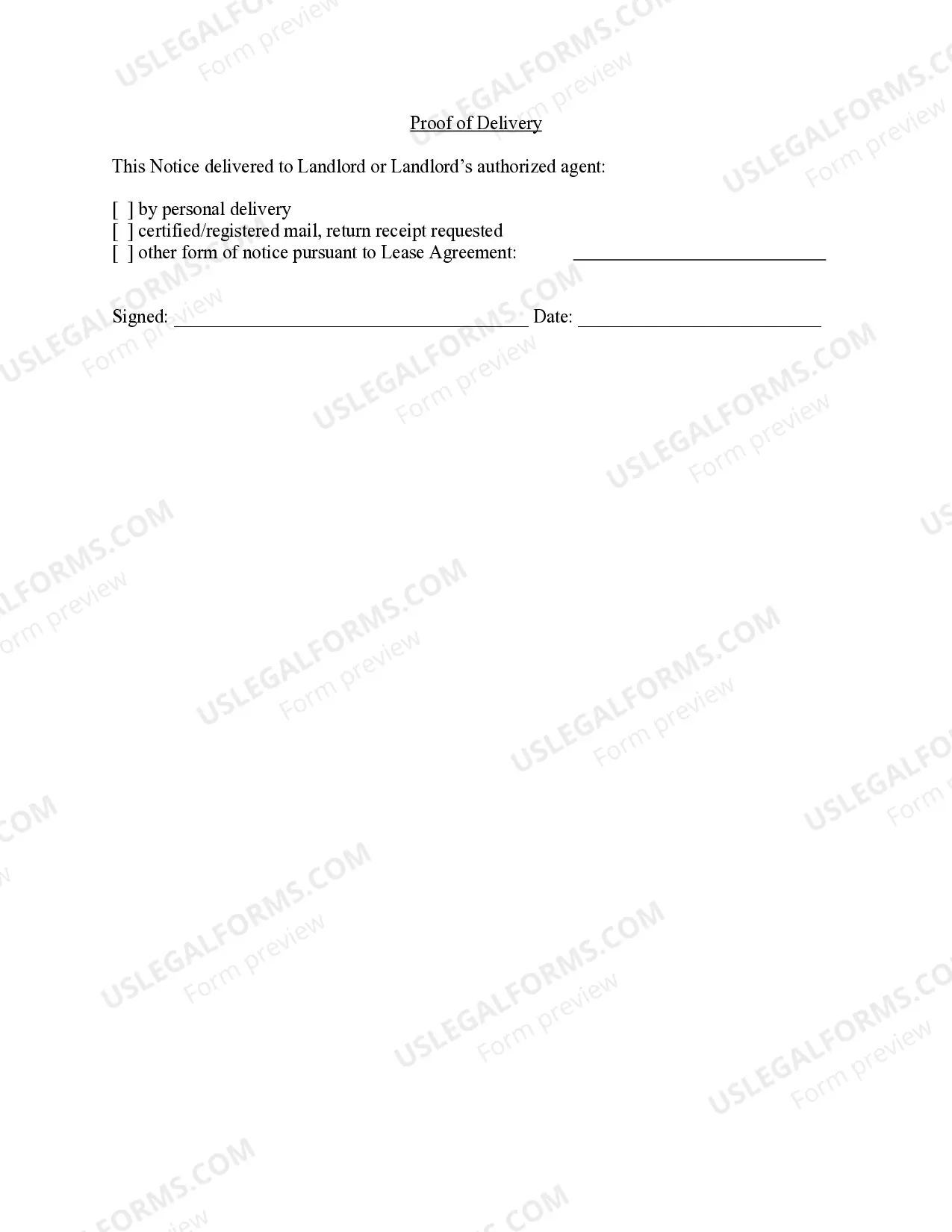
This form does not typically require notarization unless specified by local law. However, ensuring proper documentation and delivery is crucial to maintain a legal record of your notice.
Get your form ready online
Our built-in tools help you complete, sign, share, and store your documents in one place.
Make edits, fill in missing information, and update formatting in US Legal Forms—just like you would in MS Word.
Download a copy, print it, send it by email, or mail it via USPS—whatever works best for your next step.
Sign and collect signatures with our SignNow integration. Send to multiple recipients, set reminders, and more. Go Premium to unlock E-Sign.
If this form requires notarization, complete it online through a secure video call—no need to meet a notary in person or wait for an appointment.
We protect your documents and personal data by following strict security and privacy standards.

Make edits, fill in missing information, and update formatting in US Legal Forms—just like you would in MS Word.

Download a copy, print it, send it by email, or mail it via USPS—whatever works best for your next step.

Sign and collect signatures with our SignNow integration. Send to multiple recipients, set reminders, and more. Go Premium to unlock E-Sign.

If this form requires notarization, complete it online through a secure video call—no need to meet a notary in person or wait for an appointment.

We protect your documents and personal data by following strict security and privacy standards.
Mistakes to watch out for
- Failing to clearly identify the services denied by the landlord.
- Not citing specific sections of the lease agreement, leading to ambiguity.
- Neglecting to keep a copy of the letter for personal records.
- Not delivering the letter properly to ensure it is received.
Benefits of using this form online
- Instant access to a legally drafted letter template.
- Convenient document editing to tailor the letter to specific needs.
- Eliminates the risk of using outdated or incorrect forms.
- Easy to download and save, ensuring you have the necessary documentation at hand.
Looking for another form?


Form popularity
FAQ
No, a landlord cannot just kick you out. They need to follow the formal eviction process provided in your state. If a landlord uses illegal self-help measures, such as changing the locks or throwing out your belongings, you should be able to hold the landlord accountable and remain on the property.
You should say something like: I am giving 1 month's notice to end my tenancy, as required by law. I will be leaving the property on (date xxxxx). I would like you to be at the property on the day I move out to check the premises and for me to return the keys.
Approach The Court Of Law You will have to send a legal notice to your tenant asking him/her to pay the arrears of rent or else to vacate within a month. The tenant has to pay rent in the court once it is assessed by the court and in case he/she fails, it invites immediate eviction.
Tell Them The Problem & Consequences. Explain the reason that you want the tenant to go. Offer Them a Way Out. Let the tenant know that you are willing to give them a lump sum of cash in agreement for leaving the property. The Release.
Your name, and the landlord's name and address. The date you're writing the letter. Informing the landlord you're breaking your lease early. The reason why you're breaking your lease. The building and apartment you're vacating. The date by which you're vacating.
Pay any delinquent rent that is due to the landlord within the allotted time of the notice. Move out of the premises within the allotted time of the notice. File an answer with the judicial court. File a motion to stay with the court.
Using County Court bailiffs (or sometimes High Court Sheriffs) acting under a court order for possession is the ONLY legal way you can physically evict tenants from a property if they refuse to go voluntarily.Sometimes tenants will try to get you to delay and they can be very persuasive.
File for eviction with your local courthouse. Gather evidence. Come to the court hearing to prove your case. Win a writ of possession and have the tenant removed by the sheriff.
Today's Date. Landlord's Name. Property Address and Unit Number. State Your Desire to Move Out of the Apartment. Include Desired Move-Out Date. That You Expect the Return of Your Security Deposit Under State Law. A Forwarding Address Where Your Security Deposit Can Be Sent.