Kansas Agreement for Delayed or Partial Rent Payments
About this form
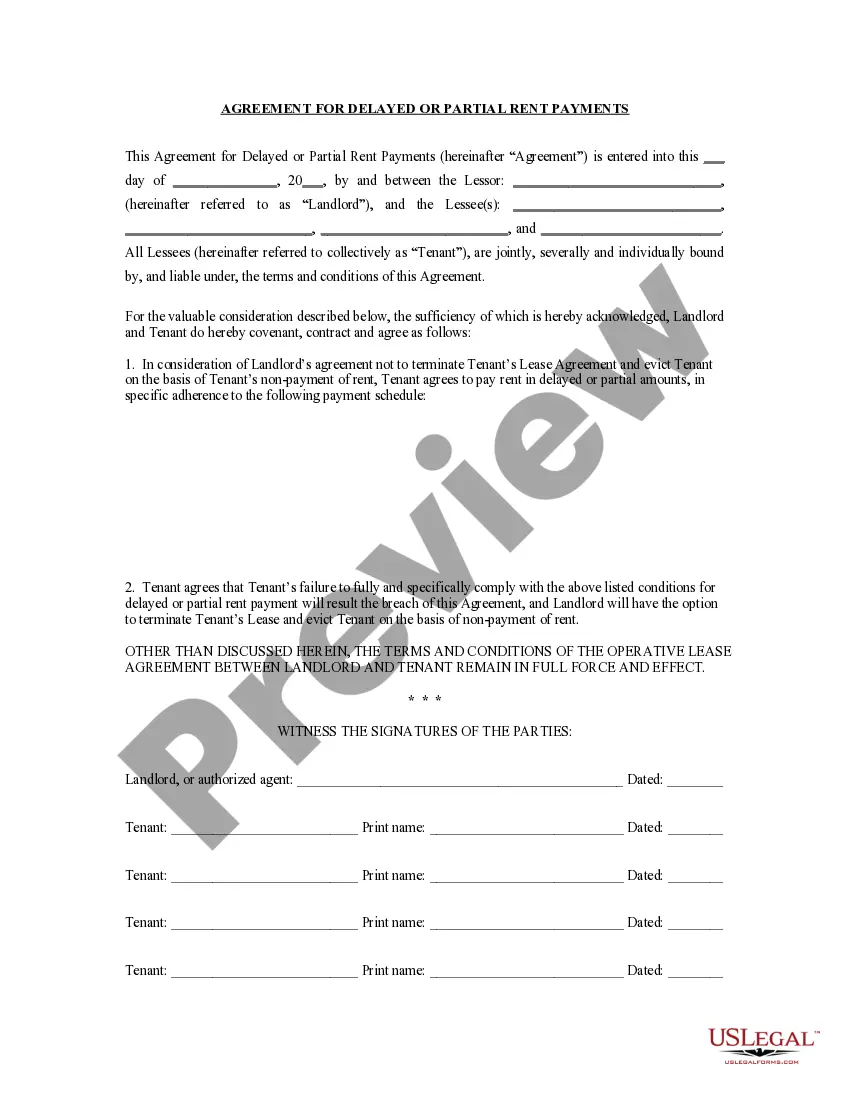
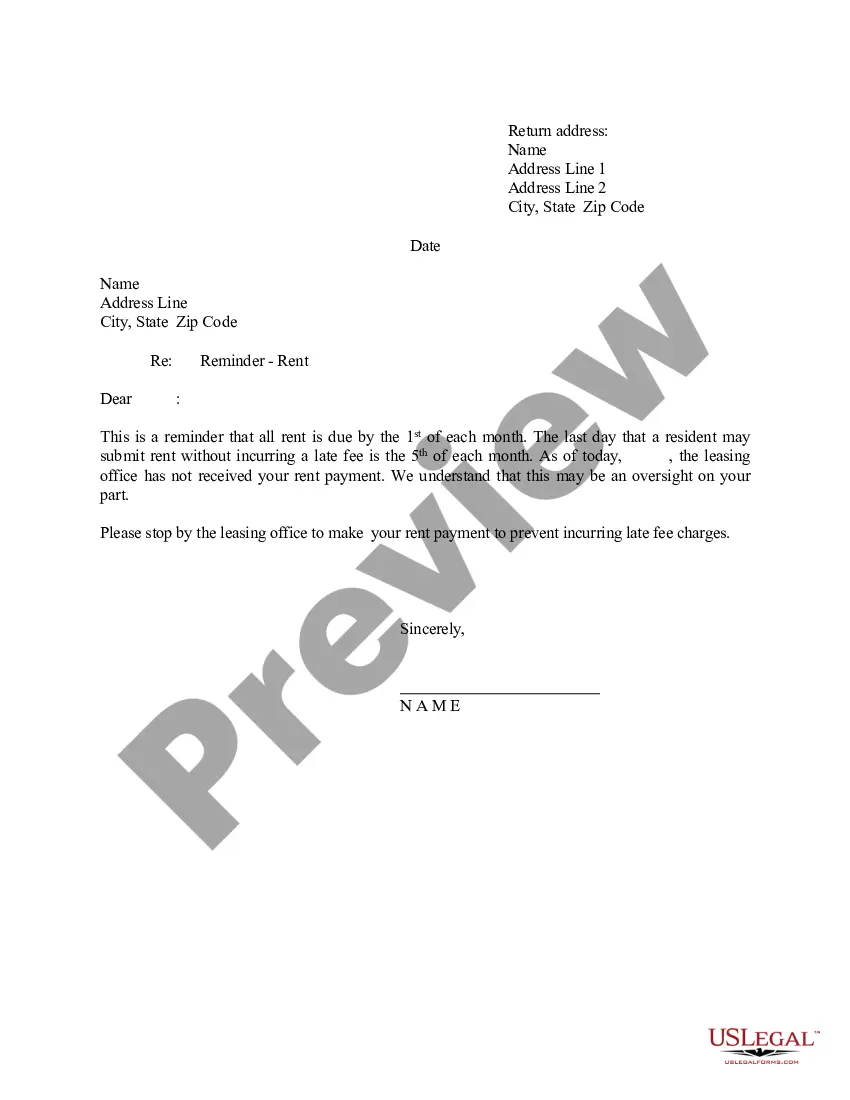
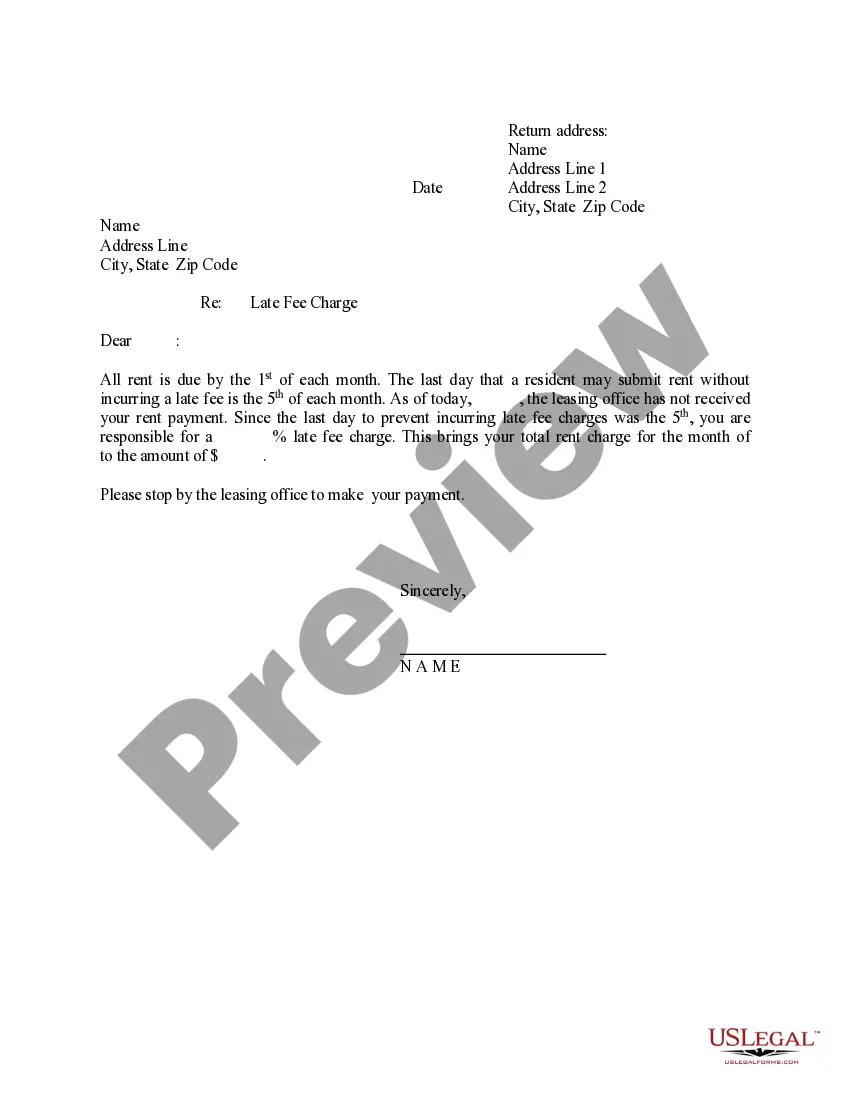
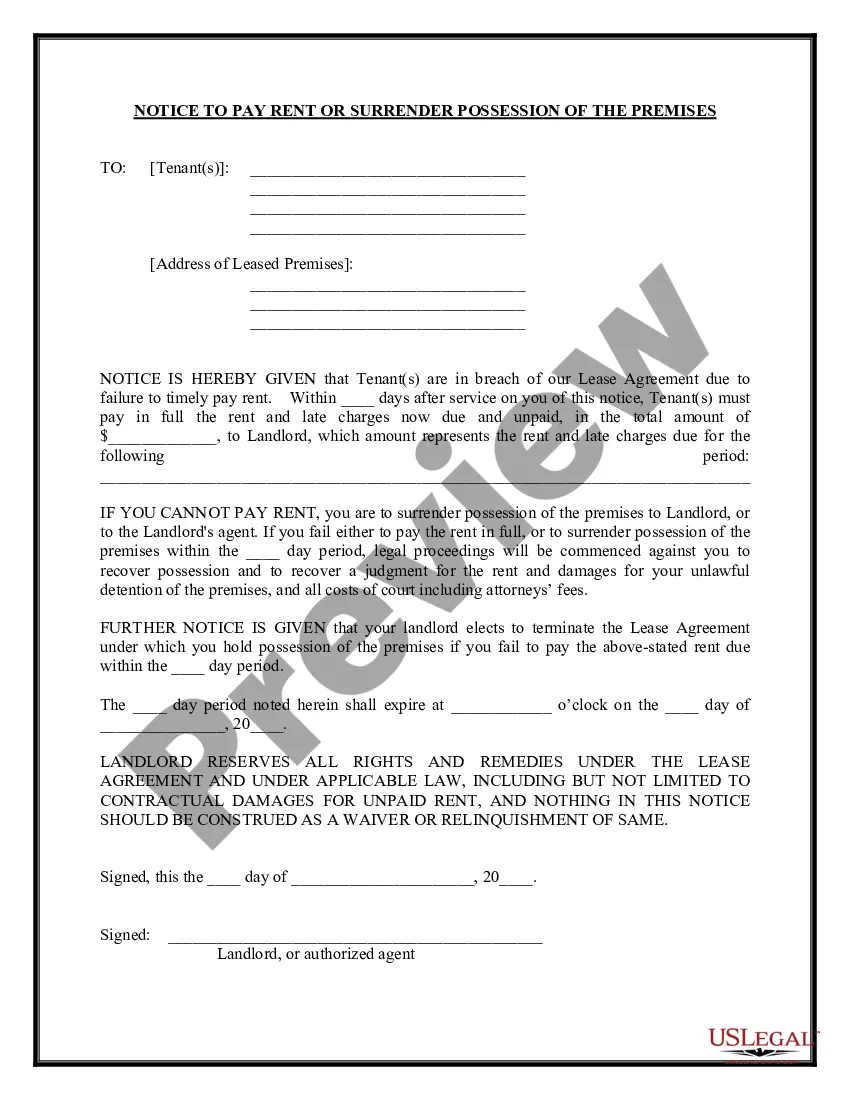
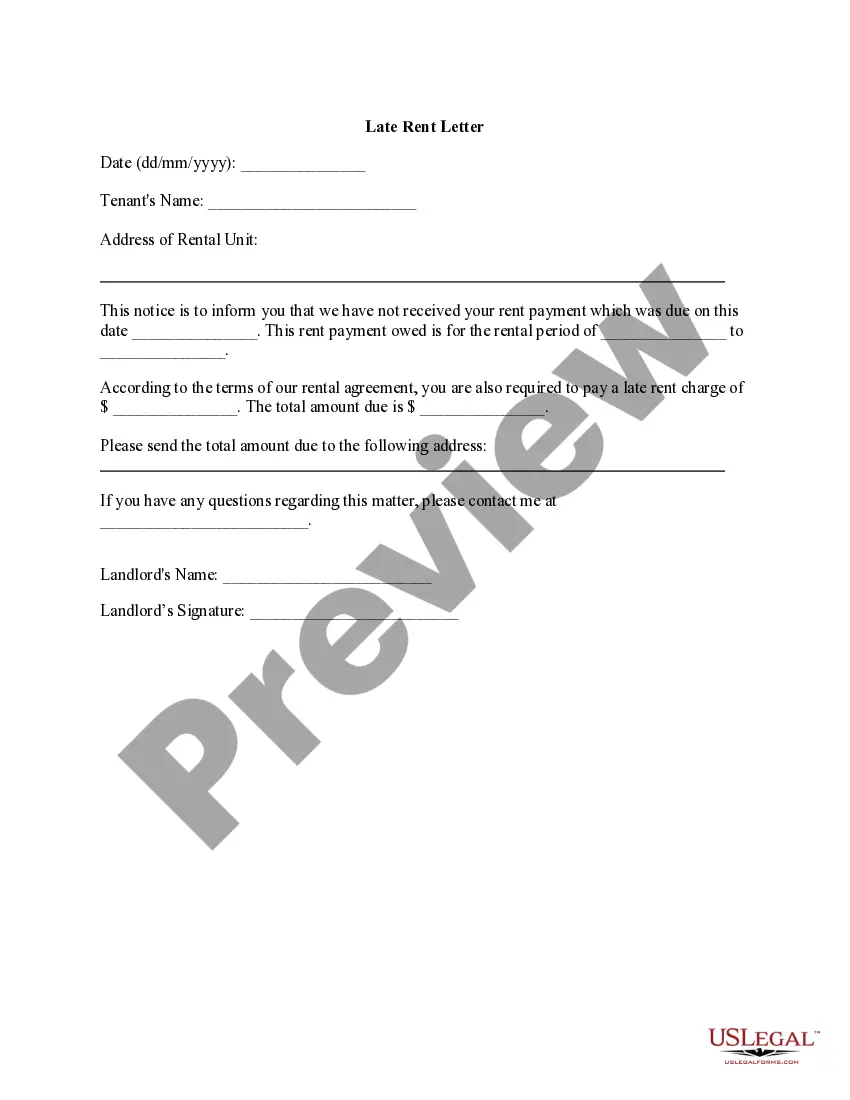
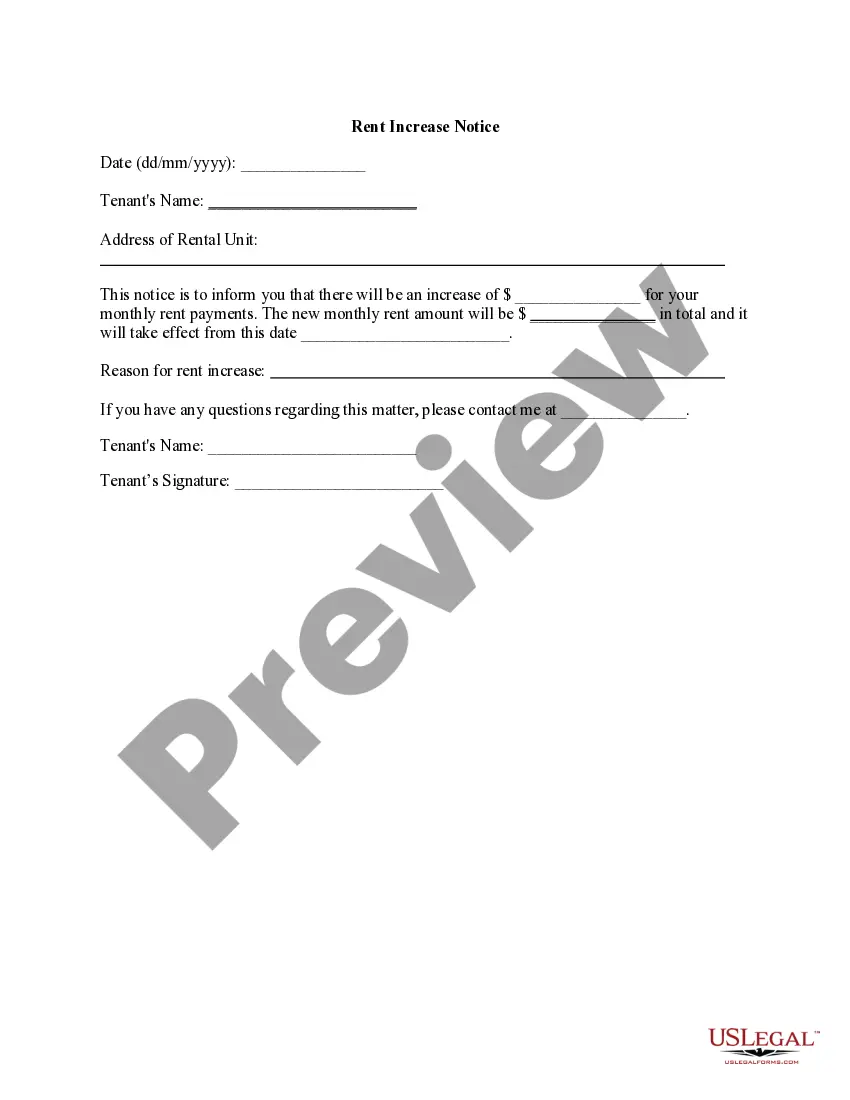
The Agreement for Delayed or Partial Rent Payments is a legal document designed for landlords and tenants to outline specific terms regarding late or partial rent payments. This agreement clearly details the conditions under which a tenant can pay rent at a later date or in reduced amounts without the threat of eviction. This form differs from standard rental agreements by focusing specifically on payment flexibility during difficult financial times.
Form components explained
- Identification of the landlord and tenant(s).
- Specific terms for delayed or partial rent payments.
- Agreed payment schedule detailing due dates.
- Clauses indicating that the main lease agreement remains in effect.
- Signatures of all involved parties, acknowledging acceptance of the terms.
When to use this form
This agreement is particularly useful in situations where a tenant is experiencing temporary financial hardship and needs flexibility in making rent payments. It allows tenants to avoid eviction while setting a clear timeline for when they can catch up on overdue rent. This form can be beneficial during crises such as job loss, medical emergencies, or unforeseen expenses.
Intended users of this form
- Landlords looking to provide reasonable payment accommodations for their tenants.
- Tenants who anticipate difficulty in making rent payments on time.
- Property management companies managing rental properties on behalf of landlords.
- Anyone involved in rental agreements who seeks clarity and mutual understanding regarding rent payment schedules.
Steps to complete this form
- Identify the parties involved by entering the landlord's name and tenant(s) names.
- Clearly state the new payment terms, including the amount and due dates.
- Sign and date the agreement to formalize acceptance of the terms by both parties.
- Keep a copy for your records and provide a copy to the other party.
- Ensure all tenants listed on the lease agree and sign the document, as they are jointly responsible.
Does this document require notarization?
Notarization is generally not required for this form. However, certain states or situations might demand it. You can complete notarization online through US Legal Forms, powered by Notarize, using a verified video call available anytime.
Get your form ready online
Our built-in tools help you complete, sign, share, and store your documents in one place.
Make edits, fill in missing information, and update formatting in US Legal Forms—just like you would in MS Word.
Download a copy, print it, send it by email, or mail it via USPS—whatever works best for your next step.
Sign and collect signatures with our SignNow integration. Send to multiple recipients, set reminders, and more. Go Premium to unlock E-Sign.
If this form requires notarization, complete it online through a secure video call—no need to meet a notary in person or wait for an appointment.
We protect your documents and personal data by following strict security and privacy standards.
Make edits, fill in missing information, and update formatting in US Legal Forms—just like you would in MS Word.
Download a copy, print it, send it by email, or mail it via USPS—whatever works best for your next step.
Sign and collect signatures with our SignNow integration. Send to multiple recipients, set reminders, and more. Go Premium to unlock E-Sign.
If this form requires notarization, complete it online through a secure video call—no need to meet a notary in person or wait for an appointment.
We protect your documents and personal data by following strict security and privacy standards.
Avoid these common issues
- Failing to include all tenant names, leading to potential disputes.
- Not clarifying the exact payment schedule or amounts.
- Not obtaining signatures from all parties involved, making the agreement unenforceable.
- Overlooking other existing terms of the primary lease agreement.
Benefits of completing this form online
- Convenient access to a legally vetted form that can be downloaded and printed at your convenience.
- Edit the document easily to reflect specific terms that suit your situation.
- Secure access ensures that sensitive information is protected during the completion process.
- Readily available guidance and support through the form's structure and instructions.
Legal use & context
- The agreement must comply with the state landlord-tenant laws to be enforceable.
- Failure to meet the specified payment terms may still lead to eviction, so clarity is essential.
What to keep in mind
- This agreement provides a structured approach for tenants to manage rent payment during hardships.
- Both parties should ensure the terms are clear and signed to avoid legal disputes.
Looking for another form?
Form popularity
FAQ
Your landlord can evict you if you fall behind with your rent - you could lose your home. Coronavirus (COVID-19) has not changed this, but there are new rules that mean your landlord must give you at least 6 months' notice if they plan to evict you, unless you owe at least 6 months' rent.
Partial rent payments are when your tenant pays you only a portion of the monthly rent price. For example, if your monthly rent price is $2,000 and your tenant only pays you $1,500, then he or she gave you a partial payment.
It should be noted that is it best practice to not accept partial payments from a tenant.If your tenant has not paid rent in compliance with the terms of the lease, you should start the eviction process by delivering a proper eviction notice as soon as possible.
Clearly Outline Your Late Rent Procedure in the Lease. Late Rent Fees. Find Out Why Your Tenant's Rent is Late. Refer Your Tenant to Rent Assistance Programs. Make Rent Easier by Having Tenants Pay Rent Online.
The Rent Ledger will organize and keep track of all the tenant's rent payments. This document includes the property information, so the landlord can keep track of which rental property this information is for as well as information on monthly rent, other charges, and fees.
Although landlords won't fine tenants during 'grace periods', the payment of the rent is still considered legally delinquent. Normally, rent should be paid on or before the established due date. This is a clause that is included in all lease agreements.
Grace periods are quite common, usually varying between three and five days. Grace periods provide tenants extra time to pay rent before the landlord can legally charge a late fee.
Grace periods are quite common, usually varying between three and five days. Grace periods provide tenants extra time to pay rent before the landlord can legally charge a late fee.
If you're paying with roommates, you can split the rent however you'd like! You'll just need each roommate to set up their own payments in Apartments.com. 2.Only the payer's name and payment amount can be seen by roommates and the property ownerno banking or private info is ever shared in Apartments.com.