Kansas Letter from Landlord to Tenant for Failure of to dispose all ashes, rubbish, garbage or other waste in a clean and safe manner in compliance with community rules
What is this form?
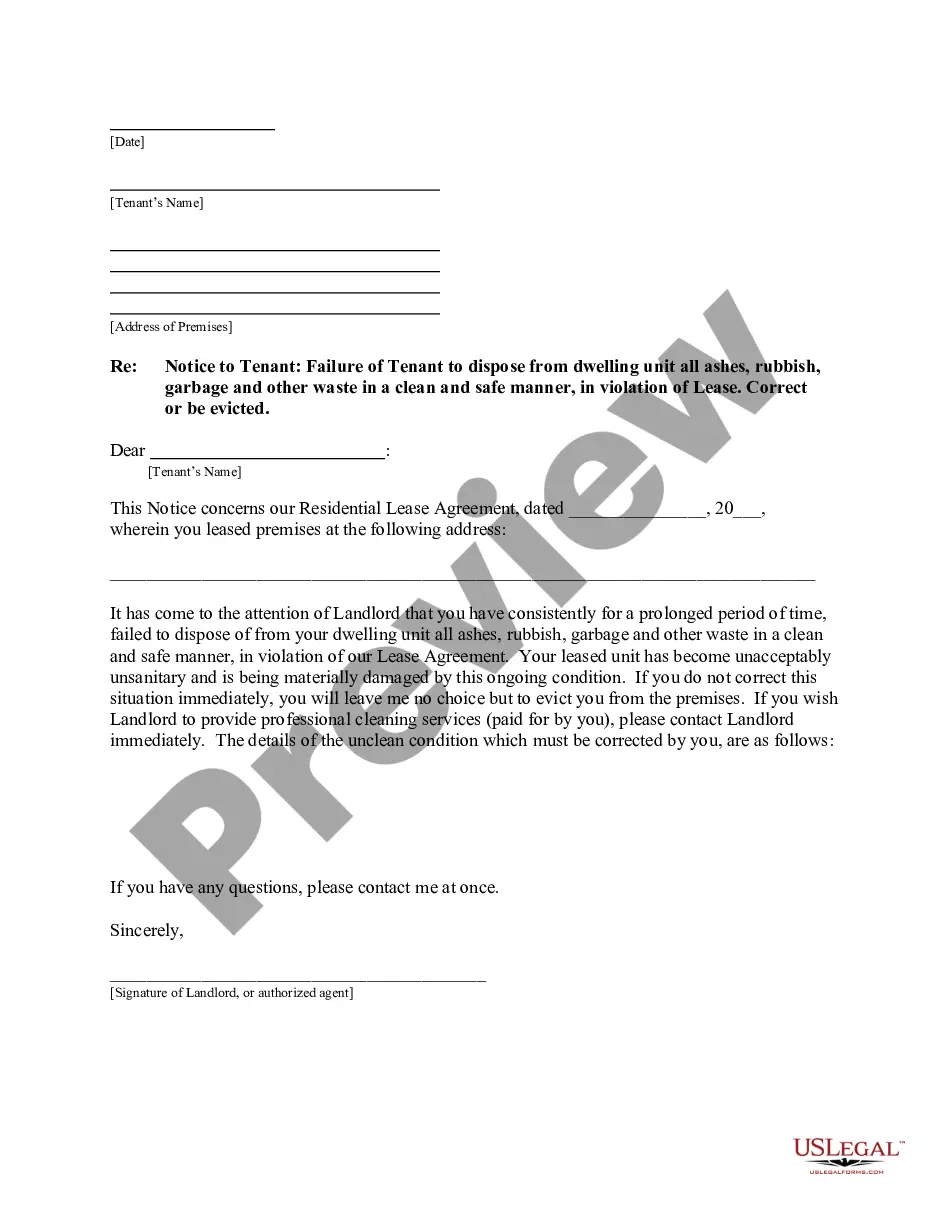
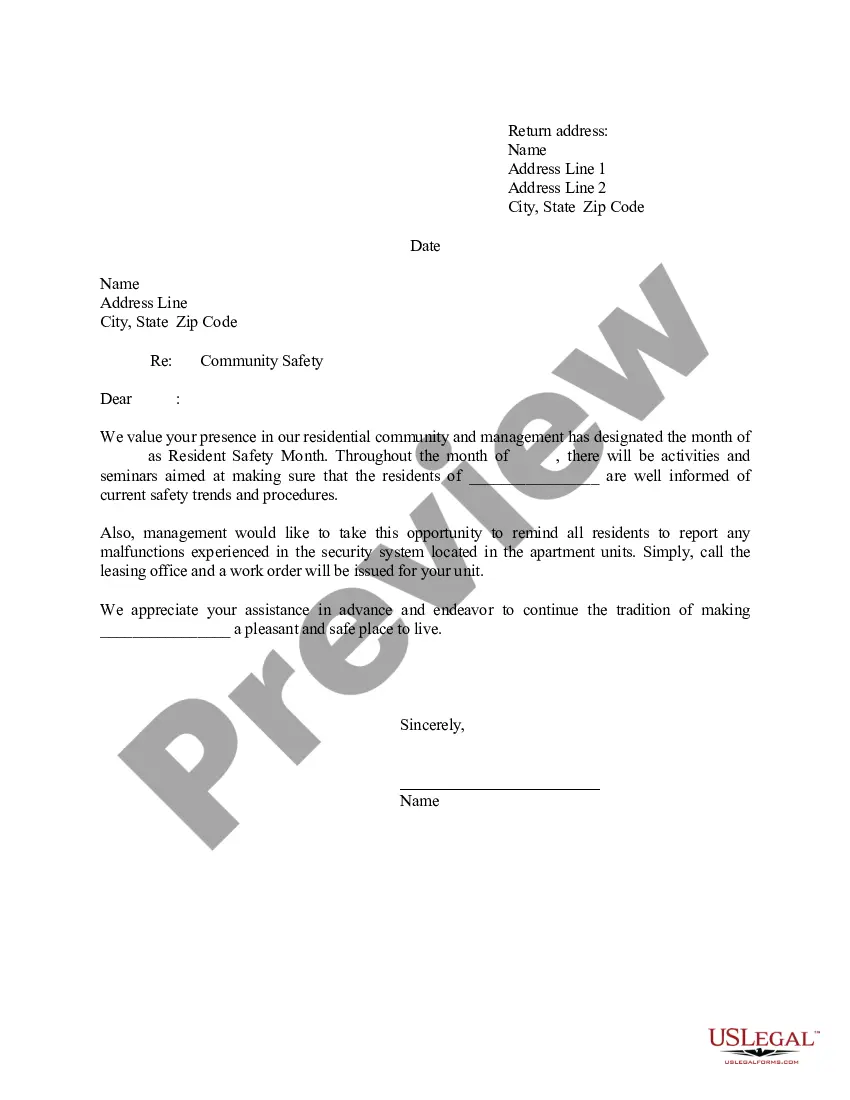
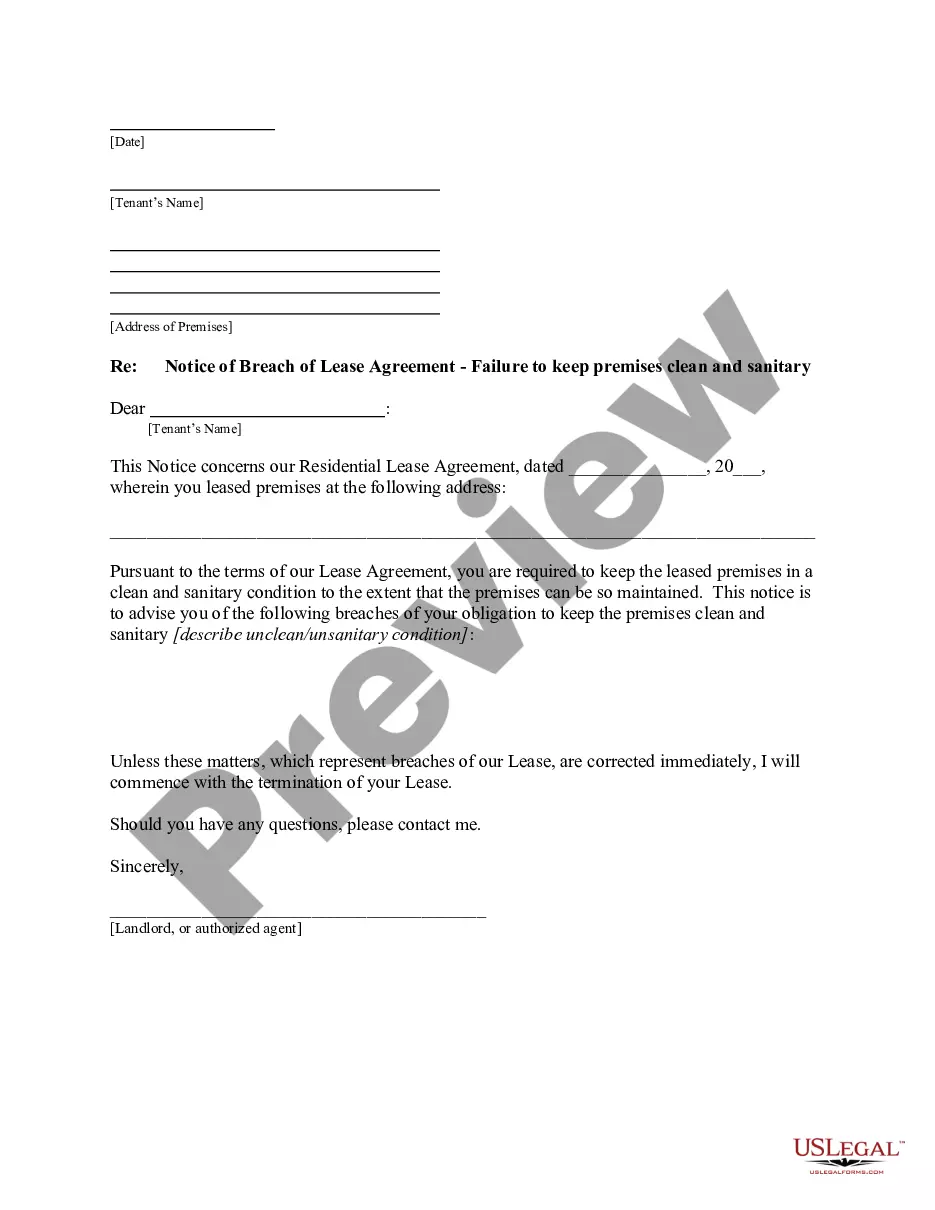
This form is a letter from a landlord to a tenant addressing the issue of improper waste disposal. It serves as a notice demanding that the tenant comply with community rules regarding cleanliness and waste management. Unlike a standard eviction notice, this document first provides the tenant an opportunity to correct their behavior before eviction proceedings may begin. It helps maintain a clean living environment and ensures compliance with the lease agreement.
Main sections of this form
- Identification of the parties involved (landlord and tenant).
- A description of the violations related to waste disposal.
- A demand for the tenant to correct the unclean conditions.
- Notification of potential eviction if the issues are not resolved.
- Information on professional cleaning services available at the tenantâs expense.
- Signature line for the landlord to validate the notice.


Common use cases
This form should be used when a landlord observes that a tenant is not disposing of waste properly, leading to unsanitary conditions that violate the lease agreement. It is especially important if the landlord has previously addressed the issue through informal means but has seen no improvement. The notice serves as a formal warning and outlines the consequences of continued non-compliance, ensuring the tenant understands the gravity of the situation.
Intended users of this form
- Landlords managing rental properties.
- Property managers needing to enforce community or lease standards.
- Anyone representing landowners in residential rental situations.
- Tenants who wish to understand their obligations under lease agreements regarding waste disposal.
Instructions for completing this form
- Identify the landlord and tenant by entering their names and addresses at the top of the letter.
- Clearly describe the violation regarding waste disposal, including the types of waste not being managed properly.
- Specify the timeframe in which the tenant must correct the issue.
- Include a warning outlining the potential consequences if the tenant fails to comply.
- Sign the letter to validate the notice before delivering it to the tenant.
Notarization requirements for this form
In most cases, this form does not require notarization. However, some jurisdictions or signing circumstances might. US Legal Forms offers online notarization powered by Notarize, accessible 24/7 for a quick, remote process.
Get your form ready online
Our built-in tools help you complete, sign, share, and store your documents in one place.
Make edits, fill in missing information, and update formatting in US Legal Forms—just like you would in MS Word.
Download a copy, print it, send it by email, or mail it via USPS—whatever works best for your next step.
Sign and collect signatures with our SignNow integration. Send to multiple recipients, set reminders, and more. Go Premium to unlock E-Sign.
If this form requires notarization, complete it online through a secure video call—no need to meet a notary in person or wait for an appointment.
We protect your documents and personal data by following strict security and privacy standards.
Make edits, fill in missing information, and update formatting in US Legal Forms—just like you would in MS Word.
Download a copy, print it, send it by email, or mail it via USPS—whatever works best for your next step.
Sign and collect signatures with our SignNow integration. Send to multiple recipients, set reminders, and more. Go Premium to unlock E-Sign.
If this form requires notarization, complete it online through a secure video call—no need to meet a notary in person or wait for an appointment.
We protect your documents and personal data by following strict security and privacy standards.
Typical mistakes to avoid
- Failing to provide a clear and specific description of the violations.
- Not including a deadline for compliance, leading to confusion.
- Neglecting to sign the letter, making it unofficial.
- Using vague language that does not clearly indicate the consequences of non-compliance.
Why complete this form online
- Convenience of downloading the form at any time.
- Editability to tailor the document to specific situations or state requirements.
- Access to professionally drafted legal text ensuring accuracy and compliance.
- Flexibility in sending notifications quickly to address issues as they arise.
Legal use & context
- Formal notice serves as a legal basis for potential eviction proceedings.
- Helps establish a record of attempts to address tenant violations before eviction.
- Must strictly follow the provisions of the lease agreement and local housing laws.
What to keep in mind
- The form is a notice regarding improper waste disposal by a tenant.
- It provides a chance for tenants to correct their behavior before eviction.
- Landlords must clearly outline violations and consequences.
- Tailor the form to fit specific state requirements for maximum effectiveness.
Looking for another form?
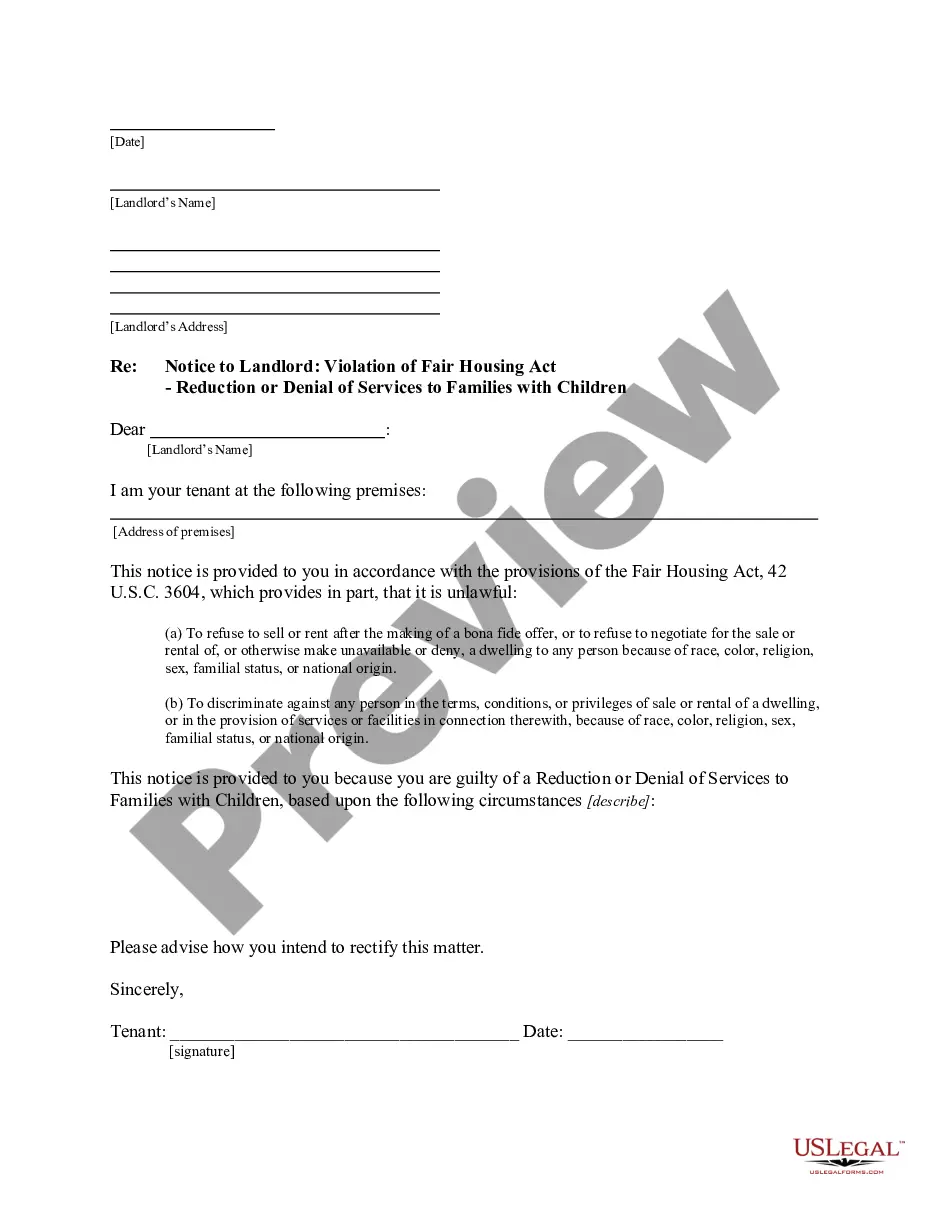
Form popularity
FAQ
Apply to the Tribunal for orders: to stop the landlord/agent entering the premises. (Apply within 3 months after you become aware of the landlord's/agent's breach.) report trespass to the police. complain to NSW Fair Trading.
The big take-away is that in most circumstances a landlord cannot enter a property without agreement from the tenant. And If the landlord ignores the law and enters the property without permission, the tenant may be able to claim damages or gain an injunction to prevent the landlord doing it again.
Kansas landlords must provide tenants with a 30-Day Notice to Comply, giving the tenant 14 days to correct the issue. If the issue isn't corrected within 14 days, the tenant will be required to move out at the end of the 30 day notice period.
The landlord must give you notice before entering. He/she can only enter during reasonable hours.
State law requires landlords to return deposits within 30 days with an itemized list of charges taken out.Kansas, I would say, is fairly landlord-friendly. Tenant Activism. Some residents of Lawrence, Manhattan and Kansas City where renting is more common than in the rest of the state are trying to change that.
Your landlord or their representatives may be allowed reasonable access to carry out inspections or repairs, but must first get your permission. According to Section 11, from The Landlord and Tenant Act 1985, your landlord needs to give you at least 24 hour notice before they come around and visit for any reason.
If you think your landlord is violating the Fair Housing Act, you can get that landlord in trouble by filing a complaint at HUD.gov. Your remedy for breach of quiet enjoyment is to terminate the lease and move or sue in small claims court.
A landlord CAN evict you by giving you 3 days notice to leave the property. This could be for not paying rent or staying after your lease ends. If you do not leave or pay the rent within 3 days, the landlord will start the eviction lawsuit.
When you rent a property from a landlord it becomes your home. They should only enter the property without you being present, if you have given permission for them to do so, or in a genuine emergency.