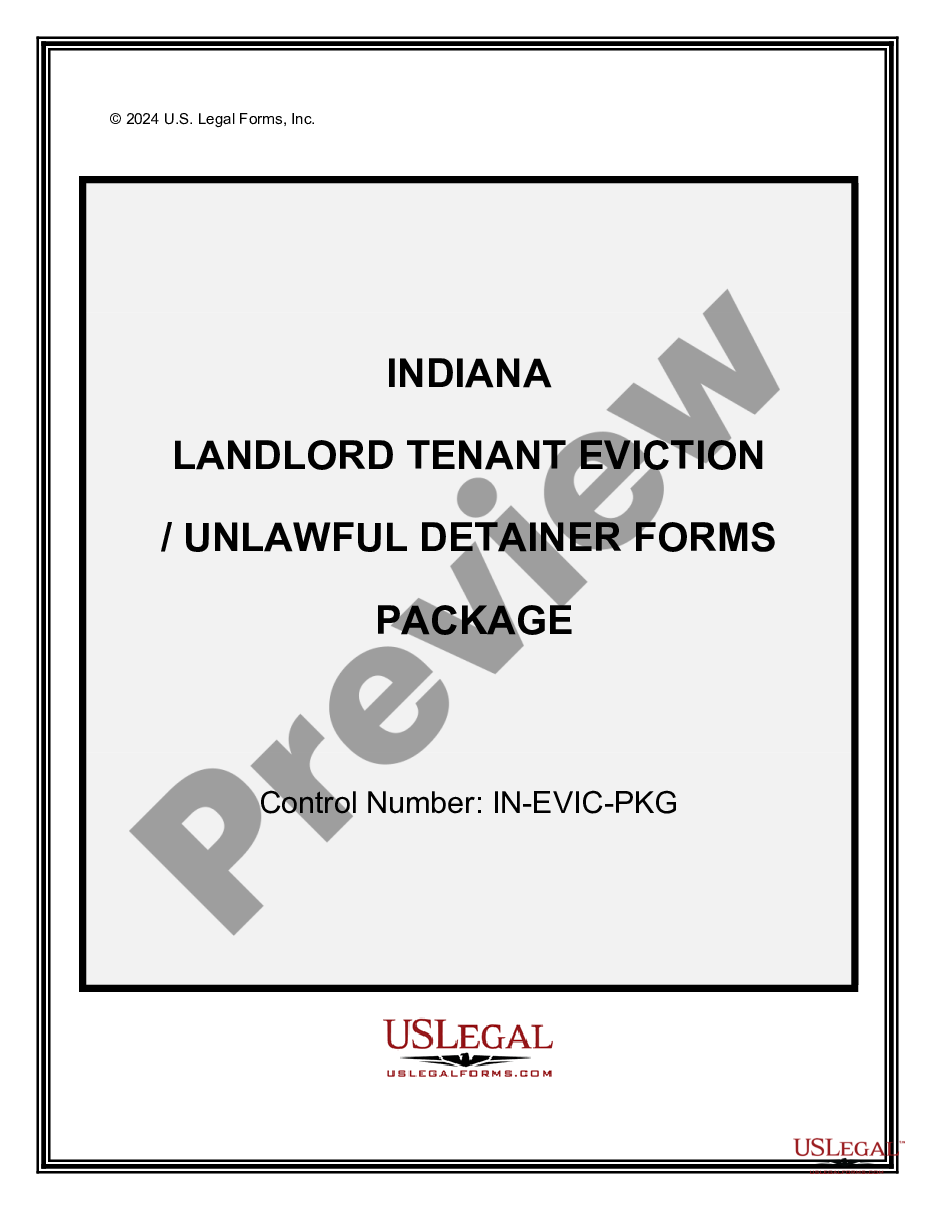
Indiana Landlord Tenant Eviction / Unlawful Detainer Forms Package
What is this form package?
The Indiana Landlord Tenant Eviction / Unlawful Detainer Forms Package provides landlords with essential, state-specific forms needed to evict a tenant legally. This comprehensive package is designed to help landlords navigate the eviction process while ensuring compliance with Indiana laws. By using this package, landlords can save time and reduce the risk of legal errors that may arise from using generic forms not tailored to their jurisdiction.
Documents contained in this package
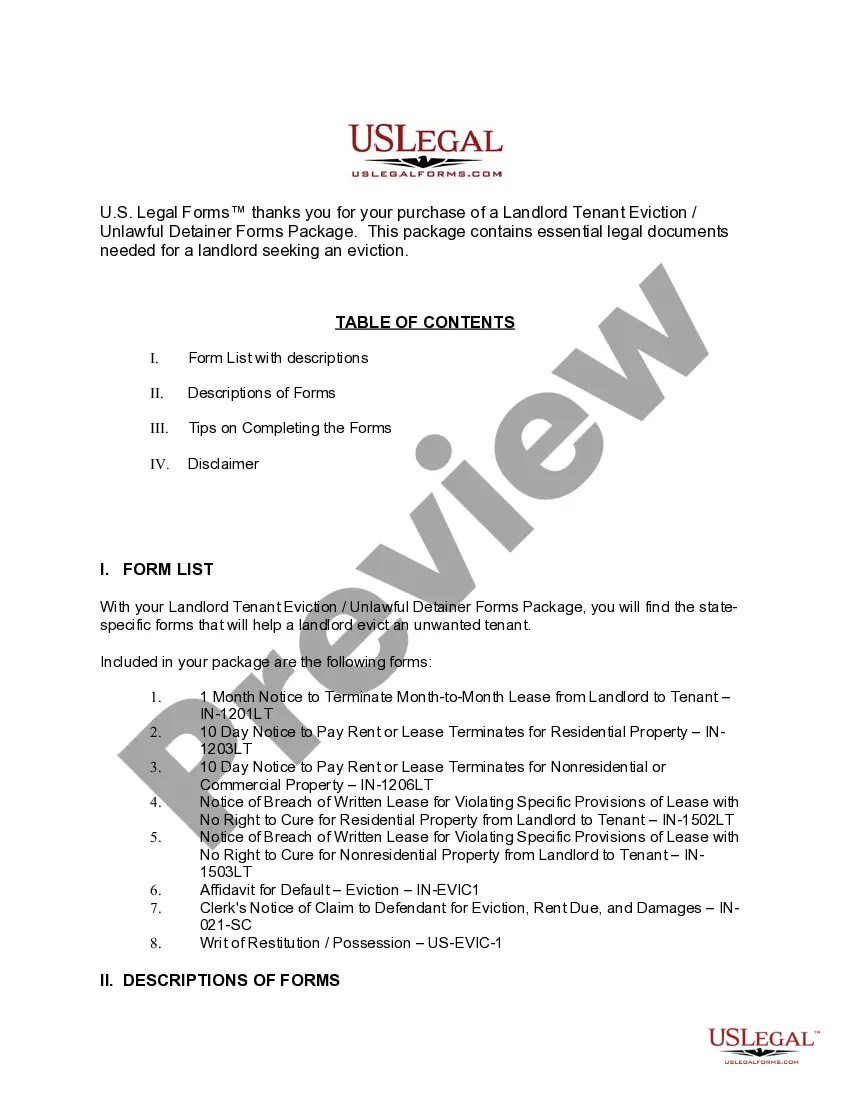
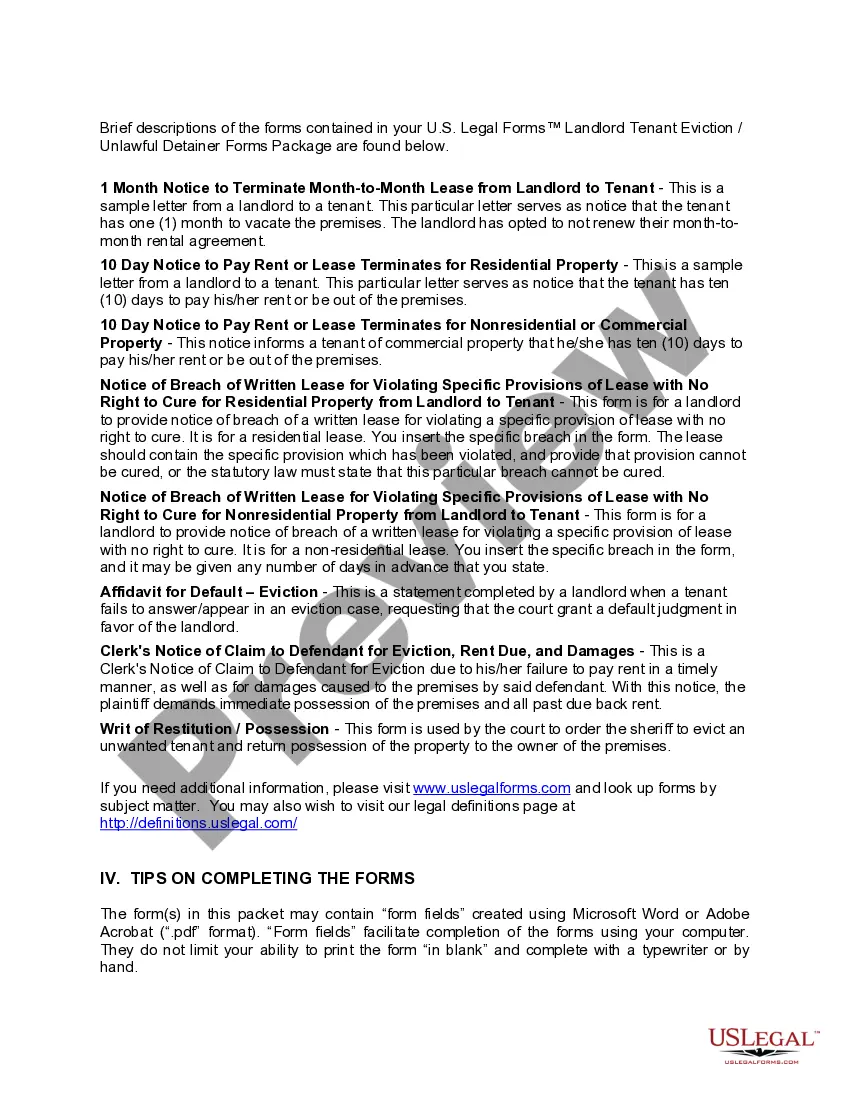
- Clerk's Notice of Claim to Defendant for Eviction, Rent Due, and Damages
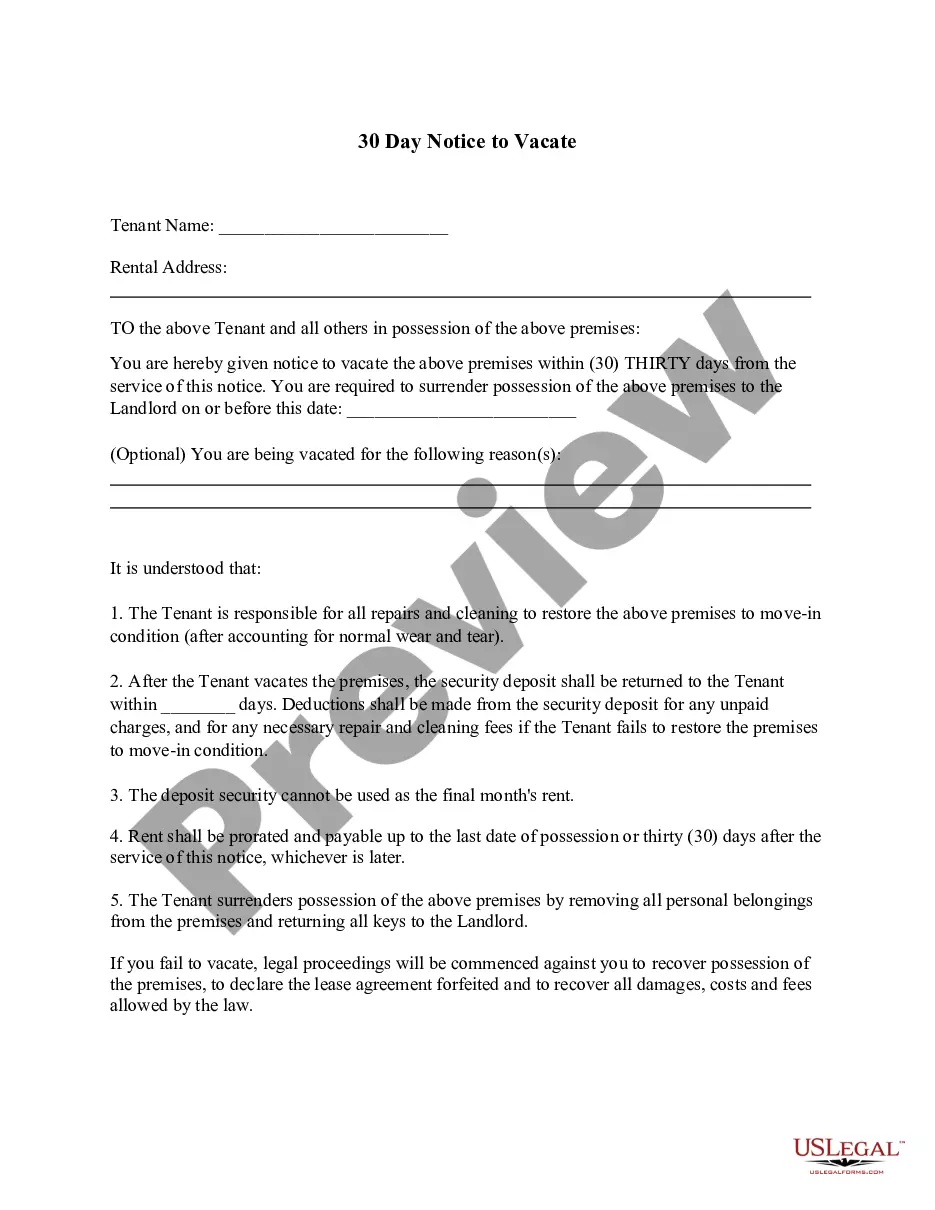
- 1 Month Notice to Terminate Month-to-Month Lease from Landlord to Tenant
- 10 Day Notice to Pay Rent or Lease Terminates for Residential Property
- 10 Day Notice to Pay Rent or Lease Terminates for Nonresidential or Commercial Property
- Notice of Breach of Written Lease for Violating Specific Provisions of Lease with No Right to Cure for Residential Property from Landlord to Tenant
- Notice of Breach of Written Lease for Violating Specific Provisions of Lease with No Right to Cure for Nonresidential Property from Landlord to Tenant
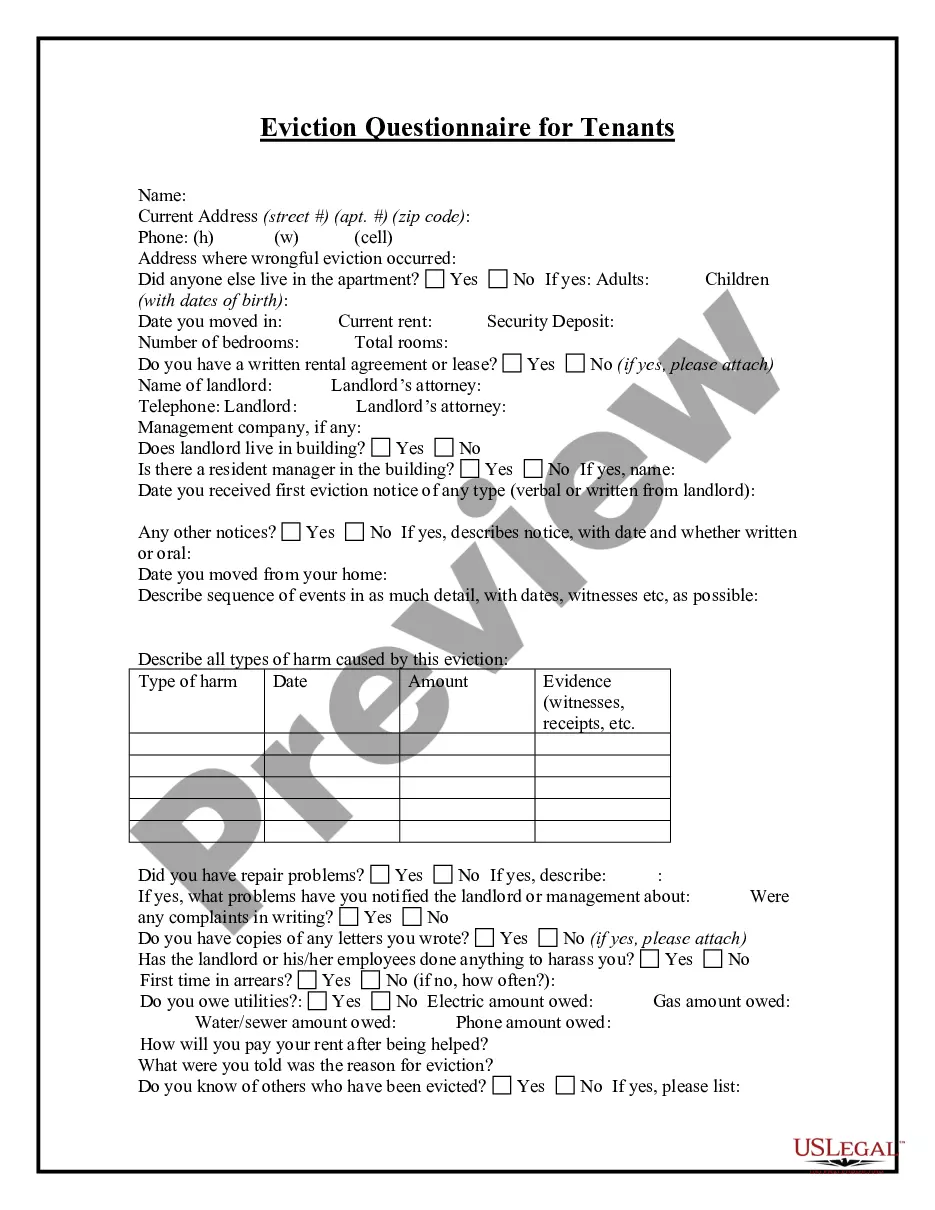
- Affidavit for Default - Eviction

Common use cases
This form package is useful in a variety of situations, including:
- When a tenant fails to pay rent on time.
- When a landlord needs to terminate a month-to-month lease.
- When there are breaches of lease agreements that cannot be remedied.
- When the landlord seeks legal possession of rental property after a tenant's lease is violated.
Intended users of this form package
- Landlords who own residential or commercial rental properties in Indiana.
- Property managers acting on behalf of landlords.
- Individuals seeking to understand their legal rights and obligations in the eviction process.
Completing these forms step by step
- Review the forms included in the package.
- Identify the relevant parties: landlord and tenant.
- Fill out the required details on each form, including names, dates, and specific lease terms.
- Ensure that all notices are delivered according to Indiana's legal requirements.
- Keep copies of all completed forms for your records.
Notarization requirements for forms in this package
Some included forms must be notarized to ensure validity. US Legal Forms provides secure online notarization powered by Notarize, allowing you to complete the process through a verified video call anytime.
Get your form ready online
Our built-in tools help you complete, sign, share, and store your documents in one place.
Make edits, fill in missing information, and update formatting in US Legal Forms—just like you would in MS Word.
Download a copy, print it, send it by email, or mail it via USPS—whatever works best for your next step.
Sign and collect signatures with our SignNow integration. Send to multiple recipients, set reminders, and more. Go Premium to unlock E-Sign.
If this form requires notarization, complete it online through a secure video call—no need to meet a notary in person or wait for an appointment.
We protect your documents and personal data by following strict security and privacy standards.

Make edits, fill in missing information, and update formatting in US Legal Forms—just like you would in MS Word.

Download a copy, print it, send it by email, or mail it via USPS—whatever works best for your next step.

Sign and collect signatures with our SignNow integration. Send to multiple recipients, set reminders, and more. Go Premium to unlock E-Sign.

If this form requires notarization, complete it online through a secure video call—no need to meet a notary in person or wait for an appointment.

We protect your documents and personal data by following strict security and privacy standards.
Common mistakes to avoid
- Failing to serve the notice correctly, which can delay the eviction process.
- Not including all necessary details in the forms, leading to potential legal challenges.
- Missing delivery deadlines for notices as outlined by state law.
- Using outdated forms that do not comply with current Indiana law.
Benefits of using this package online
- Convenience of accessing and downloading forms from anywhere, anytime.
- Editability allows landlords to complete forms digitally, making it easier to ensure accuracy.
- Reliability since the forms are drafted by licensed attorneys familiar with Indiana laws.
Looking for another form?




Form popularity
FAQ
Know Your Rights. It goes without saying, but take some time to know your rights as a tenant. Keep Good Records. Make Sure Notice is Proper. Service of the Unlawful Detainer. Talking to an Attorney. Managing Partner Lipton Legal Group, A PC Beverly Hills, CA.
For non-payment of rent evictions, you must first provide the 10-day notice to cure or quit. The next step is to go to the township court in the county in which your property is located. The Clerk of the Court will schedule a hearing. You must then arrange for the tenant to be formally served a notice of a lawsuit.
Know Your Rights. It goes without saying, but take some time to know your rights as a tenant. Keep Good Records. Make Sure Notice is Proper. Service of the Unlawful Detainer. Talking to an Attorney. Managing Partner Lipton Legal Group, A PC Beverly Hills, CA.
If you file an eviction (unlawful detainer) case and you decide you do not want to move forward, you can ask the court to dismiss the case.You included more than one tenant in your eviction case but have decided you only want to evict one or some of them, so you dismiss the case as to the others.
An unlawful detainer is an eviction lawsuit. This won't be reported to the credit bureaus unless you are actually evicted.Much like losing a lawsuit, unlawful-detainer suits are reported to the credit bureaus.
Courts commonly refer to eviction actions as "forcible entry and detainer" or "unlawful detainer" actions. The legal theory is that the landlord alleges the tenant unlawfully continues to have use and possession of the rental property, and the landlord seeks the assistance of the court to have the tenant removed.
At the trial, the landlord will put on her case.The landlord will talk about the Notice of Termination that was sent to the tenant and her reasons for wanting to evict the tenant. The landlord may present other witnesses to support her claims against the tenant.