Idaho Agreement for Payment of Unpaid Rent
What is this form?
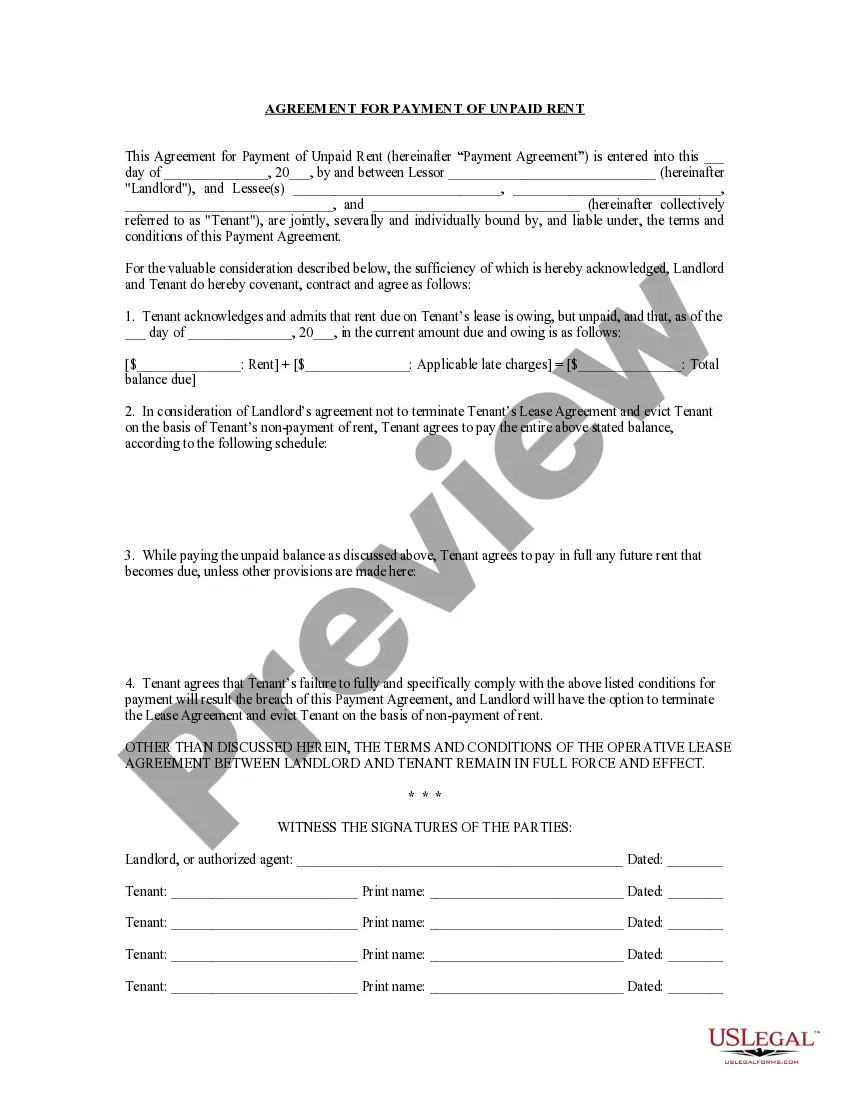
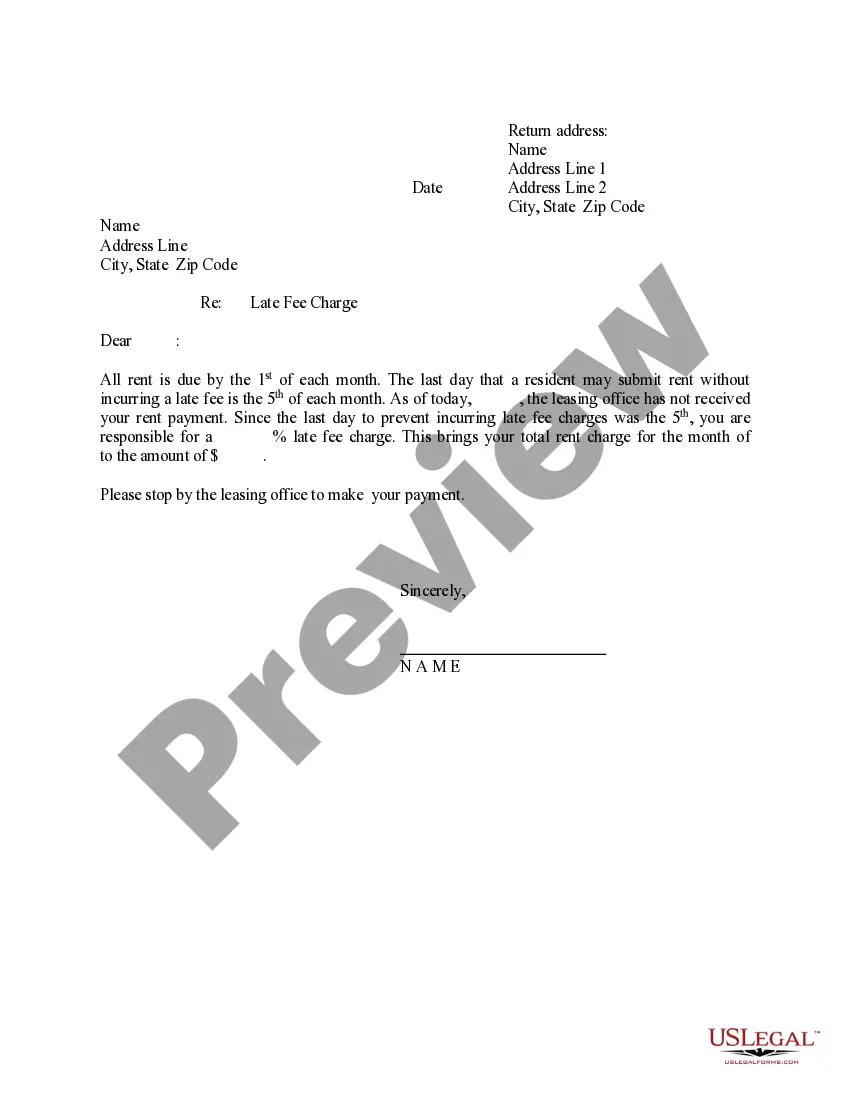
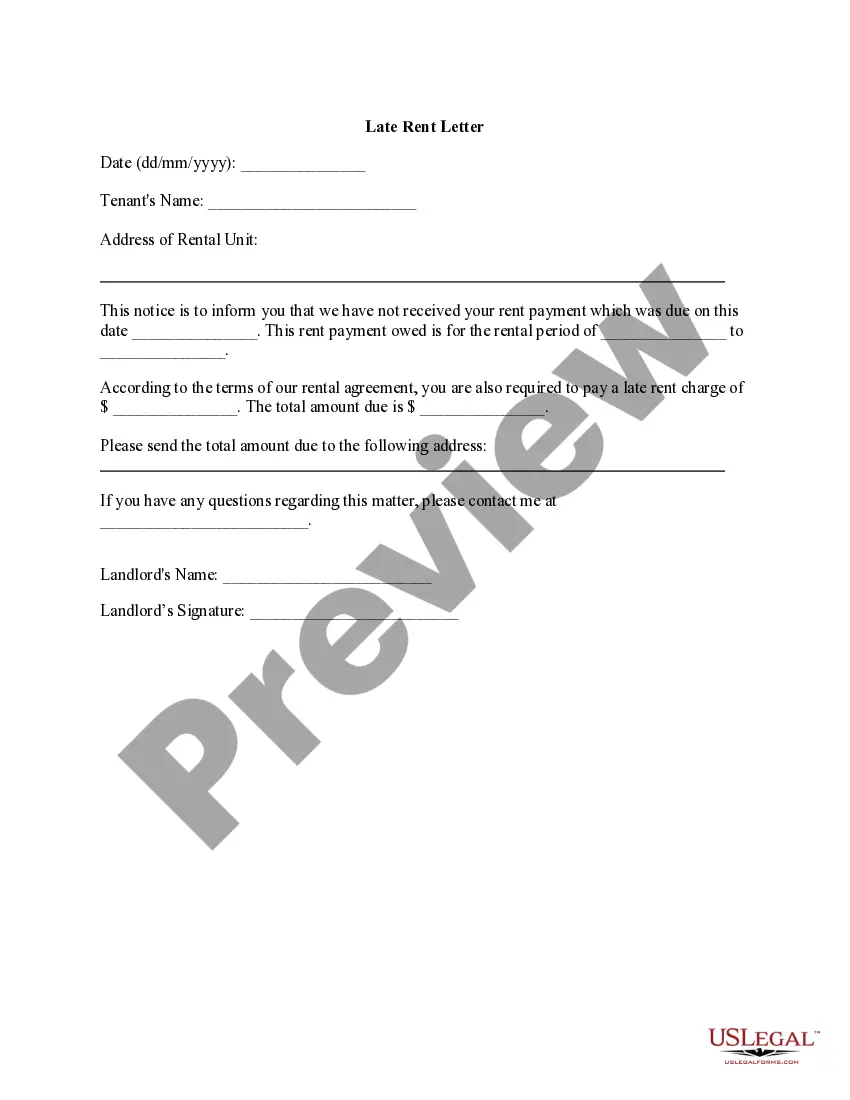
The Agreement for Payment of Unpaid Rent is a legally binding contract between a landlord and a tenant. This form outlines the terms under which a tenant can repay overdue rent installments, helping to prevent eviction. Distinct from other lease agreements, this document specifically addresses payment arrangements for overdue rent while maintaining the existing lease agreement's terms.
Key parts of this document
- Identification of the parties: Clearly names the landlord and tenant(s).
- Rent acknowledgment: A section for the tenant to admit the amount of overdue rent and applicable late charges.
- Total balance due: Specifies the total amount owed by the tenant at the time of signing.
- Payment schedule: Details the structured payment plan agreed upon between the landlord and the tenant.
- Maintenance of original lease terms: Reinforces that other terms of the lease remain in effect.

Common use cases
This form is essential when a tenant is struggling to pay their rent on time. It can be utilized when a landlord agrees to allow the tenant to catch up on overdue payments in exchange for avoiding eviction. Situations might include financial hardship due to job loss, medical emergencies, or other unexpected circumstances that impact the tenant's ability to pay rent on time.
Who should use this form
- Landlords who want to offer their tenants a payment plan for overdue rent.
- Tenants facing financial difficulties but willing to repay the owed rent.
- Real estate professionals or property managers seeking to formalize rent repayment arrangements.
Completing this form step by step
- Identify the parties: Fill in the names of the landlord and all tenant(s).
- Specify the date: Enter the date the agreement is made.
- State the amount due: Clearly outline the overdue rent and any applicable late fees.
- Detail the payment plan: Agree upon and write down the payment schedule to be followed.
- Sign and date: Ensure all parties sign and date the agreement to validate it.
Does this form need to be notarized?
In most cases, this form does not require notarization. However, some jurisdictions or signing circumstances might. US Legal Forms offers online notarization powered by Notarize, accessible 24/7 for a quick, remote process.
Get your form ready online
Our built-in tools help you complete, sign, share, and store your documents in one place.
Make edits, fill in missing information, and update formatting in US Legal Forms—just like you would in MS Word.
Download a copy, print it, send it by email, or mail it via USPS—whatever works best for your next step.
Sign and collect signatures with our SignNow integration. Send to multiple recipients, set reminders, and more. Go Premium to unlock E-Sign.
If this form requires notarization, complete it online through a secure video call—no need to meet a notary in person or wait for an appointment.
We protect your documents and personal data by following strict security and privacy standards.

Make edits, fill in missing information, and update formatting in US Legal Forms—just like you would in MS Word.

Download a copy, print it, send it by email, or mail it via USPS—whatever works best for your next step.

Sign and collect signatures with our SignNow integration. Send to multiple recipients, set reminders, and more. Go Premium to unlock E-Sign.

If this form requires notarization, complete it online through a secure video call—no need to meet a notary in person or wait for an appointment.

We protect your documents and personal data by following strict security and privacy standards.
Typical mistakes to avoid
- Not specifying the total balance due, which can lead to confusion.
- Failing to outline a clear repayment schedule.
- Missing signatures from all tenants or the landlord, making the agreement invalid.
Benefits of completing this form online
- Convenience of completing the form from home without the need for in-person meetings.
- Editability allows for adjustments to be made before finalizing the agreement.
- Assurance of reliable legal language conforming to state regulations.
Looking for another form?

Form popularity
FAQ
Know the Law and Document the Landlord-Tenant Relationship. Before Filing a Lawsuit, Negotiate with the Tenant. Give the Tenant a Formal Eviction Notice. File an Eviction Complaint with the Court. Get Ready for the Eviction Hearing. Evict the Tenant.
When your tenant still can't pay... Let them leave, if they simply can't pay it may be your best option. Simply let them break their contract (if you're still within the fixed term period) and leave your property. Then you can get a new tenant in and not waste any more time.
Idaho does not currently enforce any kind of rent control so landlords are able to charge whatever they want in rental prices. Rental increases. Idaho landlords are not limited in how much they can raise rental prices but they must give tenants at least 15 days' advance notice before doing so.
The Idaho law enacted in 1977 clearly specifies the rights of landlords and tenants. Some of the tenant rights include: Right to remain on the property until they're properly evicted by a court order. Right to have repairs made within a reasonable amount of time after a request is made.
Idaho is a fairly landlord-friendly state because there are few limits on fees and other charges, and landlords can manage security deposits how they wish. Tenants are also not allowed to withhold rent, although they can make repairs and deduct the cost for smoke detectors alone.
Your landlord is entitled to deduct any unpaid rent from your deposit. If you owe more than the value of your deposit your landlord may take court action to get the extra money back. You may decide to withhold the last month's rent in case the landlord refuses to return the deposit. This is not advisable.
Idaho does not regulate the amount of rent, deposits or fees that landlords can charge.
Step 1: Check Your Lease Documents and Payment Records. Step 2: Send a Late Rent Notice. Step 3: Make a Phone Call. Step 4: Send a Pay or Quit Notice. Step 5: Take Legal Action.
There are no limits on the number of times or the amount a landlord can increase the rent unless there is a provision in the lease. A tenant can move rather than pay the increase. Idaho Code Section 55-307.