Delaware Owner's or Seller's Affidavit of No Liens
Understanding this form
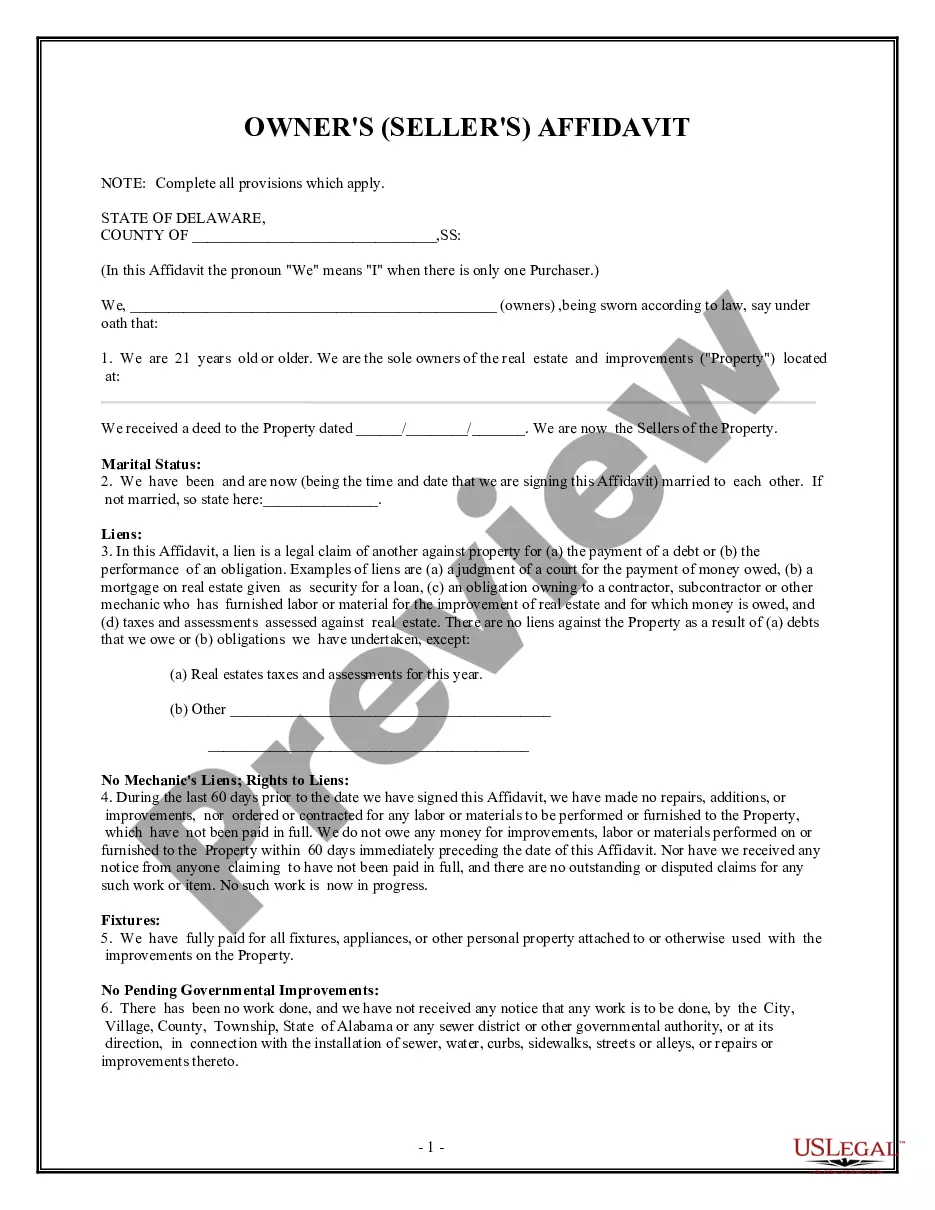
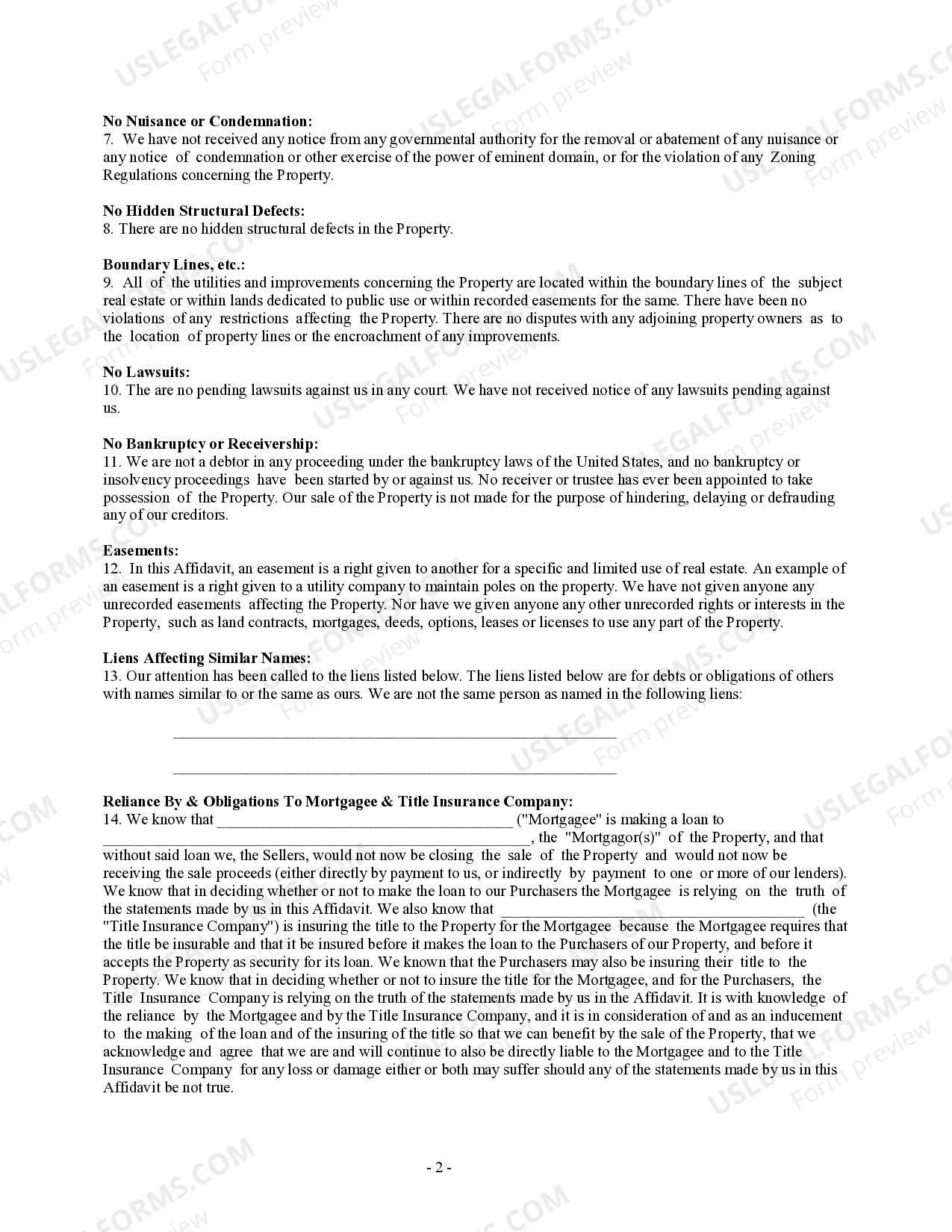
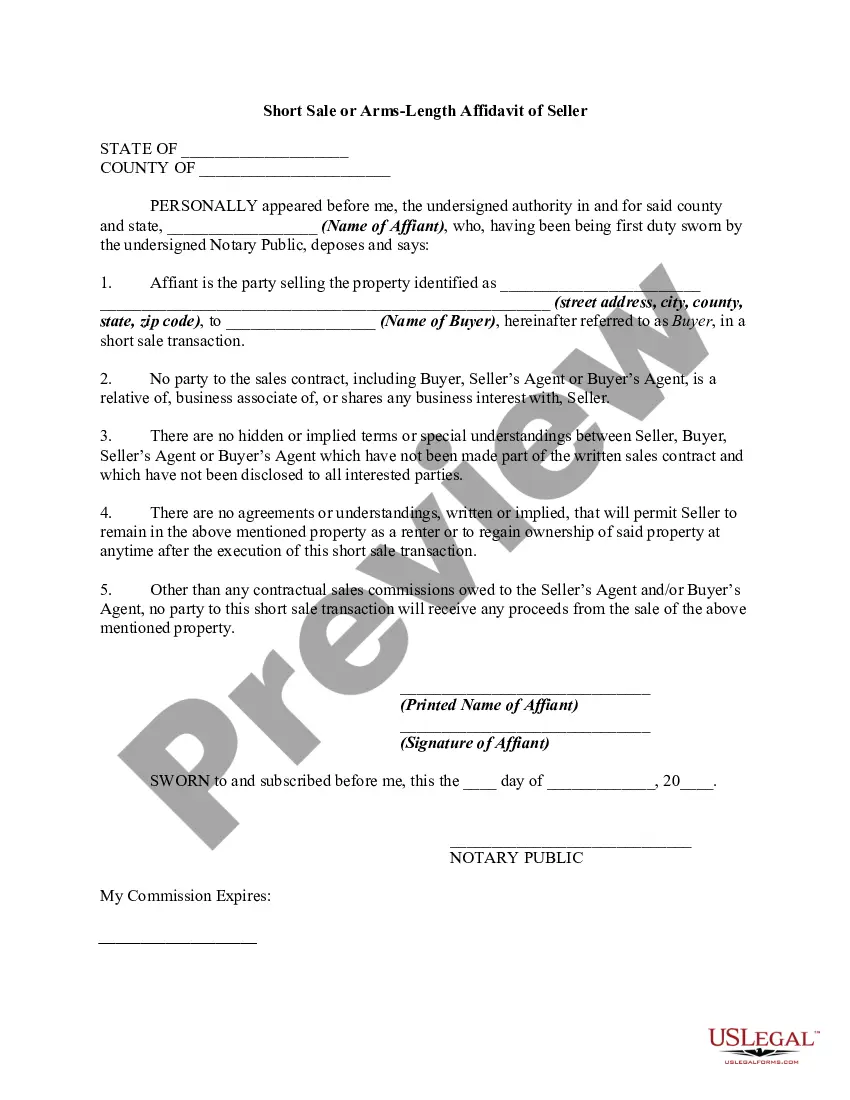
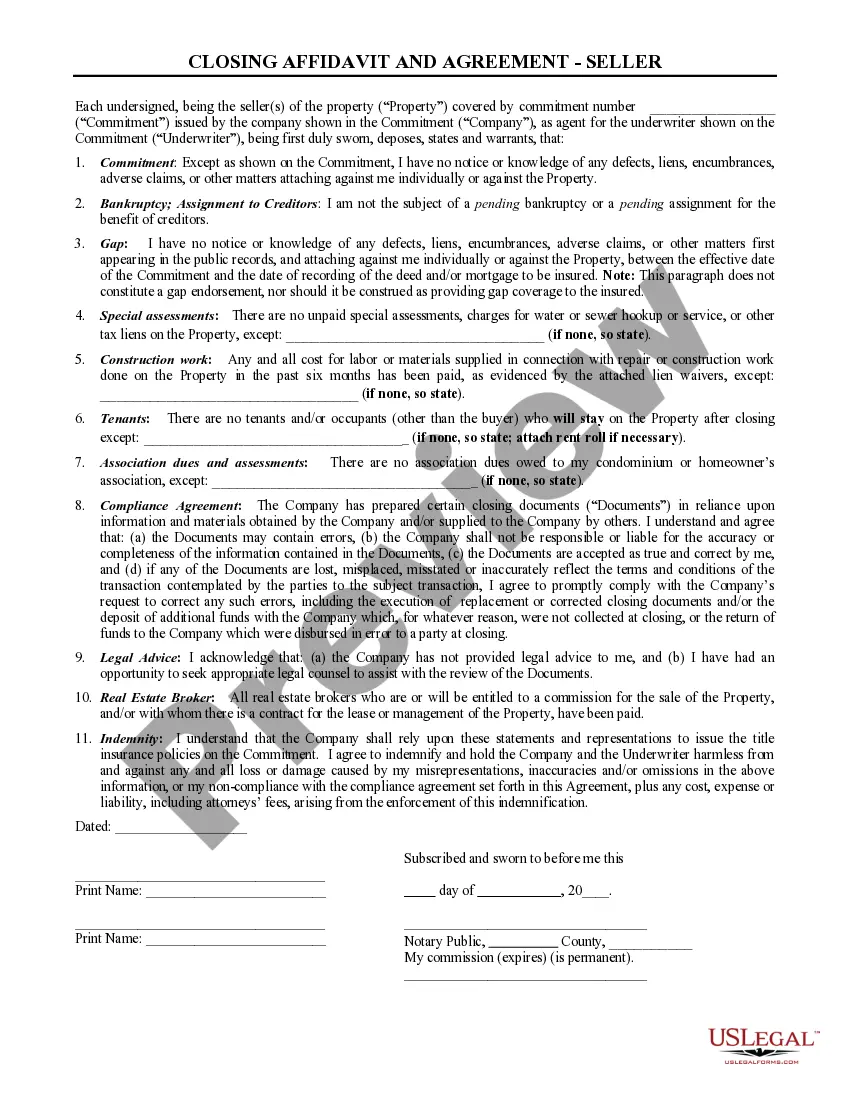
The Owner's or Seller's Affidavit of No Liens is a legal document used by property sellers to certify that there are no outstanding liens against the property they are selling. This affidavit provides assurance to the buyer and any lenders involved in the transaction that the property is free from financial claims or legal encumbrances. It helps to clarify the ownership and the financial condition of the property being sold, distinguishing it from other forms that may not specifically address liens.
Form components explained
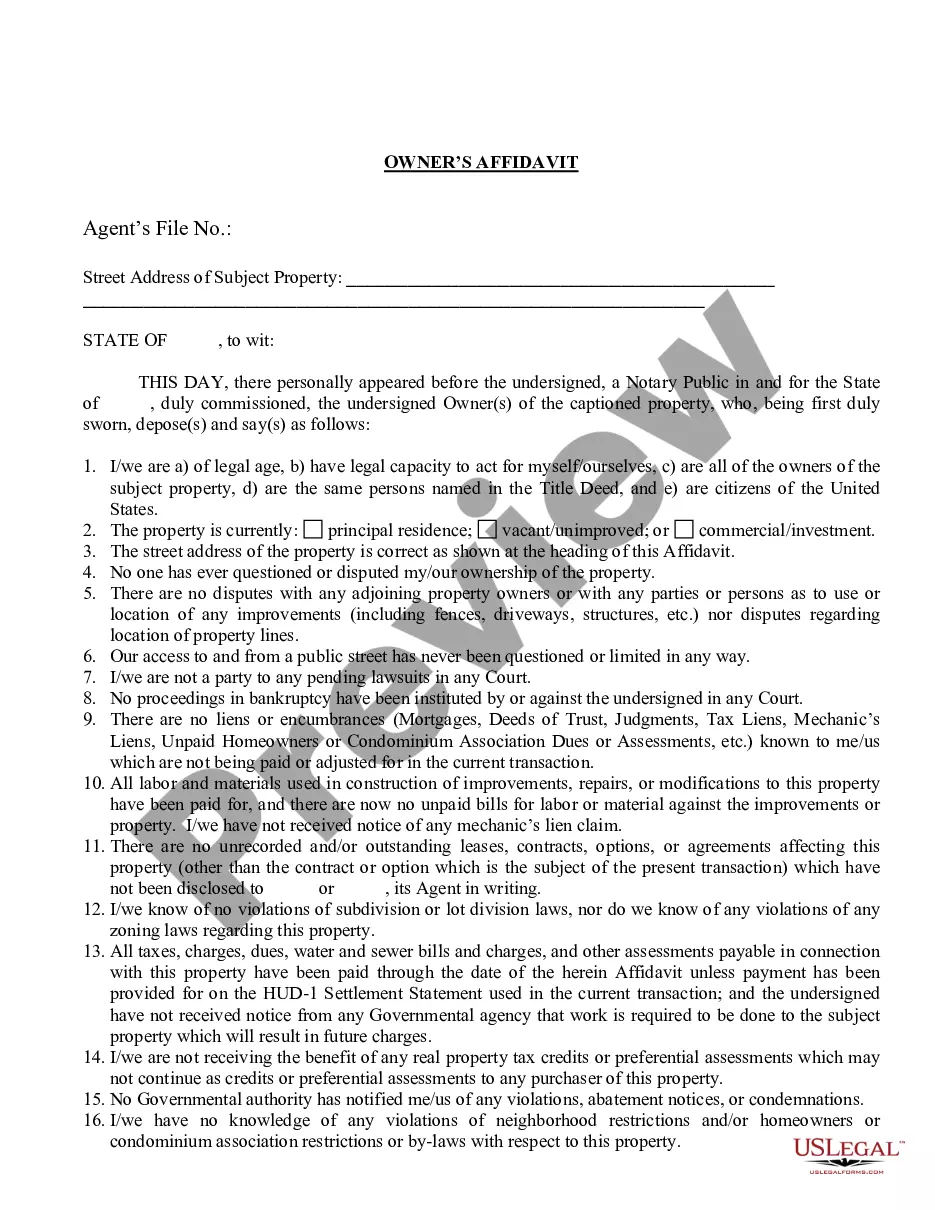
- Identification of property owners and confirmation of property ownership.
- Certification that no liens exist against the property.
- Disclosure of any repairs or improvements made within the last 60 days.
- Affirmation that all fixtures and appliances are paid for and included in the sale.
- Confirmation of no pending governmental actions or notices affecting the property.
- Assurance that there are no ongoing lawsuits or bankruptcy proceedings involving the sellers.

When to use this document
This form should be used during the closing process of a property sale. It is crucial when the seller must affirm that their property is free of liens, ensuring a smooth transfer of ownership. Buyers often require this affidavit to secure financing, as lenders want to confirm that the property can serve as clear collateral without any encumbrances.
Who should use this form
- Homeowners selling their property.
- Real estate agents and brokers facilitating property sales.
- Buyers seeking confirmation from sellers regarding the condition of the property.
- Lenders requiring assurance of clear title before approving a mortgage.
Steps to complete this form
- Identify the owners of the property and provide their full names.
- Specify the property address and details as required.
- Complete the section regarding marital status, if applicable.
- List any known liens or confirm that none exist.
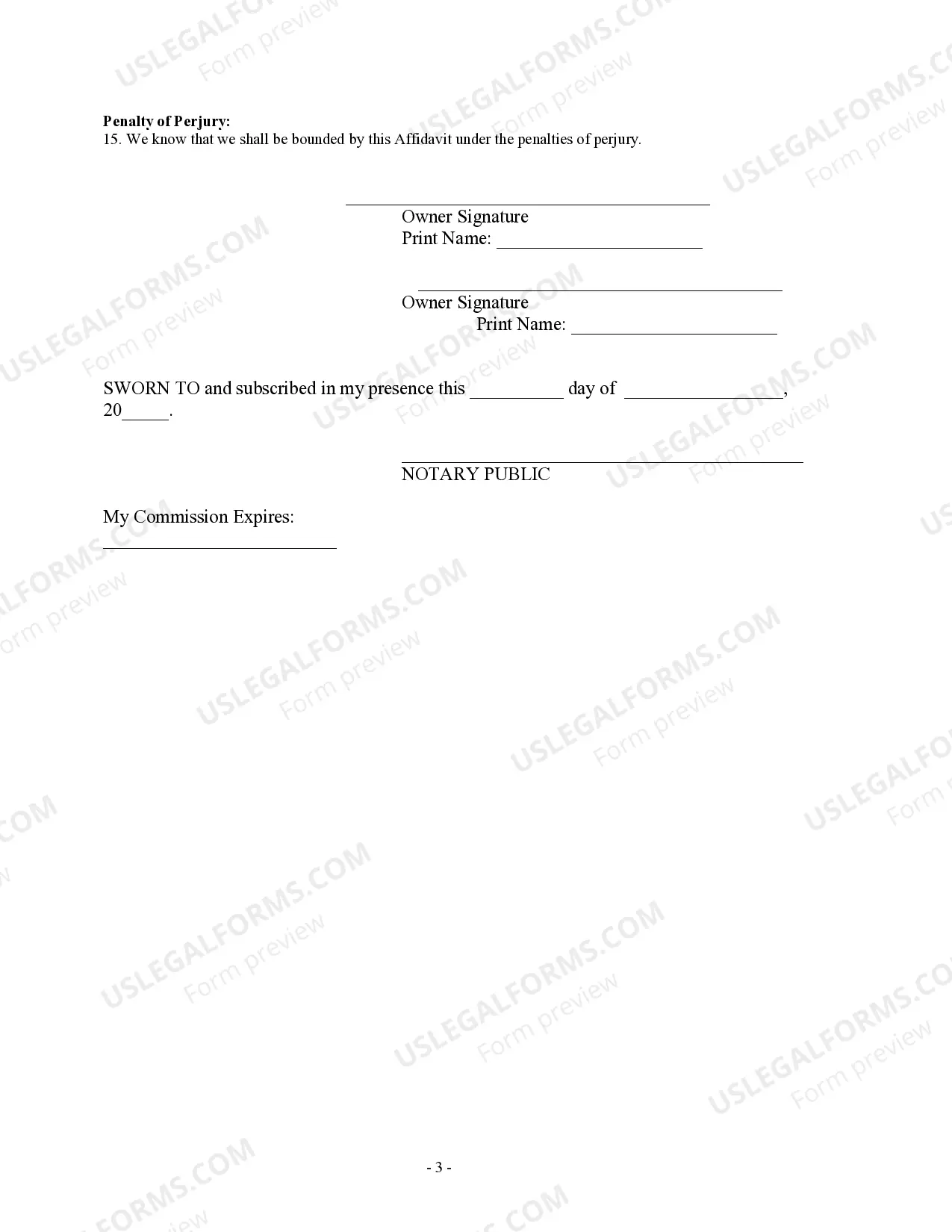
- Ensure all signatures are obtained, and the document is notarized.
Does this document require notarization?
Notarization is required for this form to take effect. Our online notarization service, powered by Notarize, lets you verify and sign documents remotely through an encrypted video session, available 24/7.
Get your form ready online
Our built-in tools help you complete, sign, share, and store your documents in one place.
Make edits, fill in missing information, and update formatting in US Legal Forms—just like you would in MS Word.
Download a copy, print it, send it by email, or mail it via USPS—whatever works best for your next step.
Sign and collect signatures with our SignNow integration. Send to multiple recipients, set reminders, and more. Go Premium to unlock E-Sign.
If this form requires notarization, complete it online through a secure video call—no need to meet a notary in person or wait for an appointment.
We protect your documents and personal data by following strict security and privacy standards.
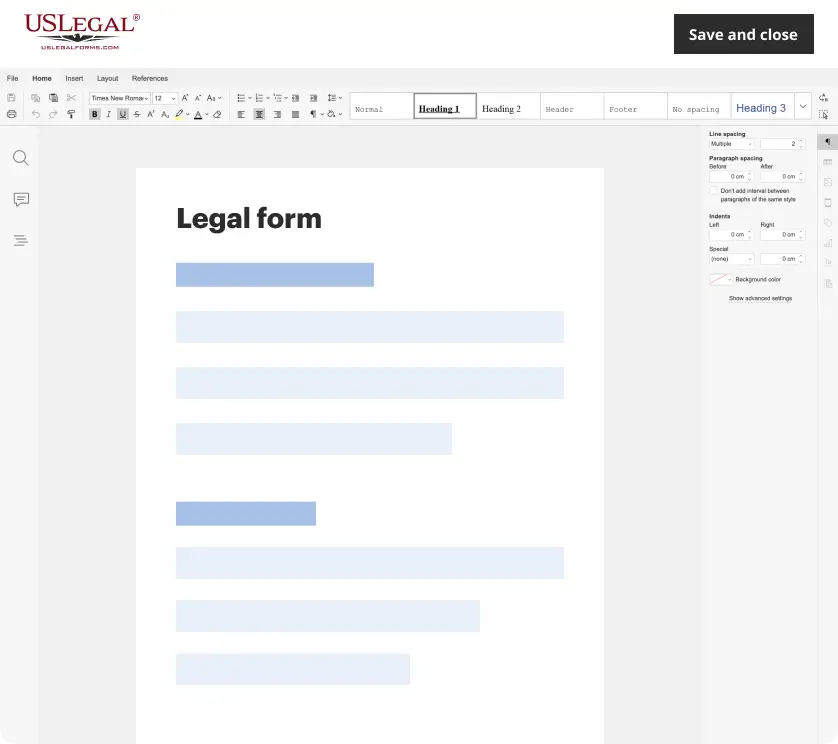
Make edits, fill in missing information, and update formatting in US Legal Forms—just like you would in MS Word.
Download a copy, print it, send it by email, or mail it via USPS—whatever works best for your next step.
Sign and collect signatures with our SignNow integration. Send to multiple recipients, set reminders, and more. Go Premium to unlock E-Sign.
If this form requires notarization, complete it online through a secure video call—no need to meet a notary in person or wait for an appointment.
We protect your documents and personal data by following strict security and privacy standards.
Typical mistakes to avoid
- Failing to accurately state any existing liens or obligations.
- Not having the affidavit notarized or completed in full.
- Leaving out property details that could lead to confusion.
Benefits of using this form online
- Convenience of downloading and completing the form at your own pace.
- Easy access to legal templates drafted by licensed attorneys.
- Ability to make edits as needed before finalizing the document.
What to keep in mind
- The Owner's or Seller's Affidavit of No Liens is essential for confirming that a property is free of liens.
- It protects buyers and lenders and facilitates a smoother real estate transaction.
- Accurate completion and notarization are crucial for the affidavit's validity and legal standing.
Looking for another form?
Form popularity
FAQ
The buyer is entitled to a purchaser's lien which he can foreclose on the property being reconveyed to the seller. The lien is for the amount of payments made on the purchase price, plus expenditures made to improve the property and to pay taxes and insurance premiums. Montgomery v.
A purchaser's lien is an equitable remedy that may arise when a purchaser makes a payment (such as a deposit) toward the purchase price under a contract of purchase and sale.
Most states now have additional tools available for free property title searches. You can find these on your state government sites under "county assessor." You will have to select your county, and you can then search through the listed properties.
How long does a judgment lien last in California? A judgment lien in California will remain attached to the debtor's property (even if the property changes hands) for ten years.
The general warranty deed is the standard instrument for home sales. Your notarized warranty deed is proof of ownership, and that the grantor transferred complete and clear title to you. A quitclaim deed also proves full land ownershipif the person who conveyed the interest to you had full ownership.
A statement showing that your balance is paid in full. Your canceled promissory note. A certificate of satisfaction. Your canceled mortgage or deed of trust.
In most states, you can typically search by address with the county recorder, clerk, or assessor's office online. The search for liens is free, though you may have to pay a small fee for a copy of the report, which will vary by county.
The title search performed in the prelim title discovers whether or not there are any liens against the title, which would typically be placed by a lender on the property. They also may have you sign a document stating that there are no liens that are not recorded. If there are not, just sign it. Bingo.
Buyers don't like buying a house with a lien on it, so creditors know that putting a lien (or encumbrance) on a property is a cheap way of collecting what they are owed, sooner or later. Liens are part of the public record. Liens stay with the property when it is sold, but remains on the previous owner's credit report.