Delaware Release of Mechanic's Lien - Individual
Understanding this form
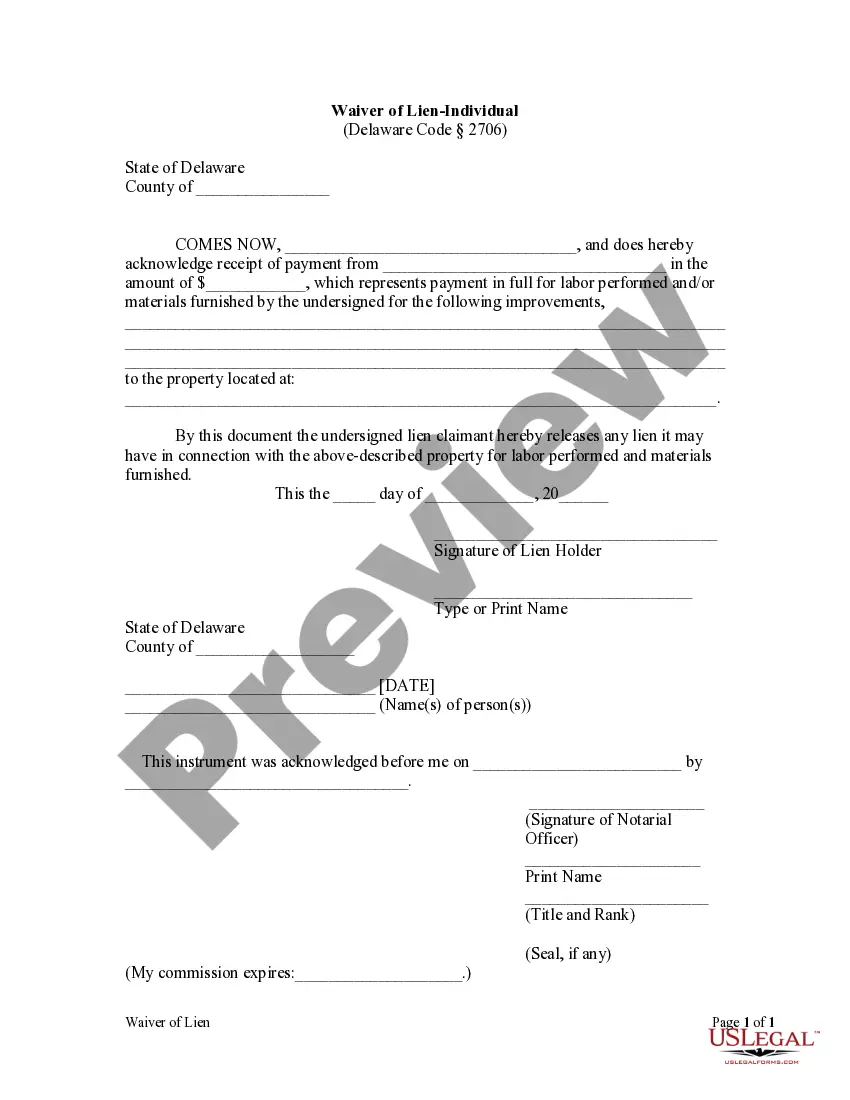
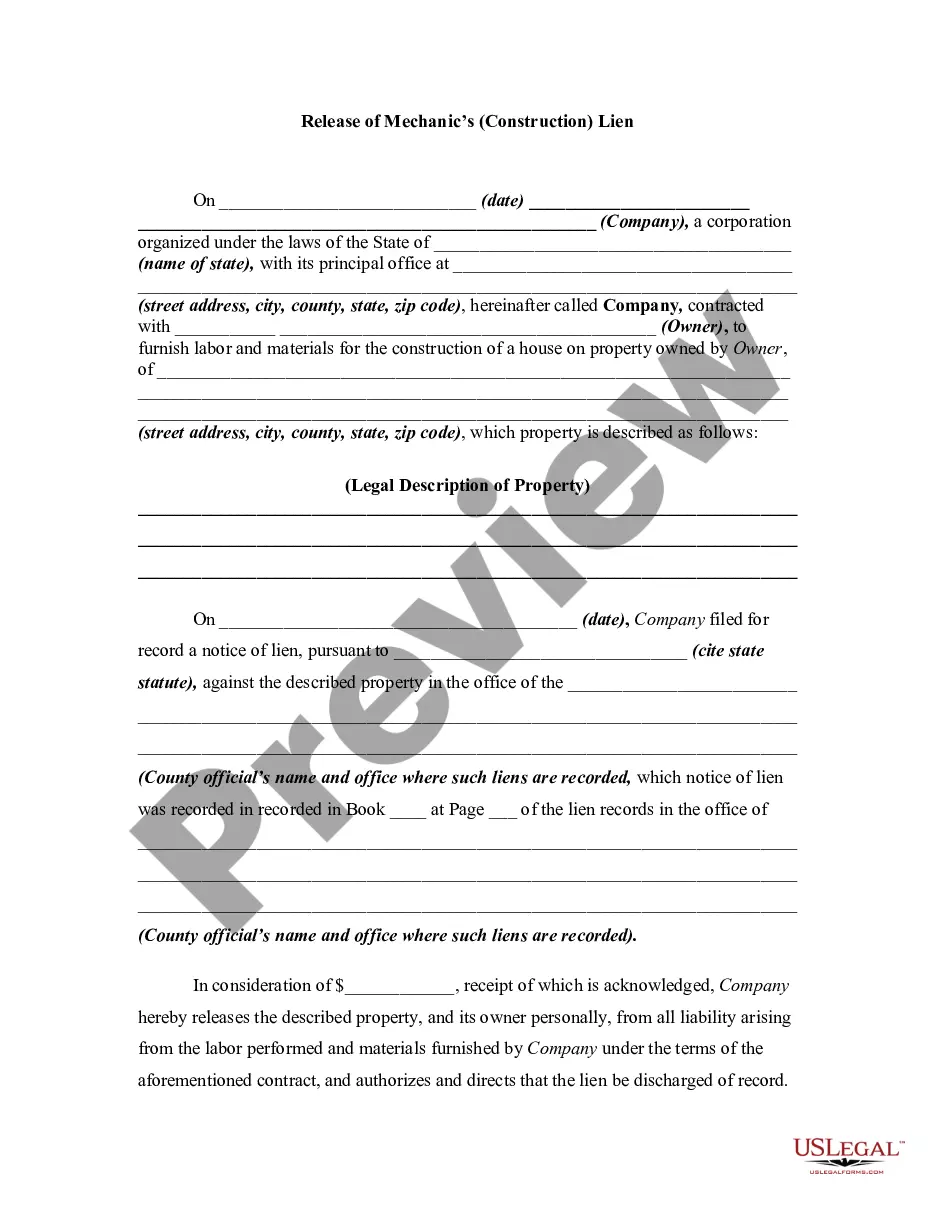
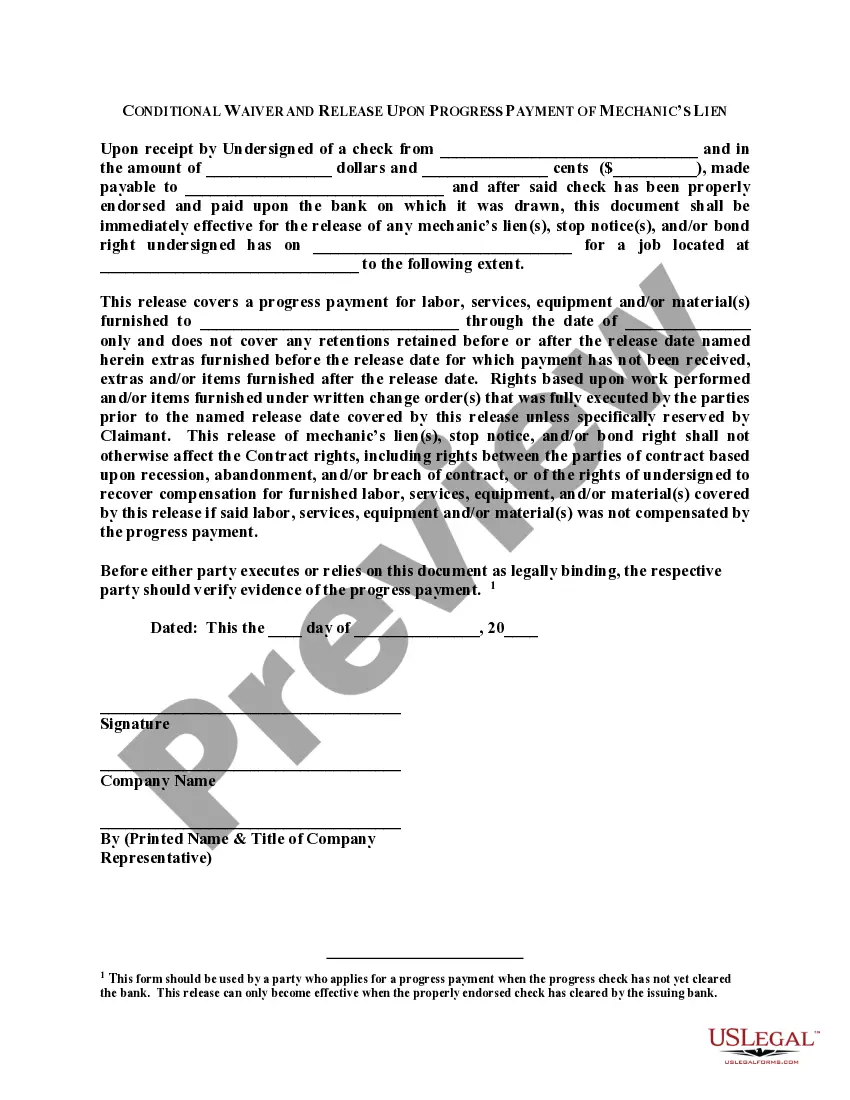
The Release of Mechanic's Lien - Individual is a legal document that signifies that a contractor has been paid in full for labor and materials supplied for a construction project. This form notifies the property owner that any potential liens against the property are being waived, protecting owners from future claims related to unpaid work. It is a crucial step in ensuring that all parties involved in a construction project are satisfied and that the contractor avoids license penalties.
Main sections of this form
- Date of the release acknowledgment
- Names and contact information of the contractor and property owner
- Amount paid for the work performed and materials supplied
- Description of improvements made to the property
- Signature of the lien holder
- Notary acknowledgment section
When to use this form
This form is necessary to finalize transactions in which a contractor has completed work on a property and has received full payment. It should be used when the contractor wants to formally release any lien claims against the property, ensuring that the property owner is clear of any future claims related to that work. It is especially important to provide this form before or at the time of the final payment to avoid complications with contractor licensing.
Who needs this form
- Contractors who have completed work on a property
- Property owners who wish to confirm payment has been made
- Subcontractors who are waiving their right to file a lien
- Legal professionals assisting in property transactions
Steps to complete this form
- Enter the date on which the payment was acknowledged.
- Fill in the names and addresses of the contractor and the property owner.
- Specify the total amount paid for the contracted work.
- Describe the improvements made to the property in detail.
- Have the lien holder sign and date the document.
- Complete the notary section, ensuring it is signed and sealed as required.
Notarization requirements for this form
To make this form legally binding, it must be notarized. Our online notarization service, powered by Notarize, lets you verify and sign documents remotely through an encrypted video session.
Get your form ready online
Our built-in tools help you complete, sign, share, and store your documents in one place.
Make edits, fill in missing information, and update formatting in US Legal Forms—just like you would in MS Word.
Download a copy, print it, send it by email, or mail it via USPS—whatever works best for your next step.
Sign and collect signatures with our SignNow integration. Send to multiple recipients, set reminders, and more. Go Premium to unlock E-Sign.
If this form requires notarization, complete it online through a secure video call—no need to meet a notary in person or wait for an appointment.
We protect your documents and personal data by following strict security and privacy standards.

Make edits, fill in missing information, and update formatting in US Legal Forms—just like you would in MS Word.

Download a copy, print it, send it by email, or mail it via USPS—whatever works best for your next step.

Sign and collect signatures with our SignNow integration. Send to multiple recipients, set reminders, and more. Go Premium to unlock E-Sign.

If this form requires notarization, complete it online through a secure video call—no need to meet a notary in person or wait for an appointment.

We protect your documents and personal data by following strict security and privacy standards.
Common mistakes to avoid
- Failing to accurately describe the work done on the property.
- Not having the form notarized when required.
- Omitting the required signatures from both parties.
- Not providing the form at the time of final payment.
Benefits of completing this form online
- Convenience: Download and access forms anytime, anywhere.
- Editability: Tailor the form to your specific needs without hassle.
- Reliability: Ensure all legal requirements are met with attorney-approved language.
Looking for another form?

Form popularity
FAQ
Steps to avoid a lien Before making any partial or final payment to your contractor, ask for a Release of Lien and Affidavit (or Partial Release of Lien and Affidavit). These will either indicate that the contractor has paid all laborers or list out who is still owed money and how much.
How long does a judgment lien last in California? A judgment lien in California will remain attached to the debtor's property (even if the property changes hands) for ten years.
How Liens Work. A lien provides a creditor with the legal right to seize and sell the collateral property or asset of a borrower who fails to meet the obligations of a loan or contract. The property that is the subject of a lien cannot be sold by the owner without the consent of the lien holder.
1Negotiate with the contractor who placed the lien (the "lienor" to remove it.2Obtain a lien bond to discharge the lien, or.3File a lawsuit to vacate the lien.
The process of bonding off a mechanics lien starts after a claimant has filed a mechanics lien. After the claim is made, a general contractor or a property owner can contact a surety bond company to purchase a surety bond that replaces the value of the lien that was filed against the property.
While these liens don't hurt you because they're voluntary, other liens can damage your finances and your credit rating. If you don't fulfill your financial obligations, Uncle Sam and other creditors can take out a tax lien, judgment lien, or mechanic's lien to get you to pay off your debts.
The lien gives the creditor an interest in your property so that it can get paid for the debt you owe. If you sell the property, the creditor will be paid first before you receive any proceeds from the sale. And in some cases, the lien gives the creditor the right to force a sale of your property in order to get paid.
The process of bonding off a mechanics lien starts after a claimant has filed a mechanics lien. After the claim is made, a general contractor or a property owner can contact a surety bond company to purchase a surety bond that replaces the value of the lien that was filed against the property.
Once a non-mortgage lien is placed on your home, the holder of the lien can choose to take one of two routes.For example, property tax liens may sometimes be foreclosed outside of court, while the holder of a mechanics' liens must typically sue the homeowner in court in order to foreclose.