District of Columbia Letter from Landlord to Tenant as Notice to remove unauthorized inhabitants
What this document covers
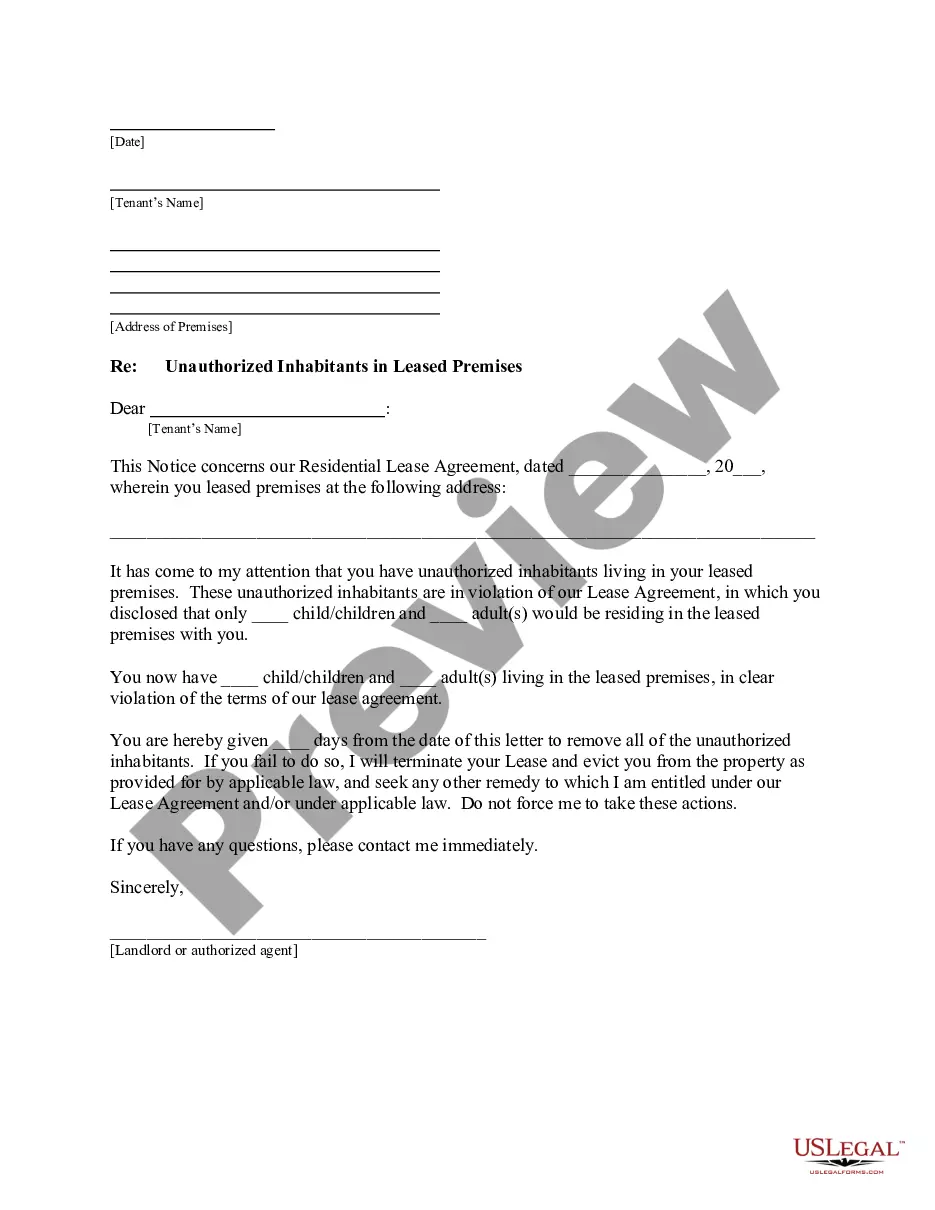
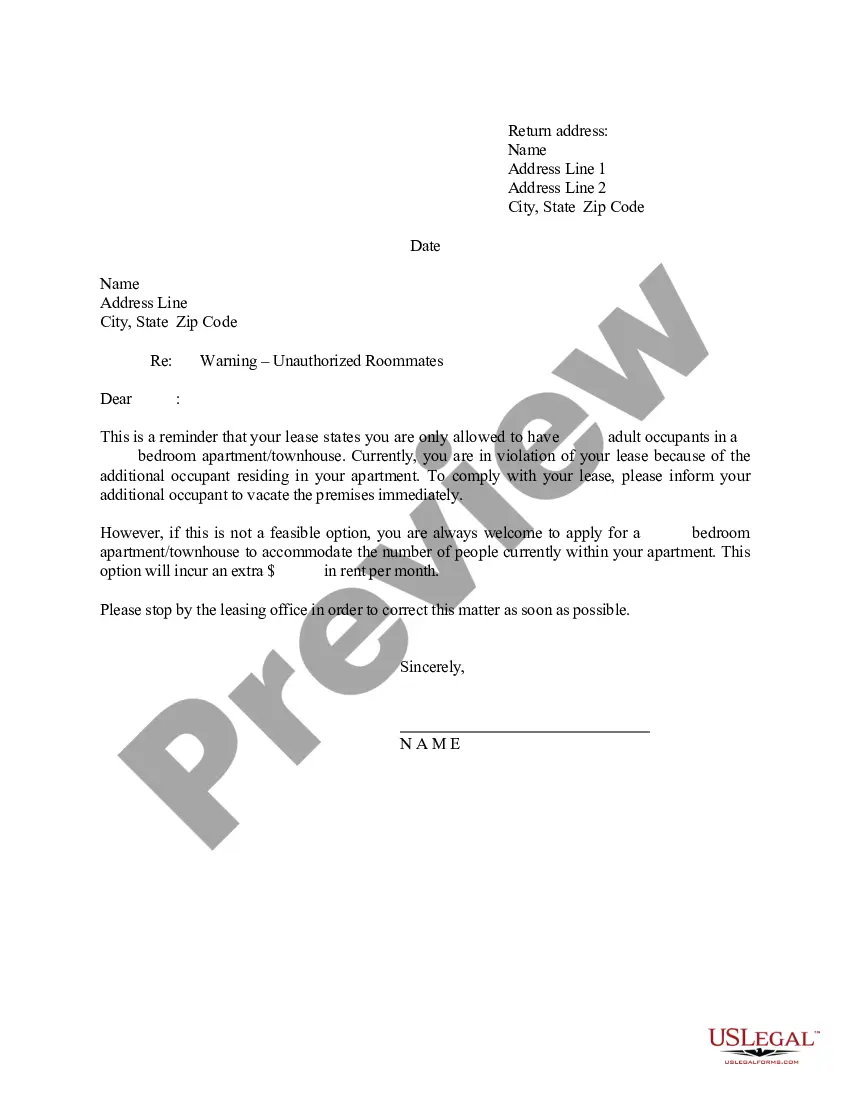
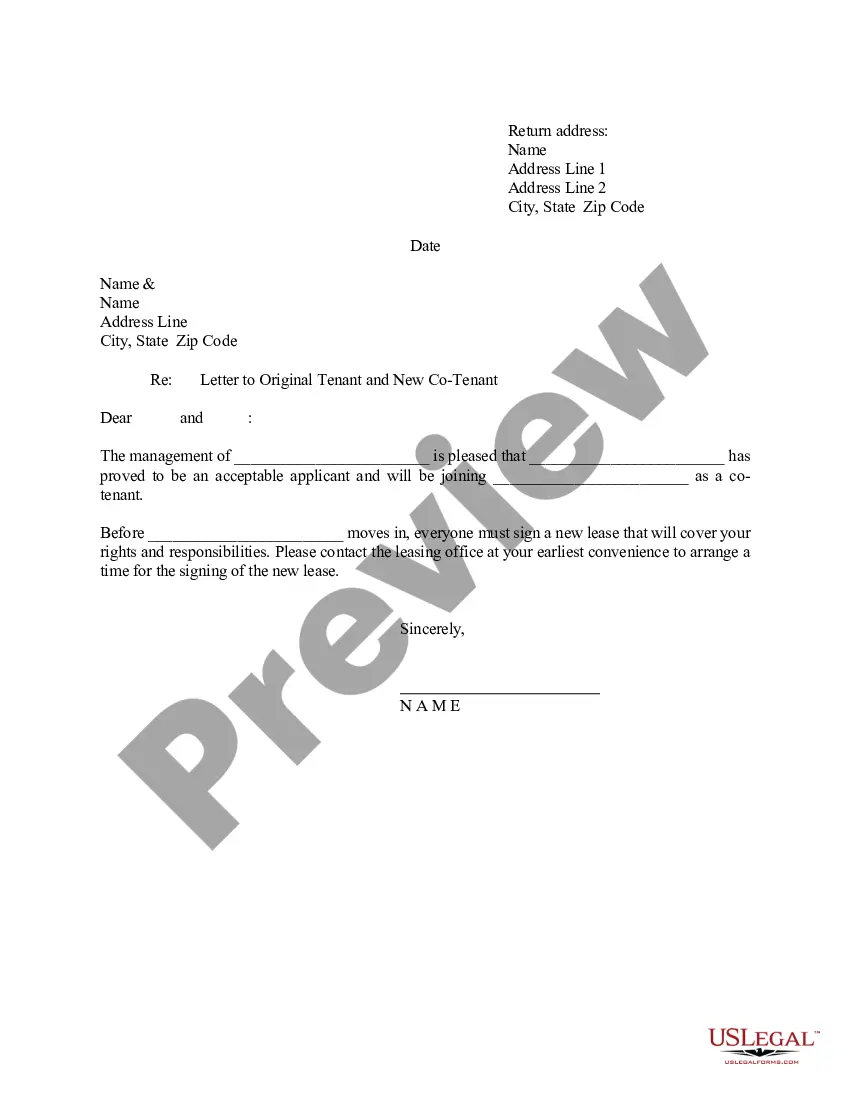
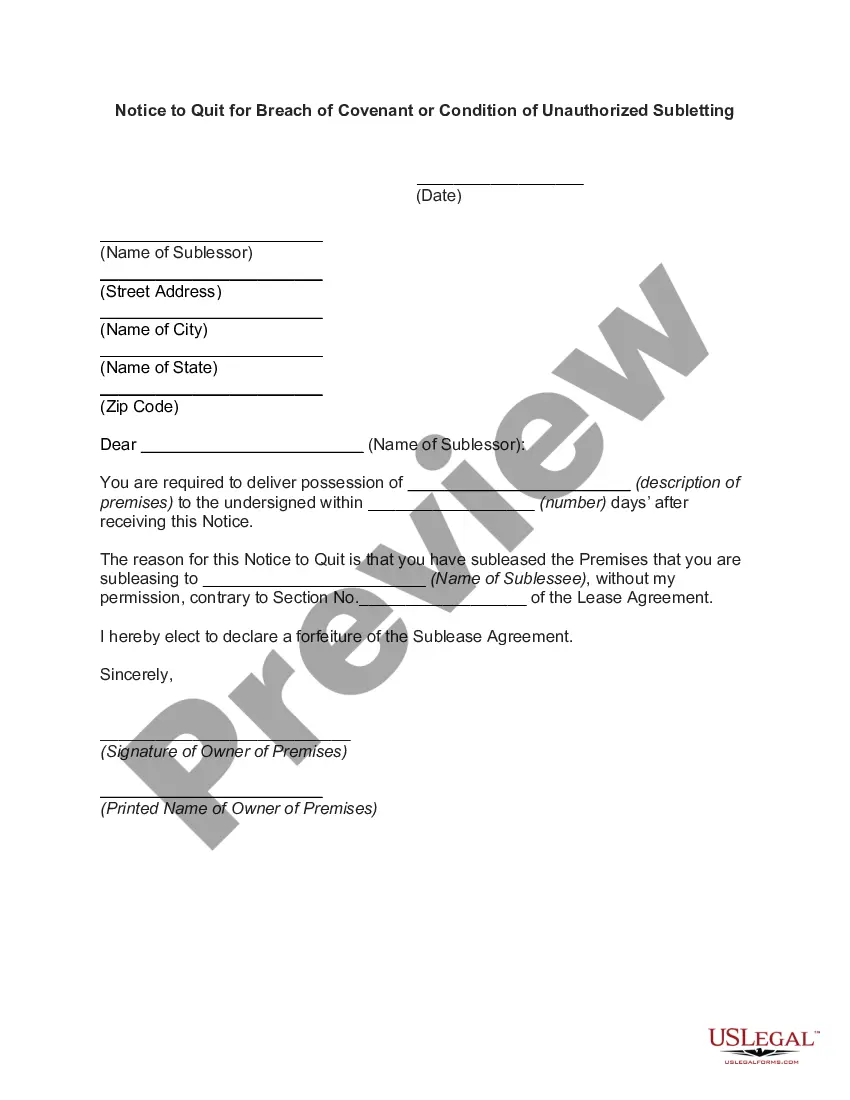
This Letter from Landlord to Tenant as Notice to Remove Unauthorized Inhabitants is a legal document used by landlords to formally address the presence of unauthorized individuals living in a rental property. This letter serves as a notice to tenants, requiring them to remove these unauthorized inhabitants within a specified time frame, or face potential lease termination and eviction. This form is distinct from other lease-related documents, as it specifically addresses unauthorized residency issues.
Key components of this form
- Identification of the lease agreement date and property address.
- Details on the unauthorized inhabitants and specific violations of the lease agreement.
- Time frame for compliance, specifying the number of days to remove unauthorized individuals.
- Consequences of non-compliance, including lease termination and eviction conditions.
- Contact information for further inquiries.

When this form is needed
This form should be used when a landlord discovers unauthorized people residing in the rental property who were not disclosed in the lease agreement. It is particularly relevant in situations where the lease explicitly limits occupancy or when additional tenants have moved in without consent. Sending this letter helps the landlord maintain control over the property and enforce lease terms.
Who needs this form
- Landlords or property managers who have rental agreements with tenants.
- Property owners who notice additional occupants in their rental units without prior authorization.
- Real estate professionals managing rental properties on behalf of landlords.
Completing this form step by step
- Identify the original lease agreement by entering the date and property address at the beginning of the letter.
- Document the number of unauthorized inhabitants, specifying how many adults and children are currently residing at the property.
- Set a clear deadline by filling in the number of days the tenant has to comply with the notice.
- Sign the letter with your name as the landlord or authorized agent, ensuring to include contact information for any questions.
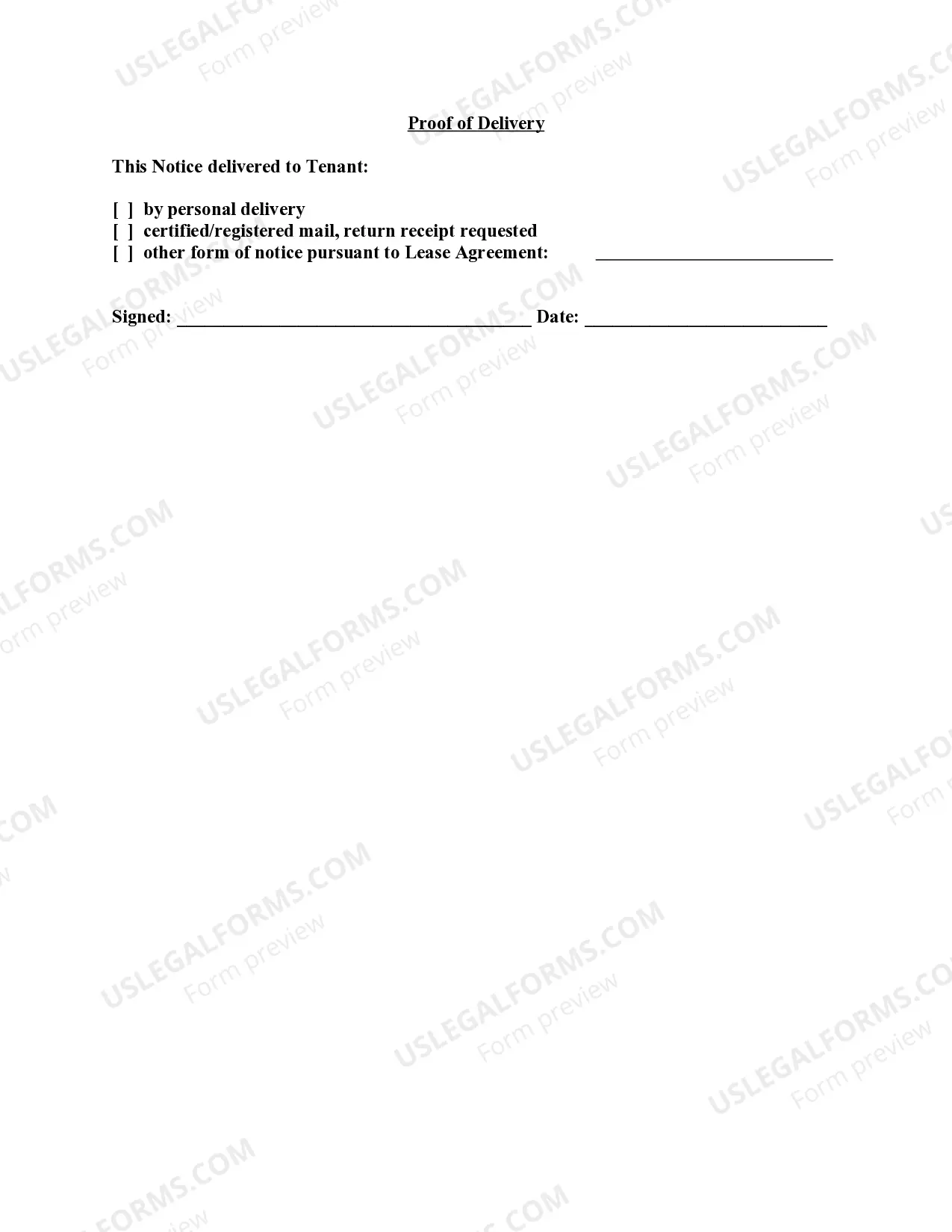
- Deliver the notice to the tenant, utilizing a method that provides proof of delivery.
Is notarization required?
This form usually doesn’t need to be notarized. However, local laws or specific transactions may require it. Our online notarization service, powered by Notarize, lets you complete it remotely through a secure video session, available 24/7.
Get your form ready online
Our built-in tools help you complete, sign, share, and store your documents in one place.
Make edits, fill in missing information, and update formatting in US Legal Forms—just like you would in MS Word.
Download a copy, print it, send it by email, or mail it via USPS—whatever works best for your next step.
Sign and collect signatures with our SignNow integration. Send to multiple recipients, set reminders, and more. Go Premium to unlock E-Sign.
If this form requires notarization, complete it online through a secure video call—no need to meet a notary in person or wait for an appointment.
We protect your documents and personal data by following strict security and privacy standards.

Make edits, fill in missing information, and update formatting in US Legal Forms—just like you would in MS Word.

Download a copy, print it, send it by email, or mail it via USPS—whatever works best for your next step.

Sign and collect signatures with our SignNow integration. Send to multiple recipients, set reminders, and more. Go Premium to unlock E-Sign.

If this form requires notarization, complete it online through a secure video call—no need to meet a notary in person or wait for an appointment.

We protect your documents and personal data by following strict security and privacy standards.
Common mistakes to avoid
- Failing to provide the correct lease agreement date or property address.
- Not specifying the exact number of unauthorized inhabitants.
- Leaving out the deadline for compliance, making it harder to enforce any further actions.
- Neglecting to sign the letter or provide adequate contact details.
- Using informal delivery methods that do not confirm receipt by the tenant.
Benefits of using this form online
- Convenient and quick access to a ready-made legal document that saves time and effort.
- Edit and customize the form easily to meet specific needs or situations.
- Provide peace of mind knowing the form is crafted to comply with legal standards.
Looking for another form?
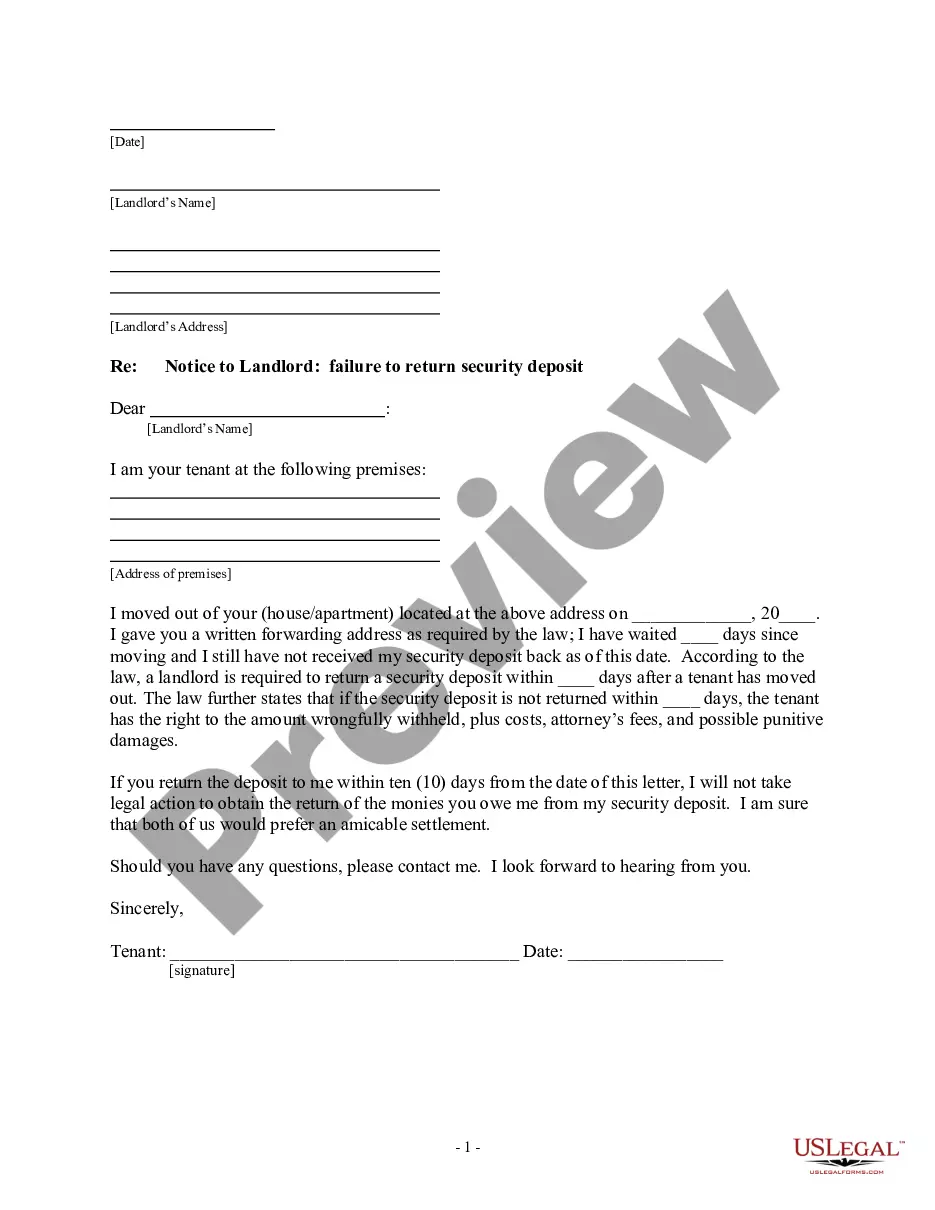
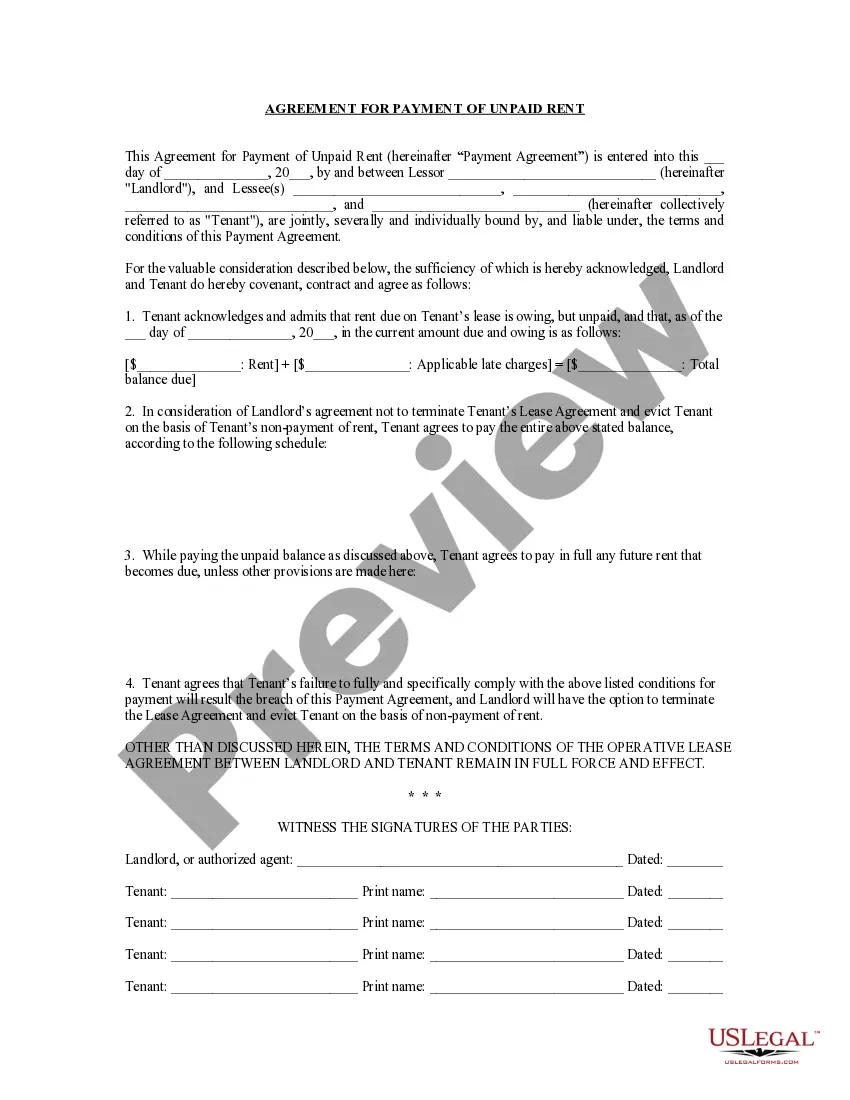
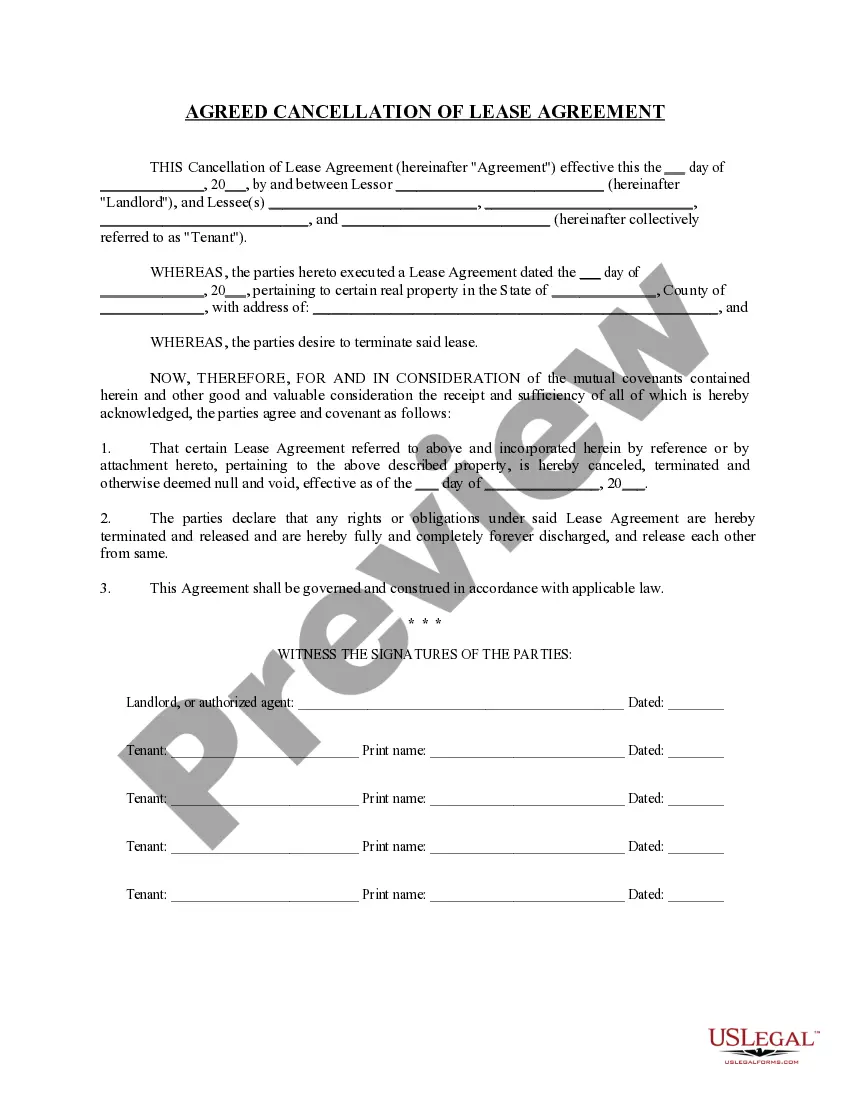
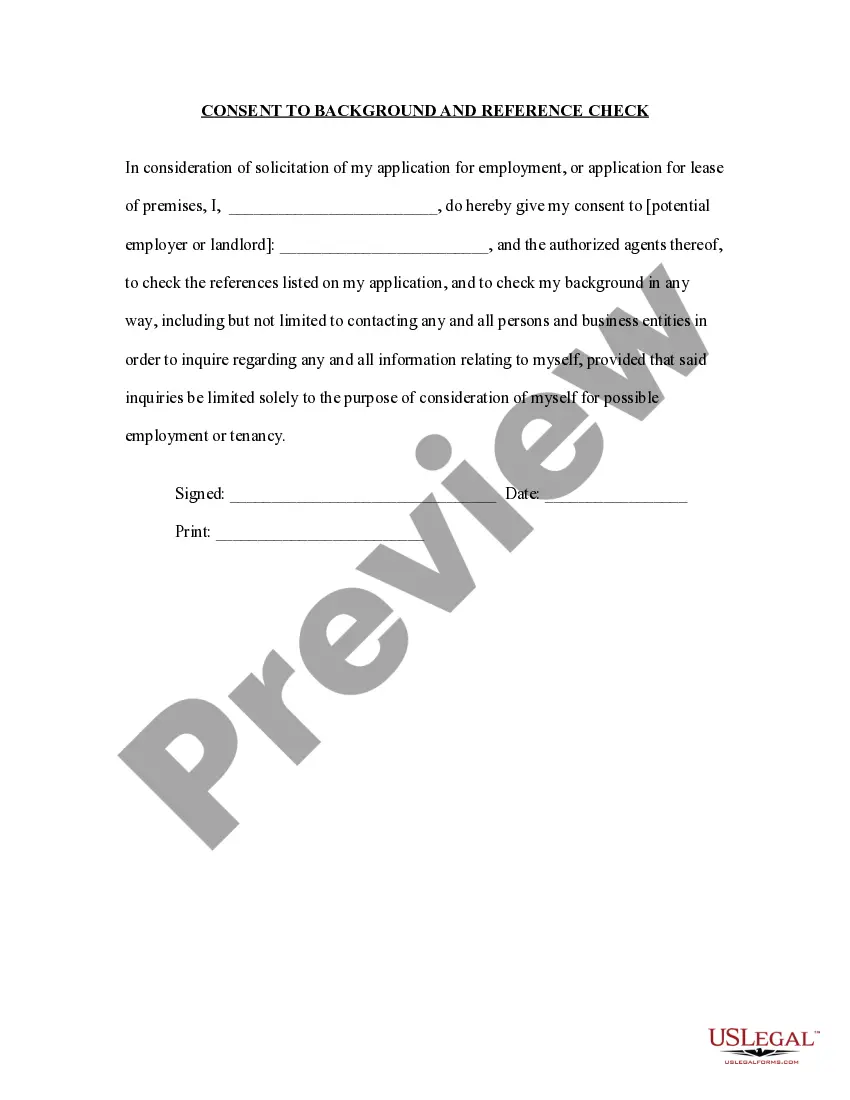
Form popularity
FAQ
To write a notice to vacate, clearly state your intent to leave and provide the date you plan to move out. Use a formal tone and include relevant details, such as your address and the reason for vacating, if necessary. If you are a landlord, ensure you reference the District of Columbia Letter from Landlord to Tenant as Notice to remove unauthorized inhabitants to give your notice legal weight. For assistance in drafting your notice, consider using uslegalforms, which offers templates tailored for such situations.
Evicting a tenant in Washington, D.C. can be challenging due to strict landlord-tenant laws. The process often requires specific legal documentation, including a District of Columbia Letter from Landlord to Tenant as Notice to remove unauthorized inhabitants. Additionally, tenants have various rights that protect them against sudden eviction. As a result, it's essential for landlords to follow the proper legal steps to ensure a successful eviction.
To evict an unauthorized occupant, begin by sending them a District of Columbia Letter from Landlord to Tenant as Notice to remove unauthorized inhabitants. The letter should clearly state the reasons for the eviction and the timeline involved. If the occupant fails to leave voluntarily, landlords must proceed with the appropriate legal actions, which may include court filings, to ensure a lawful eviction process.
Evicting an unauthorized occupant involves several steps, including delivering a formal notice that specifies the reasons for eviction. Landlords should refer to the District of Columbia Letter from Landlord to Tenant as Notice to remove unauthorized inhabitants to ensure compliance with local laws. Following the notice, if the occupant does not leave, you may need to file for eviction through the local court system.
To prove that someone is living with you without authorization, landlords can gather evidence such as utility bills, lease agreements, or rental applications that do not include the unauthorized person. Additionally, landlord observation and communication with the tenant can provide supporting details. A formal notice, like a District of Columbia Letter from Landlord to Tenant as Notice to remove unauthorized inhabitants, also plays a crucial role in this process.
An unlawful occupant is an individual who occupies a rental space without legal permission from the landlord. This can result from unauthorized subletting or failure to abide by the lease terms. It is advisable for landlords to send a District of Columbia Letter from Landlord to Tenant as Notice to remove unauthorized inhabitants to address the situation effectively.
To prove an unauthorized occupant letter, landlords should document all relevant facts, including dates, times, and the nature of the unauthorized occupancy. Collecting witness statements, photographic evidence, and keeping communication records can support your claim. Using a District of Columbia Letter from Landlord to Tenant as Notice to remove unauthorized inhabitants can formalize your notice and strengthen your case.
Unauthorized occupancy refers to a situation where someone resides in a rental unit without the landlord's permission or outside the terms of the lease. This could include guests who overstay their welcome or individuals who move in without official approval. The District of Columbia Letter from Landlord to Tenant as Notice to remove unauthorized inhabitants clearly addresses this issue and outlines the necessary steps a landlord should take.
When writing a complaint letter for unprofessional behavior, start by specifying the behavior that concerns you and its impact on your rental situation. Be factual and objective, avoiding emotional language. Clearly state what you are expecting the landlord to do in response to your complaint. If necessary, use a District of Columbia Letter from Landlord to Tenant as Notice to remove unauthorized inhabitants to ensure your concerns are taken seriously.
To write a formal complaint letter to your landlord, start with a polite greeting and clearly identify yourself and your rental unit. Clearly outline the issues you're facing, providing specific details and examples. Suggest possible solutions and express your willingness to discuss the matter. For serious concerns, refer to a District of Columbia Letter from Landlord to Tenant as Notice to remove unauthorized inhabitants to convey your message effectively.