Connecticut Agreement for Delayed or Partial Rent Payments
Overview of this form
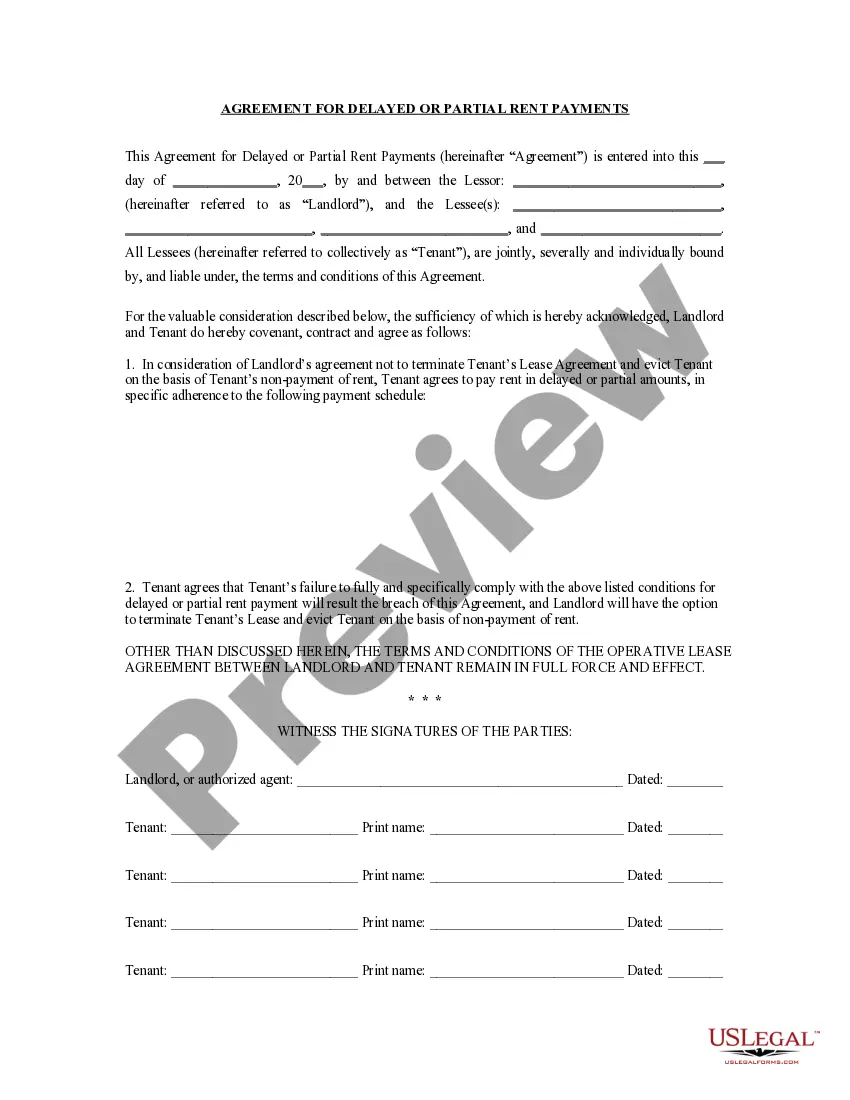
The Agreement for Delayed or Partial Rent Payments is a legal document that outlines the terms under which a landlord agrees to accept rent payments from a tenant in a delayed or partial manner. This agreement helps protect the tenant from eviction while ensuring the landlord receives some form of payment according to the specified schedule. It is essential for landlords and tenants who need to adjust payment terms due to financial difficulties or other extenuating circumstances.
Key components of this form
- Identification of the landlord and tenant, including names and signatures.
- Details of the rent payment schedule, specifying amounts and due dates.
- Conditions under which the landlord will not terminate the lease agreement.
- Clarification that all other terms of the original lease remain in effect.
- Acknowledge receipt of consideration, confirming both parties' agreement to the terms.
When to use this document
This form is useful when a tenant is experiencing financial difficulties and needs to negotiate a modified rent payment schedule with the landlord. It allows the tenant to continue living in the property while making partial payments or delaying full payment without facing eviction. This agreement is particularly relevant in situations of temporary unemployment, medical expenses, or other unforeseen financial hardships.
Who this form is for
- Landlords who are willing to allow tenants to pay rent in a delayed or partial manner.
- Tenants facing temporary financial difficulties who need a formal arrangement to manage rent payments.
- Property managers who are responsible for overseeing lease agreements and tenant relations.
Steps to complete this form
- Identify the parties involved by filling in the names of the landlord and tenant(s).
- Specify the date of the agreement.
- Detail the payment schedule, including amounts and specific due dates.
- Ensure all parties sign and date the agreement to make it legally binding.
- Keep a copy of the signed agreement for your records.
Does this document require notarization?
Notarization is generally not required for this form. However, certain states or situations might demand it. You can complete notarization online through US Legal Forms, powered by Notarize, using a verified video call available anytime.
Get your form ready online
Our built-in tools help you complete, sign, share, and store your documents in one place.
Make edits, fill in missing information, and update formatting in US Legal Forms—just like you would in MS Word.
Download a copy, print it, send it by email, or mail it via USPS—whatever works best for your next step.
Sign and collect signatures with our SignNow integration. Send to multiple recipients, set reminders, and more. Go Premium to unlock E-Sign.
If this form requires notarization, complete it online through a secure video call—no need to meet a notary in person or wait for an appointment.
We protect your documents and personal data by following strict security and privacy standards.

Make edits, fill in missing information, and update formatting in US Legal Forms—just like you would in MS Word.

Download a copy, print it, send it by email, or mail it via USPS—whatever works best for your next step.

Sign and collect signatures with our SignNow integration. Send to multiple recipients, set reminders, and more. Go Premium to unlock E-Sign.

If this form requires notarization, complete it online through a secure video call—no need to meet a notary in person or wait for an appointment.

We protect your documents and personal data by following strict security and privacy standards.
Typical mistakes to avoid
- Failing to specify payment amounts and deadlines clearly.
- Not obtaining all necessary signatures from all tenants.
- Ignoring existing lease terms that may impact the new payment arrangement.
Benefits of completing this form online
- Instant access to legally vetted templates tailored for specific needs.
- Easy to fill out and modify according to individual circumstances.
- Secure storage and management of documents available through online services.
Looking for another form?
Form popularity
FAQ
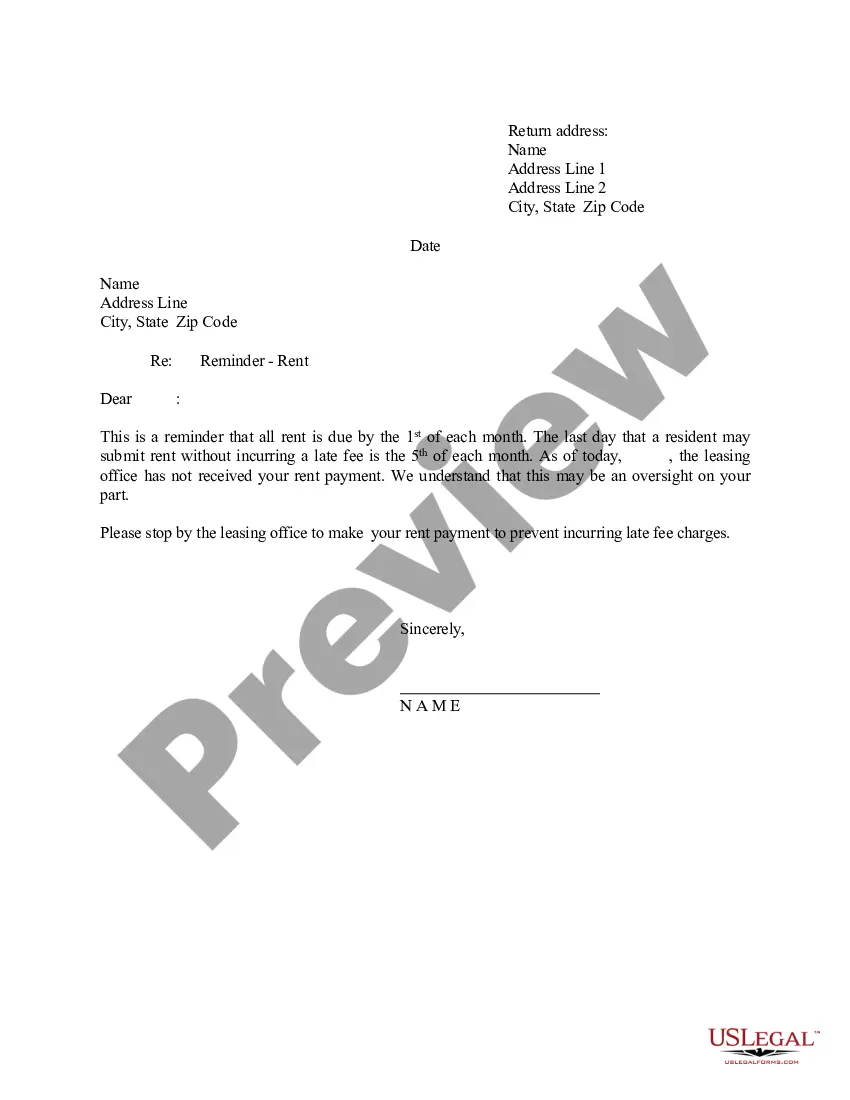
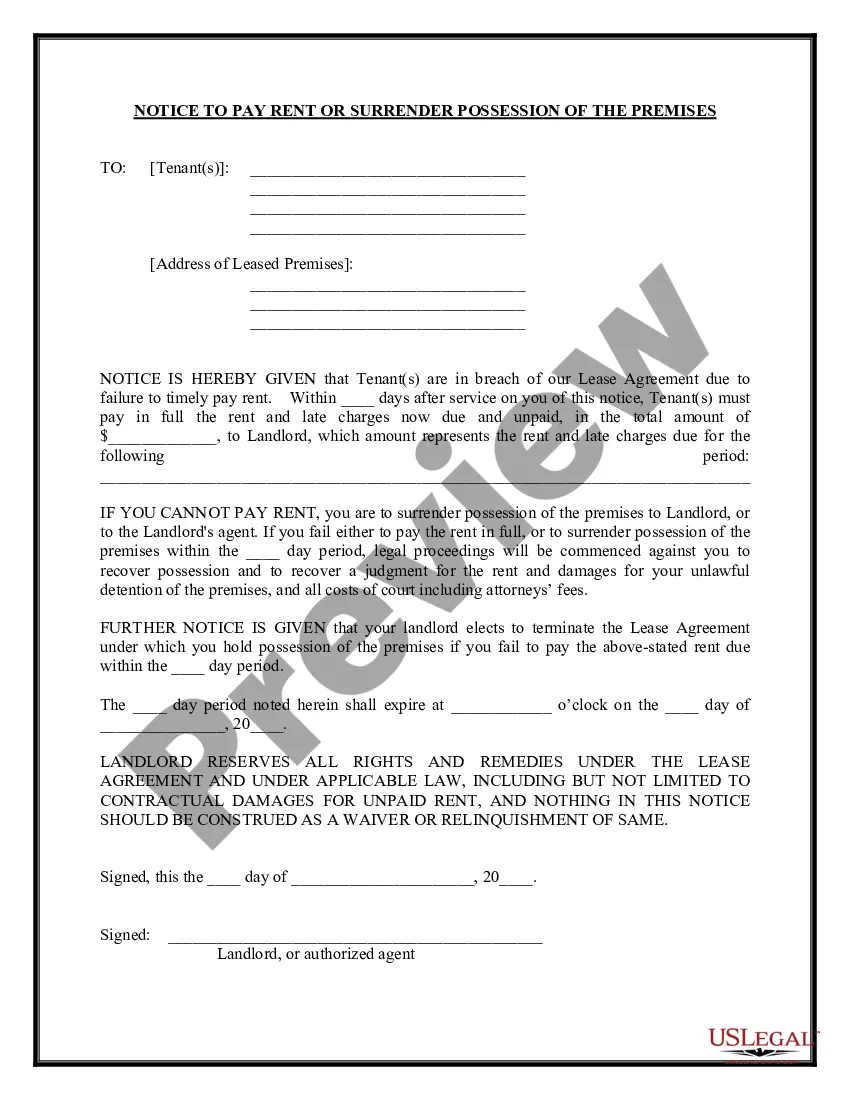
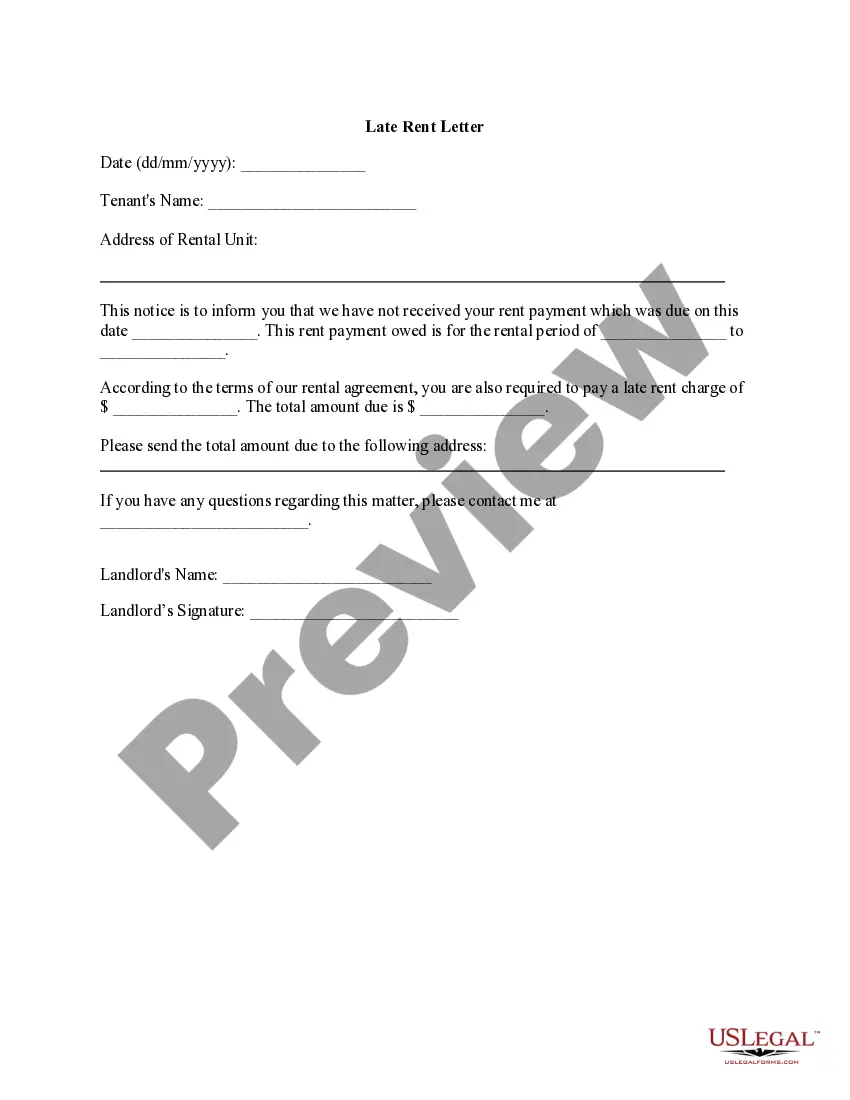
If you need to notify your landlord about a late rent payment, begin with an apology for the delay. Clearly state the reasons for your delay and mention the relevant sections of the Connecticut Agreement for Delayed or Partial Rent Payments that may apply. This approach not only shows your accountability but also opens the door for possible understanding or arrangements. Make sure to express your commitment to resolving the situation promptly.
When writing to a tenant regarding nonpayment of rent, start by reinforcing your commitment to maintaining a good landlord-tenant relationship. Clearly mention the unpaid rent amount, the due date, and any applicable provisions from the Connecticut Agreement for Delayed or Partial Rent Payments. It is beneficial to invite your tenant to discuss potential solutions or payment arrangements to ensure clarity and cooperation.
To create a letter requesting a late payment, begin by clearly stating the purpose of your communication. Mention the specific amount due and the original due date. You can also reference the Connecticut Agreement for Delayed or Partial Rent Payments to highlight any potential options for your tenant. Be polite and direct, encouraging a response and establishing a timeline for the payment.
In Connecticut, the duration you can go without paying rent varies based on your lease and any agreements made, such as a Connecticut Agreement for Delayed or Partial Rent Payments. Generally, if rent is unpaid, landlords have the right to initiate eviction proceedings after several days to a few weeks. It is essential to communicate with your landlord and explore options available to you, ensuring you are informed about your rights and responsibilities under Connecticut law. Always remember, timely communication can often lead to a resolution that works for both parties.
If a tenant pays partial rent, it is important to communicate effectively. Acknowledge the payment and discuss how the remaining balance will be settled. Using a Connecticut Agreement for Delayed or Partial Rent Payments can help formalize the continuation of the rental agreement while establishing a timeline for remaining payments.
To negotiate late rent payments, start by reaching out to your landlord as soon as possible. Clearly explain your situation, and propose a realistic repayment plan. Suggesting a Connecticut Agreement for Delayed or Partial Rent Payments can streamline the negotiation process and ensure both you and your landlord are on the same page.
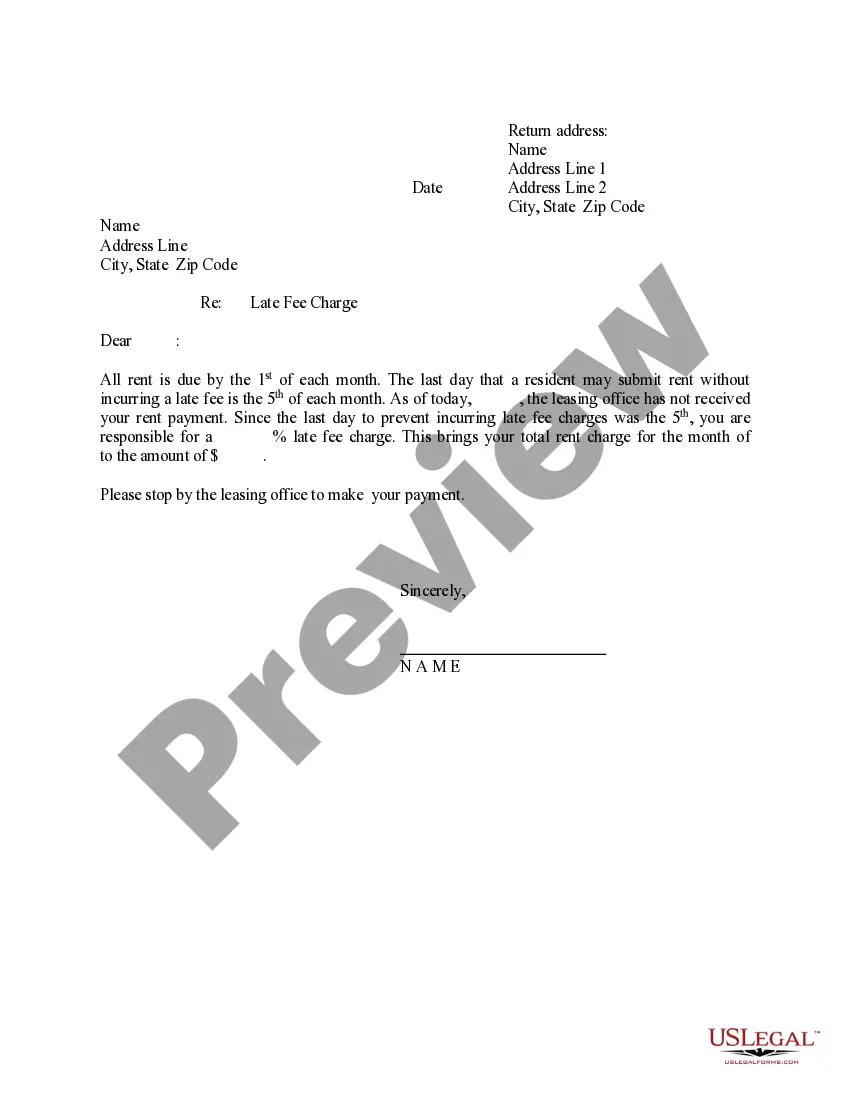
In Connecticut, the law requires landlords to give a grace period of at least five days before any late fees can be charged. If you are struggling to make timely payments, you can discuss a Connecticut Agreement for Delayed or Partial Rent Payments with your landlord. This agreement can provide clarity and help avoid disputes.
There is no defined limit on how long you can be late on rent in Connecticut, but landlords can initiate the eviction process after a few days. The key is to communicate with your landlord and consider the Connecticut Agreement for Delayed or Partial Rent Payments. Having this agreement can create a structured repayment timeline that benefits both parties.
In Connecticut, a landlord can begin the eviction process after a tenant is more than five days late on rent. However, this does not mean eviction will happen immediately. There are legal steps that must occur, and the Connecticut Agreement for Delayed or Partial Rent Payments could help tenants avoid eviction by outlining a repayment plan.
To write a letter for late rent payment, start by addressing your landlord directly. Clearly state the reason for your late payment and include your rental details, such as your address and the due date. You can mention the Connecticut Agreement for Delayed or Partial Rent Payments as a potential solution to formalize your late payment agreement.