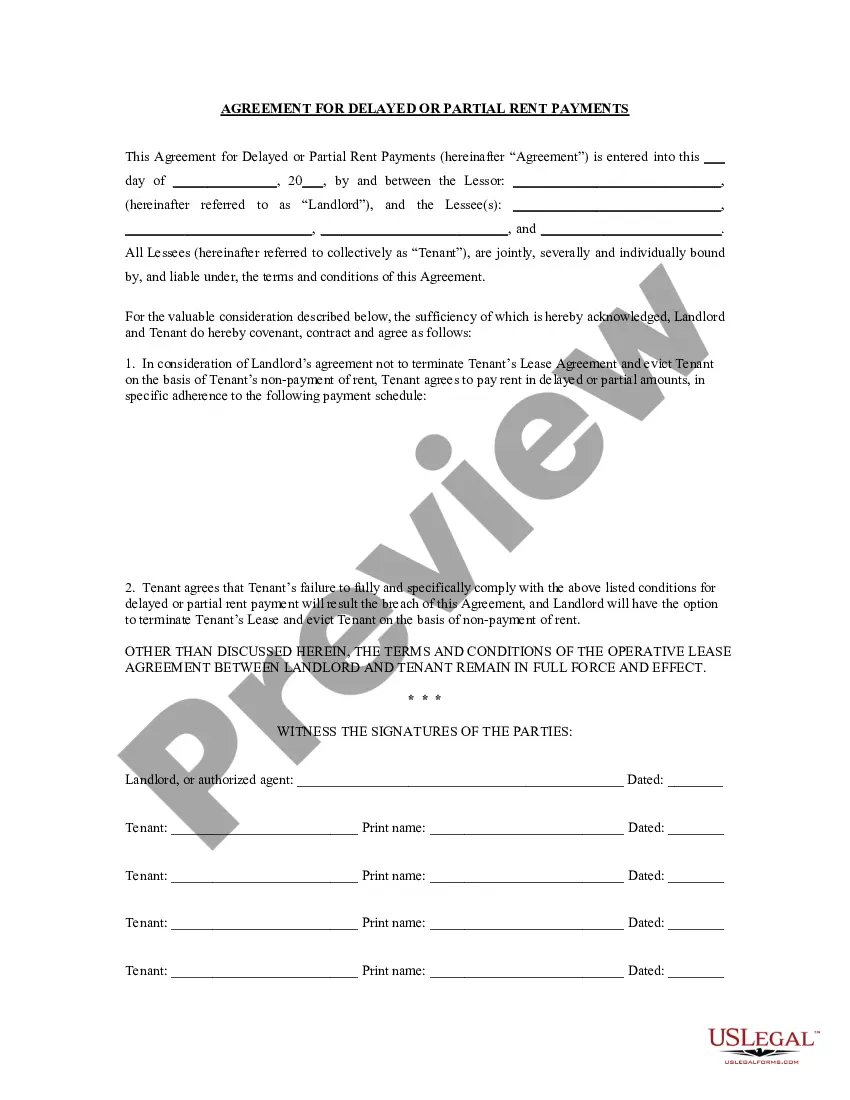
Colorado Agreement for Delayed or Partial Rent Payments
Overview of this form
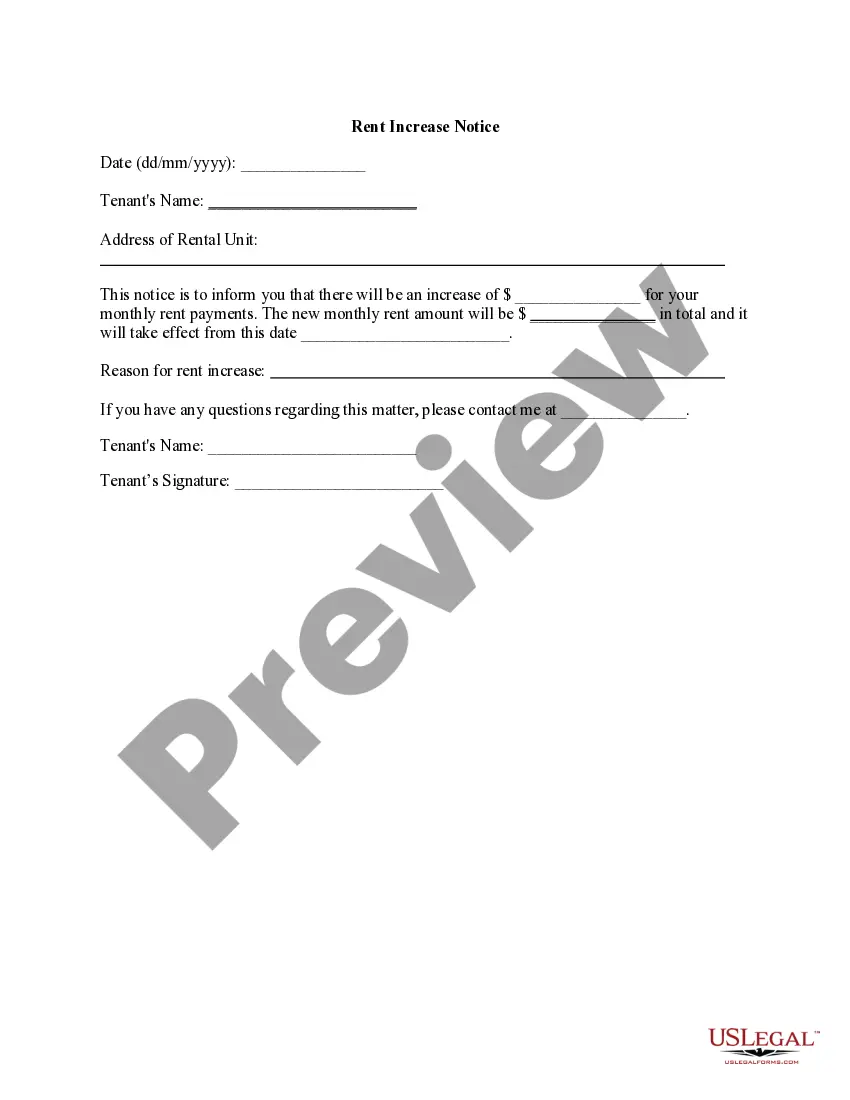
The Agreement for Delayed or Partial Rent Payments is a legal document designed to outline the terms between a landlord and tenant regarding delayed or partial rent payments. This form sets specific deadlines and conditions under which the tenant may pay their rent in installments or at a later date. Unlike other rental agreements, this form explicitly addresses non-payment issues, allowing the tenant to avoid eviction while still committing to repay their rental obligations.
Form components explained
- A clear definition of the landlord and tenant roles, including their responsibilities.
- Specific terms regarding the delayed or partial payment schedule.
- Conditions under which the landlord agrees not to terminate the lease due to non-payment.
- Space for signatures of all parties involved, indicating their agreement to the terms.
- Reference to the underlying lease agreement, affirming its full force and effect.

Situations where this form applies
This form is beneficial in situations where a tenant is facing temporary financial hardship and cannot pay the full rent on time. It provides a structured approach for tenants to communicate their payment difficulties with their landlord while ensuring they remain compliant with their lease. Common scenarios include job loss, medical emergencies, or other unexpected expenses that may hinder timely rent payments.
Intended users of this form
- Tenants who need to arrange for delayed or partial rent payments.
- Landlords seeking a formal agreement to accommodate tenants facing financial difficulties.
- Individuals or entities involved in rental agreements who want to avoid eviction processes.
How to complete this form
- Identify the parties involved by filling in the names of the landlord and tenant(s).
- Specify the date when the agreement is entered into.
- Clearly outline the payment terms, including the amounts and deadlines for the delayed or partial payments.
- Ensure all parties sign and date the agreement to acknowledge their understanding and acceptance.
- Keep a copy of the signed agreement for your records.
Does this document require notarization?
Notarization is not commonly needed for this form. However, certain documents or local rules may make it necessary. Our notarization service, powered by Notarize, allows you to finalize it securely online anytime, day or night.
Get your form ready online
Our built-in tools help you complete, sign, share, and store your documents in one place.
Make edits, fill in missing information, and update formatting in US Legal Forms—just like you would in MS Word.
Download a copy, print it, send it by email, or mail it via USPS—whatever works best for your next step.
Sign and collect signatures with our SignNow integration. Send to multiple recipients, set reminders, and more. Go Premium to unlock E-Sign.
If this form requires notarization, complete it online through a secure video call—no need to meet a notary in person or wait for an appointment.
We protect your documents and personal data by following strict security and privacy standards.

Make edits, fill in missing information, and update formatting in US Legal Forms—just like you would in MS Word.

Download a copy, print it, send it by email, or mail it via USPS—whatever works best for your next step.

Sign and collect signatures with our SignNow integration. Send to multiple recipients, set reminders, and more. Go Premium to unlock E-Sign.

If this form requires notarization, complete it online through a secure video call—no need to meet a notary in person or wait for an appointment.

We protect your documents and personal data by following strict security and privacy standards.
Common mistakes to avoid
- Failing to specify the conditions under which payments can be delayed.
- Not including all tenant signatures, leading to potential disputes later.
- Neglecting to reference the original lease agreement.
Why complete this form online
- Quick and convenient access to professionally drafted legal forms.
- Editable fields allow users to customize the agreement based on their specific needs.
- Instant download feature ensures that you can have your document ready without delays.
Looking for another form?
Form popularity
FAQ
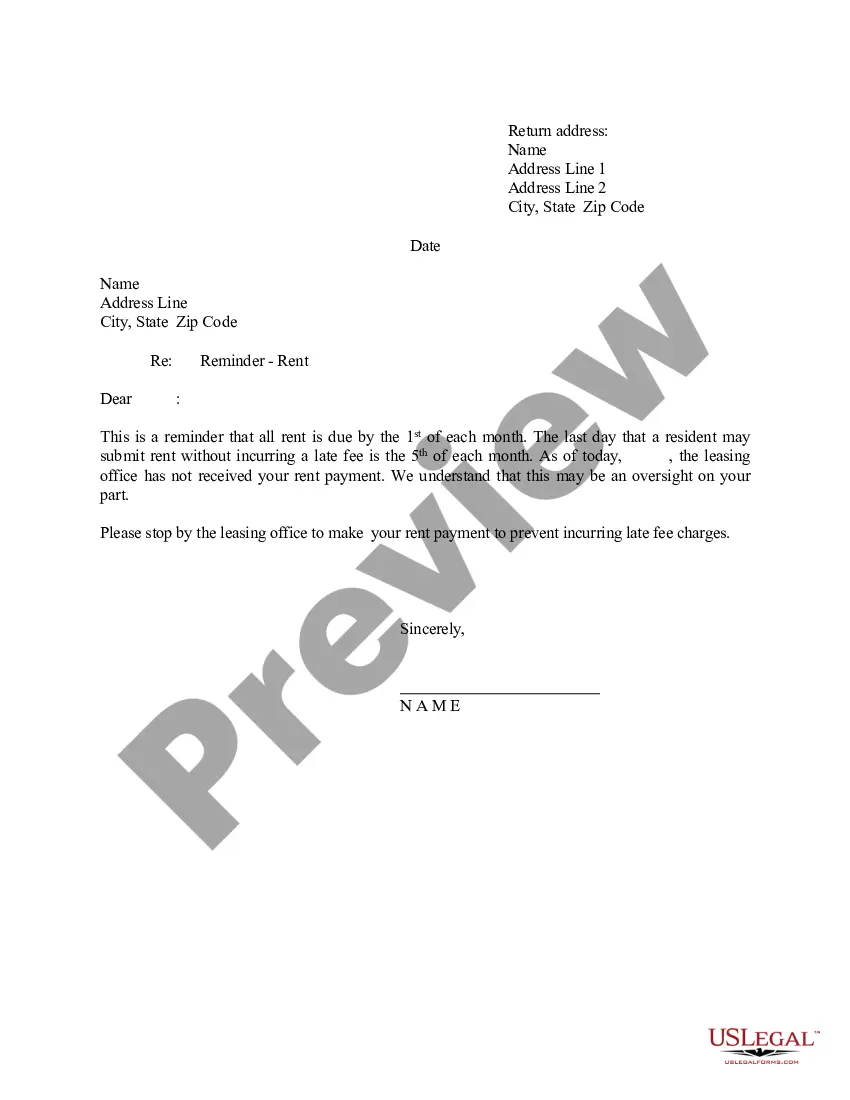
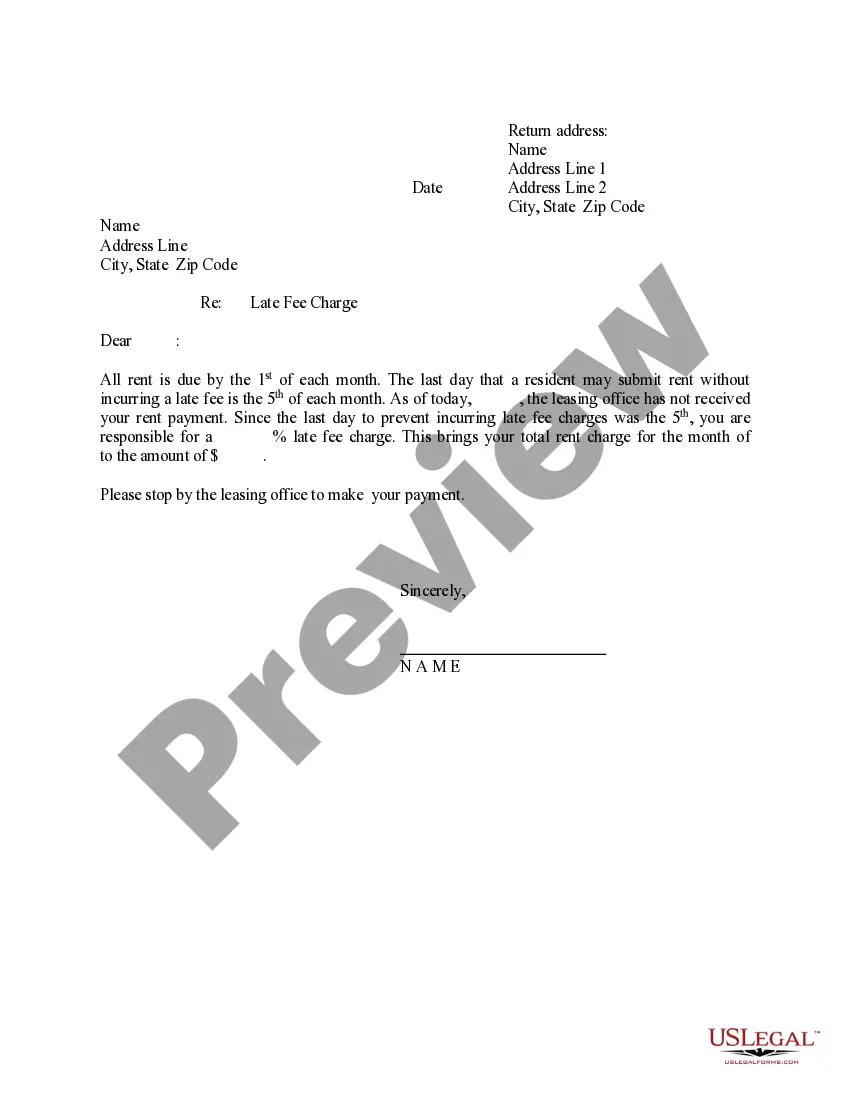
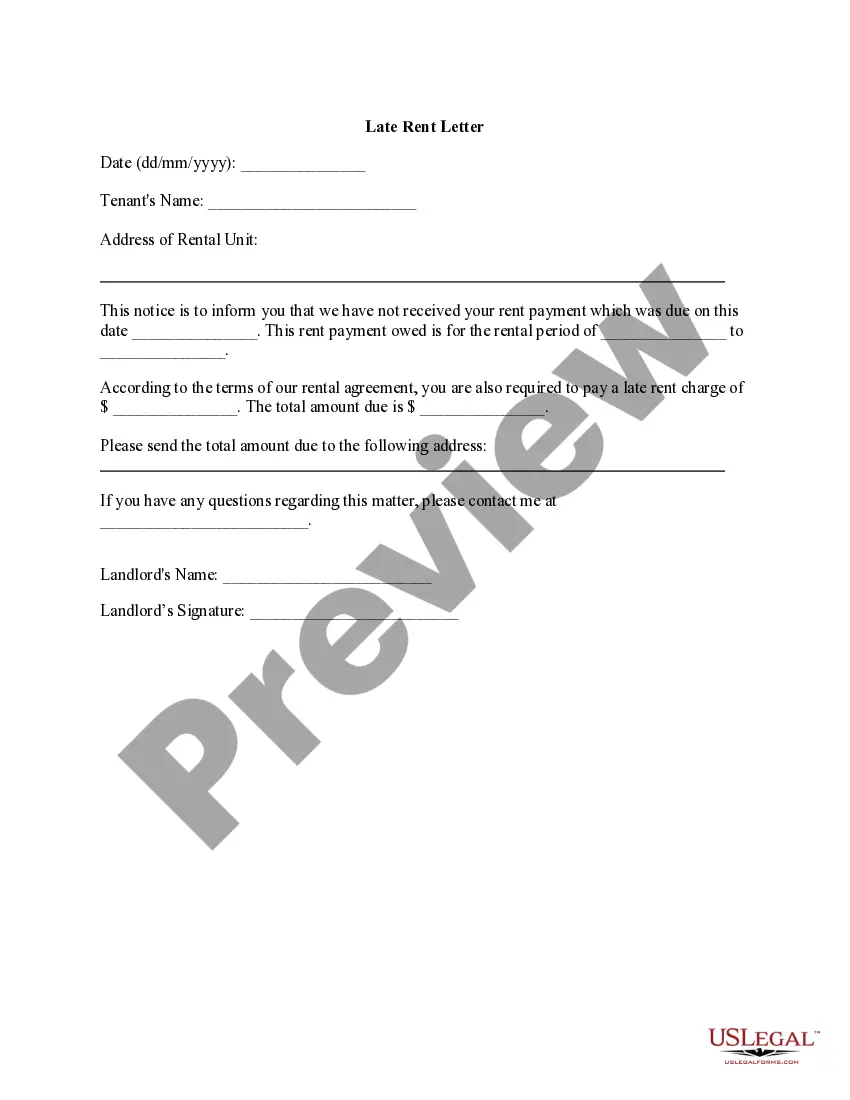
To write a letter for late rent payment, start by addressing it to your landlord and specifying the due date along with the unpaid amount. Clearly explain the circumstances that led to the late payment and provide a timeline for when you will make the full payment. Utilizing a Colorado Agreement for Delayed or Partial Rent Payments can support your request and establish a mutually agreed-upon plan for resolving the outstanding balance.
Partial payment is an amount that is less than the total rent due for a specific period. For example, if your monthly rent is $1,000 and a tenant pays $500, that is considered a partial payment. It is crucial to have a clear understanding of what constitutes partial payment within the context of a Colorado Agreement for Delayed or Partial Rent Payments to ensure both parties are aware of their rights and responsibilities.
The greatest landlord risk of accepting a partial rent payment is the potential for complications in lease enforcement. When you accept a partial payment, it may be interpreted as an agreement to the new terms, which could lead to future disputes regarding the full amount due. Moreover, without a Colorado Agreement for Delayed or Partial Rent Payments, you may lack the necessary legal protection, making it more challenging to evict tenants for non-payment.
Your landlord may refuse partial payments for several reasons, such as a lease agreement that prohibits them or a desire to enforce strict payment terms. Understanding the Colorado Agreement for Delayed or Partial Rent Payments can clarify these situations. Engaging in a thoughtful discussion may lead to better understanding and possible compromise.
Certainly, a landlord in Colorado can refuse partial payments if it's not stipulated in the lease agreement. This highlights the importance of including terms in the Colorado Agreement for Delayed or Partial Rent Payments, which can aide in mitigating potential conflicts. Consider discussing your situation with the landlord to find a mutually acceptable solution.
Yes, a landlord can refuse partial payment in Colorado if their lease agreement does not allow it. It's essential for both parties to have a clear understanding of the terms outlined in the Colorado Agreement for Delayed or Partial Rent Payments to avoid disputes. Open conversation and documentation can help clarify expectations.
If a tenant pays partial rent, first review the terms of the lease agreement. If the Colorado Agreement for Delayed or Partial Rent Payments allows for such arrangements, work together to create a payment plan. If not, consider discussing options with the tenant to come to a fair resolution that protects everyone's interests.
In Colorado, landlords cannot engage in self-help eviction methods, such as changing locks or shutting off utilities. They must follow legal processes, including giving proper notice, as outlined in the Colorado Agreement for Delayed or Partial Rent Payments. Understanding your rights and obligations can help protect you from unfair practices.
Negotiating late rent payments involves clear communication with your landlord. Openly discuss your financial situation and propose a payment plan that includes the Colorado Agreement for Delayed or Partial Rent Payments if applicable. Document any agreements in writing to ensure both parties understand their obligations moving forward.
Yes, you can be evicted for paying partial rent in Colorado under certain circumstances. If your lease agreement or the Colorado Agreement for Delayed or Partial Rent Payments does not explicitly permit partial payments, a landlord may initiate eviction proceedings. It's crucial to understand your lease terms and communicate with your landlord to prevent misunderstandings.