Colorado Residential Lease Renewal Agreement
Overview of this form
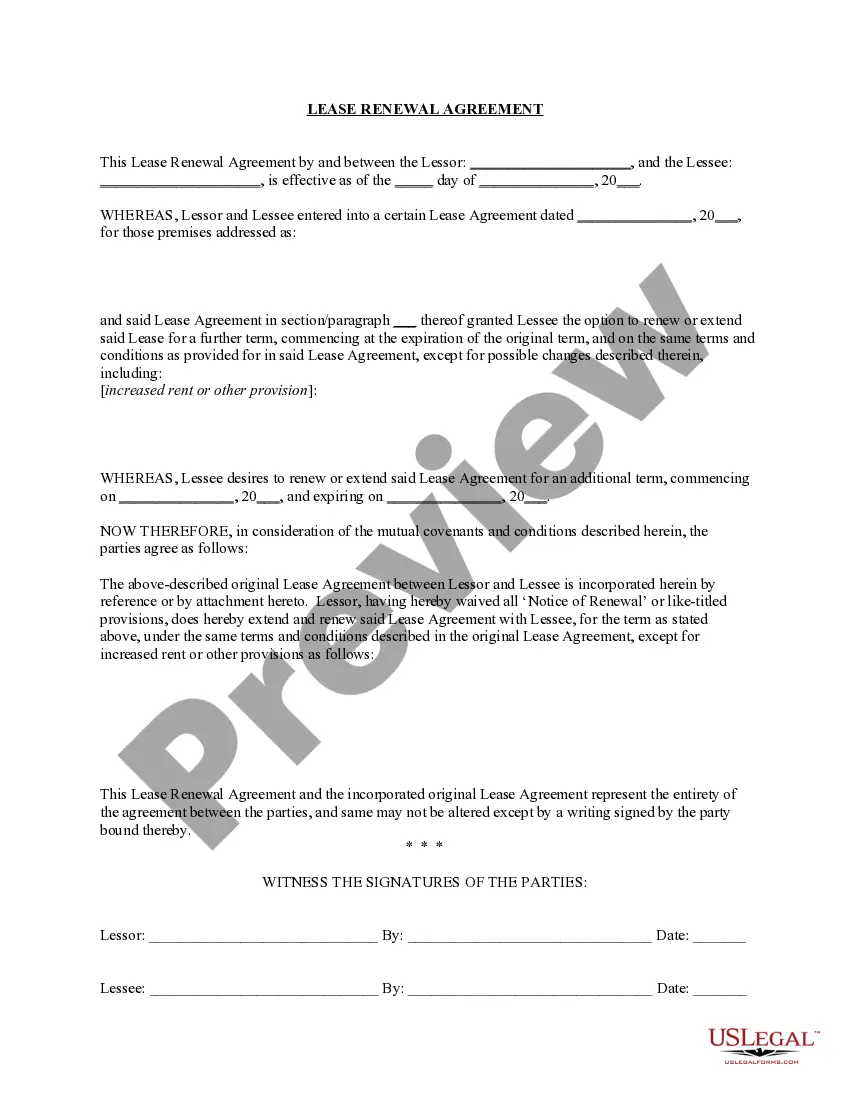
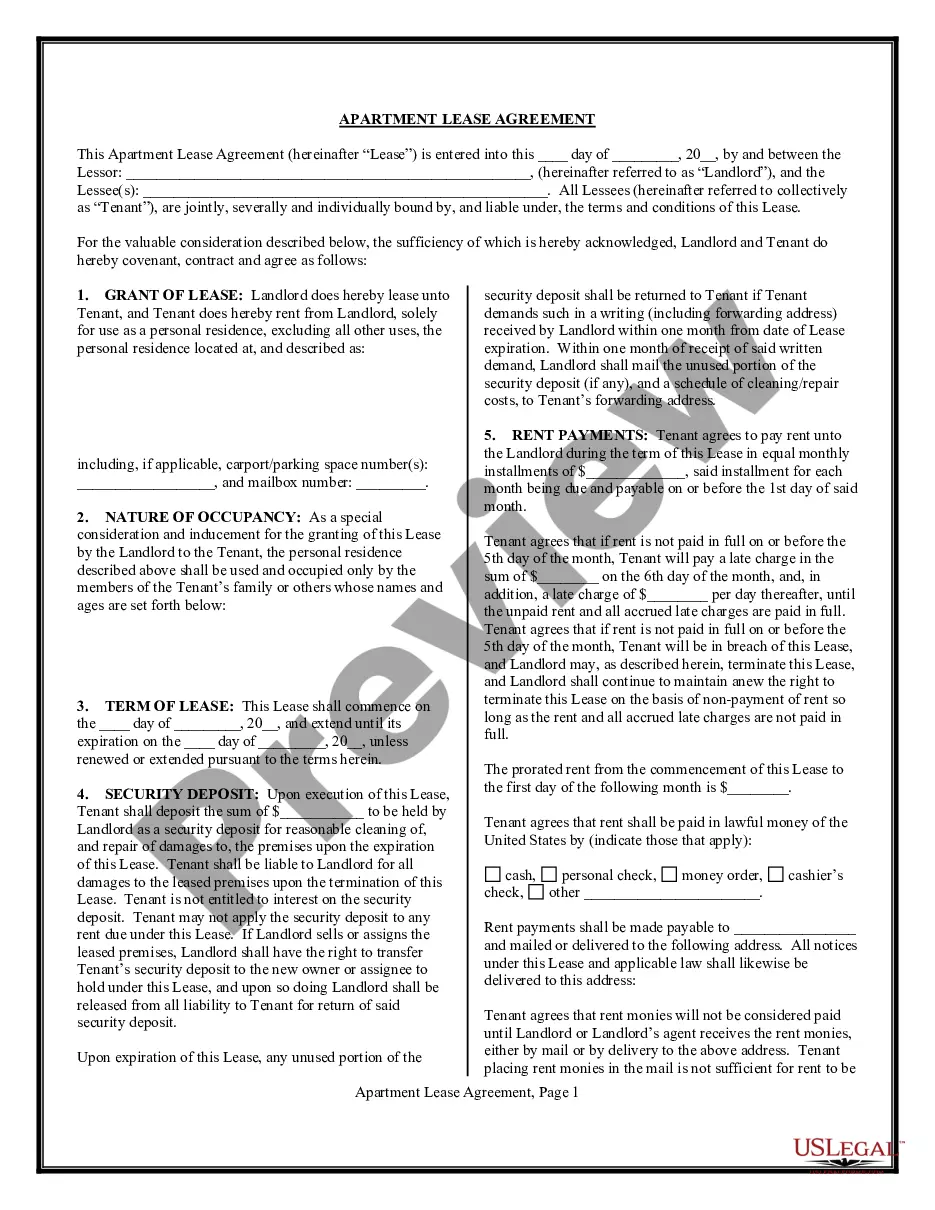
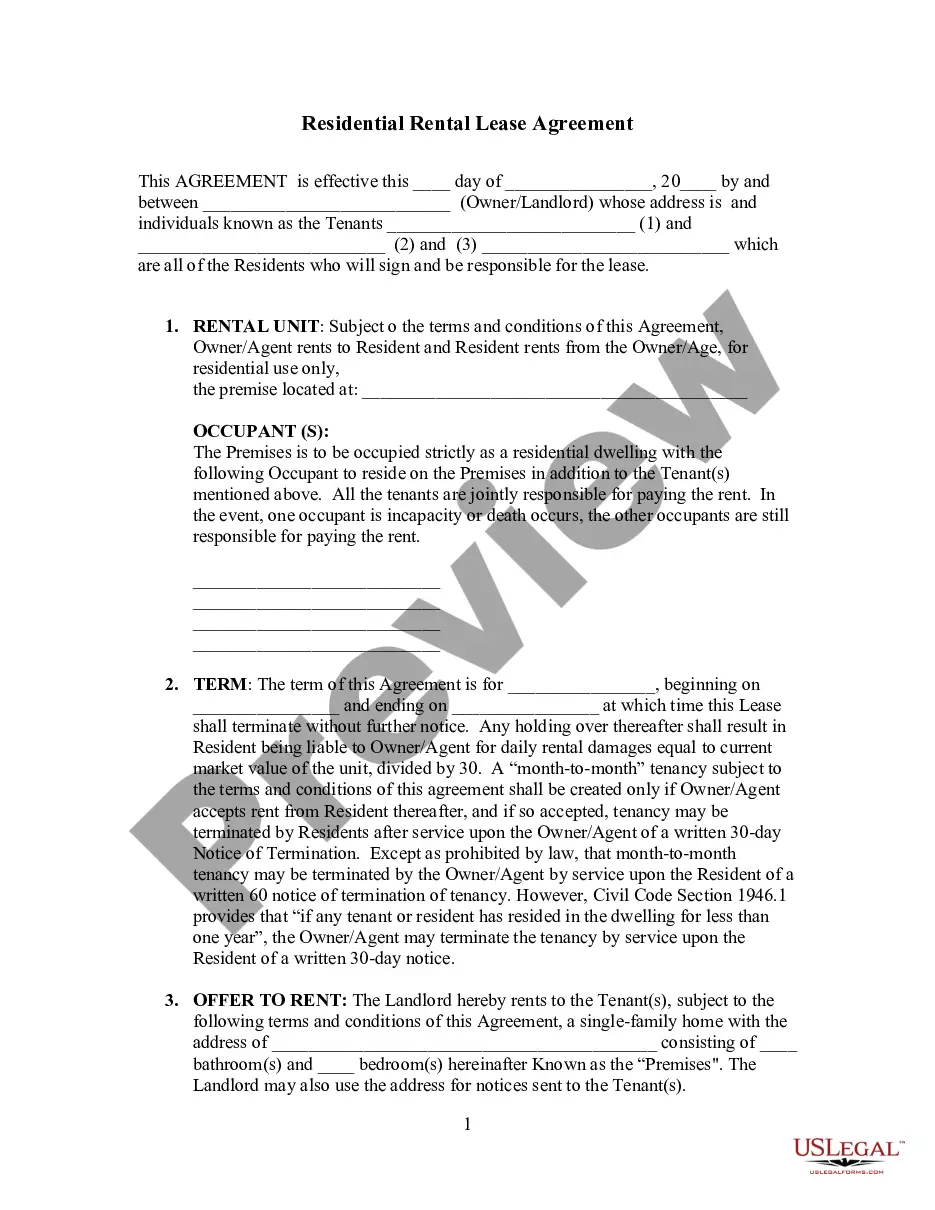
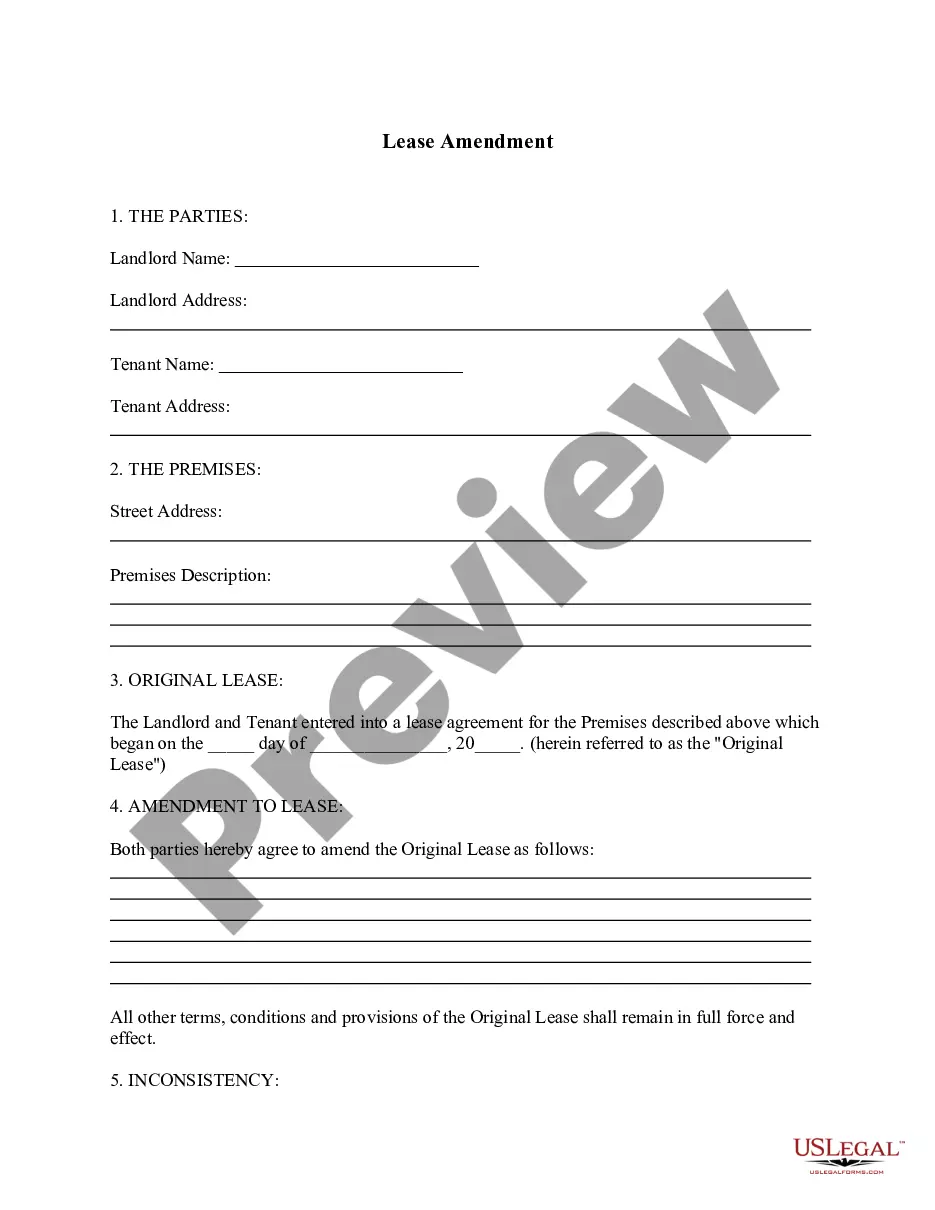
The Residential Lease Renewal Agreement is a legal document that formalizes the renewal of an existing residential lease for an additional term. This agreement may include modifications to the original lease terms while adhering to state statutory law. Unlike a new lease, this form is specifically designed for extending a current leasing arrangement rather than establishing a new one.
What’s included in this form
- Identification of the Lessor and Lessee.
- Effective date of the renewed lease.
- Reference to the original lease agreement date and property address.
- Mutual covenants and conditions of the renewal.
- Signatures of both parties to finalize the agreement.
Situations where this form applies
You should use the Residential Lease Renewal Agreement when the initial lease term is nearing its end, and both the landlord (Lessor) and tenant (Lessee) wish to extend the rental agreement for another term. This form is particularly useful if there are modifications to the lease terms or if the rental amount is changing.
Who this form is for
- Landlords who want to extend a lease with their current tenants.
- Tenants who wish to continue renting the property after their original lease expires.
- Individuals looking to make changes to the lease terms while maintaining the same rental agreement.
How to prepare this document
- Identify the parties involved: write the names of the Lessor and Lessee.
- Enter the effective date of the lease renewal.
- Reference the date of the original lease agreement and property address.
- Review and, if necessary, modify terms of the rental agreement.
- Both parties should sign and date the document to make it legally binding.
Notarization guidance
In most cases, this form does not require notarization. However, some jurisdictions or signing circumstances might. US Legal Forms offers online notarization powered by Notarize, accessible 24/7 for a quick, remote process.
Get your form ready online
Our built-in tools help you complete, sign, share, and store your documents in one place.
Make edits, fill in missing information, and update formatting in US Legal Forms—just like you would in MS Word.
Download a copy, print it, send it by email, or mail it via USPS—whatever works best for your next step.
Sign and collect signatures with our SignNow integration. Send to multiple recipients, set reminders, and more. Go Premium to unlock E-Sign.
If this form requires notarization, complete it online through a secure video call—no need to meet a notary in person or wait for an appointment.
We protect your documents and personal data by following strict security and privacy standards.
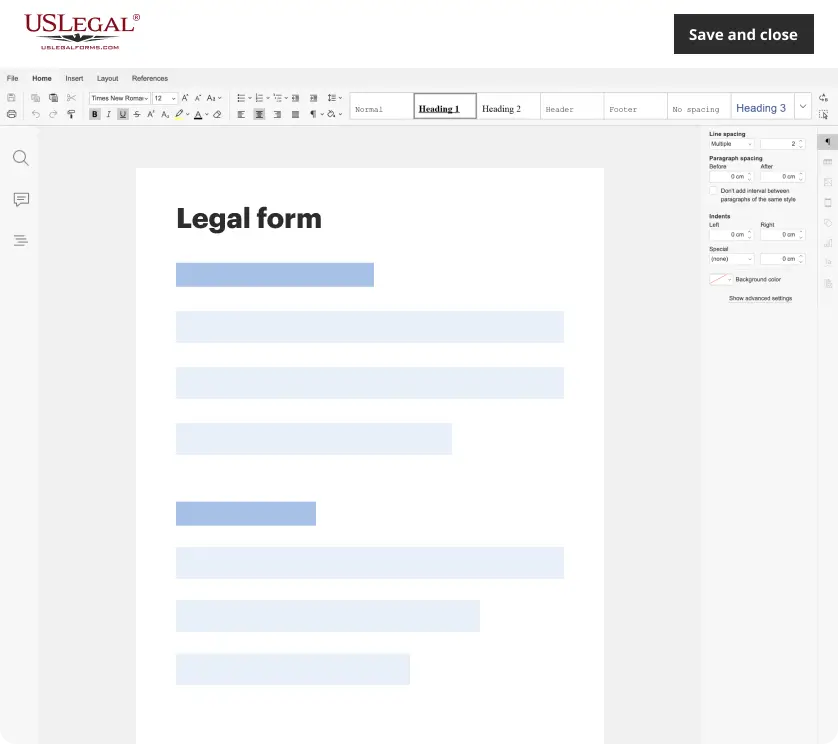
Make edits, fill in missing information, and update formatting in US Legal Forms—just like you would in MS Word.
Download a copy, print it, send it by email, or mail it via USPS—whatever works best for your next step.
Sign and collect signatures with our SignNow integration. Send to multiple recipients, set reminders, and more. Go Premium to unlock E-Sign.
If this form requires notarization, complete it online through a secure video call—no need to meet a notary in person or wait for an appointment.
We protect your documents and personal data by following strict security and privacy standards.
Avoid these common issues
- Failing to specify the effective date of the renewal.
- Leaving out important terms from the original lease that should carry over.
- Not having both parties sign and date the agreement.
- Using the wrong legal names for the Lessor and Lessee.
Why complete this form online
- Convenience of downloading and printing the form at your convenience.
- Editability allows for easy customization to fit specific needs.
- Reliability of using a legally vetted template created by licensed attorneys.
What to keep in mind
- The Residential Lease Renewal Agreement keeps the same parties in a rental arrangement.
- It can include modifications to the original lease terms.
- Ensure all information is complete and agreed upon before signing.
Looking for another form?
Form popularity
FAQ
In Colorado, landlords typically require a 60-day notice before the lease ends if you wish to renew or terminate a lease. The specifics can depend on your Colorado Residential Lease Renewal Agreement, which lays out the terms of your lease renewal. By providing this notice, you ensure that both you and your landlord are clear on the intentions for the lease's continuation. Using a well-structured lease renewal agreement can help you avoid misunderstandings and foster a smooth transition.
To renew your rental lease agreement, begin by informing your landlord of your desire to stay. Discuss any changes to the agreement, such as rent adjustments or new terms. A well-prepared Colorado Residential Lease Renewal Agreement ensures clear understanding and alignment between both parties.
Colorado is generally considered a tenant-friendly state, offering protections such as limits on security deposits and timely returns. These laws help create a balanced rental market, ensuring renters' rights are respected. Familiarizing yourself with the Colorado Residential Lease Renewal Agreement will empower you in this landscape.
The most common residential lease in Colorado is the month-to-month lease and the one-year lease. These options provide flexibility for both tenants and landlords while ensuring stability. When considering a Colorado Residential Lease Renewal Agreement, understand which type best suits your living situation.
Approaching a lease renewal begins with reviewing your current rental agreement and considering your housing needs. Communicate with your landlord about your intentions ahead of time, expressing if you wish to renew. This proactive approach can lead to a smoother Colorado Residential Lease Renewal Agreement discussion.
Colorado does not have a state-mandated standard lease agreement; however, many landlords use common templates that comply with state laws. These agreements often include essential terms like rent amount, lease duration, and maintenance responsibilities. Ensure your Colorado Residential Lease Renewal Agreement adheres to relevant regulations for legality.
In Colorado, landlords are not obligated to renew a lease unless specified in the lease agreement itself. However, many landlords appreciate retaining good tenants and may offer a renewal, especially if it is mutually beneficial. Reviewing your Colorado Residential Lease Renewal Agreement can help clarify your options.
Recent laws in Colorado enhance renters' rights, aiming for a fairer rental process. These changes focus on providing more transparency in lease agreements and ensuring proper notice periods for lease renewals. Understanding these laws is crucial for navigating your Colorado Residential Lease Renewal Agreement effectively.
The process of renewing a lease generally includes reviewing your current lease terms with your landlord. You can discuss potential changes during this time, such as rent adjustments or lease duration. Following that, signing a Colorado Residential Lease Renewal Agreement will finalize your mutual agreement, ensuring both parties understand their responsibilities for the upcoming period.
Yes, you can extend a lease after it expires, but this typically requires the consent of your landlord. If both parties agree, you will need to create a Colorado Residential Lease Renewal Agreement or an extension agreement to formalize the new terms. It’s important to clarify the duration and rental conditions in this agreement to prevent misunderstandings.