Colorado Assignment of Deed of Trust by Individual Mortgage Holder
Understanding this form
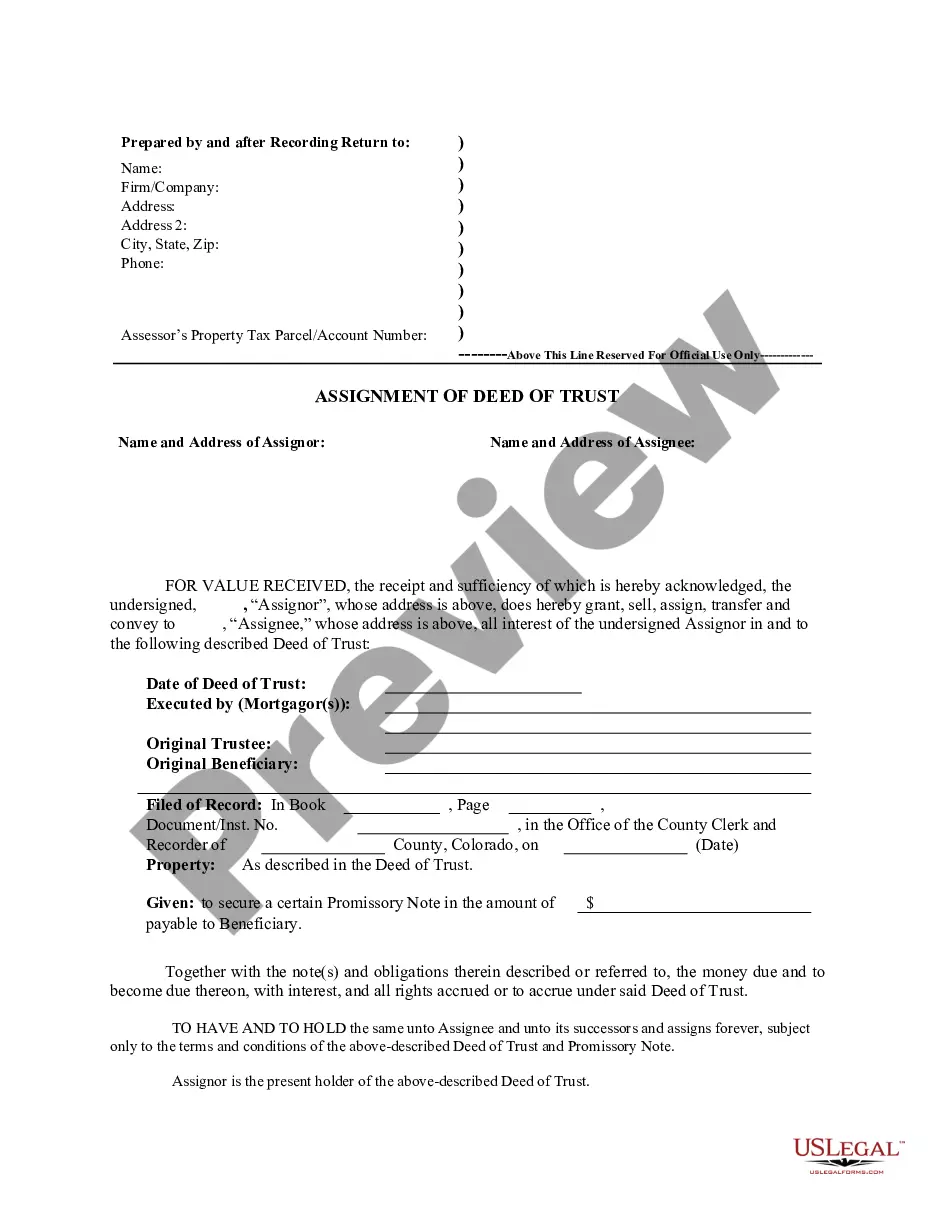
The Assignment of Deed of Trust by Individual Mortgage Holder is a legal document in which the current holder of a deed of trust transfers their rights to a third party. This form is crucial for individual mortgage holders who want to assign their mortgage interests, distinguishing it from similar documents that may involve corporate entities or partnerships.
Key parts of this document
- Date of the deed of trust execution
- Names of the mortgagor(s) who originally signed the deed
- Details of the original trustee and beneficiary
- Property description as indicated in the deed of trust
- Amount secured by the promissory note
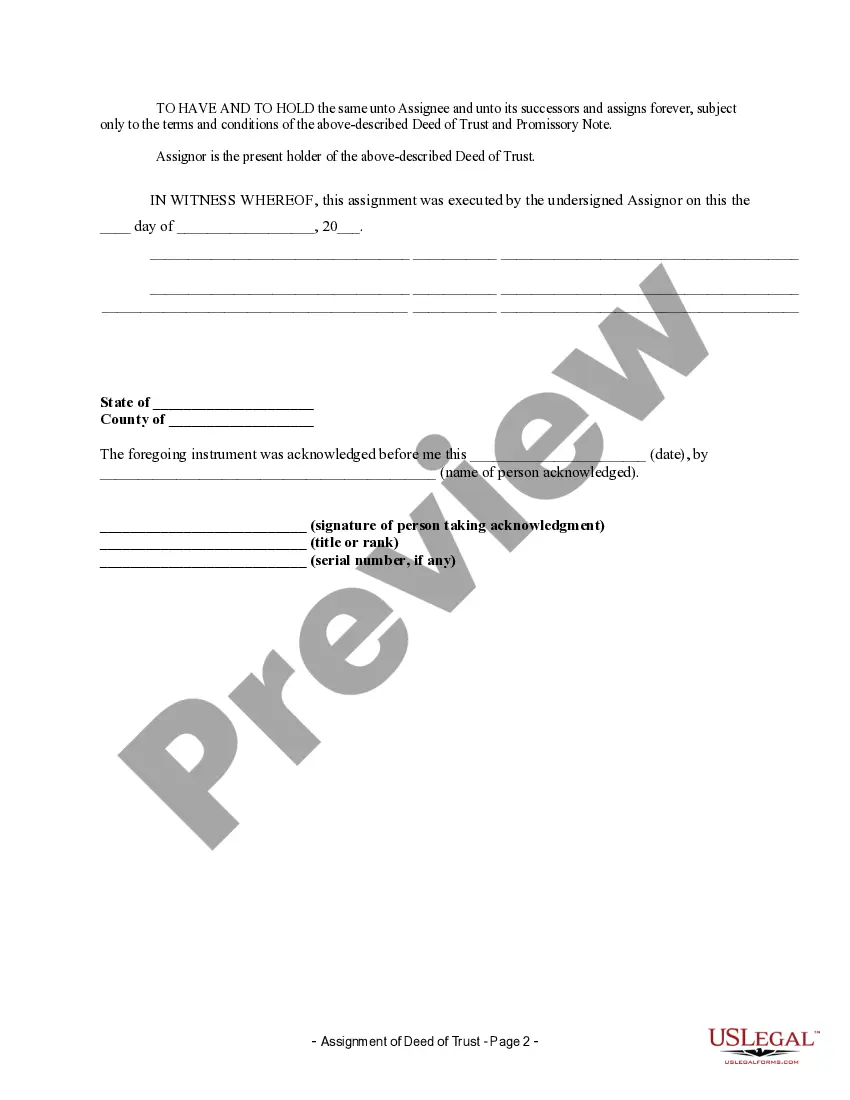
- Signatures of the Assignor and a notary public



When to use this document
This form should be used when an individual mortgage holder wishes to transfer their interests in a deed of trust to another party, such as when selling a property or refinancing a loan. It is also appropriate in situations where the mortgage holder wants to delegate the rights and responsibilities associated with the trust.
Who needs this form
- Individual mortgage holders seeking to assign their mortgage rights
- Real estate investors needing to transfer deeds of trust
- Homeowners involved in property sales or refinancing
- Legal representatives managing mortgage transactions
Instructions for completing this form
- Identify the parties involved: Specify the Assignor (current mortgage holder) and Assignee (new mortgage holder).
- Enter details of the deed of trust, including the date it was executed and original beneficiary.
- Describe the property accurately, as stated in the original deed of trust.
- Indicate the amount secured by the promissory note.
- Have the Assignor sign the document in the presence of a notary public.
Does this document require notarization?
Notarization is required for this form to take effect. Our online notarization service, powered by Notarize, lets you verify and sign documents remotely through an encrypted video session, available 24/7.
Get your form ready online
Our built-in tools help you complete, sign, share, and store your documents in one place.
Make edits, fill in missing information, and update formatting in US Legal Forms—just like you would in MS Word.
Download a copy, print it, send it by email, or mail it via USPS—whatever works best for your next step.
Sign and collect signatures with our SignNow integration. Send to multiple recipients, set reminders, and more. Go Premium to unlock E-Sign.
If this form requires notarization, complete it online through a secure video call—no need to meet a notary in person or wait for an appointment.
We protect your documents and personal data by following strict security and privacy standards.
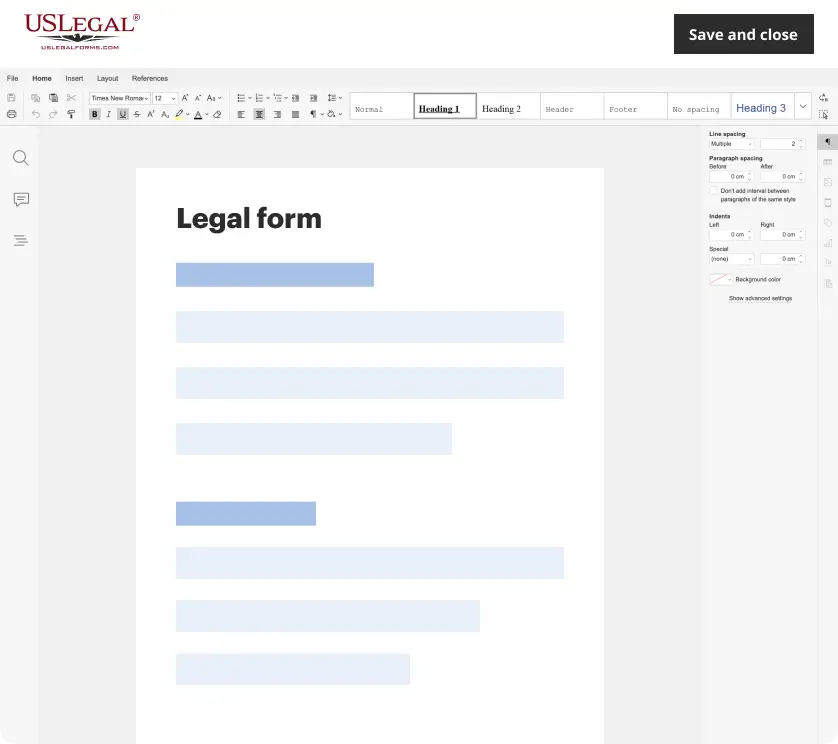
Make edits, fill in missing information, and update formatting in US Legal Forms—just like you would in MS Word.
Download a copy, print it, send it by email, or mail it via USPS—whatever works best for your next step.
Sign and collect signatures with our SignNow integration. Send to multiple recipients, set reminders, and more. Go Premium to unlock E-Sign.

If this form requires notarization, complete it online through a secure video call—no need to meet a notary in person or wait for an appointment.
We protect your documents and personal data by following strict security and privacy standards.
Mistakes to watch out for
- Failing to provide complete information about the property and the parties.
- Not signing the form in the presence of a notary.
- Neglecting to include the correct date of the original deed of trust.
- Using an outdated version of the form.
Advantages of online completion
- Convenience of downloading instantly from your home.
- Editability allows for customization according to your specific needs.
- Reliability, ensuring all legal requirements are met.
Legal use & context
- Your assignment of the deed of trust will hold legal weight if completed correctly.
- Failure to notarize or to comply with local laws could render the assignment invalid.
- Consulting with a legal professional may help avoid complications during the transfer process.
Key takeaways
- The Assignment of Deed of Trust allows for the transfer of mortgage rights.
- Correct completion and notarization are crucial for legal validity.
- This form helps facilitate smooth real estate transactions among individuals.
Looking for another form?
Form popularity
FAQ
Releasing a deed of trust in Colorado involves obtaining a release deed from the lender once the debt is settled. The lender may file this release with the county clerk and recorder’s office, clearing the title. When dealing with a Colorado Assignment of Deed of Trust by Individual Mortgage Holder, maintaining good communication with your lender will facilitate this process and ensure a smooth release.
Colorado is classified as a deed of trust state. This means that most real estate financing transactions utilize a deed of trust instead of a traditional mortgage. The Colorado Assignment of Deed of Trust by Individual Mortgage Holder reflects this trend, offering property owners and lenders a secure way to manage loans. This approach simplifies the foreclosure process as well.
The function of a Deed of assignment is to transfer the rights and obligations under a mortgage from one party to another. This document formalizes the change and ensures that the new holder can enforce the terms of the mortgage. For those dealing with a Colorado Assignment of Deed of Trust by Individual Mortgage Holder, knowing this function can help clarify your position.
In Colorado, the lender holds the deed of trust as a security interest in the property. This means that if the borrower fails to make payments, the lender has the legal right to sell the property to recover losses. This arrangement is pivotal for individual mortgage holders to understand as it affects their financial and legal responsibilities.
A mortgage reassignment occurs when a lender transfers their interest in a mortgage from themselves to another lender or investor. This process often involves formal documentation, which can include a Colorado Assignment of Deed of Trust by Individual Mortgage Holder. This reassignment can influence mortgage terms and conditions, impacting borrowers' financial planning.
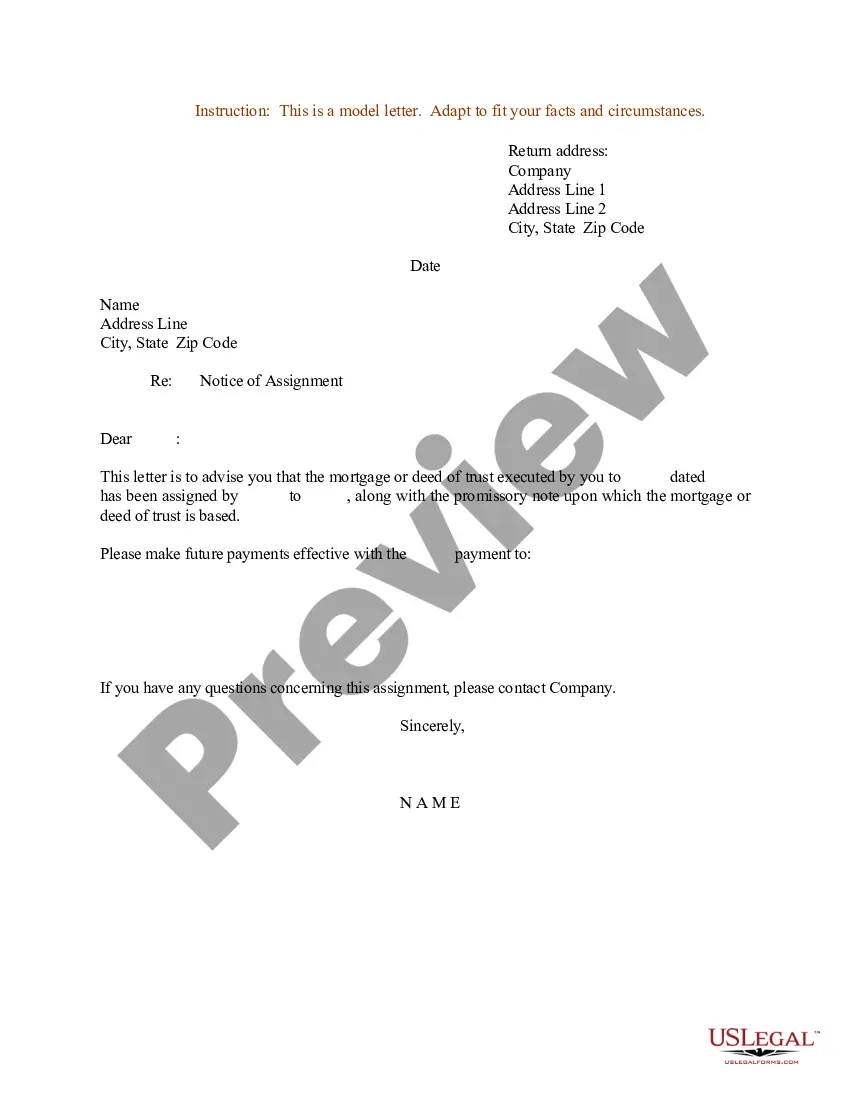
In a deed of trust, the assignee is the individual or entity that receives the rights to the mortgage or deed of trust from the original mortgage holder. For a Colorado Assignment of Deed of Trust by Individual Mortgage Holder, the assignee becomes responsible for collecting payments and managing the mortgage afterwards. It is crucial to properly identify the assignee in the assignment process to maintain clarity in ownership and obligations. Uslegalforms can help you navigate this step efficiently with appropriate legal documentation.
An assignment of a mortgage typically consists of a legal document that details the transfer of rights from the original mortgage holder to another party. In the context of a Colorado Assignment of Deed of Trust by Individual Mortgage Holder, this document identifies the mortgagor, the new assignee, and includes their signatures. It also outlines the specific terms of the transfer, ensuring clarity and legality. You can find templates for this process on platforms like uslegalforms, which simplifies the entire procedure.
The Assignment of a mortgage deed of trust is a specific legal document that allows the transfer of the mortgage rights from one individual or institution to another. In Colorado, this procedure is crucial for maintaining proper ownership records and ensuring that payments are managed correctly. By utilizing resources like US Legal Forms, you can simplify this process and ensure compliance with state laws.
An assignment of a mortgage refers to the process where the original lender transfers their rights and responsibilities to another party. This legal update can impact the terms of your mortgage and the parties involved. Using the Colorado Assignment of Deed of Trust by Individual Mortgage Holder can help clarify these changes and ensure all documentation is correctly managed.
A deed of assignment conveys the right to receive benefits or property, while a deed of transfer involves the actual ownership of property changing hands. In the context of a Colorado Assignment of Deed of Trust by Individual Mortgage Holder, the former is used to transfer mortgage rights without changing property ownership. Understanding this distinction can help you navigate real estate transactions more effectively.