Arizona Real Estate Home Sales Package with Offer to Purchase, Contract of Sale, Disclosure Statements and more for Residential House
Overview of this form package
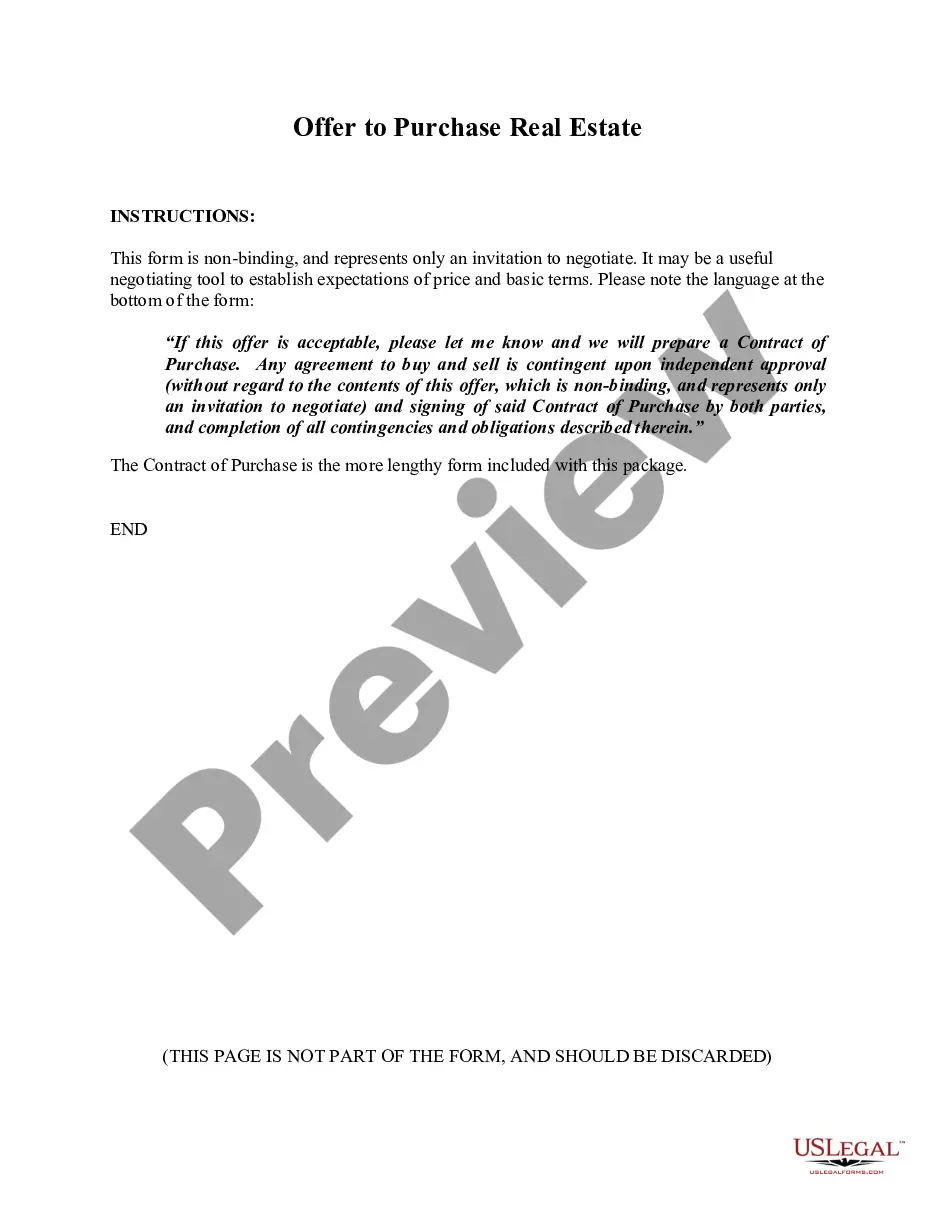
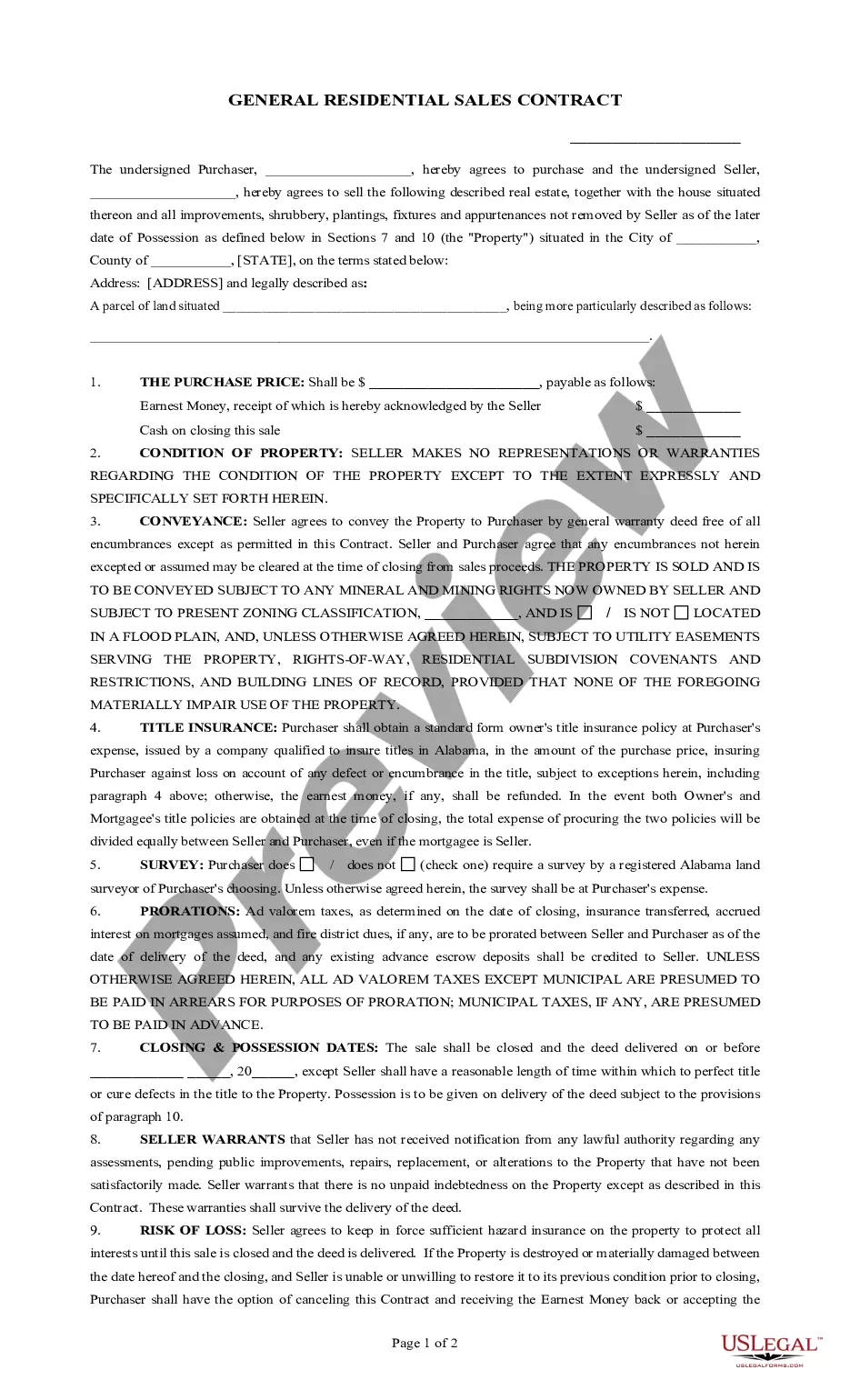
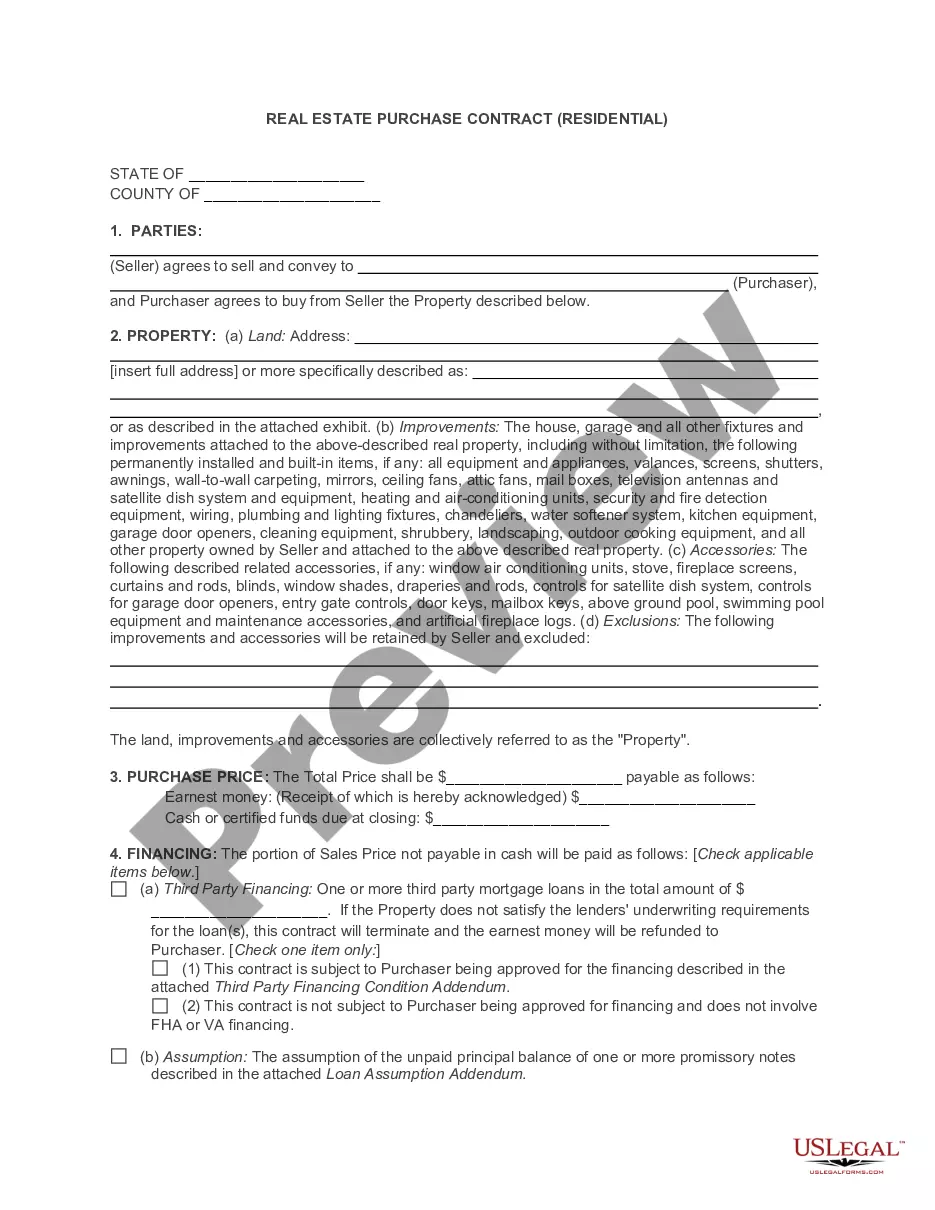
The Arizona Real Estate Home Sales Package with Offer to Purchase, Contract of Sale, Disclosure Statements, and more for Residential House is a comprehensive collection of legal forms tailored for residential real estate transactions in Arizona. This package simplifies the home buying and selling process by providing essential documents designed by licensed attorneys, ensuring all legal requirements are met. It stands out from similar packages by including specific disclosure statements and guidance to help users navigate the complexities of real estate transactions effectively.
Documents contained in this package


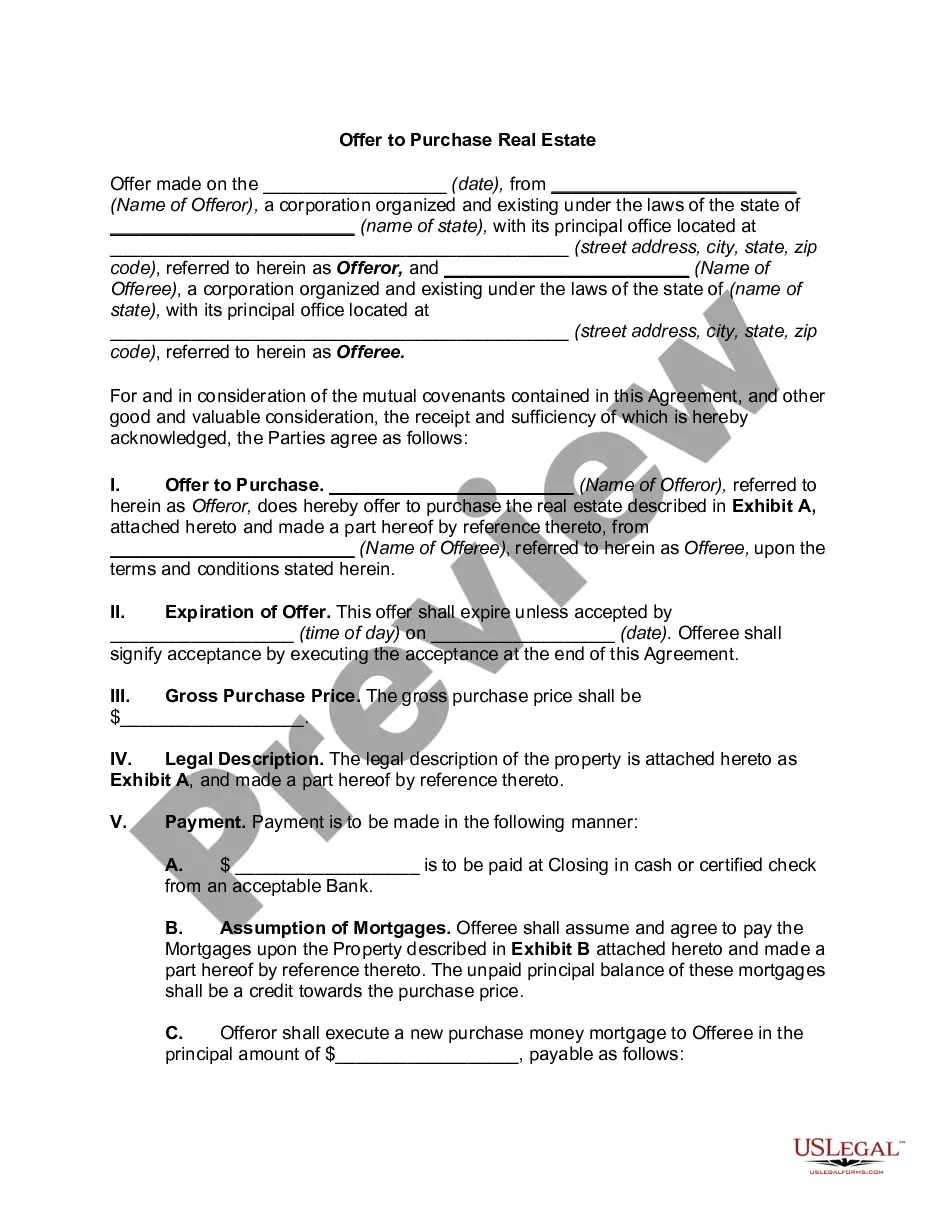
Situations where these forms applies
This form package should be used when engaging in the sale or purchase of a residential property in Arizona. It is applicable in the following scenarios:
- When making an initial offer to purchase a home.
- When contracting the sale of residential real estate.
- When disclosing property conditions and potential hazards to prospective buyers.
Who this form package is for
- Homeowners looking to sell their residential property.
- Prospective homebuyers in Arizona.
- Real estate agents facilitating transactions between buyers and sellers.
Completing these forms step by step
- Review all included forms carefully to understand each document's purpose.
- Complete the Offer to Purchase form to express interest in buying the home.
- Fill out the Contract for Sale and Purchase, outlining all terms and conditions.
- Ensure that you complete and include the required disclosure statements regarding property conditions.
- Obtain signatures from all relevant parties to make the documents legally binding.
Notarization requirements for forms in this package
Certain documents in this package must be notarized for legal effectiveness. Our online notarization service, powered by Notarize, lets you verify and sign documents remotely through an encrypted video session, available anytime.
Get your form ready online
Our built-in tools help you complete, sign, share, and store your documents in one place.
Make edits, fill in missing information, and update formatting in US Legal Forms—just like you would in MS Word.
Download a copy, print it, send it by email, or mail it via USPS—whatever works best for your next step.
Sign and collect signatures with our SignNow integration. Send to multiple recipients, set reminders, and more. Go Premium to unlock E-Sign.
If this form requires notarization, complete it online through a secure video call—no need to meet a notary in person or wait for an appointment.
We protect your documents and personal data by following strict security and privacy standards.

Make edits, fill in missing information, and update formatting in US Legal Forms—just like you would in MS Word.

Download a copy, print it, send it by email, or mail it via USPS—whatever works best for your next step.

Sign and collect signatures with our SignNow integration. Send to multiple recipients, set reminders, and more. Go Premium to unlock E-Sign.

If this form requires notarization, complete it online through a secure video call—no need to meet a notary in person or wait for an appointment.

We protect your documents and personal data by following strict security and privacy standards.
Avoid these common issues
- Failing to correctly complete the disclosure statements.
- Not including all necessary signatures on the contract.
- Leaving out important terms in the purchase contract, such as the sale price or earnest money amount.
Benefits of using this package online
- Convenience of accessing legally vetted documents from home.
- Editable forms that save time compared to handwritten documents.
- Reliable guidance tailored to Arizona's specific real estate laws.
Legal use & context
- These forms are designed to comply with Arizona real estate law and ensure enforceability.
- Contracts and disclosures are essential for safeguarding the interests of both buyers and sellers during the transaction.
- This package provides a reliable framework for negotiating and finalizing a home sale.
Quick recap
- The Arizona Real Estate Home Sales Package is essential for any real estate transaction in Arizona.
- It includes crucial forms to ensure compliance with legal requirements.
- Users should avoid common mistakes to ensure their documents are completed correctly.
Looking for another form?
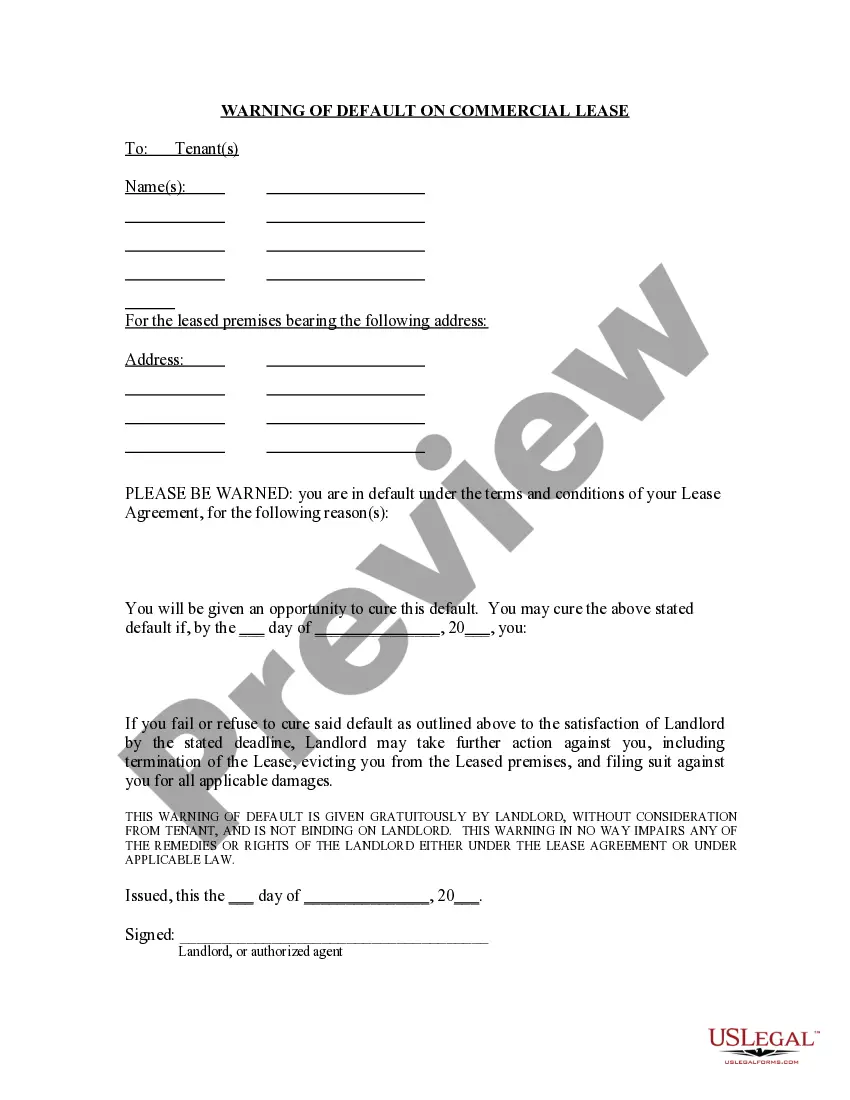
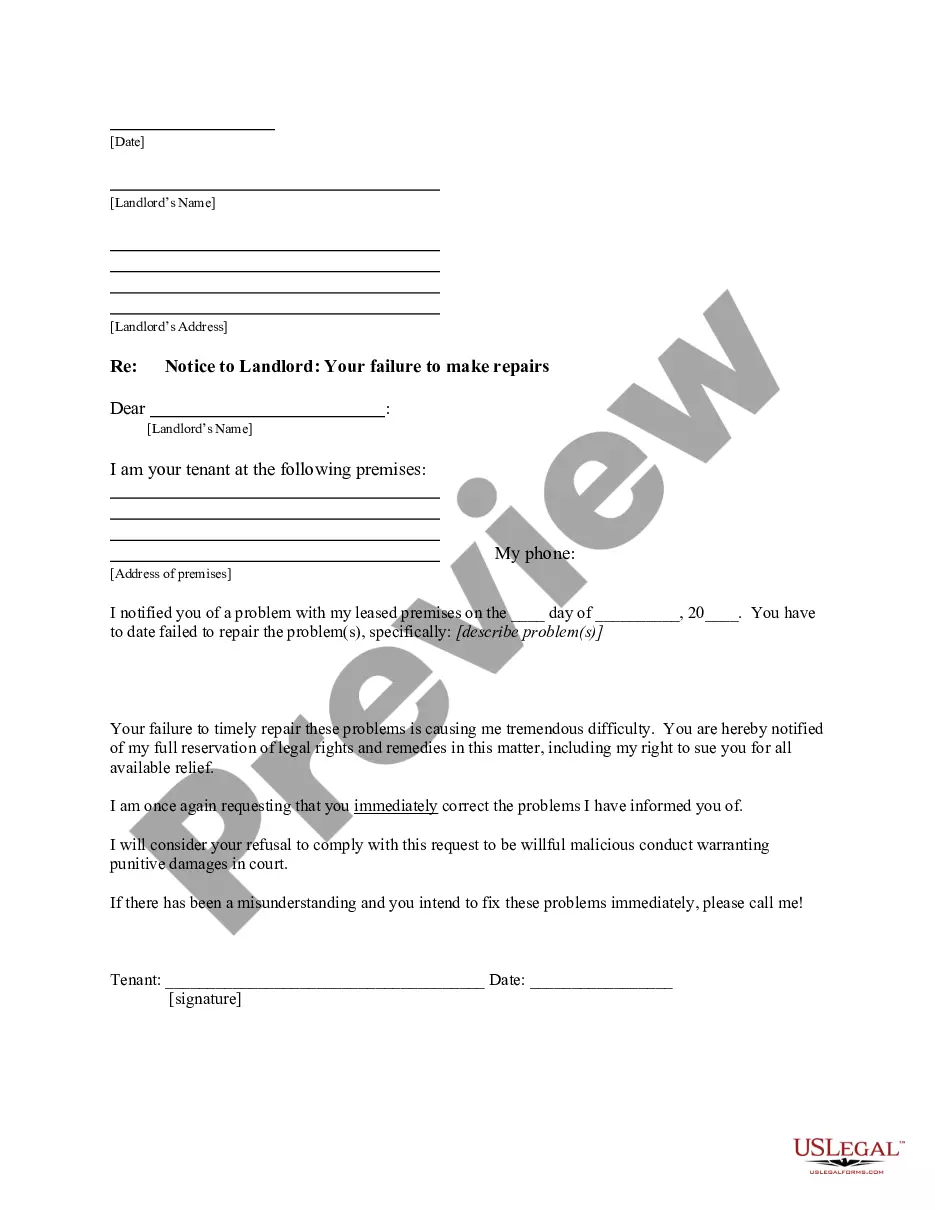
Form popularity
FAQ
California, like many states, requires its residential property sellers to disclose, in writing, details about the property they have on the market.(See, California Civil Code § 1102.)
Almost every U.S. state has passed laws mandating that sellers give buyers specific information about what structural and other features the house contains, and their condition.
The identity of the buyer and of the seller. A sufficient description of the real property to be sold. The sale price, or consideration to be paid for the real property by the buyer. The amount of any earnest money deposit to be paid by the buyer.
Every real estate contract meets four requirements to be valid:The contract must contain an offer and an acceptance. The purpose of the agreement must be legal. There must be an exchange of things of value (usually, it's money for property)
Offer price. Amount of earnest money. Amount of down payment. Closing date. Personal property included. Seller contribution to Buyer closing costs, if any. Escrow company. Home warranty.
In real estate, a purchase agreement is a binding contract between a buyer and seller that outlines the details of a home sale transaction. The buyer will propose the conditions of the contract, including their offer price, which the seller will then either agree to, reject or negotiate.Real estate purchase contract.
Arizona law requires the seller to disclose material (important) facts about the property, even if you are not asked by the buyer or a real estate agent.
Identifying the Address and Parties Involved. First and foremost, a purchase agreement must outline the property at stake. Price and Terms. Closing Date and Costs. Real Estate Taxes and Special Assessments. Homestead Classification. Delivery, Acceptance Date, and Offer Expiration. Default. Counter Offer.
But in Arizona, disclosing a death at a home is not required. According to Arizona Revised Statutes 32-2156, a real estate agent or any seller doesn't have to disclose that a property was the site of a natural death, suicide, homicide or any other crime classified as a felony.