Arkansas Amendment of Residential Lease
About this form
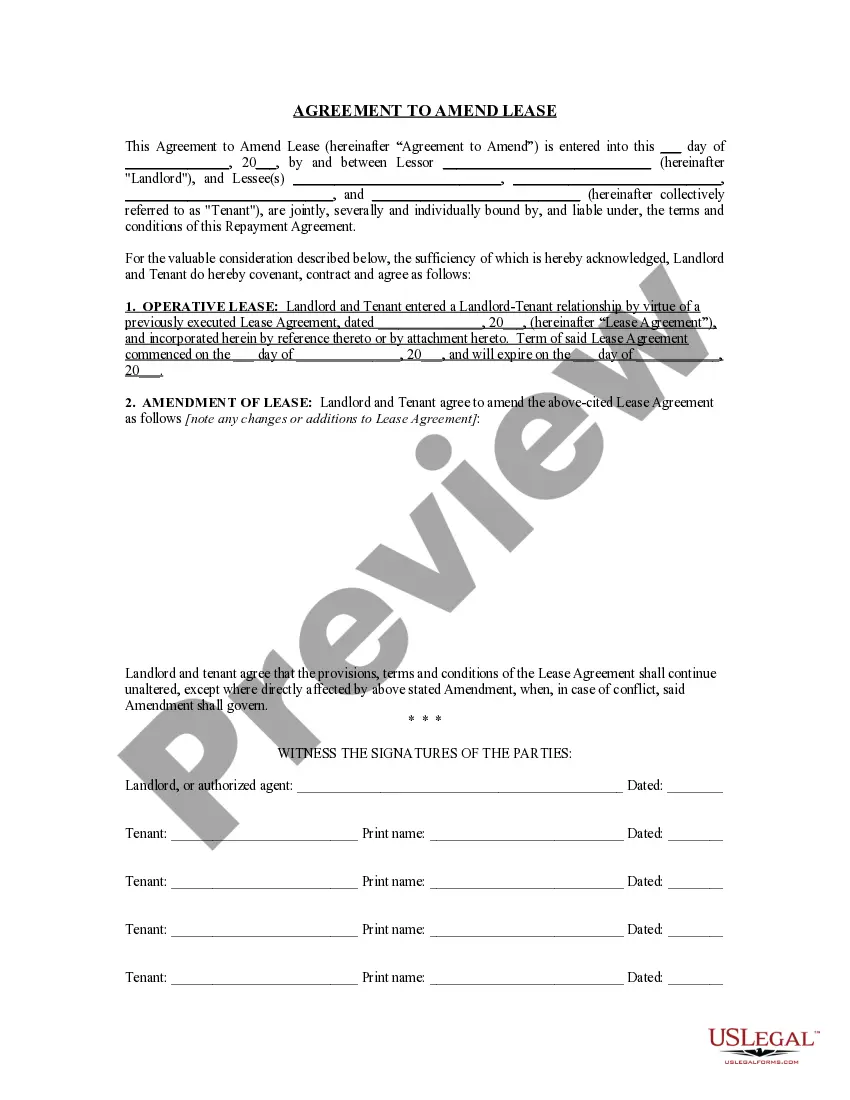
The Amendment of Residential Lease is a legal document that allows landlords and tenants to formally modify the terms of an existing residential lease agreement. This form is designed to ensure that any changes made to the lease are documented, preventing potential disputes in the future and ensuring compliance with state laws. Unlike a standard lease, this amendment specifically addresses changes already agreed upon between the parties involved, making it an essential tool for any rental situation requiring adjustments after the original agreement was signed.
What’s included in this form
- Identification of the parties involved (Landlord and Tenant).
- Reference to the original lease agreement, including its date and term.
- Specification of the modifications to be made to the lease.
- Signatures of all parties involved, which validate the amendment.
- Date of the modification to establish when changes take effect.
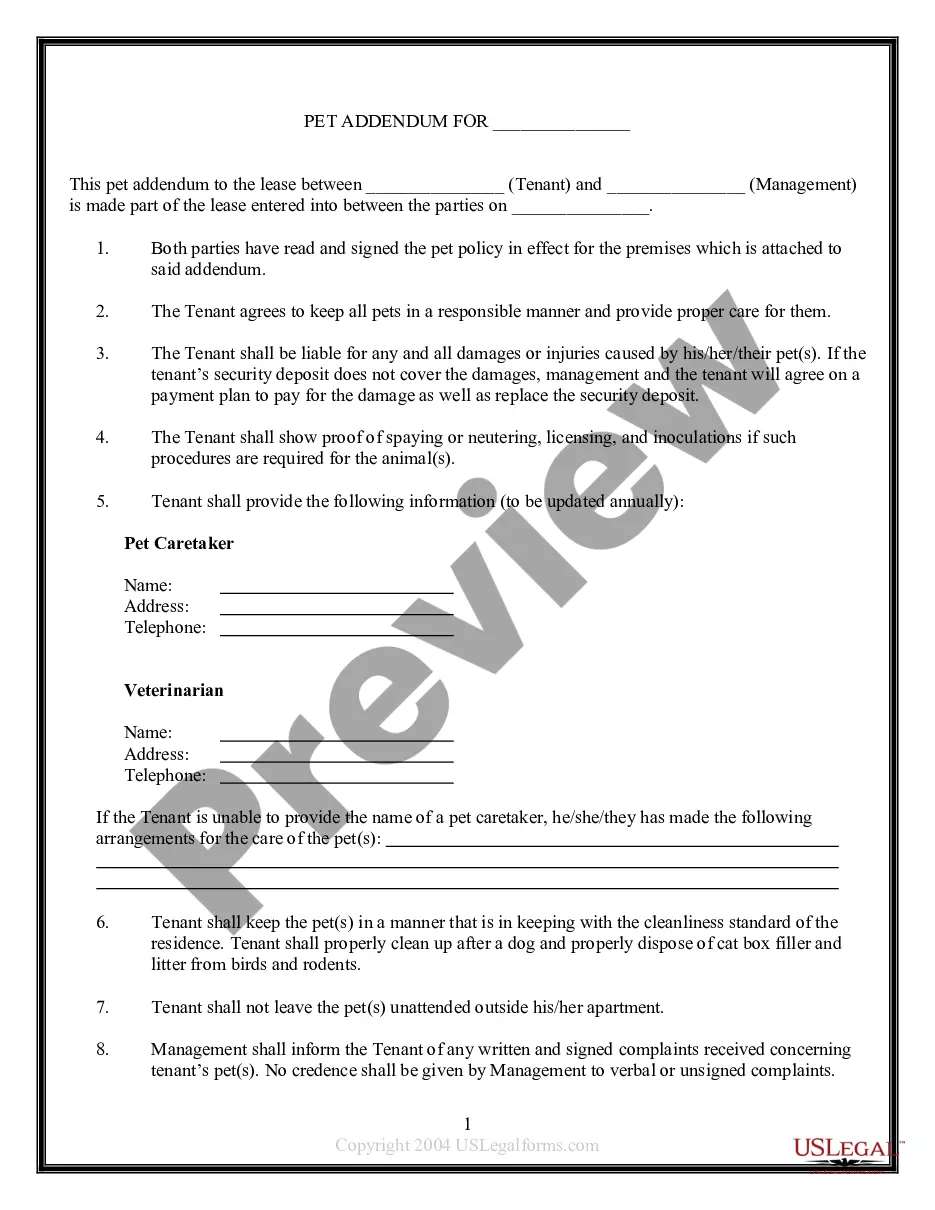
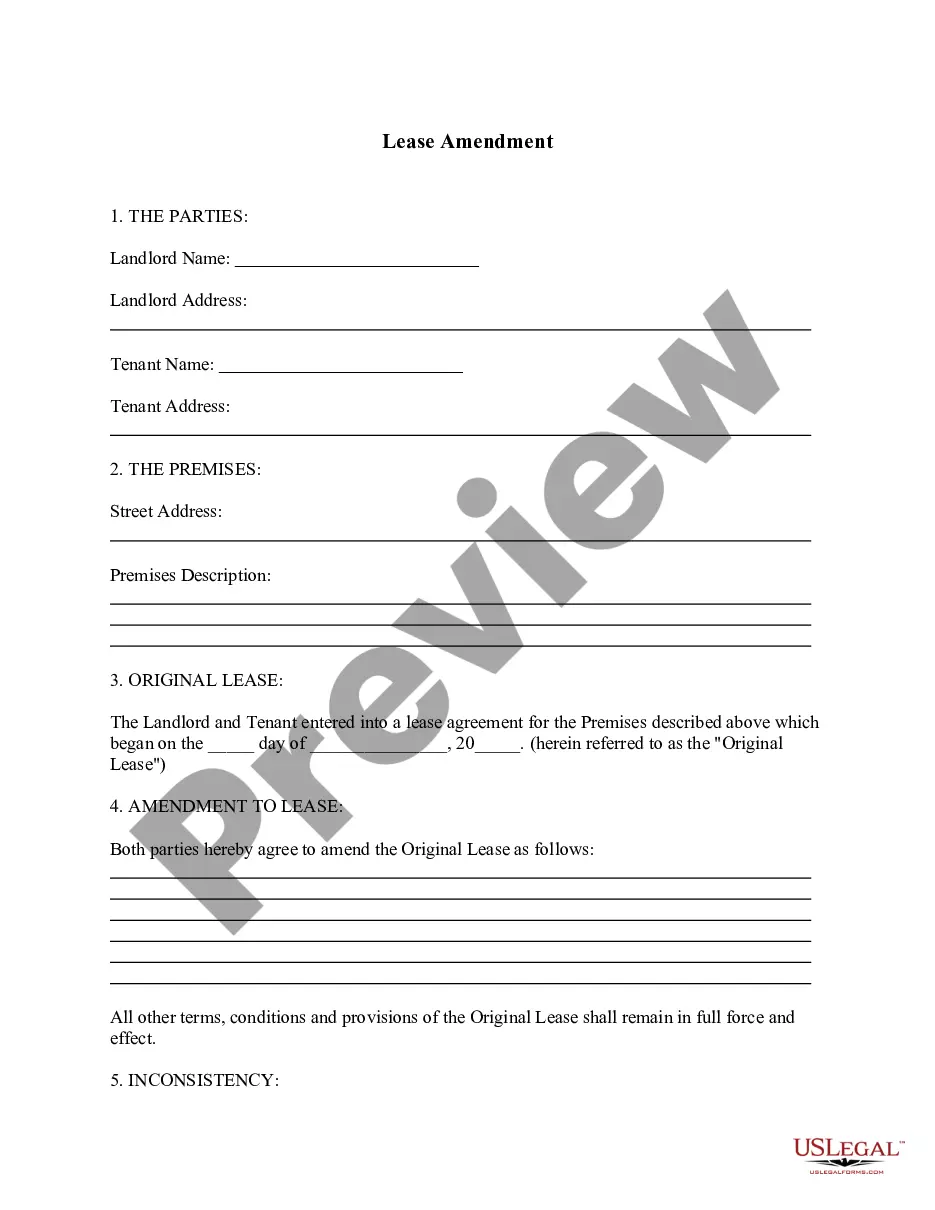
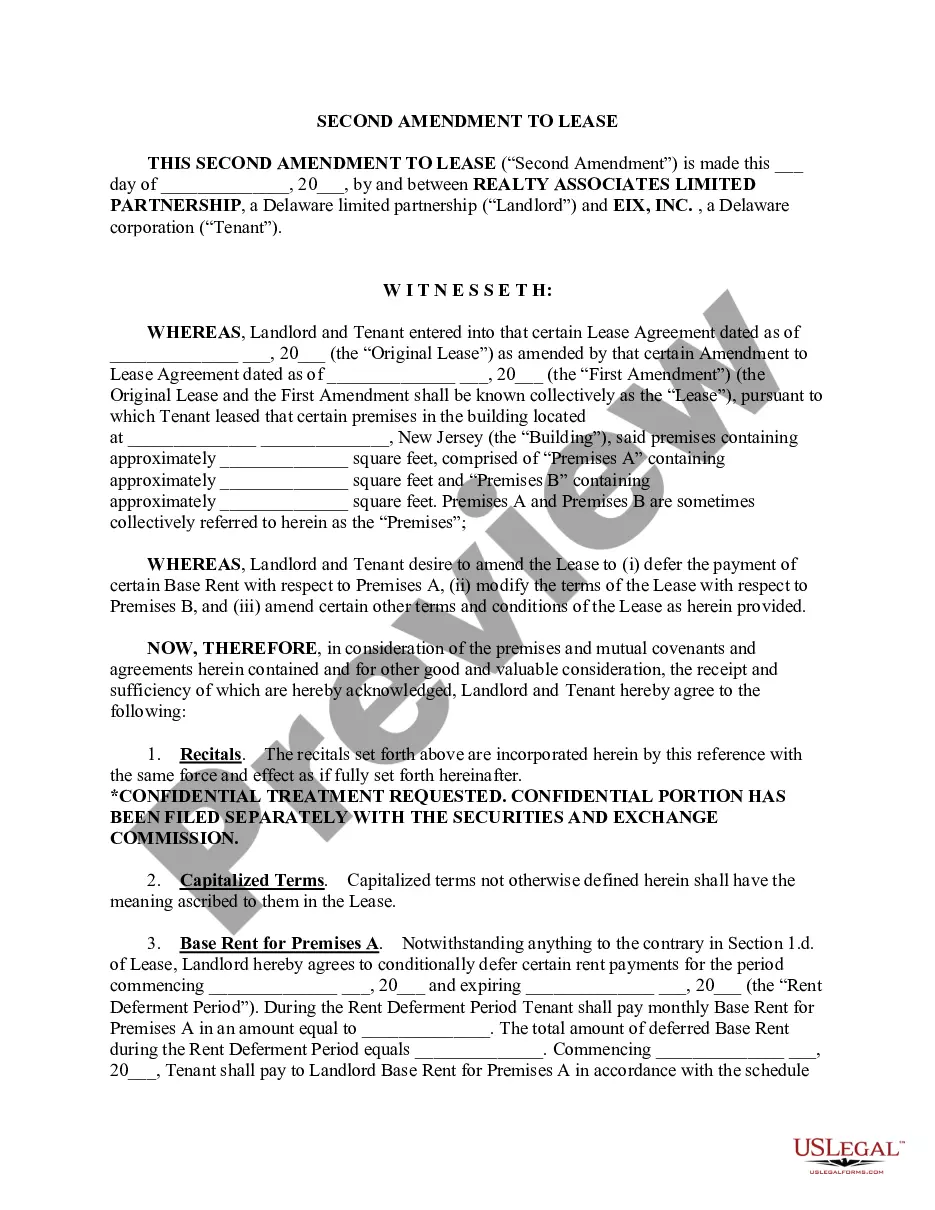
When this form is needed
This form is needed when either the landlord or tenant wishes to change specific terms of an existing residential lease. Common scenarios include adjusting the lease duration, modifying rental rates, adding or removing tenants, or clarifying repair responsibilities. Using this amendment protects both parties by documenting the agreed changes and ensuring mutual understanding.
Intended users of this form
This form is intended for:
- Landlords who need to amend an existing residential lease agreement.
- Tenants who have reached an agreement with their landlord to modify lease terms.
- Property managers overseeing residential leases seeking to document changes made during a rental agreement.
Steps to complete this form
- Identify the parties involved by filling in the names of the landlord and tenants.
- Reference the original lease agreement by including its signing date and expiration date.
- Clearly state the modifications being made to the original lease terms.
- Ensure all involved parties review the amendment and provide their signatures with the date.
- Keep a copy of the completed form for all parties involved, as it represents the latest agreement.
Is notarization required?
This form does not typically require notarization unless specified by local law. It is recommended that all parties sign the document in the presence of witnesses to bolster the legitimacy of the amendment.
Get your form ready online
Our built-in tools help you complete, sign, share, and store your documents in one place.
Make edits, fill in missing information, and update formatting in US Legal Forms—just like you would in MS Word.
Download a copy, print it, send it by email, or mail it via USPS—whatever works best for your next step.
Sign and collect signatures with our SignNow integration. Send to multiple recipients, set reminders, and more. Go Premium to unlock E-Sign.
If this form requires notarization, complete it online through a secure video call—no need to meet a notary in person or wait for an appointment.
We protect your documents and personal data by following strict security and privacy standards.

Make edits, fill in missing information, and update formatting in US Legal Forms—just like you would in MS Word.

Download a copy, print it, send it by email, or mail it via USPS—whatever works best for your next step.

Sign and collect signatures with our SignNow integration. Send to multiple recipients, set reminders, and more. Go Premium to unlock E-Sign.

If this form requires notarization, complete it online through a secure video call—no need to meet a notary in person or wait for an appointment.

We protect your documents and personal data by following strict security and privacy standards.
Mistakes to watch out for
- Failing to reference the original lease agreement adequately.
- Not obtaining signatures from all tenants or agreeing parties.
- Leaving out essential details of the modifications, leading to ambiguity.
- Not keeping copies of the signed amendment for future reference.
Benefits of completing this form online
- Convenience of downloading and printing the document immediately.
- Editability to customize the form to meet specific needs before printing.
- Guidance from provided templates drafted by licensed attorneys.
- Ensures compliance with relevant legal requirements for ease of use.
Looking for another form?
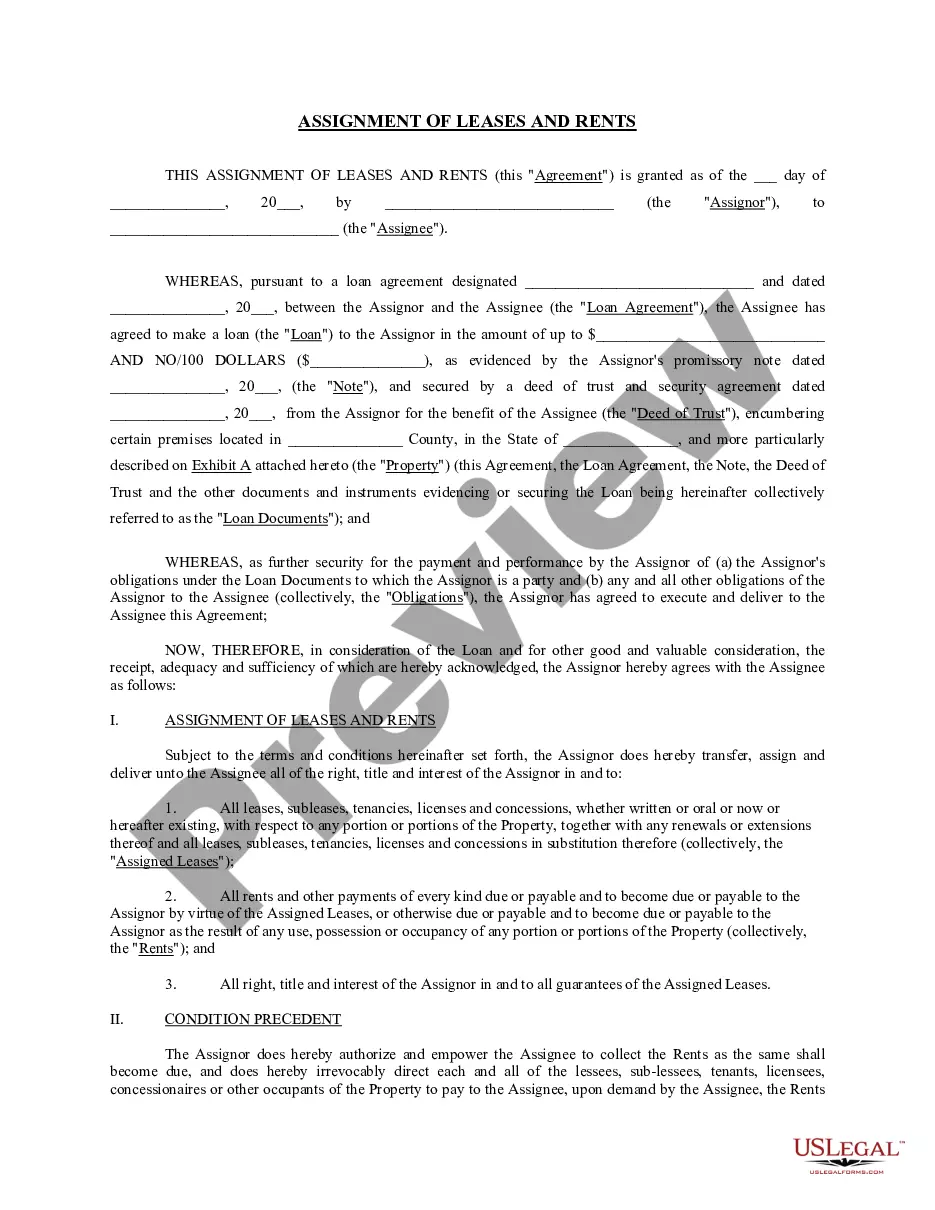
Form popularity
FAQ
An amendment to a lease listing refers to changes made to the existing details of the lease agreement. This can include updates to rental rates, duration, or terms of occupancy. Properly documenting these amendments ensures clarity and legal compliance. Familiarity with the Arkansas Amendment of Residential Lease assists landlords and tenants in understanding this process and executing it effectively.
To convince your landlord to extend a lease, present your case with respect to stability and reliability as a tenant. Highlight your positive rental history, timely payments, and care for the property. Offering a longer commitment might also incentivize your landlord to consider your request favorably. A well-structured Arkansas Amendment of Residential Lease can formalize this extension.
To ask your landlord to amend a lease, start by clearly outlining the changes you desire and why they are important. Open a dialogue and present your request in writing, providing context and potential benefits for both parties. Be respectful and open to negotiation, as this fosters a positive relationship. Utilizing resources around the Arkansas Amendment of Residential Lease can greatly aid in structuring your request.
A landlord can change the lease terms when a lease is up for renewal or at the end of the lease term, provided the tenant agrees. During the lease period, changes can be made only through mutual agreement, typically documented as an amendment. It's essential to understand tenant rights and obligations, as outlined in the Arkansas Amendment of Residential Lease, to avoid legal complications.
A lease addendum is a document that adds new terms to the lease without altering the original agreement, while an amendment modifies the existing provisions. In essence, an amendment changes the initial contract, whereas an addendum supplements it. Knowing when to use an addendum versus an amendment is vital in the context of the Arkansas Amendment of Residential Lease, ensuring compliance and clarity.
Amending a lease agreement means making changes to the terms of the original lease. This could involve altering payment terms, extending the lease duration, or updating tenant information. It is important that both the landlord and tenant consent to these amendments to keep the lease valid and enforceable. Understanding the Arkansas Amendment of Residential Lease will help you navigate this process smoothly.
Yes, you can make changes to a lease after signing, but both parties must agree to the amendments. Typically, this process involves creating an amendment or addendum that clearly outlines the changes agreed upon. It is essential to document these adjustments to avoid future misunderstandings. The Arkansas Amendment of Residential Lease provides a framework for ensuring these changes are legally binding.
Filling out the residential lease inventory and condition form is straightforward. Begin by documenting the current state of the property, noting any existing damages or issues. Use clear, detailed descriptions to ensure all aspects of the property are covered. For the Arkansas Amendment of Residential Lease, including this form can be crucial for protecting both tenant and landlord rights.
Similarly to lease agreements, amendments to a lease in Arkansas generally do not need to be notarized. They merely require the signatures of all parties involved. Notarization can be helpful if you ever need to verify the amendment's execution in court. For more detailed guidance, consider exploring uslegalforms, which can help you understand the nuances of the Arkansas Amendment of Residential Lease.
Notarization of a lease agreement is not required in Arkansas for the lease to be enforceable. However, notarizing the document can add another layer of credibility and can be beneficial if disputes arise later. It is advisable to consult with legal resources to understand the benefits of having your lease notarized. Uslegalforms provides helpful guidance on this topic to ensure your lease is properly executed.