Alaska Revocation of Power of Attorney for Care of Child or Children
About this form
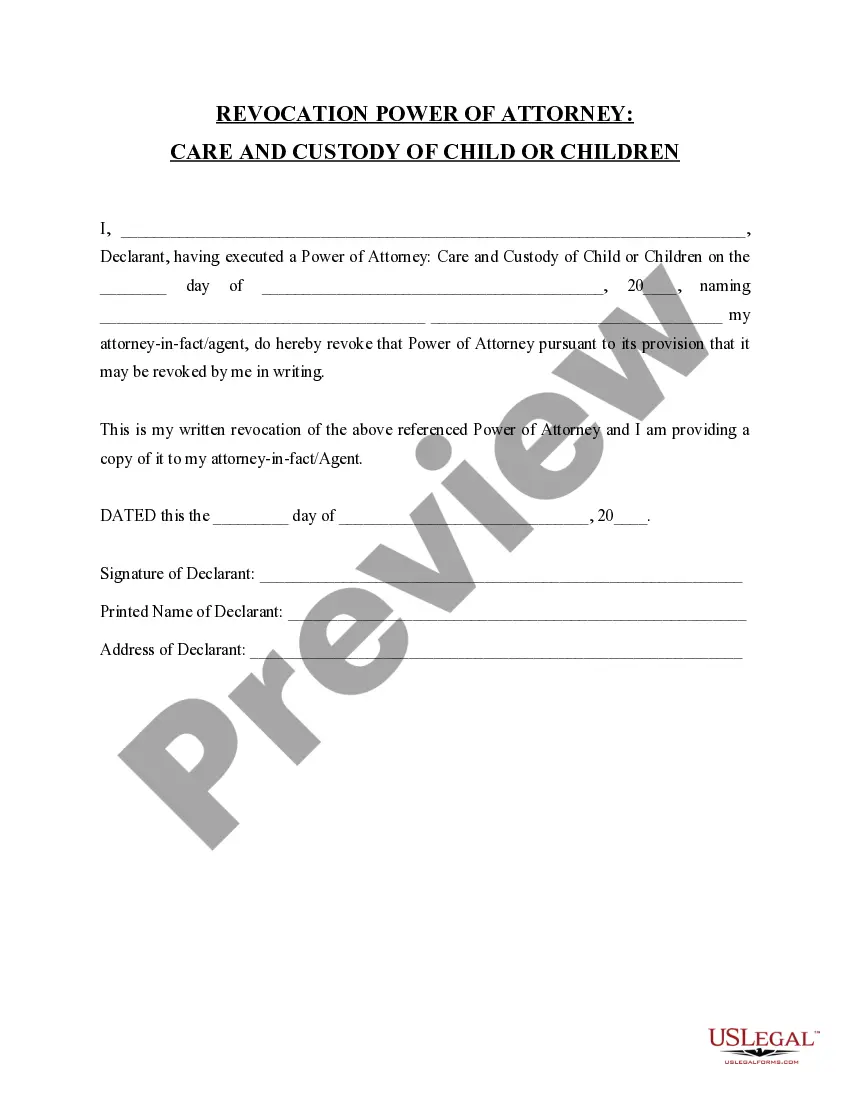
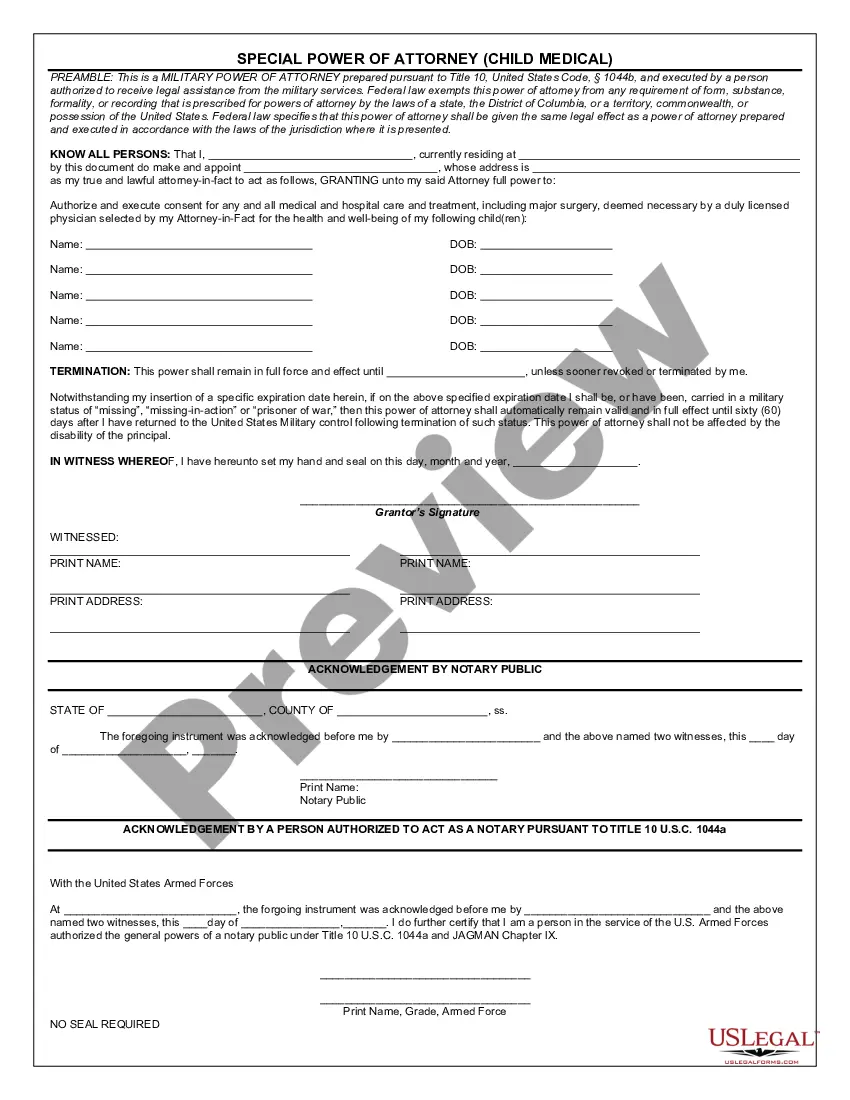
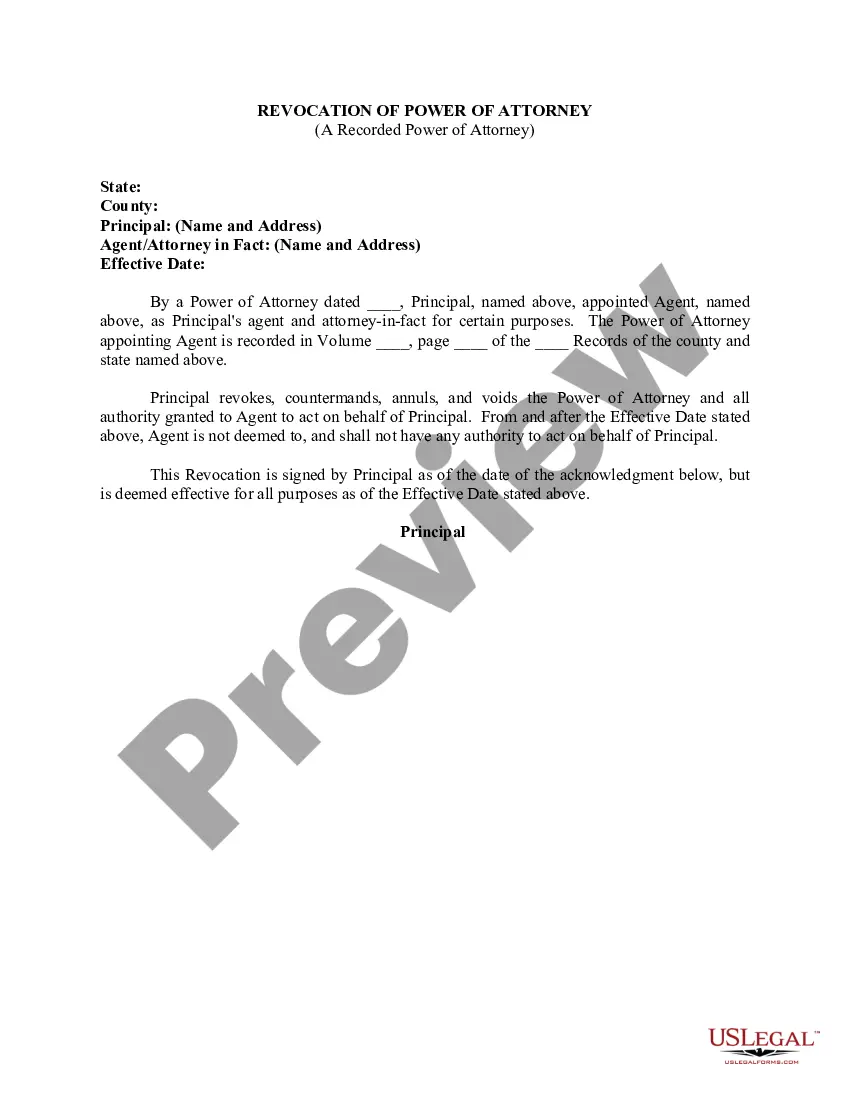
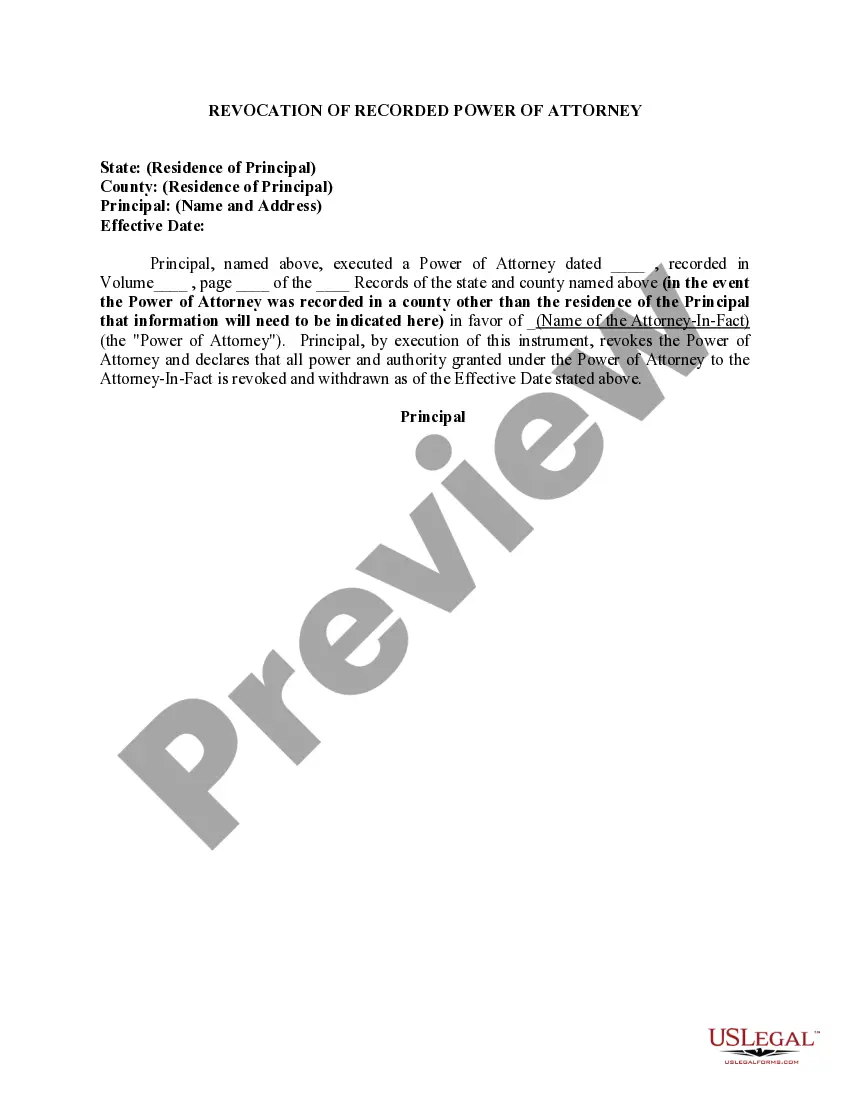
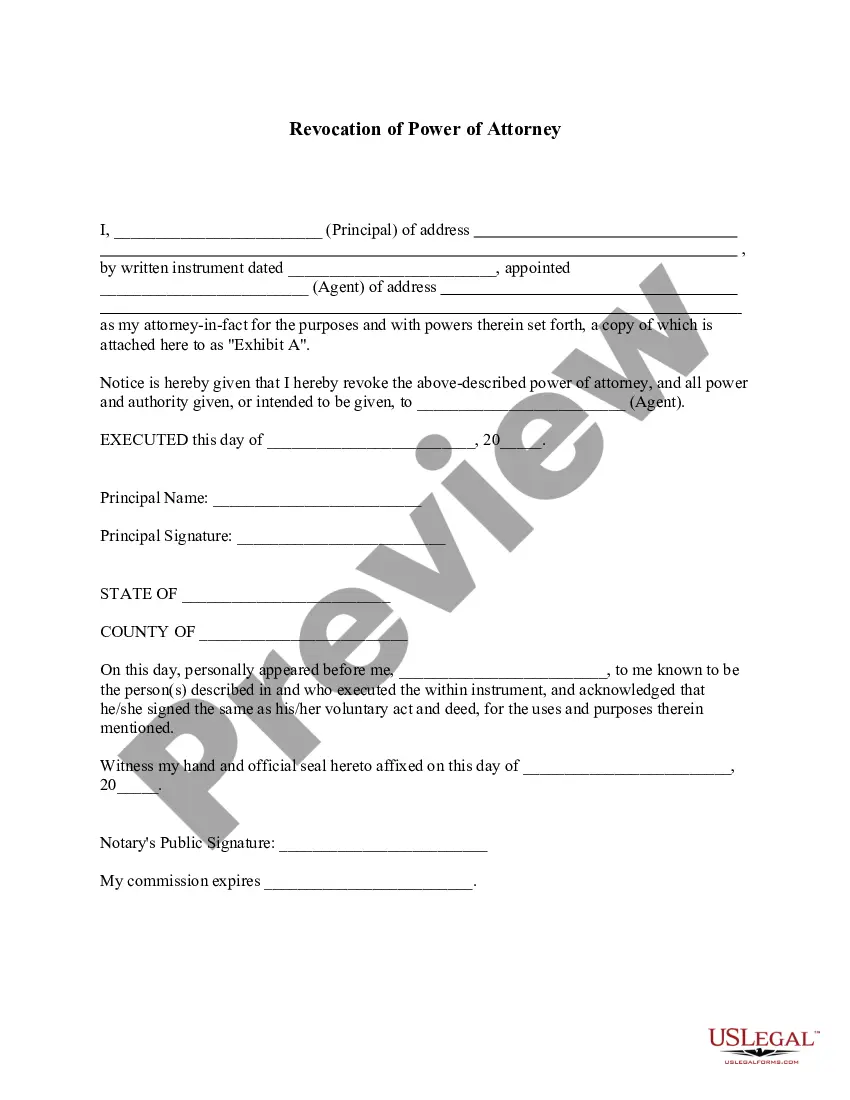
The Revocation of Power of Attorney for Care of Child or Children is a legal document that allows a parent or guardian to cancel a previously granted power of attorney regarding the care and custody of their child or children. This form is essential for those wishing to withdraw authority from an appointed agent, which distinguishes it from the initial power of attorney form. It is crucial to complete this process correctly to ensure the revocation is legally binding.
Key components of this form
- Declarantâs name: Field for the individual revoking the power of attorney.
- Date of original power of attorney: Requires the date the original power of attorney was executed.
- Agentâs name: Field for the person who was granted authority under the original document.
- Written revocation statement: Clear declaration of the intent to revoke the power of attorney.
- Signature of declarant: Required signature to validate the revocation.
Situations where this form applies
This form is used when a parent or guardian wishes to revoke a previously executed power of attorney for the care and custody of their child or children. Common scenarios may include a change in family circumstances, the desire to reassume custody responsibilities, or issues arising with the appointed agent.
Who this form is for
- Parents or guardians who have previously assigned custody rights to another individual.
- Individuals who wish to regain full control over their child's care.
- Guardians looking to terminate the authority granted to a temporary caregiver.
How to prepare this document
- Identify the declarant: Enter your full name as the individual revoking the power of attorney.
- Specify the original power of attorney date: Record the date when the initial document was signed.
- Provide the agentâs name: Fill in the name of the person who held authority under the previous power of attorney.
- State your intent: Write down a clear statement indicating that you are revoking the previous power of attorney.
- Sign and date the document: Complete the form by signing and dating it to make the revocation official.
Notarization requirements for this form
This form does not typically require notarization unless specified by local law. Always check your jurisdictionâs requirements to ensure compliance.
Get your form ready online
Our built-in tools help you complete, sign, share, and store your documents in one place.
Make edits, fill in missing information, and update formatting in US Legal Forms—just like you would in MS Word.
Download a copy, print it, send it by email, or mail it via USPS—whatever works best for your next step.
Sign and collect signatures with our SignNow integration. Send to multiple recipients, set reminders, and more. Go Premium to unlock E-Sign.
If this form requires notarization, complete it online through a secure video call—no need to meet a notary in person or wait for an appointment.
We protect your documents and personal data by following strict security and privacy standards.

Make edits, fill in missing information, and update formatting in US Legal Forms—just like you would in MS Word.

Download a copy, print it, send it by email, or mail it via USPS—whatever works best for your next step.

Sign and collect signatures with our SignNow integration. Send to multiple recipients, set reminders, and more. Go Premium to unlock E-Sign.

If this form requires notarization, complete it online through a secure video call—no need to meet a notary in person or wait for an appointment.

We protect your documents and personal data by following strict security and privacy standards.
Common mistakes
- Failing to include the date of the original power of attorney.
- Not providing the correct name of the agent.
- Neglecting to sign and date the revocation form.
- Using vague language instead of a clear statement of intent to revoke.
Benefits of completing this form online
- Convenience: Download your form instantly without waiting for physical copies.
- Editability: Make necessary adjustments to the template before finalization.
- Reliability: Access legal forms that comply with current state laws, drafted by licensed attorneys.
Legal use & context
- The revocation of power of attorney becomes effective upon signing and delivery of this document.
- Legally protects the rights of the parent or guardian to reclaim custody.
- Clarifies and evidences the end of any prior arrangements regarding custodial responsibilities.
What to keep in mind
- Revocation of Power of Attorney for Care of Child or Children cancels prior custodial authority.
- It is essential for maintaining clear legal rights regarding child custody.
- Completing the form accurately ensures a smooth revocation process.
Looking for another form?
Form popularity
FAQ
A guardianship is for managing the person's personal affairs; a conservatorship is for managing the person's financial matters. A conservatorship generally supercedes a power of attorney.
1 attorney answer But no, a power of attorney is not somehow going to constitute or override a custody order, and as a non-parent, he doesn't have any standing to contest custody unless your daughter's been with him (and him alone, not with her mom...
An agent under a financial power of attorney should not have the right to bar a sibling from seeing their parent. A medical power of attorney may give the agent the right to prevent access to a parent if the agent believes the visit would be detrimental to the parent's health.
In order for your parent to grant you Power of Attorney, they must be of sound mind.If the parent is of sound mind, they may sign over Power of Attorney. If your parent is already mentally incapacitated, they may have already granted you (or another person) Power of Attorney in a Living Will.
The Principal can override either type of POA whenever they want. However, other relatives may be concerned that the Agent (in most cases a close family member like a parent, child, sibling, or spouse) is abusing their rights and responsibilities by neglecting or exploiting their loved one.
A Power of Attorney might be used to allow another person to sign a contract for the Principal. It can be used to give another person the authority to make health care decisions, do financial transactions, or sign legal documents that the Principal cannot do for one reason or another.
A power of attorney over a child is a document signed and notarized by a parent giving a non- parent authority to make decisions for a minor child.It can be used to authorize the person to obtain medical treatment for a child or sign up a child for an activity or for other significant decisions.
Until an attorney-in-fact's powers are properly revoked, they can continue to legally act for the principal. To cancel a Power of Attorney, the principal can create a document called a Revocation of Power of Attorney or create a new Power of Attorney that indicates the previous Power of Attorney is revoked.
Once a parent is no longer competent, he or she cannot revoke the power of attorney.If the court finds the agent is not acting in the principal's best interest, the court can revoke the power of attorney and appoint a guardian. The power of attorney ends at death.