Attorney Real Estate Agent
Description

Get your form ready online
Our built-in tools help you complete, sign, share, and store your documents in one place.
Make edits, fill in missing information, and update formatting in US Legal Forms—just like you would in MS Word.
Download a copy, print it, send it by email, or mail it via USPS—whatever works best for your next step.
Sign and collect signatures with our SignNow integration. Send to multiple recipients, set reminders, and more. Go Premium to unlock E-Sign.
If this form requires notarization, complete it online through a secure video call—no need to meet a notary in person or wait for an appointment.
We protect your documents and personal data by following strict security and privacy standards.

Make edits, fill in missing information, and update formatting in US Legal Forms—just like you would in MS Word.

Download a copy, print it, send it by email, or mail it via USPS—whatever works best for your next step.

Sign and collect signatures with our SignNow integration. Send to multiple recipients, set reminders, and more. Go Premium to unlock E-Sign.

If this form requires notarization, complete it online through a secure video call—no need to meet a notary in person or wait for an appointment.

We protect your documents and personal data by following strict security and privacy standards.
Looking for another form?








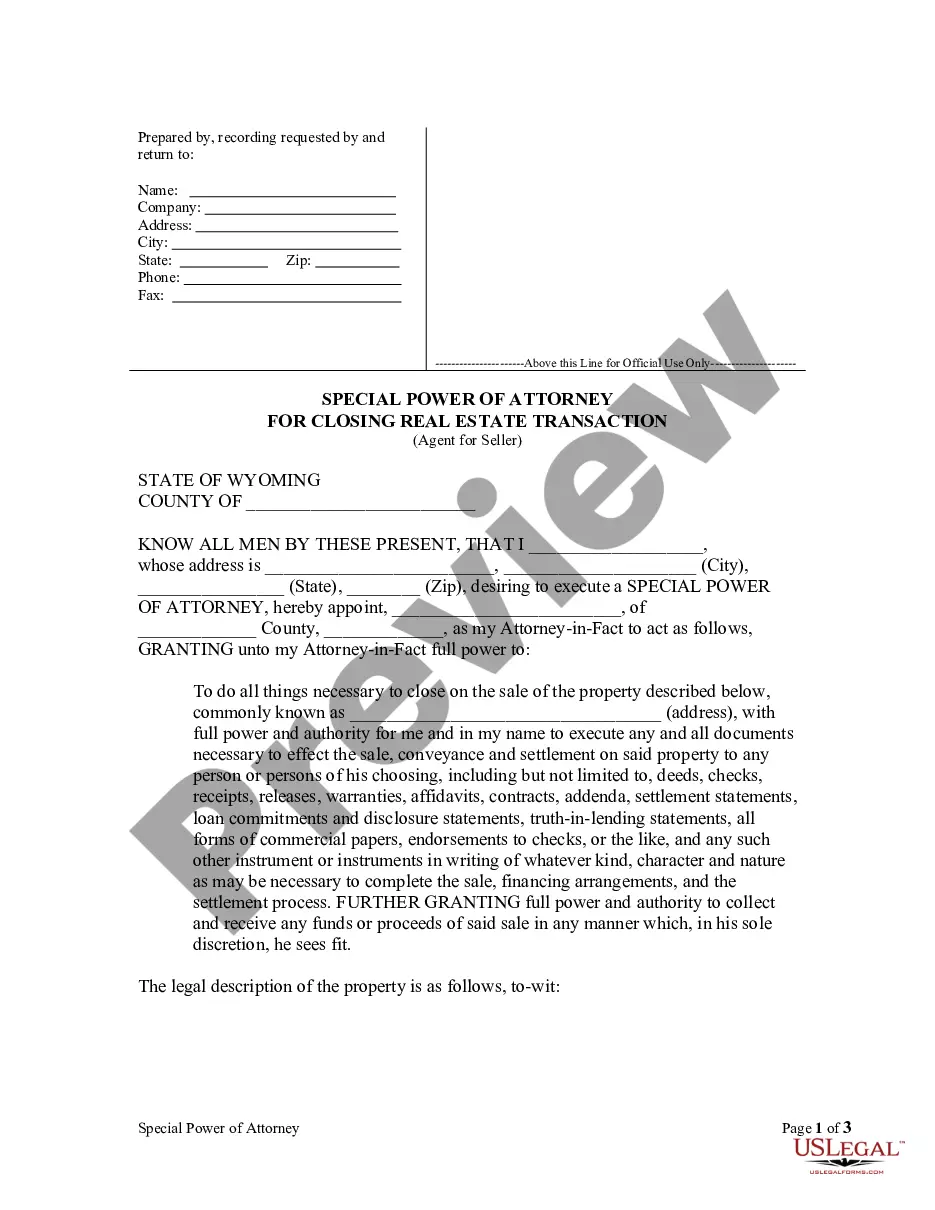
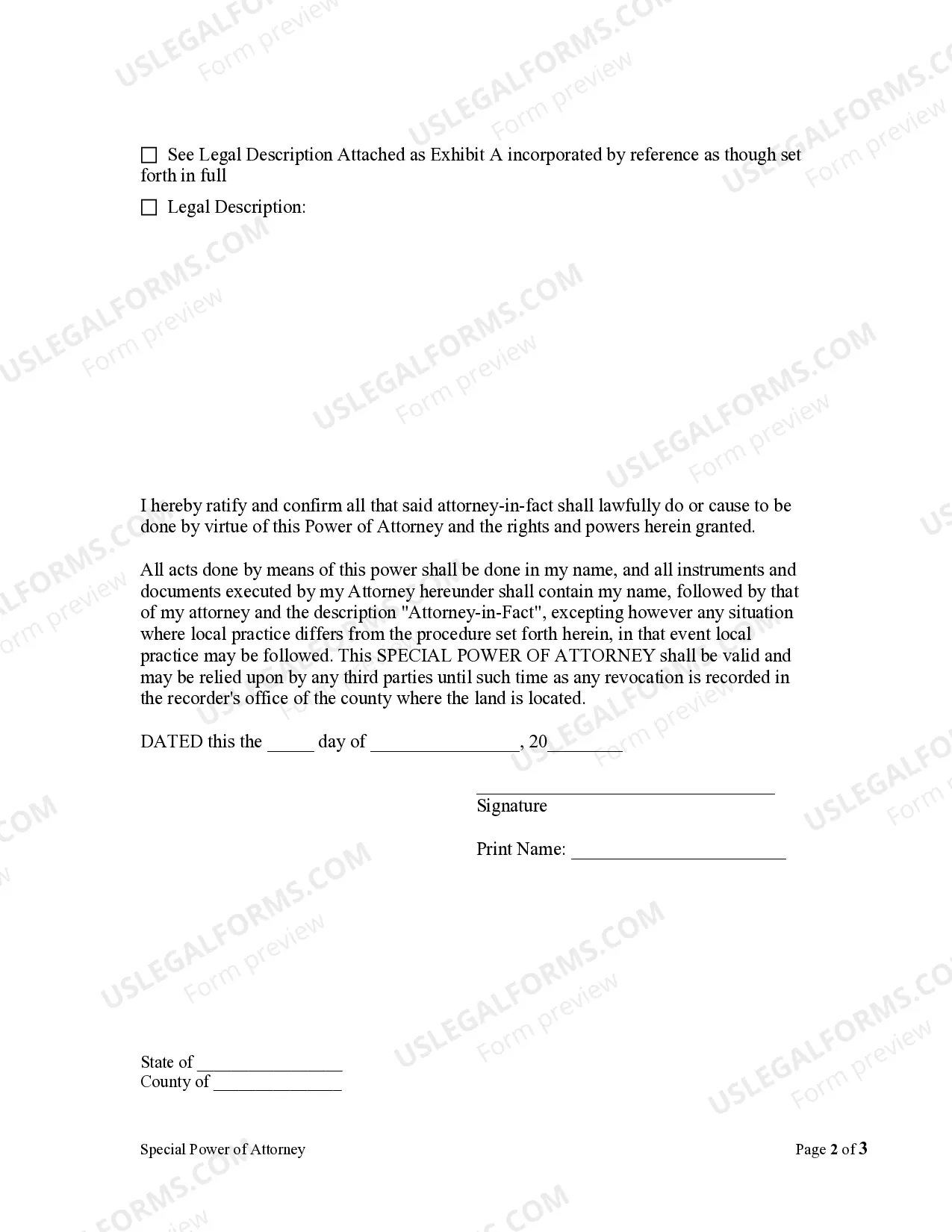
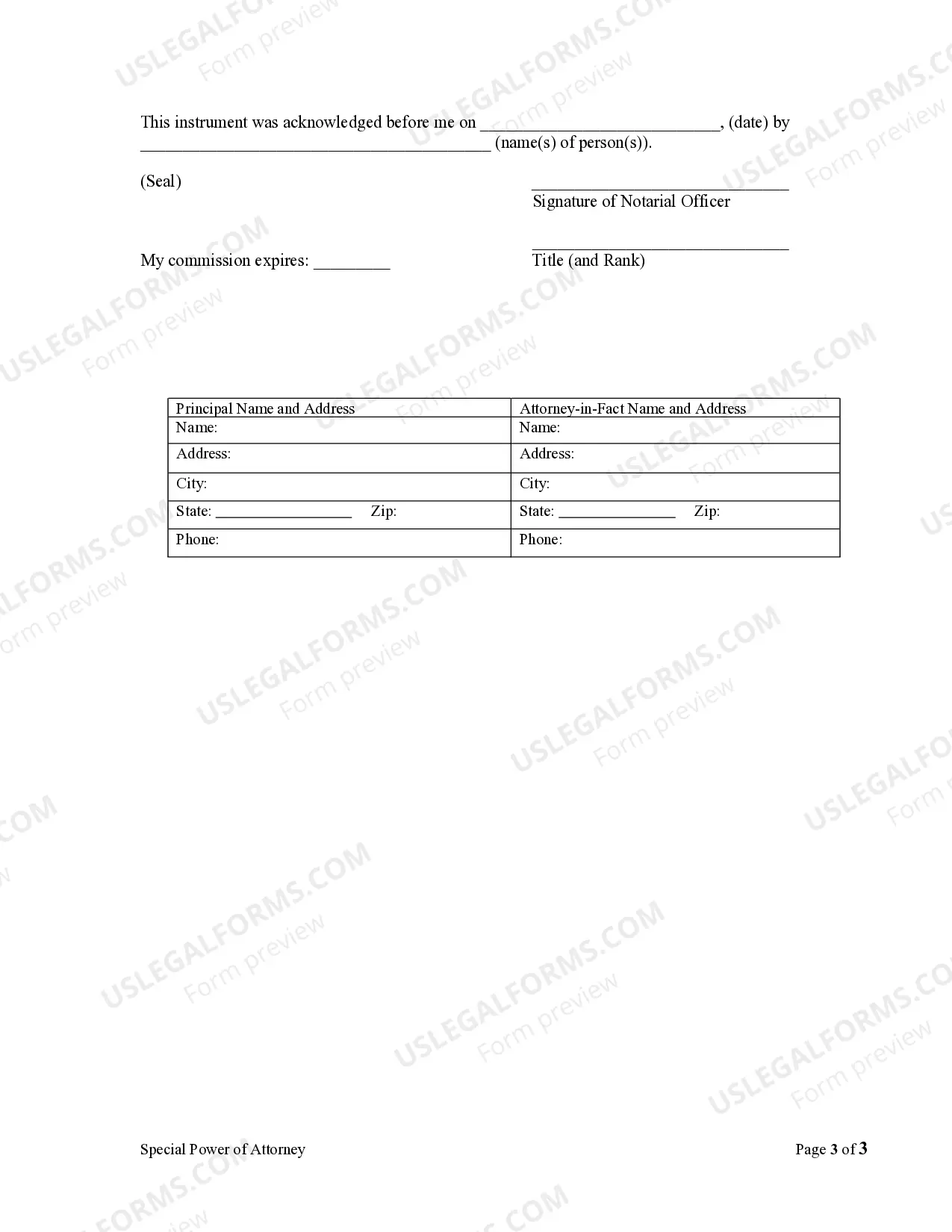
How to fill out Wyoming Special Or Limited Power Of Attorney For Real Estate Sales Transaction By Seller?
- Log in to your US Legal Forms account if you're a returning user; make sure your subscription is active to access needed forms.
- If it's your first time, start by reviewing form descriptions in Preview mode to ensure they meet your local jurisdiction's criteria.
- If the selected form does not meet your needs, utilize the Search tab to find a more suitable document.
- Once you've made your selection, click the Buy Now button and choose the appropriate subscription plan.
- Complete the purchase by providing your payment details through credit card or PayPal.
- Download the form to your device, which you can later access anytime in the My Forms section of your account.
Using US Legal Forms not only saves you time but also ensures accuracy in your legal documents. By following this guide, the process of obtaining necessary legal forms can be seamless and efficient.
Get started with US Legal Forms today and streamline your document handling. Your legal documentation needs are just a few clicks away!
Form popularity
FAQ
You should contact a real estate attorney if you encounter disputes over property transactions, face issues with an agent, or need help understanding legal documents. Additionally, if you anticipate potential litigation or require legal advice during contract negotiations, an attorney real estate agent can provide valuable support and peace of mind.
Common real estate law complaints involve disputes over contracts, property disclosures, and fair housing violations. Clients might allege that their agent misled them or breached their fiduciary duty. Consulting an attorney real estate agent can help you navigate these complaints and reach a resolution.
The most common complaints against realtors often relate to misrepresentation or failure to disclose essential information about a property. Buyers and sellers might argue that their agent did not act in their best interest, leading to losses. If you experience issues, a knowledgeable attorney real estate agent can guide you in addressing these complaints effectively.
Suing a real estate agent involves several steps, starting with collecting all relevant documents that demonstrate their misconduct. After you have your evidence, you must file a lawsuit in the appropriate jurisdiction and serve the agent with the complaint. Partnering with an attorney real estate agent can simplify this process and help ensure you present a solid argument.
To sue a real estate agent, you typically need to gather evidence of wrongdoing, such as contracts, correspondence, and witness statements. Next, file a complaint with the appropriate court and serve the agent with notice. It is advisable to work with an attorney real estate agent to navigate the legal process and strengthen your case.
The amount a realtor can be sued for varies, typically depending on the nature of the complaint and the damages incurred. In some cases, a realtor may be liable for lost profits, emotional distress, or property damage. If you find yourself in this situation, speaking with an attorney real estate agent can provide clarity on possible compensation.
An unethical real estate agent engages in practices that violate legal standards or professional guidelines. This can include misrepresentation, hiding property defects, or failing to disclose material facts. If you suspect unethical behavior, consulting an attorney real estate agent can help you understand your rights and explore your options.
Yes, an attorney can become a real estate agent if they meet the licensing requirements. An attorney real estate agent combines legal knowledge with real estate expertise, which can be advantageous for clients. This dual role helps bridge the gap between legal and transactional aspects of real estate. The ulegalforms platform can assist attorneys in seamlessly integrating their legal services with real estate transactions.
While both an attorney real estate agent and a real estate agent operate within the real estate sector, their roles are distinct. A real estate agent primarily focuses on buying and selling properties, while a real estate lawyer provides legal advice and services. The lawyer's role often involves ensuring transactions comply with local and federal laws, making them invaluable during significant deals.
The job of an attorney real estate agent involves guiding clients through real estate transactions, including buying, selling, and leasing properties. They conduct legal research, draft and review contracts, and provide advice on legal obligations. These professionals also often represent clients in disputes. Their expertise is crucial for navigating the complexities of real estate law.