West Virginia Recording For The State
Description

Get your form ready online
Our built-in tools help you complete, sign, share, and store your documents in one place.
Make edits, fill in missing information, and update formatting in US Legal Forms—just like you would in MS Word.
Download a copy, print it, send it by email, or mail it via USPS—whatever works best for your next step.
Sign and collect signatures with our SignNow integration. Send to multiple recipients, set reminders, and more. Go Premium to unlock E-Sign.
If this form requires notarization, complete it online through a secure video call—no need to meet a notary in person or wait for an appointment.
We protect your documents and personal data by following strict security and privacy standards.

Make edits, fill in missing information, and update formatting in US Legal Forms—just like you would in MS Word.

Download a copy, print it, send it by email, or mail it via USPS—whatever works best for your next step.

Sign and collect signatures with our SignNow integration. Send to multiple recipients, set reminders, and more. Go Premium to unlock E-Sign.

If this form requires notarization, complete it online through a secure video call—no need to meet a notary in person or wait for an appointment.

We protect your documents and personal data by following strict security and privacy standards.
Looking for another form?








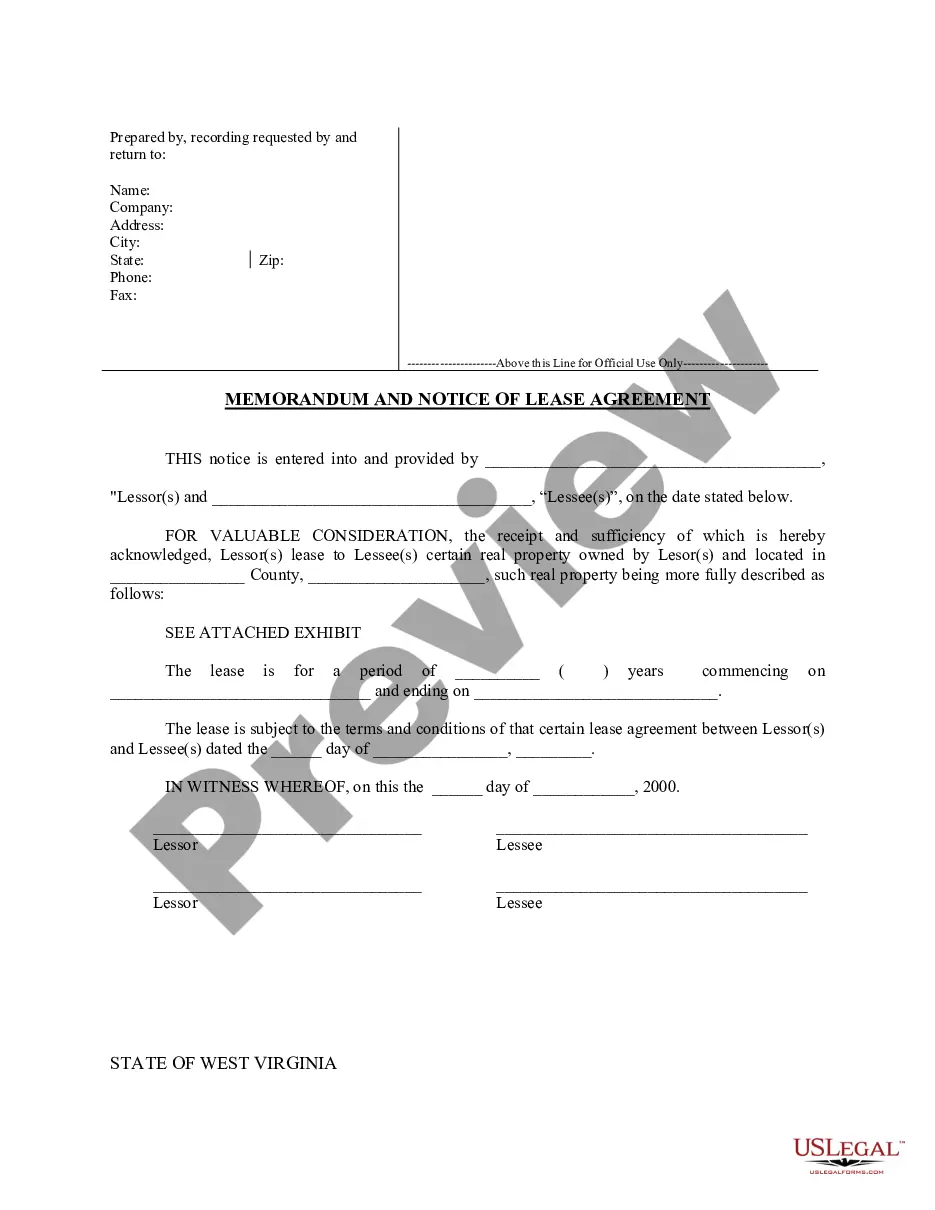
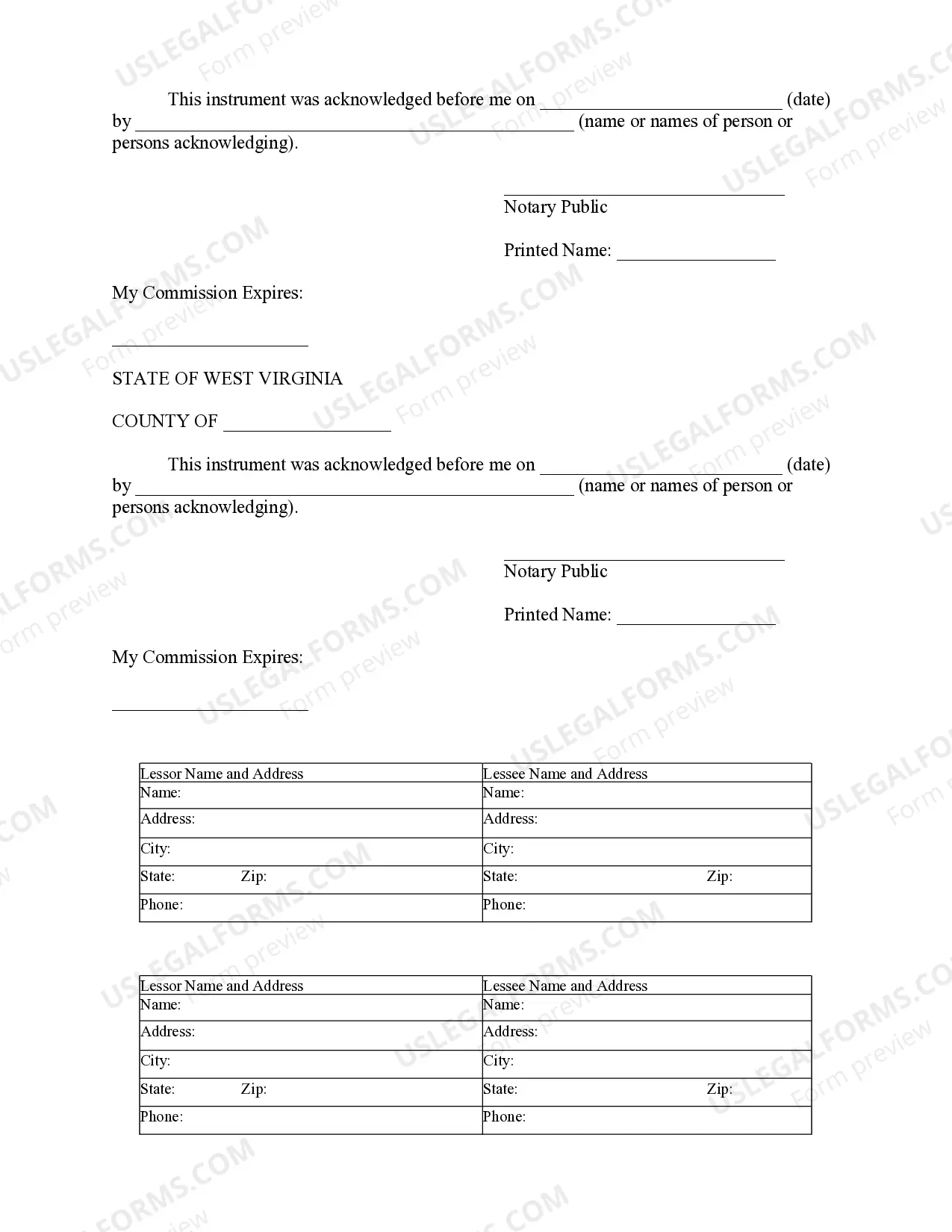
How to fill out West Virginia Notice Of Lease For Recording?
- Log into your US Legal Forms account. If you're new, create an account to get started.
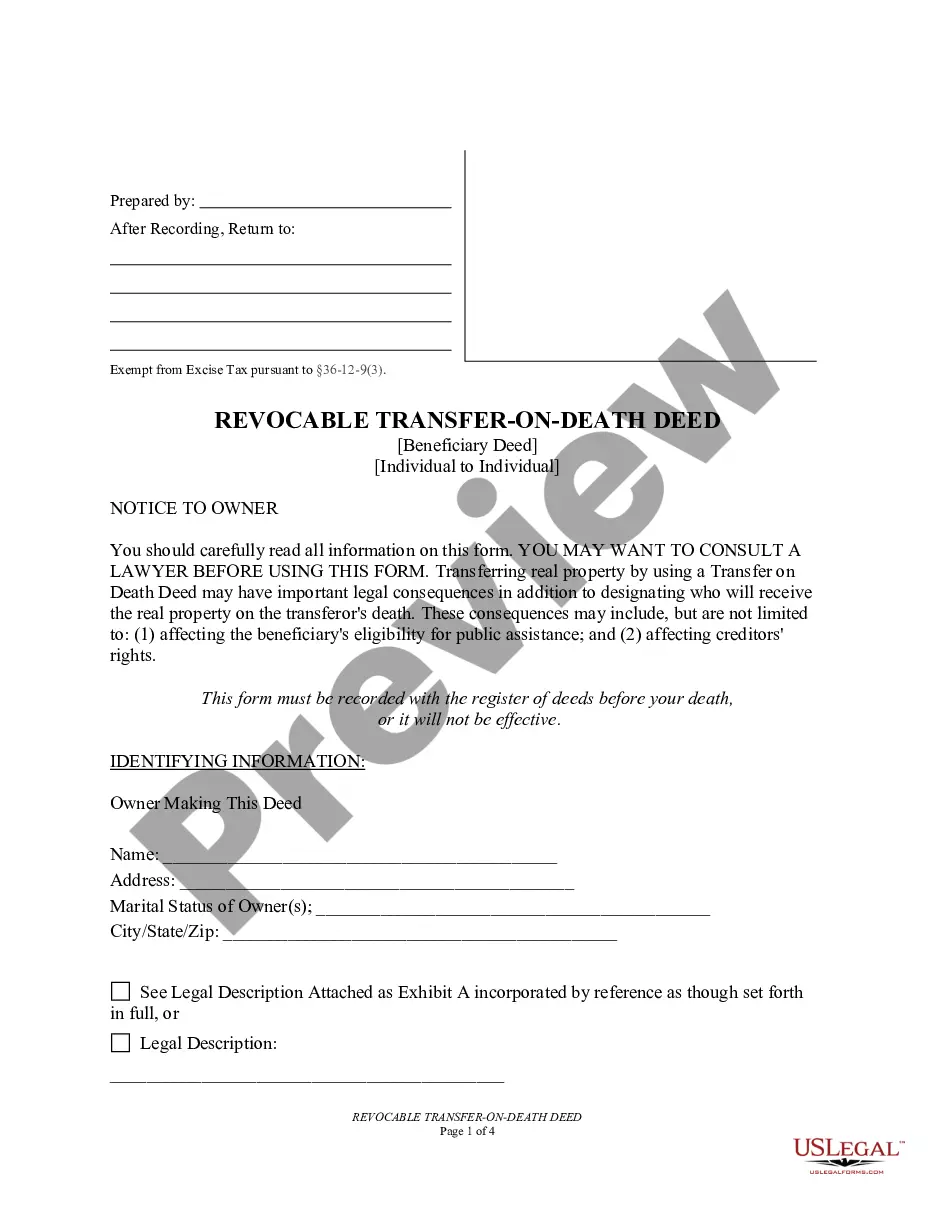
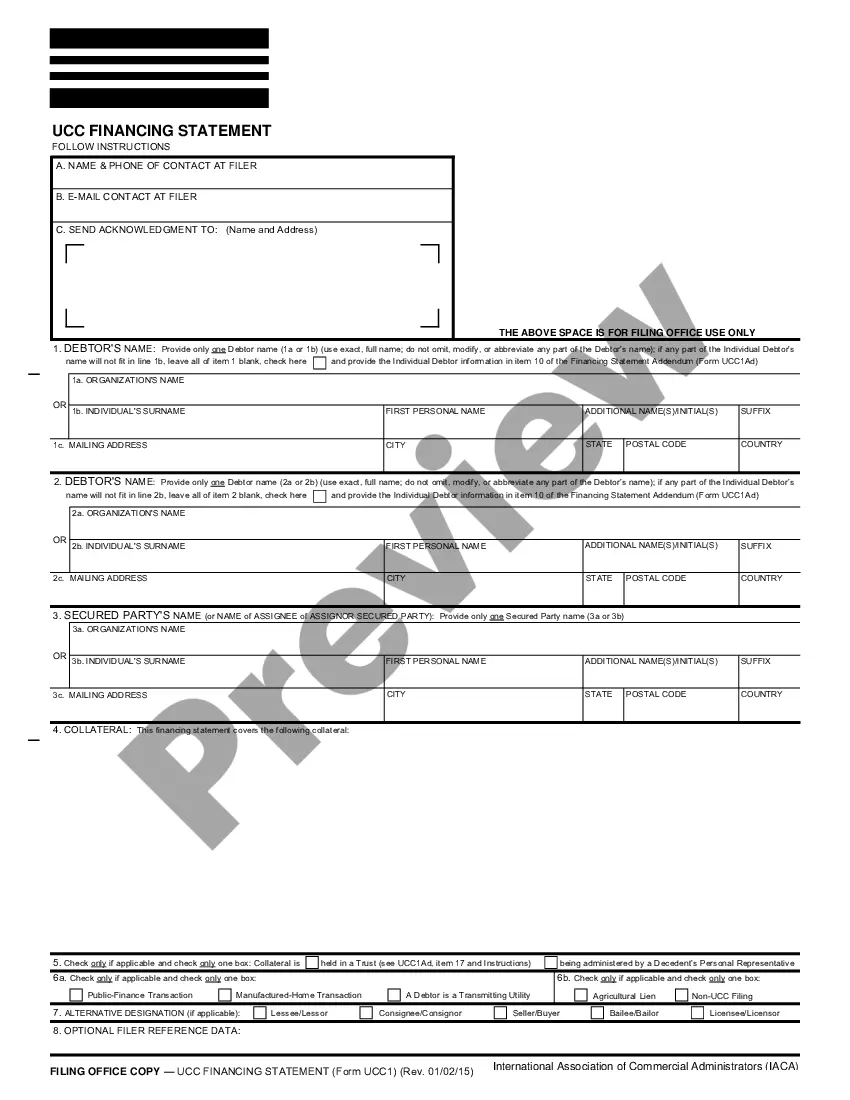
- Browse the library for West Virginia recording documents by checking the preview mode to ensure relevance.
- Use the Search tab if you need alternative forms; finding the right one is essential for compliance.
- Select the document you need and click the 'Buy Now' button. Choose your preferred subscription plan.
- Complete your purchase by entering your payment details through credit card or PayPal.
- Download the form to your device. Access it anytime from the 'My Forms' menu in your profile.
US Legal Forms empowers users not only with a vast selection of legal documents but also access to premium experts who can assist with form completion. This guarantees that your documents are correct and legally compliant.
Start your journey today by visiting US Legal Forms and unlocking your access to legal efficiency. Don't hesitate—utilize our resources for seamless form completion!
Form popularity
FAQ
In West Virginia, the most commonly used deed is the warranty deed. This type of deed guarantees the property title is clear and the seller has the right to sell it. Understanding the nuances of different deeds is important for effective West Virginia recording for the state, and resources like USLegalForms can assist with comprehensive information.
Filling out a West Virginia title requires careful attention to detail. You must include the seller's and buyer's names, the property's legal description, and any applicable signatures. Utilizing a service like USLegalForms can simplify this process by providing templates and guidance tailored to West Virginia recording for the state.
Yes, West Virginia is a two-party recording state. This means that both parties involved in a transaction must consent to the recording of the document. For those navigating the West Virginia recording for the state, understanding this requirement is crucial to ensure clear title and property rights.
West Virginia is known as a one-party consent state. This means that only one party needs to consent to a recording, which simplifies the process in many situations. However, it's critical to be aware of the boundaries and respect privacy. For comprehensive insights about West Virginia recording for the state, consider referring to legal resources that clarify these laws.
Yes, it is illegal to record someone without their knowledge or consent in West Virginia. This prohibition is part of the state's law on privacy and recording conversations. If you believe a violation has occurred, it might be worth investigating your legal options or contacting experts in West Virginia recording for the state to guide you.
The public record law in West Virginia governs access to government information, ensuring transparency and accountability. This law allows residents to request various documents, including meeting minutes and public safety records. Understanding West Virginia recording for the state can help you make informed requests about the information you seek.
Yes, criminal records in West Virginia are generally considered public documents. This means that individuals can request access to specific criminal records, subject to certain limitations. If you need assistance navigating these records, UsLegalForms can provide resources tailored to West Virginia recording for the state.
Several states have open records laws, allowing the public access to certain government documents. West Virginia has its own set of rules governing public access to records. You can learn more about these stipulations by exploring resources dedicated to understanding West Virginia recording for the state. Engaging with legal services can also provide clarity.
In West Virginia, it is illegal for someone to record a conversation without the consent of at least one party involved. This means that if you and the other party do not agree to the recording, they are breaking the law. If you suspect this has happened to you, consider reaching out to a legal professional for guidance on West Virginia recording for the state.
Yes, you can sue someone for recording you without your permission in West Virginia. The law in West Virginia requires the consent of at least one party for recordings to be legal. If someone violates this law, you have the right to seek damages. It is advisable to consult with a legal expert to understand your options.