Terminate File
Description
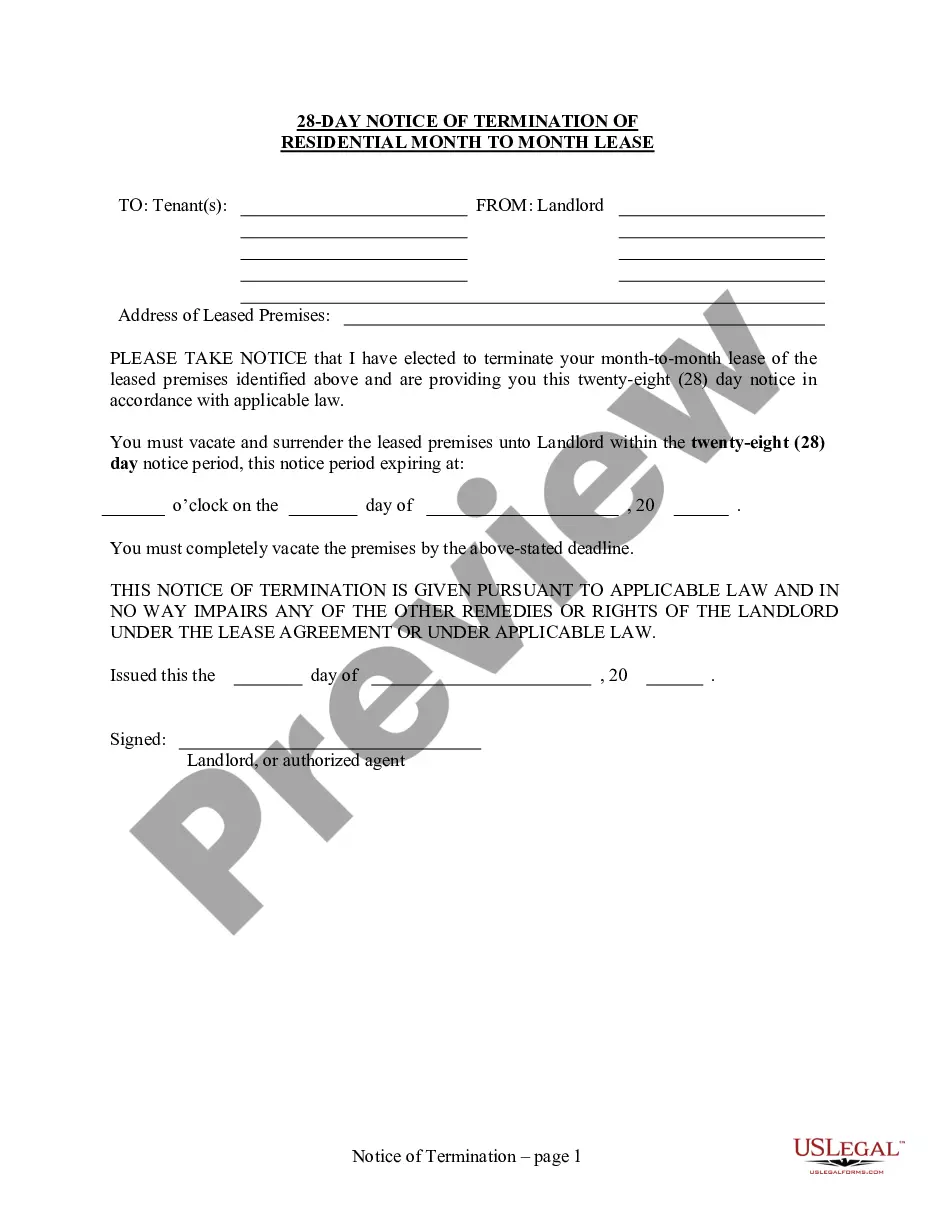
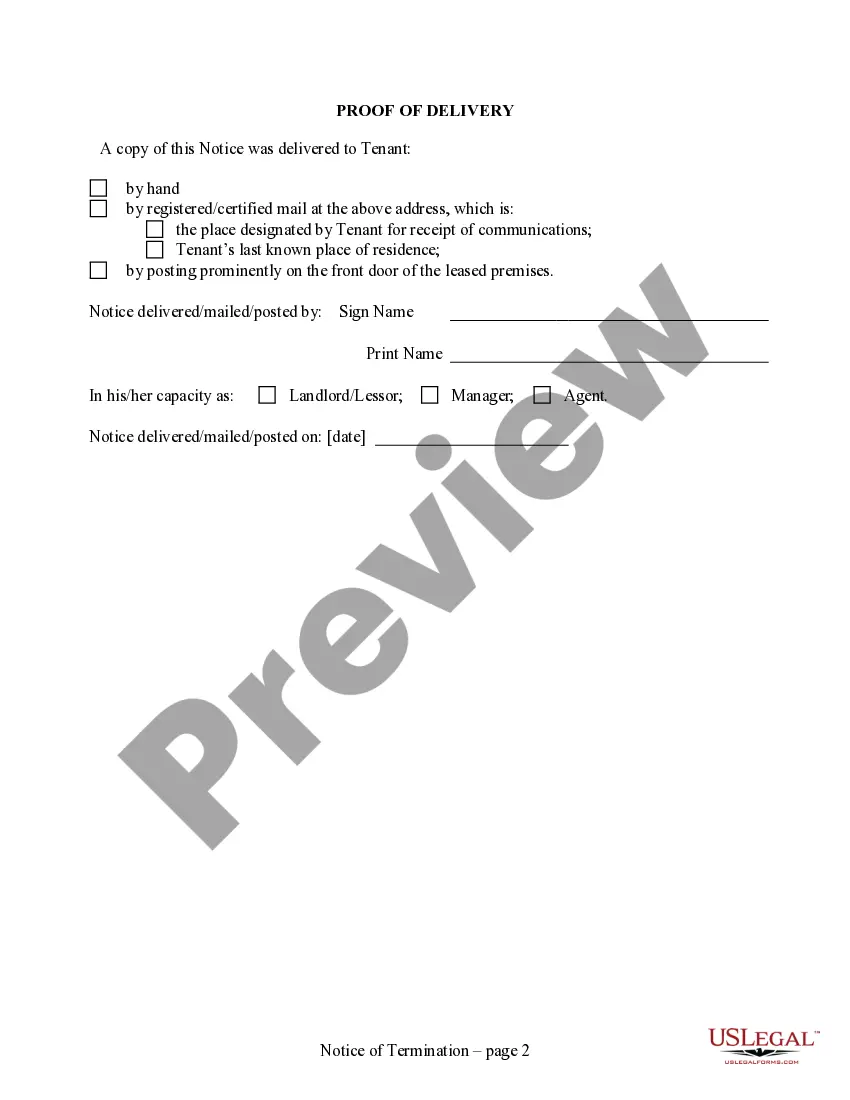
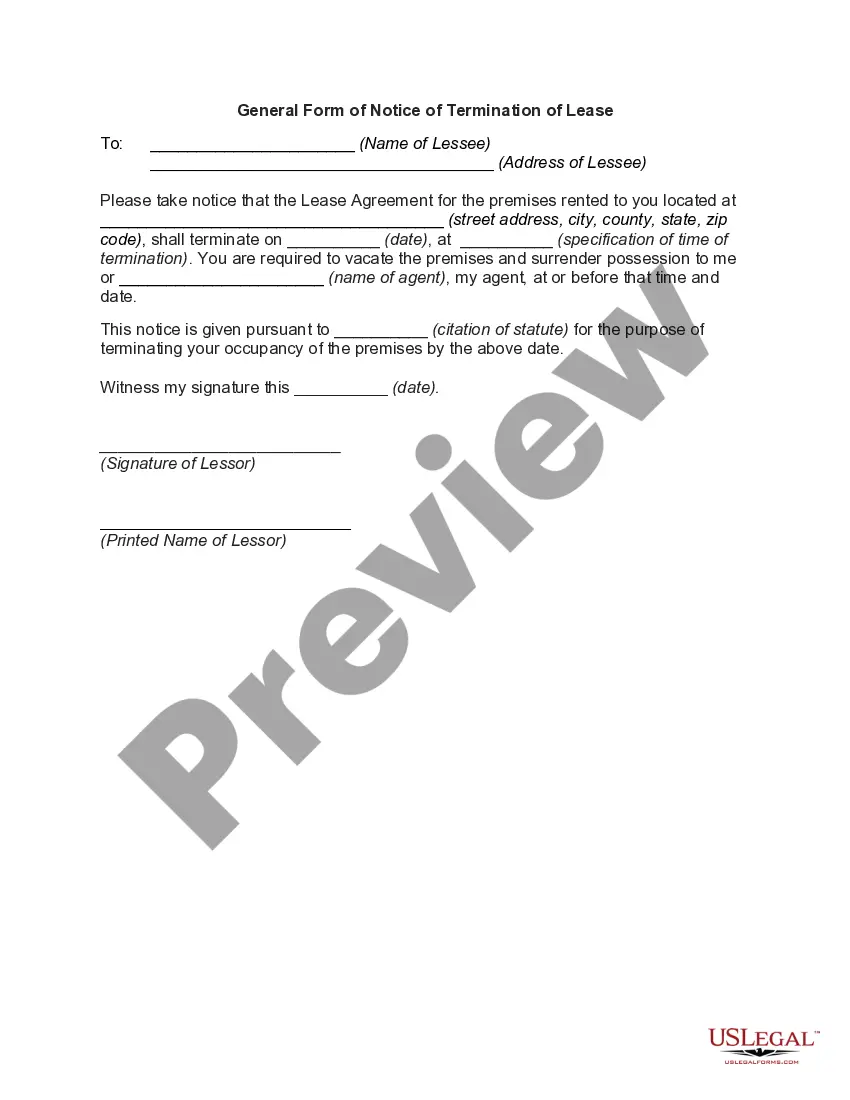

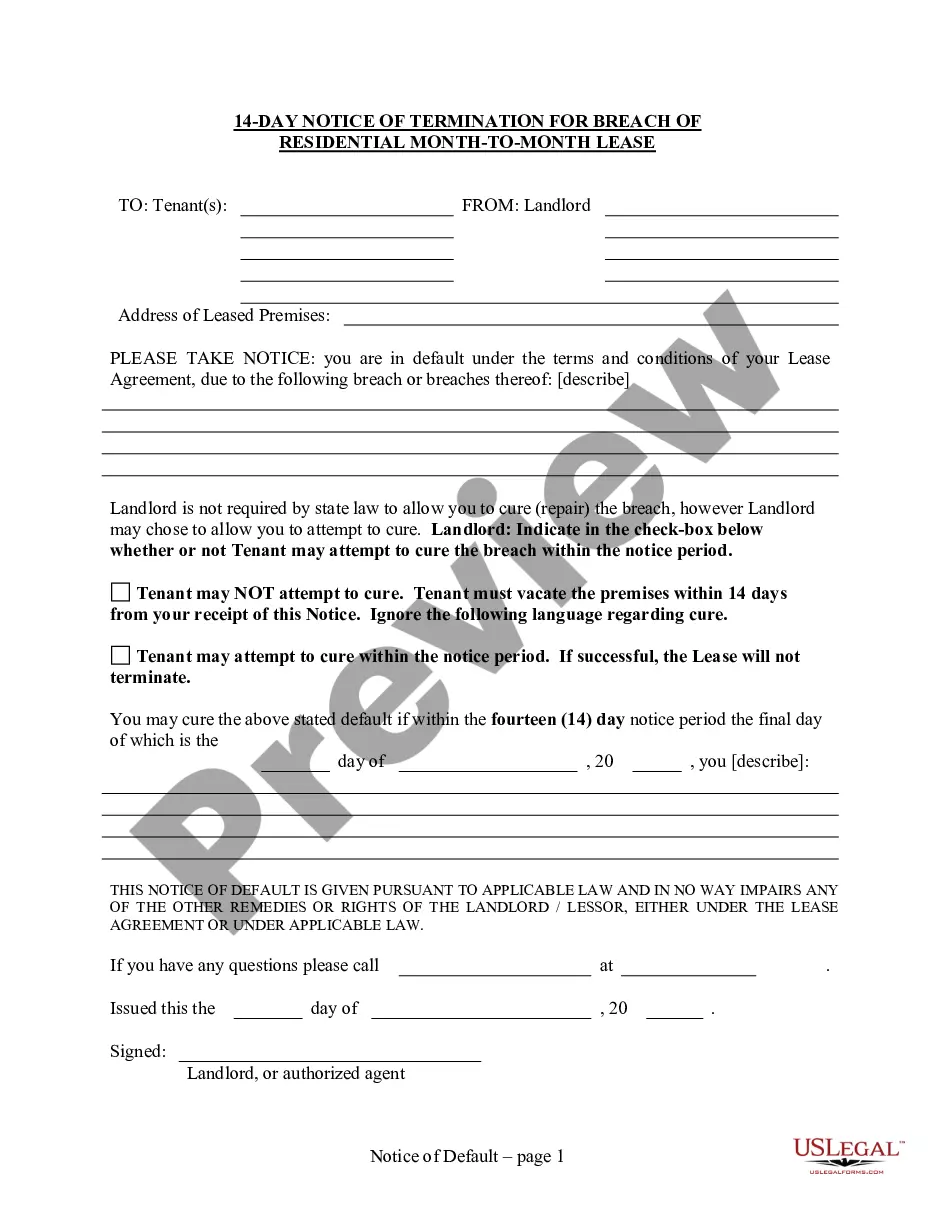
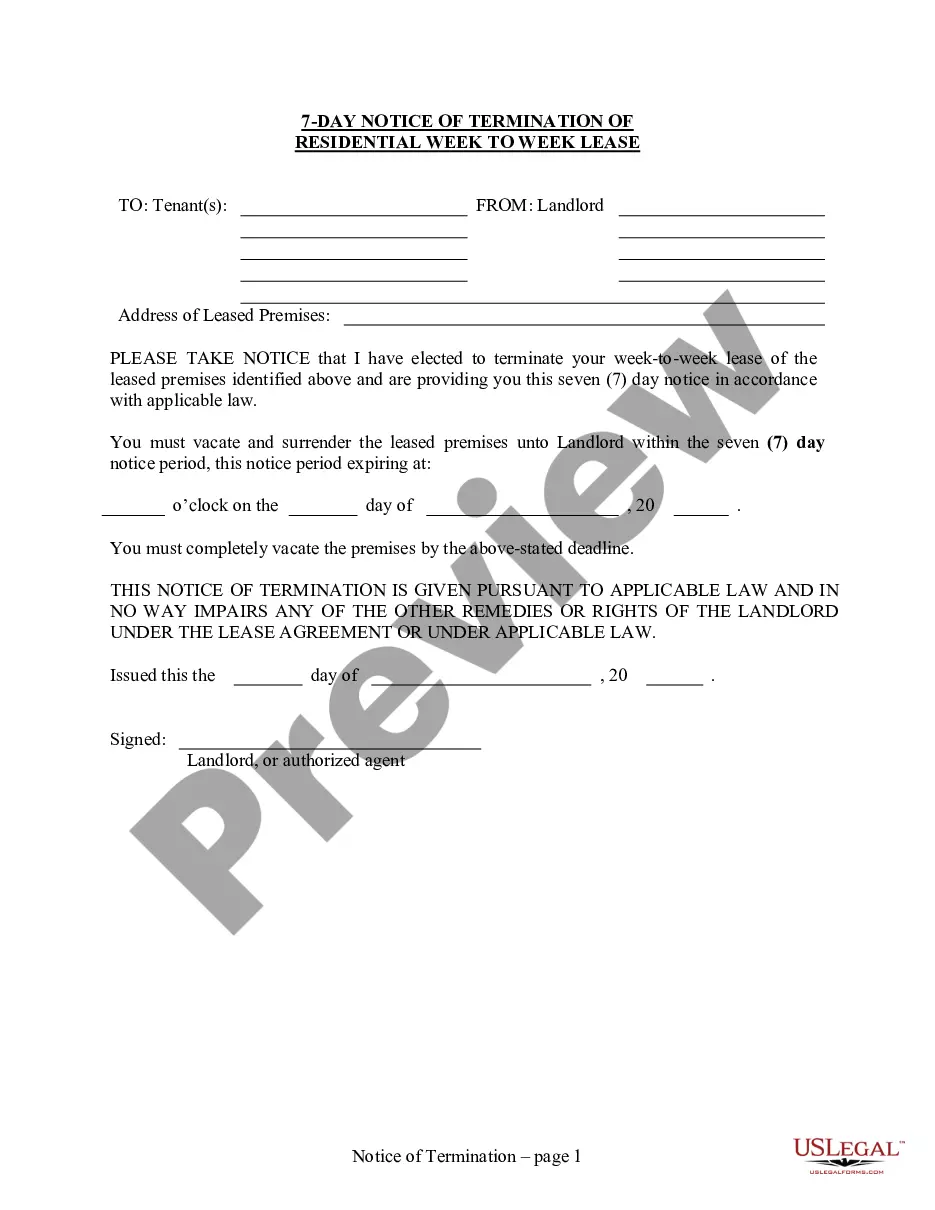
Get your form ready online
Our built-in tools help you complete, sign, share, and store your documents in one place.
Make edits, fill in missing information, and update formatting in US Legal Forms—just like you would in MS Word.
Download a copy, print it, send it by email, or mail it via USPS—whatever works best for your next step.
Sign and collect signatures with our SignNow integration. Send to multiple recipients, set reminders, and more. Go Premium to unlock E-Sign.
If this form requires notarization, complete it online through a secure video call—no need to meet a notary in person or wait for an appointment.
We protect your documents and personal data by following strict security and privacy standards.

Make edits, fill in missing information, and update formatting in US Legal Forms—just like you would in MS Word.

Download a copy, print it, send it by email, or mail it via USPS—whatever works best for your next step.

Sign and collect signatures with our SignNow integration. Send to multiple recipients, set reminders, and more. Go Premium to unlock E-Sign.

If this form requires notarization, complete it online through a secure video call—no need to meet a notary in person or wait for an appointment.

We protect your documents and personal data by following strict security and privacy standards.
Looking for another form?

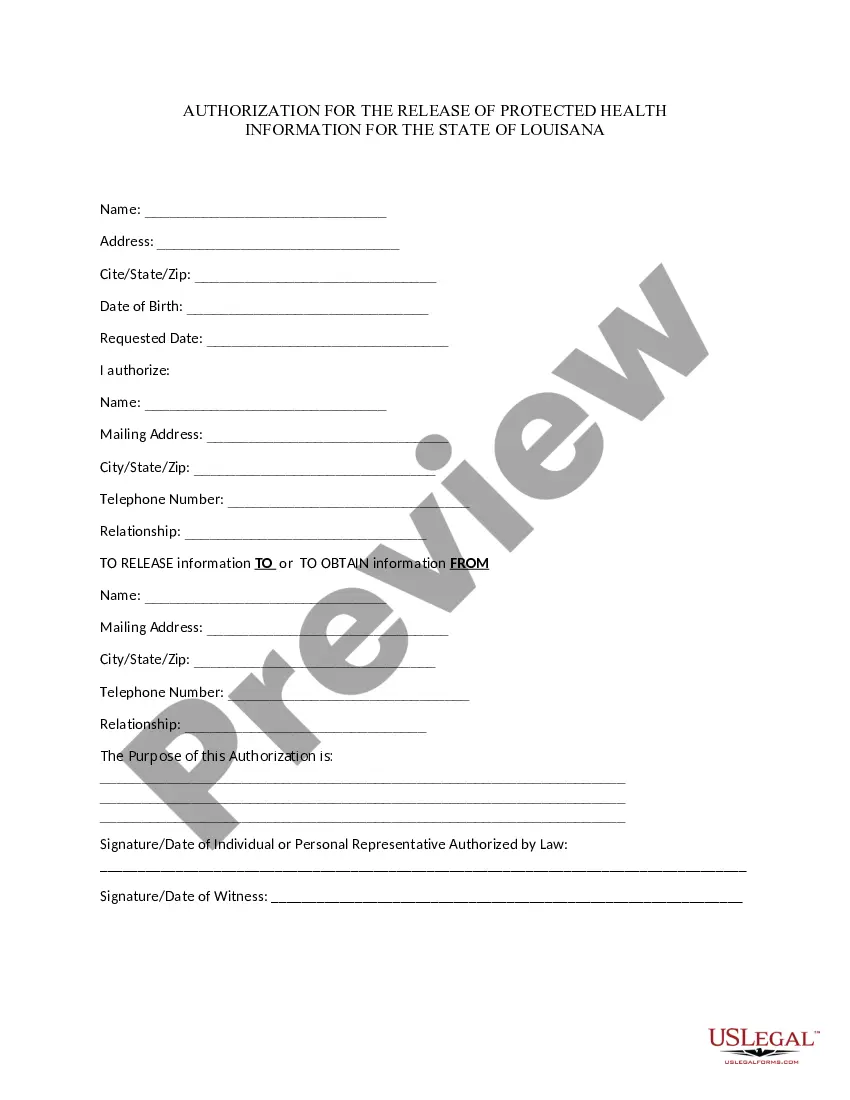
How to fill out Wisconsin 28 Day Notice To Terminate Month To Month Lease - No Right To Cure - Residential?
- If you are an existing user, log in to your account, ensuring your subscription is active. Click the Download button to retrieve the necessary form template onto your device.
- Exploring for the first time? Start by checking the Preview mode and the description of the forms. Ensure the one you select aligns with your requirements and adheres to your local jurisdiction.
- If the current form is not suitable, utilize the Search tab above to find the correct template. This ensures you have the right documentation at your disposal.
- To acquire the form, click the Buy Now button and select your preferred subscription plan. Keep in mind that registration is necessary for accessing our extensive library.
- Complete your purchase by entering your credit card information or using your PayPal account to finalize your subscription.
- Download the finalized document and save it to your device. You can access it later through the My Forms section in your profile.
In conclusion, US Legal Forms simplifies the process of terminating files by providing an extensive online library and expert assistance. Don't let legal formalities overwhelm you; embrace the convenience and accuracy of our services.
Get started today and experience the ease of managing your legal documents with US Legal Forms!
Form popularity
FAQ
Exiting a file on your computer can be easily managed through the application you used to open it. Often, you can click 'File', then 'Close', or simply click the 'X' at the top right of the window. If the file does not respond, using the Task Manager to forcibly terminate the program will close the file if necessary.
Encountering an access denied message can be frustrating, but you can resolve this by running the Command Prompt with administrative privileges. Use the 'takeown' command to take ownership of the file, followed by the 'del' command to terminate it. By doing this, you ensure complete control and can successfully delete the obstinate file.
To achieve a forceful deletion of a file, try using the Command Prompt. Open it as an administrator, navigate to the directory containing the file, and use the 'del' command with the appropriate parameters. This method allows you to terminate the file swiftly and remove it completely from your system.
To terminate a file in use by another process, employ the built-in Resource Monitor. Access it through the Task Manager, identify the specific file under the 'CPU' tab, and end the associated process. Once completed, you can proceed to delete the file without restrictions.
If you need to close a file that is unresponsive, you can use the Task Manager. Simply open it by pressing Ctrl + Shift + Esc, locate the file or application, and select 'End Task'. This process effectively terminates the file operation and allows you to start over.
Removing all traces of deleted files requires using secure deletion tools that overwrite file information. These tools specialize in eliminating any remaining data beyond recovery, effectively ensuring no traces remain. For reliable solutions tailored to your needs, explore the offerings from US Legal Forms.
To force a file to close, you can use system management tools like Task Manager or Terminal commands. Identify the application using the file, then terminate it directly. This action prevents any further changes to that file, allowing you to manage your workspace effectively.
A file ending is commonly referred to as a file extension. This suffix indicates the file type and helps the operating system to recognize how to manage it. Knowing a file's extension can guide you in determining how to effectively terminate the file.
To completely destroy a file, you need to use file shredding software that encrypts and overwrites the data multiple times. This method guarantees that the file is unrecoverable. If you're unsure which tools to use, US Legal Forms offers valuable resources for secure file termination.
Recovering permanently deleted files can be quite challenging, especially after securely terminating them. However, if the files were deleted using standard methods, some recovery tools could help. It's best to know how file recovery works and seek professional assistance, ensuring the least disruption to your files.