Written Property Landlord For Mold
Description

Get your form ready online
Our built-in tools help you complete, sign, share, and store your documents in one place.
Make edits, fill in missing information, and update formatting in US Legal Forms—just like you would in MS Word.
Download a copy, print it, send it by email, or mail it via USPS—whatever works best for your next step.
Sign and collect signatures with our SignNow integration. Send to multiple recipients, set reminders, and more. Go Premium to unlock E-Sign.
If this form requires notarization, complete it online through a secure video call—no need to meet a notary in person or wait for an appointment.
We protect your documents and personal data by following strict security and privacy standards.

Make edits, fill in missing information, and update formatting in US Legal Forms—just like you would in MS Word.

Download a copy, print it, send it by email, or mail it via USPS—whatever works best for your next step.

Sign and collect signatures with our SignNow integration. Send to multiple recipients, set reminders, and more. Go Premium to unlock E-Sign.

If this form requires notarization, complete it online through a secure video call—no need to meet a notary in person or wait for an appointment.

We protect your documents and personal data by following strict security and privacy standards.
Looking for another form?


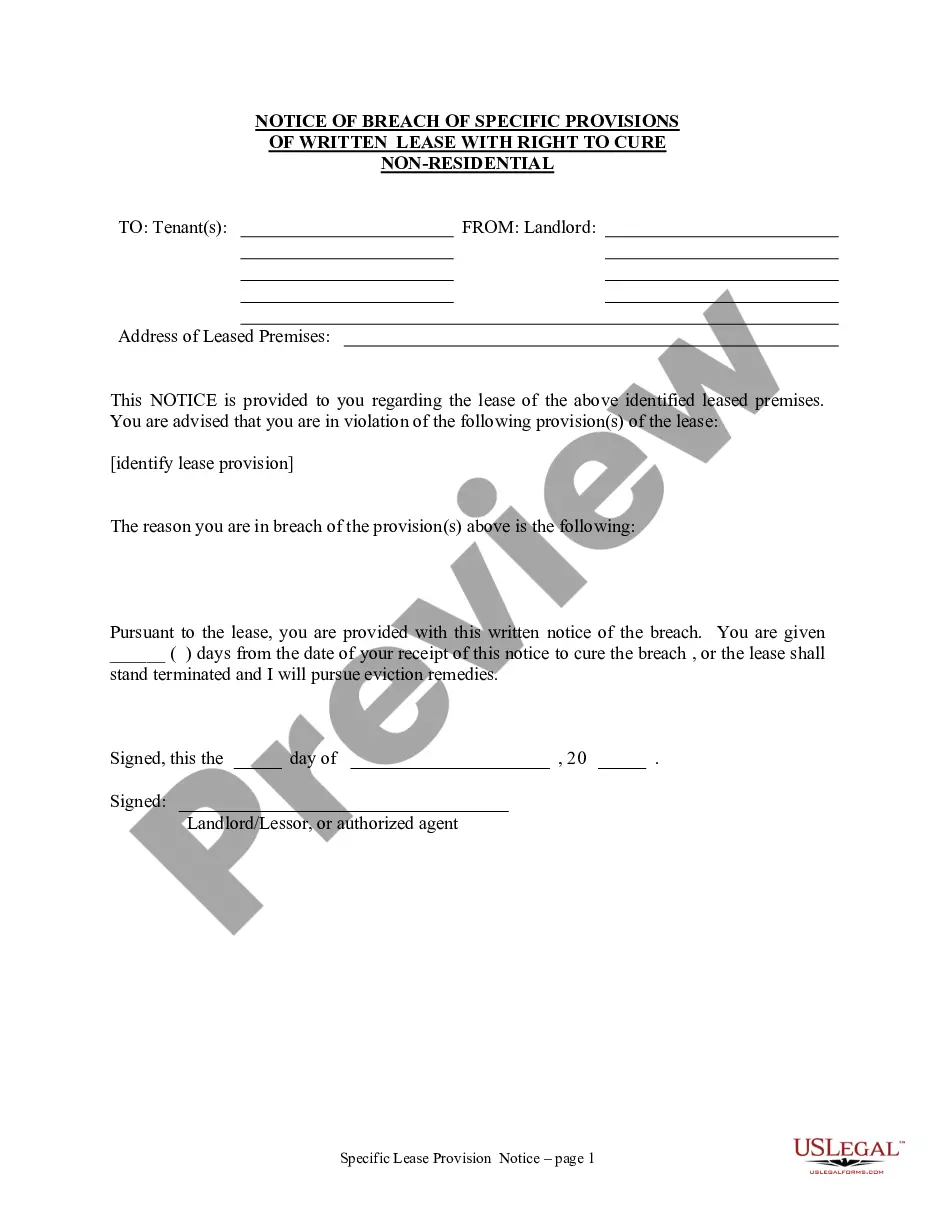
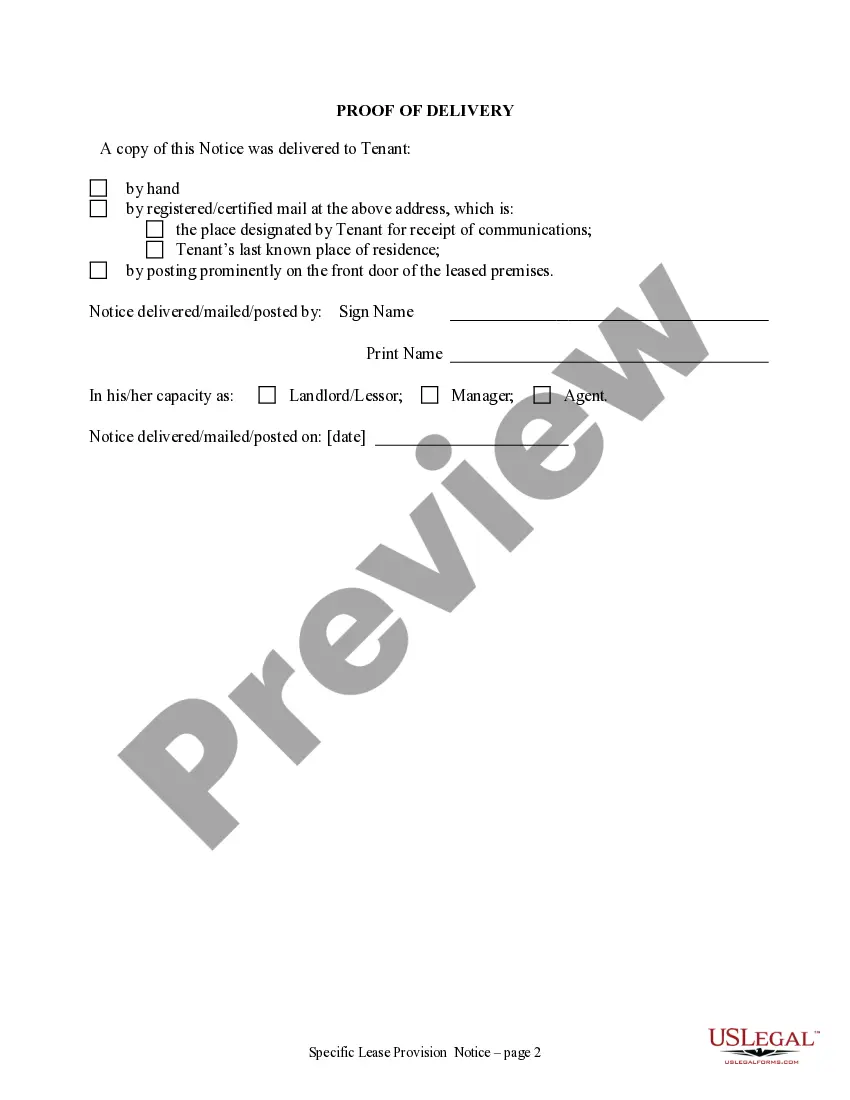
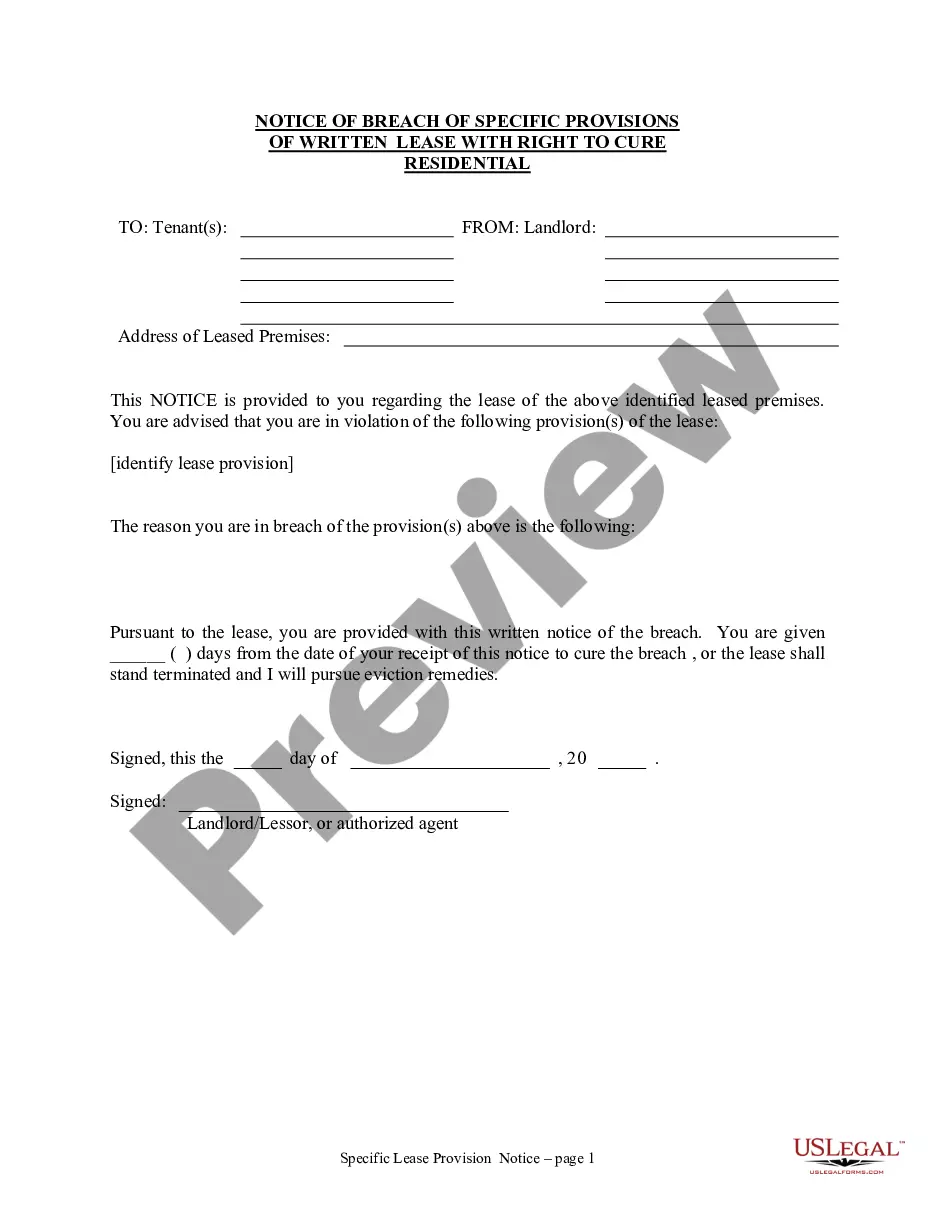
How to fill out Washington Notice Of Breach Of Written Lease For Violating Specific Provisions Of Lease With Right To Cure For Nonresidential Property From Landlord To Tenant?
- If you are a returning user, log in to your account and access your existing templates. Check your subscription status and renew if necessary.
- For first-time users, click on the US Legal Forms website and use the search function to find the written property landlord for mold template. Verify that it matches your local laws by reviewing the Preview mode and the form description.
- If additional templates are required, utilize the search bar again to find the most suitable documents for your situation.
- Proceed to purchase your chosen document by clicking the Buy Now button and selecting your preferred subscription plan. You must create an account to access all resources.
- Complete the payment process using your credit card or PayPal account to finalize your subscription purchase.
- Download your document directly to your device. You can find it later in the My Forms section of your profile. Make sure to complete the form according to your needs.
By following these straightforward steps, you will successfully navigate the legal documentation process and ensure that you have the proper written property landlord for mold in place. US Legal Forms not only offers a robust selection of forms but also connects you with premium experts, making the form completion process smooth and reliable.
Don't wait any longer—start using US Legal Forms today to manage your legal documents effectively!
Form popularity
FAQ
To sue your landlord for mold exposure, start by gathering evidence of the mold, your health issues, and any communications regarding repairs. Consult with a legal professional who specializes in landlord-tenant disputes, as they can assist you in filing the appropriate paperwork. Taking these steps confidently can help you build a strong case against your written property landlord for mold.
In New York State, landlords are typically required to act promptly in addressing mold issues once notified. The specific time frame may vary based on local regulations, but generally, landlords must make necessary repairs within a reasonable time. If you are facing delays, consider documenting the issue and reaching out to your written property landlord for mold to ensure timely resolution.
The amount you can sue your landlord for mold varies based on your specific situation, including damages, medical expenses, and any loss of enjoyment of the property. In many cases, you may seek compensation for out-of-pocket costs related to health issues caused by mold exposure. Ultimately, consulting with a legal expert can guide you on potential compensation from your written property landlord for mold.
Proving mold exposure often involves gathering evidence, such as photographs of the mold, personal testimonies, and medical evaluations documenting health issues. Expert assessments from mold inspectors can also support your claim, as they can measure mold levels and confirm its presence. A strong case against your written property landlord for mold requires detailed documentation of your experience and evidence of negligence.
When writing a letter to terminate your lease due to mold, clearly state the presence of mold and its impact on your health or living situation. Include your request for repairs and mention relevant local laws that support your case. Using a formal letter format can help ensure your message is taken seriously by your written property landlord for mold.
Winning a mold lawsuit can be challenging, as it often requires clear evidence linking your health issues to the mold exposure in your property. You need to demonstrate that the landlord failed to maintain the premises adequately, which contributed to the mold growth. It is beneficial to have expert testimonies, medical records, and inspection reports to strengthen your case against the written property landlord for mold.
Generally, it is safe to live in a house after proper mold remediation has been completed. Ensure that the remediation process was thorough and inspected by professionals. Following remediation, it's wise to monitor the area and keep communication open with your landlord about any signs of mold returning. Staying informed will provide you with peace of mind in your living environment.
As a renter in Kentucky, you have the right to a safe and habitable living environment. If mold is present in your home, you can notify your landlord and request remediation. Kentucky law requires landlords to address health hazards, including mold. Familiarizing yourself with your rights can help you advocate for necessary actions regarding mold issues.
When writing a letter to your landlord about mold, be specific and concise. Start by stating your concerns about mold presence and mention any visible symptoms. Use the template provided by US Legal Forms to ensure your letter covers necessary details such as the date, affected areas, and any requests for action. This written property landlord for mold letter will serve as a formal notice of your concerns.
To request a mold inspection, start by communicating directly with your landlord. Clearly express your concerns about potential mold in the property. Include any signs you've noticed, such as discoloration or musty odors. A written request is a good idea, as it provides documentation of your request for a mold inspection.