Limited Liability Company Llc Uk
Description

Get your form ready online
Our built-in tools help you complete, sign, share, and store your documents in one place.
Make edits, fill in missing information, and update formatting in US Legal Forms—just like you would in MS Word.
Download a copy, print it, send it by email, or mail it via USPS—whatever works best for your next step.
Sign and collect signatures with our SignNow integration. Send to multiple recipients, set reminders, and more. Go Premium to unlock E-Sign.
If this form requires notarization, complete it online through a secure video call—no need to meet a notary in person or wait for an appointment.
We protect your documents and personal data by following strict security and privacy standards.

Make edits, fill in missing information, and update formatting in US Legal Forms—just like you would in MS Word.

Download a copy, print it, send it by email, or mail it via USPS—whatever works best for your next step.

Sign and collect signatures with our SignNow integration. Send to multiple recipients, set reminders, and more. Go Premium to unlock E-Sign.

If this form requires notarization, complete it online through a secure video call—no need to meet a notary in person or wait for an appointment.

We protect your documents and personal data by following strict security and privacy standards.
Looking for another form?






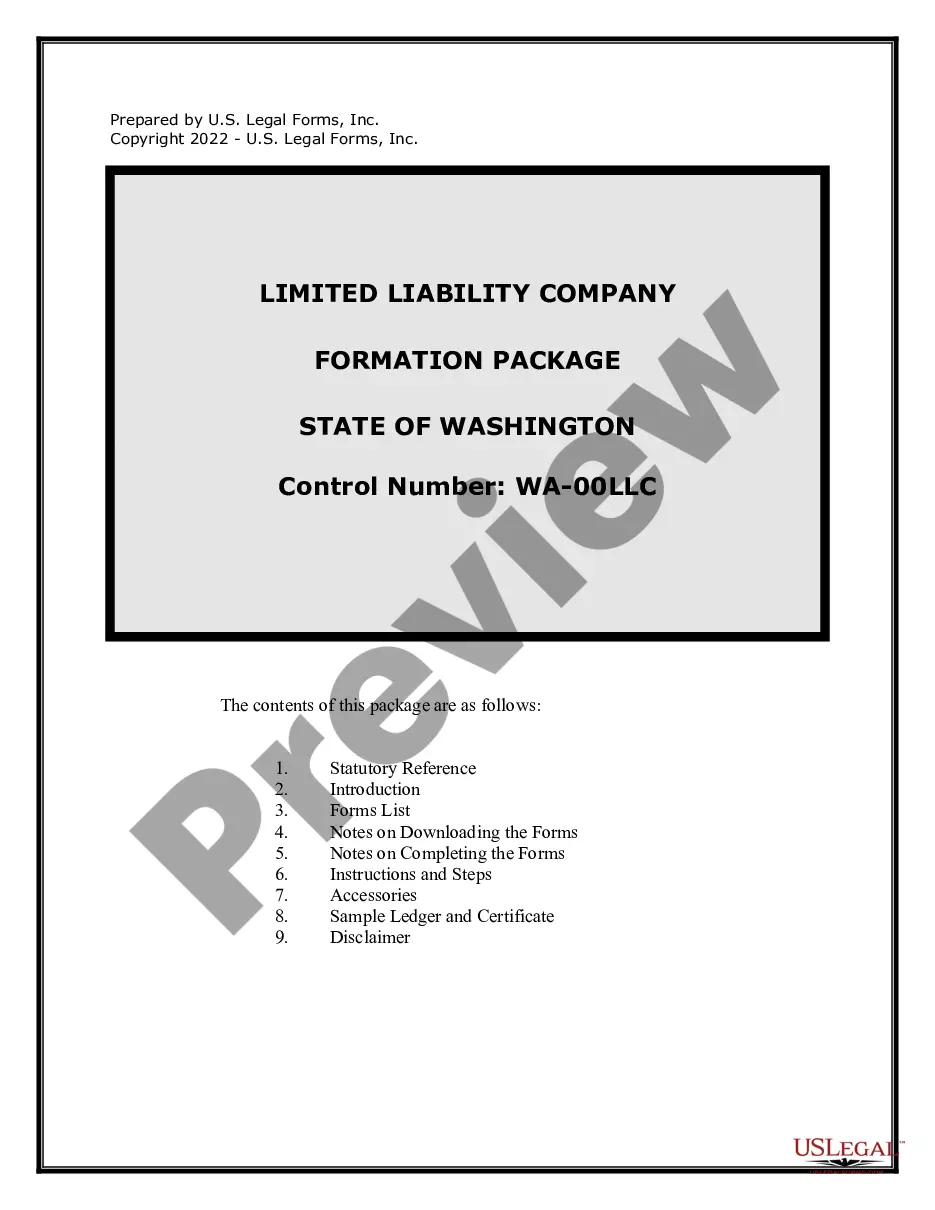
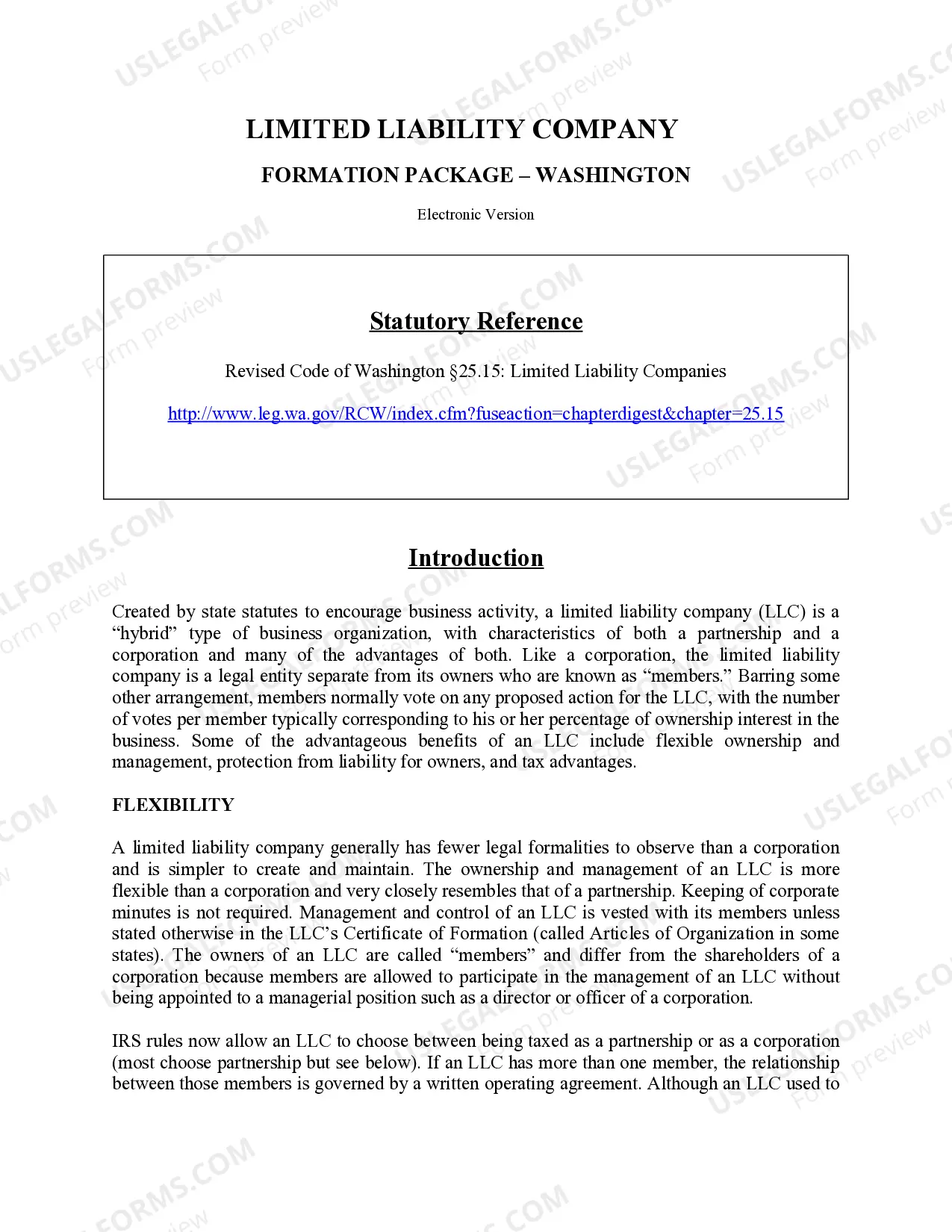
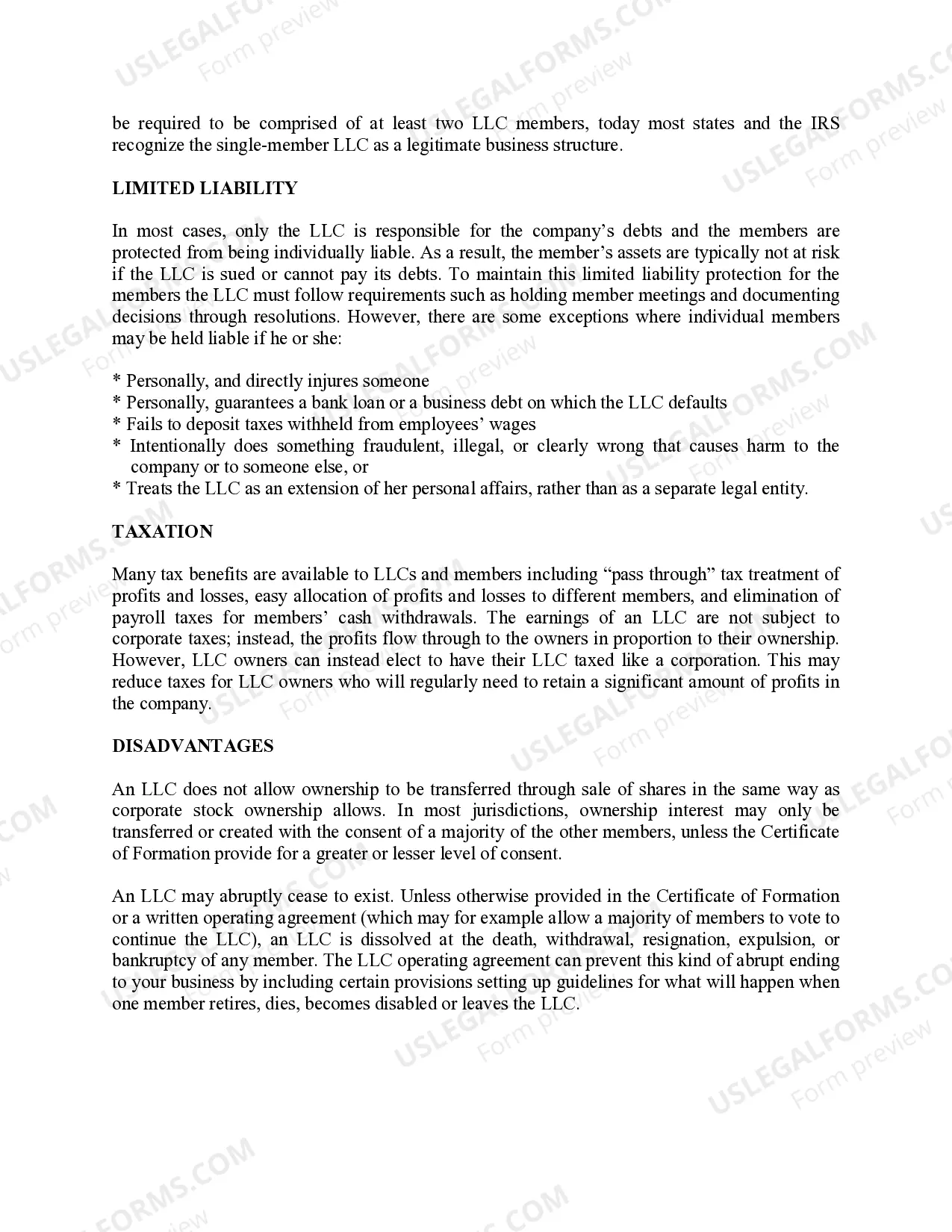
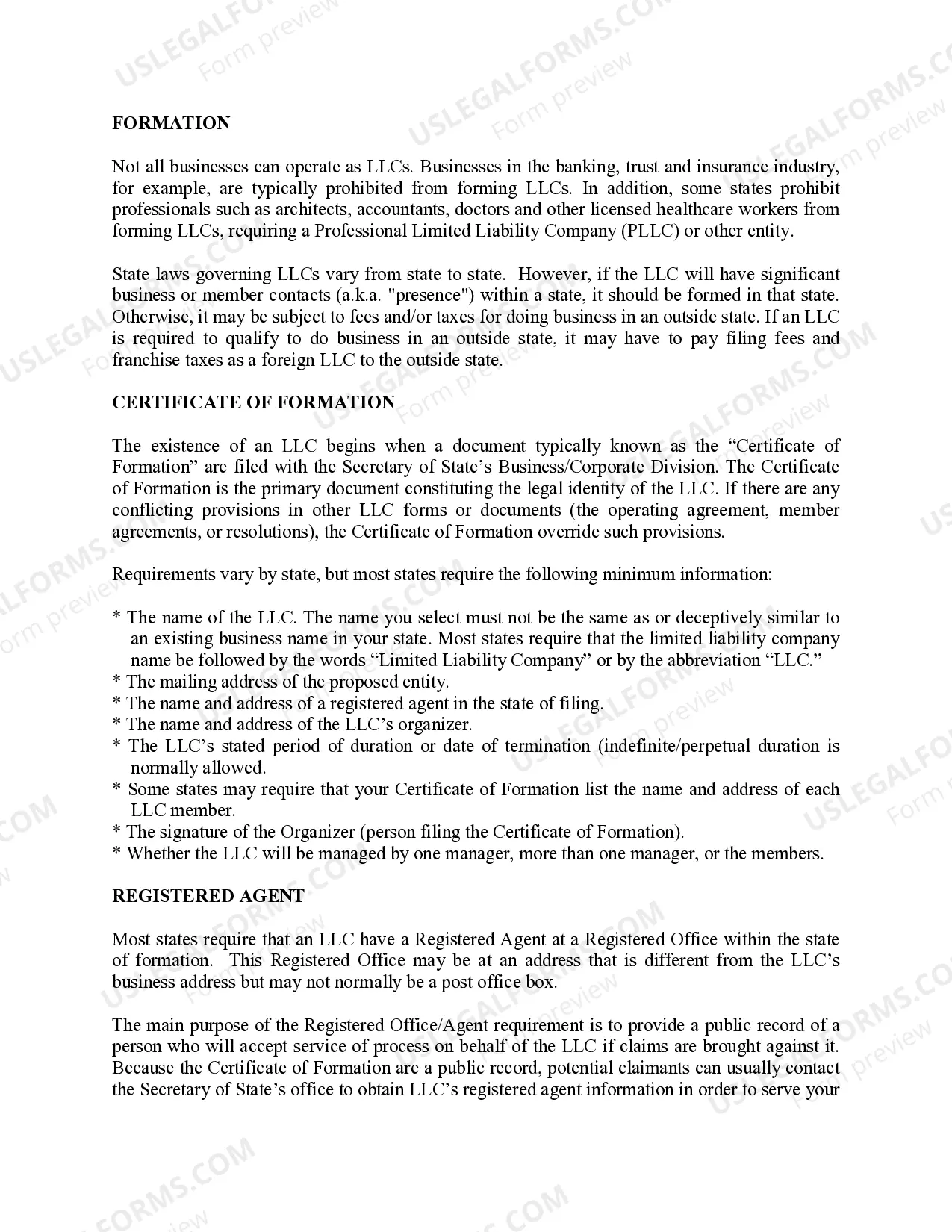
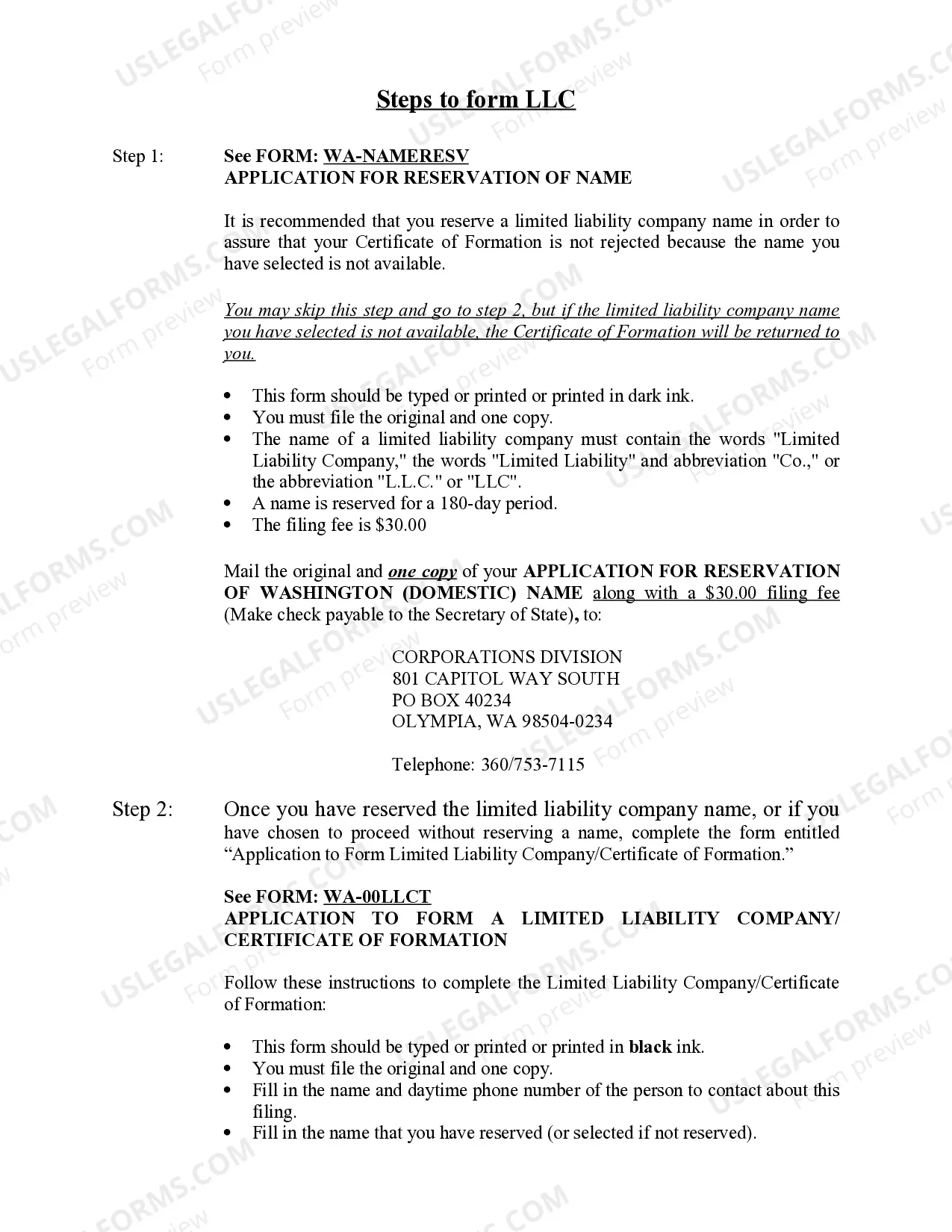
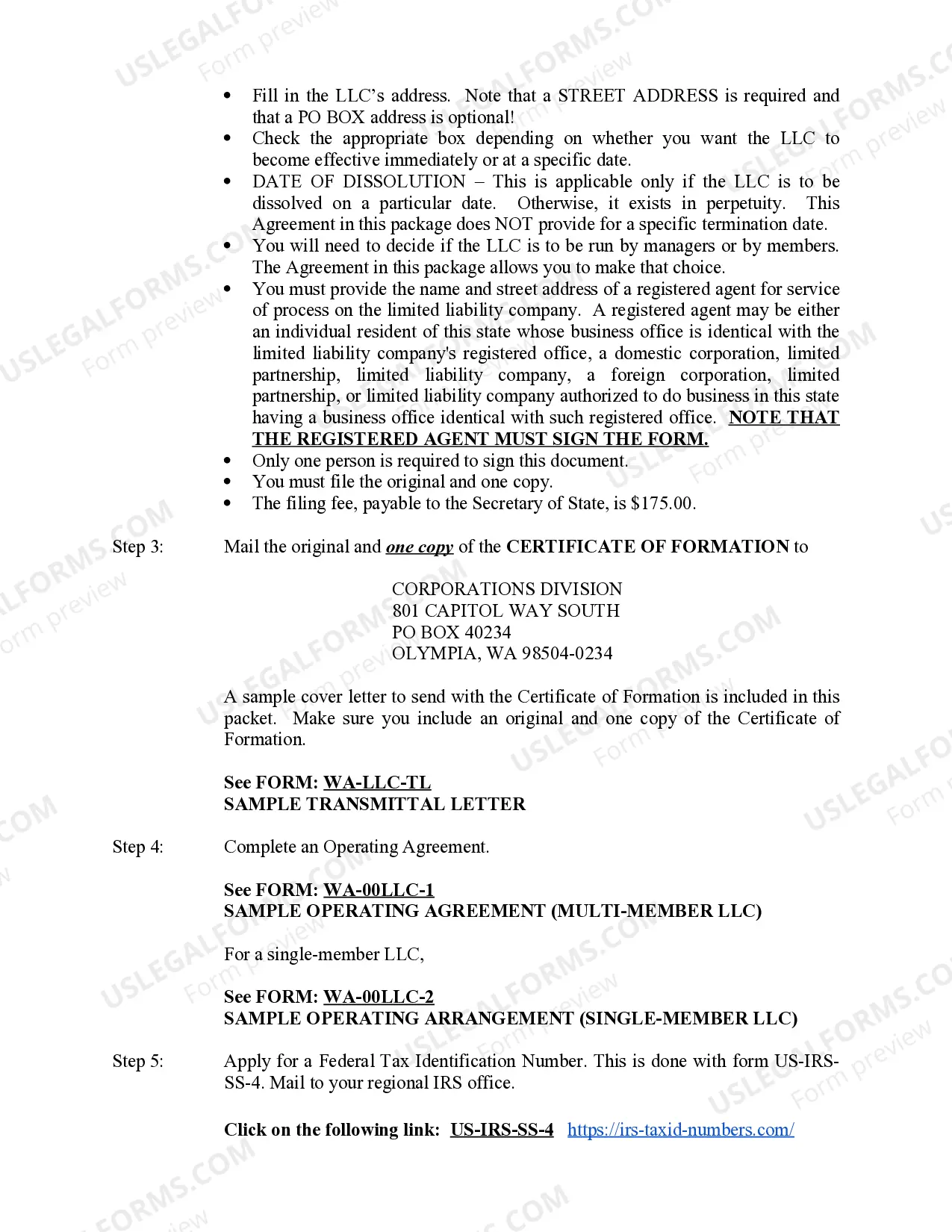
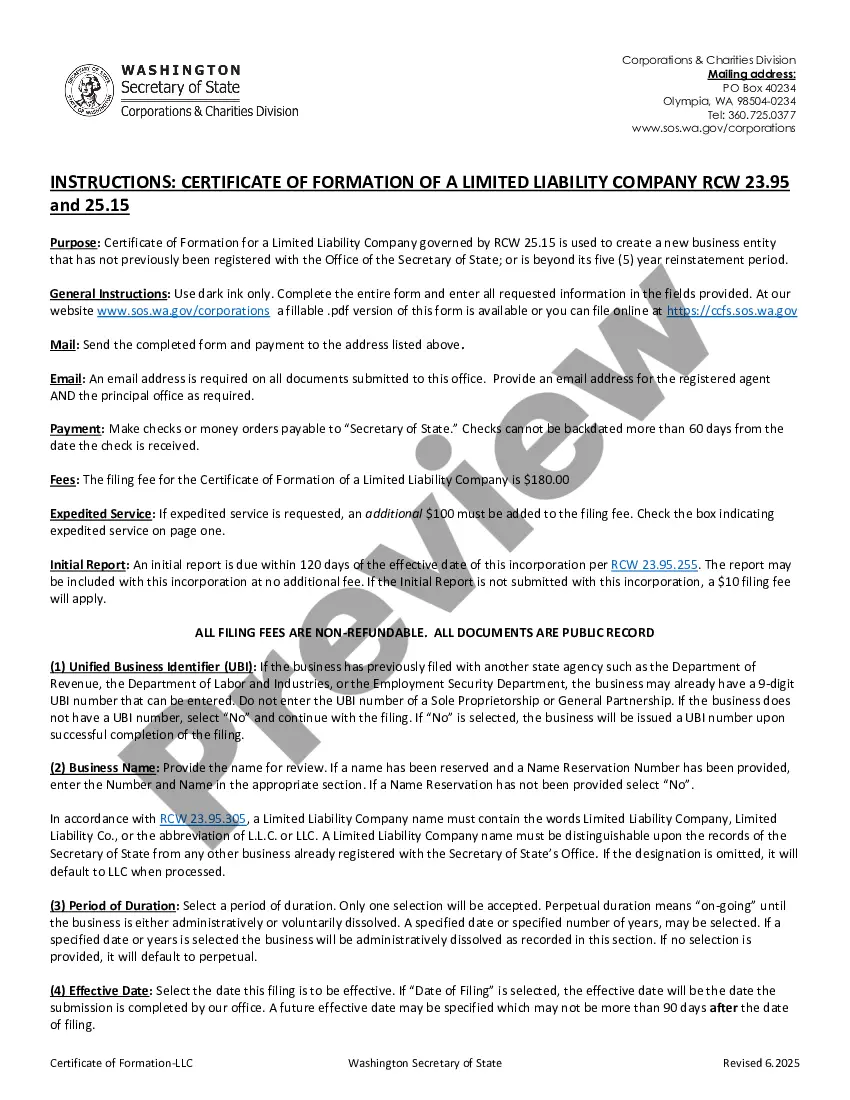
How to fill out Washington Limited Liability Company LLC Formation Package?
- Log into your US Legal Forms account if you're a returning user, and verify your subscription status to access necessary documents.
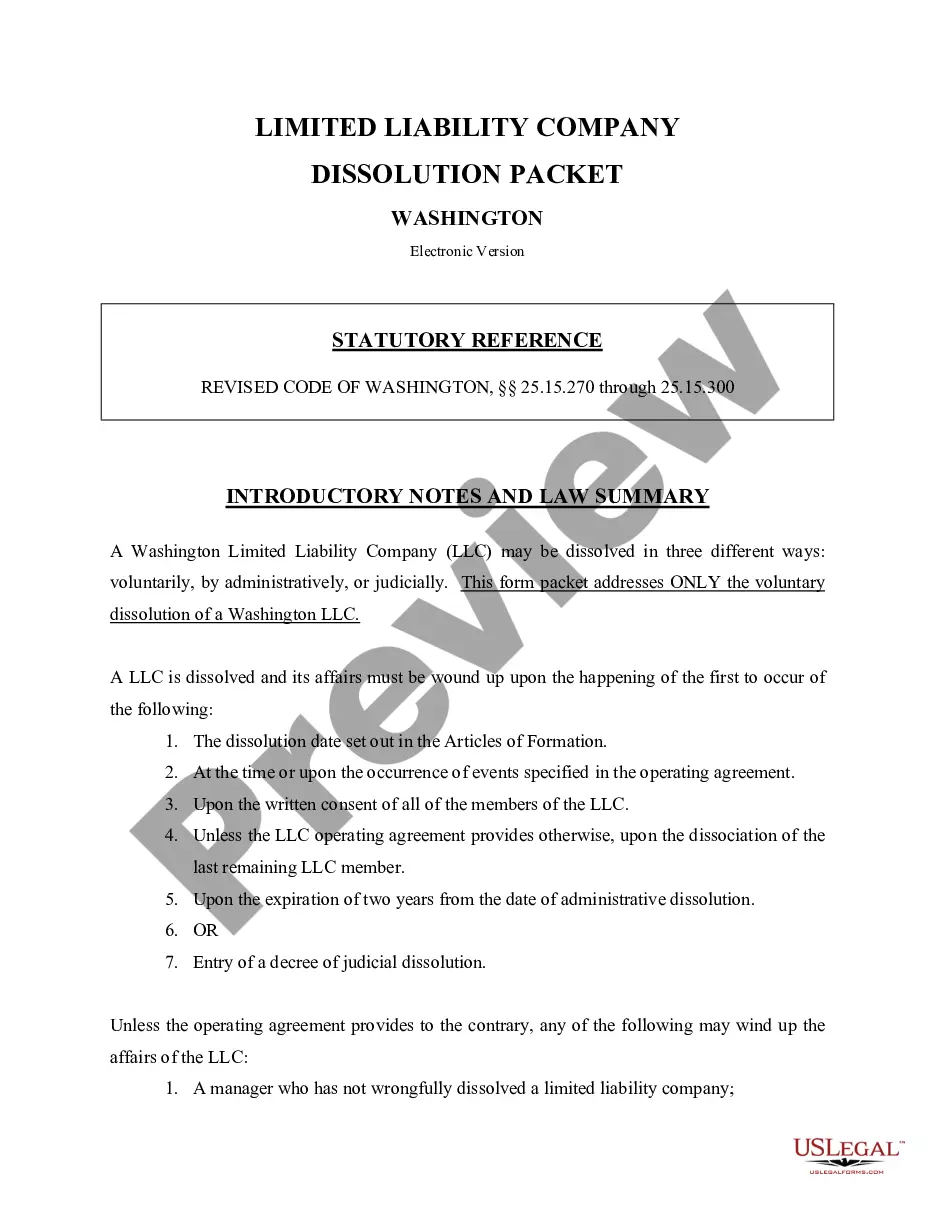
- Review the form descriptions in Preview mode to make sure you've selected the right one that aligns with your LLC requirements.
- If you notice any discrepancies or need different templates, utilize the search tab at the top to find the appropriate ones.
- Click on the Buy Now button to select your desired subscription plan, and create a user account for full access.
- Complete your purchase by entering your payment details or linking your PayPal account.
- Once purchased, download your form to your device. You can also access it any time from the My Forms section in your profile.
In conclusion, US Legal Forms equips you with the tools necessary to establish a Limited Liability Company (LLC) in the UK efficiently. With their vast collection of over 85,000 legal forms and professional guidance, you can navigate the complexities of legal documentation with ease.
Start your journey today with US Legal Forms and ensure your LLC is set up correctly!
Form popularity
FAQ
LLC should be written as either 'Limited Liability Company' or abbreviated as 'LLC' when used in business documents and registrations. This indicates the legal status of your business, providing clarity regarding personal liability protection. When utilizing the format, consistency across all documents reflects professionalism and compliance with legal standards, particularly in the context of a limited liability company in the UK.
To write a limited liability company, include the company's name followed by 'Limited Liability Company' or the abbreviation 'LLC'. For instance, 'Family Ventures Limited Liability Company' or 'Family Ventures LLC' both effectively communicate the business's legal structure. Always ensure to register the name with the appropriate authorities in the UK to confirm it is available and follows legal guidelines.
A limited liability company UK example could be 'Tech Innovations Ltd', where 'Ltd' signifies that it is a limited liability company. In this structure, the owners, also known as shareholders, enjoy limited liability protection, meaning their personal assets are safe from business debts. Choosing a limited liability company structure is beneficial for entrepreneurs looking to safeguard personal wealth while operating a business.
To write an LLC example, begin by mentioning the company's name, followed by 'Limited Liability Company' or 'LLC'. For instance, if you name your company 'Green Solutions', it should appear as 'Green Solutions Limited Liability Company' or 'Green Solutions LLC'. This format clarifies the business structure, demonstrating it as a limited liability company, which is essential for potential clients and partners.
An LLC may not be beneficial for every business owner. Owners seeking simplicity in management may find the formalities of a limited liability company in the UK cumbersome. Moreover, if profits are low, the tax implications might outweigh the benefits of limited liability. Exploring these factors can help you decide if a limited liability company (LLC) in the UK aligns with your business objectives.
Limited liability does offer protection, but it can come with drawbacks. For example, it may limit access to funding, as investors often seek personal guarantees for loans. Furthermore, owners may need to invest more to maintain the company's compliance and standing. Thus, evaluating these disadvantages is crucial when considering a limited liability company (LLC) in the UK.
Yes, a foreigner can open a limited company (LLC) in the UK, and this adds exciting opportunities. However, they must comply with local regulations, such as having a registered office in the UK and appointing at least one director. Understanding these requirements is vital, and platforms like USLegalForms can simplify the process of setting up a limited liability company (LLC) in the UK for foreign entrepreneurs.
Despite the protection offered by limited liability, there are inherent risks. For instance, if an individual acts against their fiduciary duties, they may lose the limited liability protection. Additionally, creditors may pursue personal assets if the company falls into debt. It’s essential to weigh these risks carefully when forming a limited liability company (LLC) in the UK.
One key disadvantage of a limited company in the UK is the complexity of its structure. Limited companies are subject to stricter regulatory requirements, including annual filings and audits, which can consume time and resources. Additionally, profits may be subjected to higher tax rates compared to other business structures. This can be a significant factor to consider when deciding whether a limited liability company (LLC) in the UK is the right choice.
While a limited liability company (LLC) in the UK offers benefits, some may find it not suitable for their needs. For instance, the formation and ongoing compliance requirements can be seen as cumbersome. Additionally, some individuals may prefer to maintain full control over their business without sharing responsibilities with other members. Understanding these considerations is crucial before forming a limited liability company (LLC) in the UK.