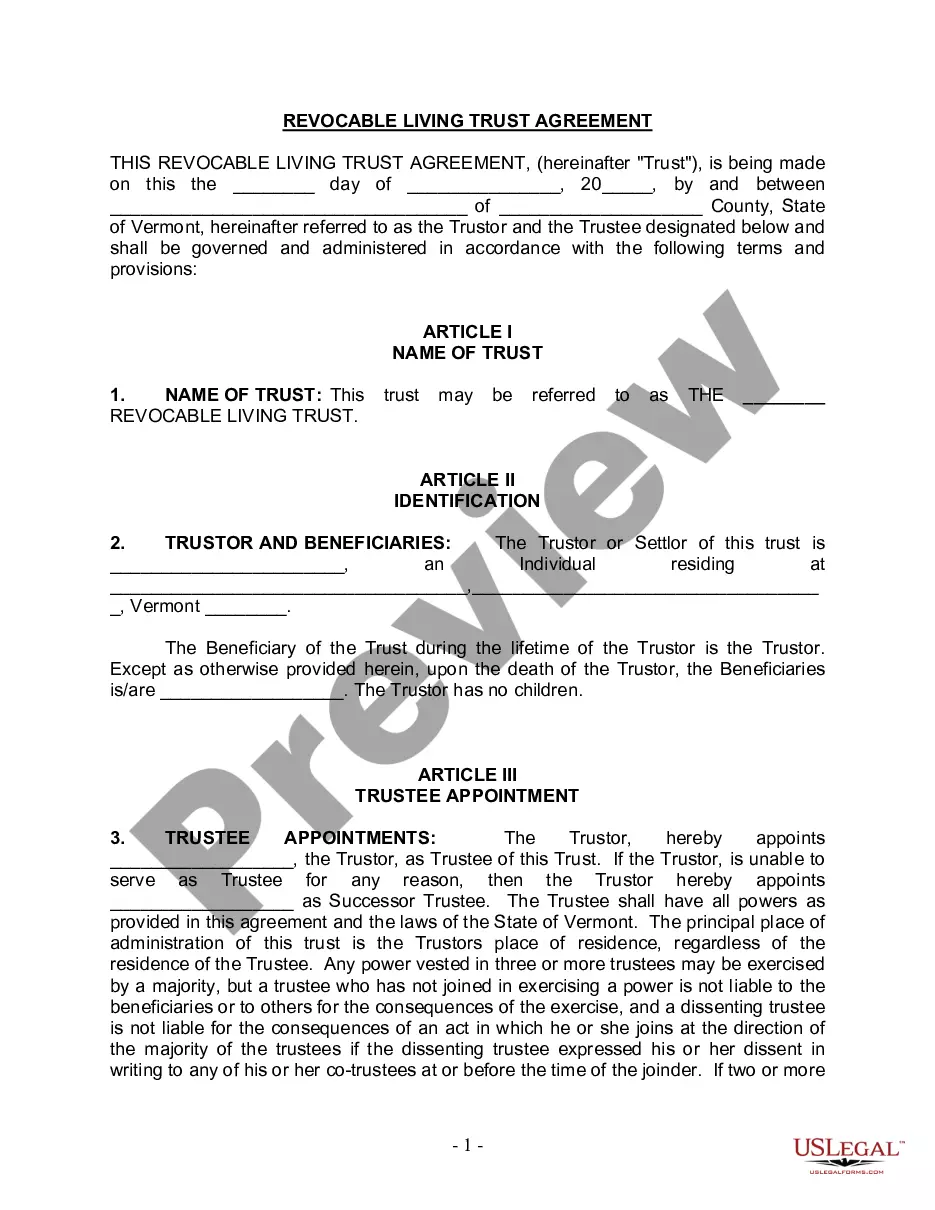
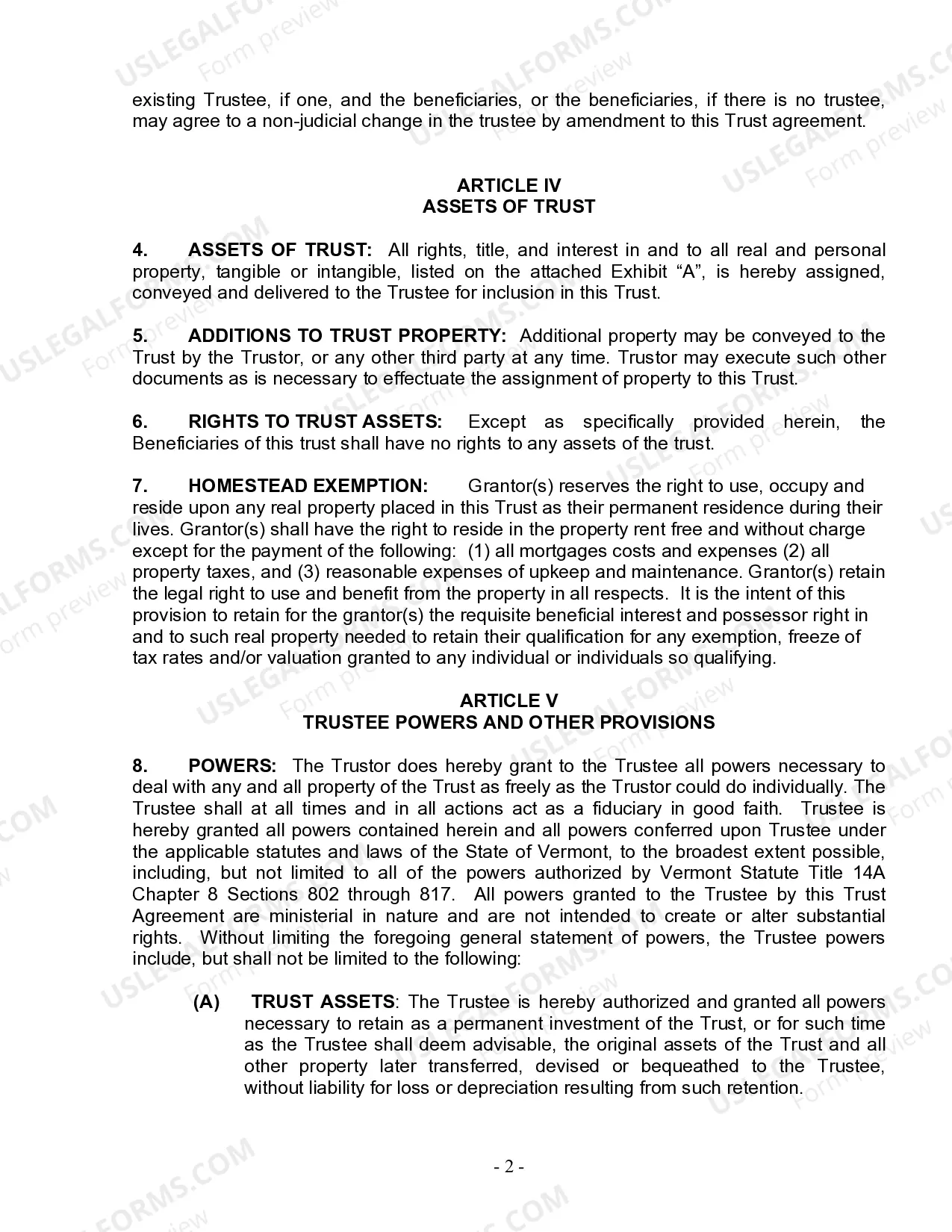
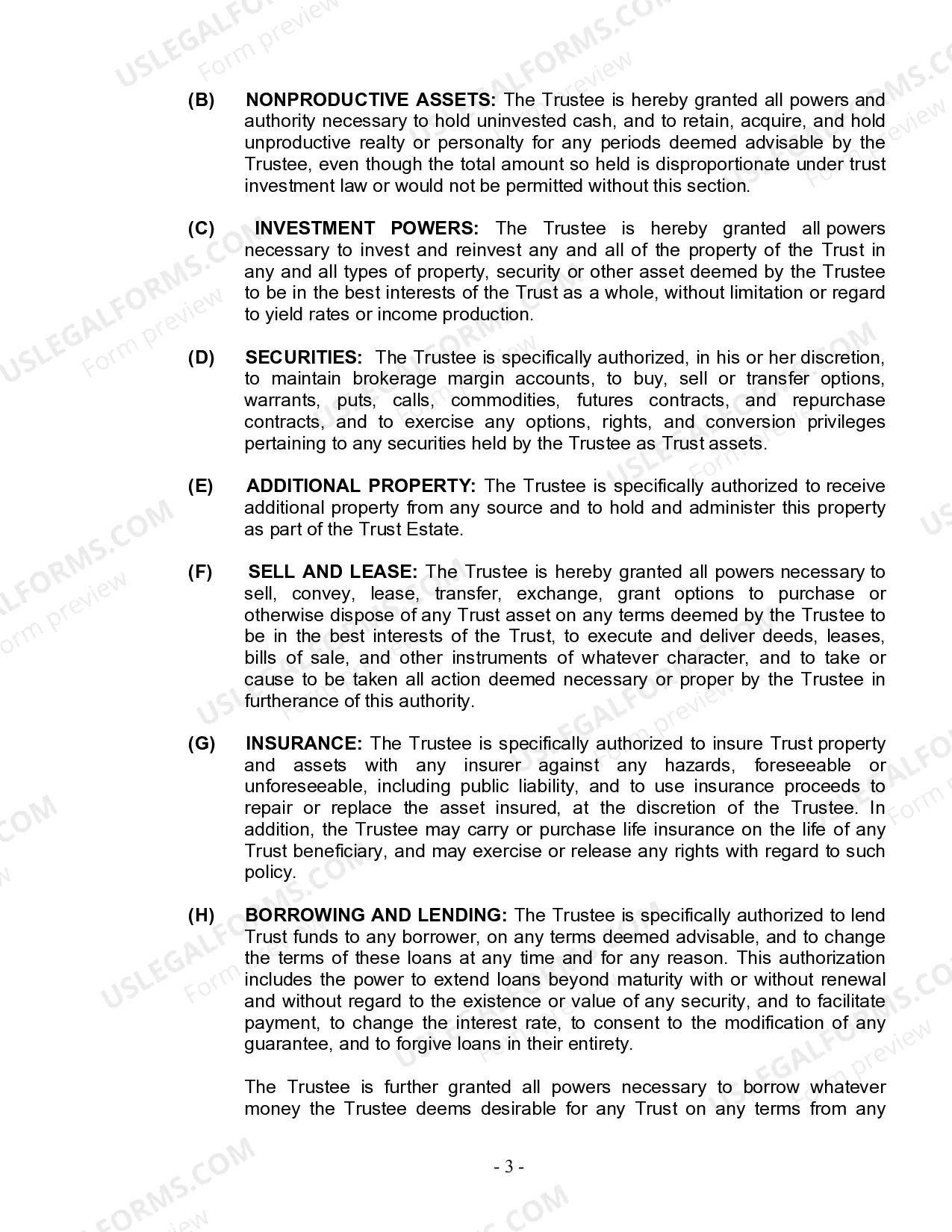
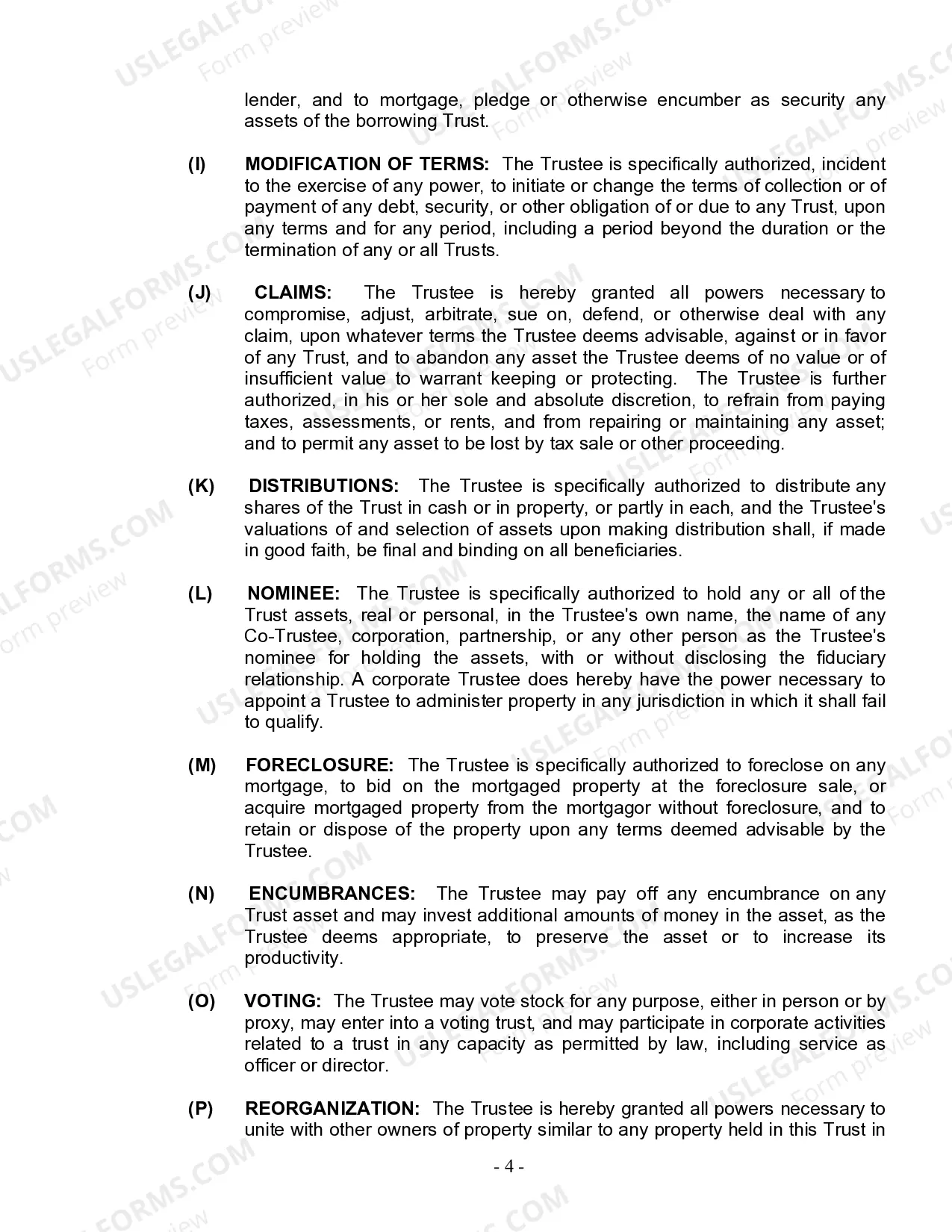
Living Trust Vermont With Mortgage
Description


Get your form ready online
Our built-in tools help you complete, sign, share, and store your documents in one place.
Make edits, fill in missing information, and update formatting in US Legal Forms—just like you would in MS Word.
Download a copy, print it, send it by email, or mail it via USPS—whatever works best for your next step.
Sign and collect signatures with our SignNow integration. Send to multiple recipients, set reminders, and more. Go Premium to unlock E-Sign.
If this form requires notarization, complete it online through a secure video call—no need to meet a notary in person or wait for an appointment.
We protect your documents and personal data by following strict security and privacy standards.

Make edits, fill in missing information, and update formatting in US Legal Forms—just like you would in MS Word.

Download a copy, print it, send it by email, or mail it via USPS—whatever works best for your next step.

Sign and collect signatures with our SignNow integration. Send to multiple recipients, set reminders, and more. Go Premium to unlock E-Sign.

If this form requires notarization, complete it online through a secure video call—no need to meet a notary in person or wait for an appointment.

We protect your documents and personal data by following strict security and privacy standards.
Looking for another form?
Form popularity
FAQ
Some disadvantages of placing your home in a trust include losing direct control over the property and potential impacts on mortgage terms. Additionally, transferring property into a trust can involve legal fees and paperwork. It's essential to weigh these factors, as a living trust Vermont with mortgage can provide significant benefits in the long run, including streamlined estate management.
Yes, a home with an existing mortgage can be transferred into a trust, but it requires careful planning. Notify your lender about the transfer, as it may trigger specific clauses in your mortgage agreement. Utilizing a living trust Vermont with mortgage ensures that your property is managed according to your wishes while maintaining your financial obligations.
The best way to leave a house to your children often involves using a living trust. This method ensures a smooth transition of property without the need for probate. Additionally, a living trust Vermont with mortgage allows you to specify exactly how and when your children receive the property, providing clarity and peace of mind for everyone involved.
Yes, you can place your house in a living trust even if it has a mortgage. However, it's important to inform your mortgage lender, as some loans include a due-on-sale clause. This clause allows the lender to demand full payment if the property changes ownership. Consulting with a legal professional can help you navigate the specifics of creating a living trust Vermont with mortgage.
Indeed, you can place a house with a mortgage into a trust. A living trust in Vermont with a mortgage allows you to manage your property while still meeting your mortgage obligations. Just ensure that you inform your lender and comply with their policies. By doing so, you can maintain control over your asset and provide for your beneficiaries effectively.
A common mistake parents make when setting up a trust fund is failing to communicate their intentions clearly to their heirs. Without understanding the purpose and terms of the trust, beneficiaries may feel confused or misinformed. Moreover, not regularly updating the trust to reflect life changes can lead to issues down the line. Using a living trust in Vermont is a smart choice, but clarity and communication are essential for a successful outcome.
Yes, you can have a living trust with a mortgage. When you place a property in a living trust in Vermont, the mortgage does not automatically trigger due-on-sale clauses, allowing you to maintain your current mortgage terms. However, it's vital to notify your lender and ensure compliance with any requirements they may have. This way, you can protect your property and manage your estate effectively.
Holding property in a trust, particularly a living trust in Vermont with a mortgage, has clear advantages and some disadvantages. Pros include avoiding probate, maintaining privacy, and potential tax benefits. Conversely, drawbacks may involve initial setup costs and maintaining the trust. Balancing these factors is crucial for effective estate planning.
To set up a living trust in Vermont, start by identifying your assets and deciding what you want to include. You'll create a trust document detailing the terms and appoint yourself as the trustee. Once established, you must transfer ownership of your property into the trust. If you're unsure about the process, platforms like US Legal Forms can guide you quickly and effectively.
Deciding whether to gift a house or place it in a trust depends on your goals. Gifting a home may be tax advantageous, but it may not provide the same level of control and protection that a living trust in Vermont with a mortgage offers. A trust can help manage the property long-term and ensure it passes smoothly to your heirs while avoiding probate. Therefore, consider your personal situation carefully before making a decision.
