Vermont Failure Reasonable For Not Having Health Insurance
Description

Get your form ready online
Our built-in tools help you complete, sign, share, and store your documents in one place.
Make edits, fill in missing information, and update formatting in US Legal Forms—just like you would in MS Word.
Download a copy, print it, send it by email, or mail it via USPS—whatever works best for your next step.
Sign and collect signatures with our SignNow integration. Send to multiple recipients, set reminders, and more. Go Premium to unlock E-Sign.
If this form requires notarization, complete it online through a secure video call—no need to meet a notary in person or wait for an appointment.
We protect your documents and personal data by following strict security and privacy standards.

Make edits, fill in missing information, and update formatting in US Legal Forms—just like you would in MS Word.

Download a copy, print it, send it by email, or mail it via USPS—whatever works best for your next step.

Sign and collect signatures with our SignNow integration. Send to multiple recipients, set reminders, and more. Go Premium to unlock E-Sign.

If this form requires notarization, complete it online through a secure video call—no need to meet a notary in person or wait for an appointment.

We protect your documents and personal data by following strict security and privacy standards.
Looking for another form?





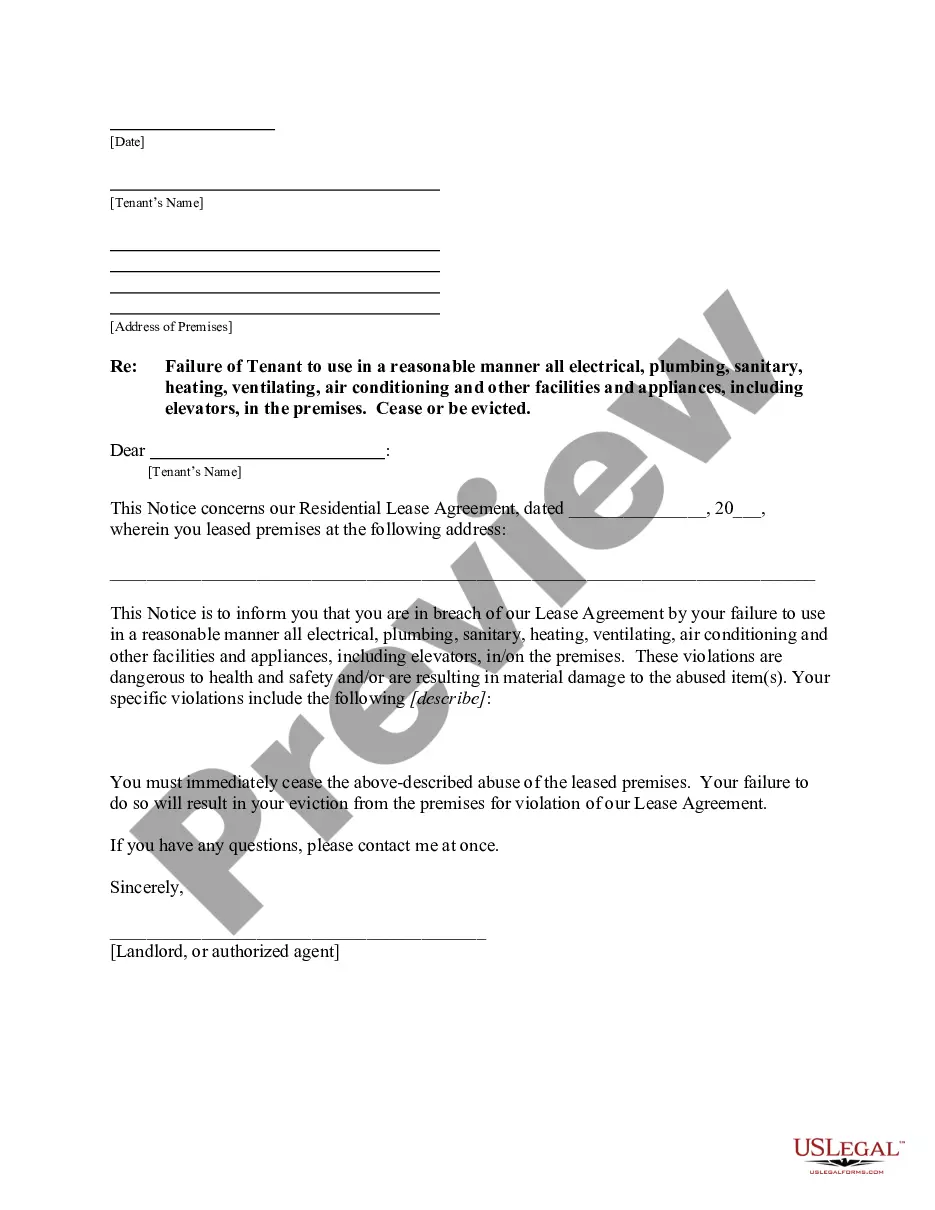
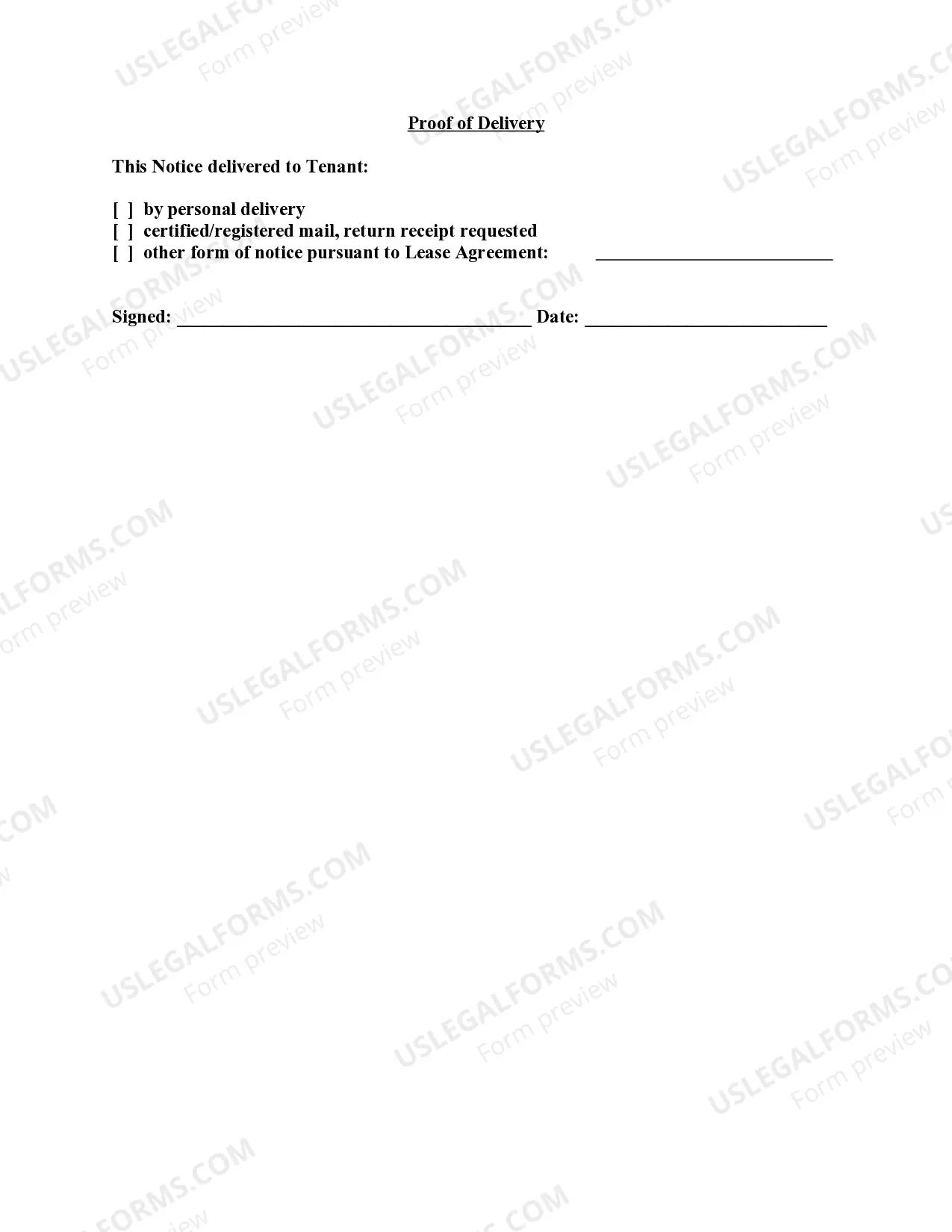
How to fill out Vermont Letter From Landlord To Tenant For Failure To Use Electrical, Plumbing, Sanitary, Heating, Ventilating, Air Conditioning And Other Facilities In A Reasonable Manner?
- Log into your US Legal Forms account if you're a returning user, ensuring your subscription is active. If it's inactive, please renew it per your payment plan.
- If you're new to us, start by checking our Preview mode to find a form that matches your needs and complies with your local jurisdiction requirements.
- Use the Search tab to locate any additional templates, if necessary, to ensure complete accuracy.
- To obtain the document, click on the Buy Now button and select your desired subscription plan, followed by account registration.
- Proceed to enter your payment details via credit card or PayPal to complete your purchase.
- Finally, download your form to store it safely on your device, and access it in your profile under the My Forms section whenever needed.
US Legal Forms distinctly stands out with its extensive collection, offering over 85,000 editable legal forms at competitive prices. Our platform ensures you have access to premium experts who can guide you in completing your forms accurately.
In conclusion, leveraging US Legal Forms can make navigating legal documentation simpler and more efficient. Don’t let the absence of health insurance hold you back—get started today and explore our extensive resources!
Form popularity
FAQ
In Vermont, the penalty for not having health insurance varies based on your income and household size. The state follows federal guidelines, meaning you may face a tax penalty if you do not have qualifying coverage. However, residents can explore exemptions that could apply under the Vermont failure reasonable for not having health insurance situation. Understanding these nuances helps you navigate your health insurance options effectively.
When you encounter a health insurance denial, start by reviewing the explanation of benefits from your insurer. This document will clarify why your claim was denied. Next, gather relevant documents, such as medical records and billing statements, to support your case. If you believe that the denial falls under the Vermont failure reasonable for not having health insurance, you can appeal the decision by providing additional evidence and documentation to your insurer.
Health insurance is mandatory in several states, including Massachusetts, New Jersey, California, and Vermont. In Vermont, there must be a compelling reason, or a Vermont failure reasonable for not having health insurance, to avoid penalties. It's important to understand your state's requirements to ensure compliance and avoid financial repercussions. If you are uncertain about your options, USLegalForms can provide guidance and resources to help you navigate health insurance requirements effectively.
If your employer does not offer health insurance, you should first discuss your options with them. You can also explore individual health insurance plans through the marketplace or programs like Medicaid. Understanding the landscape of Vermont failure reasonable for not having health insurance is critical in making informed choices about your coverage, and platforms like uslegalforms can assist in navigating your rights.
Yes, Vermont employers with 50 or more full-time employees must provide health insurance. This aligns with federal law, but small businesses are not required to offer coverage. Employees should be aware of their rights, especially in light of potential Vermont failure reasonable for not having health insurance.
Health insurance is not mandatory in Vermont, but it is highly recommended for financial protection. Enrolling in a plan can save individuals from the financial burden of unexpected medical expenses. Being aware of the implications related to Vermont failure reasonable for not having health insurance is crucial.
You generally cannot sue an employer for not offering health insurance unless they violate specific laws applicable to larger businesses. However, the absence of health insurance can lead to significant challenges for employees. Understanding the context of Vermont failure reasonable for not having health insurance is essential when navigating your employer’s responsibilities.
No, it is not illegal to lack health insurance in Vermont. However, while there may be no legal repercussions, individuals without coverage could face high medical costs. It's wise to evaluate the risks associated with Vermont failure reasonable for not having health insurance and consider enrolling in a plan.
Currently, Vermont does not impose a penalty for individuals who lack health insurance. However, the absence of coverage can lead to significant out-of-pocket medical expenses, which underscores the importance of obtaining insurance. Understanding the nuances of Vermont failure reasonable for not having health insurance can benefit those considering their options.
In Vermont, employers with 50 or more full-time employees must provide health insurance as per federal law. However, smaller employers are not obligated to do so, which can lead to a Vermont failure reasonable for not having health insurance for those workers. Staying informed about these requirements is vital for employees and employers alike.