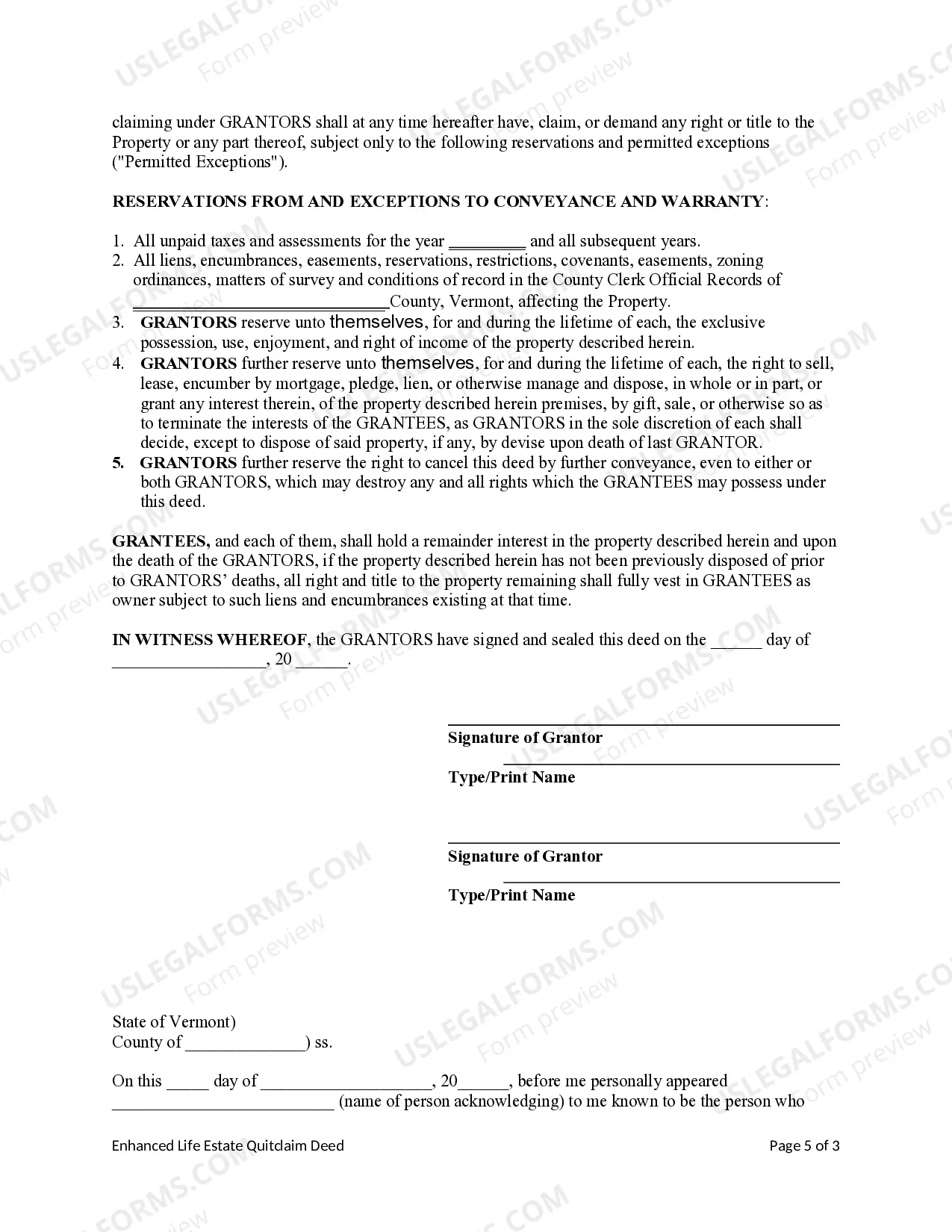
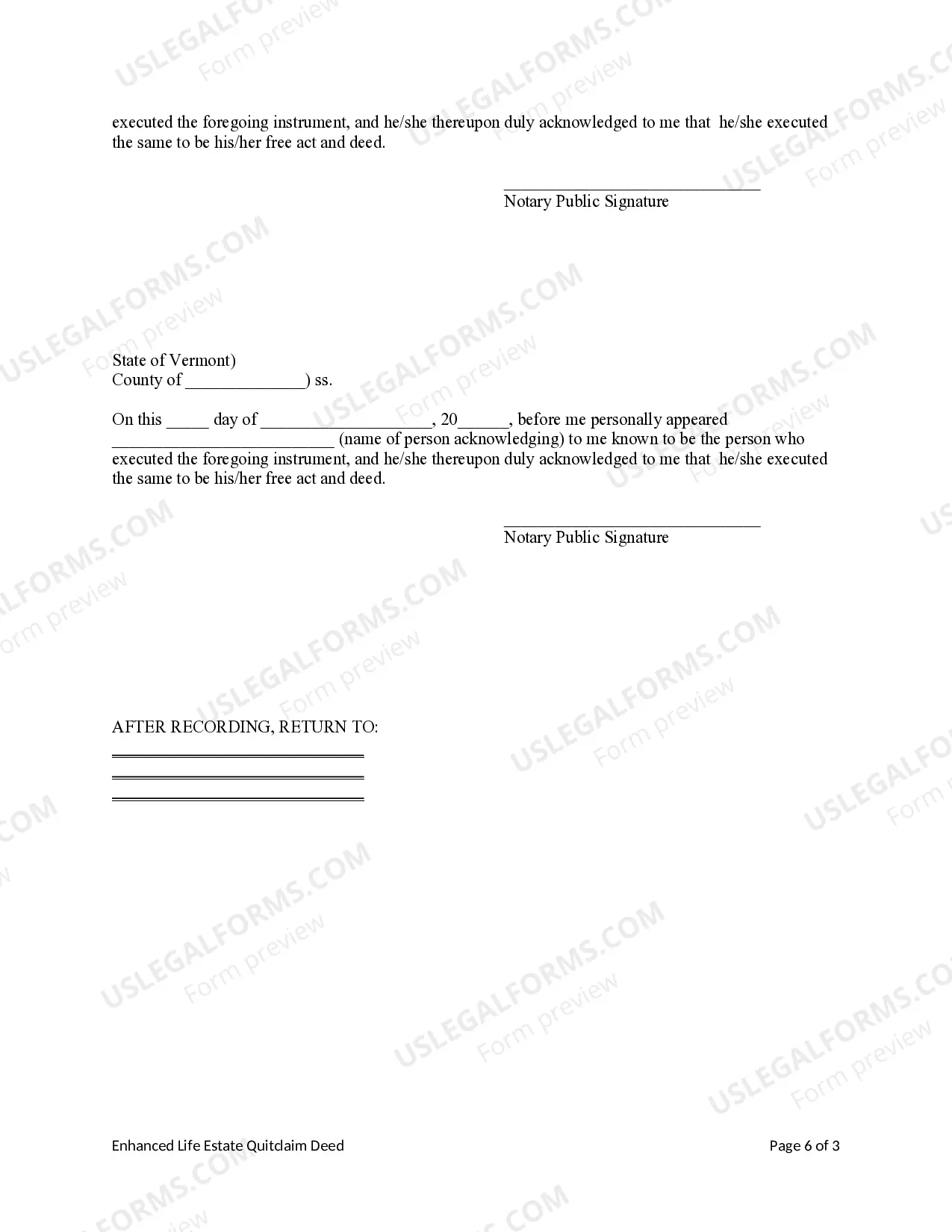
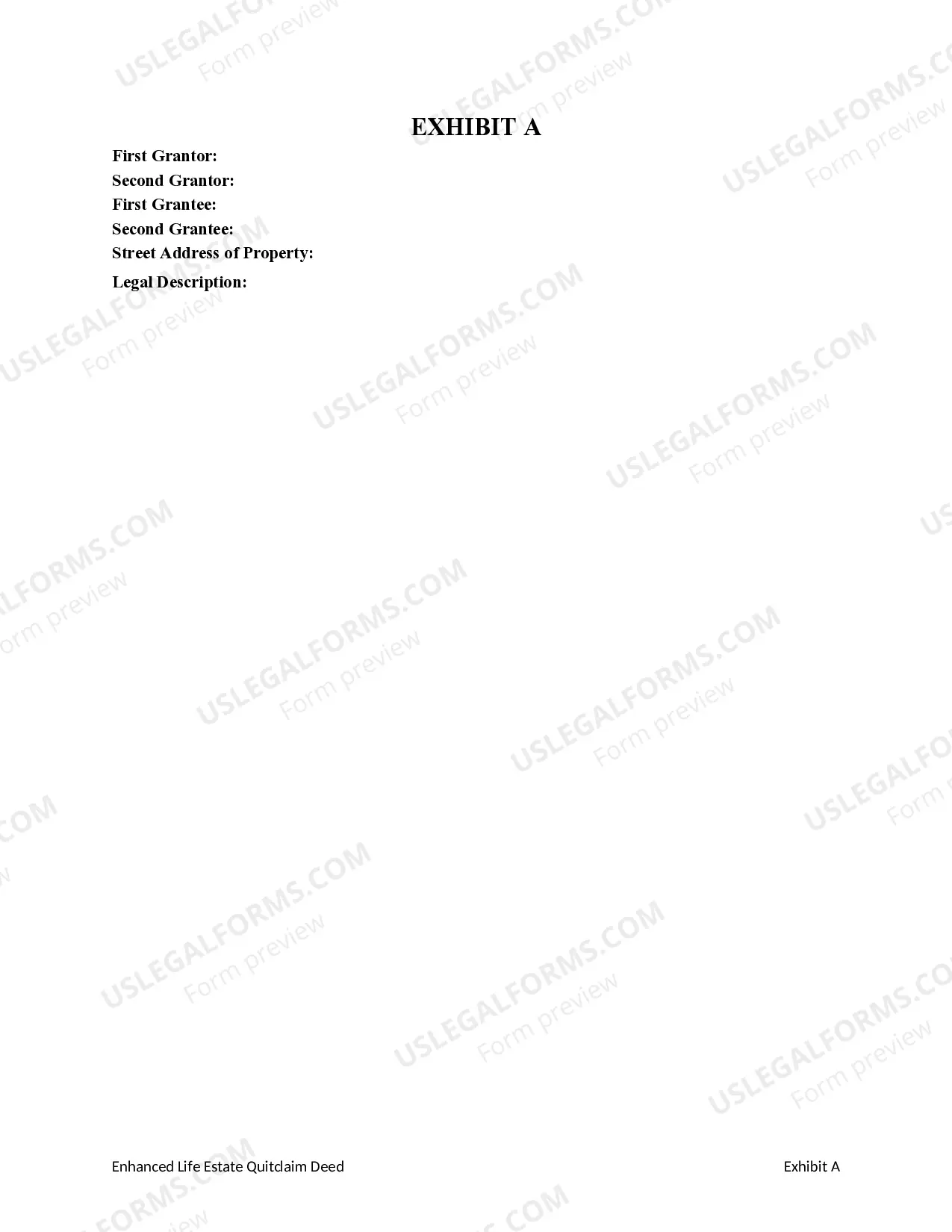
Vermont Enhanced Life Estate
Description
Get your form ready online
Our built-in tools help you complete, sign, share, and store your documents in one place.
Make edits, fill in missing information, and update formatting in US Legal Forms—just like you would in MS Word.
Download a copy, print it, send it by email, or mail it via USPS—whatever works best for your next step.
Sign and collect signatures with our SignNow integration. Send to multiple recipients, set reminders, and more. Go Premium to unlock E-Sign.
If this form requires notarization, complete it online through a secure video call—no need to meet a notary in person or wait for an appointment.
We protect your documents and personal data by following strict security and privacy standards.

Make edits, fill in missing information, and update formatting in US Legal Forms—just like you would in MS Word.

Download a copy, print it, send it by email, or mail it via USPS—whatever works best for your next step.

Sign and collect signatures with our SignNow integration. Send to multiple recipients, set reminders, and more. Go Premium to unlock E-Sign.

If this form requires notarization, complete it online through a secure video call—no need to meet a notary in person or wait for an appointment.

We protect your documents and personal data by following strict security and privacy standards.
Looking for another form?






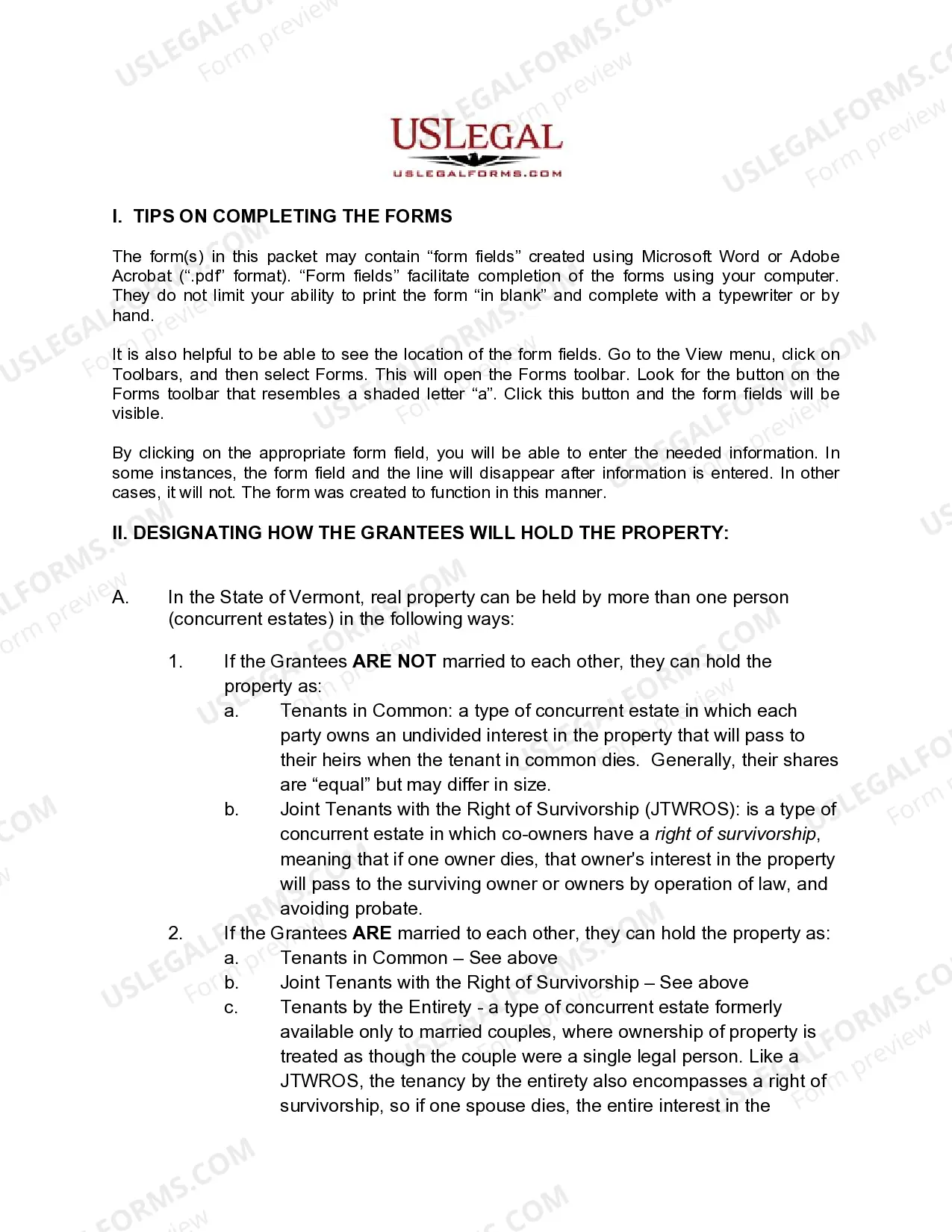
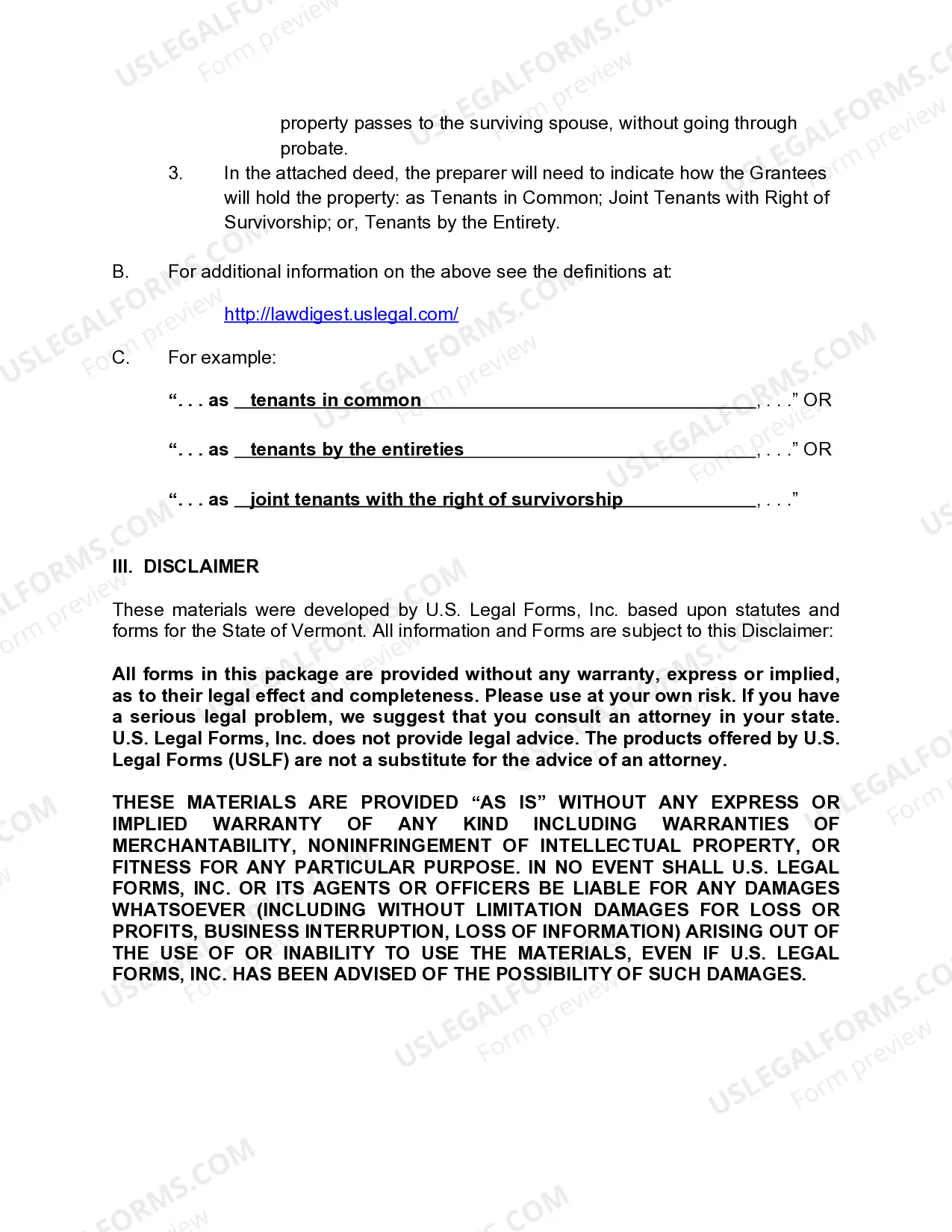
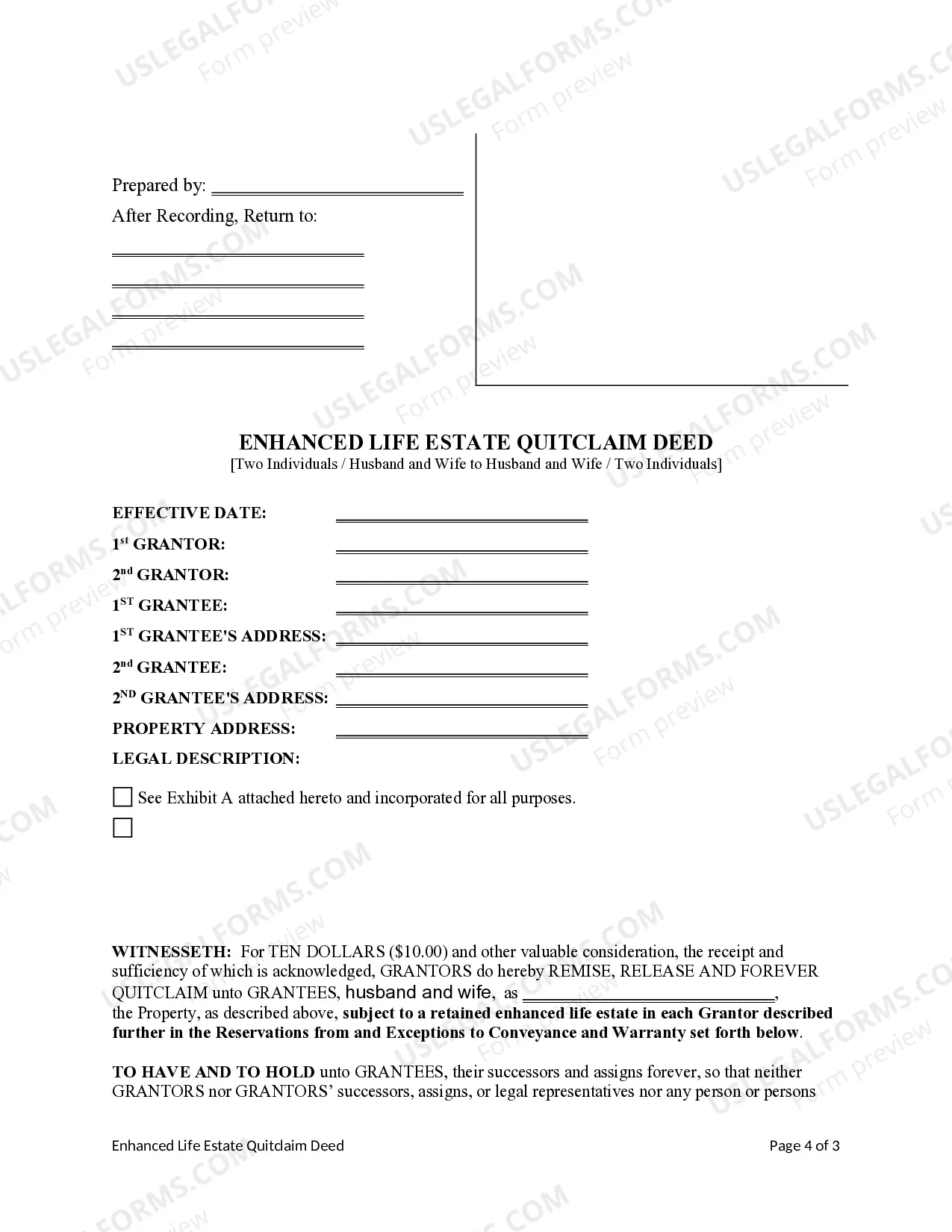
How to fill out Vermont Enhanced Life Estate Deed (a.k.a. Lady Bird Deed) From Two Individuals / Husband And Wife To Two Individuals / Husband And Wife.?
- Log in to your existing US Legal Forms account to access and download your form template. Ensure your subscription is active; if necessary, renew it based on your payment plan.
- If you're new to US Legal Forms, begin by browsing the extensive online library. Use the preview mode to verify the form's suitability for your needs and local jurisdiction.
- Should you find discrepancies, utilize the search bar to locate the appropriate template that matches your requirements.
- Proceed to purchase the document by clicking the 'Buy Now' button and selecting your desired subscription plan. You'll need to create an account to gain full access.
- Complete your payment by entering your credit card information or opting for PayPal to finalize your subscription.
- Save the downloaded template to your device. You can revisit it anytime through the 'My Forms' section in your profile to complete it at your convenience.
By following these straightforward steps, you can effortlessly navigate the process of acquiring your Vermont enhanced life estate form.
Take charge of your estate planning today with US Legal Forms, ensuring you have the right legal templates at your fingertips. Start now!
Form popularity
FAQ
To create a Vermont enhanced life estate, specific language must be used in your property deed. You should include terms like 'to name, for the duration of their life,' and clearly outline the remainderman's interest. This precise wording ensures the document holds up in court and fulfills your intentions regarding the property. Using professional services like UsLegalForms can help ensure everything is done correctly.
People often choose a Vermont enhanced life estate to ensure a smooth transfer of property while retaining the right to live there. This arrangement can help avoid probate, offering a straightforward way to pass on property to heirs. Additionally, it provides peace of mind, knowing that you can reside in your home as long as you need while securing your family's future. It's a balanced approach to estate planning.
The downside of a Vermont enhanced life estate is limited control over the property. While you can live in the home for your lifetime, you cannot sell the property without the consent of the remainderman. Additionally, if you need to make significant repairs, you may struggle to find the funds since you cannot leverage the property fully. It's important to consider these factors before establishing a life estate.
When a person dies who held a life estate, the property automatically transfers to the designated remainderman without going through probate. This seamless transition can simplify estate management and ensure that the property passes according to the owner's wishes. In Vermont, enhanced life estates can further streamline this process, providing certain protections and benefits. To navigate these possibilities confidently, you may want to consider the resources available through uslegalforms.
While a life estate can offer benefits, there are also disadvantages to consider. For instance, the life tenant cannot sell or mortgage the property without consent from the remainderman, which can limit financial flexibility. Additionally, property taxes and maintenance responsibilities remain with the life tenant, leading to unexpected costs. Consulting with uslegalforms can help you weigh these pros and cons to make an informed decision regarding a Vermont enhanced life estate.
Giving someone a life estate means granting them the right to use and occupy a property for the duration of their life. This transfer gives them full enjoyment of the property, but leaves the ownership rights with another party, typically the future owner. In the context of Vermont enhanced life estates, this type of arrangement can help with estate planning, ensuring your wishes are honored while providing financial security for the recipient. For detailed guidance, uslegalforms offers valuable resources to help facilitate this process.
In Vermont, a life estate allows an individual to use and benefit from a property during their lifetime while designating the future owner. This means you maintain rights to the property, yet you cannot sell it without the permission of the future owner. A Vermont enhanced life estate provides additional benefits, such as avoiding probate and potentially protecting the property from creditors. Understanding these nuances can guide your decision-making, so consider reaching out to uslegalforms for more assistance.
An enhanced life estate deed in Vermont is a legal document that allows a property owner to maintain their right to live in and use their property while designating a beneficiary who will inherit it after their death. This type of deed simplifies the transfer process and helps avoid probate. By utilizing uslegalforms, property owners can ensure they correctly set up their Vermont enhanced life estate to protect their interests and those of their heirs.
Life estate deeds have several disadvantages to consider. One issue is that they can create complications in estate planning, especially if family dynamics change over time. Furthermore, while a Vermont enhanced life estate provides benefits in property transfer, it may also expose the property to claims from the beneficiaries' creditors, thus affecting the original owner's estate.
While a life estate can provide benefits, it does come with downsides. For instance, the original owner cannot easily sell the property without the consent of the beneficiaries. Additionally, opting for a Vermont enhanced life estate may limit the owner's control over the property, as the beneficiaries have a vested interest in the property upon the owner's death.