Virginia Attorney Property Without Permission
Description
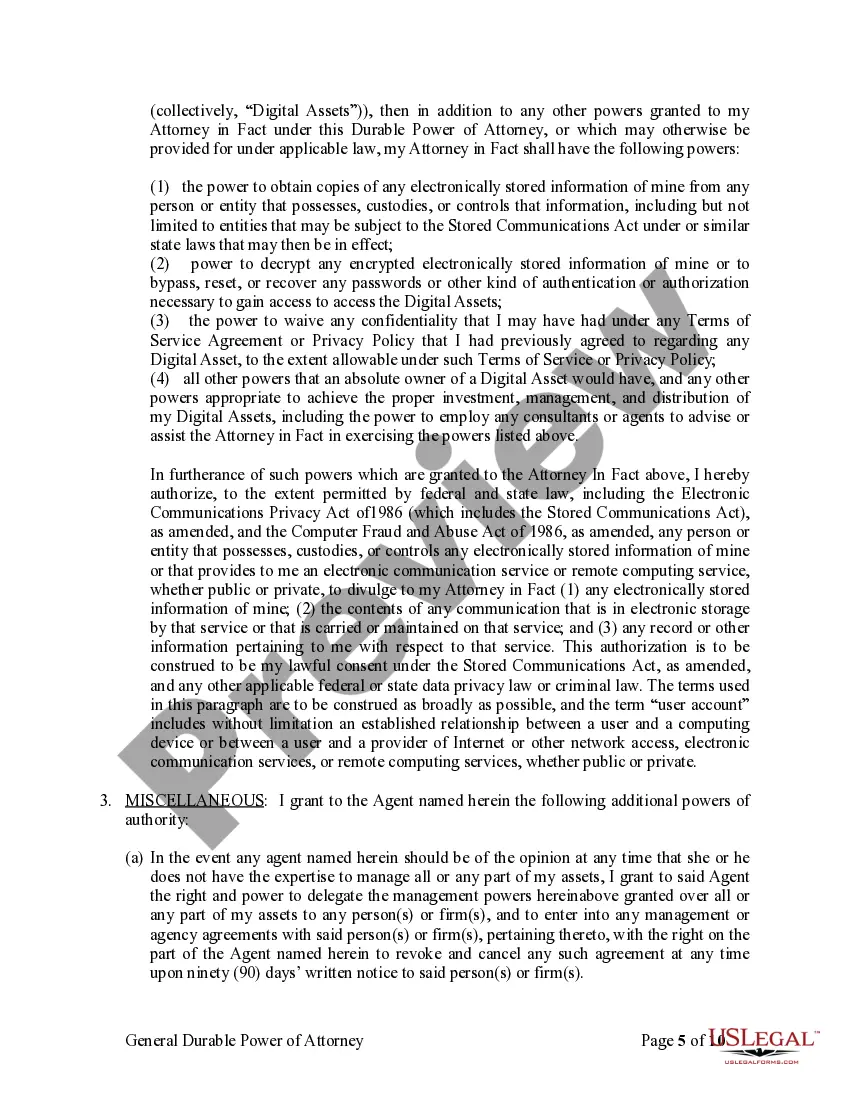
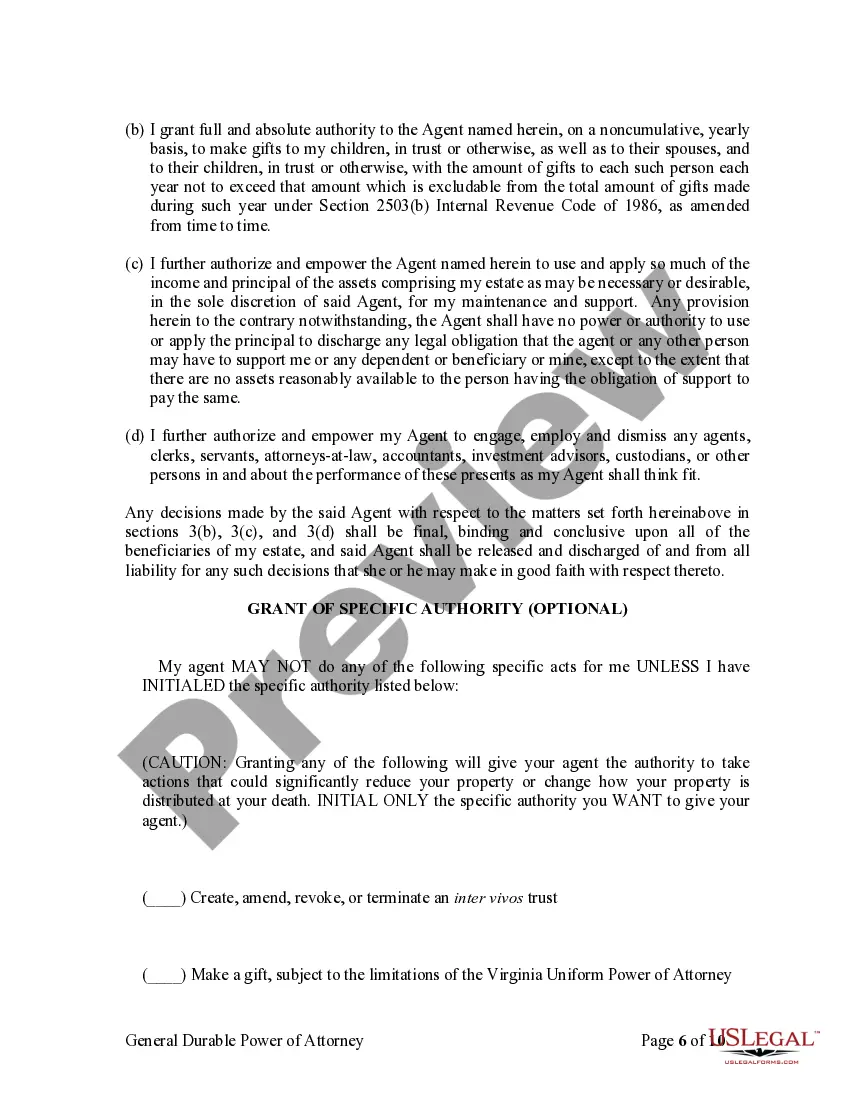
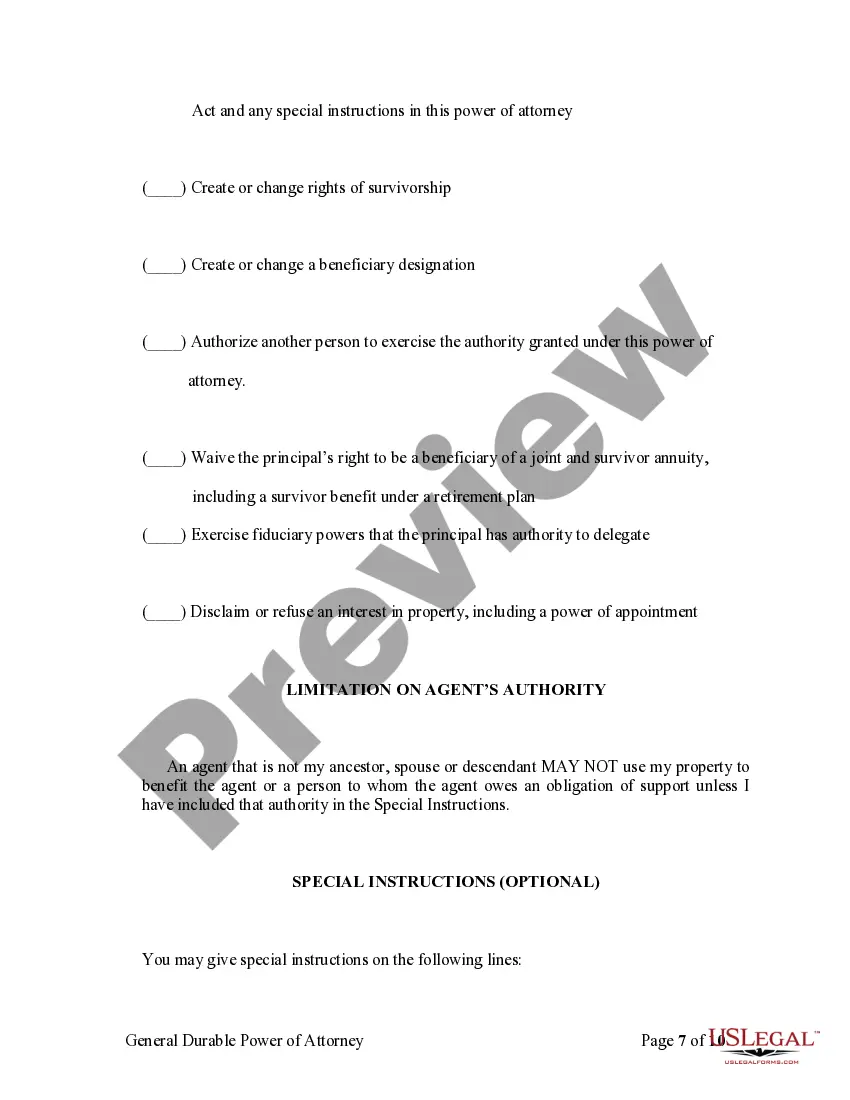
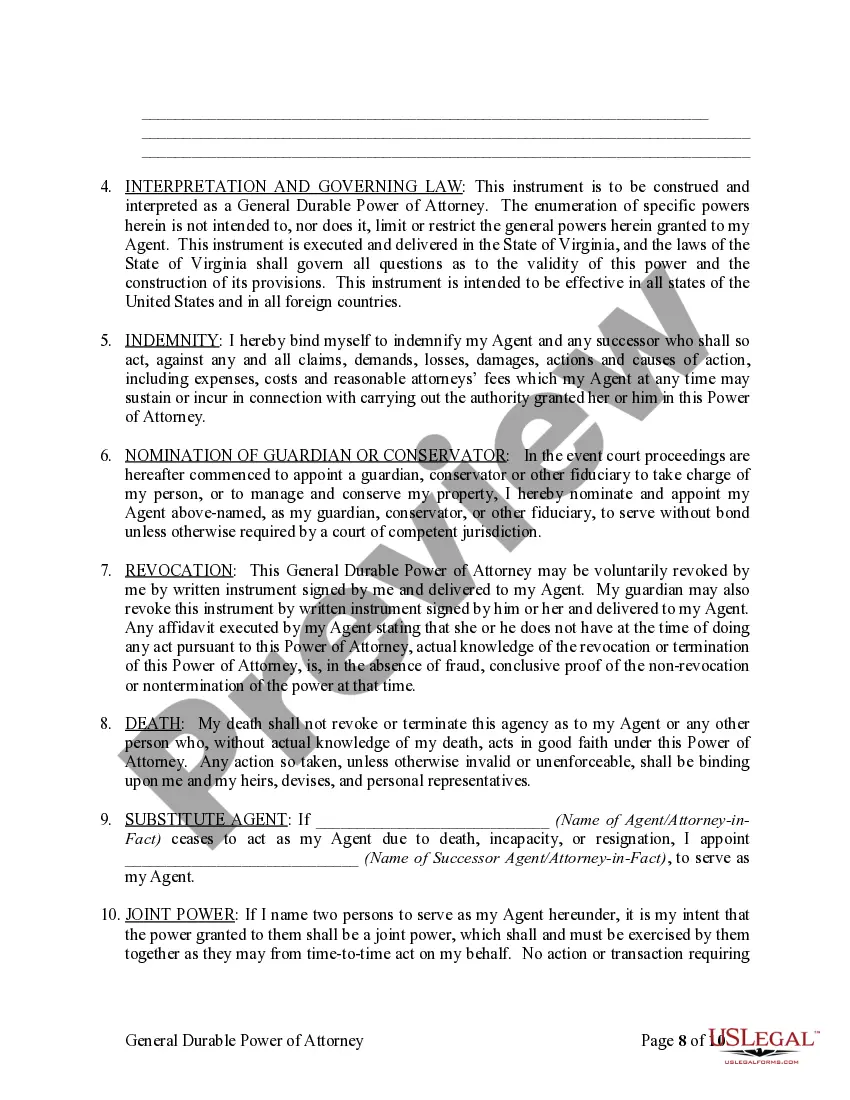
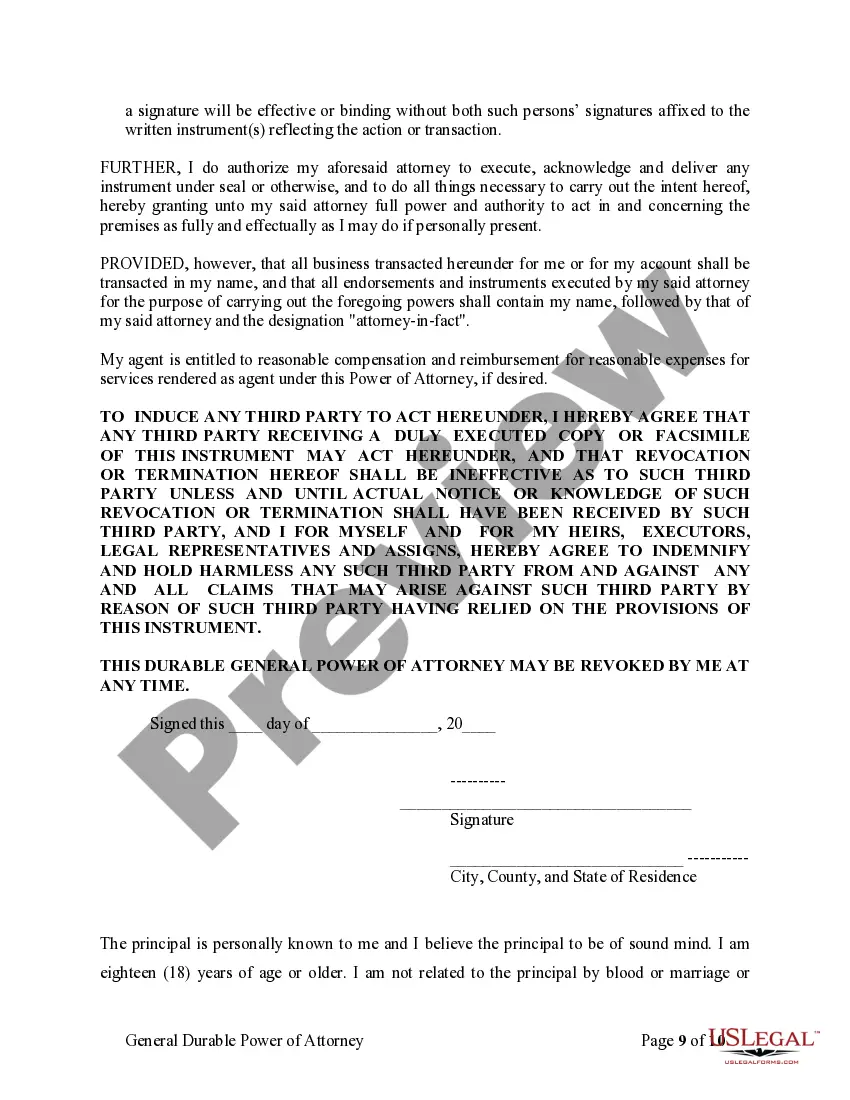
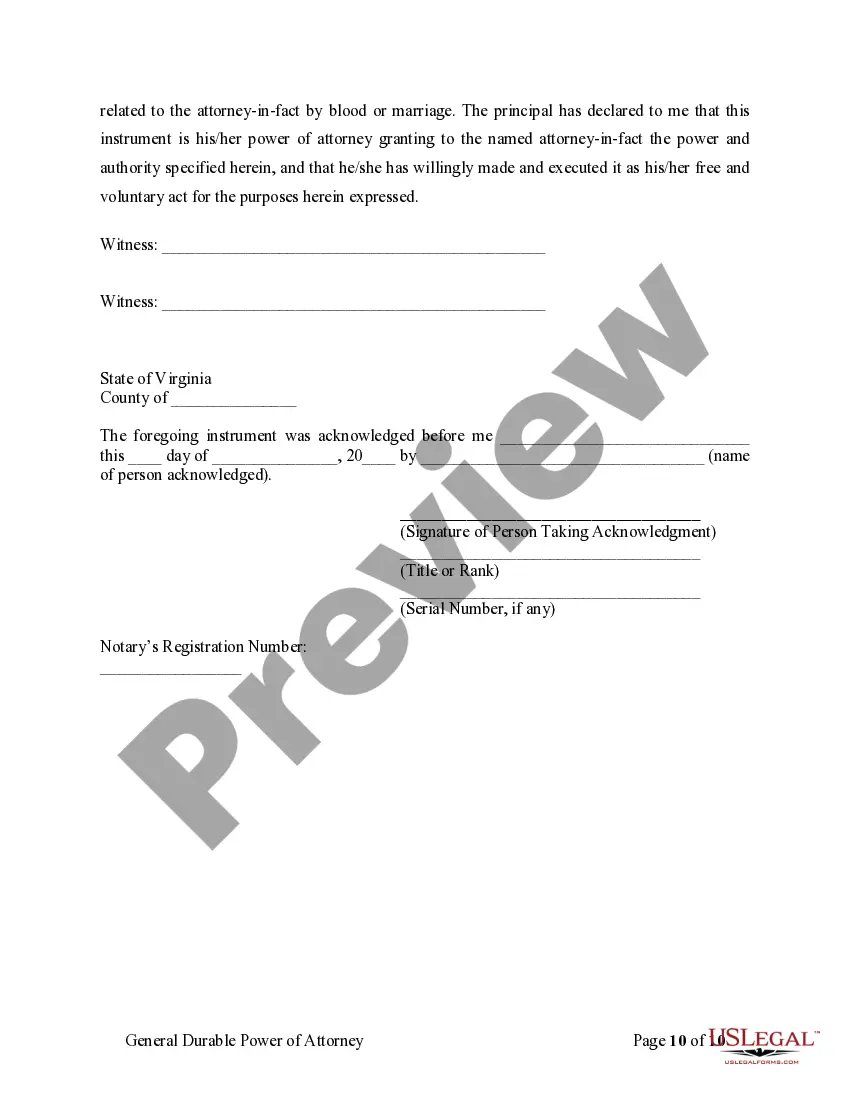
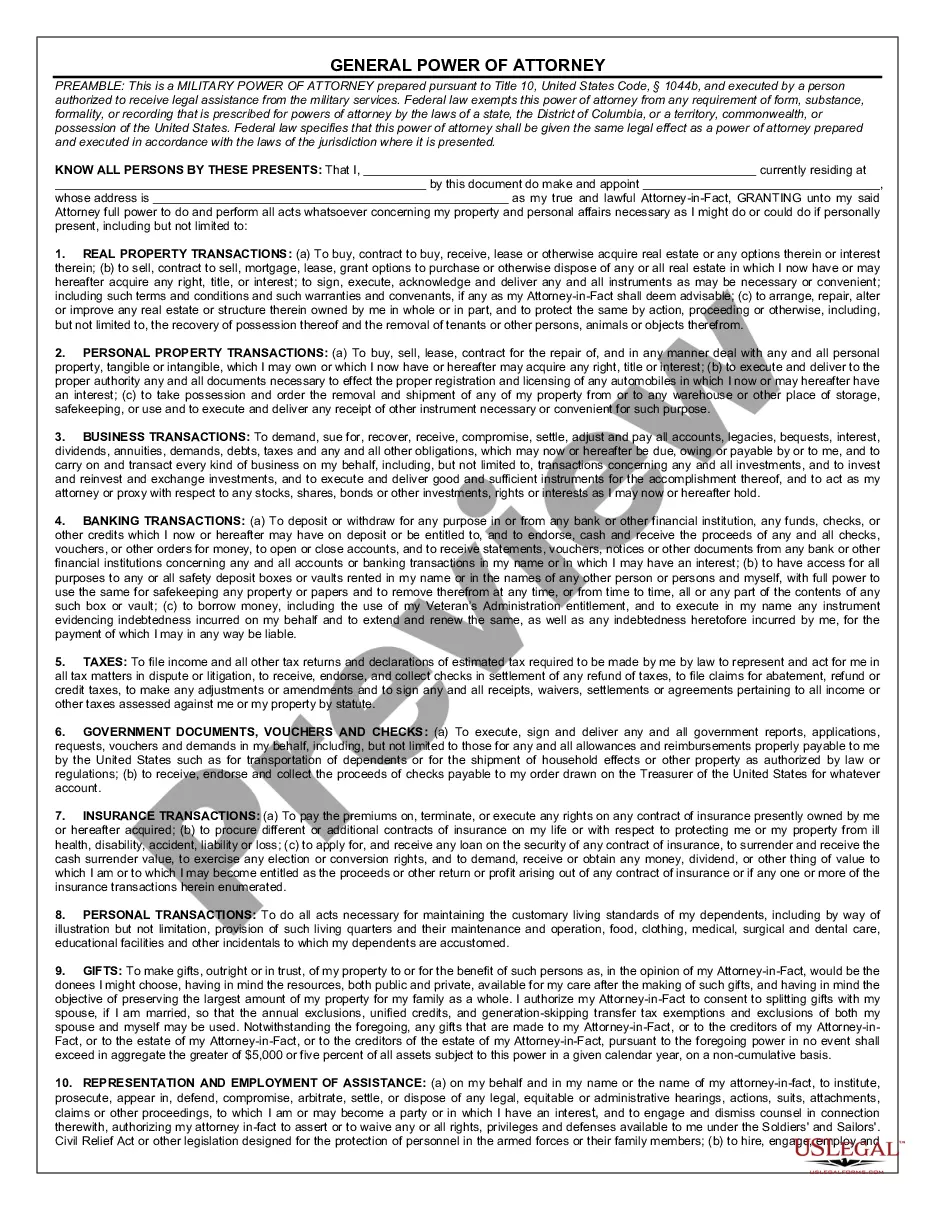
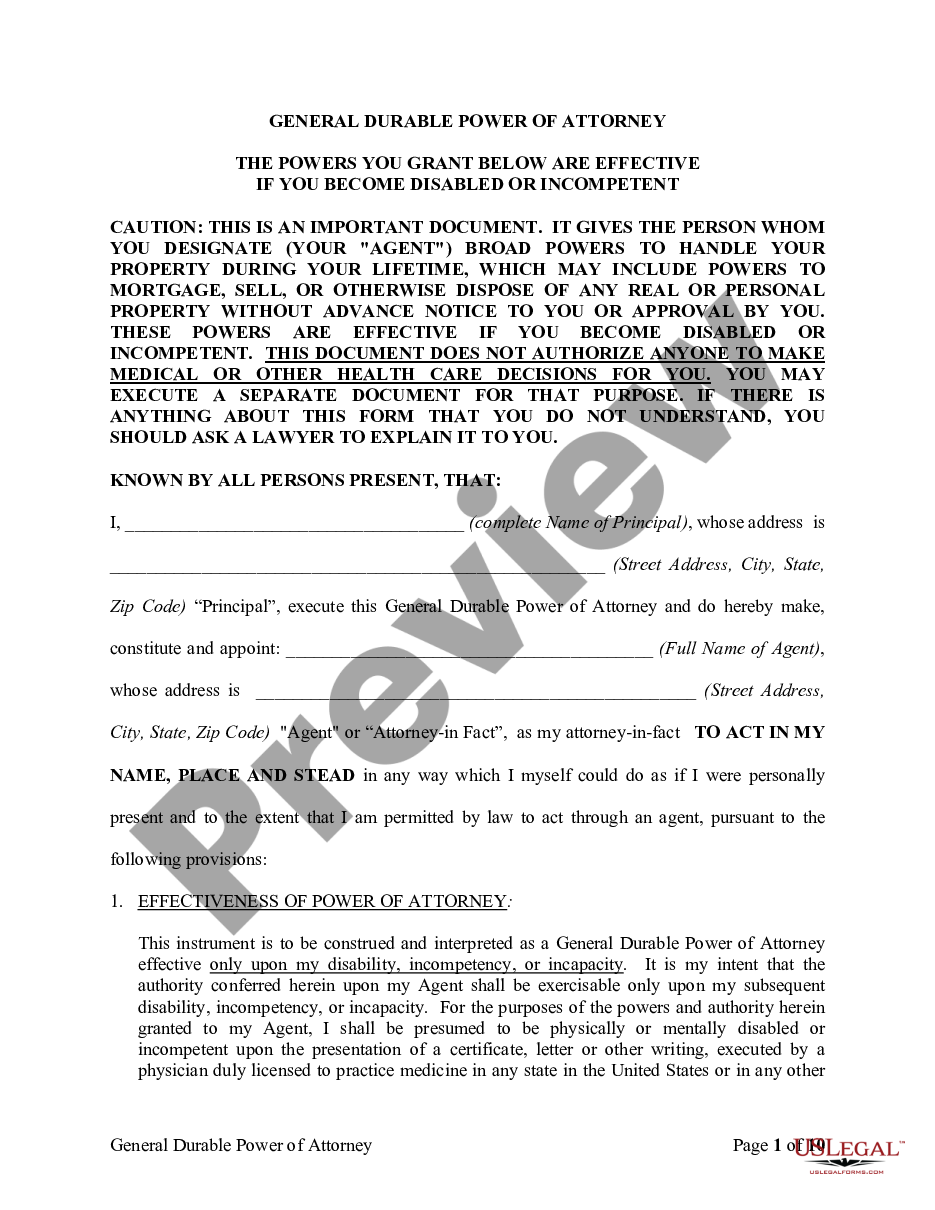
Get your form ready online
Our built-in tools help you complete, sign, share, and store your documents in one place.
Make edits, fill in missing information, and update formatting in US Legal Forms—just like you would in MS Word.
Download a copy, print it, send it by email, or mail it via USPS—whatever works best for your next step.
Sign and collect signatures with our SignNow integration. Send to multiple recipients, set reminders, and more. Go Premium to unlock E-Sign.
If this form requires notarization, complete it online through a secure video call—no need to meet a notary in person or wait for an appointment.
We protect your documents and personal data by following strict security and privacy standards.

Make edits, fill in missing information, and update formatting in US Legal Forms—just like you would in MS Word.

Download a copy, print it, send it by email, or mail it via USPS—whatever works best for your next step.

Sign and collect signatures with our SignNow integration. Send to multiple recipients, set reminders, and more. Go Premium to unlock E-Sign.

If this form requires notarization, complete it online through a secure video call—no need to meet a notary in person or wait for an appointment.

We protect your documents and personal data by following strict security and privacy standards.
Looking for another form?
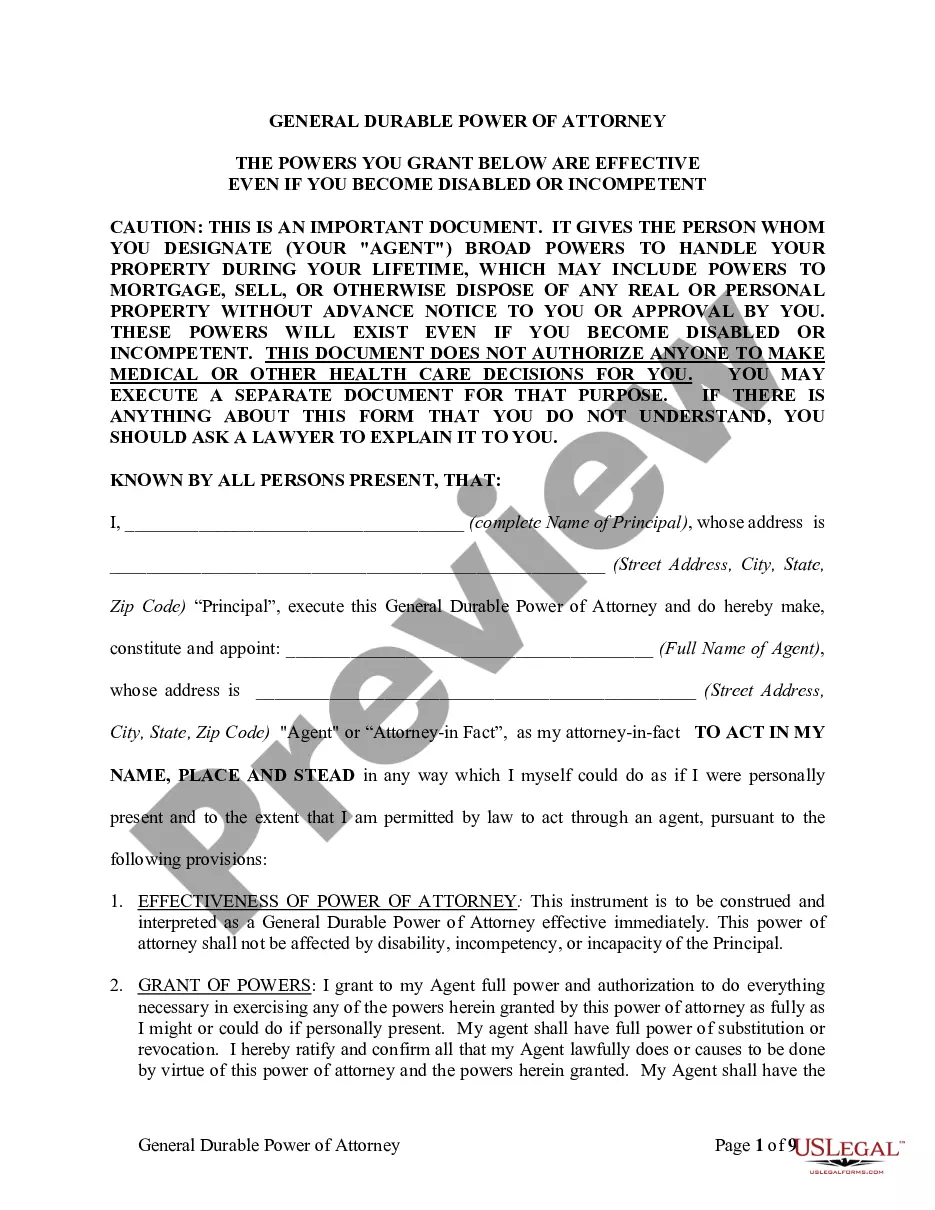
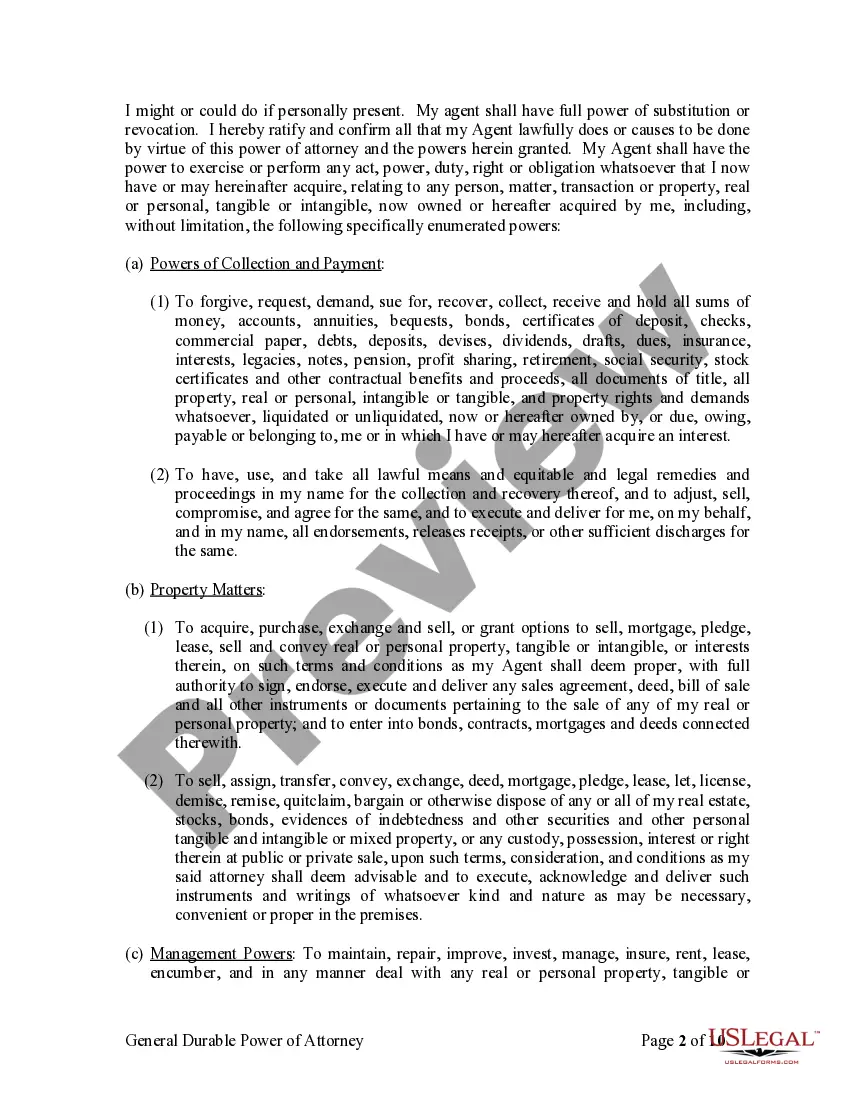
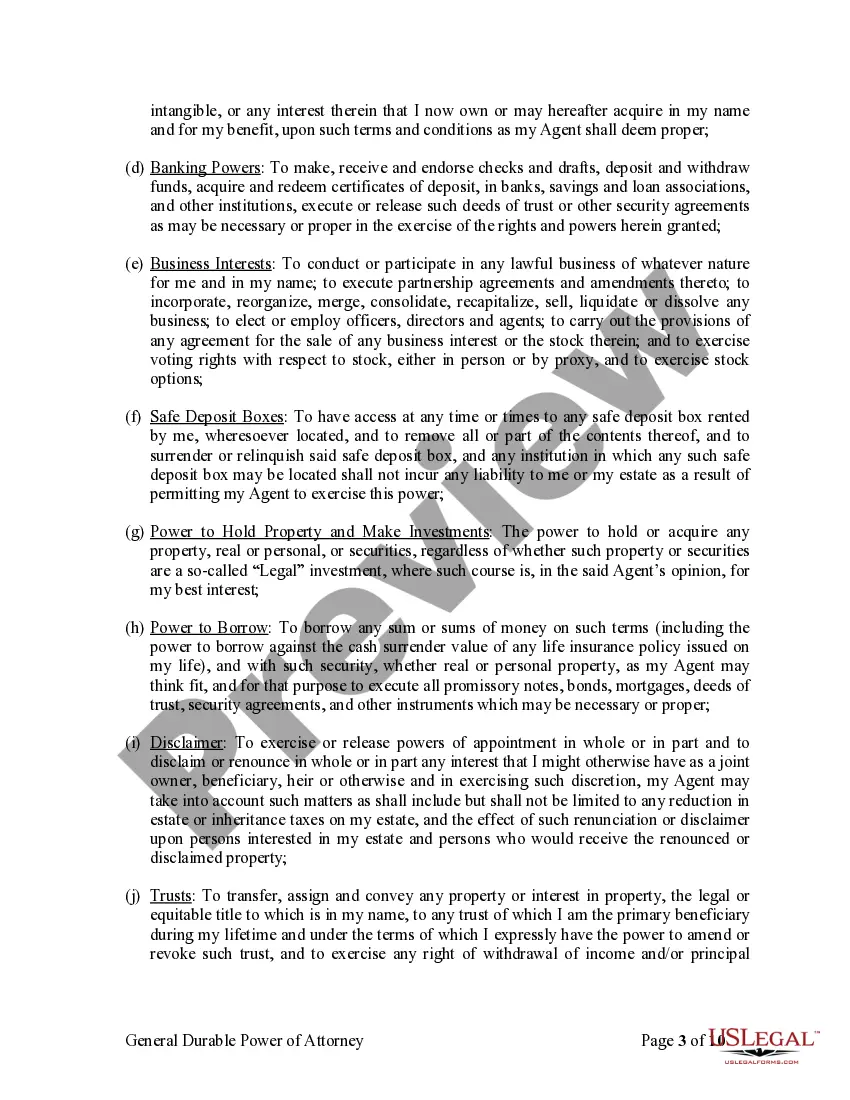
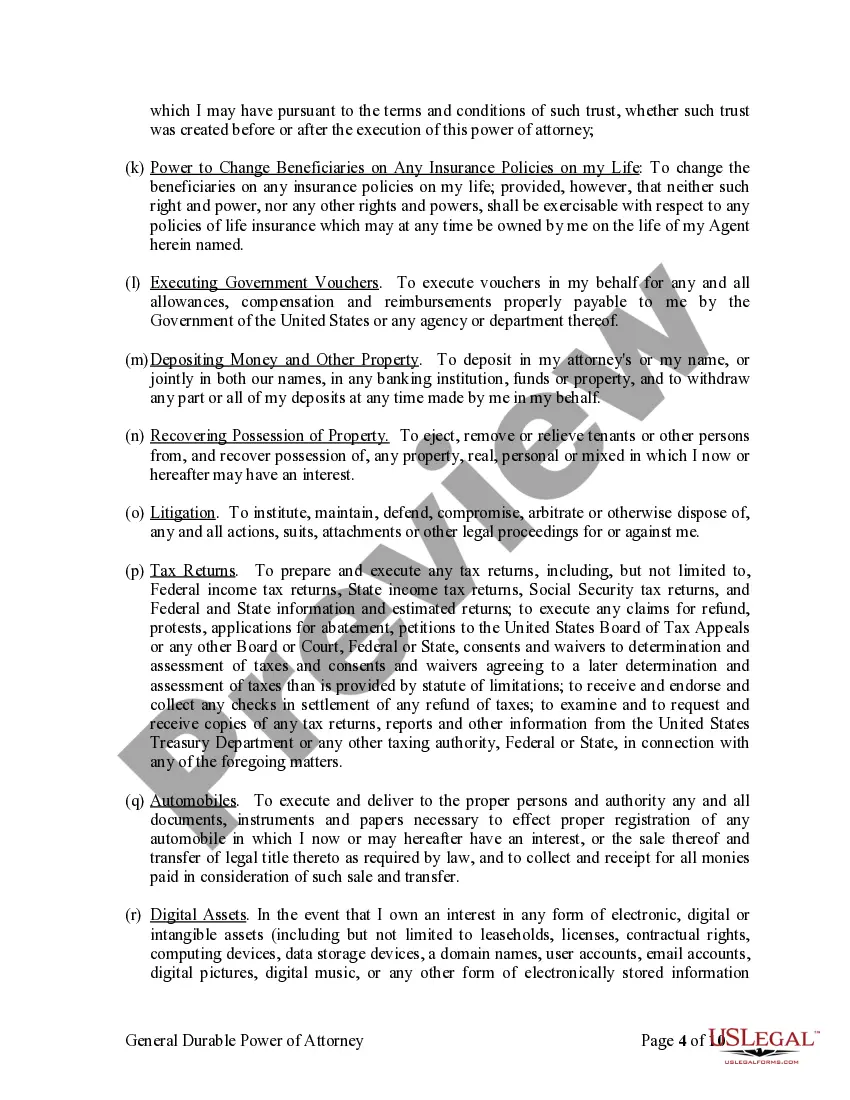
How to fill out Virginia General Durable Power Of Attorney For Property And Finances Or Financial Effective Immediately?
Obtaining legal documents that comply with federal and local laws is essential, and the web provides countless choices to select from.
However, what is the benefit of squandering time hunting for the appropriate Virginia Attorney Property Without Permission template online when the US Legal Forms digital library has already assembled such documents in one location.
US Legal Forms is the largest online legal repository with over 85,000 editable templates created by attorneys for any business or personal situation. They are user-friendly to navigate, with all documents organized by state and intended use.
Explore alternative templates using the search feature at the top of the page as needed. Click Buy Now once you have identified the appropriate document and select a subscription option. Set up an account or sign in and complete payment via PayPal or credit card. Choose the correct format for your Virginia Attorney Property Without Permission and download it. All templates accessed through US Legal Forms are reusable. To re-download and finalize previously acquired forms, access the My documents section in your account. Take advantage of the most comprehensive and user-friendly legal document service!
- Our experts keep up with legal updates, ensuring your documents are current and compliant when obtaining a Virginia Attorney Property Without Permission from our site.
- Acquiring a Virginia Attorney Property Without Permission is quick and straightforward for both existing and new users.
- If you already have an account with an active subscription, Log In and download the template you need in the desired format.
- If you are a newcomer, follow the steps below.
- Examine the template using the Preview function or through the text description to verify it meets your requirements.
Form popularity
FAQ
Virginia Code 54.1-3900 discusses the requirements for legal professionals in property matters. It regulates how attorneys must manage and represent clients in property disputes. If you're dealing with issues involving property without permission, it's beneficial to seek the expertise of a Virginia attorney. They can help you understand how these codes apply to your situation and assist in securing your interests.
VA Code 26-113 outlines the legal ramifications regarding property transfer and ownership disputes. It establishes the rights of individuals when someone attempts to claim property without consent. Navigating these laws can be challenging, but consulting a Virginia attorney with experience in property matters can ensure your rights are protected. They can provide you with the knowledge needed to address your property concerns effectively.
One major downfall of a POA is the agent may act in ways or do things that the principal had not intended. There is no direct oversight of the agent's activities by anyone other than you, the principal. This can lend a hand to situations such as elder financial abuse and/or fraud.
The POA cannot transfer the responsibility to another Agent at any time. The POA cannot make any legal or financial decisions after the death of the Principal, at which point the Executor of the Estate would take over. The POA cannot distribute inheritances or transfer assets after the death of the Principal.
Conspiring to trespass on another person's property is a Class 3 misdemeanor under Va. Code §18.2-23. Entering another person's property, private or public, with the intent to damage the property or interfere with the owner's or occupants use of the property is a Class 1 misdemeanor under Va. Code §18.2-121.
Under Virginia law, when you sign your POA in the presence of a notary public, your signature is presumed to be genuine?meaning your POA is more ironclad. In addition, many financial institutions will require a POA to be notarized (even if state law doesn't require it) before they accept it.
If you are no longer competent and the agent can no longer serve or someone suspects the agent is misusing the power, a guardian or conservator could be appointed by a court and the power of attorney revoked.