Virginia Trust And Estate Law
Description
Get your form ready online
Our built-in tools help you complete, sign, share, and store your documents in one place.
Make edits, fill in missing information, and update formatting in US Legal Forms—just like you would in MS Word.
Download a copy, print it, send it by email, or mail it via USPS—whatever works best for your next step.
Sign and collect signatures with our SignNow integration. Send to multiple recipients, set reminders, and more. Go Premium to unlock E-Sign.
If this form requires notarization, complete it online through a secure video call—no need to meet a notary in person or wait for an appointment.
We protect your documents and personal data by following strict security and privacy standards.

Make edits, fill in missing information, and update formatting in US Legal Forms—just like you would in MS Word.

Download a copy, print it, send it by email, or mail it via USPS—whatever works best for your next step.

Sign and collect signatures with our SignNow integration. Send to multiple recipients, set reminders, and more. Go Premium to unlock E-Sign.

If this form requires notarization, complete it online through a secure video call—no need to meet a notary in person or wait for an appointment.

We protect your documents and personal data by following strict security and privacy standards.
Looking for another form?








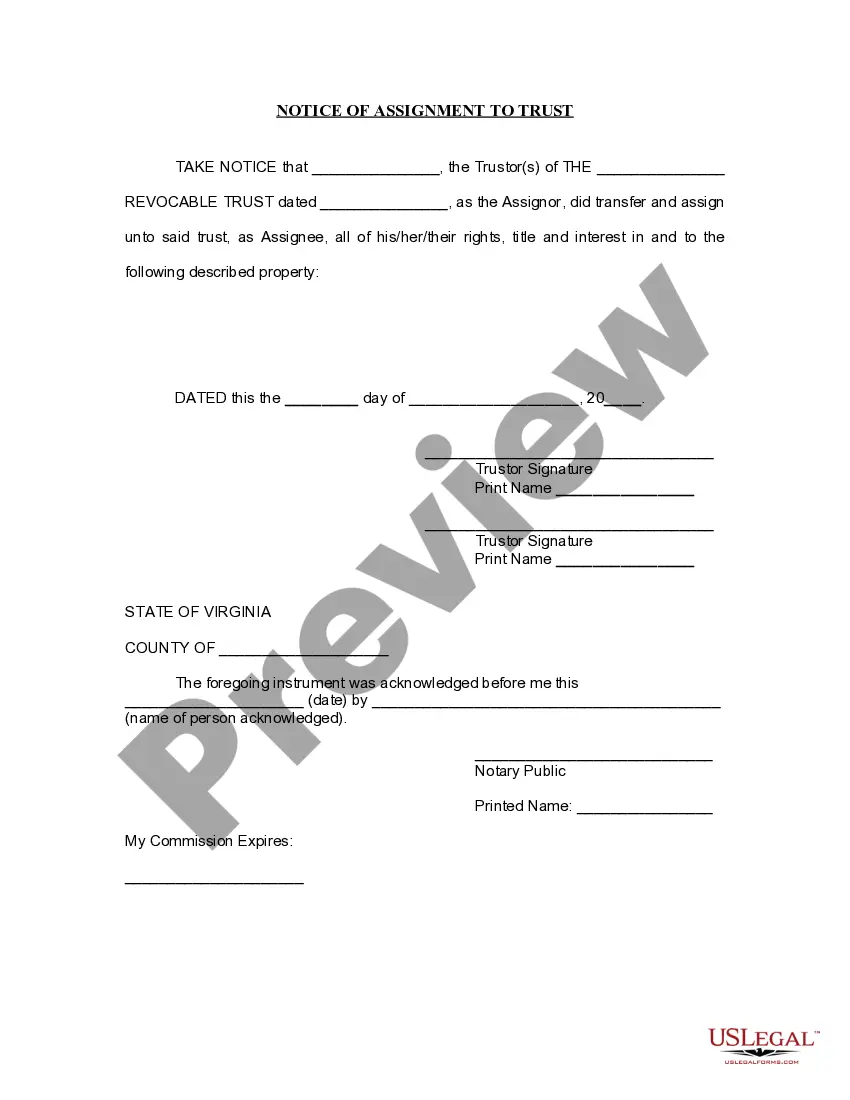
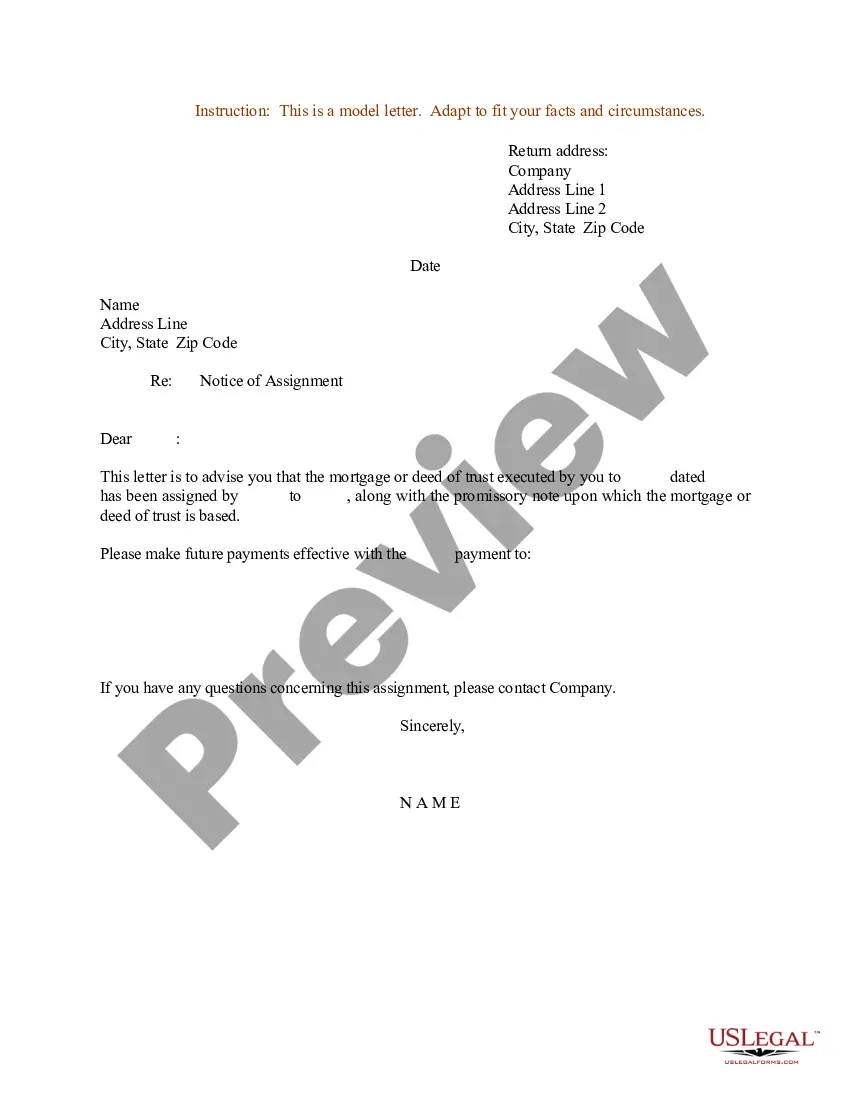
How to fill out Virginia Notice Of Assignment To Living Trust?
Creating legal documents from the ground up can sometimes feel a bit daunting.
Certain circumstances may require extensive research and significant financial investment.
If you're seeking a simpler and more economical method of drafting Virginia Trust And Estate Law or other paperwork without unnecessary complications, US Legal Forms is readily available to assist you.
Our online collection of over 85,000 current legal documents addresses nearly every aspect of your financial, legal, and personal matters. With just a few clicks, you can promptly access state- and county-specific forms carefully crafted for you by our legal experts.
Ensure the form you pick meets the regulations of your state and county. Choose the appropriate subscription plan to acquire the Virginia Trust And Estate Law. Download the document, then complete, validate, and print it. US Legal Forms has an impeccable reputation and over 25 years of expertise. Join us today and make document management a straightforward and efficient process!
- Utilize our service whenever you require dependable and trustworthy solutions to easily locate and obtain the Virginia Trust And Estate Law.
- If you're already familiar with our site and have previously registered an account, simply Log In to your account, select the desired form, and download it or re-download it anytime via the My documents section.
- Not registered yet? No worries. Registering is quick and straightforward, allowing you to explore the library.
- But before you go ahead and download Virginia Trust And Estate Law, keep these tips in mind.
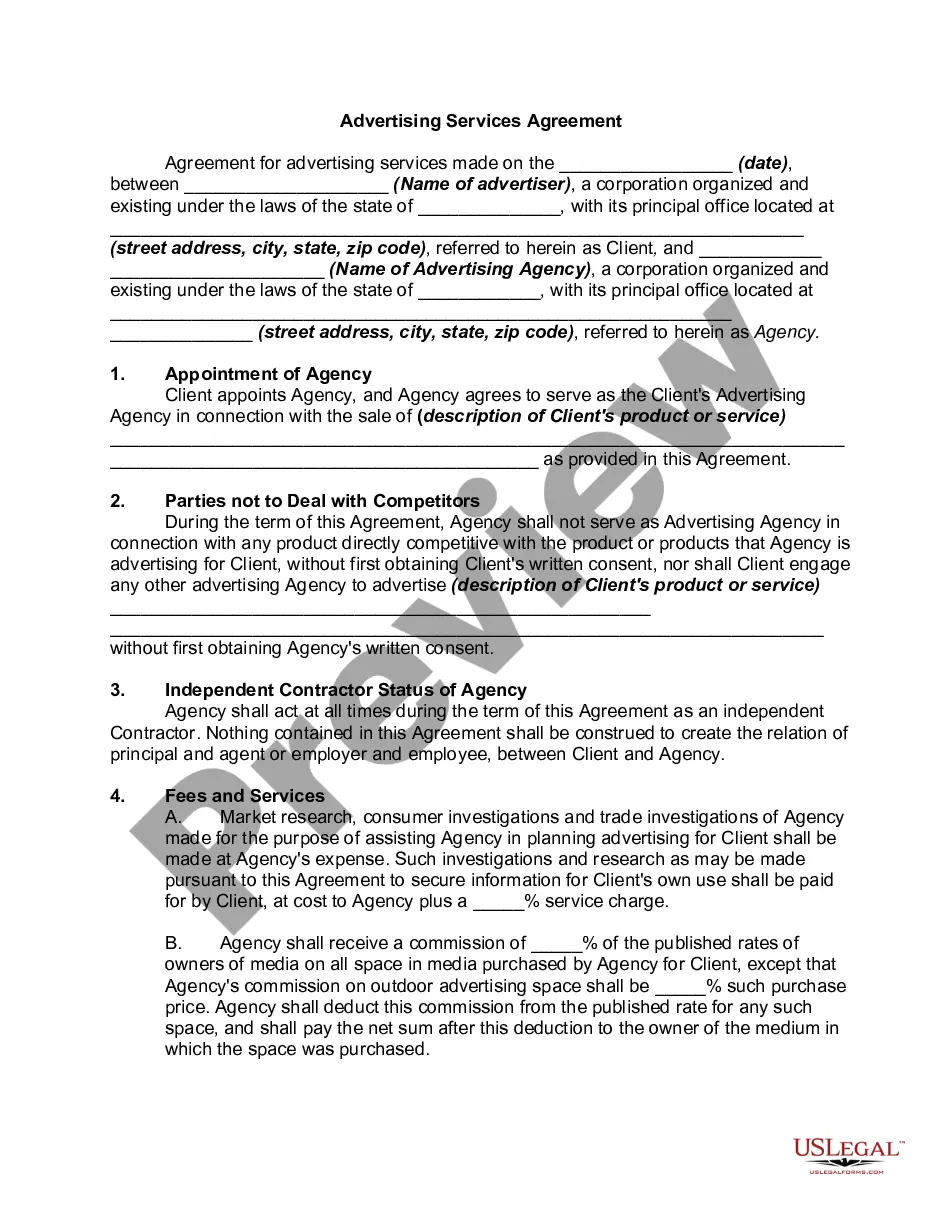
- Review the document preview and descriptions to ensure you have located the correct form.
Form popularity
FAQ
Creating a living trust in Virginia occurs when you create a written trust document and sign it in the presence of a notary. The trust is not official until you transfer assets into it. A living trust can offer a variety of benefits that may appeal to you. Consider what is best for you.
A living trust in Virginia is an estate planning option that allows you to place your assets in trust while continuing to use and control them. The trust passes the assets to your beneficiaries after your death.
The factors that will determine probate and a length of probate will be whether or not there was a testamentary trust, whether there are family disputes or complications, and what level of estate planning was done prior to the death of the decedent.
In Virginia, any estate valued at greater than $50,000 at the time of the owner's passing must go through the probate procedure.
Anyone can make a trust in Virginia as long as they follow the requirements as listed in the statute. The settlor must have the proper mental capacity and must intend to create the trust. Furthermore, the settlor must name a beneficiary for the trust and a trustee to manage it.