First Origin Mortgage Lenders
Description
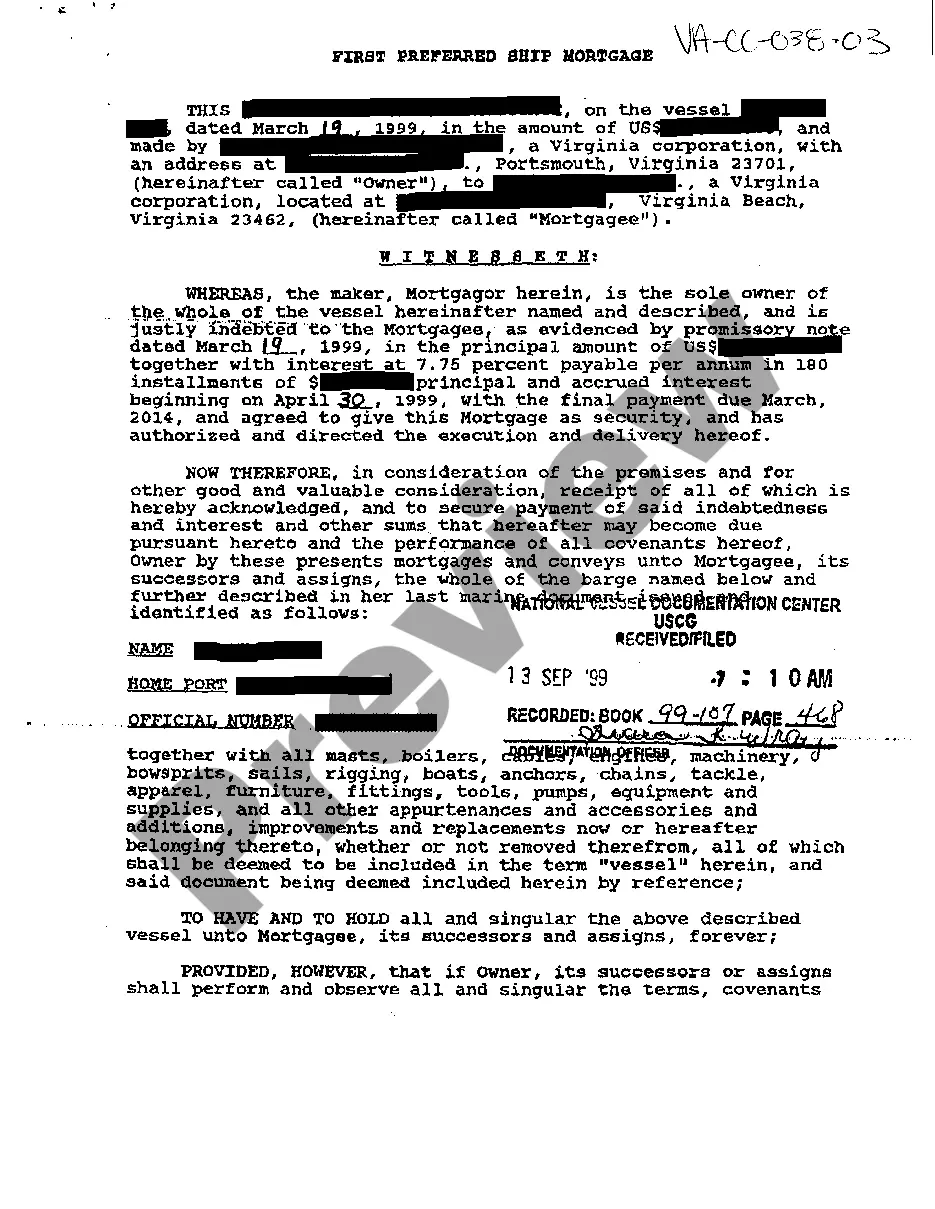
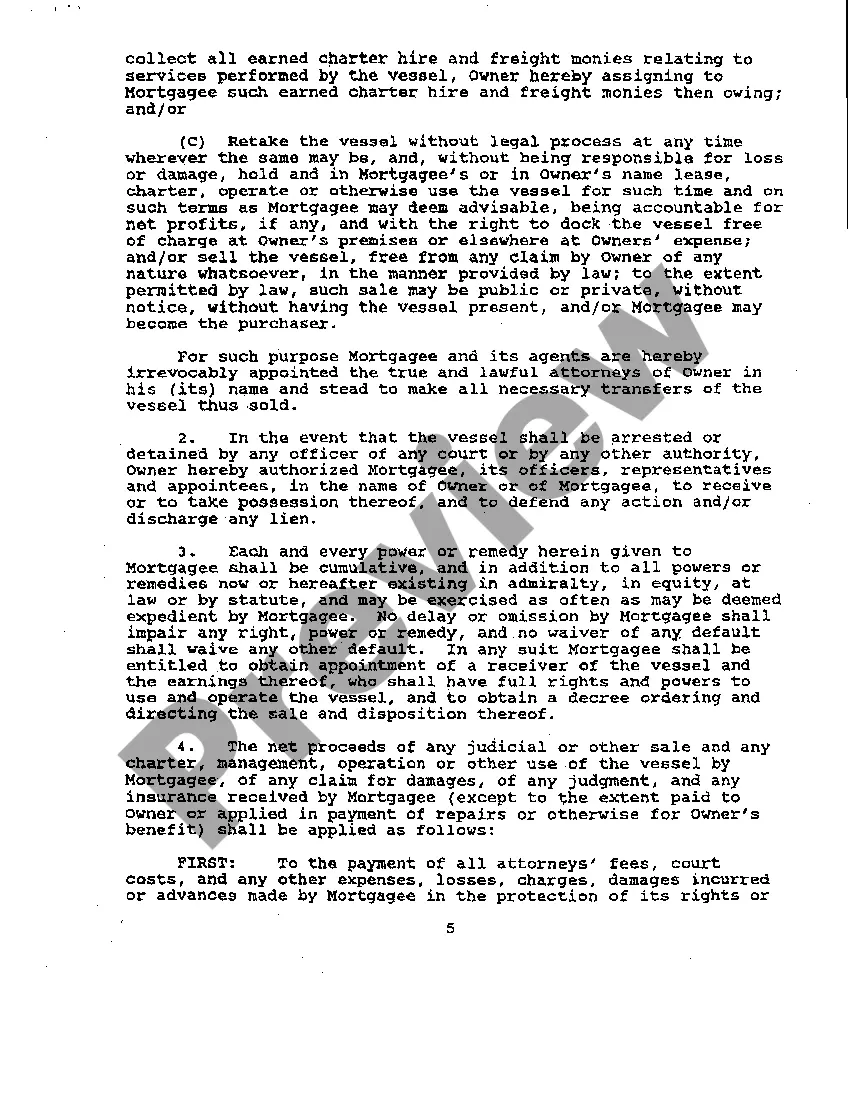
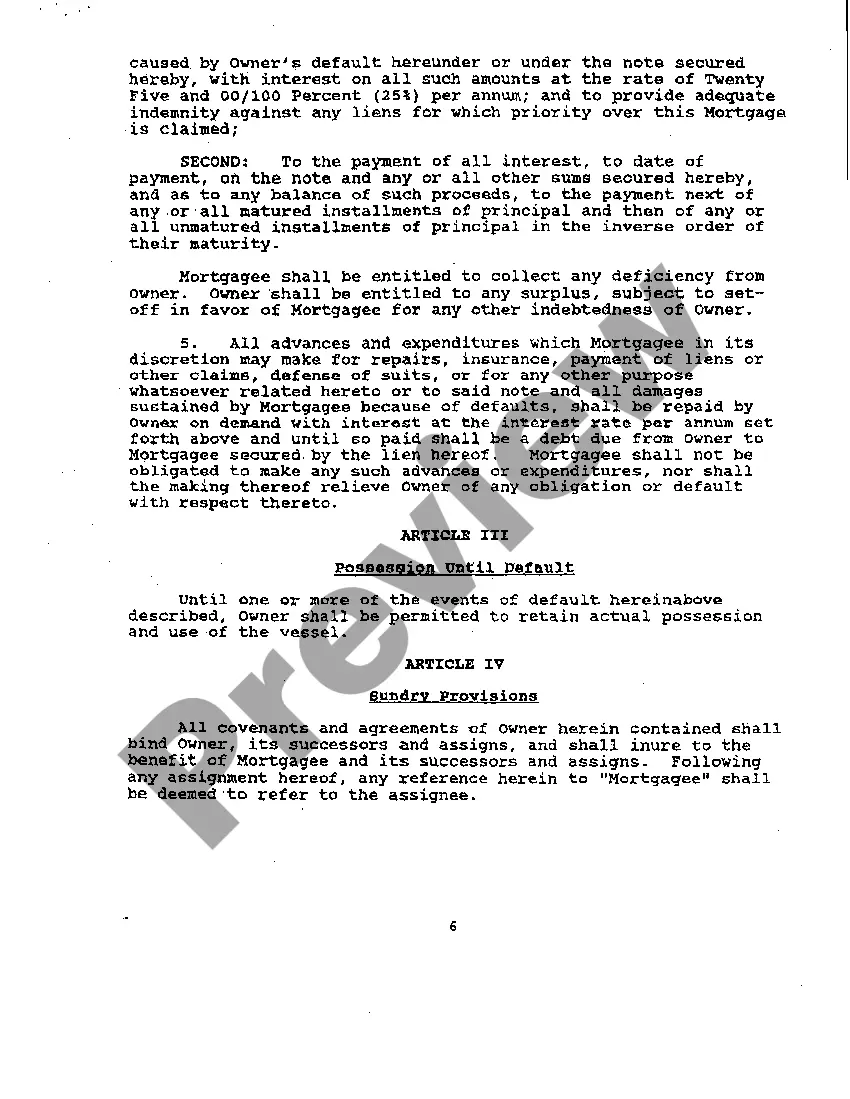
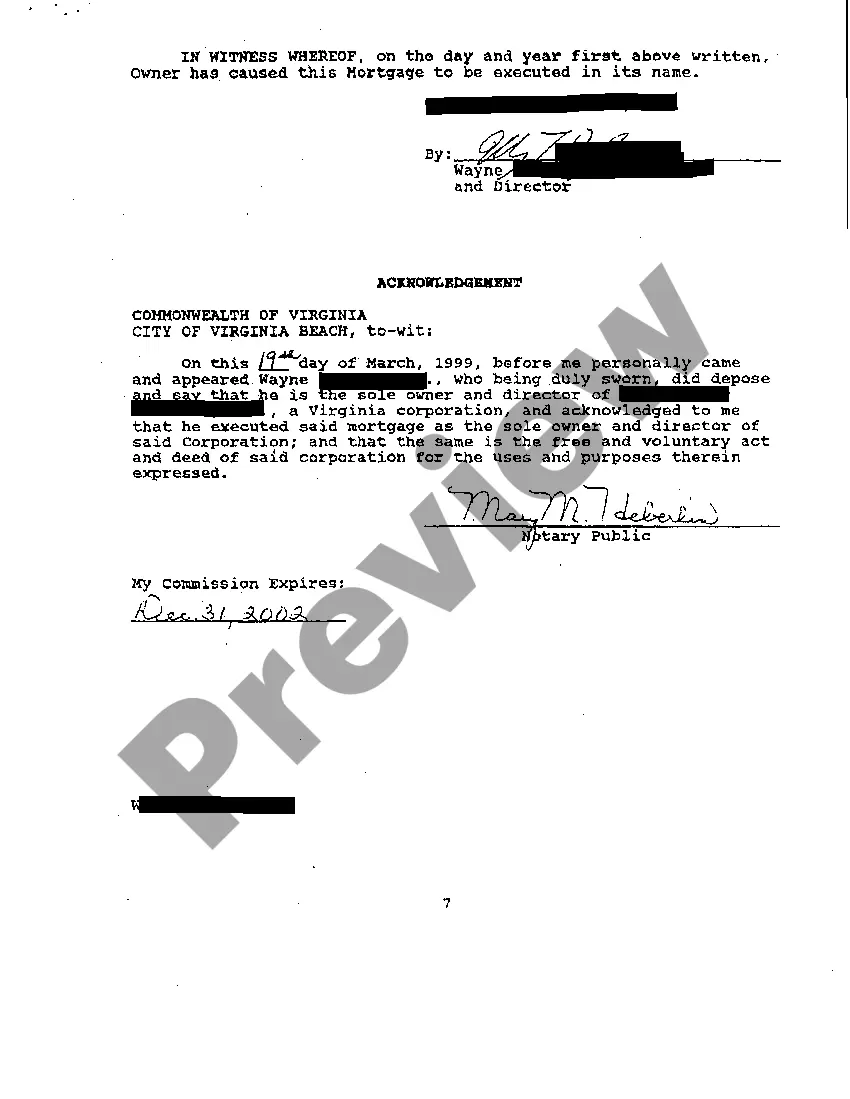




How to fill out Virginia First Preferred Ship Mortgage?
Locating a reliable source for obtaining the most up-to-date and suitable legal forms is a significant part of navigating bureaucracy. Identifying the correct legal documents requires precision and careful attention, which is why it is crucial to source samples of First Origin Mortgage Lenders exclusively from trustworthy providers, such as US Legal Forms. An incorrect template can squander your time and prolong the matter at hand. With US Legal Forms, you can rest easy. You can review and comprehend all the specifics regarding the document’s applicability and significance for your situation and in your jurisdiction.
Follow these procedures to complete your First Origin Mortgage Lenders.
Once the form is saved on your device, you can edit it using the editor or print it out and fill it in manually. Eliminate the hassle associated with your legal paperwork. Browse the extensive US Legal Forms collection to discover legal samples, assess their relevance to your situation, and download them instantly.
- Use the catalog search or search bar to locate your template.
- Examine the form’s details to verify it aligns with the requirements of your jurisdiction.
- View the form preview, if available, to confirm the template is the one you seek.
- Return to the search if the First Origin Mortgage Lenders does not suit your needs.
- If you are confident in the form’s suitability, download it.
- If you are a registered user, click Log in to verify and access your selected templates in My documents.
- If you haven't registered yet, click Buy now to acquire the template.
- Choose the pricing option that meets your requirements.
- Proceed to register to complete your purchase.
- Conclude your transaction by selecting a payment method (credit card or PayPal).
- Choose the download file format for the First Origin Mortgage Lenders.
Form popularity
FAQ
When interacting with first origin mortgage lenders, avoid sharing unnecessary personal information that doesn’t relate to your mortgage application. For instance, discussing unrelated debts or plans could distract from your financial profile. Focus on relevant financial details that help them assess your application. Keeping the conversation concise and focused can lead to a smoother approval process.
When communicating with first origin mortgage lenders, avoid making statements that could raise red flags, such as downplaying your credit issues or exaggerating your income. It's important to be honest about your financial situation. Misleading information can jeopardize your chances of securing a mortgage. Instead, focus on providing clear and truthful answers to build trust.
Filling out a mortgage form requires careful attention to detail. Start by gathering all necessary information, including your income, employment history, and credit details. When working with first origin mortgage lenders, ensure you provide accurate and complete information to avoid delays. If you find the process overwhelming, consider using platforms like US Legal Forms to access guided templates that simplify the application.
The big six mortgage lenders in the United States include Wells Fargo, JPMorgan Chase, Bank of America, Quicken Loans, Citigroup, and U.S. Bank. These lenders dominate the market and provide a wide range of mortgage products. They are known for their strong financial backing and extensive resources. If you're exploring options with first origin mortgage lenders, these institutions can be a great starting point.
To qualify for a mortgage loan, you'll need a stable income, strong credit score, modest debt-to-income ratio, and documentation of your employment and assets.
Generally, loan origination is the full process from applying to closing, of which underwriting is a part. Once your Loan Specialist receives your application, they can explain what type of home loan products may be available to you and estimate the loan amount and interest rate you may quality for.
These fees typically include such items as document preparation, underwriting, appraisal costs, credit reports, tax research, and more. In many cases, origination costs amount to about 0.5% to 1% of the loan amount, though, depending on the lender, they may be less.
Getting a mortgage with bad credit is possible, but it can be harder. Lenders will look at the credit score of people who apply for a mortgage. They use your credit history as an indication of how likely you are to make repayments and how well you'll manage your account.
In the U.S., it's generally called origination. This process sees borrowers go through prequalification, application, underwriting, and approval before any loan funds are disbursed. Keep in mind that many lenders charge an origination fee, which is usually a small percentage of the loan value.