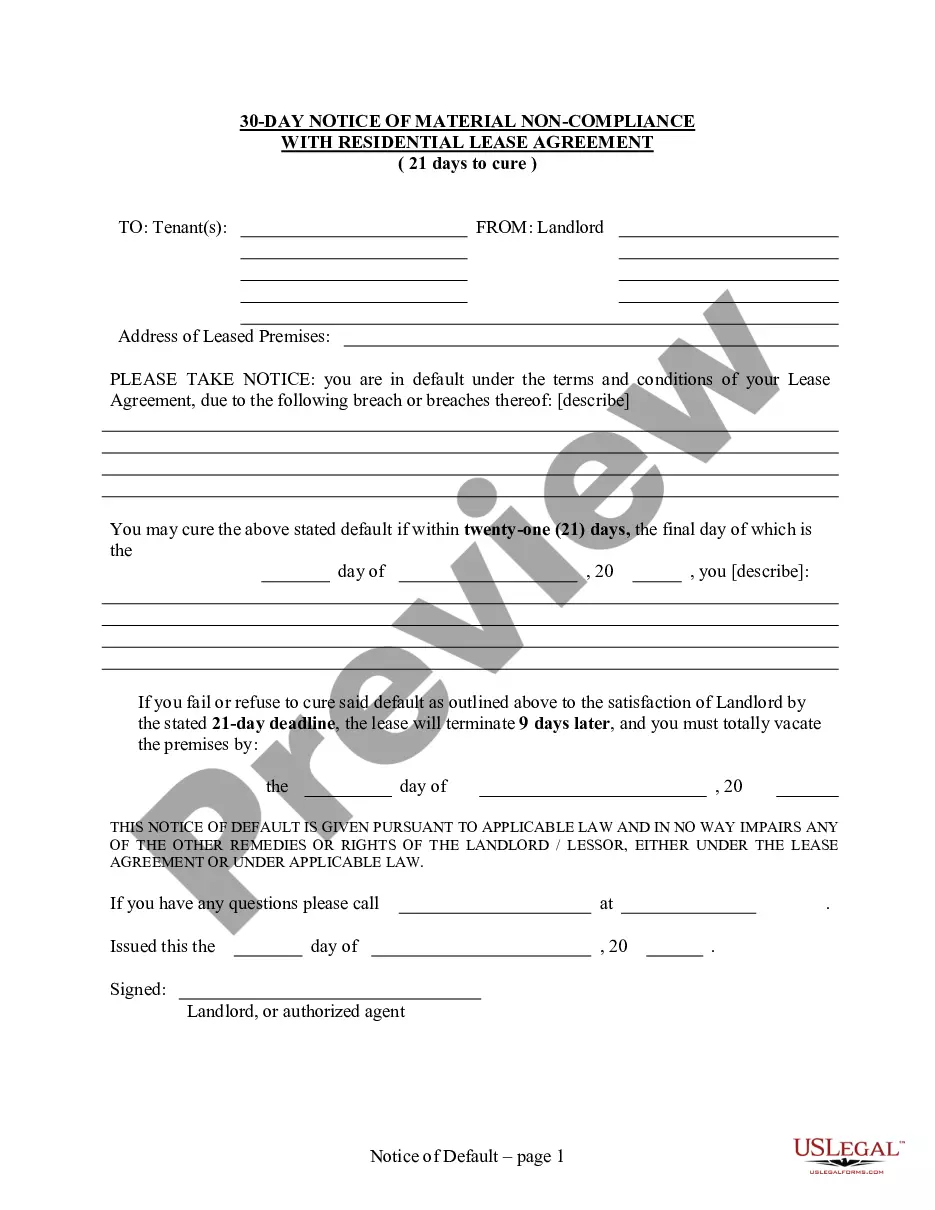
Direct And Material Compliance Requirements
Description

Get your form ready online
Our built-in tools help you complete, sign, share, and store your documents in one place.
Make edits, fill in missing information, and update formatting in US Legal Forms—just like you would in MS Word.
Download a copy, print it, send it by email, or mail it via USPS—whatever works best for your next step.
Sign and collect signatures with our SignNow integration. Send to multiple recipients, set reminders, and more. Go Premium to unlock E-Sign.
If this form requires notarization, complete it online through a secure video call—no need to meet a notary in person or wait for an appointment.
We protect your documents and personal data by following strict security and privacy standards.

Make edits, fill in missing information, and update formatting in US Legal Forms—just like you would in MS Word.

Download a copy, print it, send it by email, or mail it via USPS—whatever works best for your next step.

Sign and collect signatures with our SignNow integration. Send to multiple recipients, set reminders, and more. Go Premium to unlock E-Sign.

If this form requires notarization, complete it online through a secure video call—no need to meet a notary in person or wait for an appointment.

We protect your documents and personal data by following strict security and privacy standards.
Looking for another form?






How to fill out Virginia 30 Day Notice Of Material Noncompliance - 21 Days To Remedy - Residential?
Whether for corporate objectives or personal affairs, everyone must navigate legal situations at some point in their lives.
Completing legal documents requires careful consideration, starting with choosing the correct form template.
Once downloaded, you can complete the form using editing software or print it and fill it out manually. With a comprehensive US Legal Forms catalog available, you don’t need to waste time searching for the correct template online. Utilize the library’s simple navigation to locate the right form for any circumstance.
- Obtain the template you require through the search bar or catalog navigation.
- Review the form’s details to ensure it aligns with your situation, state, and locality.
- Click on the form’s preview to inspect it.
- If it's not the correct document, return to the search option to locate the Direct And Material Compliance Requirements sample you need.
- Obtain the template if it fulfills your criteria.
- If you hold a US Legal Forms account, simply click Log in to access previously saved documents in My documents.
- If you don’t possess an account yet, you can acquire the form by clicking Buy now.
- Select the suitable pricing option.
- Complete the account registration form.
- Choose your payment method: use a credit card or PayPal account.
- Select the file format you prefer and download the Direct And Material Compliance Requirements.
Form popularity
FAQ
Part 5 of the compliance supplement provides guidance on how to address specific compliance challenges and requirements within federal programs. It outlines key directives that assist organizations in meeting direct and material compliance requirements effectively. By leveraging insights from this part, businesses can enhance their compliance strategies and ensure proper adherence to regulations.
Examples of characteristics indicative of compliance requirements that could have a direct and material effect on a major program include: Noncompliance could likely result in questioned costs. The requirement affects a large part of the Federal program (e.g., a material amount of program dollars).
Seven Elements of an Effective Compliance Program Implementing written policies and procedures. ... Designating a compliance officer and compliance committee. ... Conducting effective training and education. ... Developing effective lines of communication. ... Conducting internal monitoring and auditing.
An example of a compliance audit is an audit of a national bank. The bank would be audited for compliance with industry standards of privacy, financial transactions, and more, per governmental regulations.
A compliance audit gauges how well an organization adheres to rules and regulations, standards, and even internal bylaws and codes of conduct. Part of an audit may also review the effectiveness of an organization's internal controls. Different departments may use multiple types of audits.
Compliance Audit Step-By-Step Guide Identify the Areas That Require Auditing. ... Plan the Frequency of Audits. ... Create an Audit Calendar. ... Inform All Departments About the Internal Audit. ... Get Ready for the Internal Audit. ... Conduct Employee Interviews. ... Perform a Data Analysis. ... Provide a Report of the Findings.