Last Will And Testament Template In The Philippines
Description
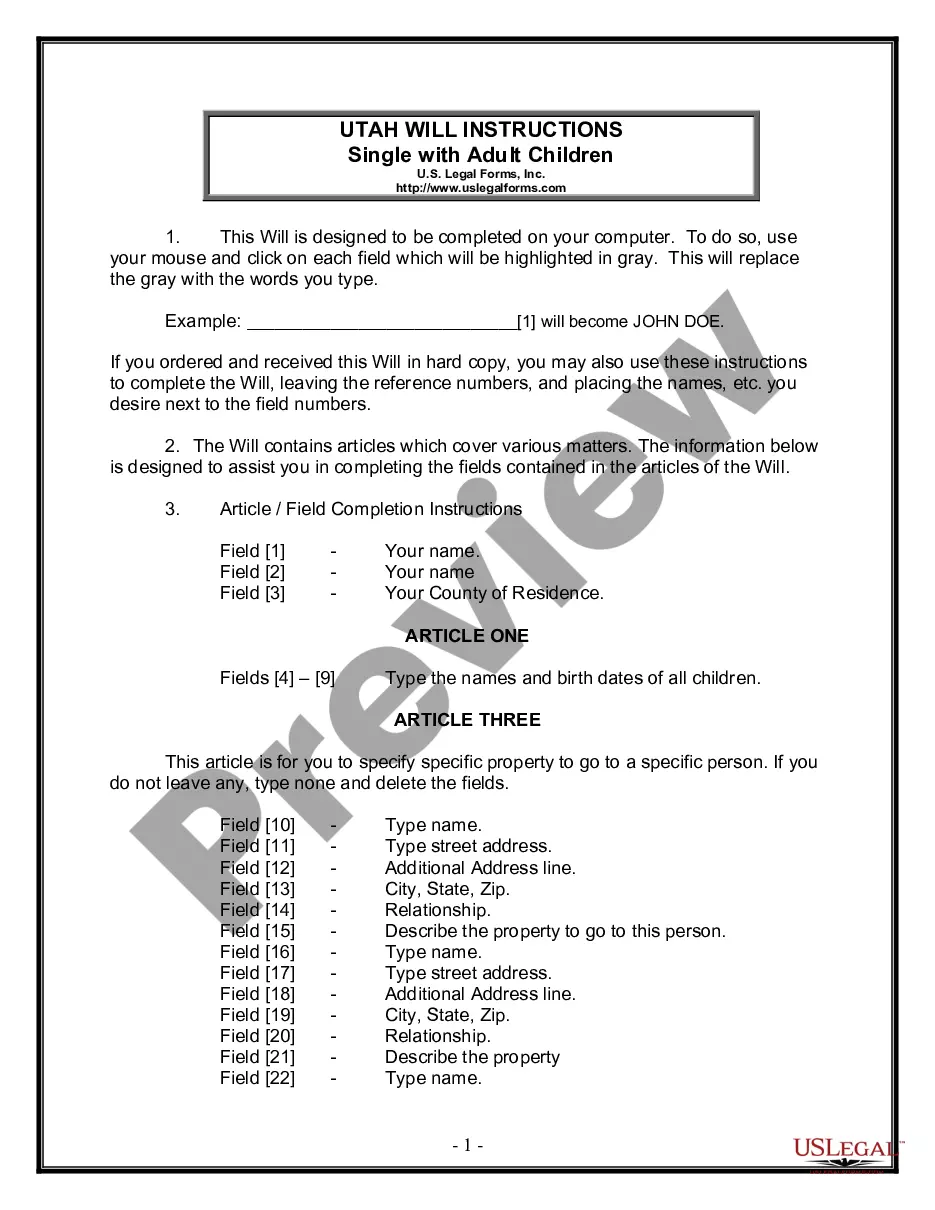
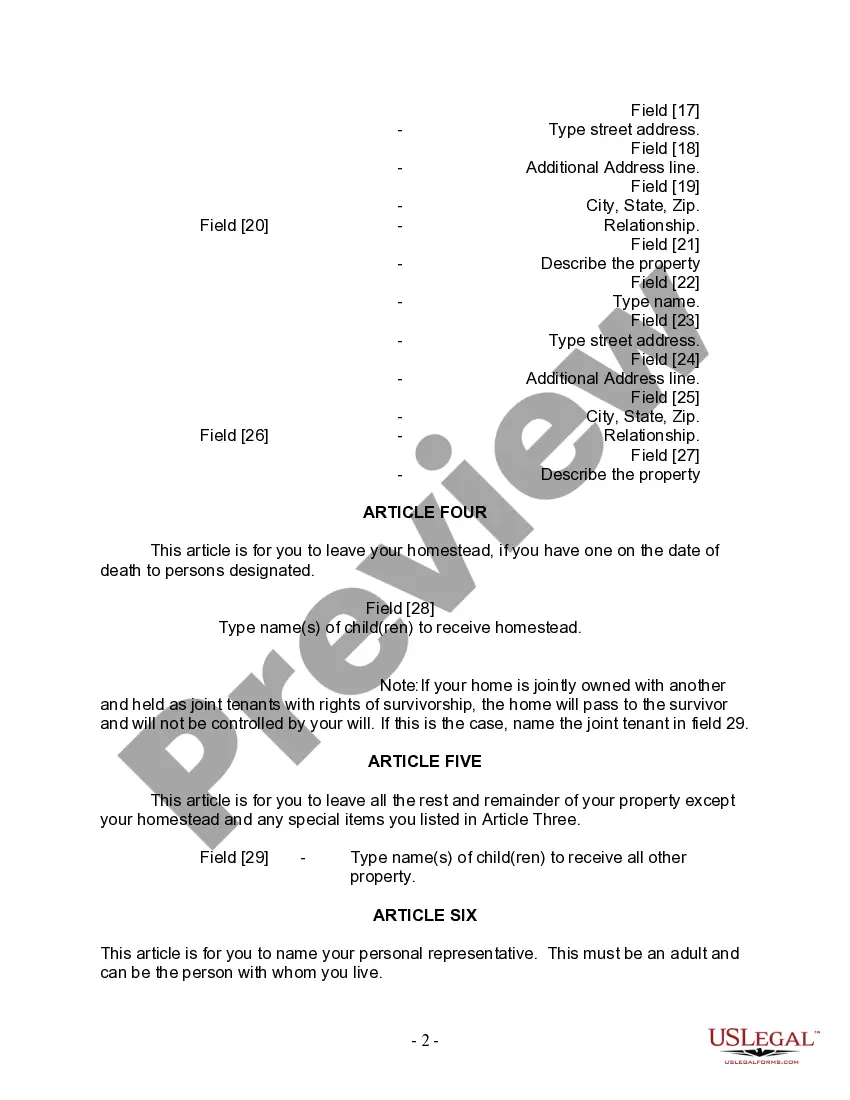
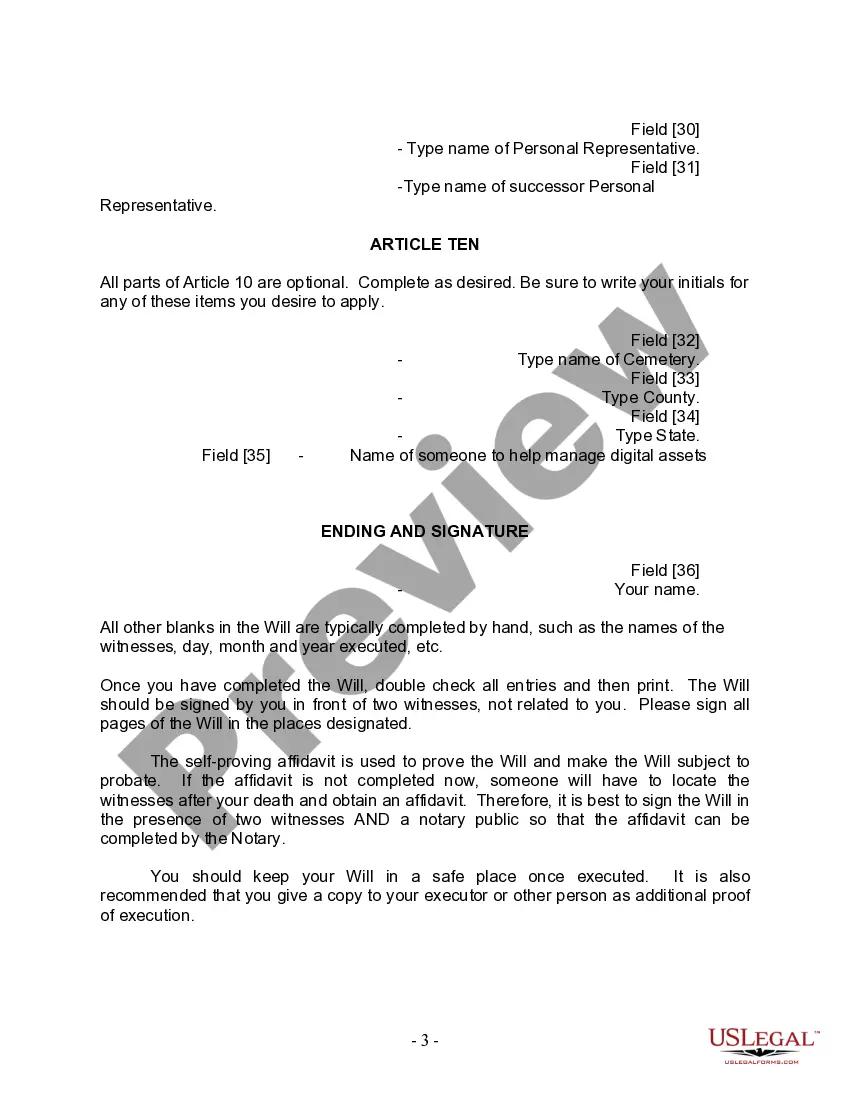
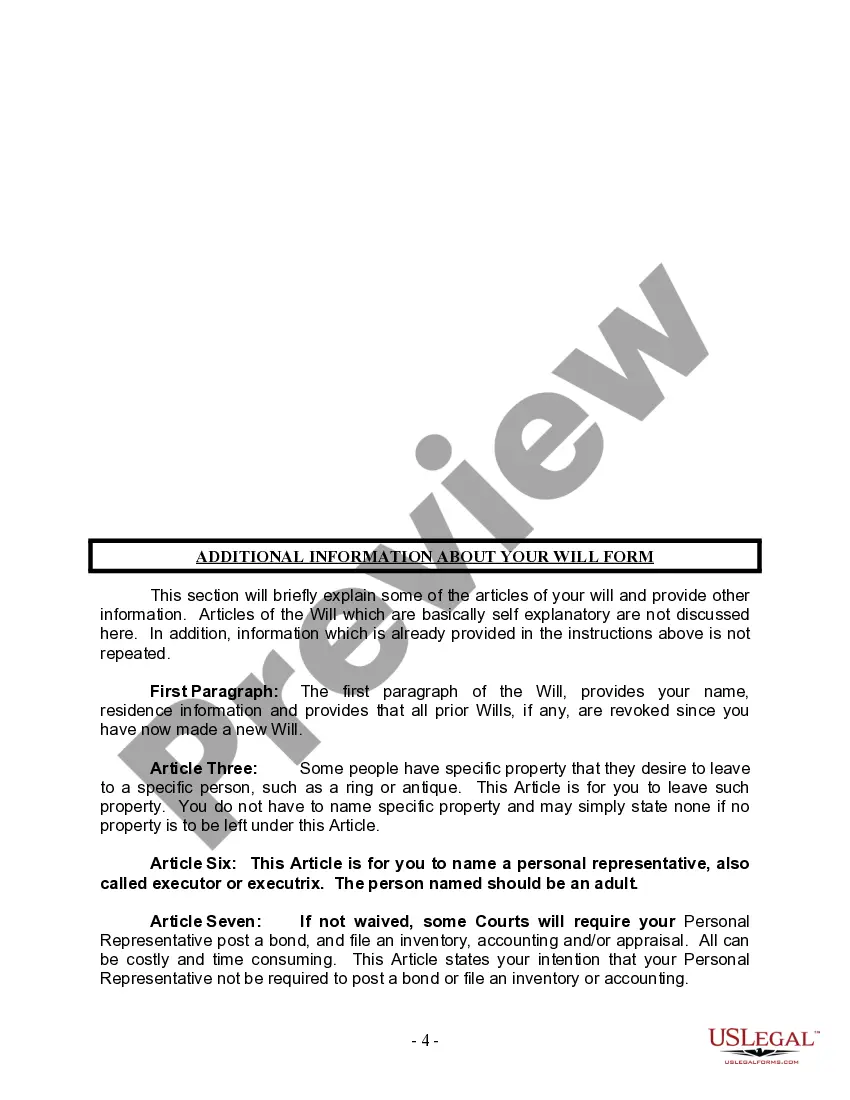
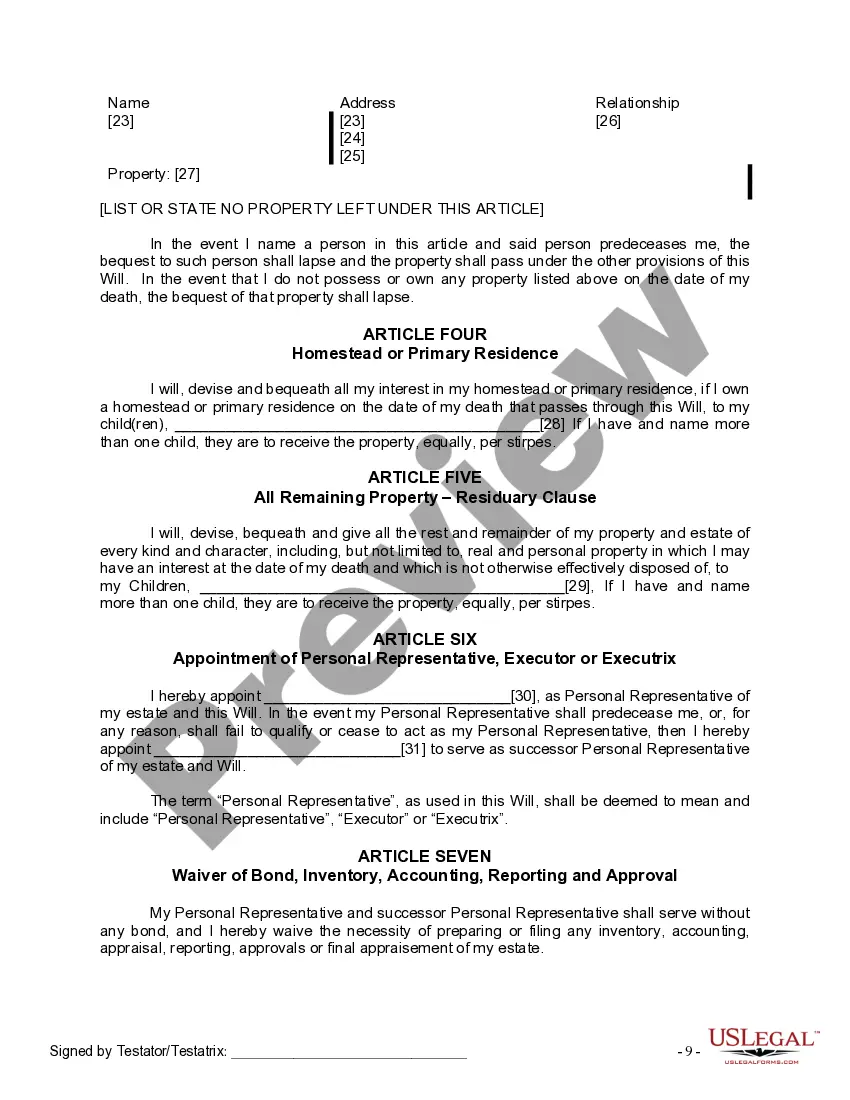
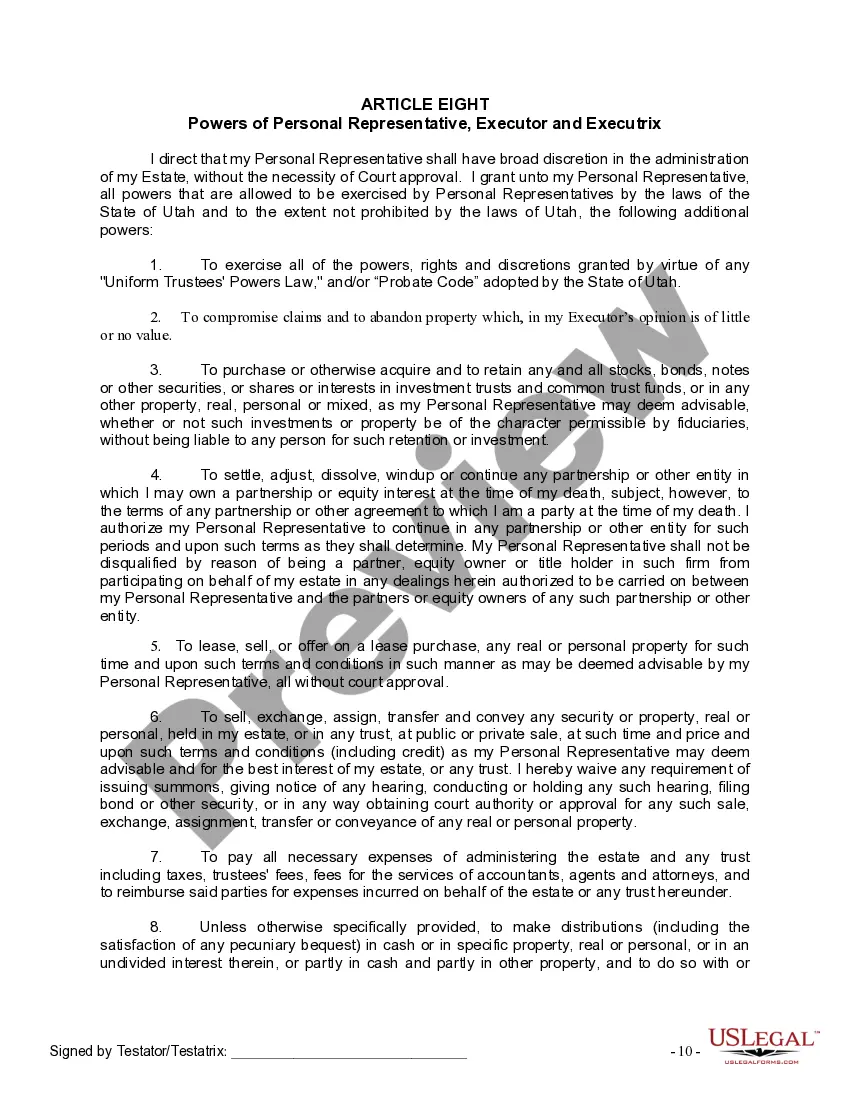

Get your form ready online
Our built-in tools help you complete, sign, share, and store your documents in one place.
Make edits, fill in missing information, and update formatting in US Legal Forms—just like you would in MS Word.
Download a copy, print it, send it by email, or mail it via USPS—whatever works best for your next step.
Sign and collect signatures with our SignNow integration. Send to multiple recipients, set reminders, and more. Go Premium to unlock E-Sign.
If this form requires notarization, complete it online through a secure video call—no need to meet a notary in person or wait for an appointment.
We protect your documents and personal data by following strict security and privacy standards.

Make edits, fill in missing information, and update formatting in US Legal Forms—just like you would in MS Word.

Download a copy, print it, send it by email, or mail it via USPS—whatever works best for your next step.

Sign and collect signatures with our SignNow integration. Send to multiple recipients, set reminders, and more. Go Premium to unlock E-Sign.

If this form requires notarization, complete it online through a secure video call—no need to meet a notary in person or wait for an appointment.

We protect your documents and personal data by following strict security and privacy standards.
Looking for another form?
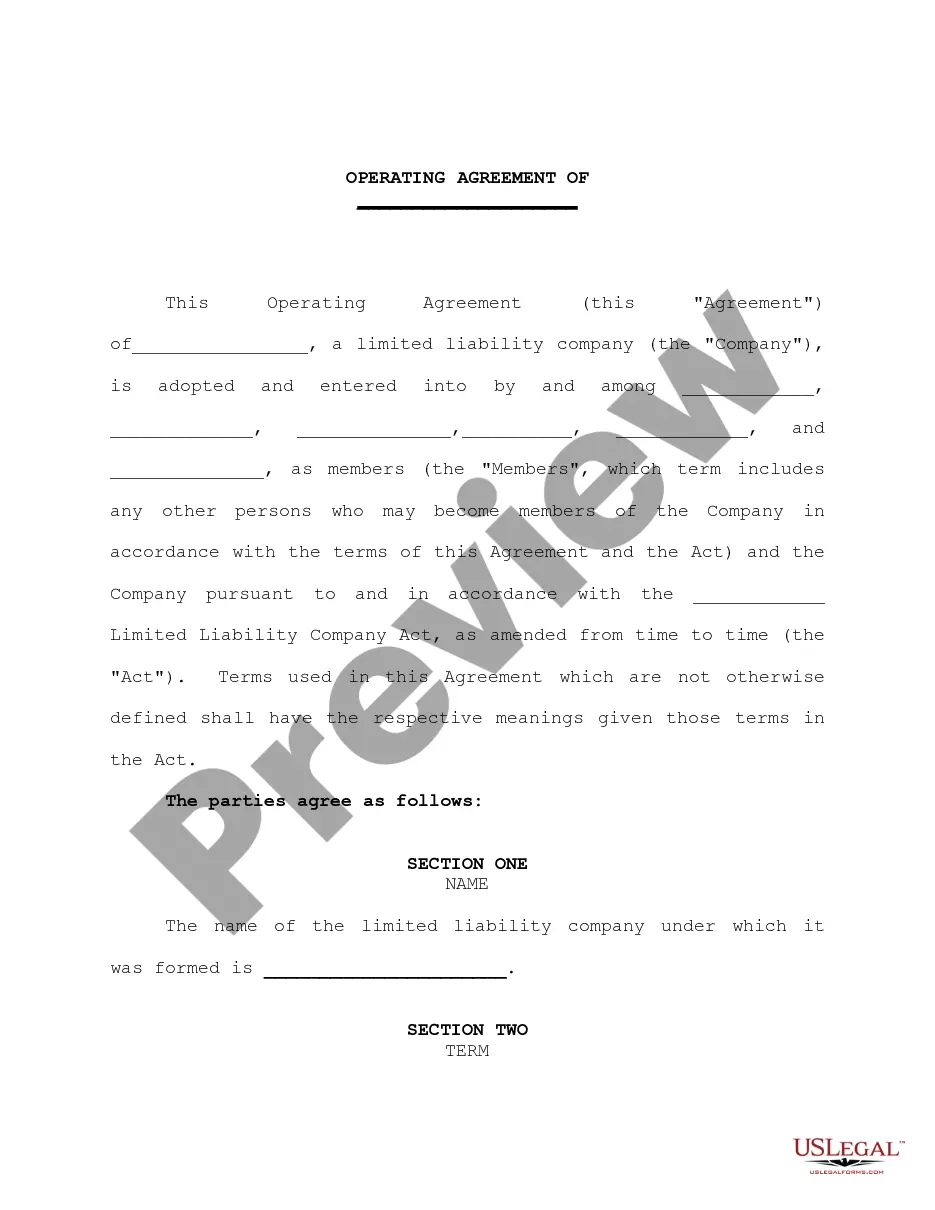




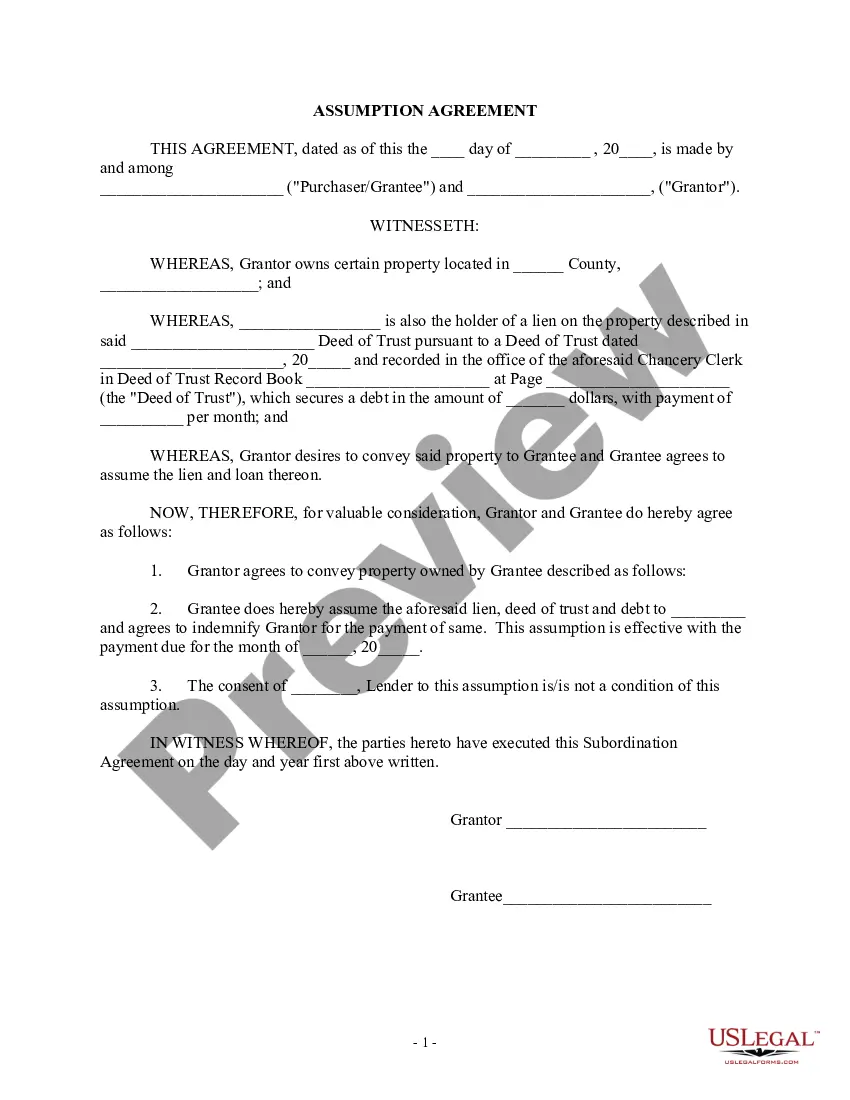


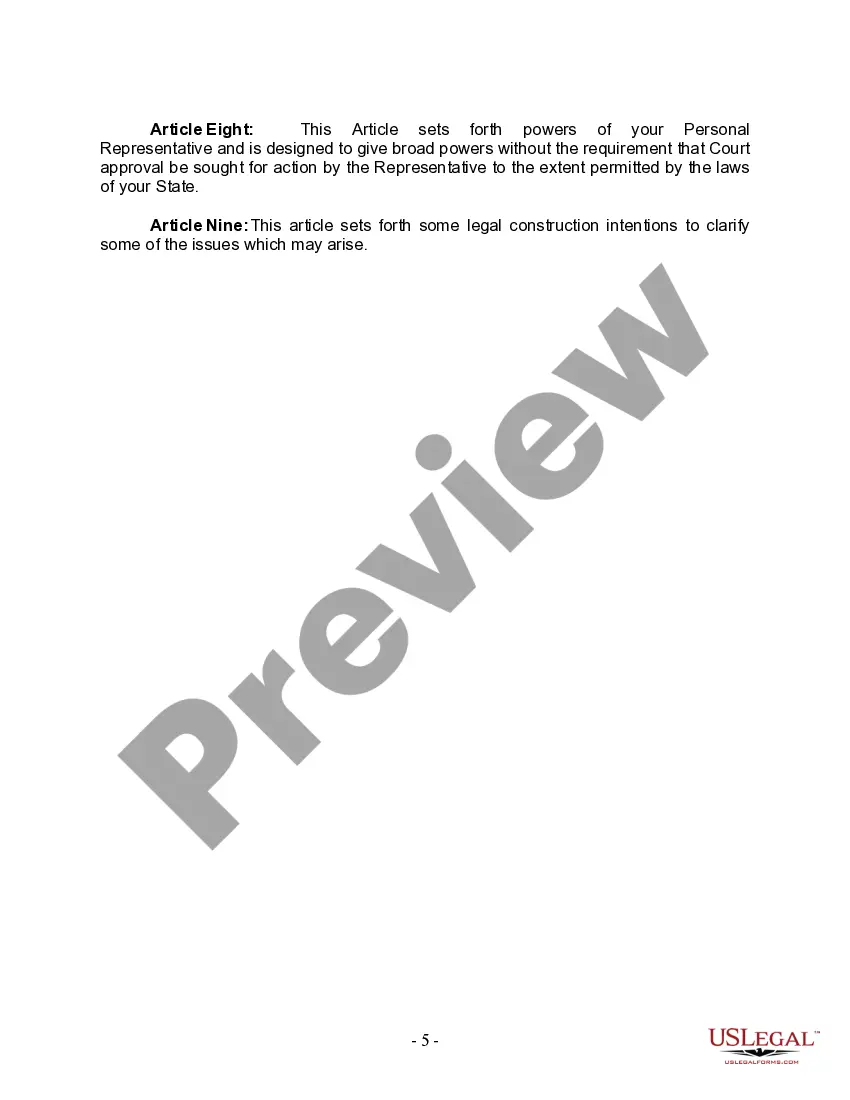
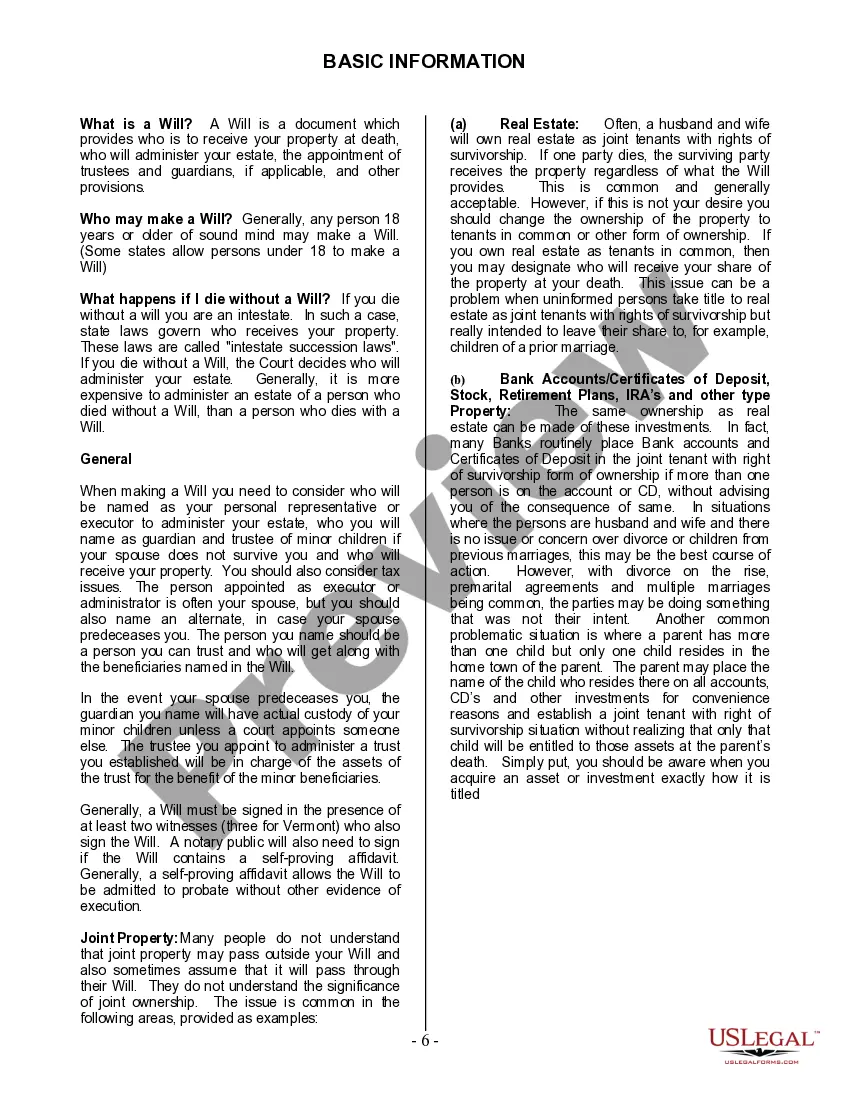
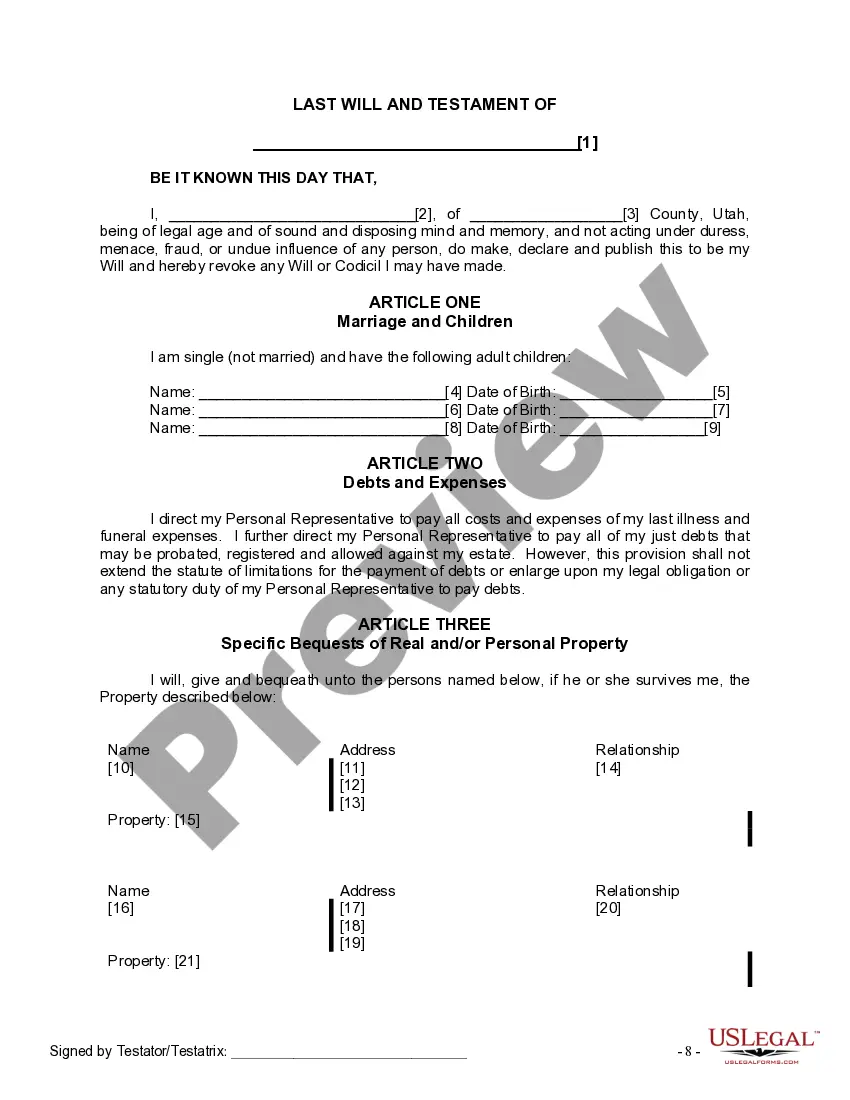
How to fill out Utah Last Will And Testament For Single Person With Adult Children?
It’s common knowledge that you cannot transform into a legal expert in a day, nor can you swiftly create a Last Will And Testament Template In The Philippines without possessing a specialized education.
Drafting legal documents is an extensive endeavor that necessitates specific training and expertise. Therefore, why not entrust the development of the Last Will And Testament Template In The Philippines to the experts.
With US Legal Forms, which boasts one of the most comprehensive collections of legal templates, you can discover everything from court paperwork to templates for internal business communications. We recognize the significance of compliance with federal and local legislation.
Create a complimentary account and select a subscription plan to purchase the form.
Click Buy now. After the payment is processed, you can obtain the Last Will And Testament Template In The Philippines, fill it out, print it, and dispatch it to the appropriate individuals or entities.
- That’s the reason why all forms on our platform are geographically specific and current.
- Begin your journey with our website and secure the form you require in just a few moments.
- Locate the document you need using the search bar located at the top of the page.
- Review it (if this alternative is available) and examine the accompanying description to determine whether the Last Will And Testament Template In The Philippines is what you’re looking for.
- If you need a different template, restart your search.
Form popularity
FAQ
A: In Arkansas, a lien is valid for fifteen (15) months after the date it is filed, unless a lien foreclosure suit is filed within that time. A.C.A. §18-44-119.
A judgment lien is a type of non-consensual lien (a lien that attaches to a property without the owner's agreement). It's created when someone wins a lawsuit against the property owner and then records the judgment against an asset such as a house, land, bank account, or other personal assets.
A judgment lien on the debtor's property is typically created automatically in the Arkansas county where the judgment is recorded; otherwise, the creditor must record the judgment with the clerk of the circuit court in the Arkansas county where the debtor's property is located.
Yes, a lien may be placed on property that is jointly owned. However, the effects of that lien depend on the type of ownership that the property is under.
And some states also allow judgment liens on the debtor's personal property -- things like jewelry, art, antiques, and other valuables. In Arkansas, a judgment lien can be attached to real estate only (such as a house, condo, or land).
In most cases you will not lose your home or car during your bankruptcy case as long as your equity in the property is fully exempt. (see Arkansas bankruptcy exemptions) Even if your property is not fully exempt, you will be able to keep it, if you pay its non-exempt value to creditors in chapter 13.
A lien release is a document that is filed in the public land records as the official notice that the lien is removed. Once payment has been received, a contractor has a duty to remove any lien that was filed against the property.
The easy definition is that a judgment is an official decision rendered by the court with regard to a civil matter. A judgment lien, sometimes referred to as an ?abstract of judgment,? is an involuntary lien that is filed to give constructive notice and is to attach to the Judgment Debtor's property and/or assets.