Notice From Landlord To Tenant
Description
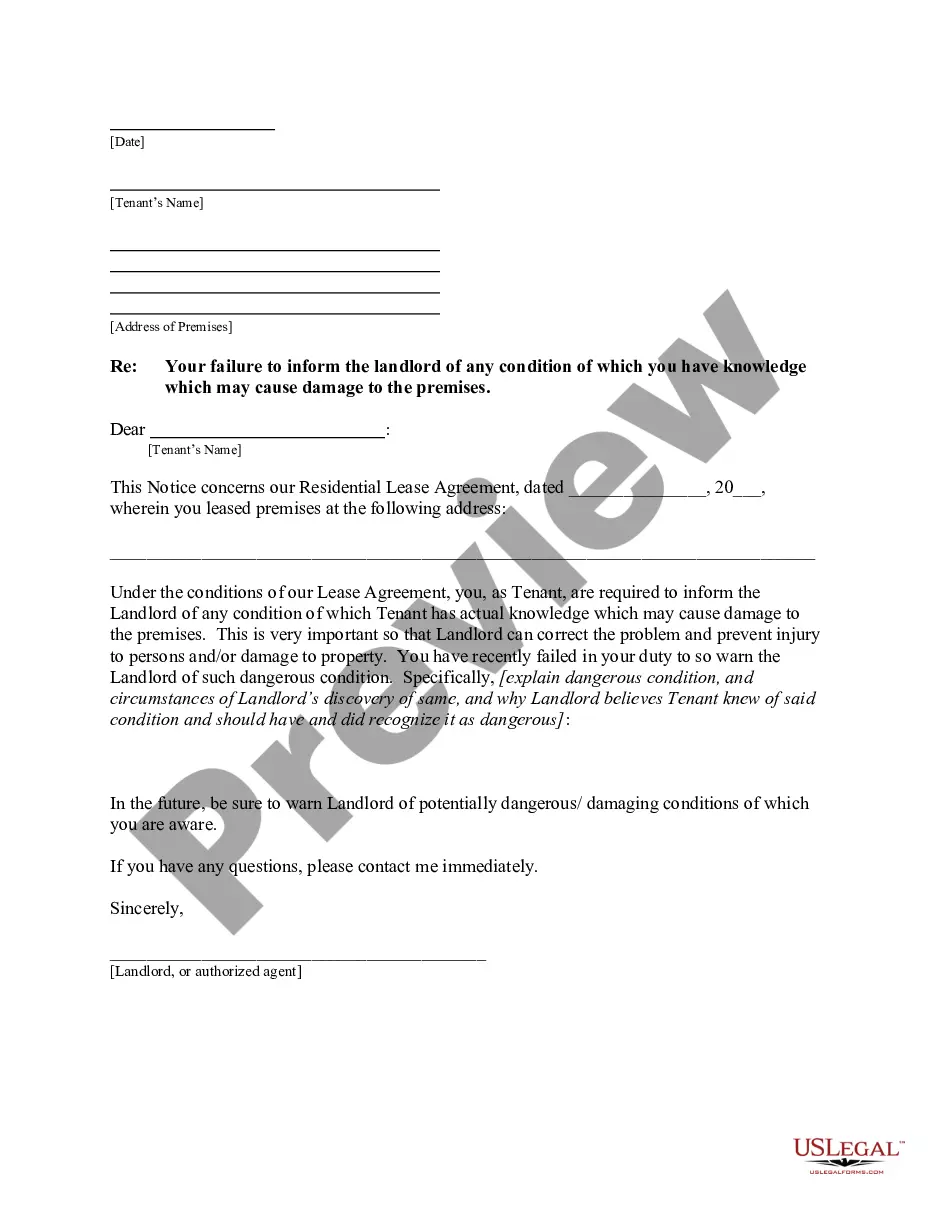
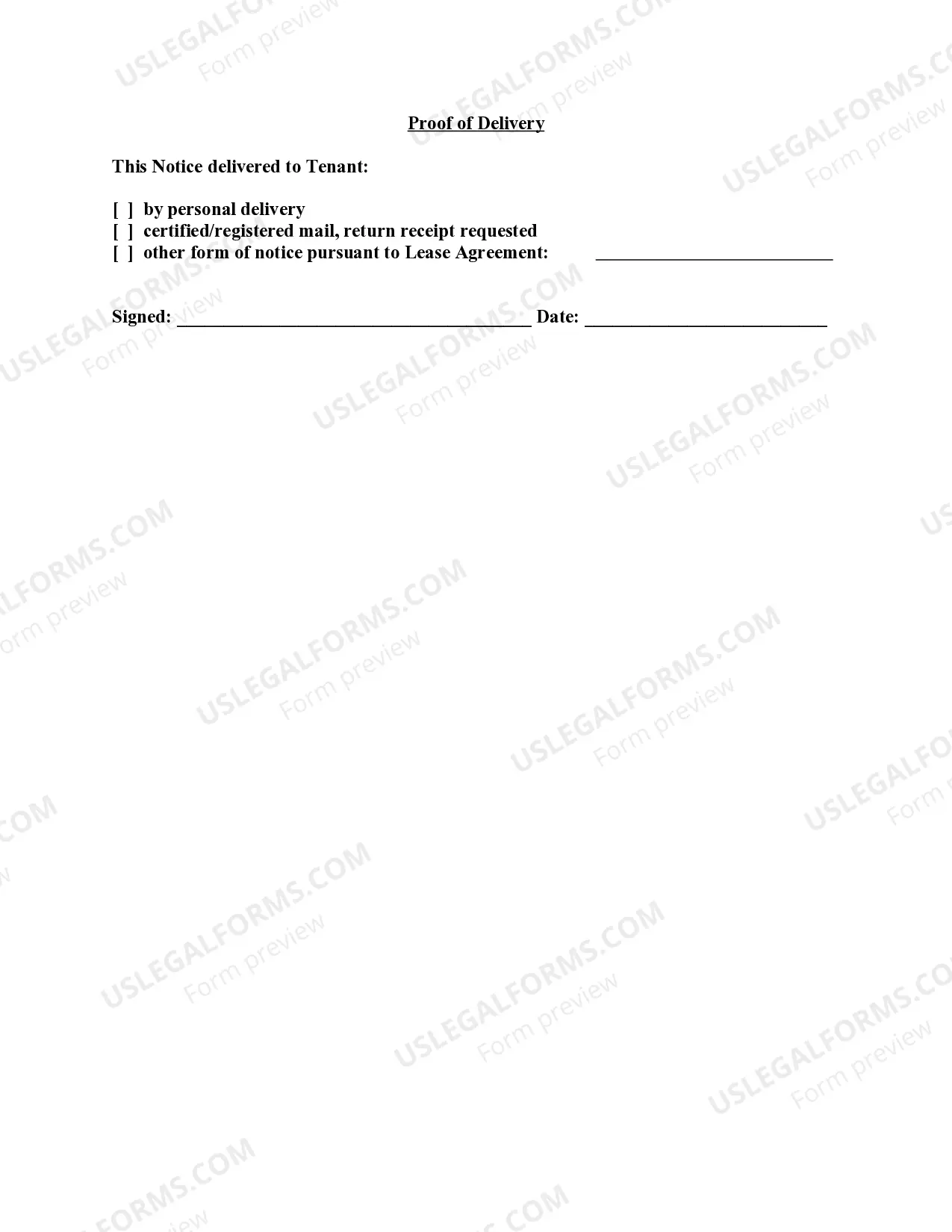

Get your form ready online
Our built-in tools help you complete, sign, share, and store your documents in one place.
Make edits, fill in missing information, and update formatting in US Legal Forms—just like you would in MS Word.
Download a copy, print it, send it by email, or mail it via USPS—whatever works best for your next step.
Sign and collect signatures with our SignNow integration. Send to multiple recipients, set reminders, and more. Go Premium to unlock E-Sign.
If this form requires notarization, complete it online through a secure video call—no need to meet a notary in person or wait for an appointment.
We protect your documents and personal data by following strict security and privacy standards.

Make edits, fill in missing information, and update formatting in US Legal Forms—just like you would in MS Word.

Download a copy, print it, send it by email, or mail it via USPS—whatever works best for your next step.

Sign and collect signatures with our SignNow integration. Send to multiple recipients, set reminders, and more. Go Premium to unlock E-Sign.

If this form requires notarization, complete it online through a secure video call—no need to meet a notary in person or wait for an appointment.

We protect your documents and personal data by following strict security and privacy standards.
Looking for another form?






How to fill out Utah Letter From Landlord To Tenant As Notice To Tenant To Inform Landlord Of Tenant's Knowledge Of Condition Causing Damage To Premises?
- If you're a returning user, simply log in to your account. Verify that your subscription is active before downloading the form template by clicking the Download button.
- For first-time users, begin by browsing the extensive library. Look for the Preview mode and form descriptions to ensure you're choosing the right notice that meets your needs and follows local jurisdiction requirements.
- If you find the forms inconsistent, utilize the Search tab to find an appropriate template. Once you find a suitable document, proceed to the next step.
- Purchase the document by clicking the Buy Now button and selecting your preferred subscription plan. You'll need to create an account to access the full library.
- Complete the payment process using your credit card or PayPal account to finalize your subscription.
- Download the form directly to your device. You can revisit this document any time from the My Forms section of your profile.
US Legal Forms stands out for its robust collection of over 85,000 legal templates, allowing users to fill and edit documents easily. With premium expert access, you can be sure your notices and forms are legally sound and ready to use.
Now that you know how to obtain a notice from landlord to tenant, start creating your document today. Visit US Legal Forms to simplify your legal paperwork!
Form popularity
FAQ
In New Jersey, a landlord typically must provide a written notice to the tenant before they can be required to move out. The notice period can vary depending on the reason for eviction, but it generally ranges from 30 to 60 days. It's important to review the specific terms of your lease and comply with local laws. For more detailed guidance, consider using US Legal Forms to access resources tailored to tenant notice requirements.
Writing a simple notice letter involves a few straightforward steps. Begin with a clear heading that includes your name and contact information, followed by the tenant's name and address. State the purpose of the notice clearly and provide any necessary dates or actions required from the tenant. A well-structured notice from landlord to tenant communicates your message effectively.
To give quick notice, it's best to deliver the notice in person to ensure the tenant receives it immediately. If in-person delivery isn't possible, consider sending it via certified mail, keeping a receipt for your records. Be sure to adhere to local laws regarding the timeframe for notice. An accurate notice from landlord to tenant reduces potential disputes.
To write a quick notice letter for a tenant, start by clearly stating the purpose of the letter. Include important details such as the date, the tenant's name, the property address, and the specific notice you are giving. Keep the tone professional and straightforward, while ensuring you comply with any local landlord-tenant regulations. A well-crafted notice from landlord to tenant helps prevent misunderstandings.
To write a notification letter to your landlord, introduce yourself with your full name and address at the top. Clearly outline the reason for your notification, whether it's a maintenance request, a change in occupancy, or any other relevant matter. Make sure to be direct but courteous, as this helps foster a good relationship. If you need assistance with forms, consider exploring US Legal Forms for easy-to-use templates that can simplify the process.
When writing a notice letter to your landlord, start with your name and address, followed by the landlord's name and address. Specify the purpose of the letter, whether for repairs, inquiries, or any issues you wish to address. Use a polite tone and include details to ensure clarity; remember, this communication can serve as a formal notice from landlord to tenant about your concerns.
To write a notice to vacate letter to your landlord, begin by stating your intention to leave the property. Clearly mention the date you plan to vacate, ensuring it aligns with the notice period specified in your lease. It is vital to provide your current address and any necessary details about the property. This notice from landlord to tenant should be concise and respectful, as maintaining a positive relationship can be beneficial.
In a letter from landlord to tenant to vacate, include your name, the tenant's name, and the property address at the top. Clearly communicate the reason for the vacating request and specify the deadline for moving out. Make sure to express your willingness to help make the process manageable. This can foster a sense of cooperation during the transition.
To tell a tenant to move out nicely, start with a friendly greeting and express appreciation for their time in the property. Clearly outline the reasons for this request, and provide a reasonable timeline for them to vacate. Be understanding and offer assistance during their transition if possible. This approach encourages goodwill and can lead to a smoother process.
When writing a notice letter to your tenant, provide essential information like your contact details and the tenant’s address. Clearly articulate the purpose of the notice, whether you're addressing an issue or informing about changes. Use straightforward language to highlight any required actions or deadlines. This promotes effective communication and an understanding of responsibilities.