Third Party Trust And Medicaid
Description
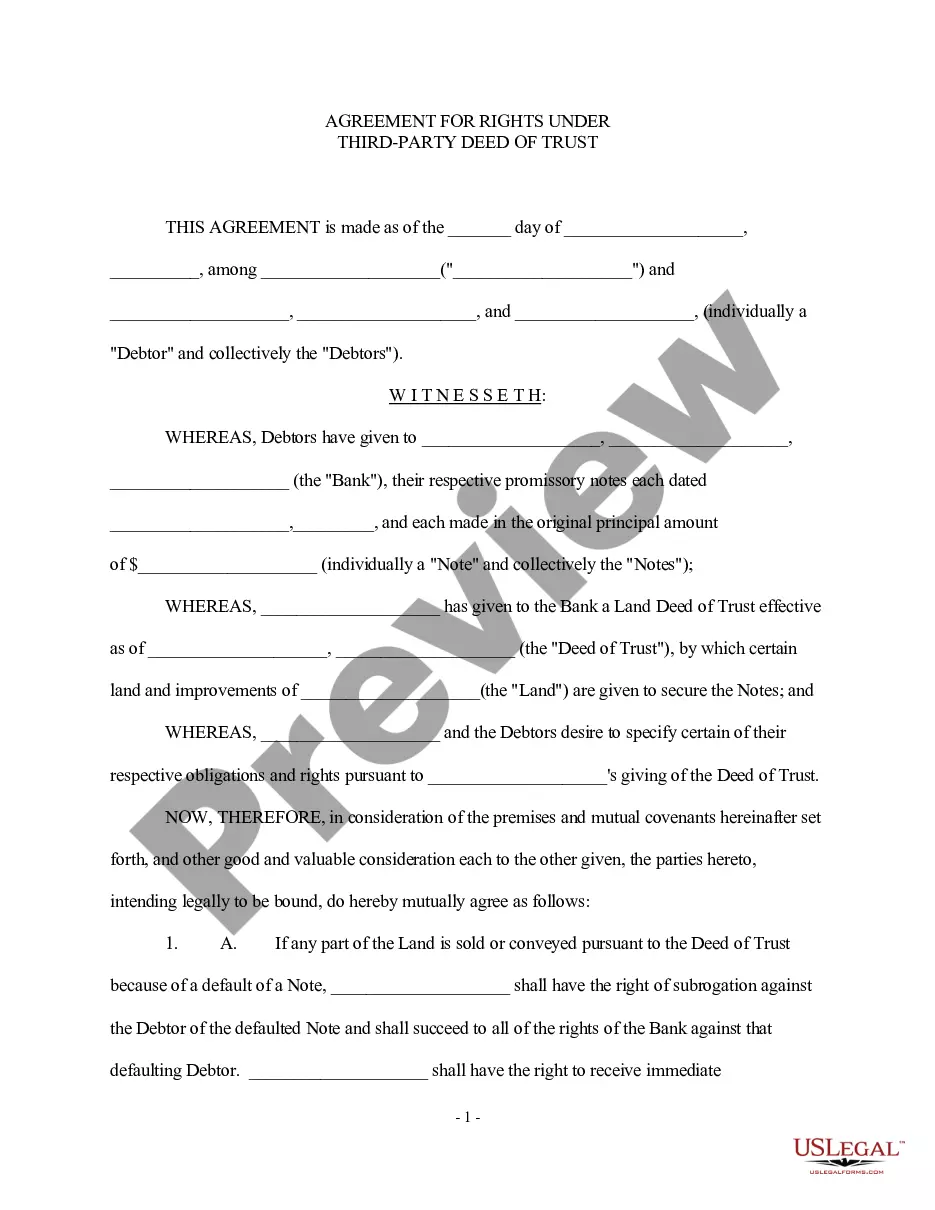
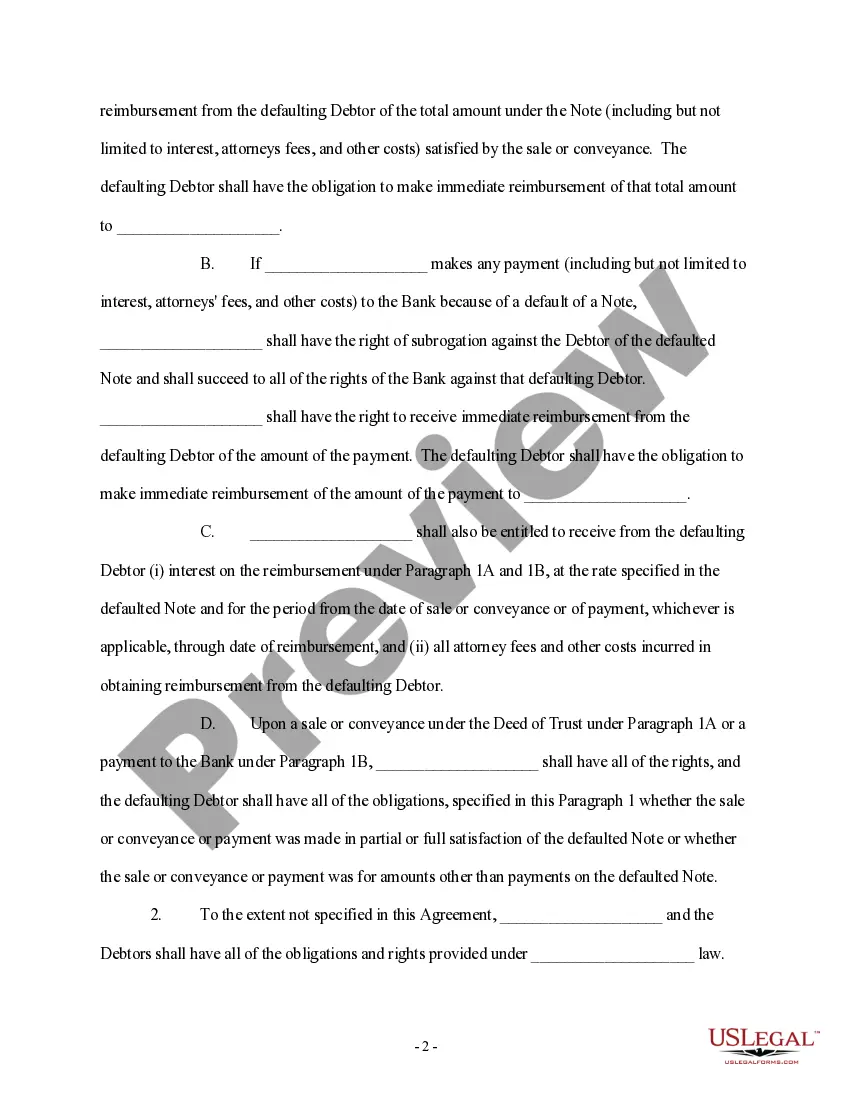
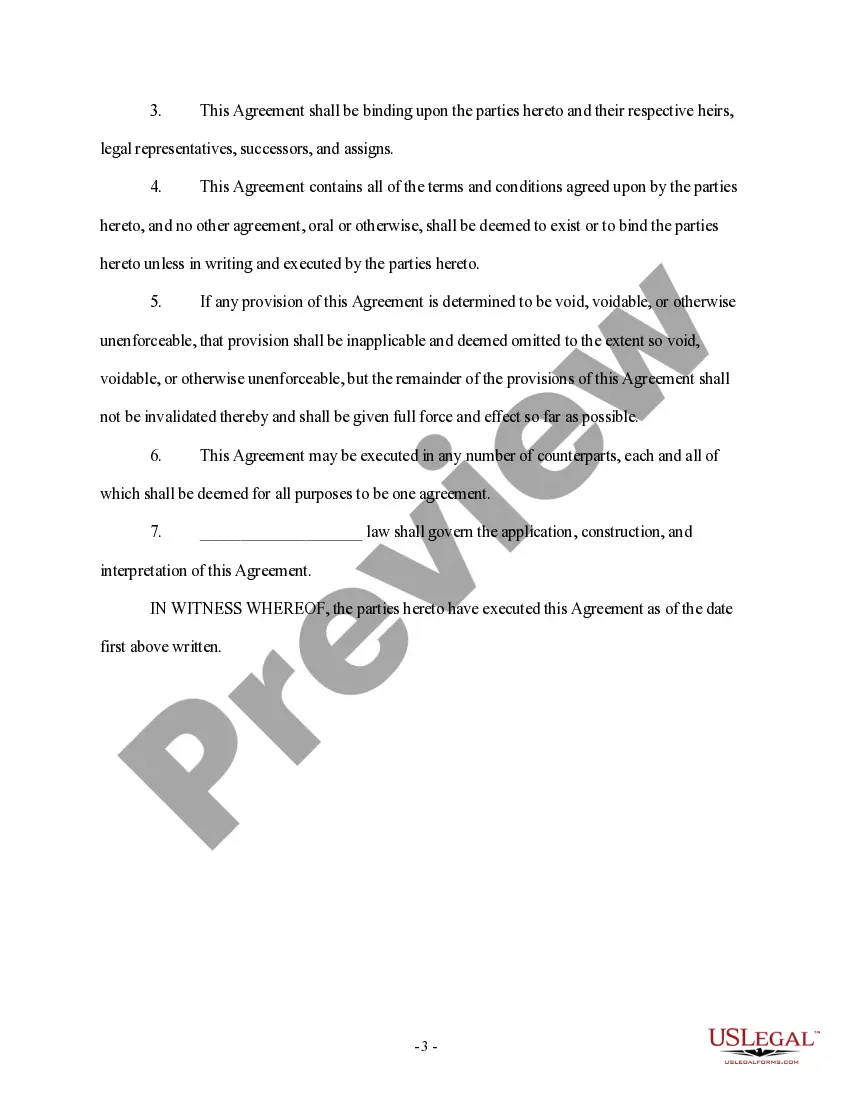
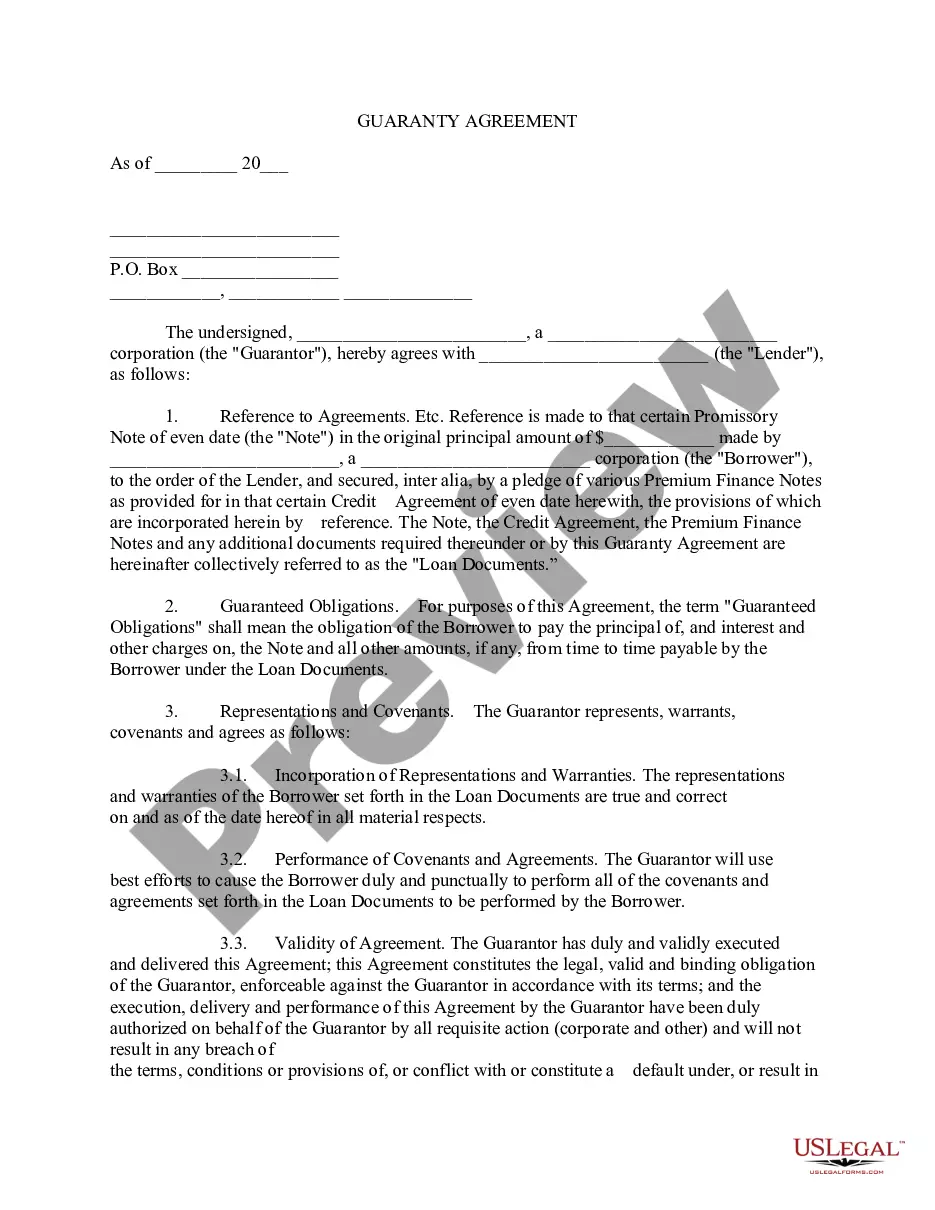
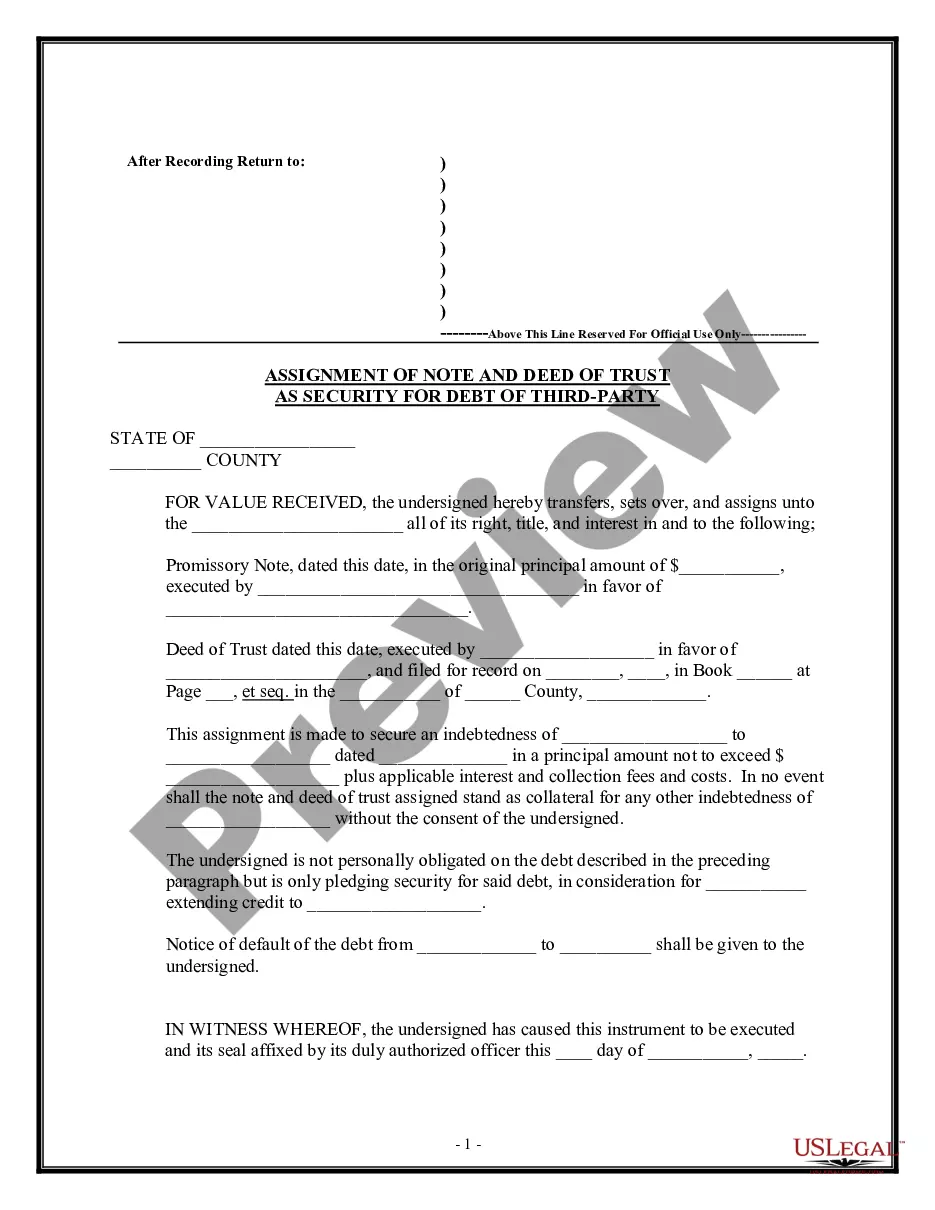
Get your form ready online
Our built-in tools help you complete, sign, share, and store your documents in one place.
Make edits, fill in missing information, and update formatting in US Legal Forms—just like you would in MS Word.
Download a copy, print it, send it by email, or mail it via USPS—whatever works best for your next step.
Sign and collect signatures with our SignNow integration. Send to multiple recipients, set reminders, and more. Go Premium to unlock E-Sign.
If this form requires notarization, complete it online through a secure video call—no need to meet a notary in person or wait for an appointment.
We protect your documents and personal data by following strict security and privacy standards.

Make edits, fill in missing information, and update formatting in US Legal Forms—just like you would in MS Word.

Download a copy, print it, send it by email, or mail it via USPS—whatever works best for your next step.

Sign and collect signatures with our SignNow integration. Send to multiple recipients, set reminders, and more. Go Premium to unlock E-Sign.

If this form requires notarization, complete it online through a secure video call—no need to meet a notary in person or wait for an appointment.

We protect your documents and personal data by following strict security and privacy standards.
Looking for another form?










How to fill out Agreement For Rights Under Third Party Deed Of Trust?
Managing legal documents can be daunting, even for experienced professionals.
When seeking a Third Party Trust And Medicaid and unable to dedicate time to find the appropriate and current version, the process may become overwhelming.
US Legal Forms addresses all your needs, ranging from personal to business documentation, all consolidated in one place.
Utilize sophisticated tools to fill out and manage your Third Party Trust And Medicaid.
Follow these steps after obtaining the necessary form: Ensure it is the correct form by previewing it and reviewing its description.
- Access an extensive resource database of articles, guides, and materials related to your situation and needs.
- Save time and energy searching for the necessary documents, and use the advanced search and Preview feature to find and download Third Party Trust And Medicaid.
- If you have a subscription, Log In to your US Legal Forms account, search for the form, and download it.
- Check your My documents tab to review the documents you previously downloaded and manage your files as needed.
- If you are new to US Legal Forms, create an account to gain unlimited access to all platform benefits.
- Utilize a powerful web form library that can significantly improve the management of these scenarios.
- US Legal Forms is a frontrunner in online legal documents, providing over 85,000 state-specific legal forms accessible at any time.
- Access state- or county-specific legal and business documents through US Legal Forms.
Form popularity
FAQ
party special needs trust is a legal arrangement that enables a person to leave assets for an individual with disabilities without affecting their eligibility for government benefits, such as Medicaid. This trust can receive inheritances or gifts and is created by someone other than the beneficiary. By preserving benefits through this type of trust, families can provide financial security while allowing their loved ones to maintain vital Medicaid services.
In a trust, a third party typically refers to an individual or entity that is not a beneficiary or trustee but has a role in the trust’s administration. For instance, third parties might include financial institutions or legal advisors who help manage the trust's assets. Understanding the role of third parties is crucial for maintaining the balance of benefits, especially concerning related issues like Medicaid.
party special needs trust can be established by anyone who wants to provide financial support for an individual with disabilities without jeopardizing their eligibility for government benefits. Typically, family members, friends, or guardians can set up this type of trust. It's essential that the trust complies with state laws and integrates well with Medicaid regulations, ensuring that the individual can benefit both from the trust and from Medicaid.
What is a Third Party Trust? A Third Party Trust (also known as a Common Law Trust) is funded by the beneficiary's family and/or friends, rather than the beneficiary themselves. It can be funded either during their lifetime and/or through an estate plan.
There are two types of special needs trusts, first-party and third-party. First-party means the disabled individual uses their own assets to fund the trust. Third-party means someone else establishes the trust with the disabled person as the beneficiary.
Unlike third-party trusts, which are funded by property owned by someone other the beneficiary, a first-party trust is used for the property of person with special needs. A person with special needs might acquire property though a: personal injury award.
Third-Party Special Needs Trusts are established using assets from someone other than the individual living with disabilities. Typically established by a loved one while living or through specific language in a living will specifically designating funds to be placed into a Third-Party Trust.
Any individual who is entitled to a vested interest in the trust. a class of beneficiaries, such as a trust set up for the benefit of a group of beneficiaries. any individual who has control over the trust.