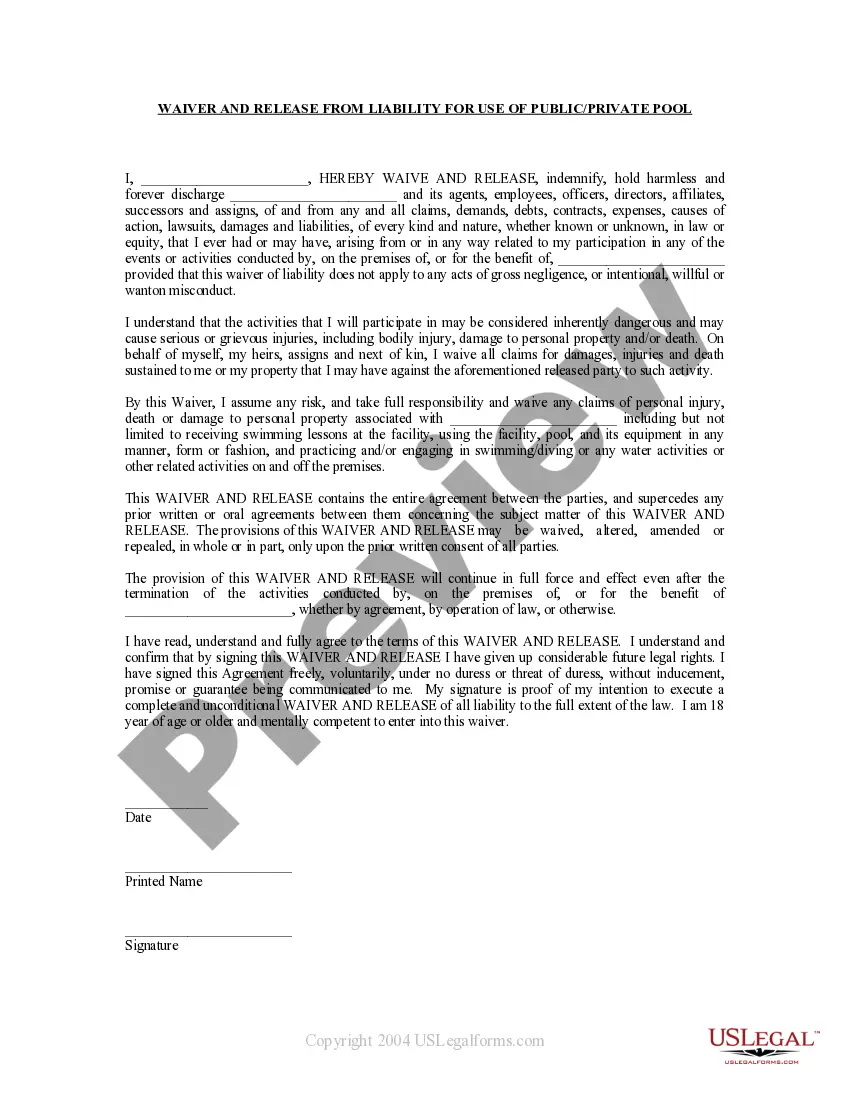
Pool Waiver For Rental Property
Description
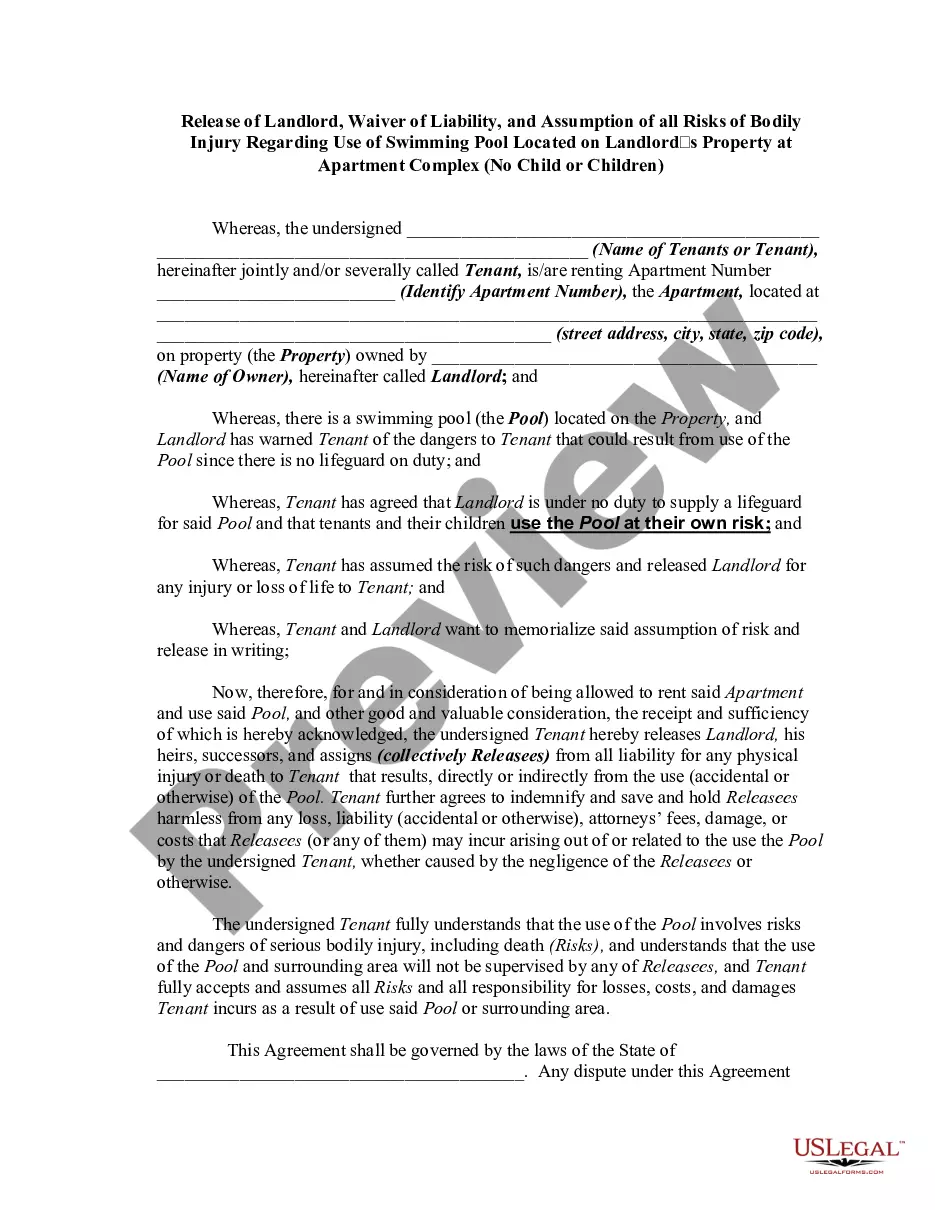
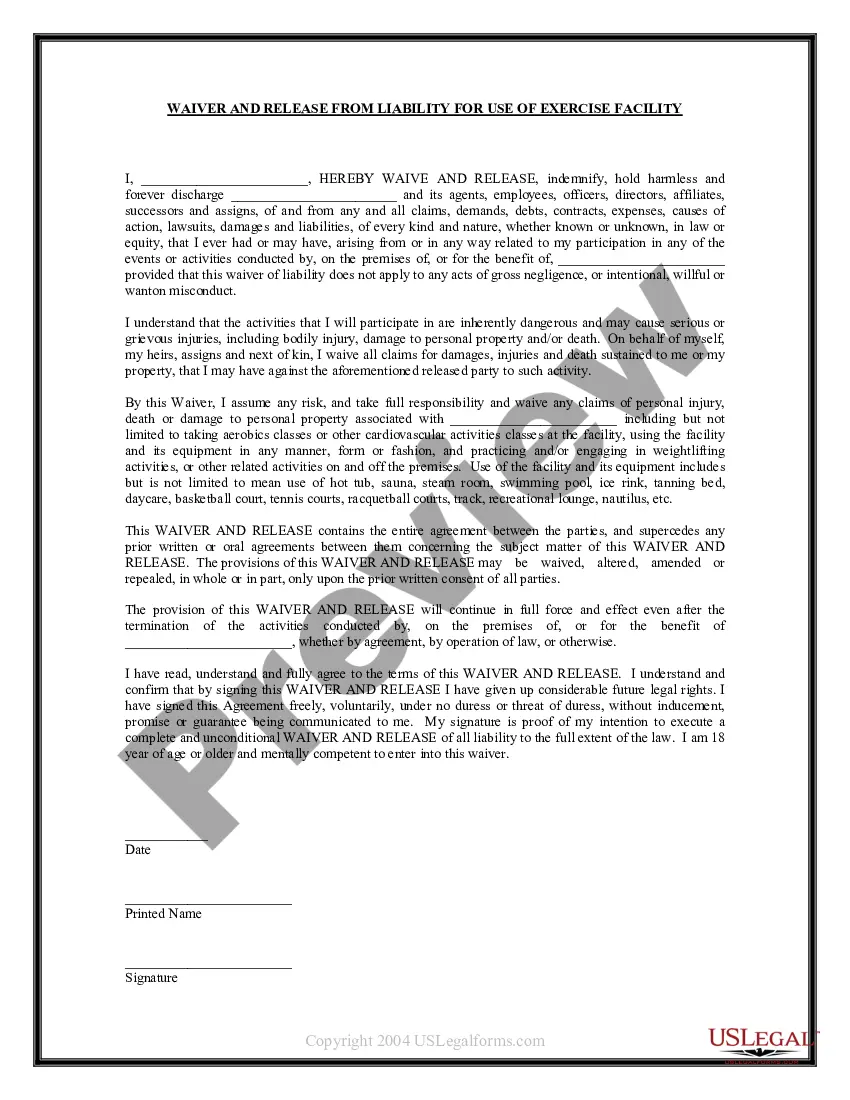
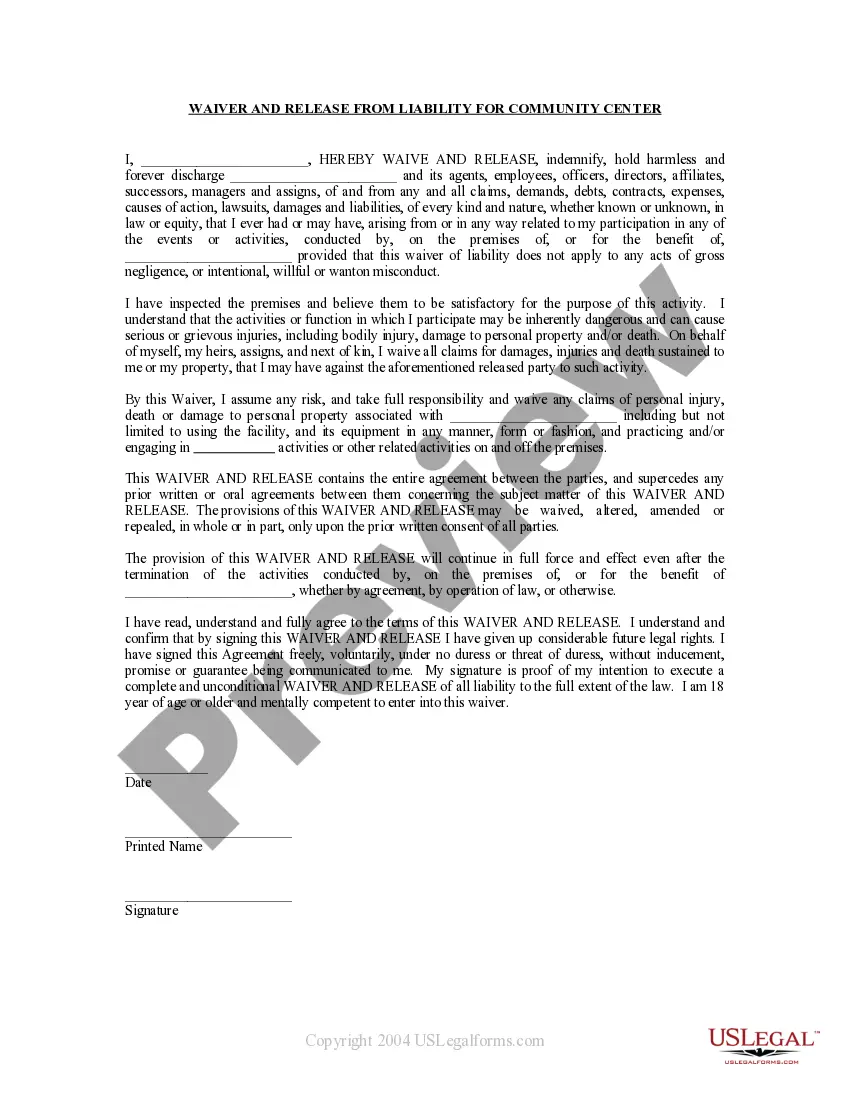
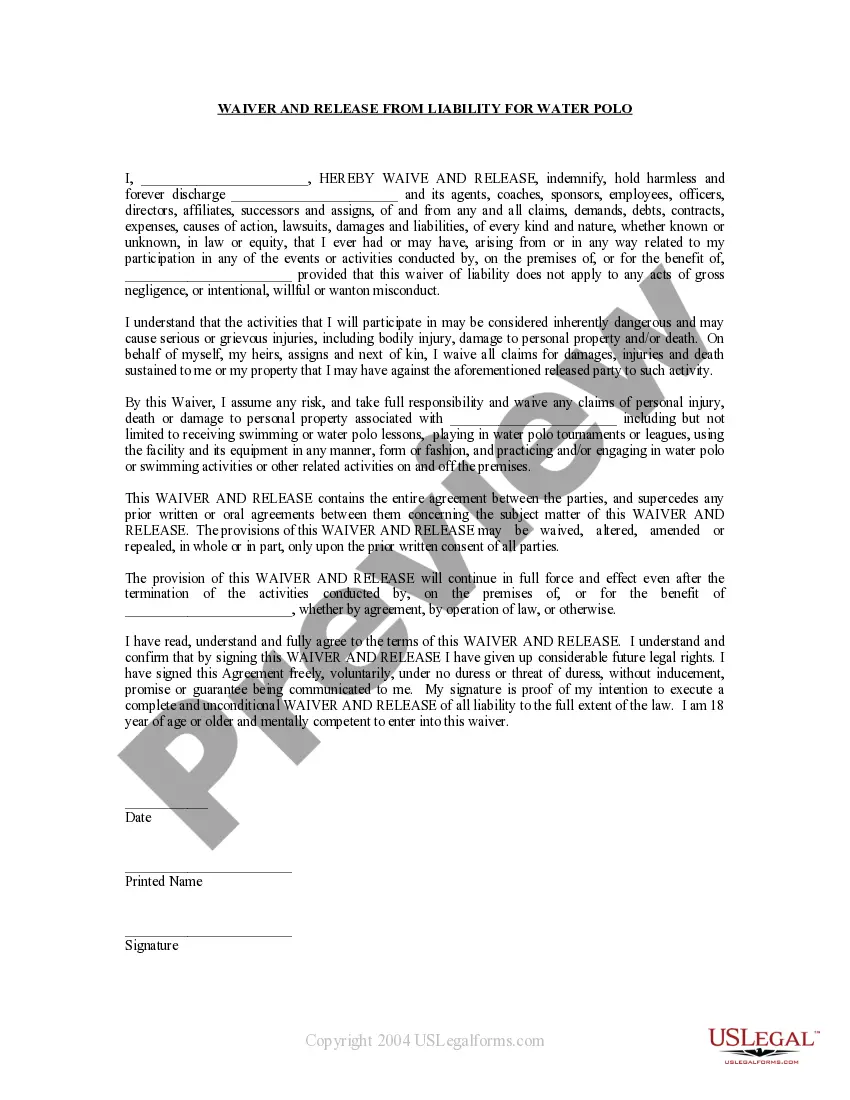
Get your form ready online
Our built-in tools help you complete, sign, share, and store your documents in one place.
Make edits, fill in missing information, and update formatting in US Legal Forms—just like you would in MS Word.
Download a copy, print it, send it by email, or mail it via USPS—whatever works best for your next step.
Sign and collect signatures with our SignNow integration. Send to multiple recipients, set reminders, and more. Go Premium to unlock E-Sign.
If this form requires notarization, complete it online through a secure video call—no need to meet a notary in person or wait for an appointment.
We protect your documents and personal data by following strict security and privacy standards.

Make edits, fill in missing information, and update formatting in US Legal Forms—just like you would in MS Word.

Download a copy, print it, send it by email, or mail it via USPS—whatever works best for your next step.

Sign and collect signatures with our SignNow integration. Send to multiple recipients, set reminders, and more. Go Premium to unlock E-Sign.

If this form requires notarization, complete it online through a secure video call—no need to meet a notary in person or wait for an appointment.

We protect your documents and personal data by following strict security and privacy standards.
Looking for another form?


Form popularity
FAQ
Yes, having a swimming pool can increase your homeowners insurance premiums. Insurance companies often see pools as potential liabilities, which can raise your risk profile. To mitigate costs, you might want to include a pool waiver for rental property in your agreements, as it demonstrates your commitment to safety and risk management. This proactive approach can help in discussions with your insurance provider.
In general, the property owner is responsible for safety and security around the pool area. This includes maintaining the pool environment and ensuring it complies with local regulations. However, having a well-drafted pool waiver for rental property can clarify the responsibilities and risks for both the owner and the renters. It helps establish expectations and defines the limits of liability.
Owning a swimming pool comes with various liabilities that landlords need to recognize. If someone gets injured in or around the pool, the property owner may face legal repercussions. It is essential to have a comprehensive pool waiver for rental property that outlines the risks and helps protect you from potential claims. This document can significantly reduce your liability and provide peace of mind.
Pools often serve as a strong selling point for short-term rentals, as many travelers seek properties offering recreational facilities. A property with a pool can lead to higher rental prices and increased guest satisfaction. To protect your investment, consider incorporating a pool waiver for rental property into your rental agreements, ensuring you are prepared for any unforeseen issues. This proactive measure can help you focus on providing an excellent experience for your guests.
Listing your Airbnb property with a pool can enhance its marketability, appealing to guests looking for a fun, summer getaway. A pool adds charm and convenience, making your rental more desirable and potentially leading to higher occupancy rates. It's also crucial to implement a pool waiver for rental property to address any liability concerns, providing you're covered in case of accidents. Ultimately, a pool can make a significant difference in drawing in potential renters.
Purchasing a rental property with a pool can be beneficial, depending on your goals and target tenants. Pools can increase your property’s value while attracting families and vacationers seeking a more enjoyable stay. However, it's wise to have legal protections, such as a pool waiver for rental property, to minimize risks associated with pool-related incidents. This strategic approach can ensure you capitalize on your investment while safeguarding your interests.
Investing in a pool can offer a favorable return on investment, especially for rental properties. A well-maintained pool attracts tenants looking for leisure and relaxation, providing you with a competitive edge in the market. To maximize your investment, consider using a pool waiver for rental property to protect yourself against potential liabilities. This documentation can help you save costs related to pool maintenance while enhancing the overall appeal of your rental.
Abatement of rent refers to a reduction in rent payments due to specific conditions affecting a tenant's living experience, such as maintenance issues. In cases where a pool is inoperable or faulty, tenants might qualify for a rent abatement. It is important to clearly understand your lease and state laws. Platforms like uslegalforms can provide guidance on how to address this issue professionally.
In New York, landlords cannot discriminate against tenants based on race, color, religion, or other protected characteristics. They also cannot retaliate against tenants for reporting issues, such as problems with a pool or other amenities. Familiarizing yourself with your rights can help you navigate landlord-tenant relationships, particularly in regards to a pool waiver for rental property.
Yes, you can have access to a pool if you rent, but it depends on the rental agreement and property policies. Some rental properties include pool access as part of the amenities, while others may restrict usage. If your lease mentions a pool waiver for rental property, it’s a good idea to review the terms carefully to understand your rights and responsibilities.