Checklist For Business Taxes
Description
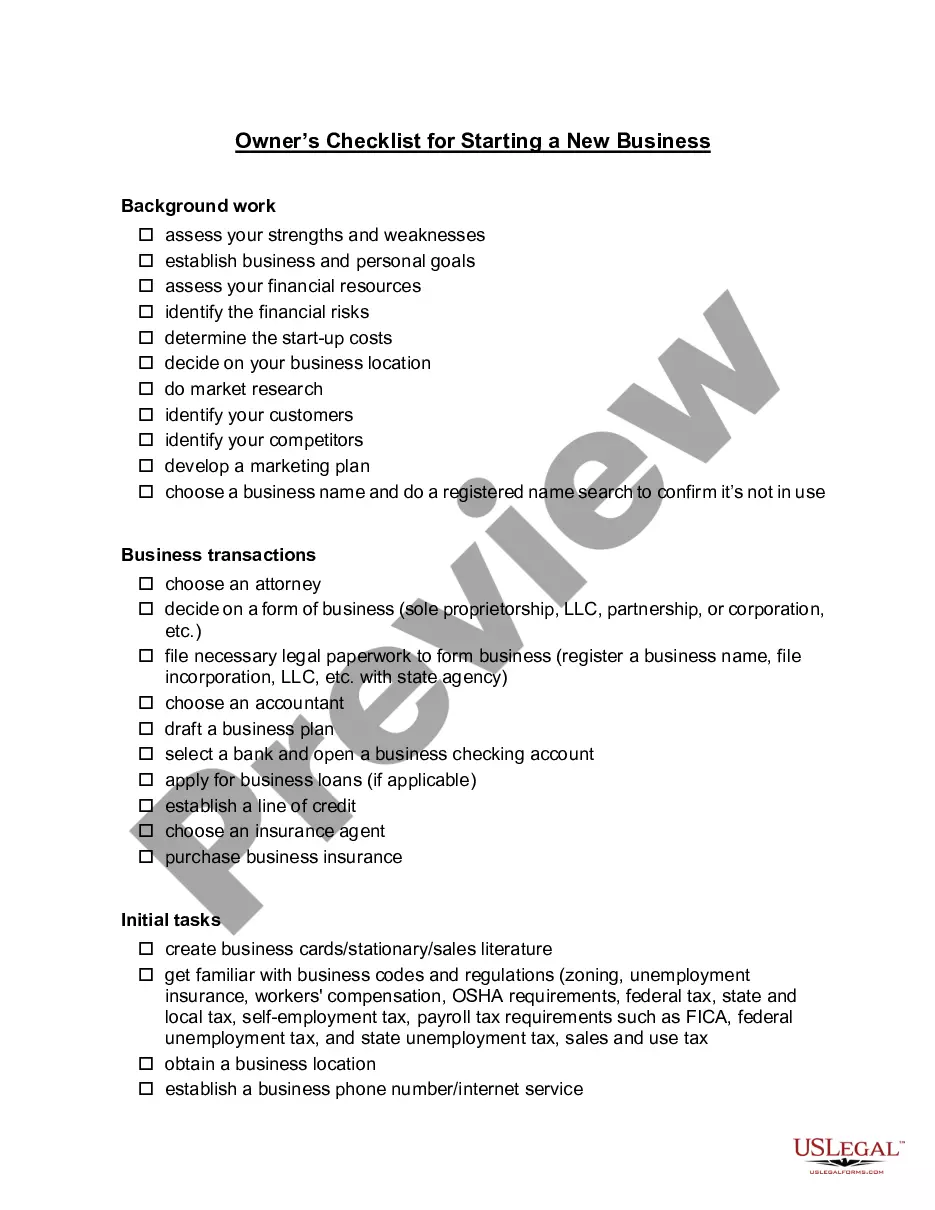
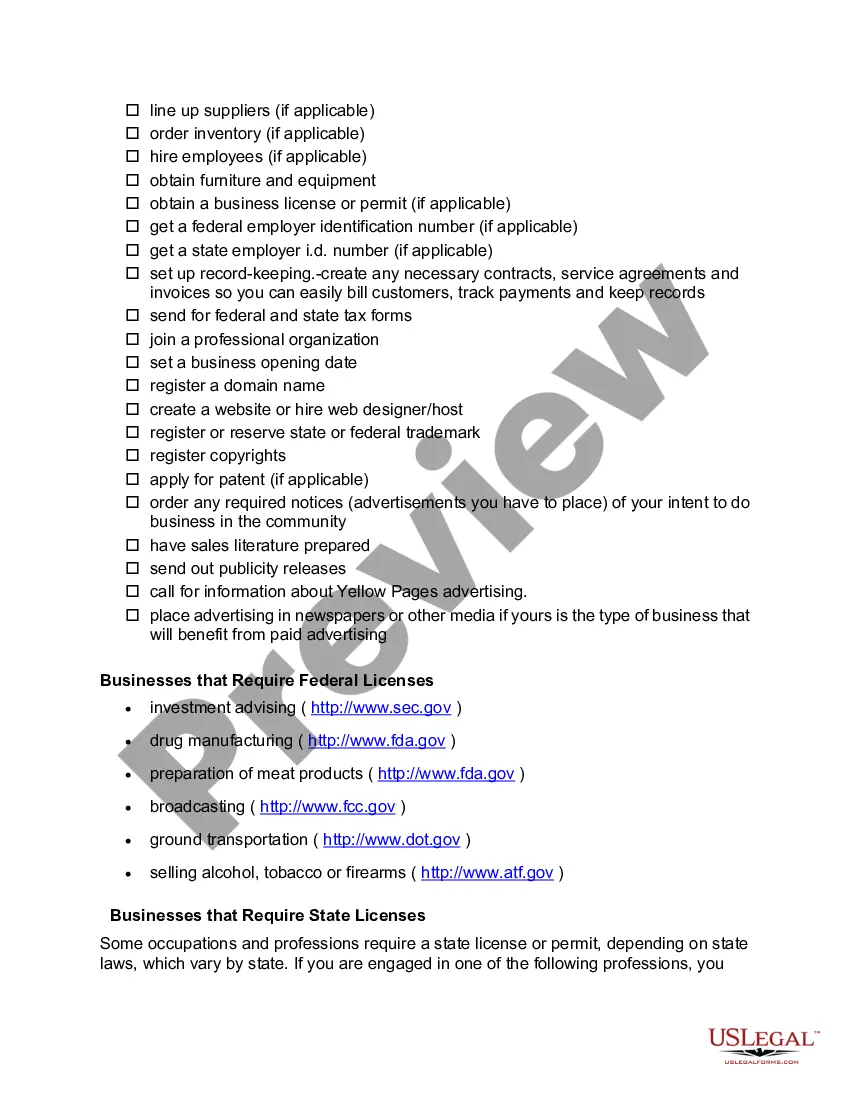
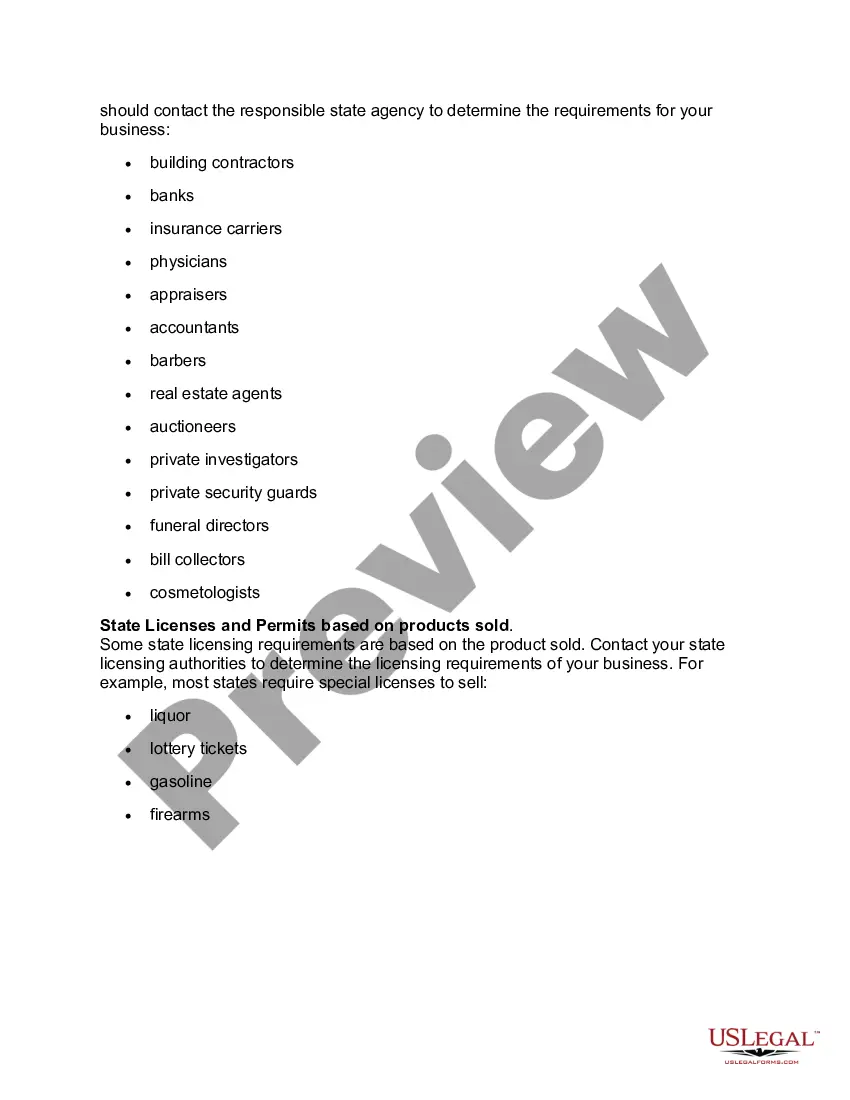
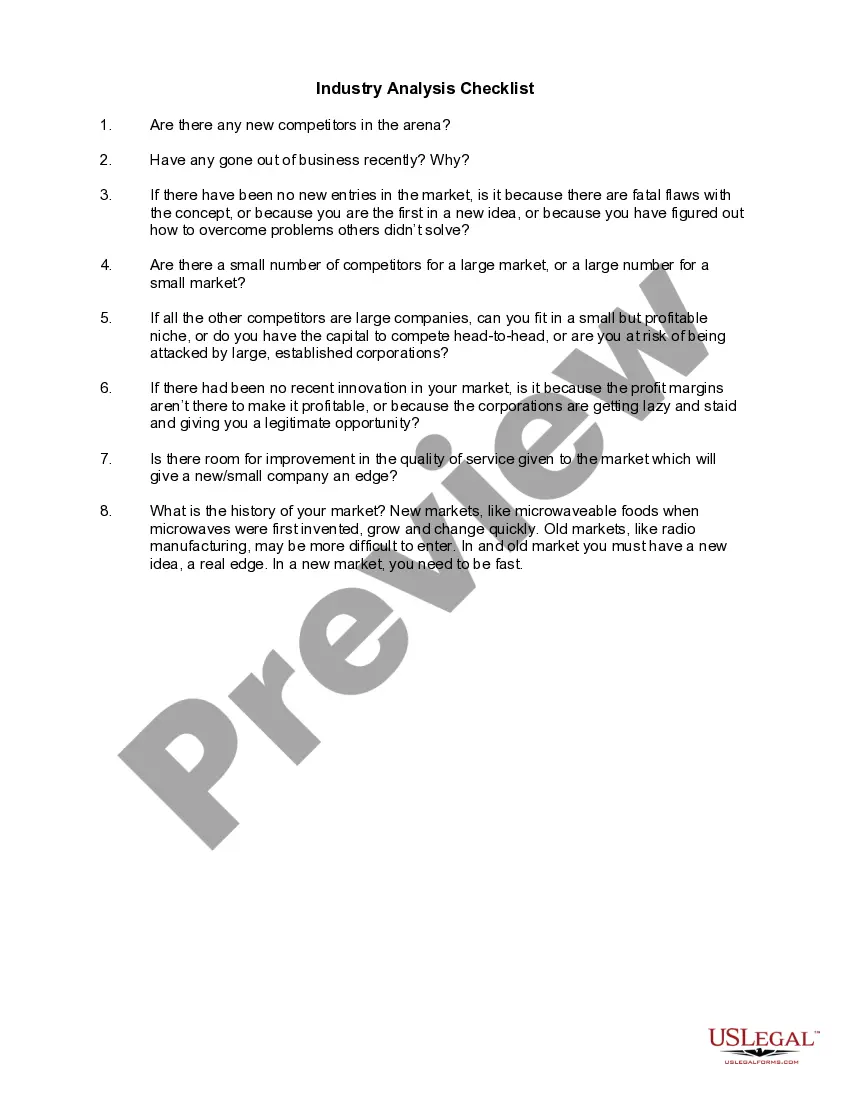

Get your form ready online
Our built-in tools help you complete, sign, share, and store your documents in one place.
Make edits, fill in missing information, and update formatting in US Legal Forms—just like you would in MS Word.
Download a copy, print it, send it by email, or mail it via USPS—whatever works best for your next step.
Sign and collect signatures with our SignNow integration. Send to multiple recipients, set reminders, and more. Go Premium to unlock E-Sign.
If this form requires notarization, complete it online through a secure video call—no need to meet a notary in person or wait for an appointment.
We protect your documents and personal data by following strict security and privacy standards.

Make edits, fill in missing information, and update formatting in US Legal Forms—just like you would in MS Word.

Download a copy, print it, send it by email, or mail it via USPS—whatever works best for your next step.

Sign and collect signatures with our SignNow integration. Send to multiple recipients, set reminders, and more. Go Premium to unlock E-Sign.

If this form requires notarization, complete it online through a secure video call—no need to meet a notary in person or wait for an appointment.

We protect your documents and personal data by following strict security and privacy standards.
Looking for another form?










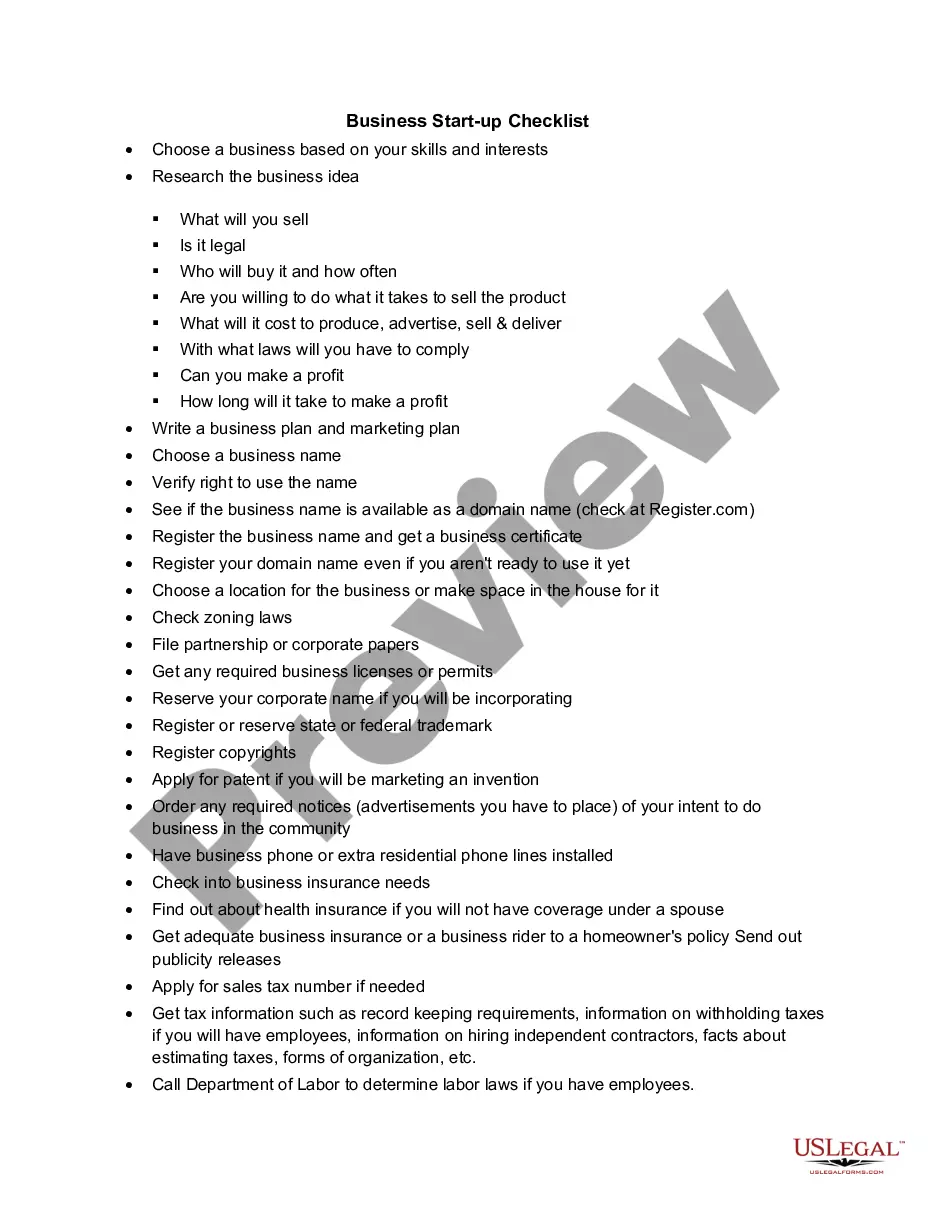
How to fill out Checklist For Starting Up A New Business?
Identifying a reliable location to obtain the most up-to-date and suitable legal forms is a significant part of dealing with bureaucracy.
Selecting the correct legal documents necessitates accuracy and meticulousness, which is why it's essential to source your Checklist For Business Taxes exclusively from reliable providers, such as US Legal Forms.
Eliminate the hassle associated with your legal documentation. Explore the comprehensive US Legal Forms catalog to locate legal samples, assess their applicability to your situation, and download them instantly.
- Use the catalog navigation or search bar to find your document.
- Access the form's details to verify if it fulfills the criteria for your state and county.
- View the form preview, if available, to confirm that the template is the one you need.
- Return to the search and find the correct document if the Checklist For Business Taxes does not suit your needs.
- If you are confident about the form's relevance, proceed to download it.
- If you are a registered member, click Log in to validate and access your selected forms in My documents.
- If you lack an account, click Buy now to acquire the template.
- Select the pricing option that meets your needs.
- Continue to the registration process to complete your purchase.
- Finish your transaction by selecting a payment method (credit card or PayPal).
- Choose the file format for downloading the Checklist For Business Taxes.
- After obtaining the form on your device, you can edit it using the editor or print it out and complete it manually.
Form popularity
FAQ
As a general guideline, it's wise to set aside 25% to 30% of your income for taxes when operating an LLC. This percentage can help you cover local, state, and federal taxes, as well as self-employment taxes. A checklist for business taxes can serve as an essential tool to help you prioritize savings and ensure you're prepared when tax time arrives.
To file your taxes successfully, create a checklist for business taxes that includes documents like your income statements, expense receipts, annual reports, and any necessary forms, such as 1099s or W-2s. Having these documents organized can streamline the filing process. Consider using US Legal Forms to access templates that make compiling your tax documentation easier.
An LLC should typically set aside around 25% to 30% of its income for taxes, depending on its tax classification. This amount helps cover both income taxes and self-employment taxes. Implementing a solid checklist for business taxes can guide you in estimating your tax obligations and managing your finances effectively.
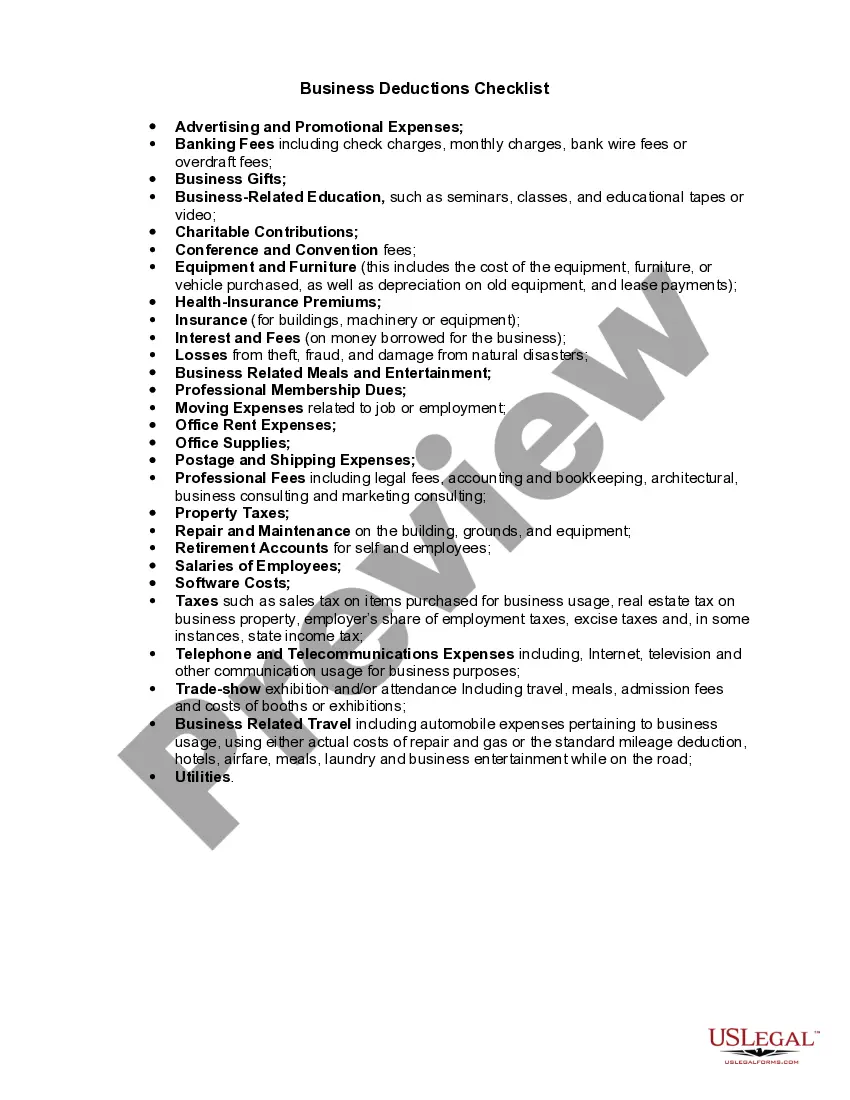
The deductible expenses for an LLC can vary, but generally, you can write off business-related costs such as office supplies, salaries, and travel expenses. You should maintain accurate records to ensure you apply the appropriate deductions. Utilizing a checklist for business taxes can help you identify all eligible deductions and maximize your savings.
For tax purposes, it's essential to keep track of your total income, business expenses, and any deductions you plan to claim. Create a thorough checklist for business taxes to document every relevant detail, including assets, liabilities, and any payments received or made. This organization will not only simplify your tax preparation but also help you maximize your financial efficiency as a business owner.
To keep your business tax records efficiently, create a structured checklist for business taxes that categorizes all documents. Utilize digital tools and cloud storage for easy access and secure backups. Organize your records by year and type of document, allowing for straightforward retrieval when needed. Consistent organization reduces stress during tax season and enhances your overall record-keeping.
When preparing to file your business taxes, bring a well-organized checklist for business taxes, which includes all income records, expense receipts, and previous tax returns. Collect documents such as your business structure, bank statements, and any special considerations that pertain to your business type. Having all information readily available streamlines your filing process and helps ensure accuracy.
The IRS generally recommends keeping business records for at least three years from the date you file your return. However, a comprehensive checklist for business taxes suggests retaining these records for longer, especially if you have assets that are subject to depreciation. In cases of underreporting income, keeping records for up to six years may be prudent. This ensures you are always prepared in case of an audit.
Claiming business expenses on your taxes requires you to have a detailed checklist for business taxes. Gather all necessary documentation such as receipts, invoices, and statements that support each expense. Keep records of costs related to supplies, travel, and operational expenses, as these can significantly affect your taxable income. This organized approach simplifies the filing process.
To accurately record income for your small business, begin by maintaining a comprehensive checklist for business taxes. Track all earnings, including sales, services, and any other revenue sources. Utilize accounting software or spreadsheets to log each income entry, which makes this process much simpler. Regular updates will ensure you have clear records to refer to during tax season.