Business Plan Examples For Students About Food
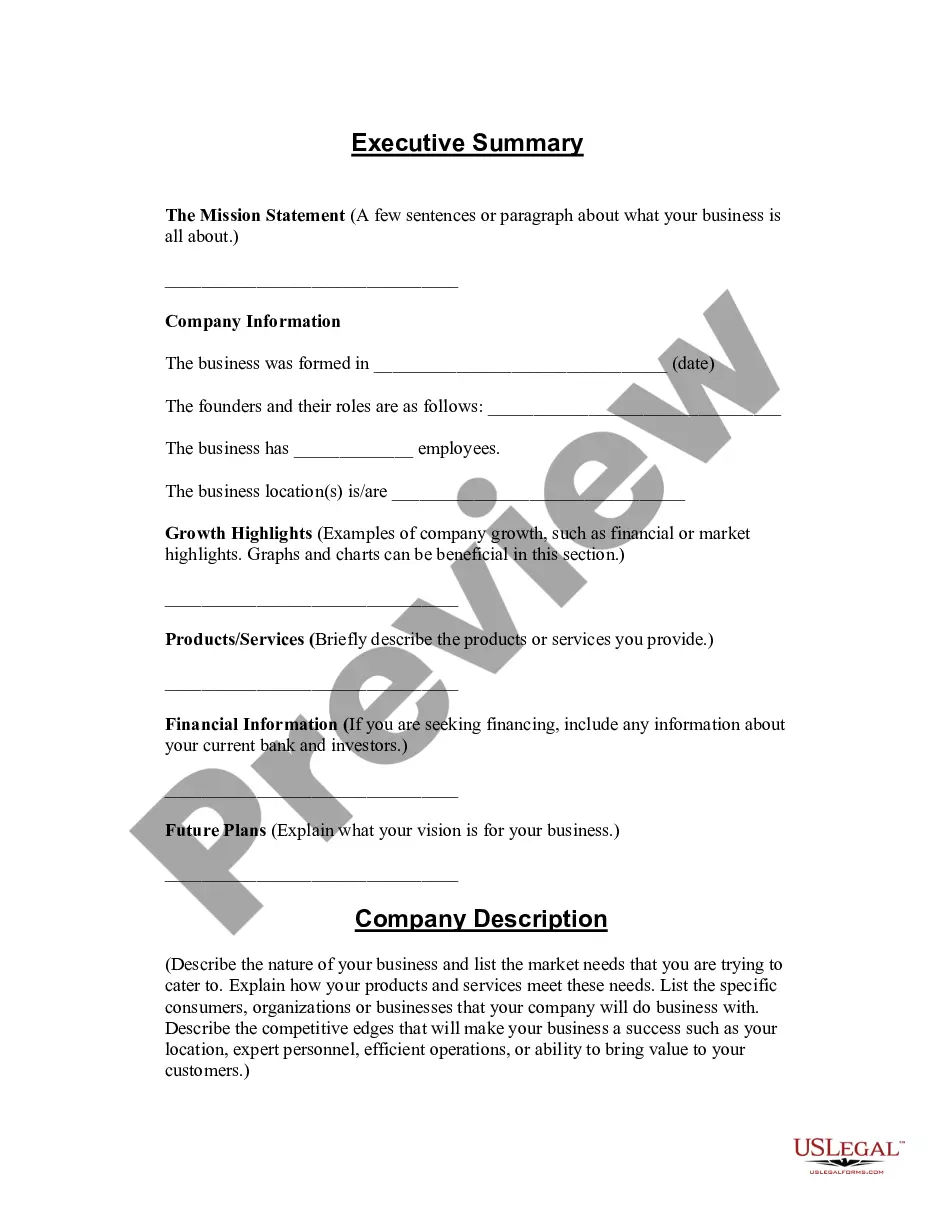
Description
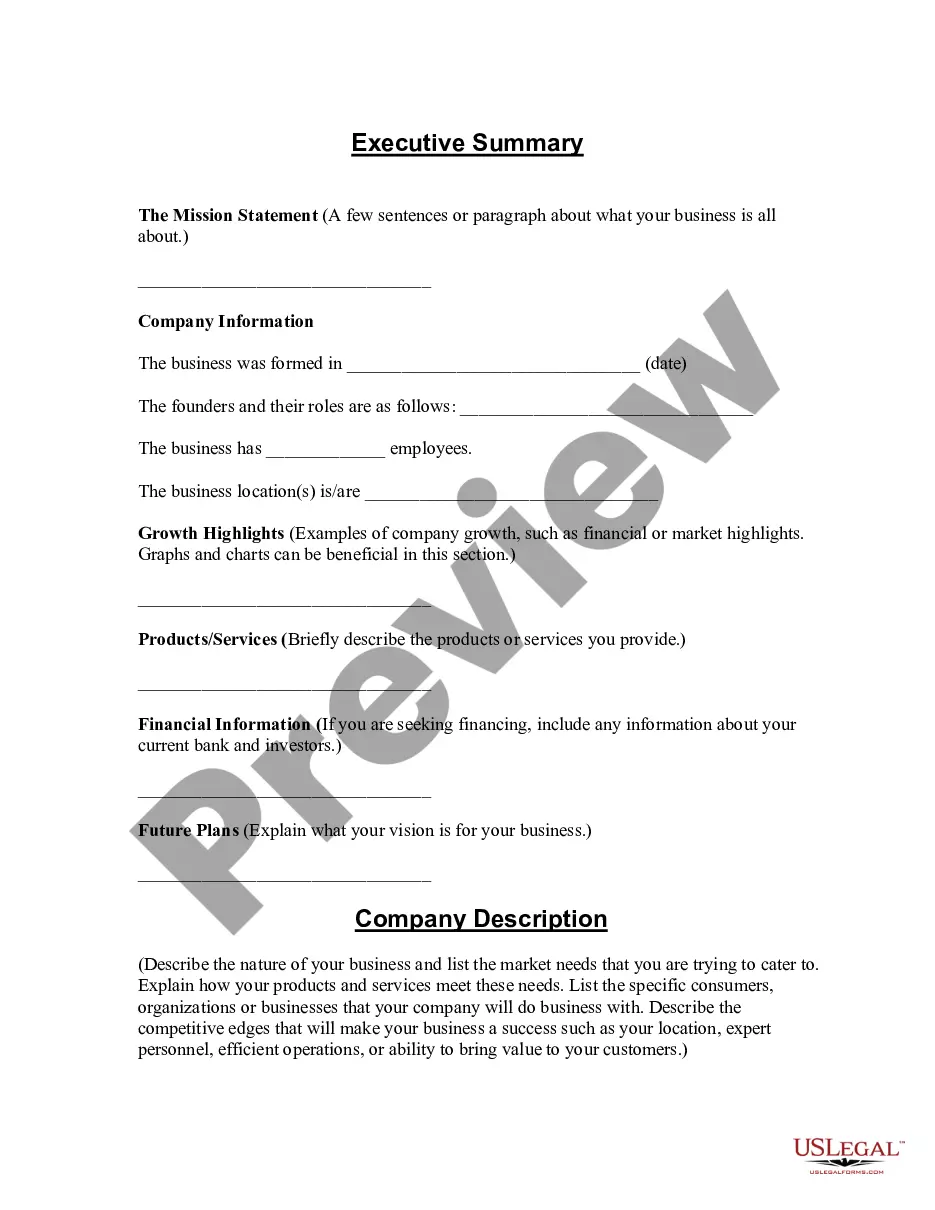
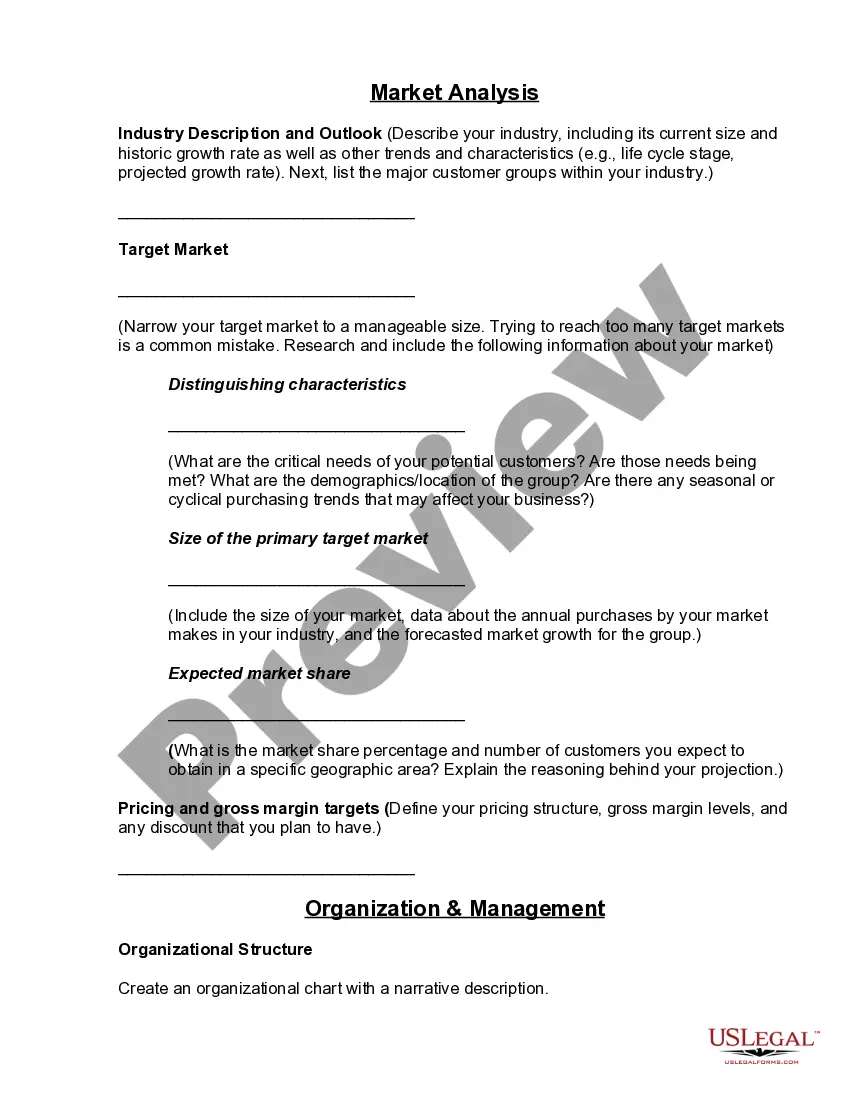
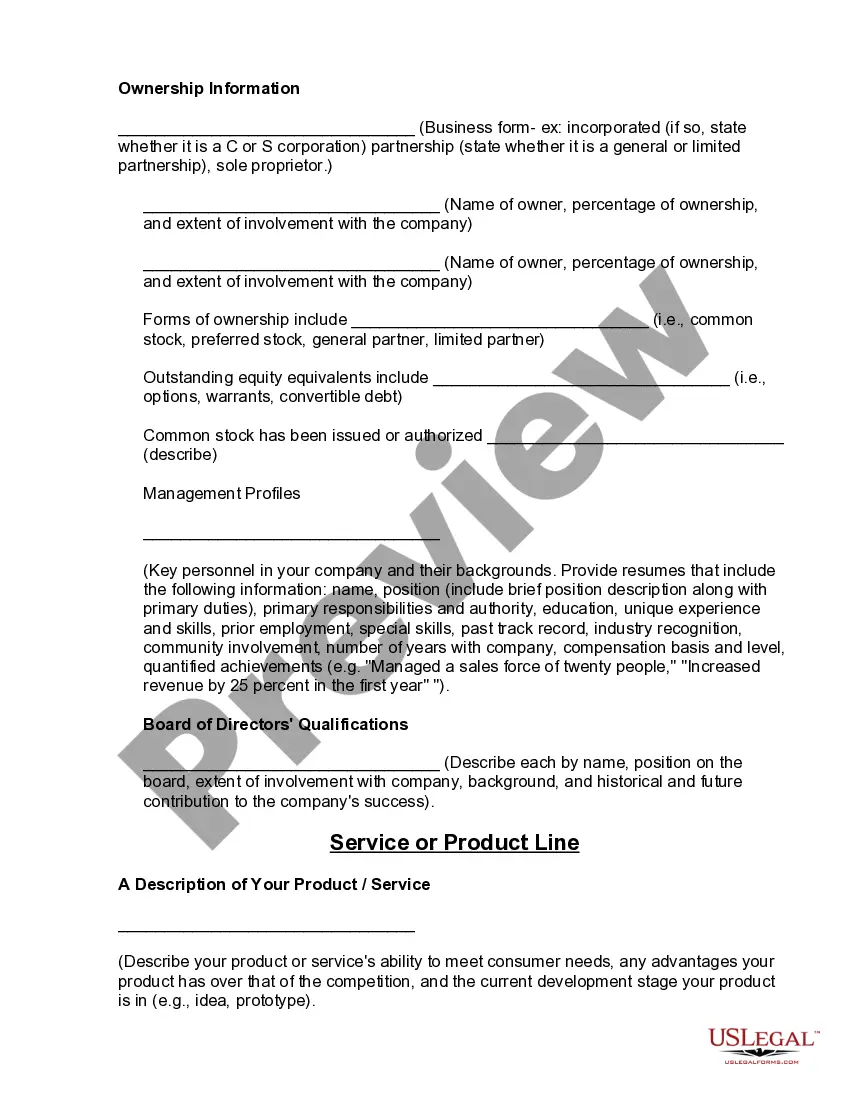
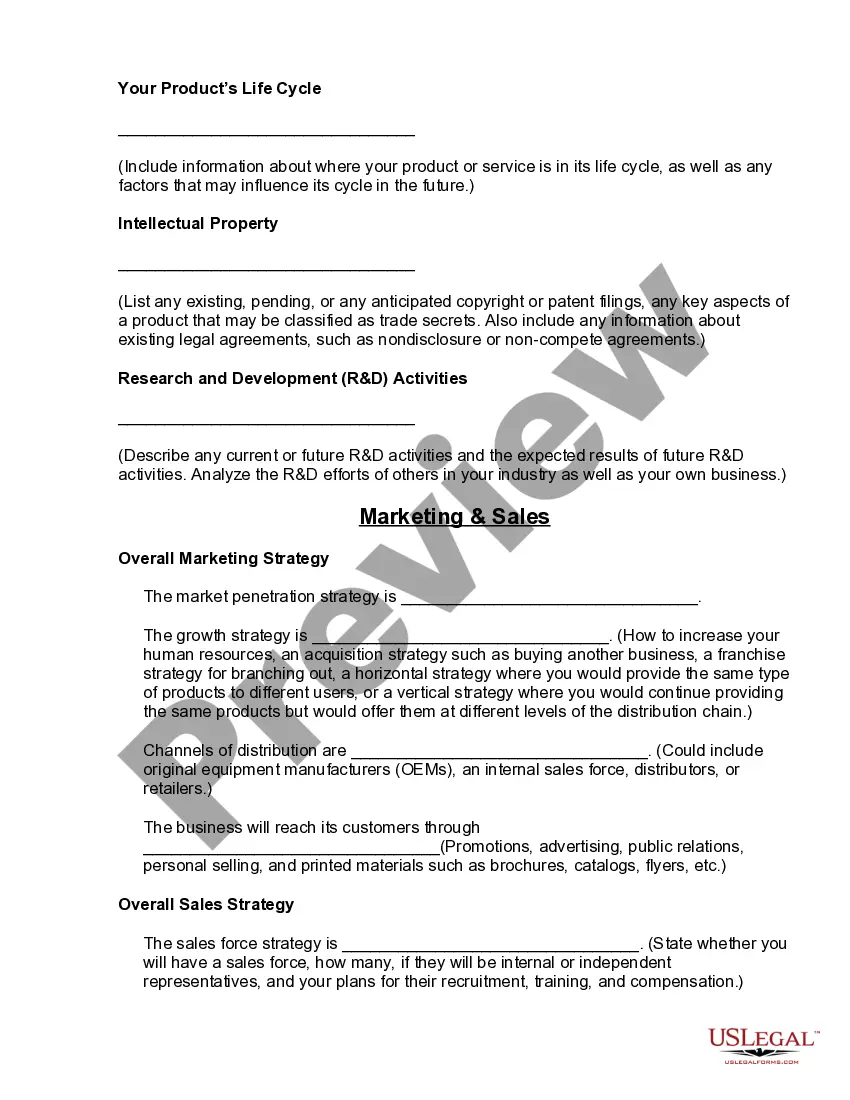
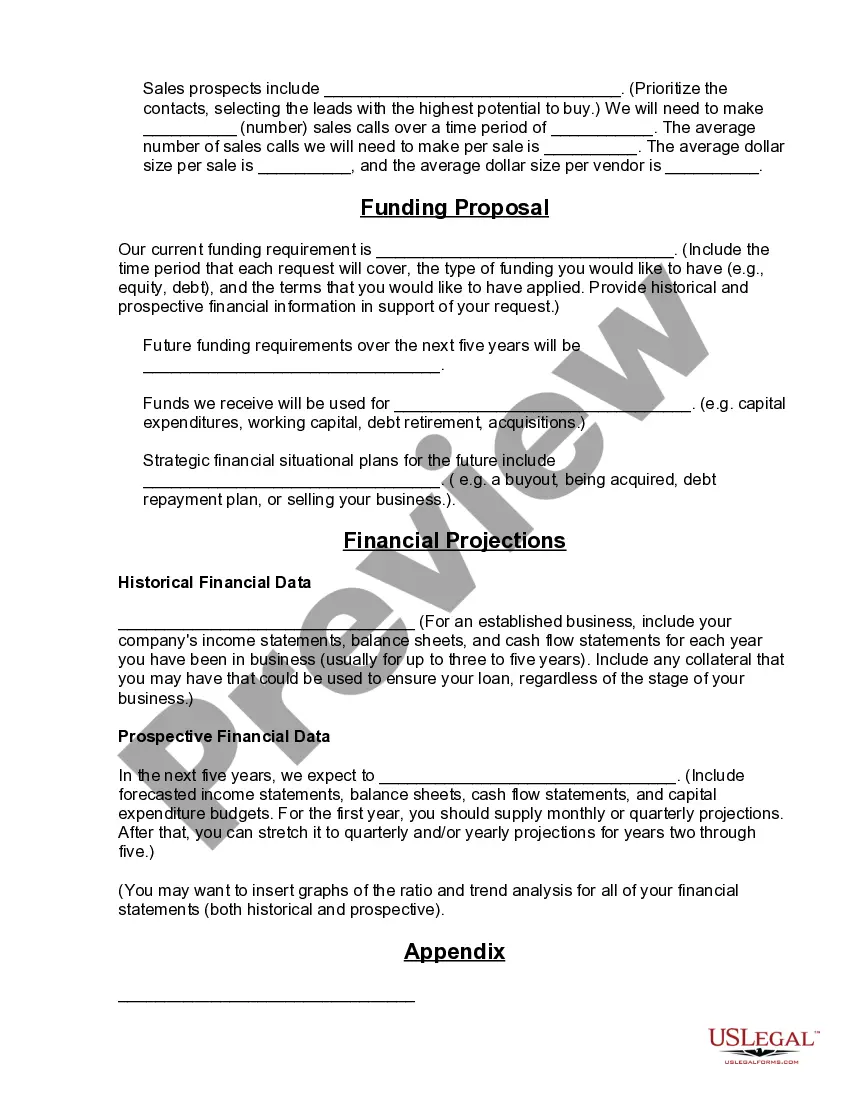
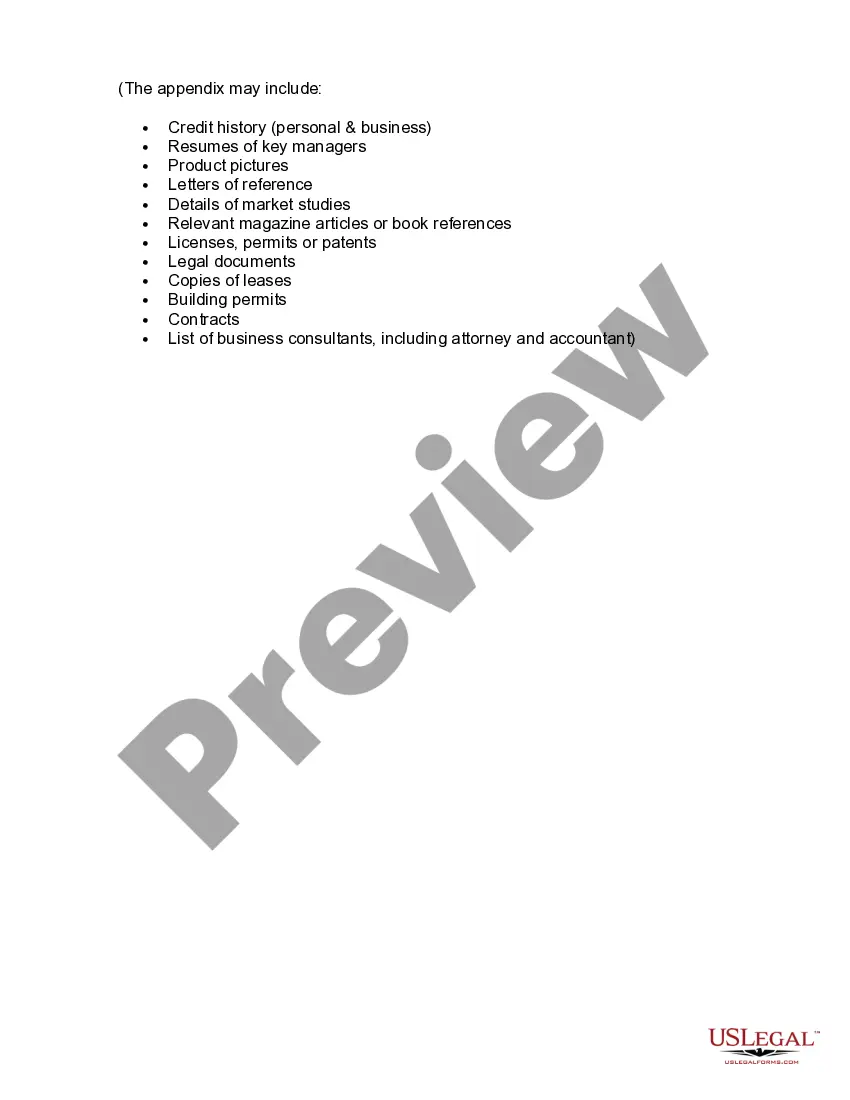
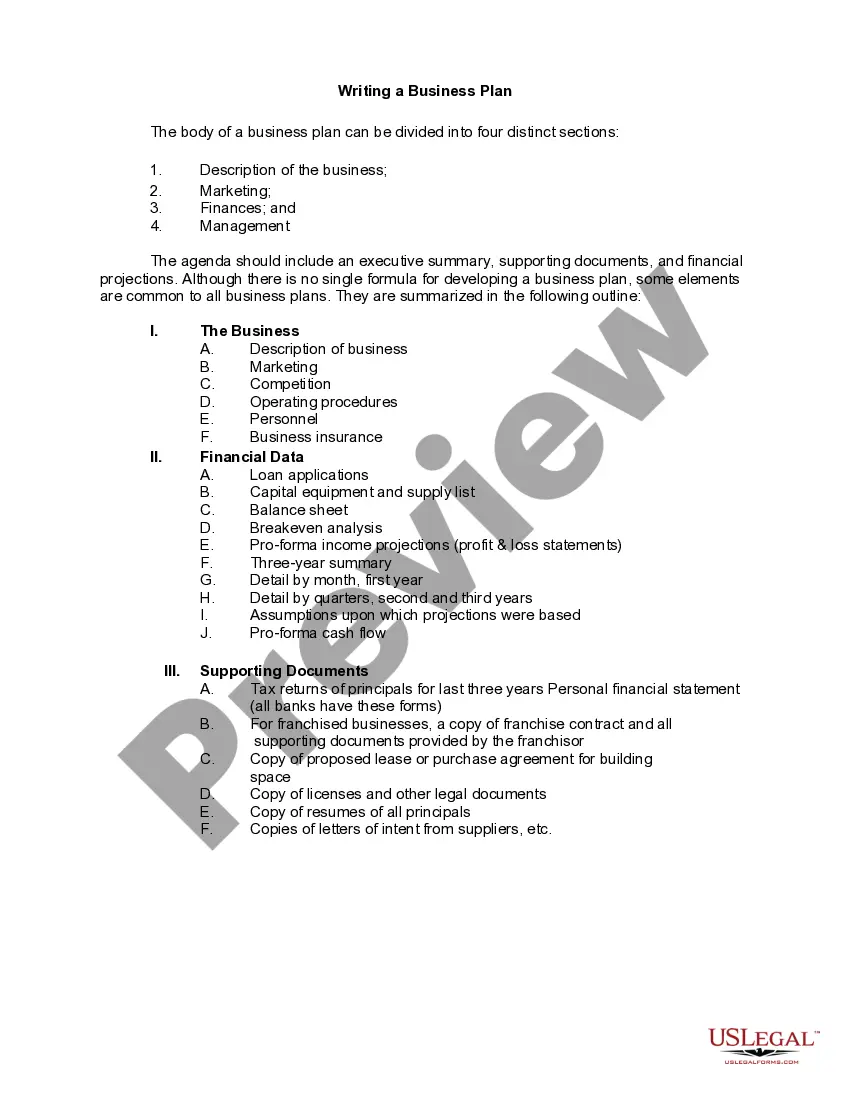
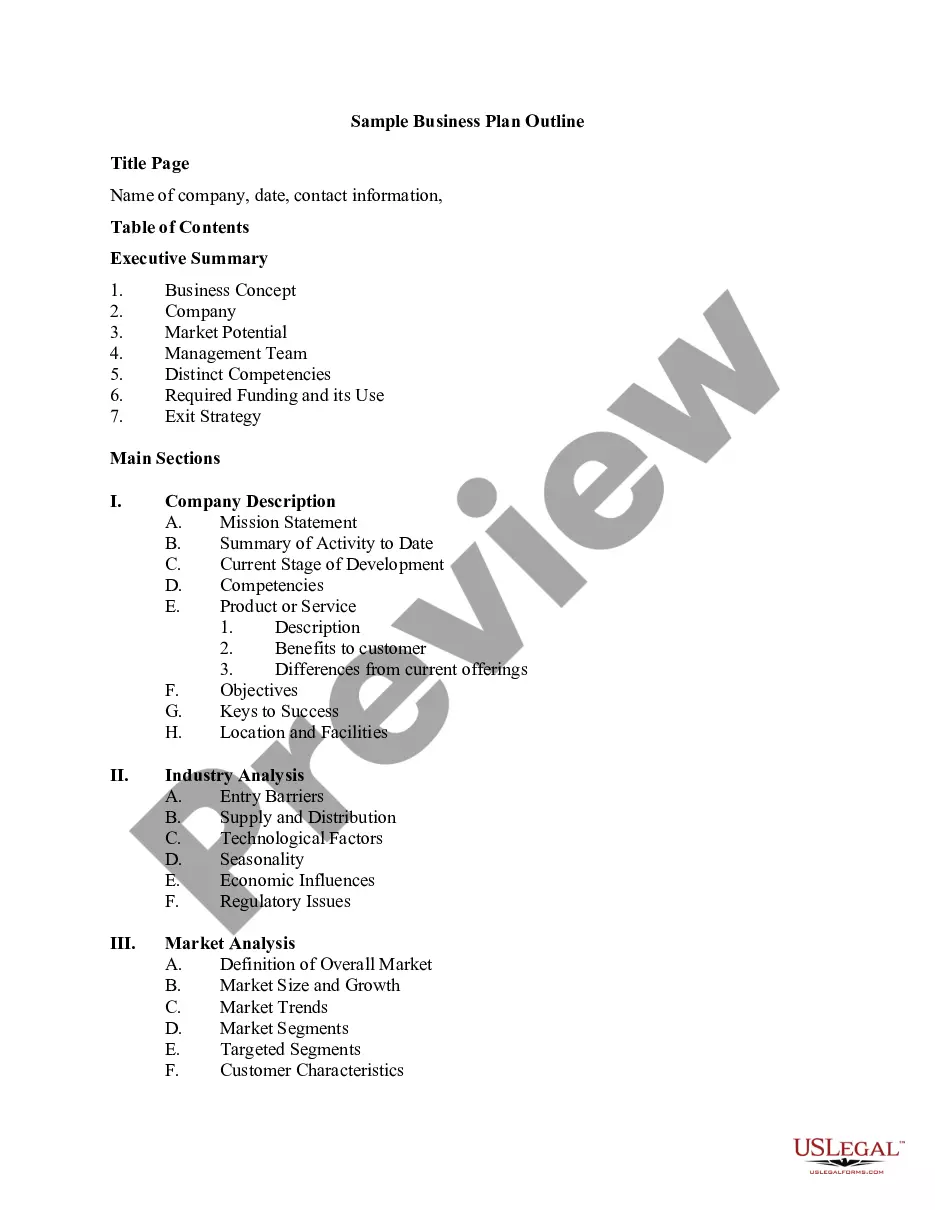
Get your form ready online
Our built-in tools help you complete, sign, share, and store your documents in one place.
Make edits, fill in missing information, and update formatting in US Legal Forms—just like you would in MS Word.
Download a copy, print it, send it by email, or mail it via USPS—whatever works best for your next step.
Sign and collect signatures with our SignNow integration. Send to multiple recipients, set reminders, and more. Go Premium to unlock E-Sign.
If this form requires notarization, complete it online through a secure video call—no need to meet a notary in person or wait for an appointment.
We protect your documents and personal data by following strict security and privacy standards.

Make edits, fill in missing information, and update formatting in US Legal Forms—just like you would in MS Word.

Download a copy, print it, send it by email, or mail it via USPS—whatever works best for your next step.

Sign and collect signatures with our SignNow integration. Send to multiple recipients, set reminders, and more. Go Premium to unlock E-Sign.

If this form requires notarization, complete it online through a secure video call—no need to meet a notary in person or wait for an appointment.

We protect your documents and personal data by following strict security and privacy standards.
Looking for another form?


How to fill out Sample Business Plan Template?
Utilizing legal document templates that comply with federal and state laws is crucial, and the internet provides numerous options to choose from.
However, why spend time searching for the suitable Business Plan Examples For Students About Food template online when the US Legal Forms digital library already consolidates such documents in one location.
US Legal Forms is the largest online legal repository with over 85,000 editable templates created by attorneys for any professional and personal circumstance.
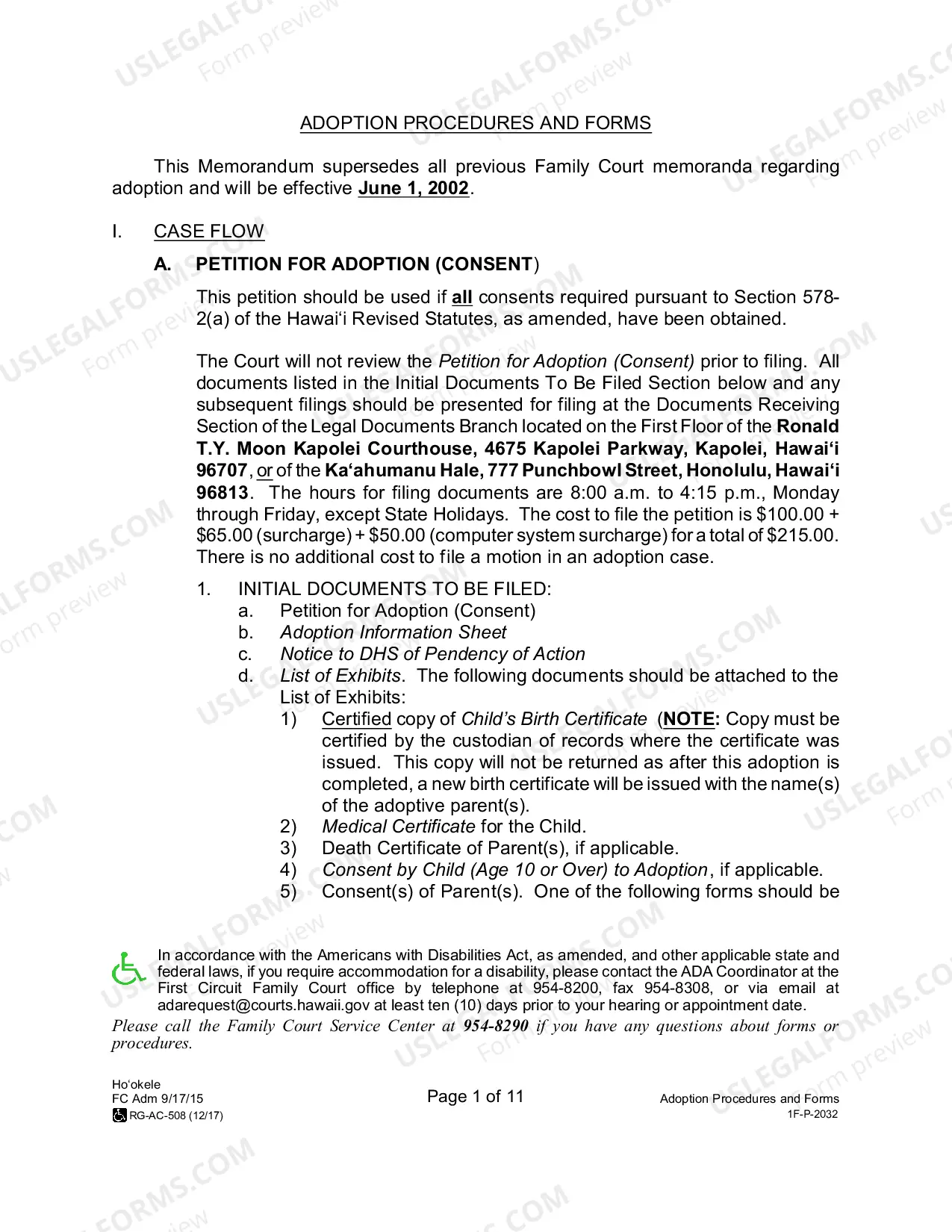
Review the template using the Preview feature or through the text outline to confirm it meets your requirements.
- These templates are easy to navigate with all documents categorized by state and intended use.
- Our experts keep up with legal changes, ensuring your form is always current and compliant when obtaining a Business Plan Examples For Students About Food from our site.
- Acquiring a Business Plan Examples For Students About Food is straightforward and fast for both existing and new users.
- If you already possess an account with an active subscription, Log In and download the document sample you require in your chosen format.
- If you're new to our site, follow the steps outlined below.
Form popularity
FAQ
The best food business for students often aligns with their interests and resources available. Consider options like a food delivery service, catering for events, or even selling homemade snacks online. These ventures allow flexibility and can fit around class schedules. Exploring business plan examples for students about food can help you identify the best fit for your abilities and aspirations.
The 5 C's of a business plan are Company, Customers, Competitors, Collaborators, and Climate. Each element helps you analyze your food business comprehensively. By considering these aspects, you can develop a robust plan that addresses both opportunities and challenges in the market. Utilizing business plan examples for students about food can also clarify how to incorporate these components effectively.
Examples of business plans for students often vary based on the chosen food business model. For instance, a plan might focus on a food truck, catering service, or a pop-up restaurant. You can find detailed business plan examples for students about food that highlight different business types, target markets, and financial strategies. These examples serve as useful references as you craft your plan.
Writing a business plan for students involves several essential steps. First, identify your business idea within the food sector and research market trends. Next, structure your plan by creating sections like executive summary, market analysis, and operational plan. Utilize business plan examples for students about food to ensure you cover all critical components.
To write a business plan as a student, start by conducting research on the food industry. Outline your business concept, define your target market, and clarify your marketing strategies. Consider using business plan examples for students about food as a template to structure your plan effectively. Lastly, be sure to detail financial projections and funding sources.
To write a food stuff business proposal, begin by outlining your business idea clearly. Include your target market, the products you intend to sell, and your unique selling points. Use business plan examples for students about food to guide your financial projections and marketing strategy. Consider utilizing platforms like uslegalforms to access templates and resources that can further simplify the proposal writing process.
Examples of business plans for students often focus on innovative food concepts that are realistic and financially viable. These plans may highlight local ingredients, unique recipes, or sustainable practices in their framework. Referencing business plan examples for students about food can inspire your own creative process.
A fast food business plan should clearly outline the operational model you plan to adopt. Include elements like food sourcing, service speed, marketing strategies, and customer engagement techniques tailored for the fast food market. Exploring business plan examples for students about food can help you visualize successful strategies in this competitive sector.
As a student, writing a business plan involves leveraging your unique perspective and insights from your studies. Begin by identifying a niche within the food industry that excites you, and provide detailed analysis and planning. Business plan examples for students about food can be particularly useful in illustrating how to structure your plan.
A simple business plan should focus on the core elements without unnecessary complexity. Start with a summary of your business model, followed by your goals, target market, and basic financials. You can find straightforward business plan examples for students about food to help guide your writing process.