Negligence In Personal Injury Claim
Description
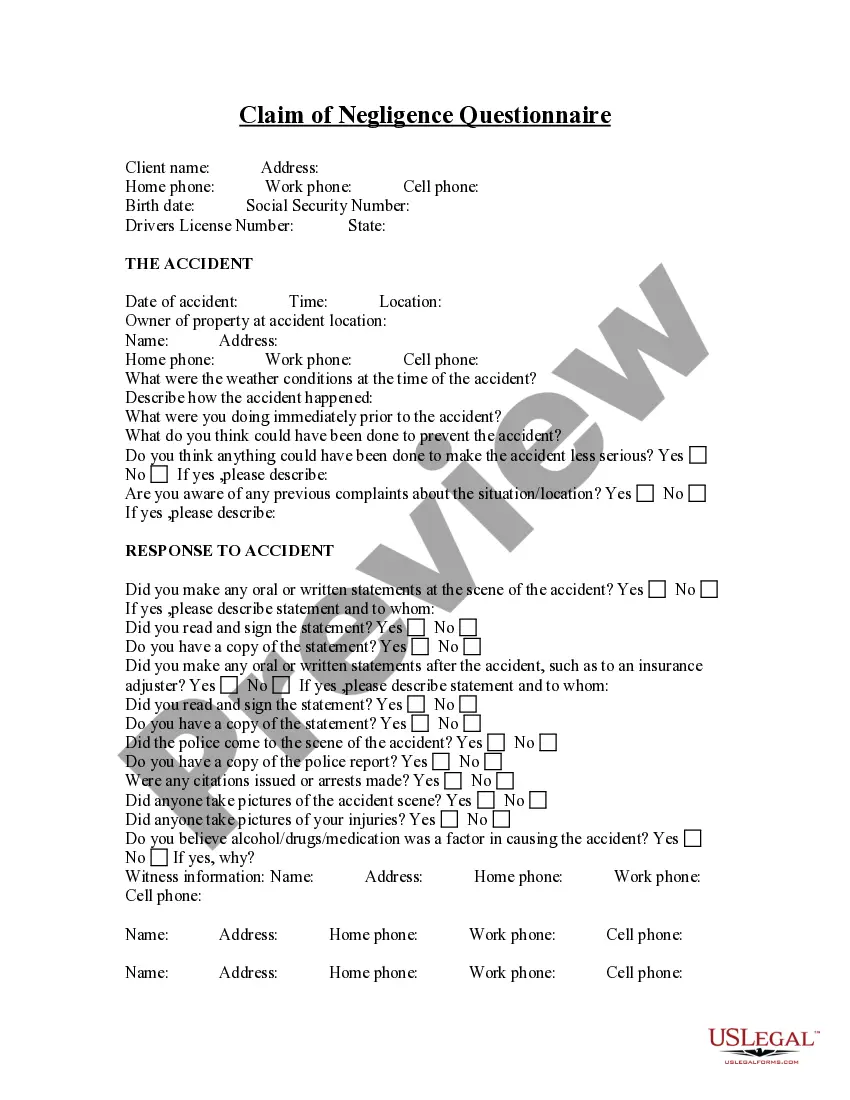
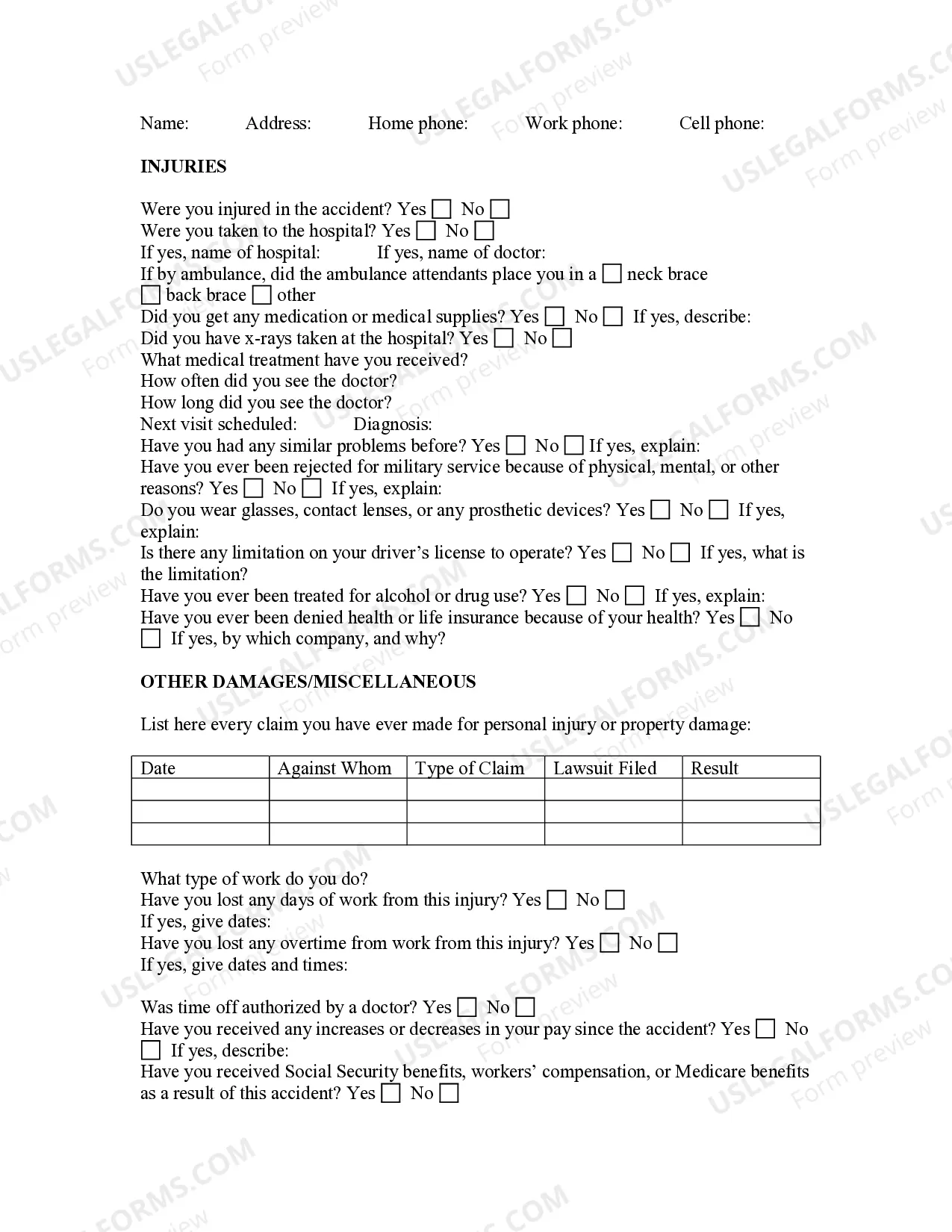
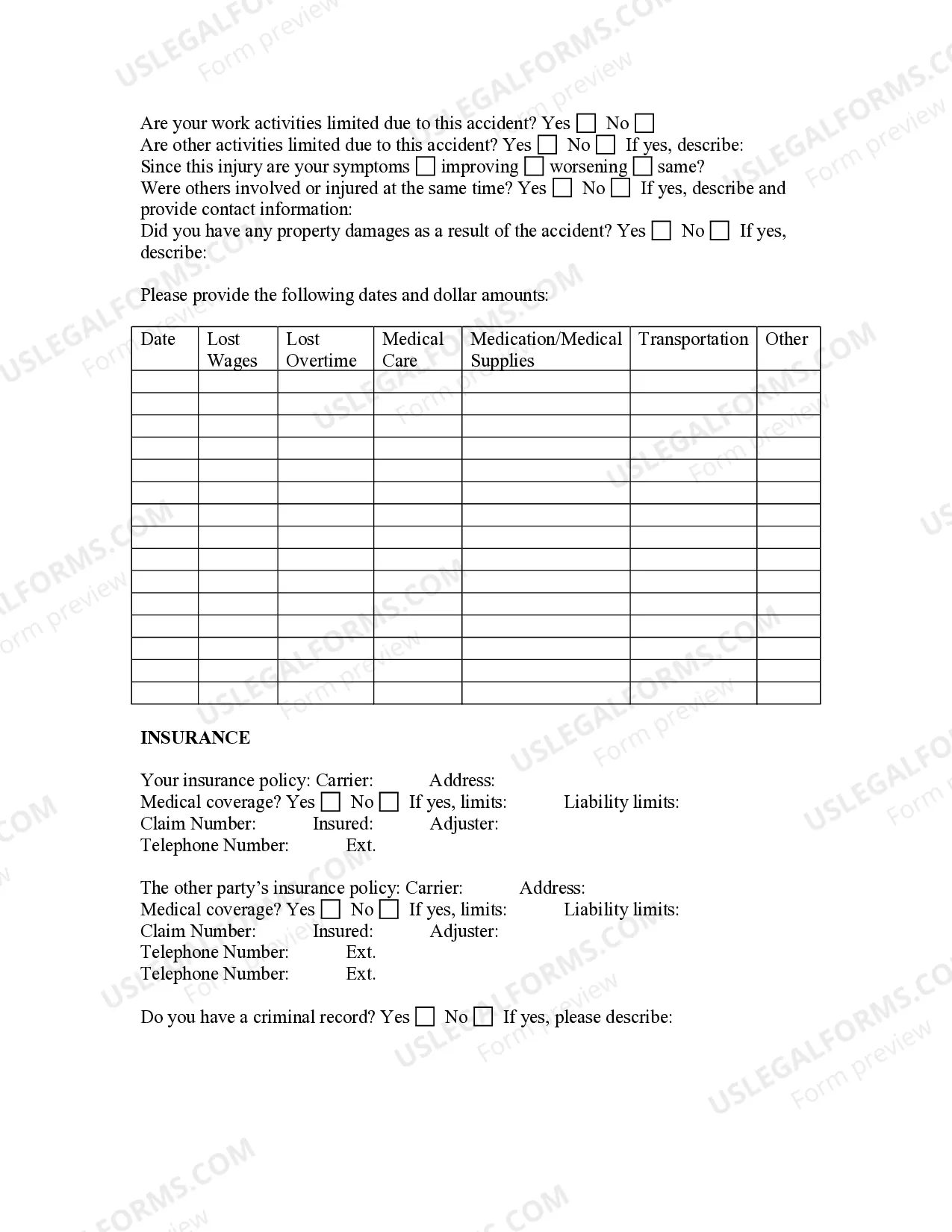
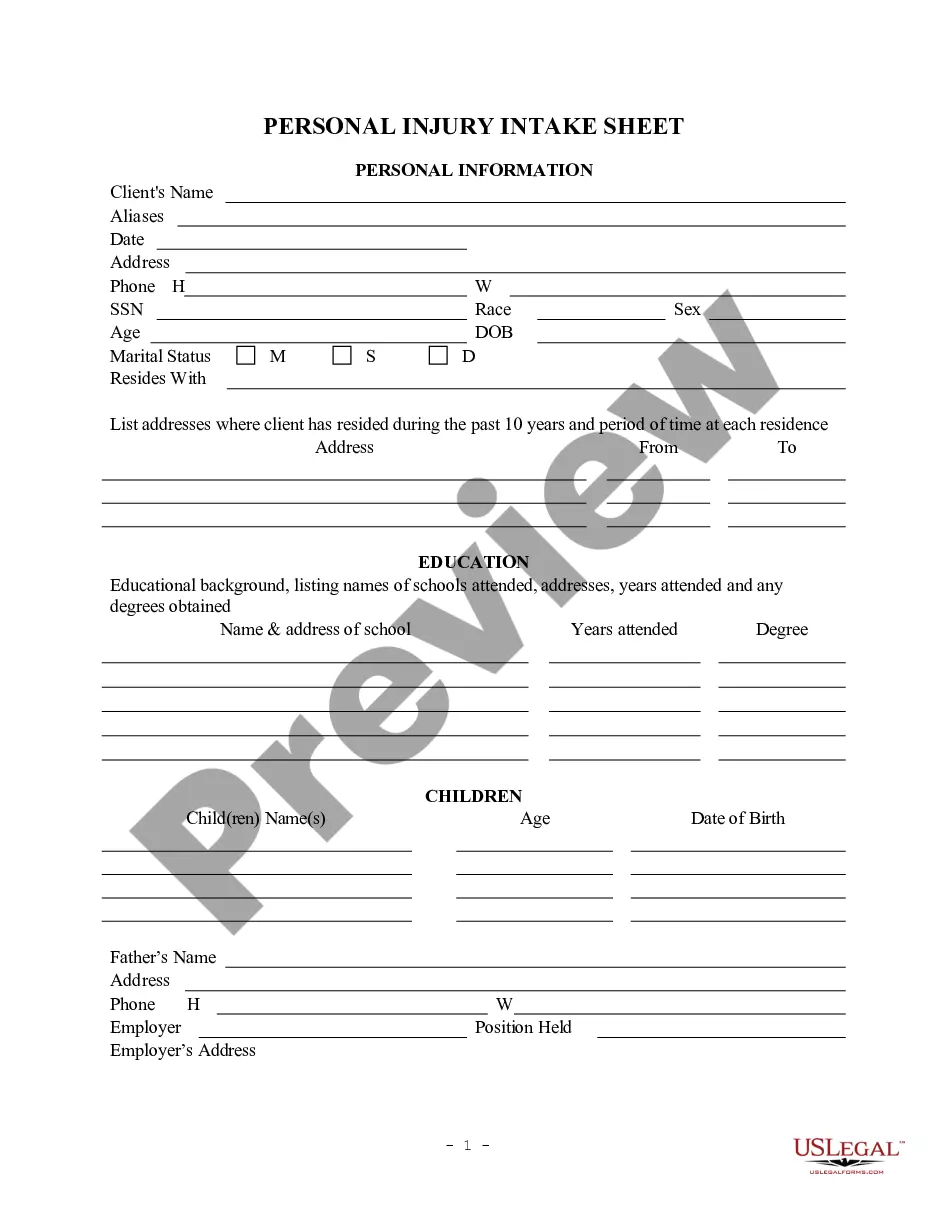
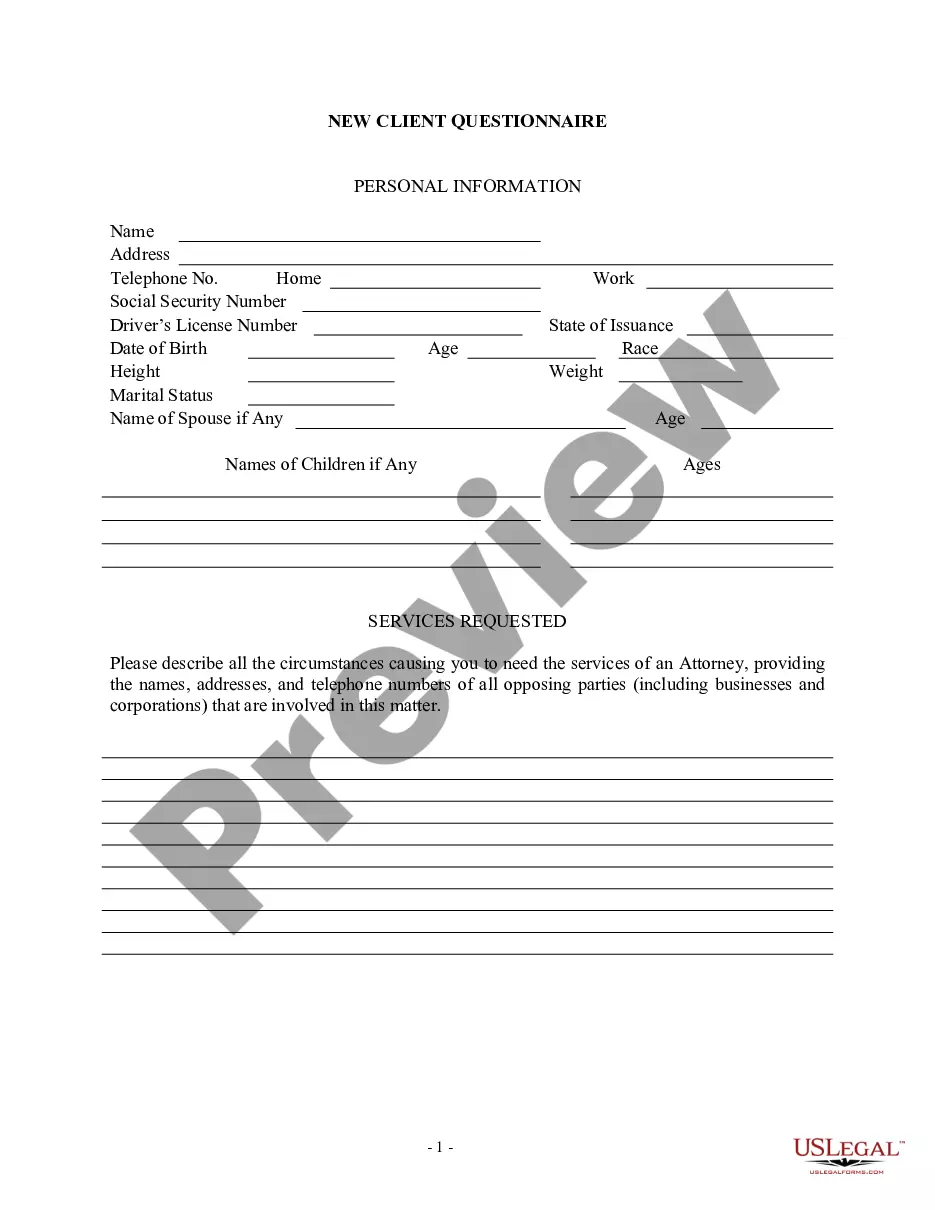
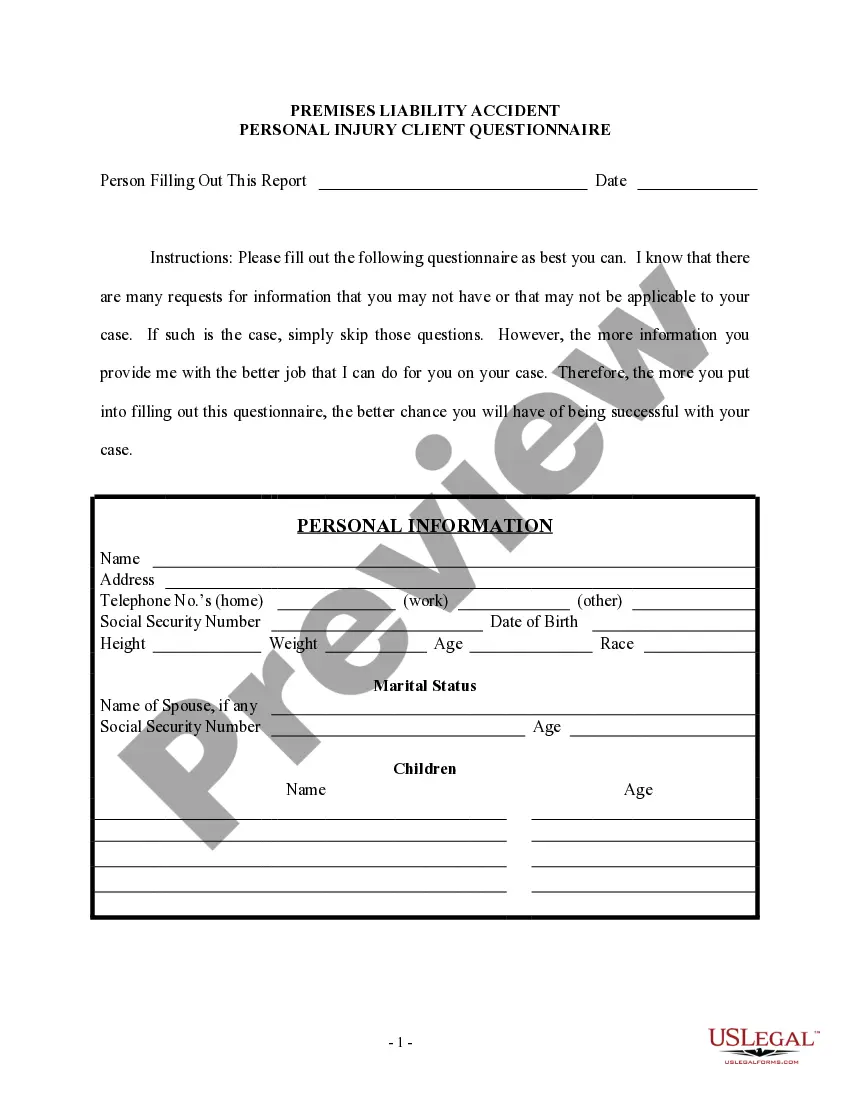
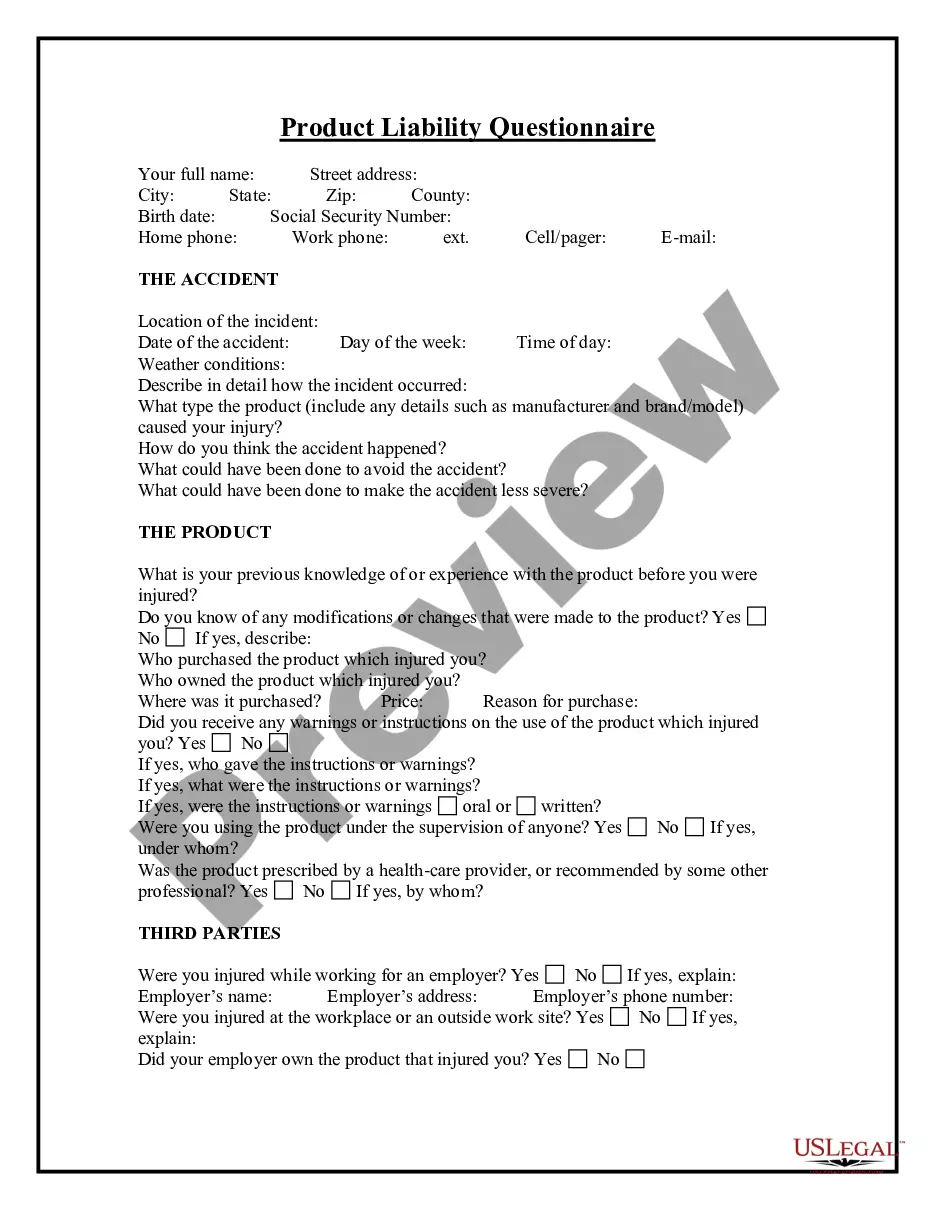
Get your form ready online
Our built-in tools help you complete, sign, share, and store your documents in one place.
Make edits, fill in missing information, and update formatting in US Legal Forms—just like you would in MS Word.
Download a copy, print it, send it by email, or mail it via USPS—whatever works best for your next step.
Sign and collect signatures with our SignNow integration. Send to multiple recipients, set reminders, and more. Go Premium to unlock E-Sign.
If this form requires notarization, complete it online through a secure video call—no need to meet a notary in person or wait for an appointment.
We protect your documents and personal data by following strict security and privacy standards.

Make edits, fill in missing information, and update formatting in US Legal Forms—just like you would in MS Word.

Download a copy, print it, send it by email, or mail it via USPS—whatever works best for your next step.

Sign and collect signatures with our SignNow integration. Send to multiple recipients, set reminders, and more. Go Premium to unlock E-Sign.

If this form requires notarization, complete it online through a secure video call—no need to meet a notary in person or wait for an appointment.

We protect your documents and personal data by following strict security and privacy standards.
Looking for another form?
How to fill out Negligence And Personal Injury Questionnaire?
Whether for corporate objectives or individual issues, everyone must encounter legal circumstances at some stage in their life.
Filling out legal documents requires meticulous attention, starting with selecting the proper form template. For instance, if you choose an incorrect version of the Negligence In Personal Injury Claim, it will be denied once you submit it.
With a vast US Legal Forms catalog available, you don’t need to waste time searching for the correct sample online. Utilize the library’s straightforward navigation to find the suitable template for any circumstance.
- Obtain the sample you require using the search bar or catalog navigation.
- Review the information on the form to confirm it corresponds with your situation, state, and area.
- Click on the form’s preview to inspect it.
- If it is not the correct form, return to the search feature to find the Negligence In Personal Injury Claim sample you need.
- Download the document if it satisfies your requirements.
- If you possess a US Legal Forms account, simply click Log in to access previously saved documents in My documents.
- In case you do not yet have an account, you can acquire the form by clicking Buy now.
- Choose the appropriate pricing option.
- Fill out the account registration form.
- Select your payment method: you can utilize a credit card or PayPal account.
- Choose the file format you prefer and download the Negligence In Personal Injury Claim.
- Once saved, you can complete the form using editing software or print it and fill it out manually.
Form popularity
FAQ
A claim for negligence typically comprises four key elements: duty, breach, causation, and damages. First, you must prove that the defendant had a duty to act in a certain way. Next, you need to show that they breached that duty, which caused your injuries. Finally, you must establish quantifiable damages resulting from this negligence in personal injury claim.
In personal injury cases, proving there has been negligence can be very clear. For example, in a car accident, the driver responsible has a duty of care to passengers, motorists and pedestrians. If they drive in an unsafe manner and cause accident and injury, the sufferers deserve compensation.
Probably one of the most common types of personal injury lawsuits involves a claim of negligence. Negligence describes a situation in which a person acts in a careless (or "negligent") manner, which results in someone else getting hurt or property being damaged.
A negligence claim requires that the person bringing the claim (the plaintiff) establish four distinct elements: duty of care, breach, causation, and damages.
In all these cases, if another person was ultimately responsible for the accident that led to the injury, you've got a viable personal injury claim. However, if they prove you're the person at fault for the accident, then it typically doesn't count as personal injury negligence.
Proving Negligence. Most civil lawsuits for injuries allege the wrongdoer was negligent. To win in a negligence lawsuit, the victim must establish 4 elements: (1) the wrongdoer owed a duty to the victim, (2) the wrongdoer breached the duty, (3) the breach caused the injury (4) the victim suffered damages.