Evict Tenants Statement For Nonpayment
Description
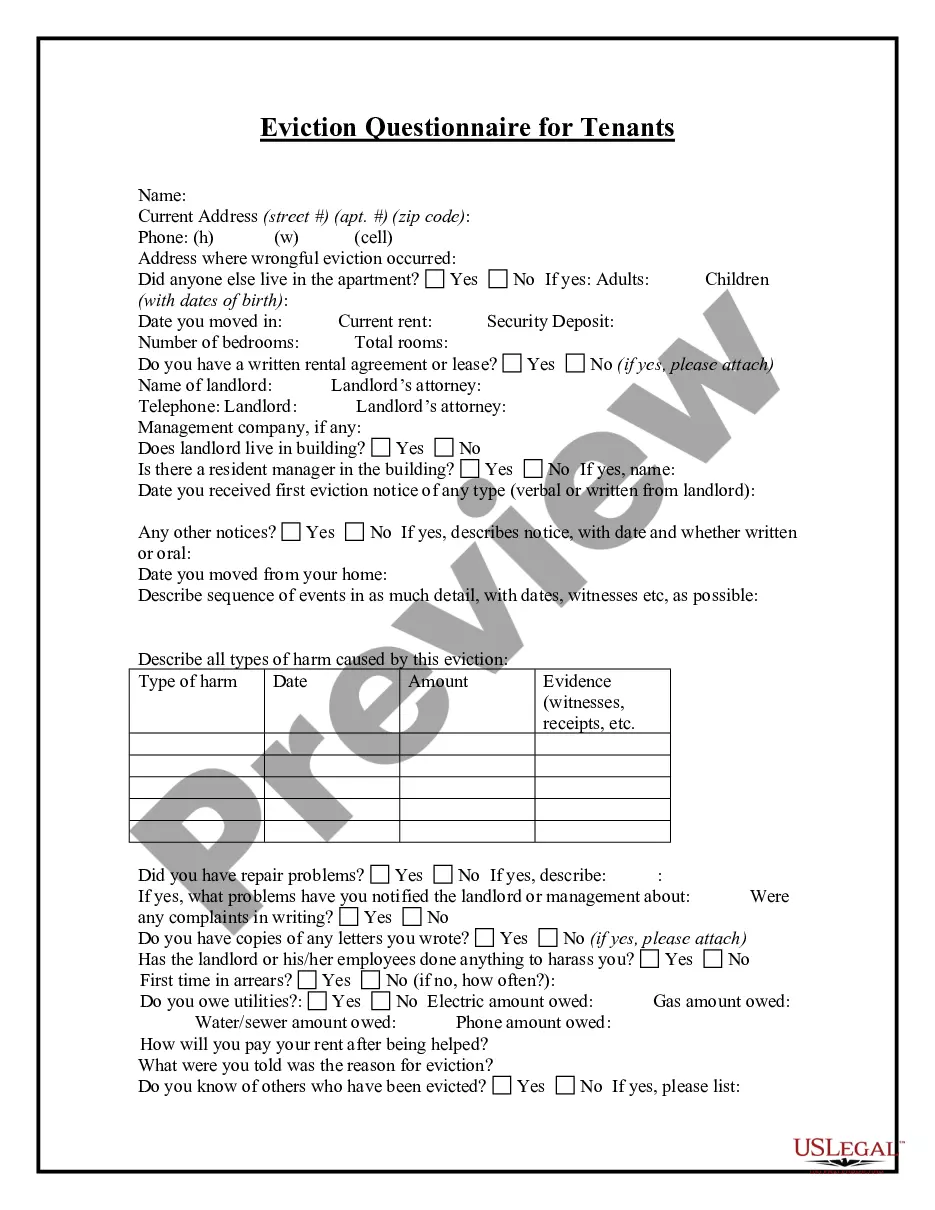
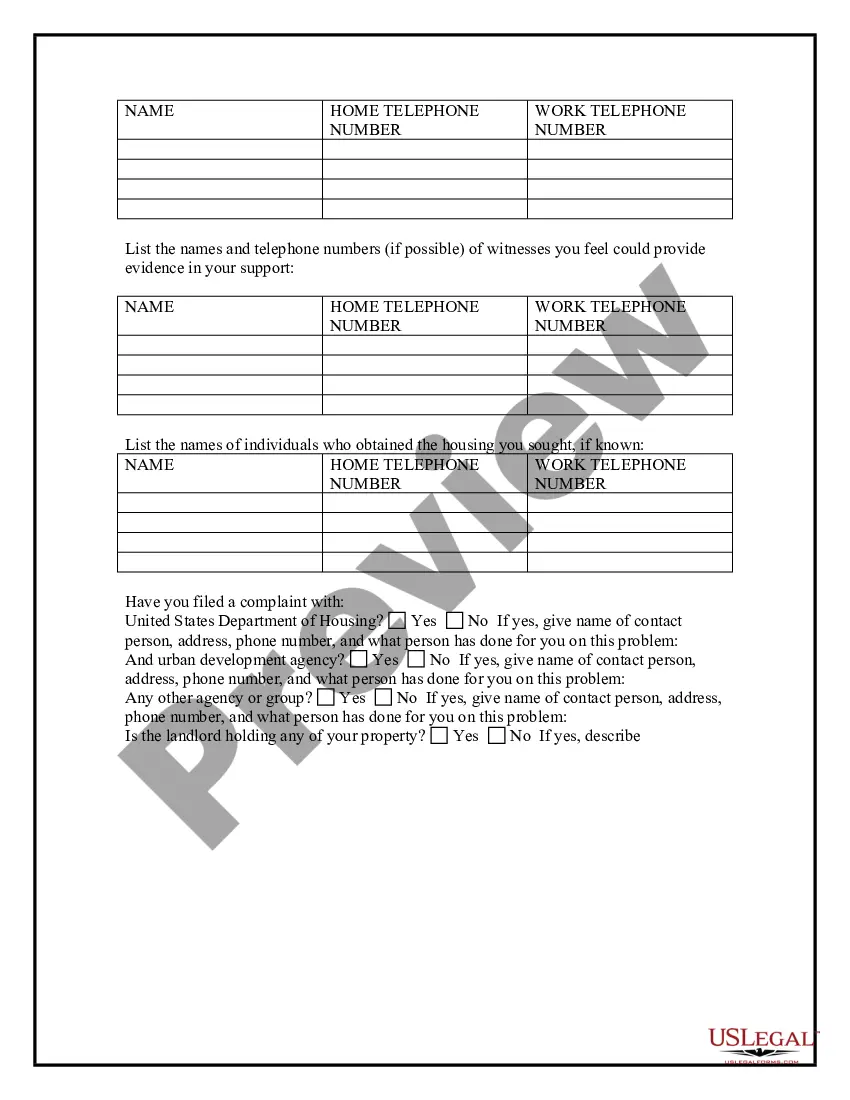
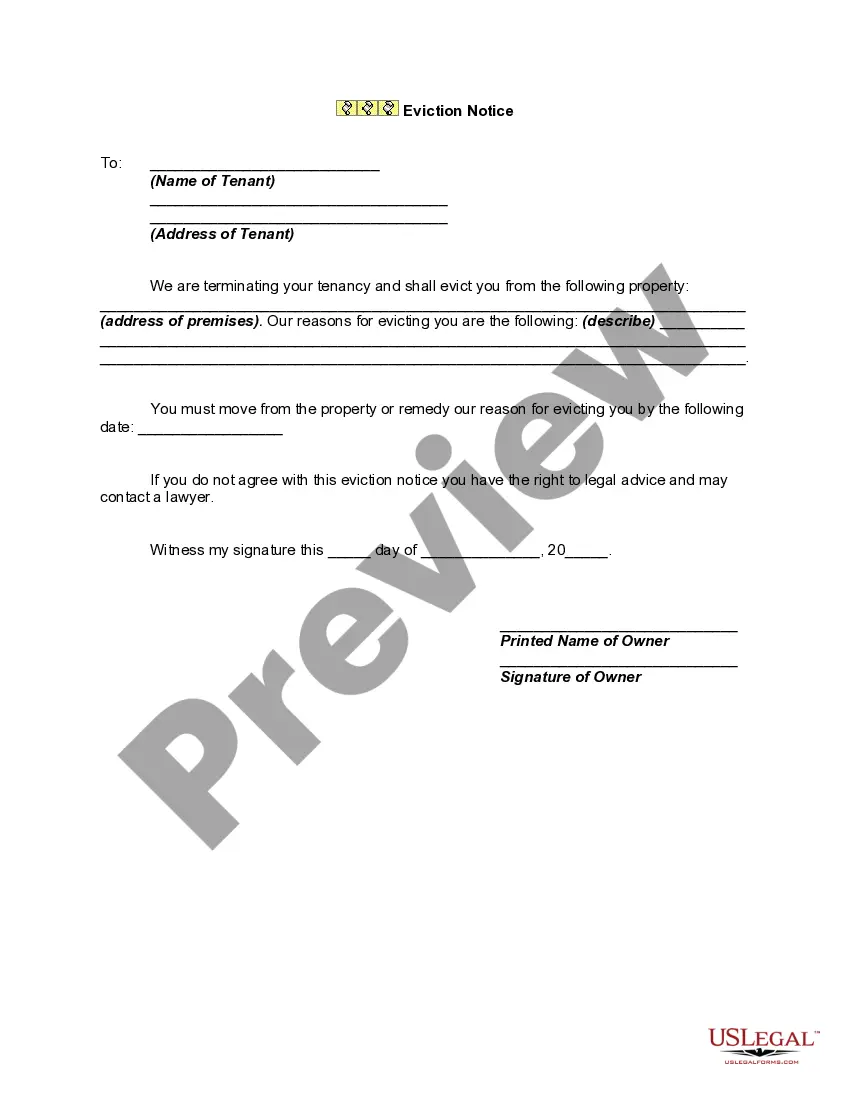
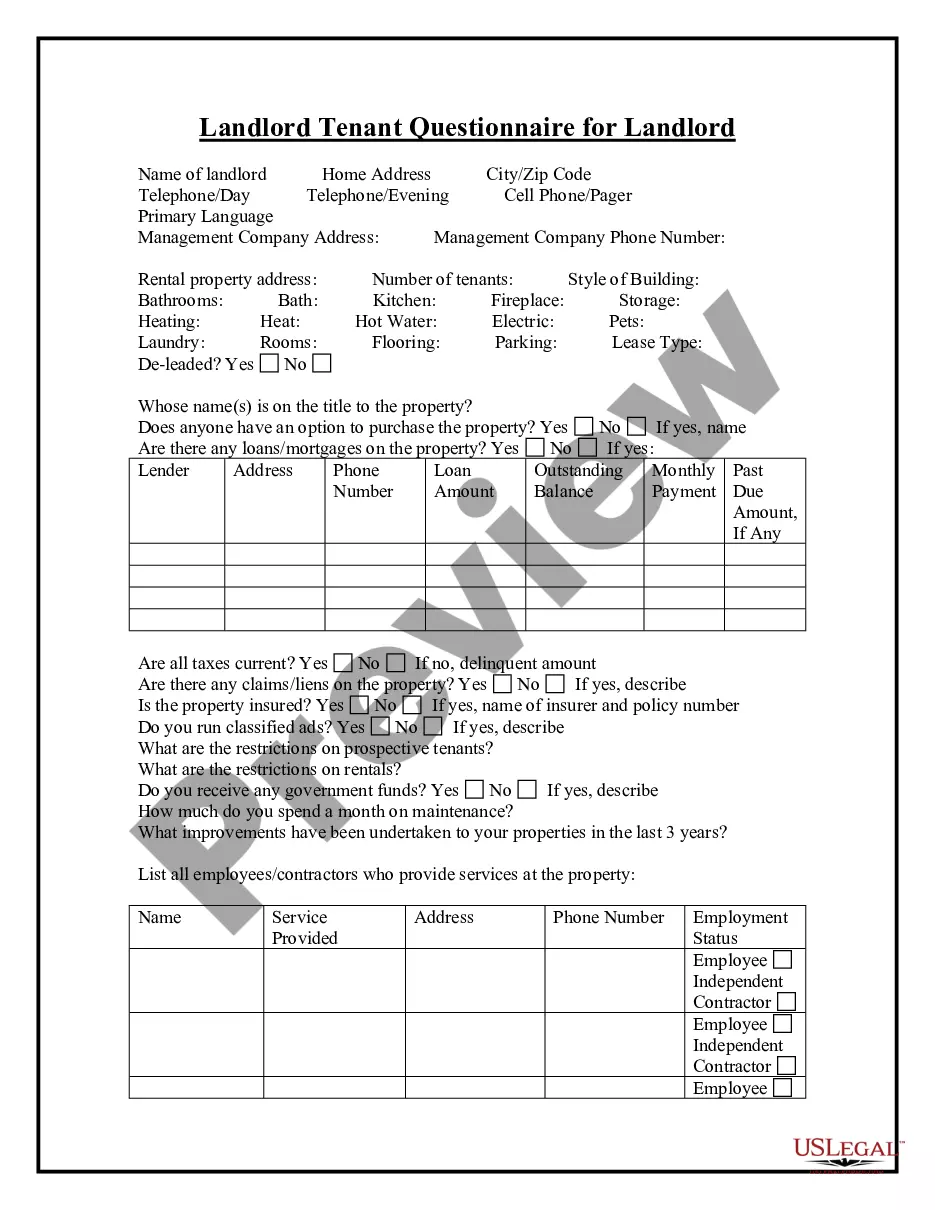
Get your form ready online
Our built-in tools help you complete, sign, share, and store your documents in one place.
Make edits, fill in missing information, and update formatting in US Legal Forms—just like you would in MS Word.
Download a copy, print it, send it by email, or mail it via USPS—whatever works best for your next step.
Sign and collect signatures with our SignNow integration. Send to multiple recipients, set reminders, and more. Go Premium to unlock E-Sign.
If this form requires notarization, complete it online through a secure video call—no need to meet a notary in person or wait for an appointment.
We protect your documents and personal data by following strict security and privacy standards.

Make edits, fill in missing information, and update formatting in US Legal Forms—just like you would in MS Word.

Download a copy, print it, send it by email, or mail it via USPS—whatever works best for your next step.

Sign and collect signatures with our SignNow integration. Send to multiple recipients, set reminders, and more. Go Premium to unlock E-Sign.

If this form requires notarization, complete it online through a secure video call—no need to meet a notary in person or wait for an appointment.

We protect your documents and personal data by following strict security and privacy standards.
Looking for another form?





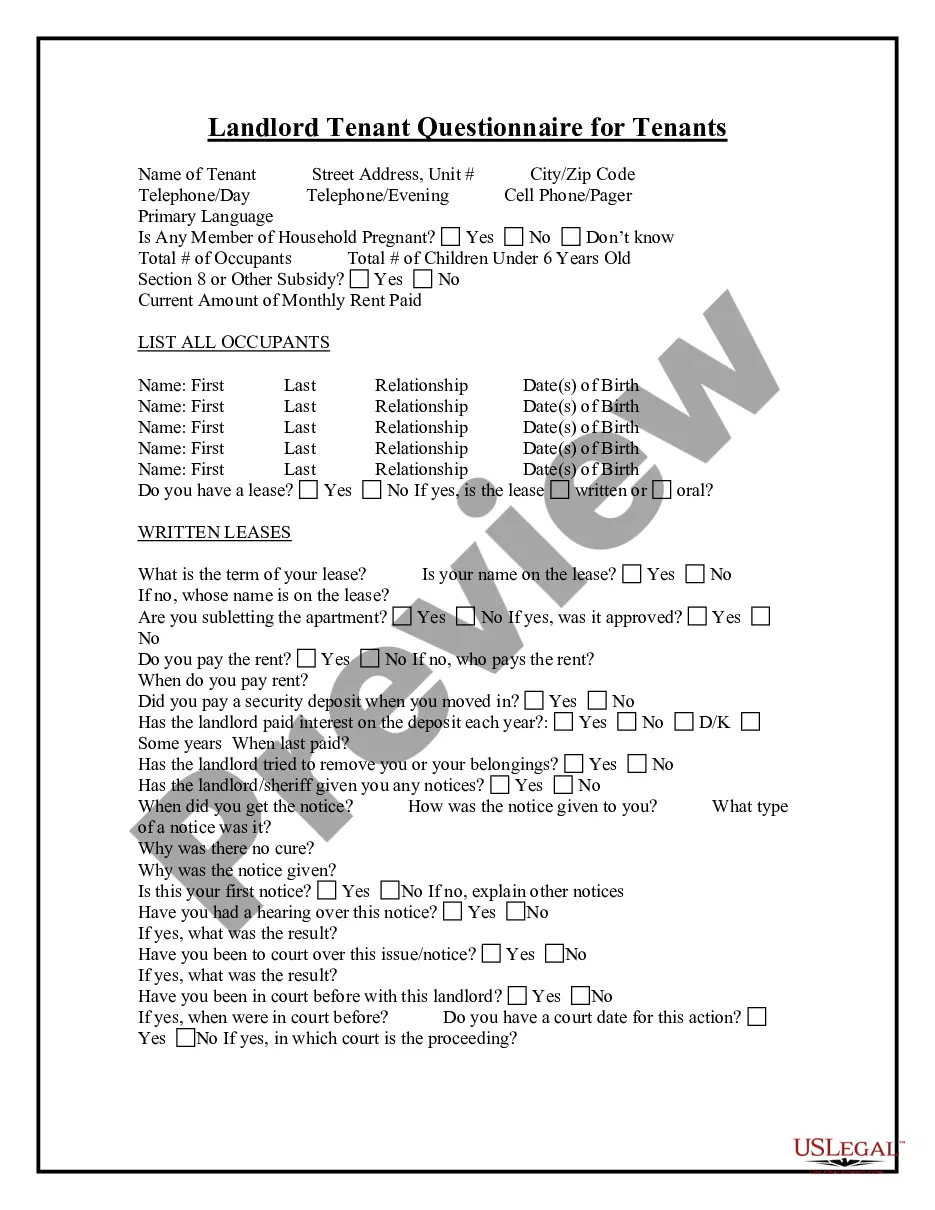
How to fill out Eviction Questionnaire For Tenants?
It’s well-known that you cannot become a legal authority instantly, nor can you swiftly create an Evict Tenants Statement For Nonpayment without needing a specific skill set.
Assembling legal paperwork is a lengthy task that necessitates particular training and expertise. So why not entrust the creation of the Evict Tenants Statement For Nonpayment to the professionals.
With US Legal Forms, which features one of the most extensive collections of legal templates, you can find anything from court documents to templates for office communication. We recognize how crucial compliance and adherence to federal and local regulations are.
You can regain access to your forms from the My documents tab at any time. If you’re an existing client, you can simply Log In, and find and download the template from the same section.
Regardless of your document's purpose—whether financial and legal, or personal—our platform has you covered. Try US Legal Forms today!
- Begin by locating the document you require using the search bar at the top of the page.
- Preview it (if this option is available) and review the supporting description to see if Evict Tenants Statement For Nonpayment matches your needs.
- If you require a different template, restart your search.
- Create a free account and select a subscription plan to acquire the template.
- Click Buy now. After your payment is finalized, you can download the Evict Tenants Statement For Nonpayment, complete it, print it, and send or mail it to the intended recipients or organizations.
Form popularity
FAQ
Reporting a tenant for nonpayment can be done through various channels, including local authorities or credit bureaus. Start by gathering all necessary documentation, including the eviction notice and payment history. Informing the relevant parties helps maintain a record when you look to evict tenants for nonpayment.
If they have given you these notices, and you have not paid the entire amount they say you owe by the end of the fourteen (14) days, they can start a ?nonpayment? eviction against you.
The Sheriff's Office handles evictions that involve the enforcement of a court order or warrant. The fee for performing an eviction is $140.
If they still haven't paid rent and continue living in the property by the end of the fourteen days, the landlord can continue with the eviction lawsuit. In the state of New York, landlords may charge a late fee for the late payment of rent. They may only do so after the statewide grace period of five days.
In New York State, an eviction of a tenant is lawful only if an owner has brought a court proceeding and obtained a judgment of possession from the court. A sheriff, marshal or constable can carry out a court ordered eviction. An owner may not evict a tenant by use of force or unlawful means.
In New York 5 Page 9 City, 30 days' notice is required, rather than one month. Landlords do not need to explain why the tenancy is being terminated, they only need to provide notice that it is, and that refusal to vacate will lead to eviction proceedings.