Conservator Definition In Law
Description
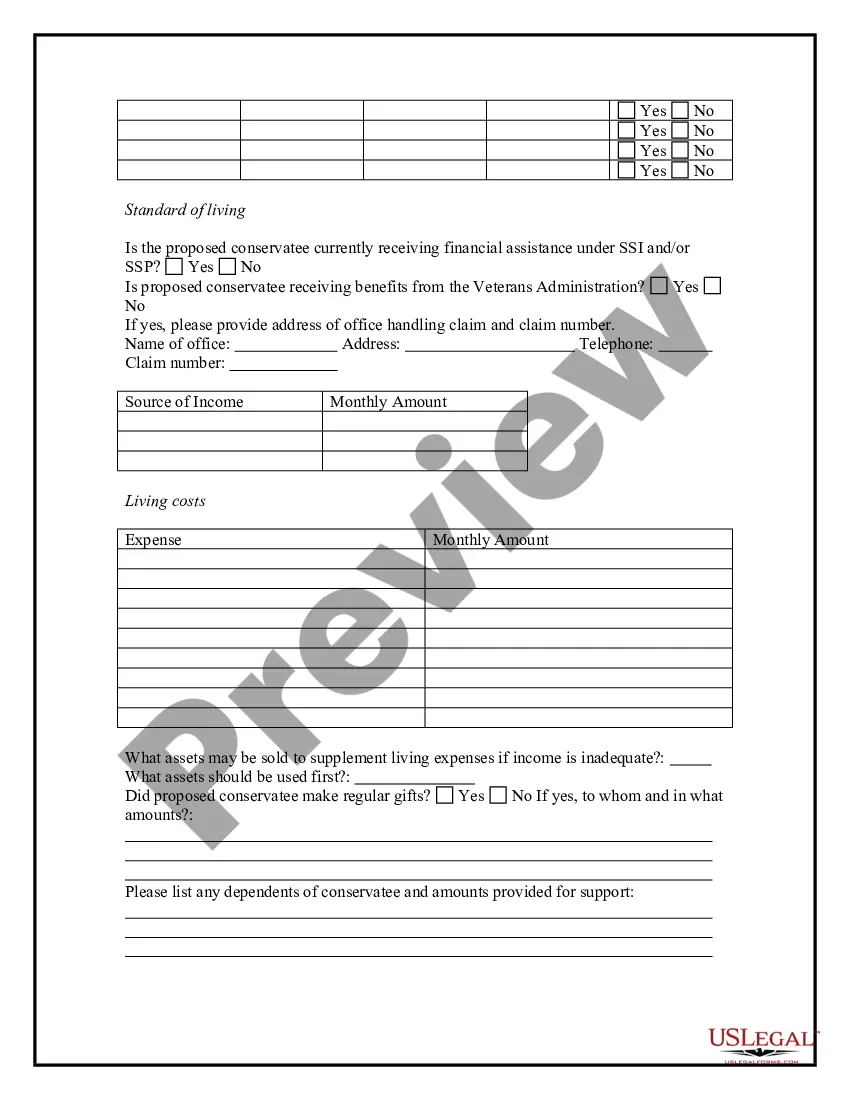
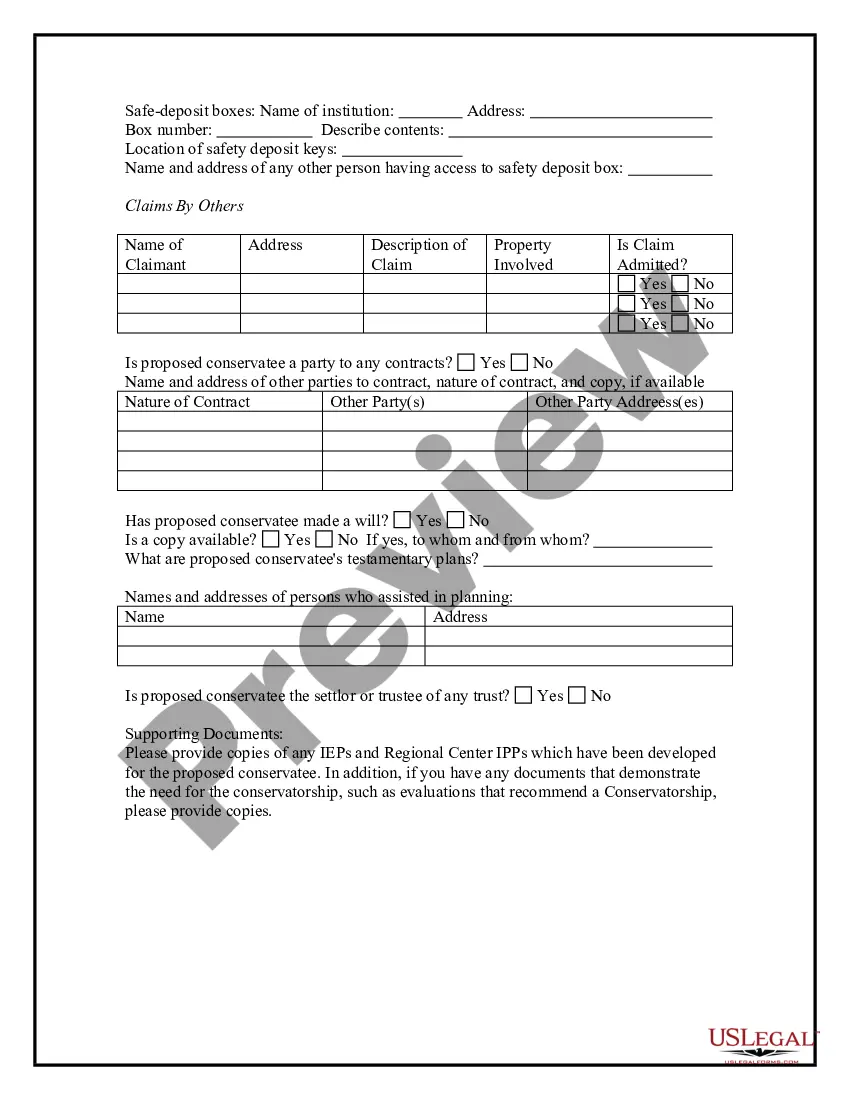
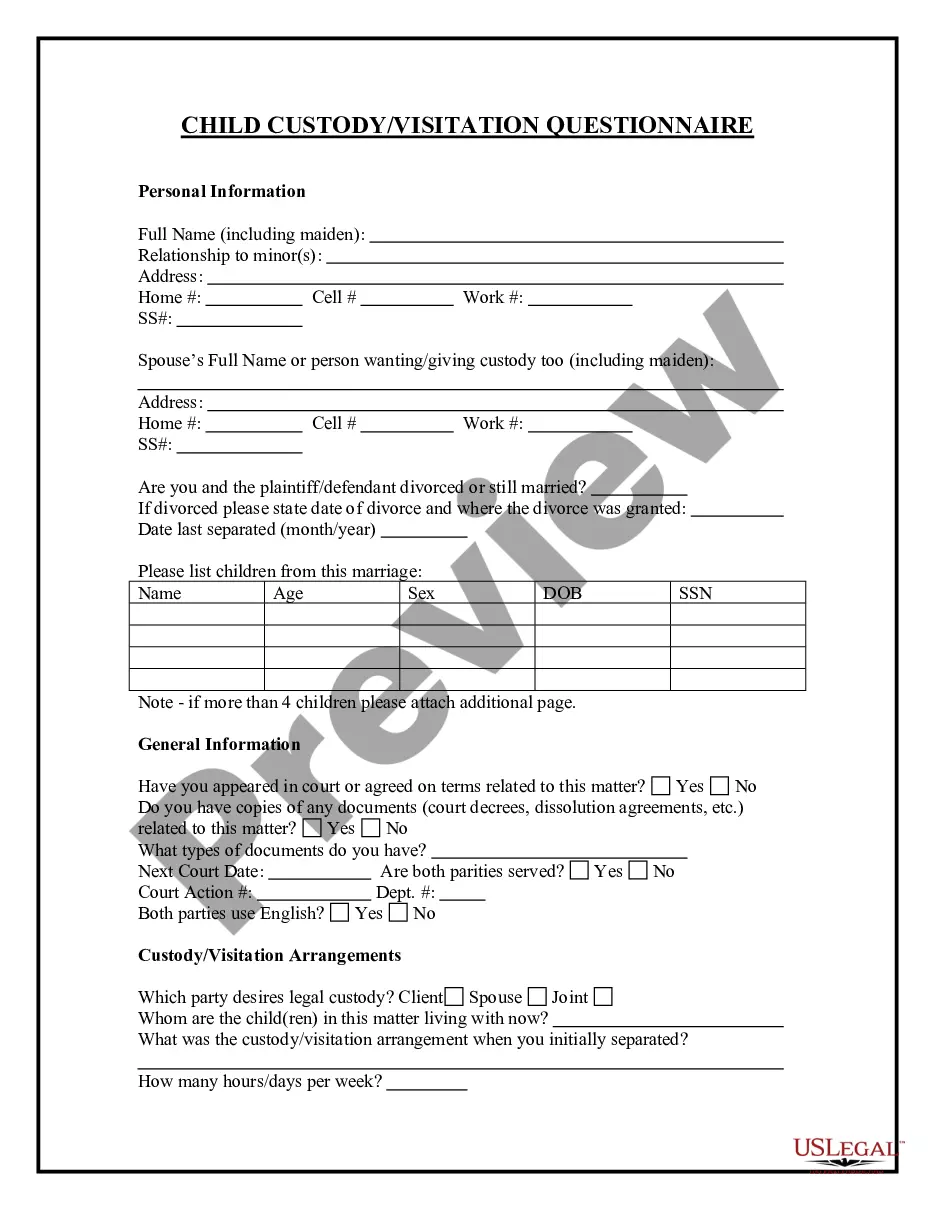
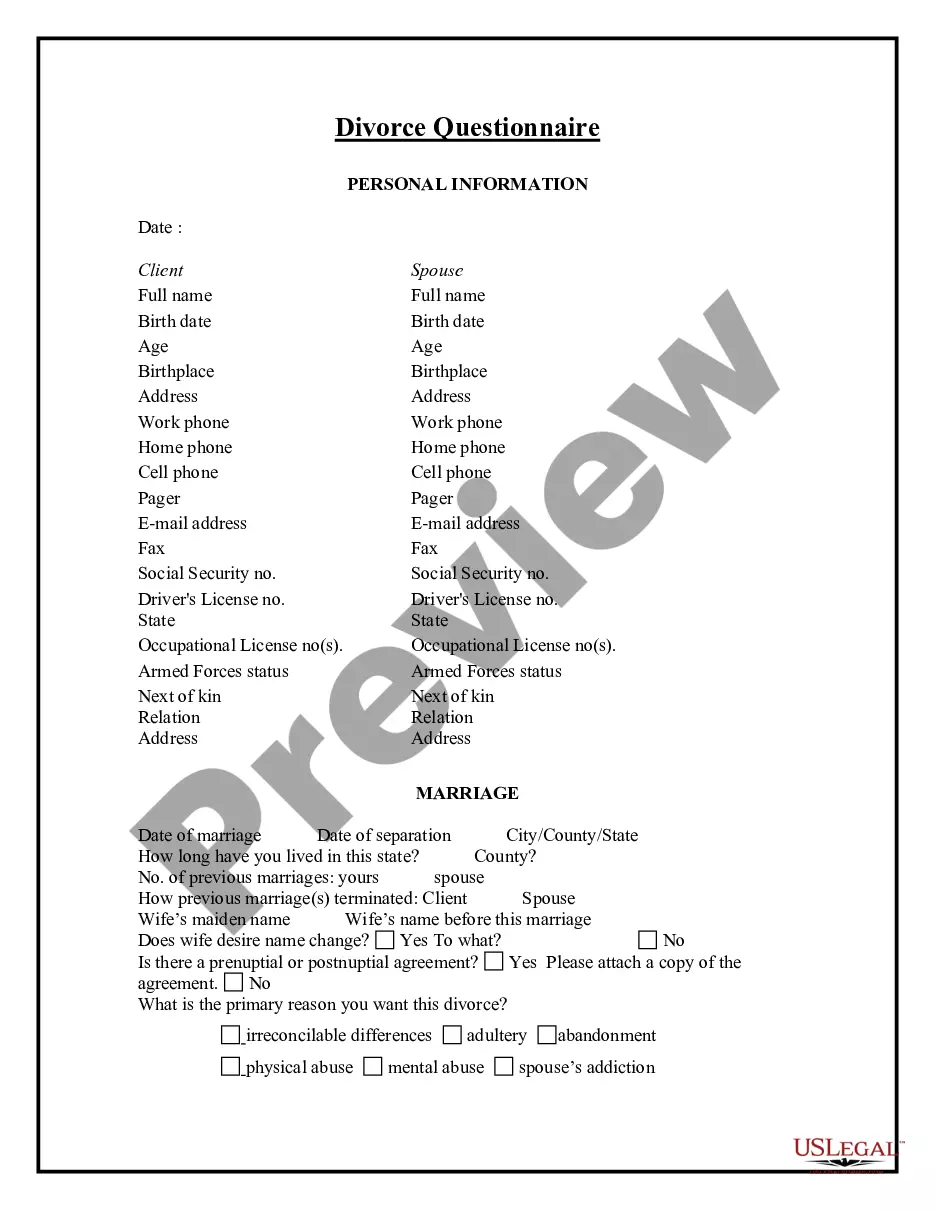

Get your form ready online
Our built-in tools help you complete, sign, share, and store your documents in one place.
Make edits, fill in missing information, and update formatting in US Legal Forms—just like you would in MS Word.
Download a copy, print it, send it by email, or mail it via USPS—whatever works best for your next step.
Sign and collect signatures with our SignNow integration. Send to multiple recipients, set reminders, and more. Go Premium to unlock E-Sign.
If this form requires notarization, complete it online through a secure video call—no need to meet a notary in person or wait for an appointment.
We protect your documents and personal data by following strict security and privacy standards.

Make edits, fill in missing information, and update formatting in US Legal Forms—just like you would in MS Word.

Download a copy, print it, send it by email, or mail it via USPS—whatever works best for your next step.

Sign and collect signatures with our SignNow integration. Send to multiple recipients, set reminders, and more. Go Premium to unlock E-Sign.

If this form requires notarization, complete it online through a secure video call—no need to meet a notary in person or wait for an appointment.

We protect your documents and personal data by following strict security and privacy standards.
Looking for another form?


How to fill out Conservatorship Questionnaire?
Securing a reliable source to obtain the most up-to-date and suitable legal templates is a significant part of navigating bureaucracy.
Acquiring the correct legal documents requires accuracy and meticulousness, which is why it is crucial to source examples of Conservator Definition In Law exclusively from trustworthy providers, such as US Legal Forms.
Finalize your purchase by choosing a payment method (credit card or PayPal). Choose the file format for downloading Conservator Definition In Law. Once you have the document on your device, you can edit it using the editor or print it and complete it by hand. Remove the stress associated with your legal documentation. Explore the vast US Legal Forms catalog where you can locate legal templates, assess their relevance to your situation, and download them immediately.
- An incorrect template will squander your time and delay your situation.
- With US Legal Forms, you have minimal reasons to worry.
- You can access and review all the details regarding the document’s application and suitability for your situation and within your state or area.
- Use the catalog navigation or search bar to find your template.
- Examine the form’s details to ensure it meets the standards of your state and locality.
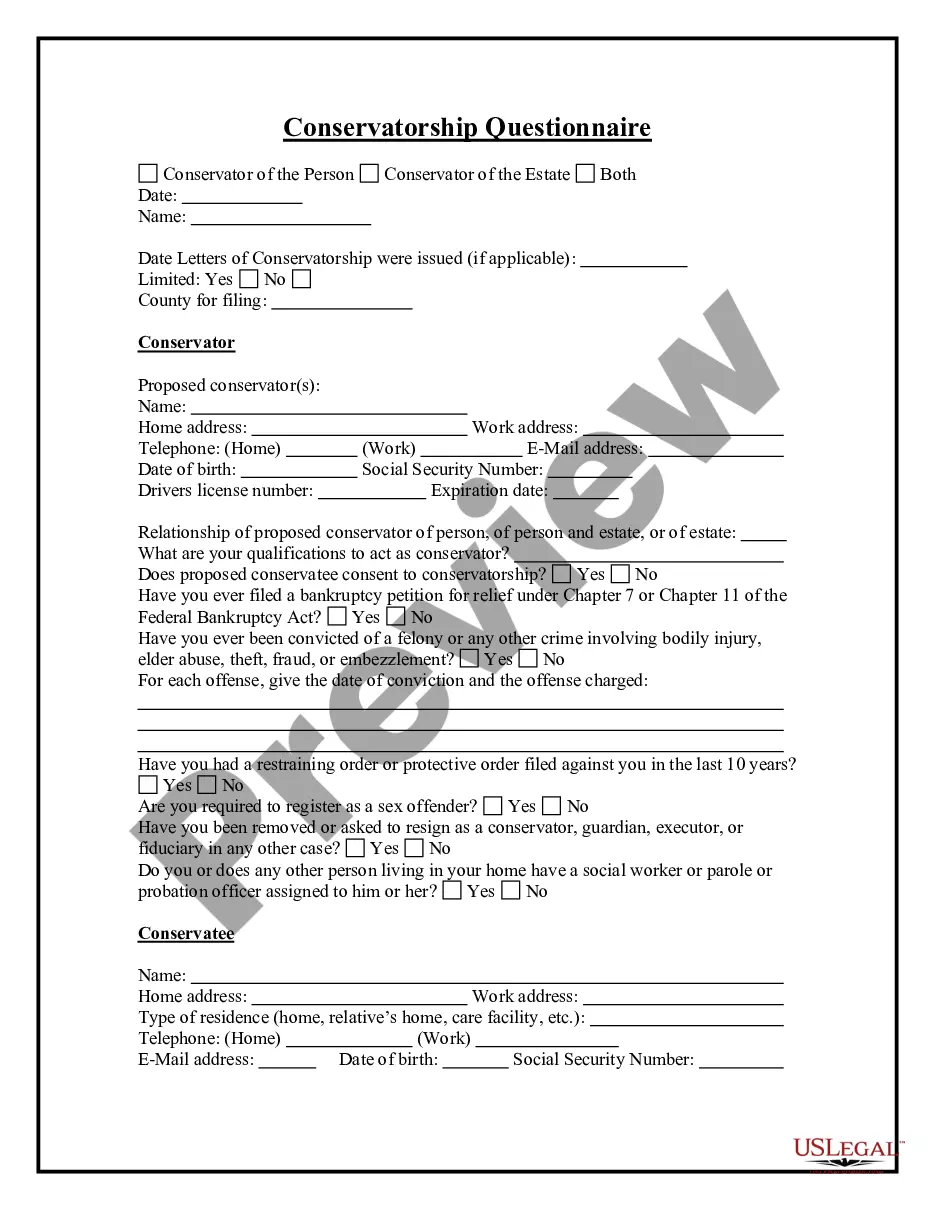
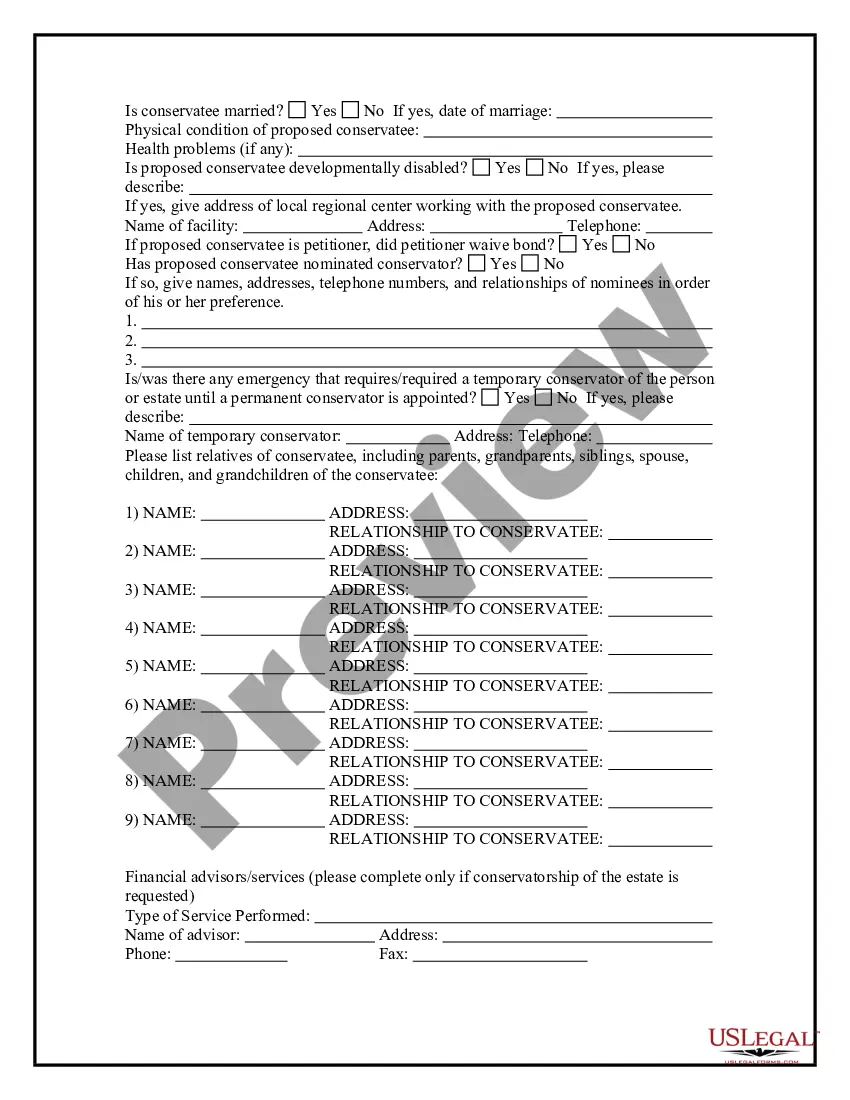
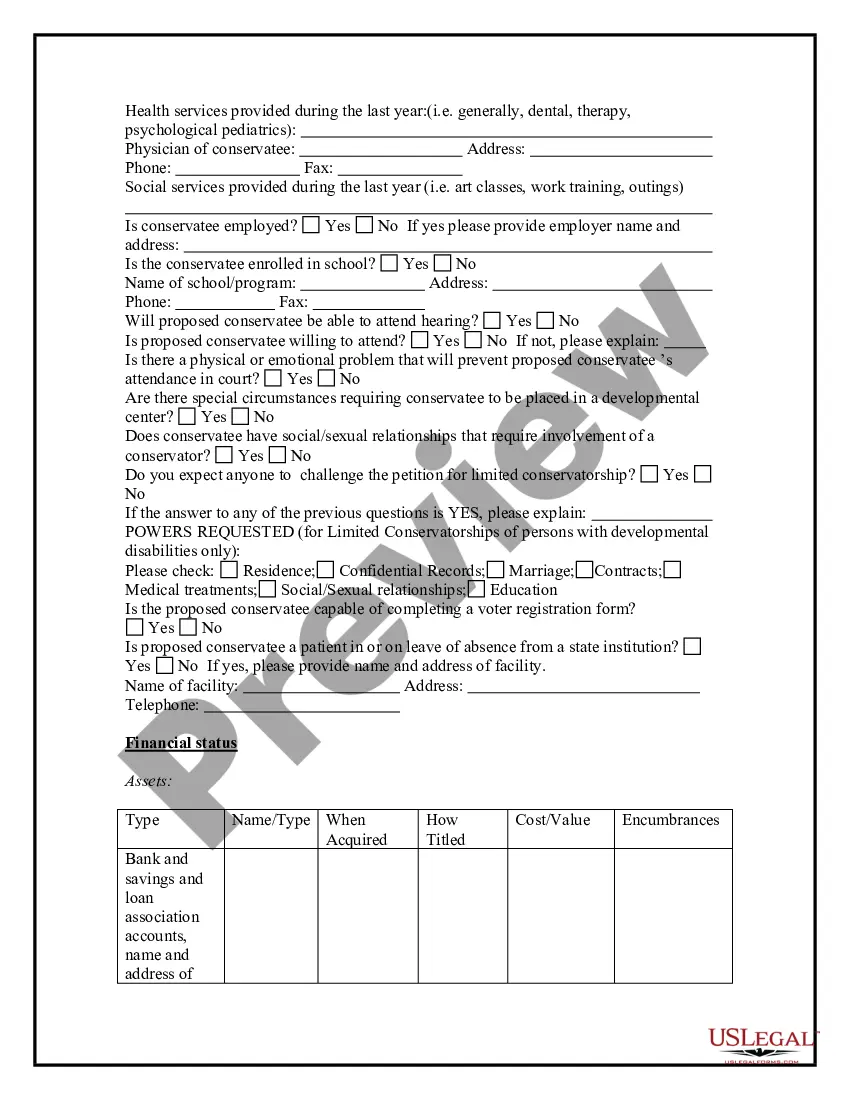
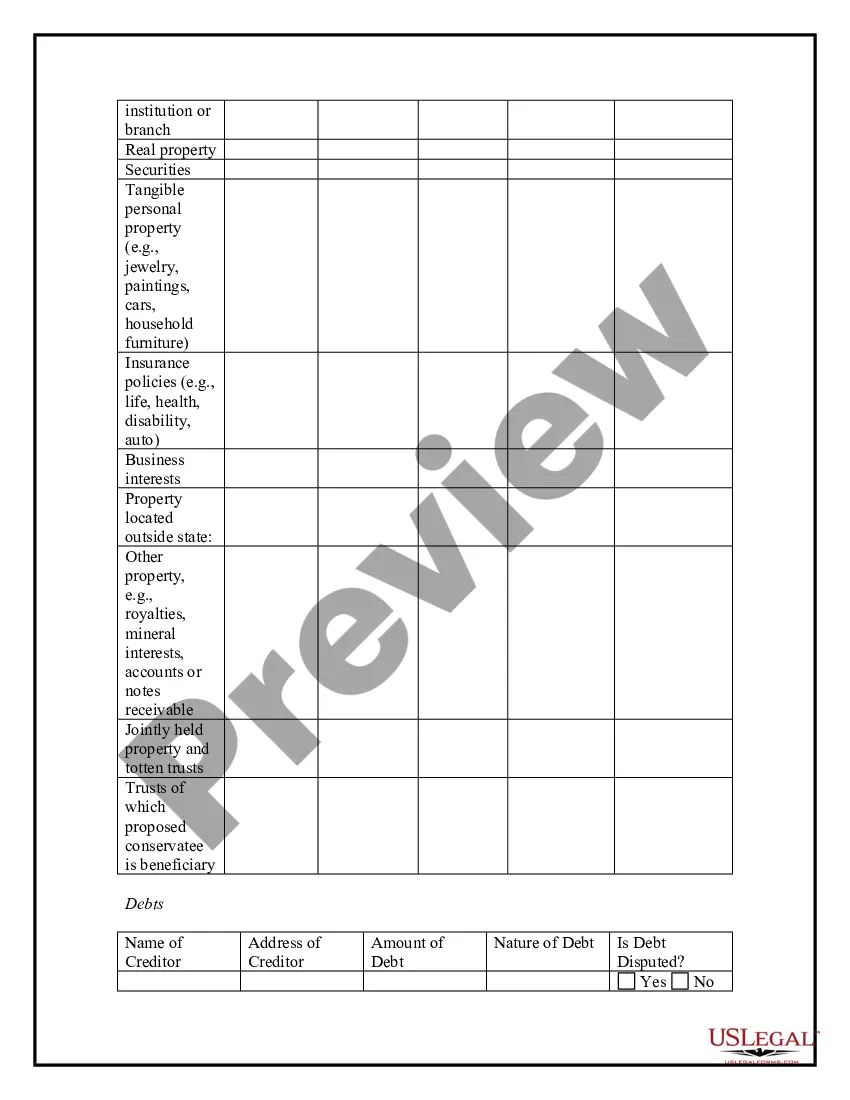
- Check the form preview, if available, to confirm the template is the one you need.
- Continue your search and seek the appropriate template if the Conservator Definition In Law does not align with your needs.
- If you are confident about the form’s applicability, download it.
- As a registered user, click Log in to verify and access your selected forms in My documents.
- If you do not yet have an account, click Buy now to obtain the template.
- Select the payment plan that fits your requirements.
- Proceed with registration to complete your purchase.
Form popularity
FAQ
Every conservatee has all basic human rights and the right to be well cared for by his or her conservator. The conservatee has the right to ask questions and to express concerns and complaints about the conservatorship and the actions of his or her conservator.
A conservatorship is when a judge appoints another person to act or make decisions for the person who needs help. The person the judge appoints is called the conservator. The person who needs the help is the conservatee. A judge can only appoint a conservator if other less restrictive options won't work.
Under U.S. law, a conservatorship results from the appointment of a guardian or a protector by a judge to manage the personal or financial affairs of another person who is incapable of fully managing their own affairs due to age or physical or mental limitations.
Conservators are court-appointed individuals who are given the ability to manage another person's finances and personal affairs. They're able to limit the conservatee's spending and, depending on the extent of the conservatorship, any other financial and personal decisions.
A conservator is not the same as an executor. A conservator manages a persons financial affairs while they are living an executor (or administrator) is responsible for financial affairs after a person passes away.