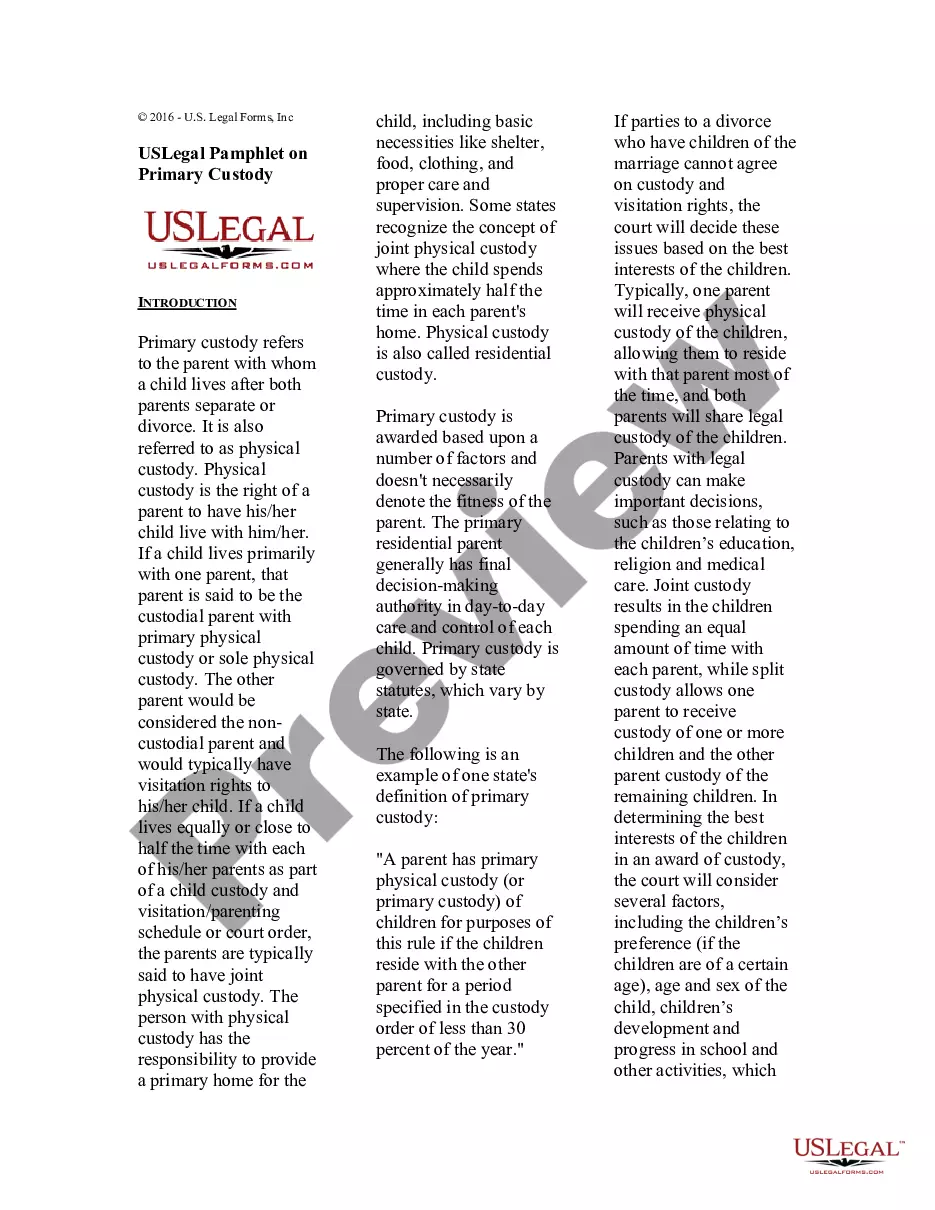
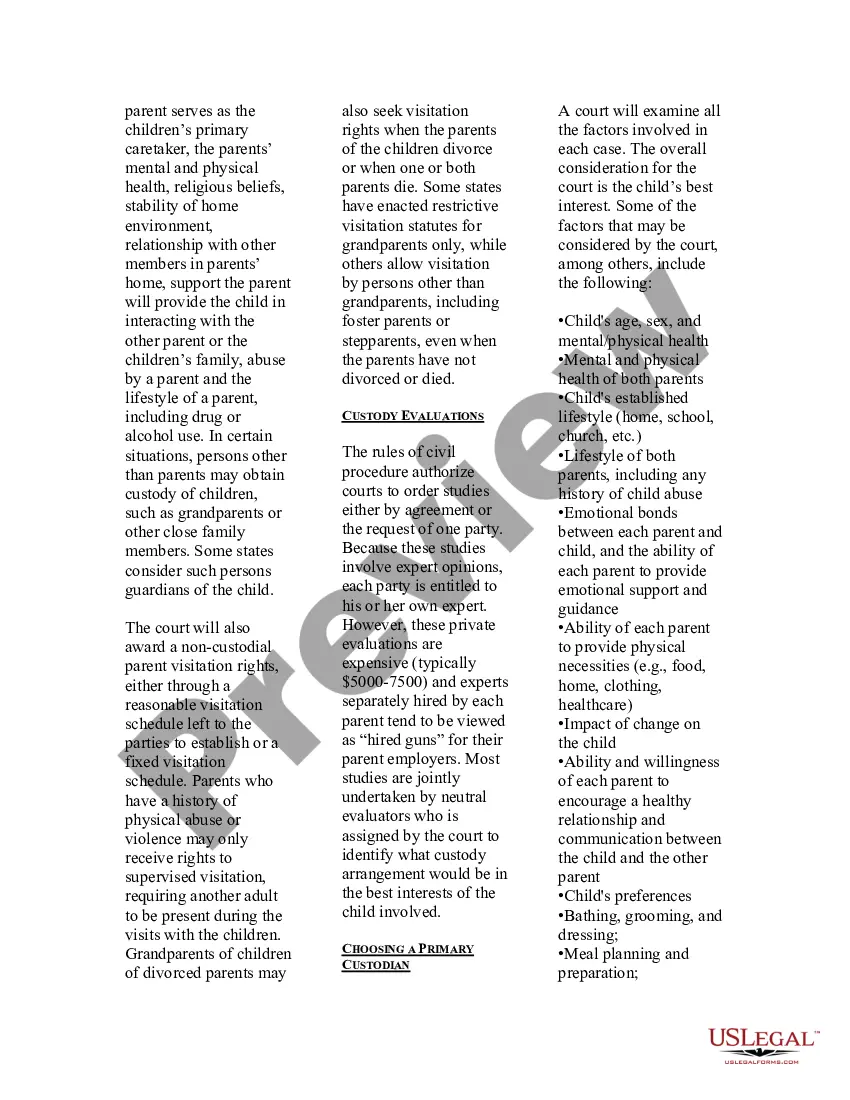
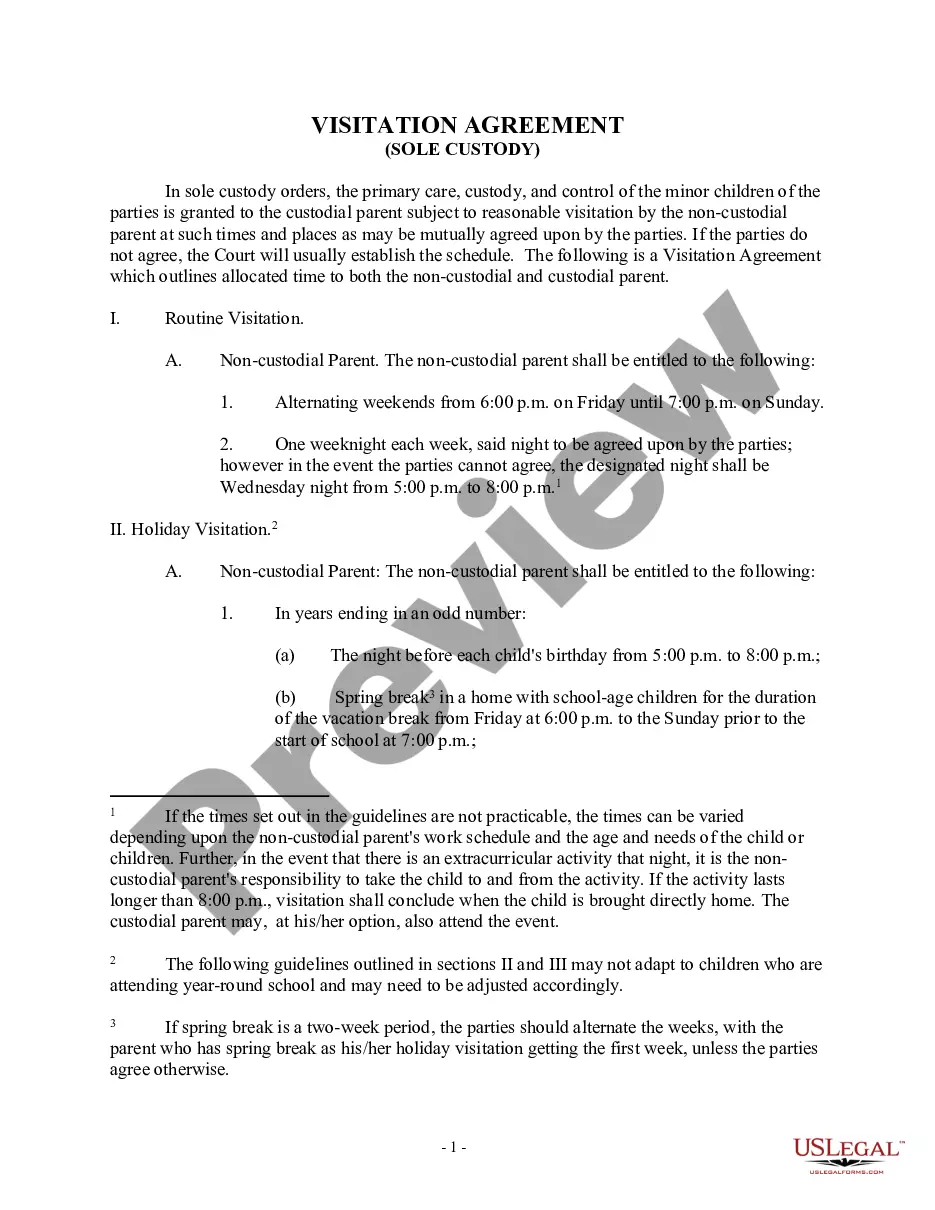
Primary Physical Custody In Virginia
Description
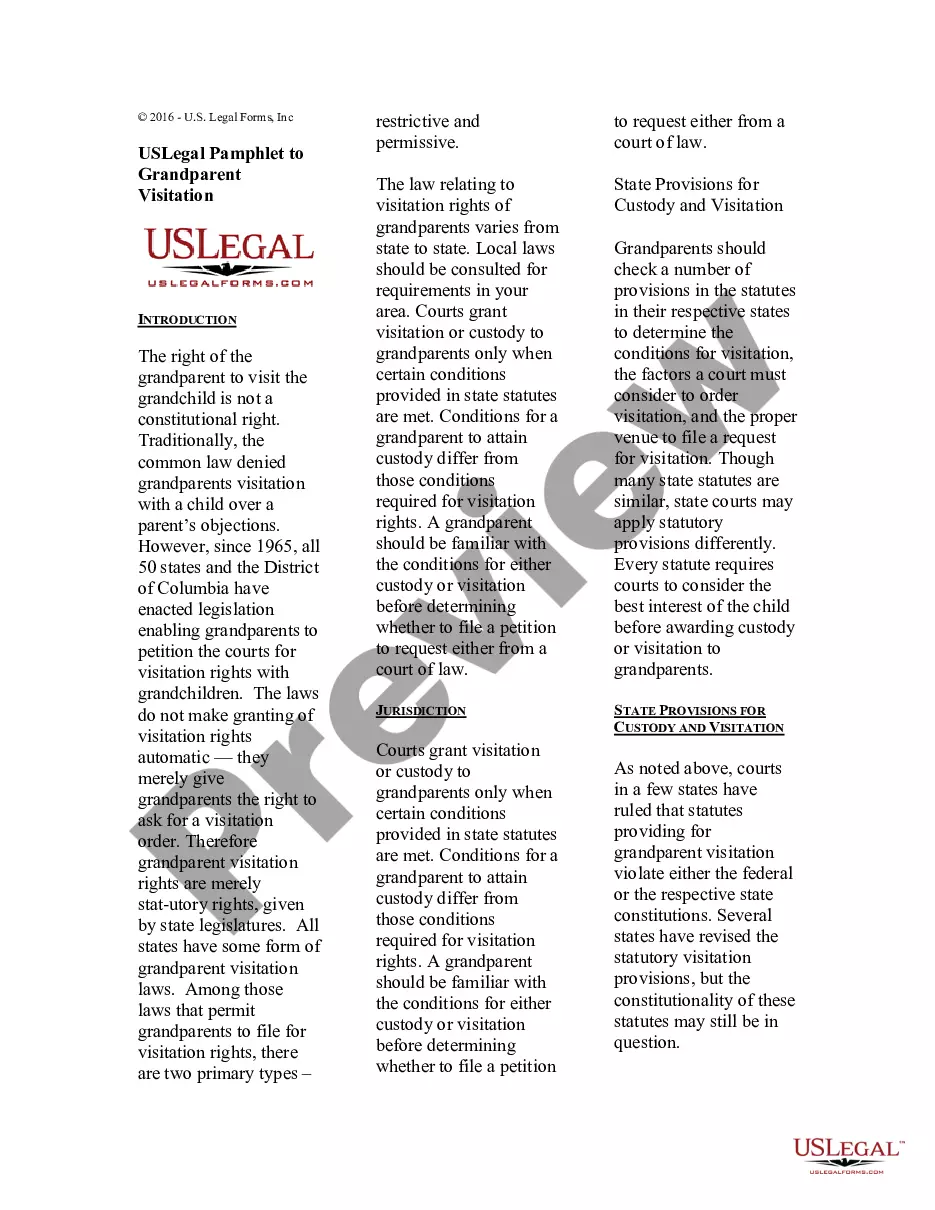
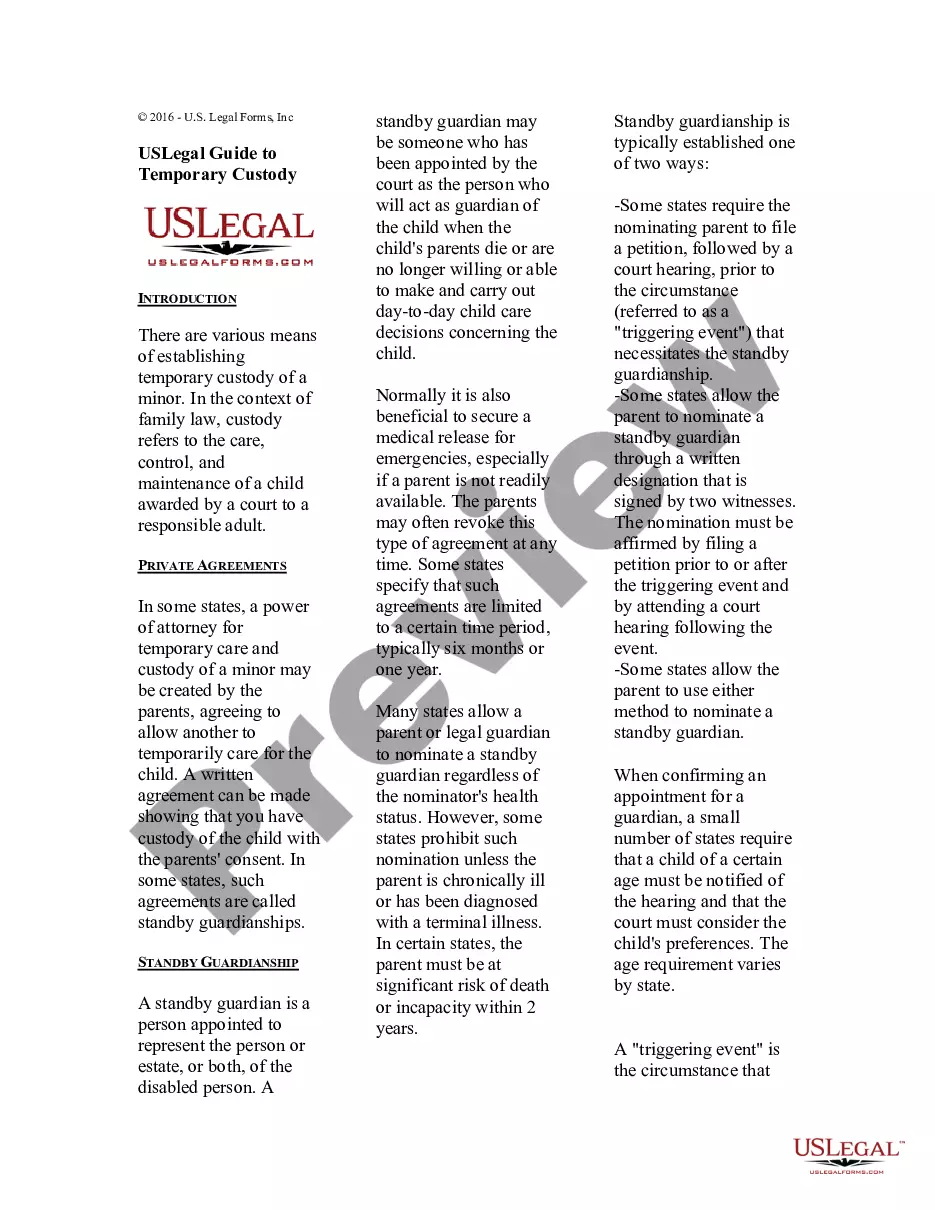
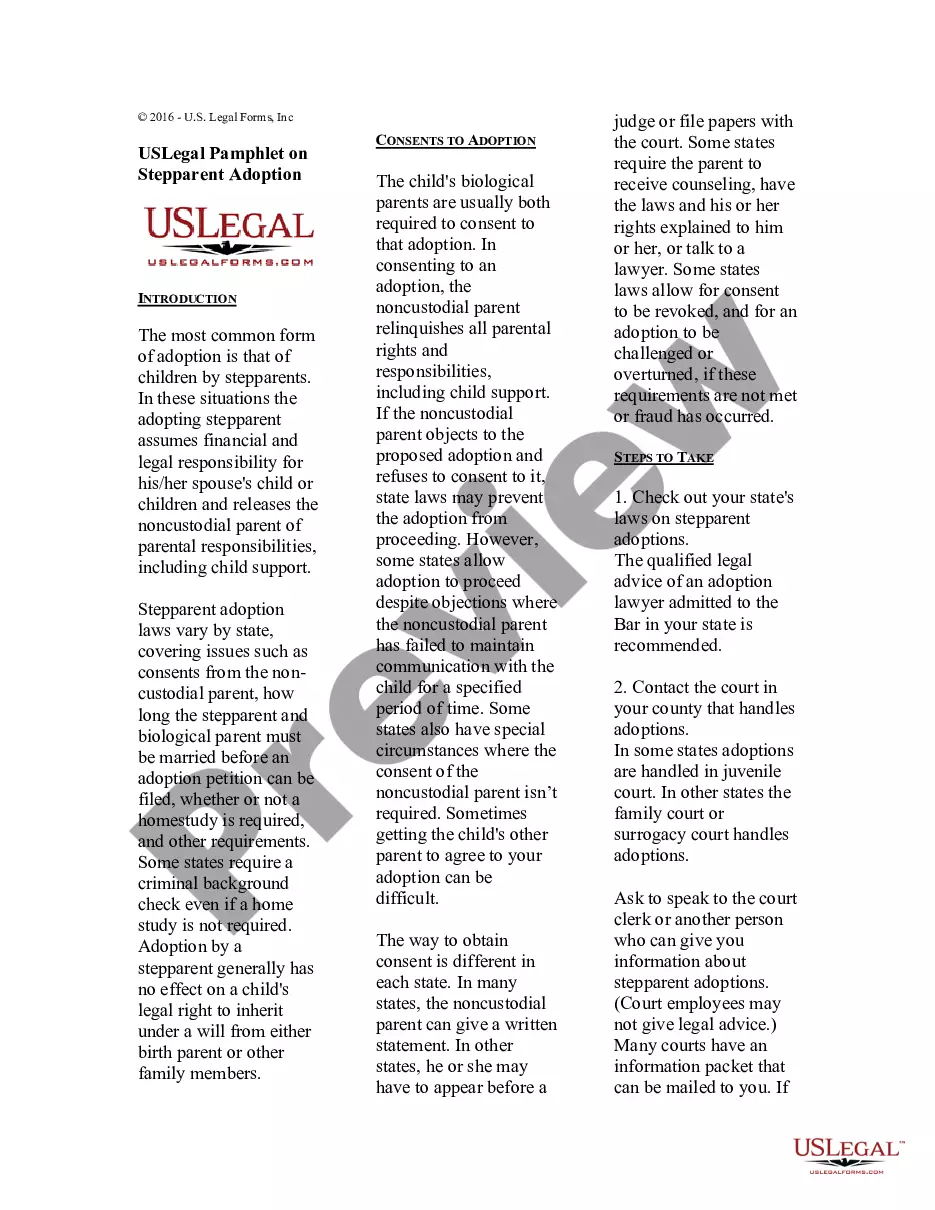
Get your form ready online
Our built-in tools help you complete, sign, share, and store your documents in one place.
Make edits, fill in missing information, and update formatting in US Legal Forms—just like you would in MS Word.
Download a copy, print it, send it by email, or mail it via USPS—whatever works best for your next step.
Sign and collect signatures with our SignNow integration. Send to multiple recipients, set reminders, and more. Go Premium to unlock E-Sign.
If this form requires notarization, complete it online through a secure video call—no need to meet a notary in person or wait for an appointment.
We protect your documents and personal data by following strict security and privacy standards.

Make edits, fill in missing information, and update formatting in US Legal Forms—just like you would in MS Word.

Download a copy, print it, send it by email, or mail it via USPS—whatever works best for your next step.

Sign and collect signatures with our SignNow integration. Send to multiple recipients, set reminders, and more. Go Premium to unlock E-Sign.

If this form requires notarization, complete it online through a secure video call—no need to meet a notary in person or wait for an appointment.

We protect your documents and personal data by following strict security and privacy standards.
Looking for another form?
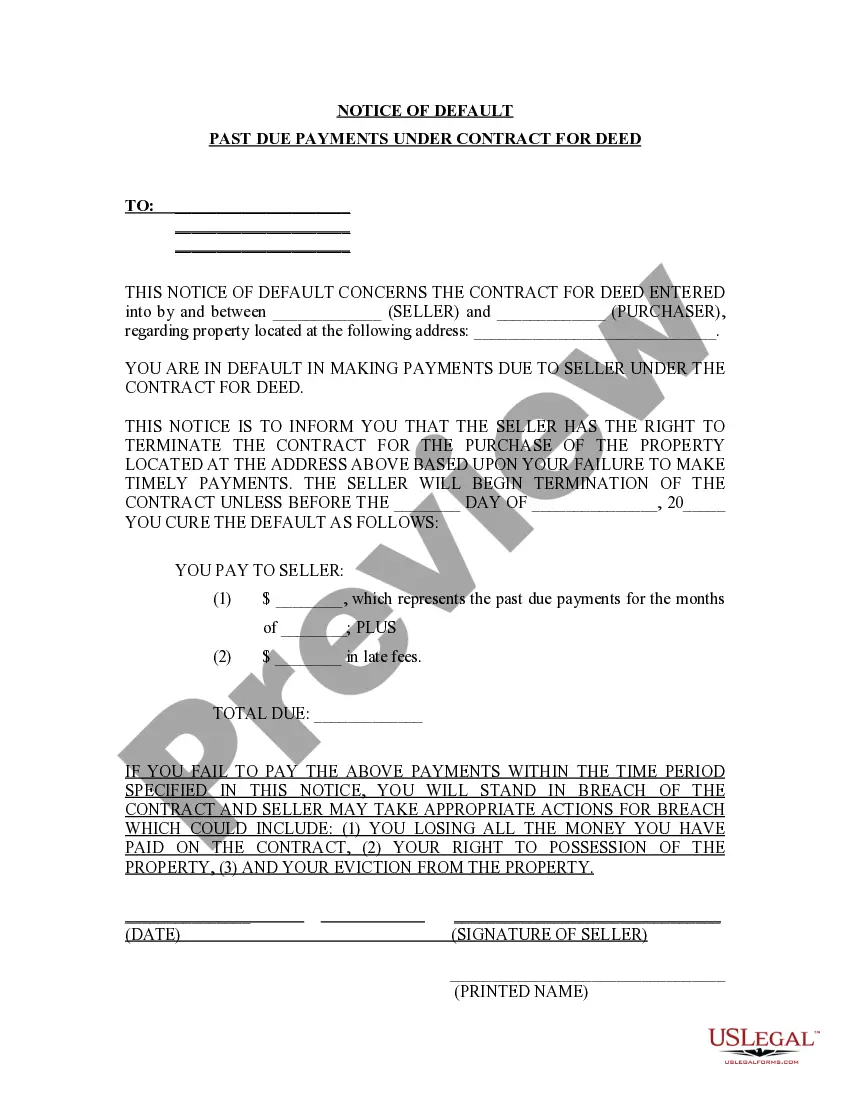

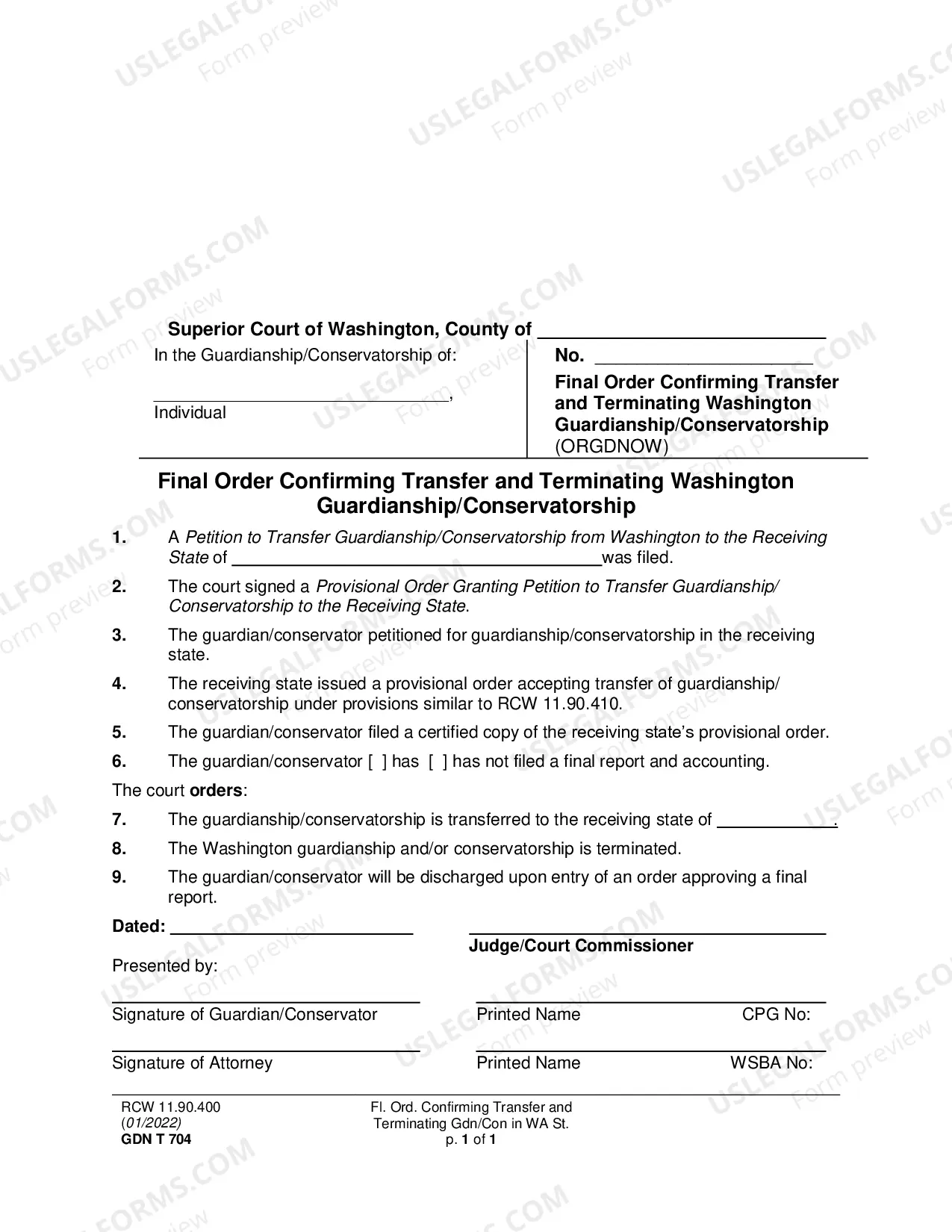


How to fill out USLegal Pamphlet On Primary Custody?
Finding a reliable source for the most up-to-date and suitable legal documents is a significant part of managing administrative tasks.
Identifying the correct legal forms requires precision and meticulousness, which is why it's crucial to obtain samples of Primary Physical Custody In Virginia solely from trustworthy providers, such as US Legal Forms.
Eliminate the hassle associated with your legal paperwork. Explore the extensive collection of US Legal Forms to locate legal templates, verify their applicability to your situation, and download them instantly.
- Utilize the catalog navigation or search tool to find your sample.
- Review the form’s details to verify if it meets the standards of your state and county.
- Access the form preview, if it exists, to confirm that it is the form you seek.
- Return to the search results and look for the suitable document if the Primary Physical Custody In Virginia does not align with your needs.
- If you are confident about the form’s appropriateness, download it.
- As a registered user, click Log in to verify your identity and access your selected documents in My documents.
- If you haven't created an account yet, click Buy now to acquire the form.
- Select the payment plan that fits your needs.
- Complete the sign-up process to complete your purchase.
- Conclude your transaction by choosing a payment method (credit card or PayPal).
- Select the file format for downloading Primary Physical Custody In Virginia.
- Once the form is on your device, you can edit it using the editor or print it out to fill it in by hand.
Form popularity
FAQ
As the primary custodian in Virginia, you have the right to make important decisions regarding your child's education, healthcare, and general welfare. You also have the right to determine the child's daily routine and environment. However, it is crucial to remain aware of the other parent's rights as well, as they may still seek visitation or involvement in major decisions. Utilizing resources from US Legal Forms can help clarify your rights and responsibilities.
One of the biggest mistakes in a custody battle is failing to prioritize the child's best interests. When emotions run high, it's easy to lose sight of what truly matters for your child's well-being. Additionally, making negative statements about the other parent can backfire and harm your case. By focusing on constructive communication and understanding, you can strengthen your position in matters of primary physical custody in Virginia.
Having primary physical custody in Virginia means you are the main caregiver for your child, and they live with you most of the time. This status grants you significant authority over daily decisions affecting your child's life. It also establishes a strong emotional bond and stability for your child. If you seek guidance on this matter, platforms like US Legal Forms can provide valuable resources.
Primary physical custody in Virginia refers to the arrangement where one parent has the majority of physical time with the child. This parent is responsible for the child's daily care and living environment. In this arrangement, the child usually resides with the primary custodian most of the time, fostering stability and continuity in their life. It's essential to understand this definition to make informed decisions about custody.
In Virginia, a primary parent typically enjoys more decision-making authority regarding the child's upbringing. This can include choices about education, healthcare, and daily activities. However, it's important to note that both parents retain certain rights, and primary physical custody does not eliminate the other parent's rights. Understanding these nuances can help you navigate custody arrangements effectively.
Primary physical custody in Virginia means that one parent has the majority of time with the child, ensuring a stable living environment. For instance, if a child lives primarily with their mother and visits their father every other weekend, the mother holds primary physical custody. This arrangement often supports the child's daily needs and routines. When navigating custody agreements, resources like USLegalForms can help you understand your rights and options.
To file for primary custody in Virginia, you need to complete the necessary forms and submit them to your local court. Begin by gathering important documents, such as proof of income and any existing custody agreements. After submitting your paperwork, prepare for a court hearing where you will present your case. Using US Legal Forms can simplify this process by providing the correct forms and guidance tailored to primary physical custody in Virginia.
Primary physical custody in Virginia refers to the arrangement where one parent has the majority of time with the child, providing a stable home environment. This parent is responsible for the child's daily care, education, and wellbeing. The other parent typically has visitation rights, allowing them to spend time with the child on a set schedule. Understanding primary physical custody in Virginia is crucial for parents navigating custody arrangements.