Order Granting Nonsuit Without Prejudice
Description
Get your form ready online
Our built-in tools help you complete, sign, share, and store your documents in one place.
Make edits, fill in missing information, and update formatting in US Legal Forms—just like you would in MS Word.
Download a copy, print it, send it by email, or mail it via USPS—whatever works best for your next step.
Sign and collect signatures with our SignNow integration. Send to multiple recipients, set reminders, and more. Go Premium to unlock E-Sign.
If this form requires notarization, complete it online through a secure video call—no need to meet a notary in person or wait for an appointment.
We protect your documents and personal data by following strict security and privacy standards.

Make edits, fill in missing information, and update formatting in US Legal Forms—just like you would in MS Word.

Download a copy, print it, send it by email, or mail it via USPS—whatever works best for your next step.

Sign and collect signatures with our SignNow integration. Send to multiple recipients, set reminders, and more. Go Premium to unlock E-Sign.

If this form requires notarization, complete it online through a secure video call—no need to meet a notary in person or wait for an appointment.

We protect your documents and personal data by following strict security and privacy standards.
Looking for another form?
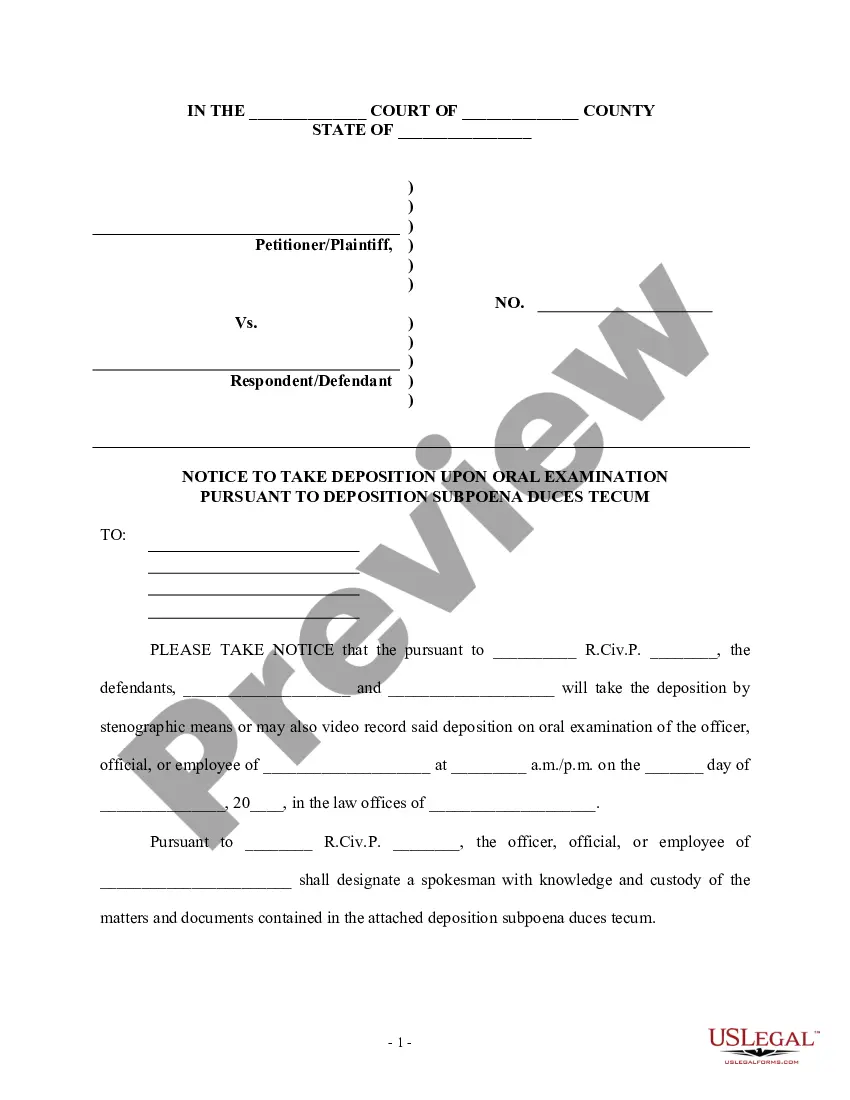
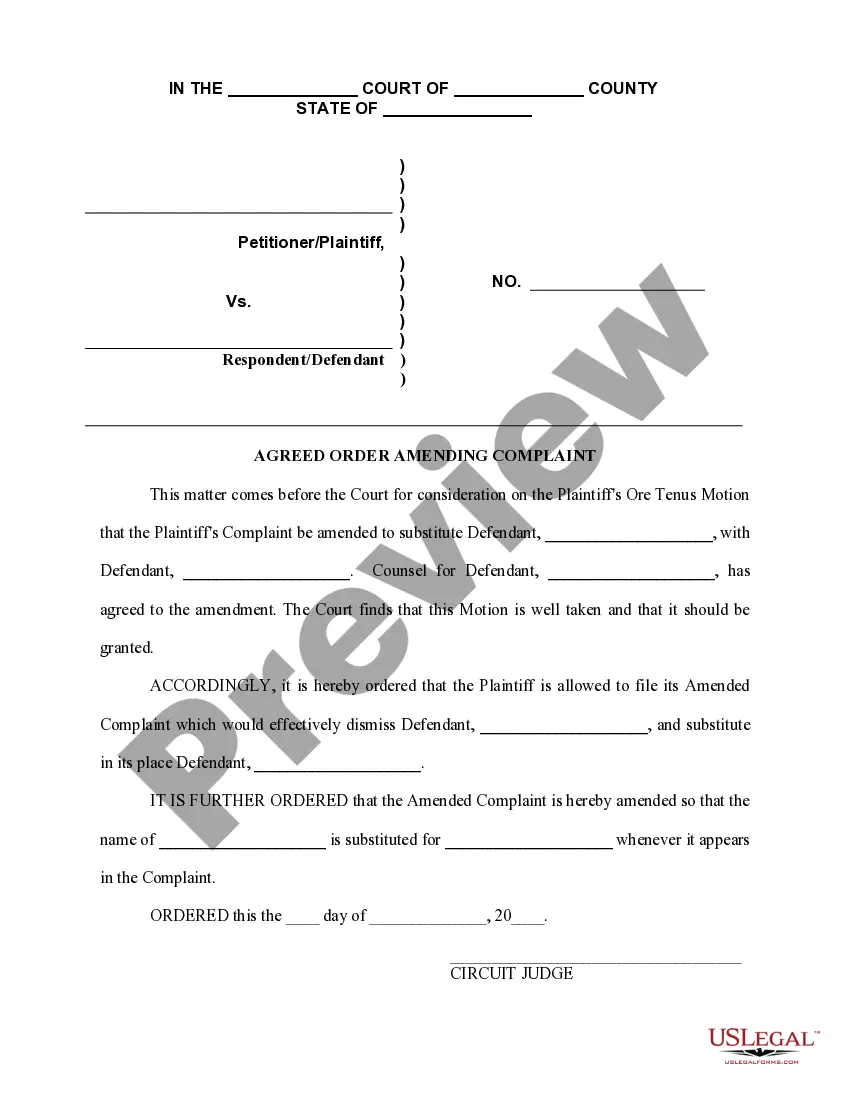
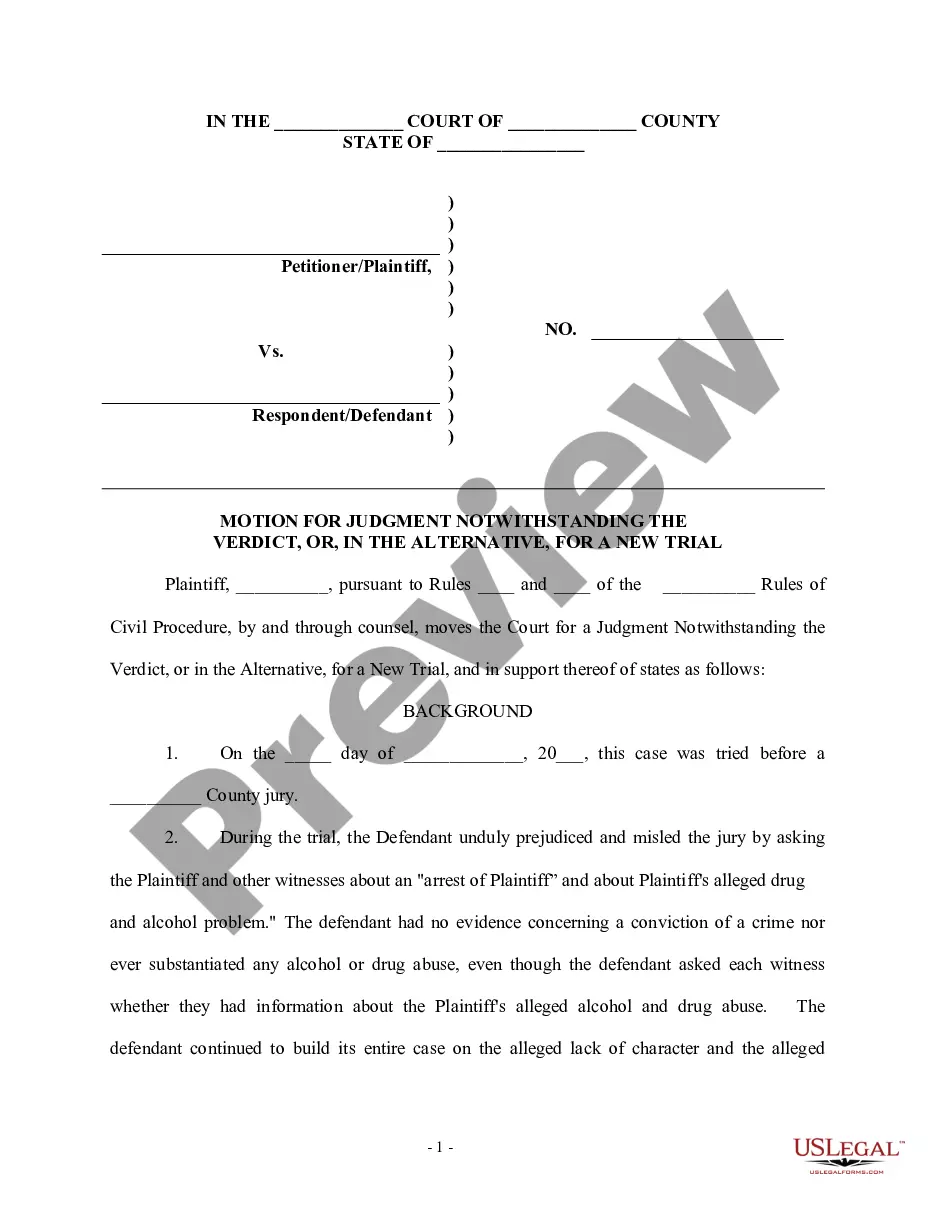
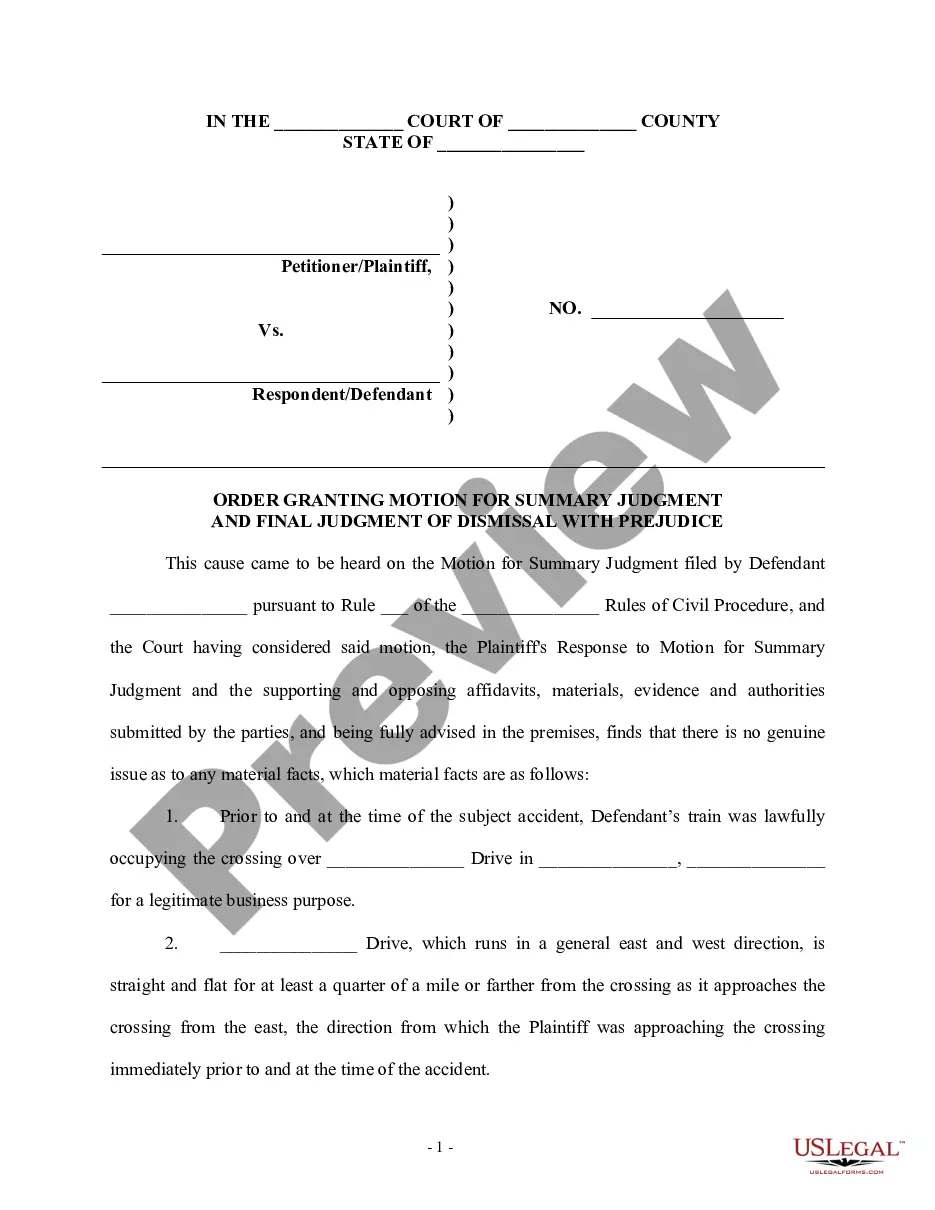
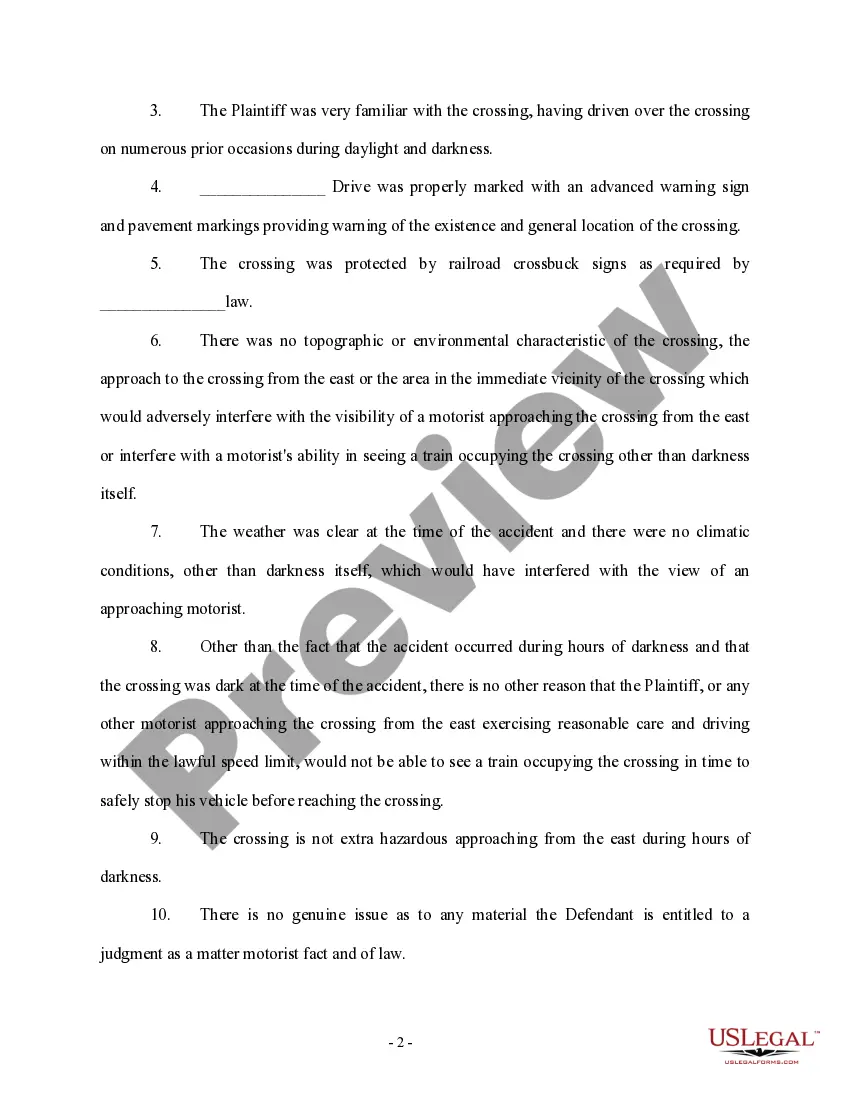
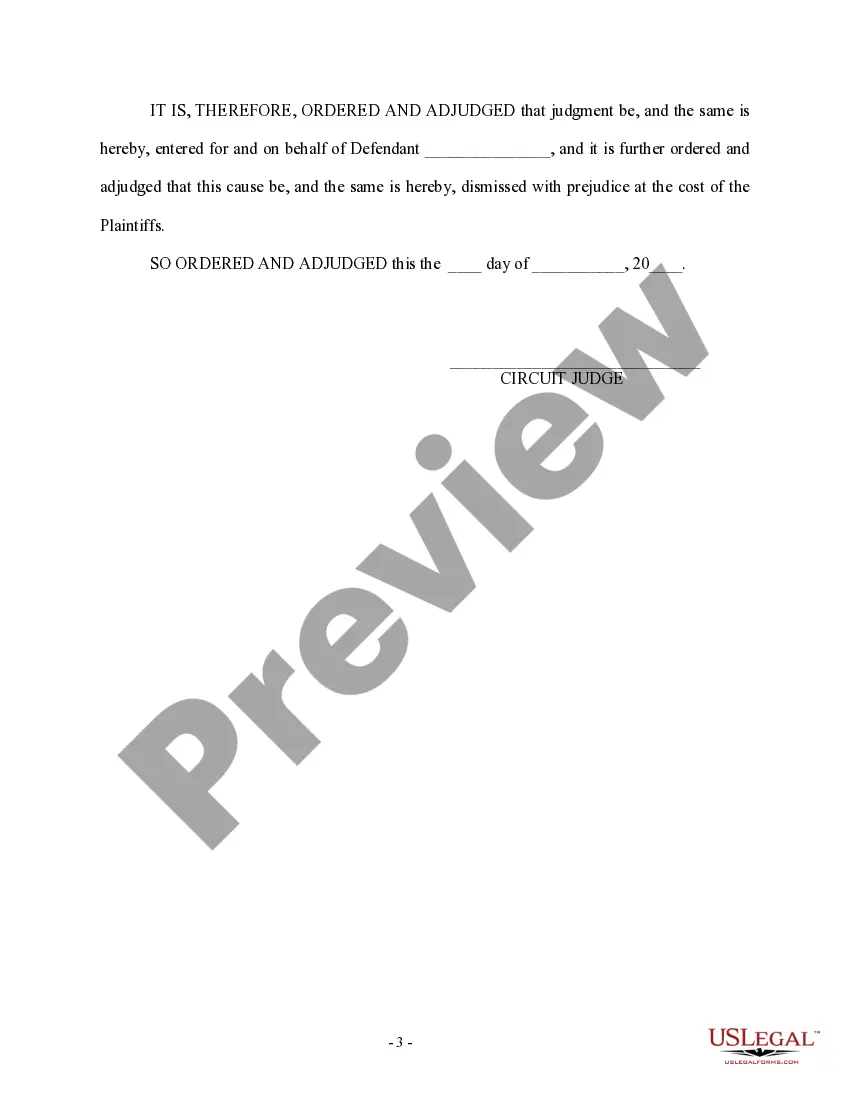
How to fill out Order Granting Motion For Summary Judgment And Final Judgment Of Dismissal With Prejudice?
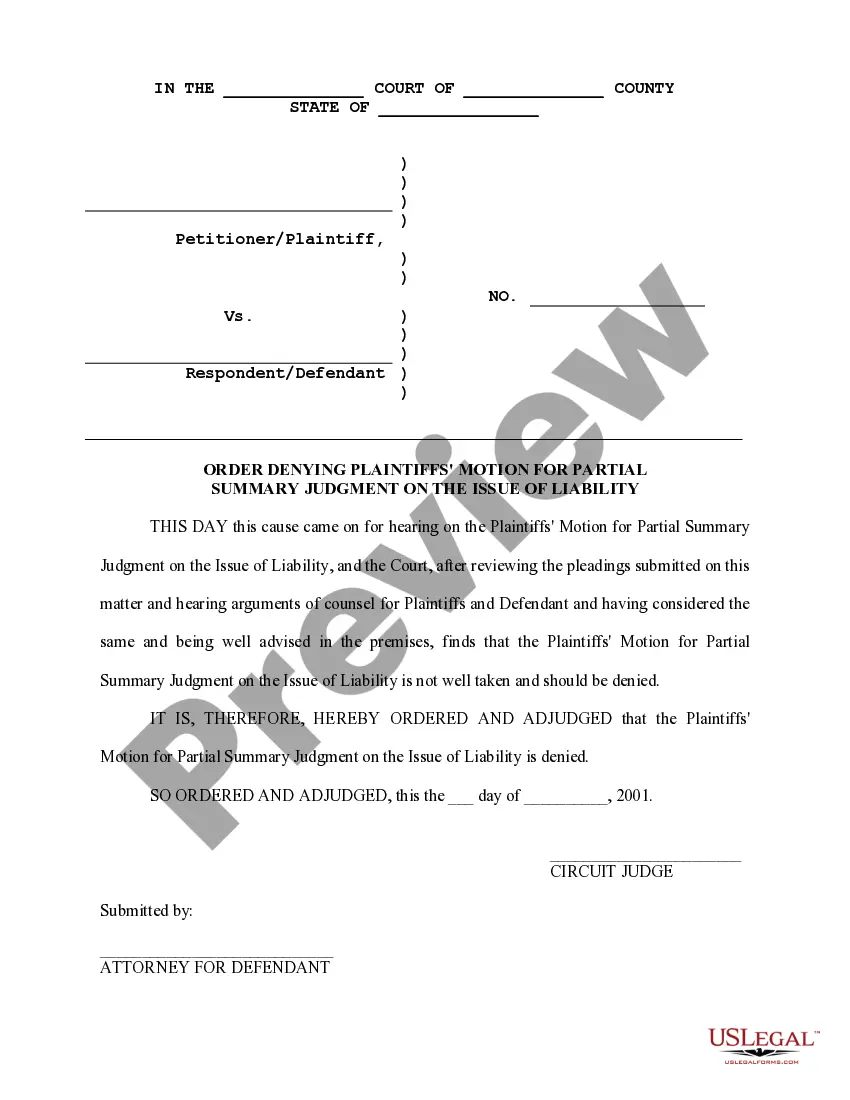
The Order Approving Nonsuit Without Prejudice displayed on this page is a reusable formal document created by qualified attorneys conforming to federal and state statutes and regulations.
For over 25 years, US Legal Forms has supplied individuals, organizations, and lawyers with over 85,000 validated, state-specific forms for any professional and personal occasion.
Select the format for your Order Approving Nonsuit Without Prejudice (PDF, Word, RTF) and download the document to your device.
- Search for the document you require and review it.
- Browse the sample you searched for and preview it or examine the form description to ensure it meets your requirements. If it doesn’t, use the search bar to find the appropriate one. Click Buy Now once you've located the document you need.
- Register and Log In.
- Select the payment plan that fits you and set up an account. Use PayPal or a debit/credit card to make a swift payment. If you already have an account, Log In and verify your subscription to continue.
- Acquire the editable template.
Form popularity
FAQ
'Dismissed without prejudice' in Texas means that a court has decided to close a case, but the plaintiff can still bring it back later. This dismissal indicates that there has been no final judgment on the case's merits. It is a common outcome after an order granting nonsuit without prejudice, ensuring that the plaintiff retains certain legal rights. This offers flexibility in case a plaintiff wants to pursue their claim again in the future.
'Without prejudice' means that you can change your mind without losing your rights. In the legal world, it allows someone to withdraw a case or claim without any negative consequences or impact on future actions. This often applies in instances like an order granting nonsuit without prejudice, providing a safety net for those involved in legal matters. It’s a way to remove risk while maintaining the option to try again later.
The term 'without prejudice' does not have a specific time limit in most cases. It generally allows the plaintiff to refile their case at any point in the future, as long as the statute of limitations has not expired. Understanding the timeline relevant to your case is crucial, and consulting with a legal expert can aid in navigating these timelines.
Simplified, marital property is any property acquired by either spouse after two parties are married. In the event of a divorce, the court will divide marital property equally, and will award individual property to the appropriate spouse. Individual property can include: Property owned by one spouse before marriage.
In order to file for legal separation, one spouse is required to have been living in a Wisconsin county for 30 days. However, in a divorce, one party must be a legal resident of WI which is established by residing in WI for 6 months.
Wisconsin is a community property state meaning all property acquired during the marriage, including the house, is divided equally during a divorce.
The process for obtaining a legal separation is largely the same as the divorce process. Parties must file a Petition or Joint petition with the court for the separation. The courts will still issue a final judgment that addresses all aspects of dividing the marriage, very similar to a divorce.
Wisconsin is considered a community property state. This means all marital property and assets will be divided 50/50 in the event of a divorce, legal separation, or annulment. Property gifted to an individual spouse or property inherited by each person may be excluded from the 50/50 division.
Requirements for Divorce in Wisconsin Although couples do not have to be legally separated to file for divorce, there is a 120-day waiting period. The waiting period begins when you file jointly or when a spouse is served with papers.
Divorce ends a marriage. The court rules on such issues as the division of property, maintenance (spousal support), and if necessary, arrangements for child support, legal custody, and physical placement. There is a 120-day waiting period to get divorced.