Rule 30(b)(6) Notice Of Deposition
Description
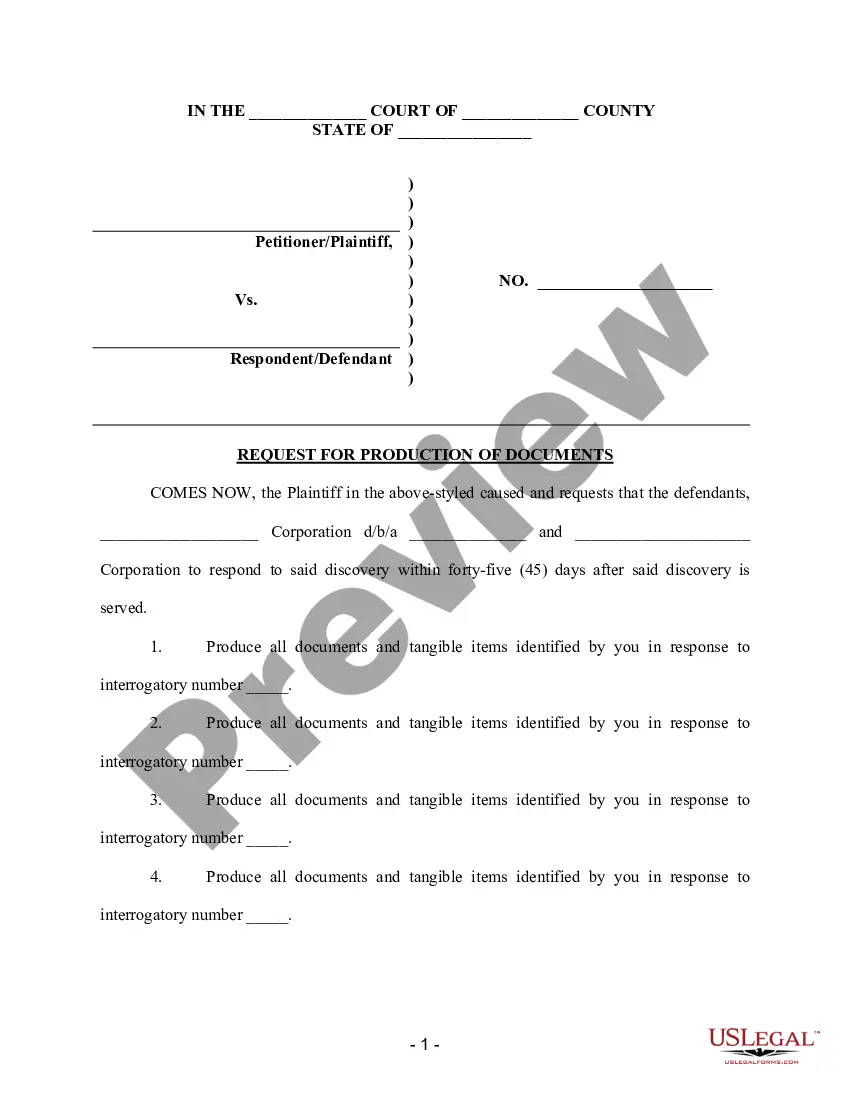
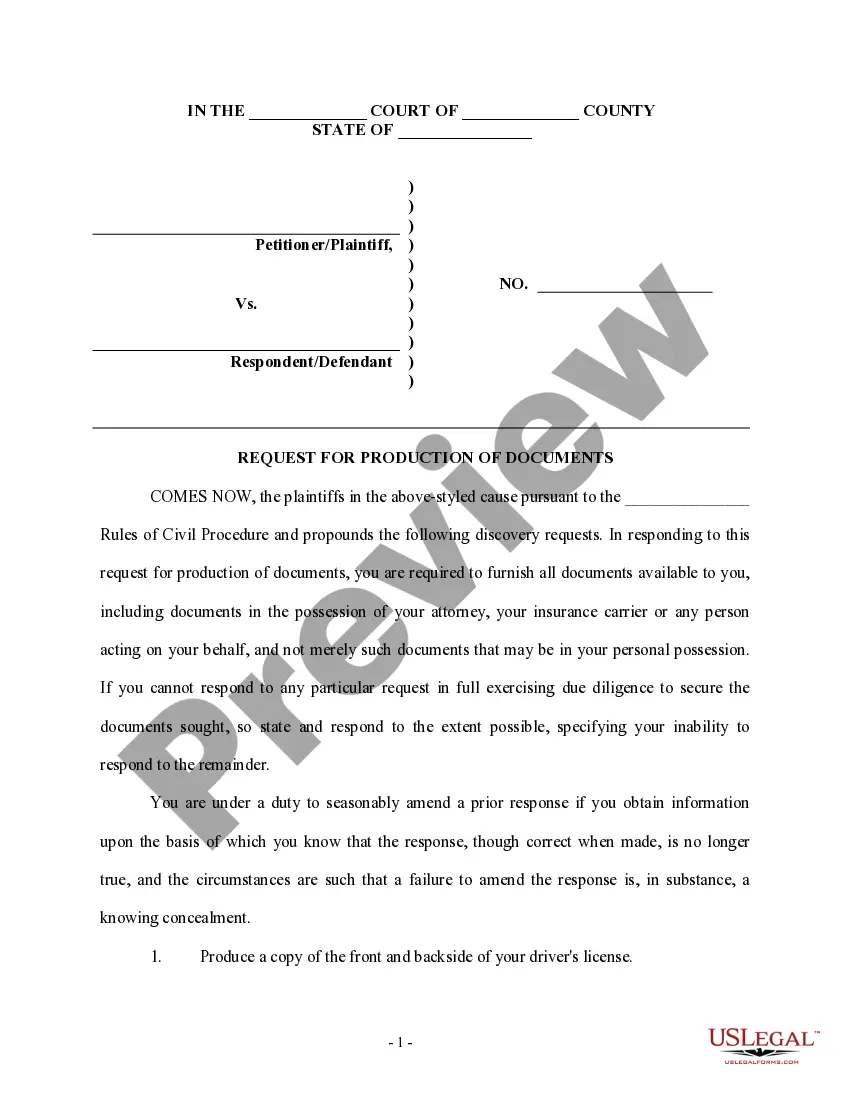
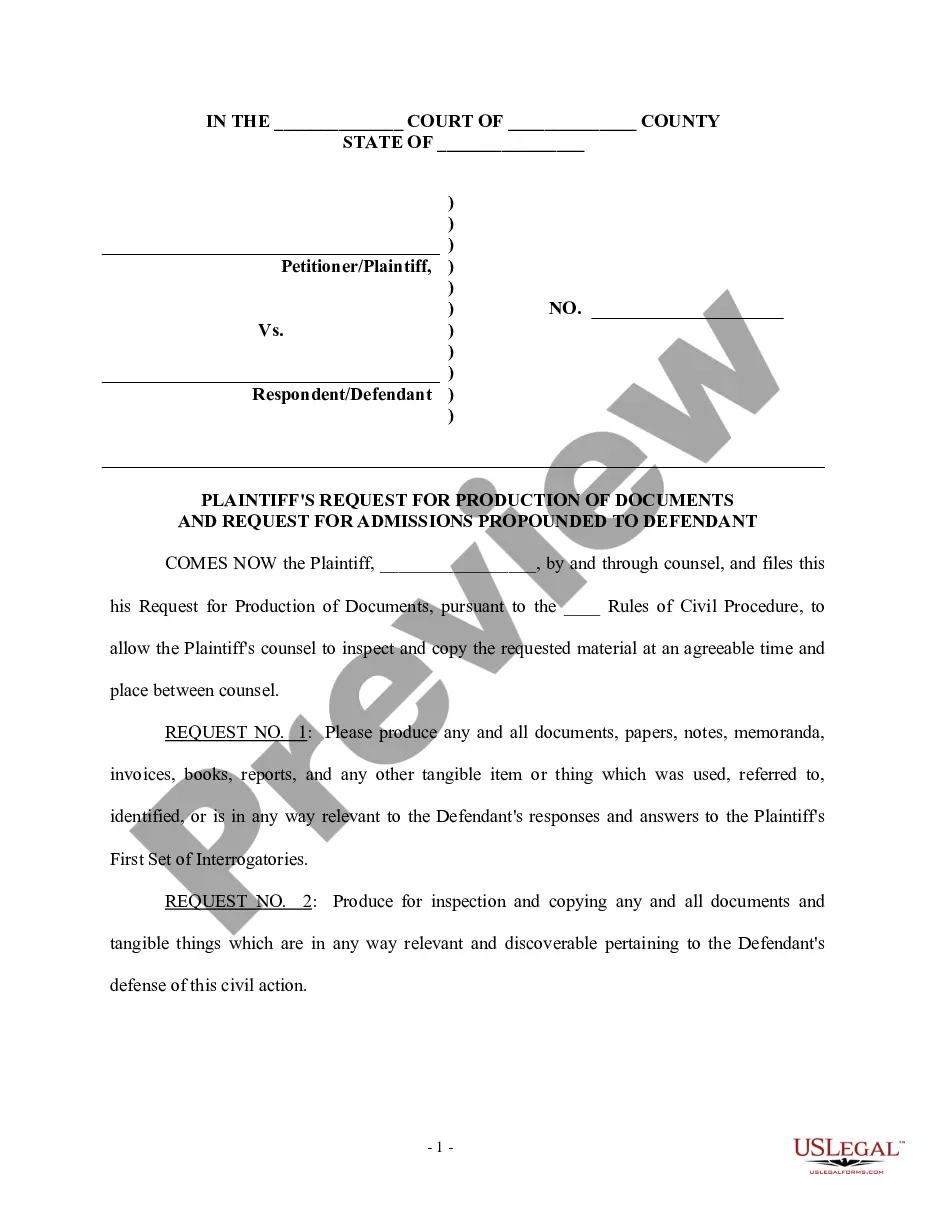
Get your form ready online
Our built-in tools help you complete, sign, share, and store your documents in one place.
Make edits, fill in missing information, and update formatting in US Legal Forms—just like you would in MS Word.
Download a copy, print it, send it by email, or mail it via USPS—whatever works best for your next step.
Sign and collect signatures with our SignNow integration. Send to multiple recipients, set reminders, and more. Go Premium to unlock E-Sign.
If this form requires notarization, complete it online through a secure video call—no need to meet a notary in person or wait for an appointment.
We protect your documents and personal data by following strict security and privacy standards.

Make edits, fill in missing information, and update formatting in US Legal Forms—just like you would in MS Word.

Download a copy, print it, send it by email, or mail it via USPS—whatever works best for your next step.

Sign and collect signatures with our SignNow integration. Send to multiple recipients, set reminders, and more. Go Premium to unlock E-Sign.

If this form requires notarization, complete it online through a secure video call—no need to meet a notary in person or wait for an appointment.

We protect your documents and personal data by following strict security and privacy standards.
Looking for another form?
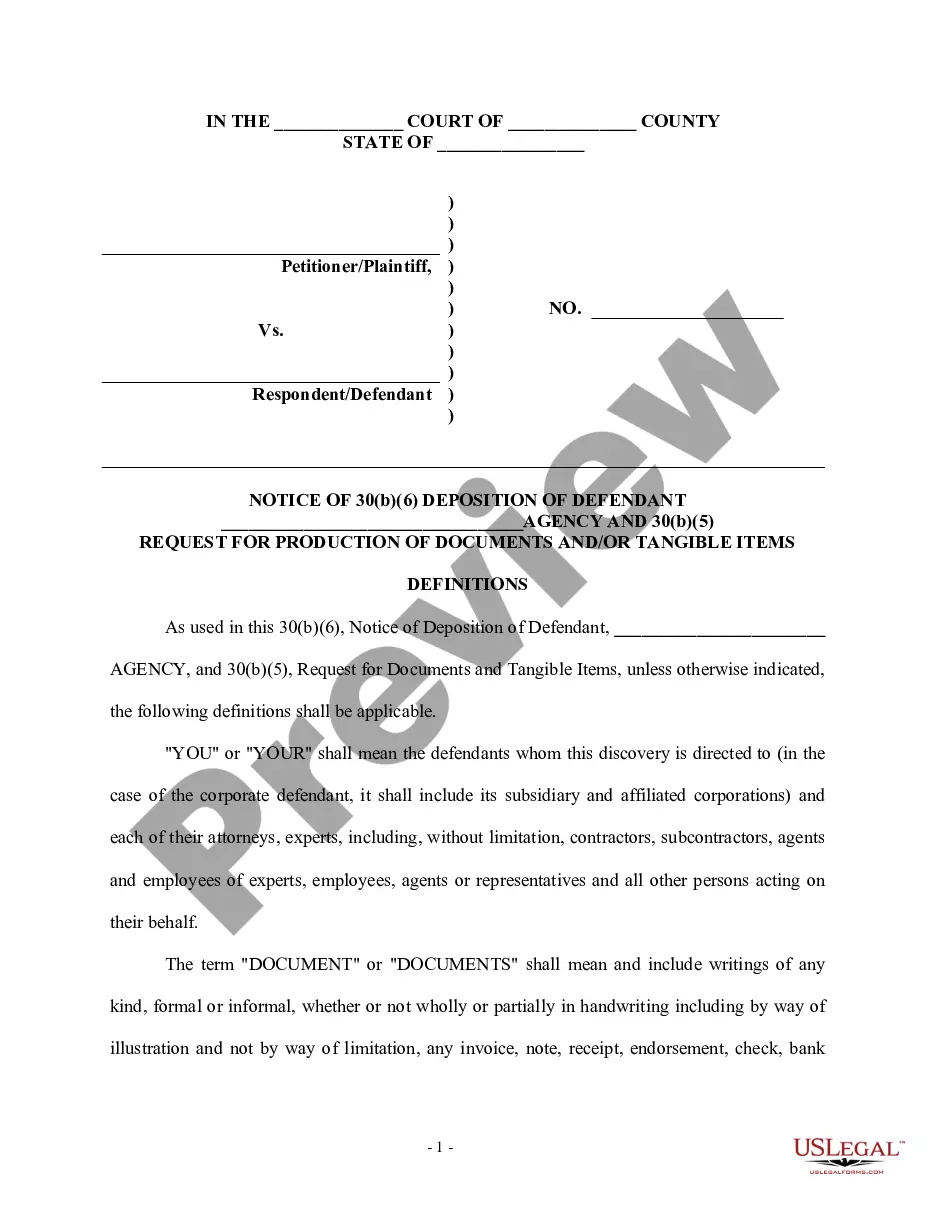
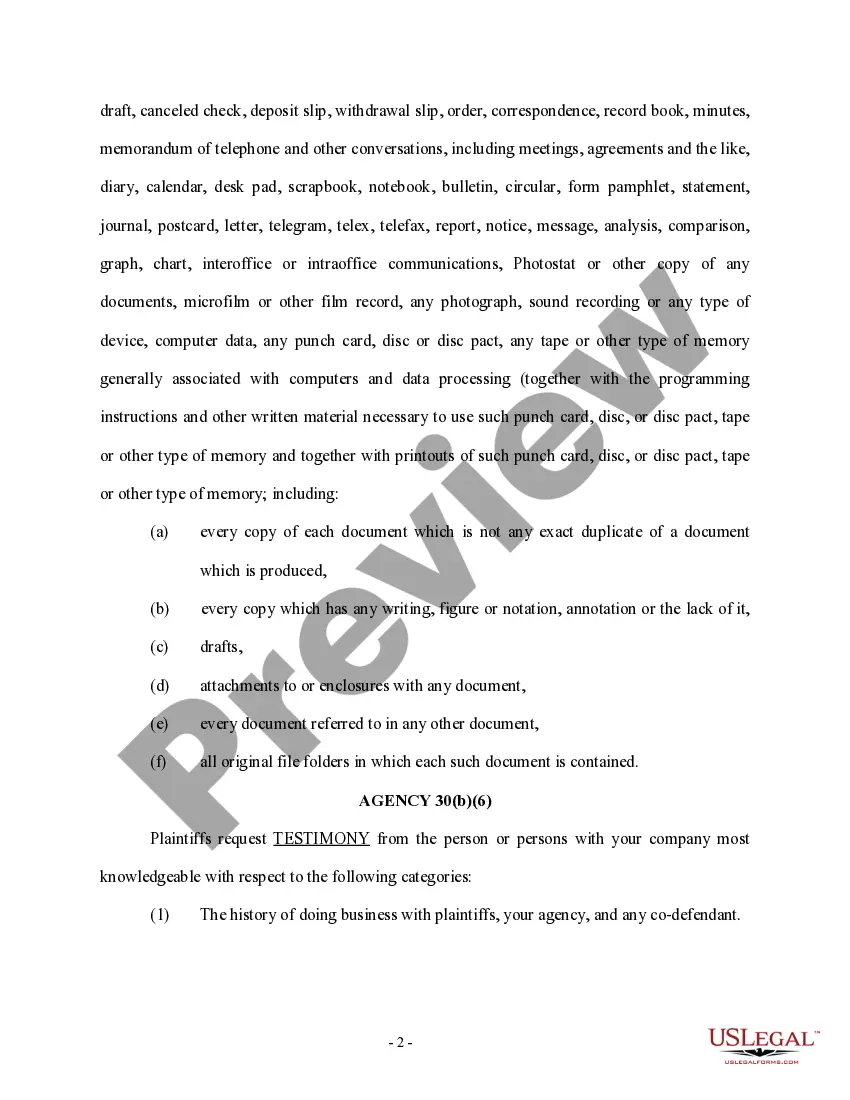
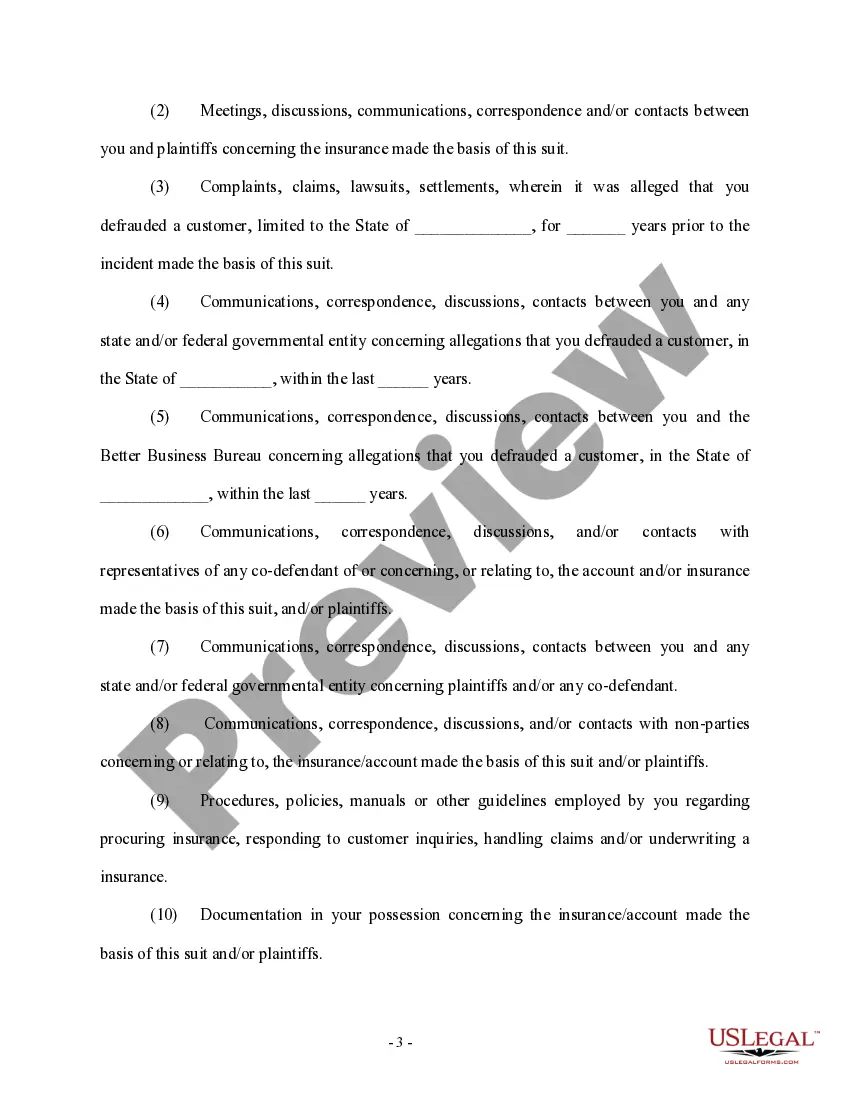
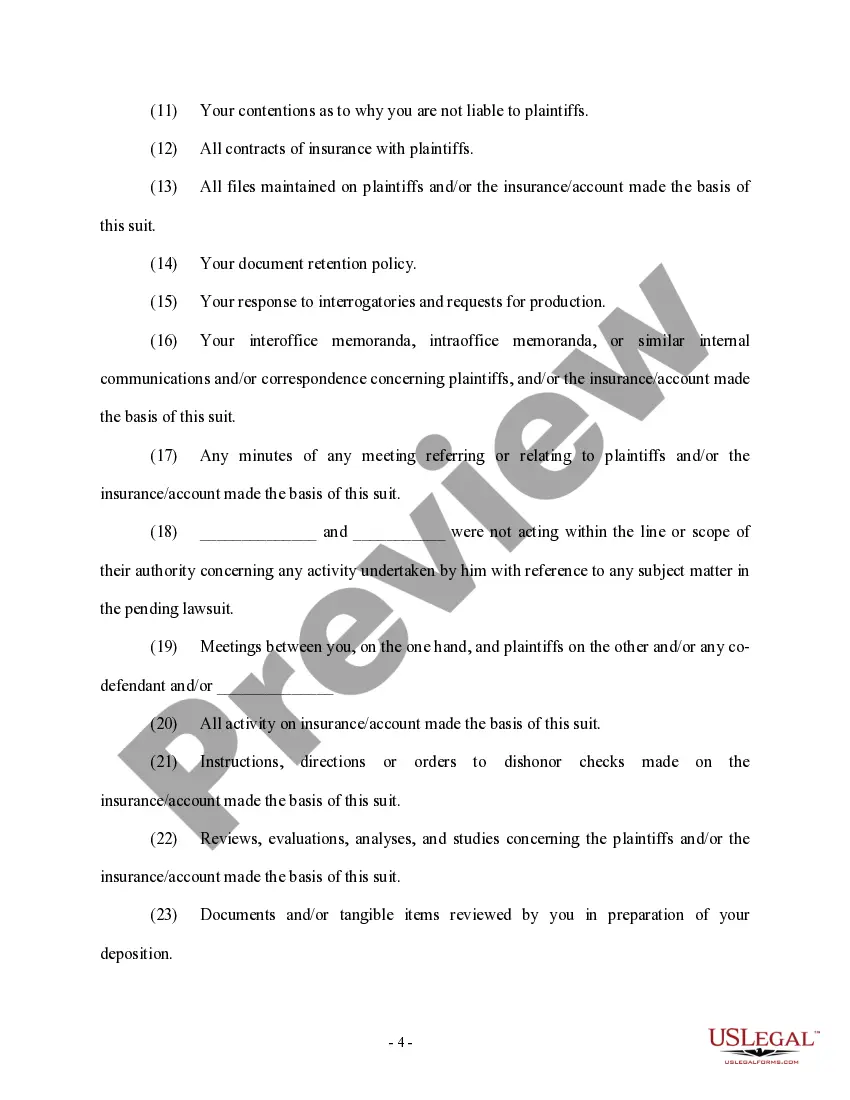
How to fill out Notice Of 30(b)(6) Deposition Of Defendant And 30(b)(5) Request For Production Of Documents And Or Things - Discovery?
Obtaining legal document examples that adhere to federal and state regulations is essential, and the internet provides numerous alternatives to select from.
However, why waste time searching for the appropriate Rule 30(b)(6) Notice Of Deposition template online when the US Legal Forms digital library already has these samples compiled in one location.
US Legal Forms boasts the largest online legal repository with over 85,000 editable templates crafted by attorneys for any business and personal situation. They are easy to navigate, with all documents categorized by state and purpose.
All documents you find on US Legal Forms are reusable. To re-download and complete previously stored forms, visit the My documents section of your account. Take advantage of the most extensive and user-friendly legal document service!
- Our experts remain updated on legislative amendments, ensuring that your form is always current and compliant when you acquire a Rule 30(b)(6) Notice Of Deposition from our site.
- Acquiring a Rule 30(b)(6) Notice Of Deposition is quick and straightforward for both existing and new users.
- If you already possess an account with an active subscription, Log In and download the document sample you require in your desired format.
- If you are a new visitor to our website, follow the instructions below.
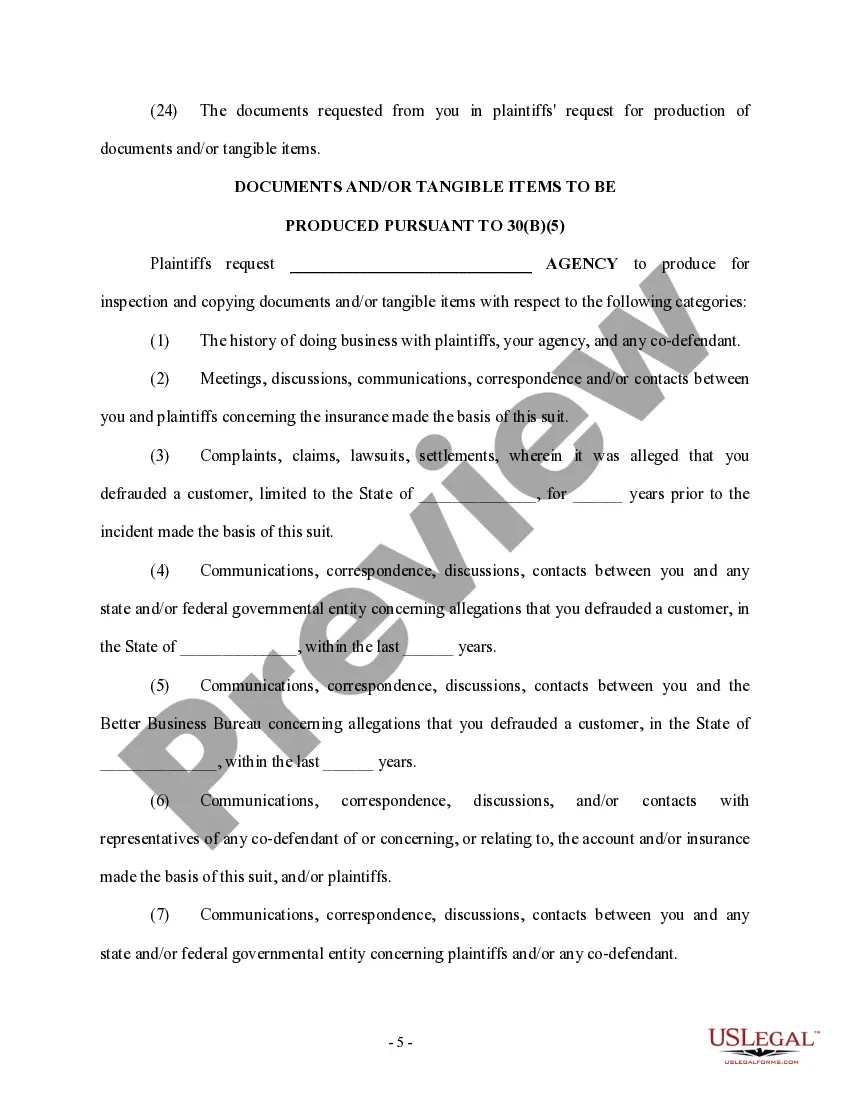
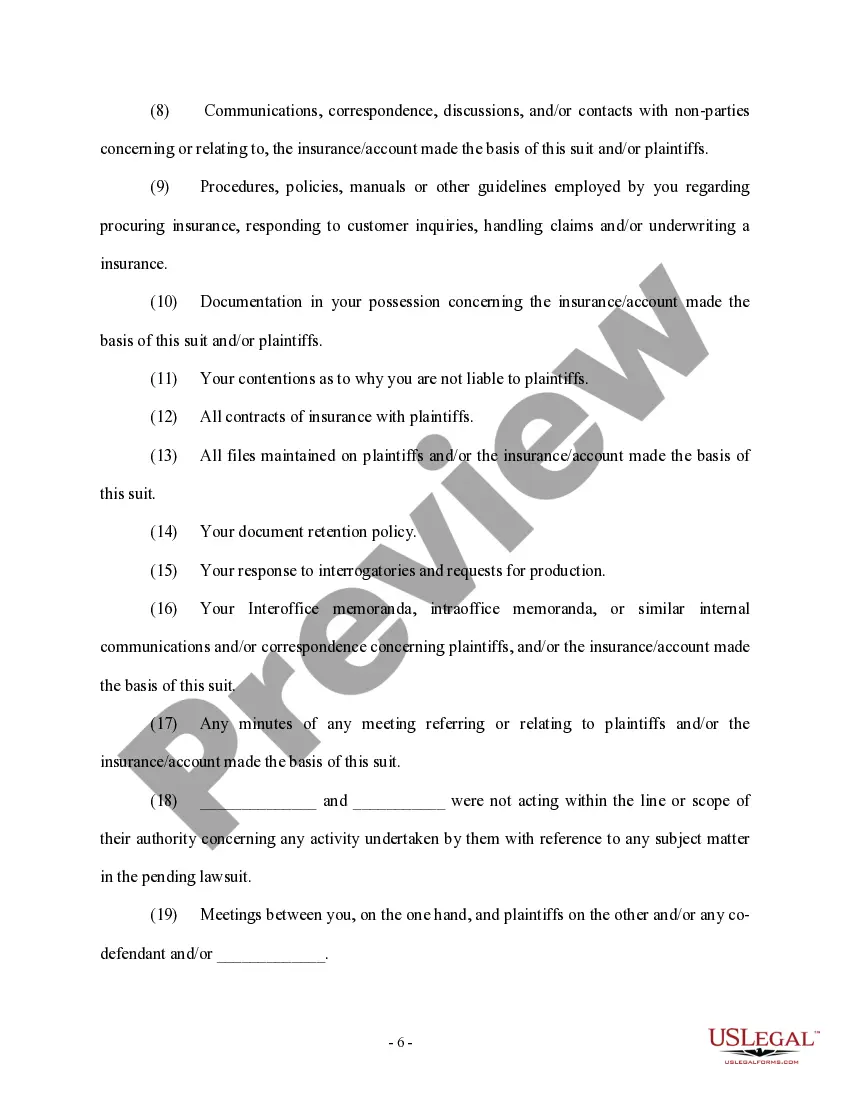
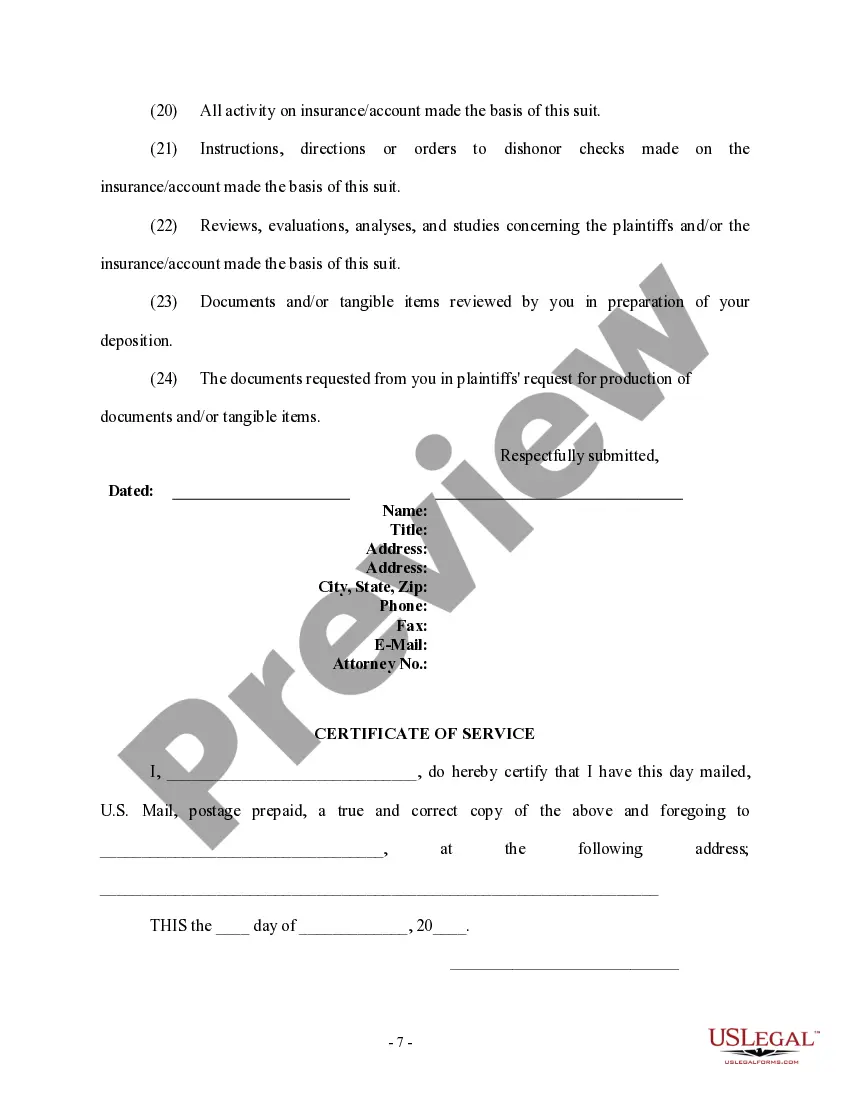
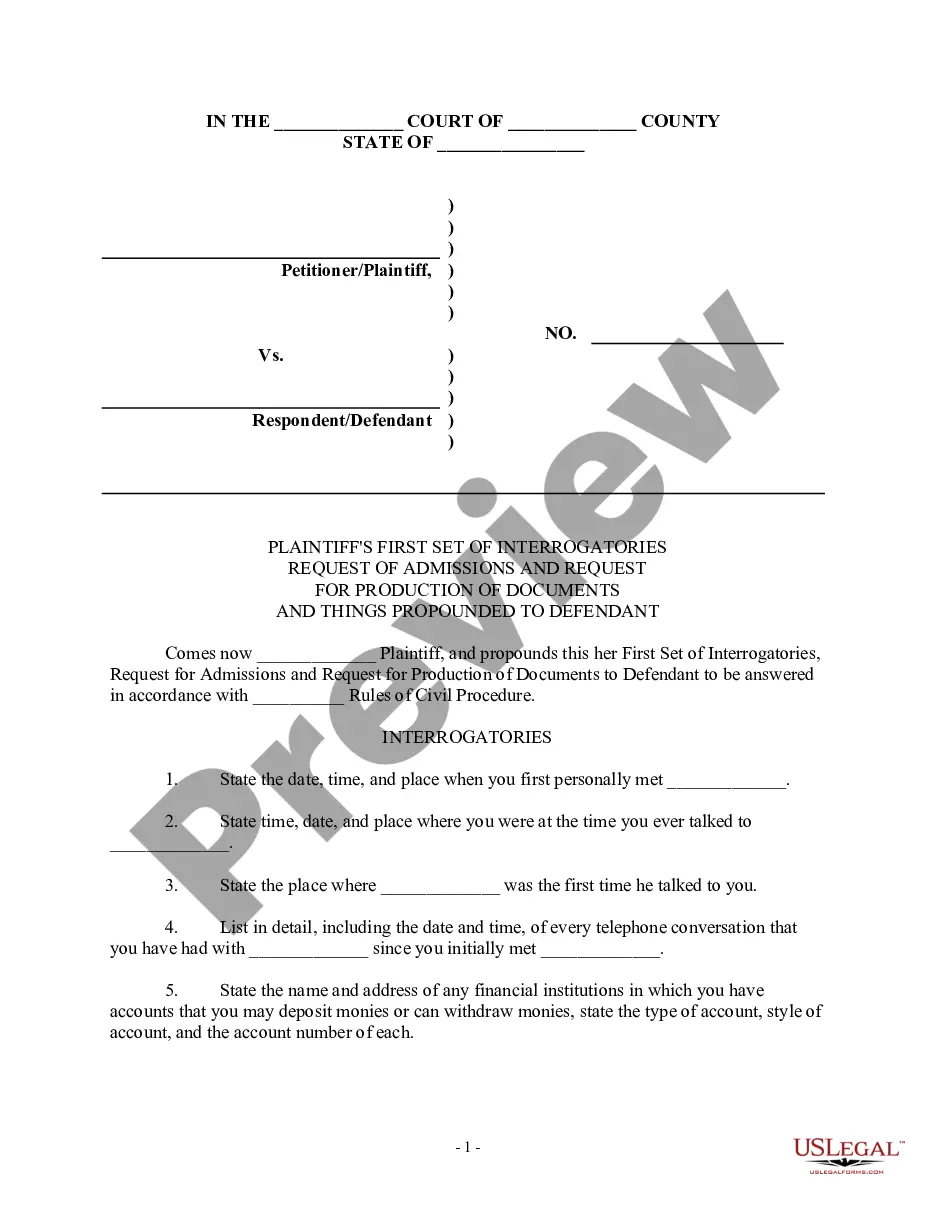
- Examine the template using the Preview feature or through the text description to ensure it satisfies your requirements.
Form popularity
FAQ
You generally have a minimum of 30 days to respond to a Rule 30(b)(6) notice of deposition. This timeline is set to prepare the organization’s witness effectively and coordinate logistics. It is advisable to review this period and any specific local rules that may affect your deadline.
Typically, you must object to a Rule 30(b)(6) notice of deposition within a reasonable timeframe, usually within 14 days from receiving the notice. This allows the opposing party time to address your objections before the deposition. Consult with a legal professional to confirm specific deadlines and requirements based on your jurisdiction.
A proper Rule 30(b)(6) notice of deposition must describe the topics upon which the designated witness will testify. It should clearly identify the organization and specify the time and place of the deposition. Furthermore, the notice needs to allow enough time for the organization to prepare its witness adequately.
In a deposition related to a Rule 30(b)(6) notice of deposition, providing clear, concise, and truthful answers is crucial. Stick to the facts and avoid speculation; this helps maintain your credibility. When unsure about a question, it's perfectly acceptable to ask for clarification before answering.
To object to a Rule 30(b)(6) notice of deposition, you should file a written objection with the court and serve it on the party issuing the notice. Clearly outline your reasons for the objection, which may include claims of irrelevance or overly broad topics. It's important to do this promptly to ensure your objections are considered before the deposition takes place.
The Rule 30(b)(6) notice of deposition is a formal notification that compels an organization to produce a witness who can testify on specific matters. This notice is critical for discovery, as it allows for a deeper understanding of the organization's knowledge and actions. Utilizing platforms like USLegalForms can simplify the process by providing templates and guidance to ensure compliance and thorough preparation.
The Rule 30(b)(6) notice of deposition in Utah is a structured process for obtaining testimony from an entity. Organizations are required to designate one or more representatives prepared to discuss topics listed in the notice. This process allows for efficient information gathering, which can be vital for resolving legal disputes.
Typically, a party has 14 days to object to a Rule 30(b)(6) notice of deposition after receiving the notice. If objections are not raised within this timeframe, the organization risks waiving the right to contest the notice. Timely objections can help clarify the scope of deposition and protect against undue burden or irrelevance.
In Georgia, the Rule 30(b)(6) notice of deposition functions much like the federal rule, allowing a party to depose a corporation or other organization. The organization must select a qualified individual to testify about the specified subjects, ensuring that the testimony is informed and comprehensive. This promotes a clearer understanding of the facts during legal proceedings.
Generally, parties have a reasonable time to respond to a Rule 30(b)(6) notice of deposition, typically around 30 days. This period allows adequate time for the organization to prepare its representative and gather relevant information. It's important to review the specific notice for any deadlines that may differ based on circumstances or jurisdiction.