Deadline For Objections To 30(b)(6) Deposition Notice
Description
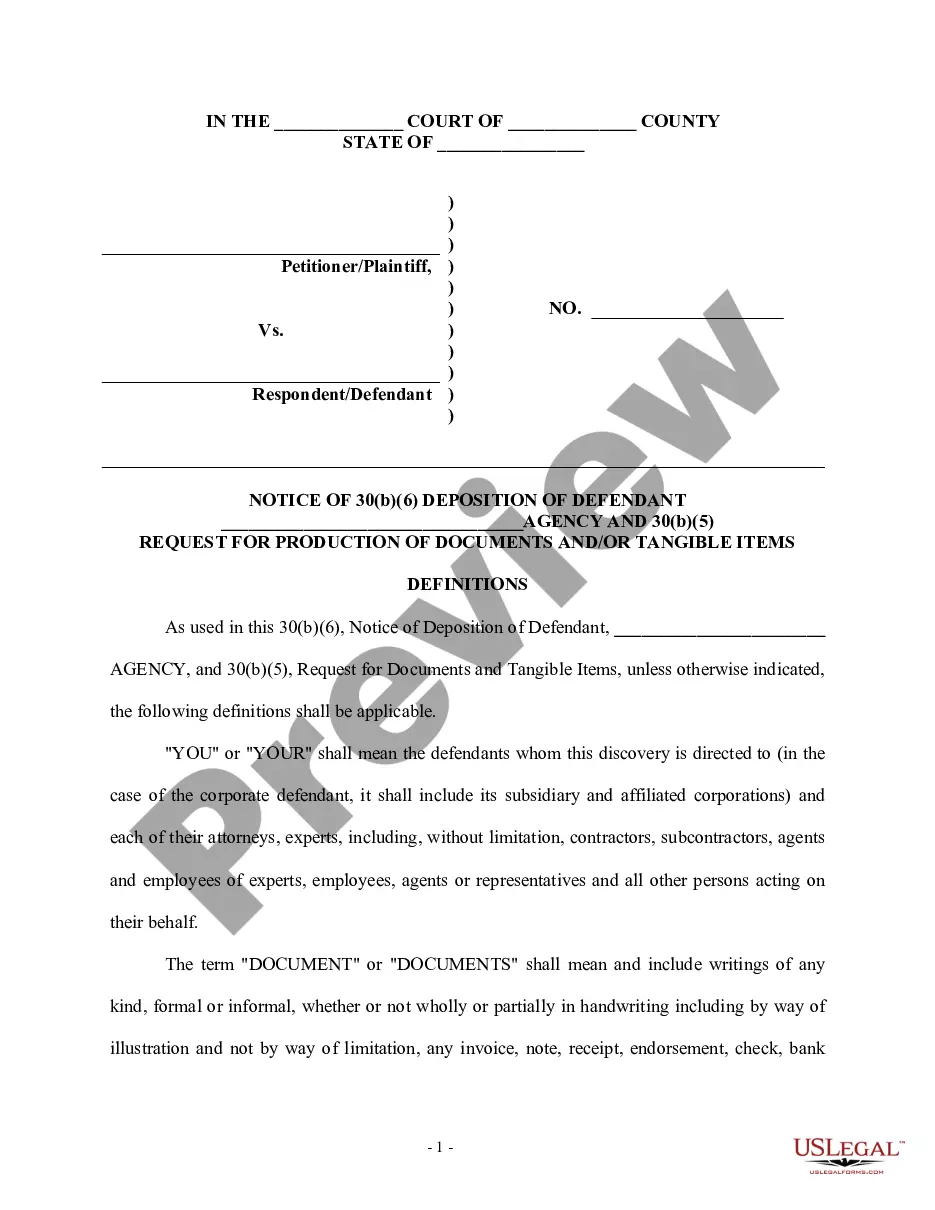
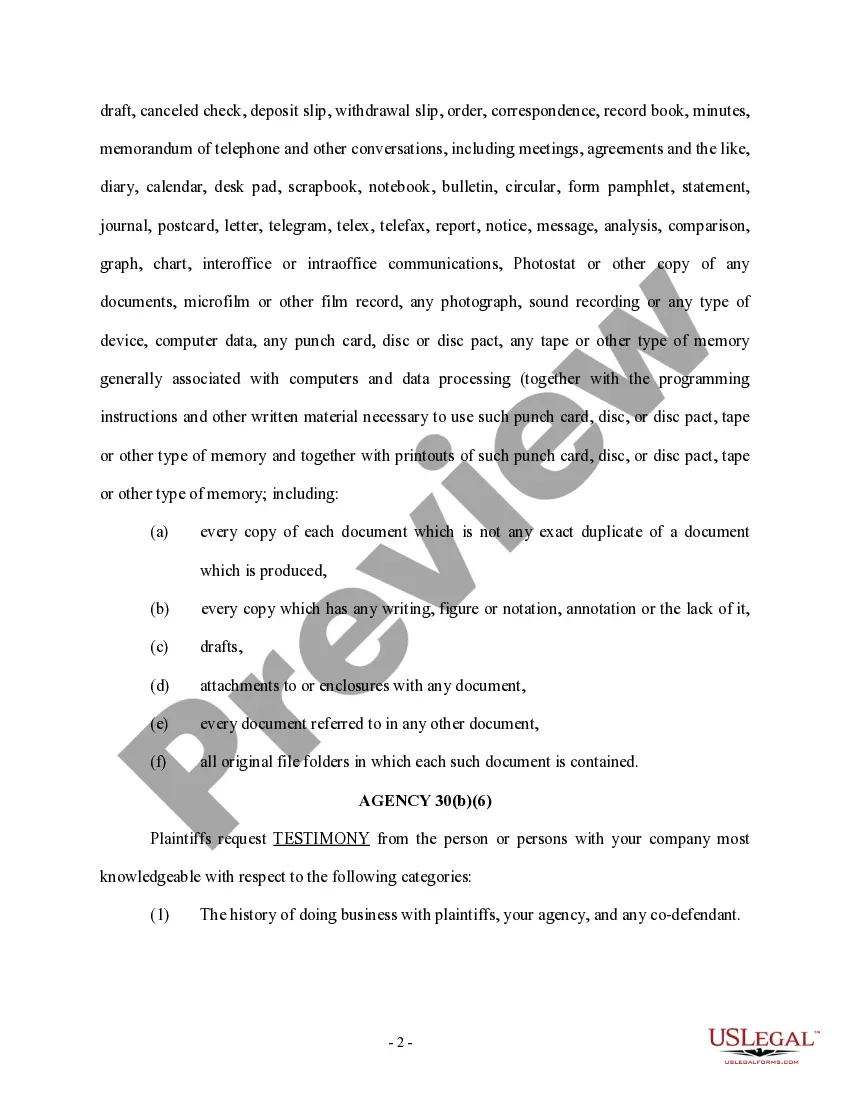
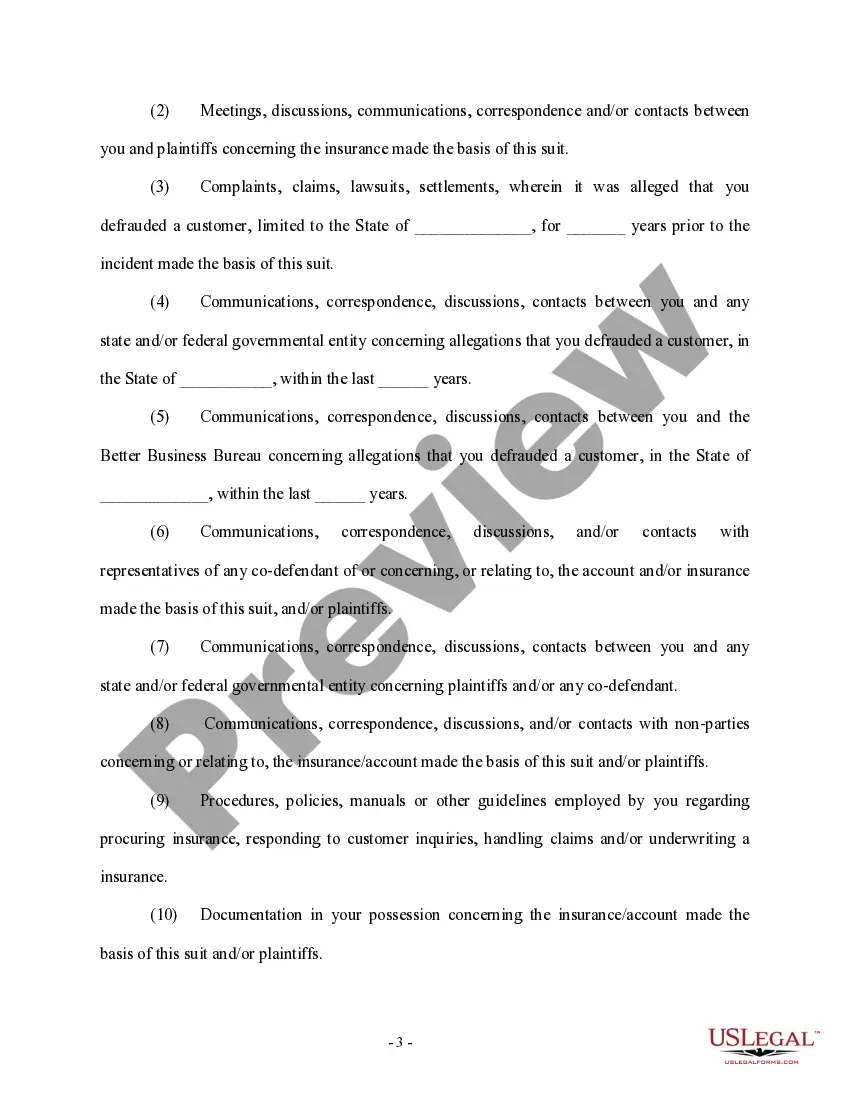
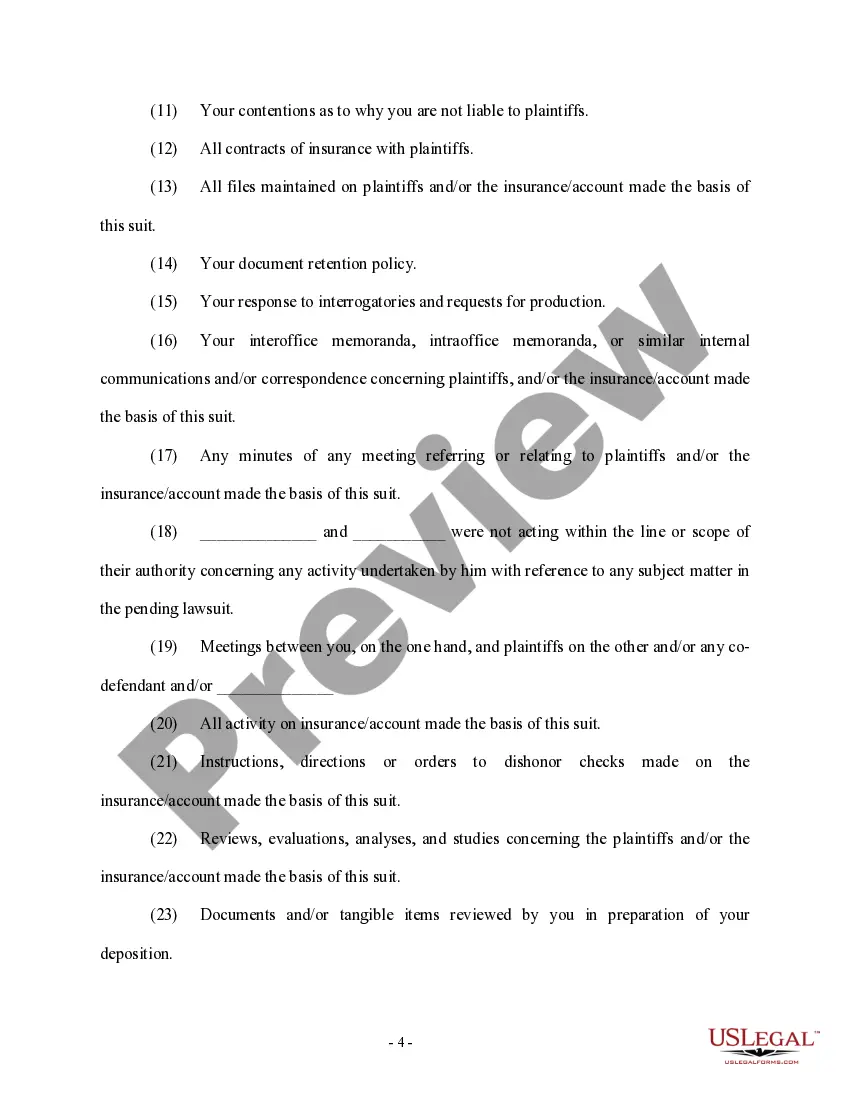
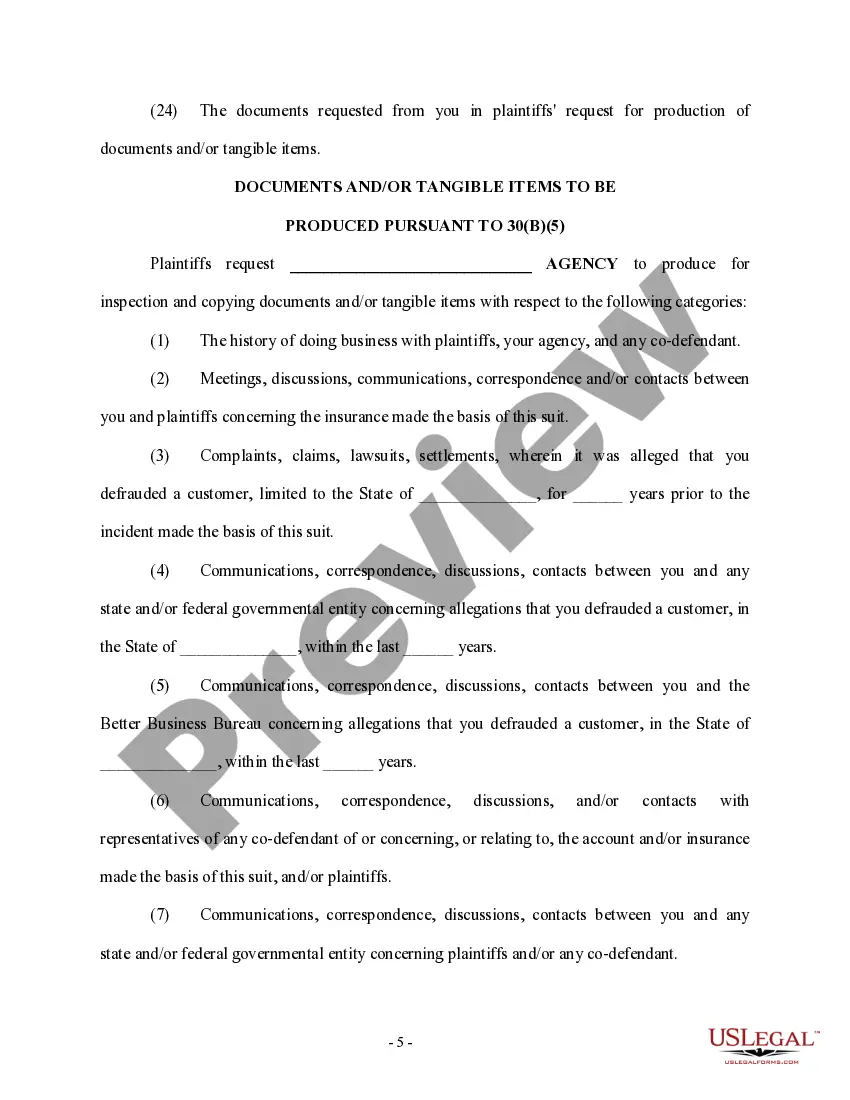
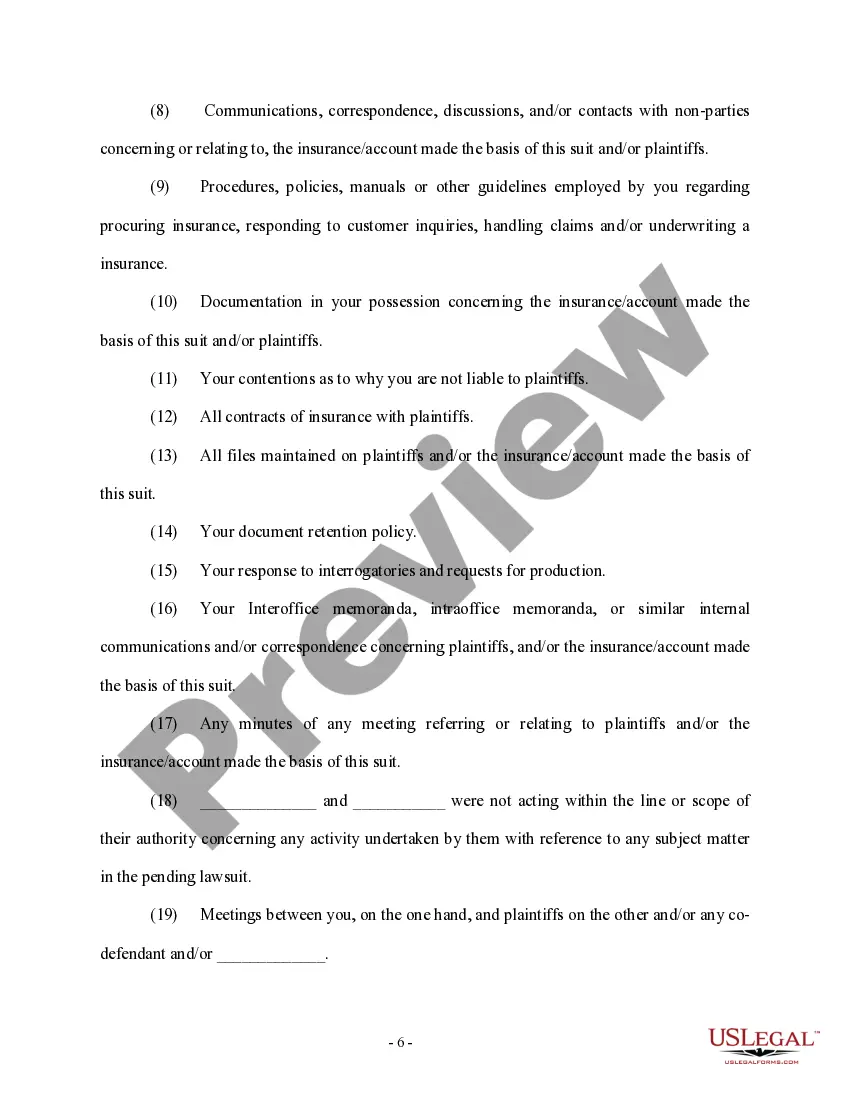
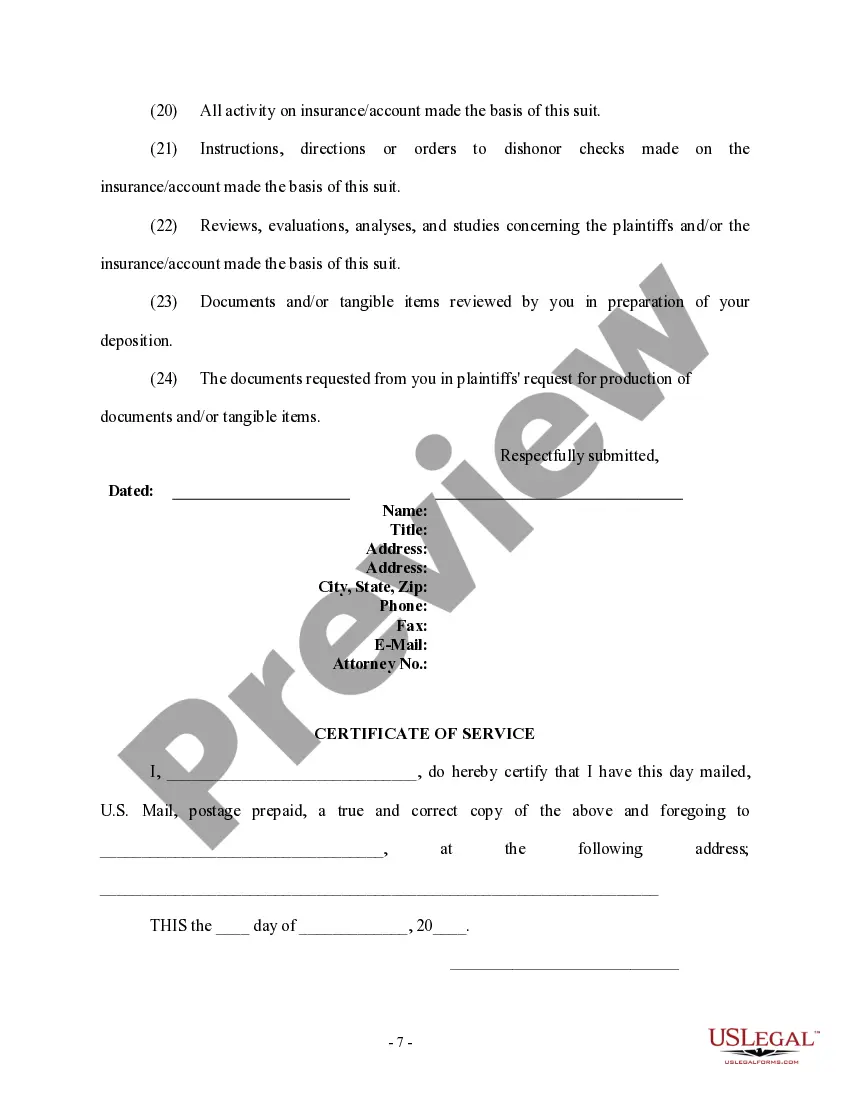
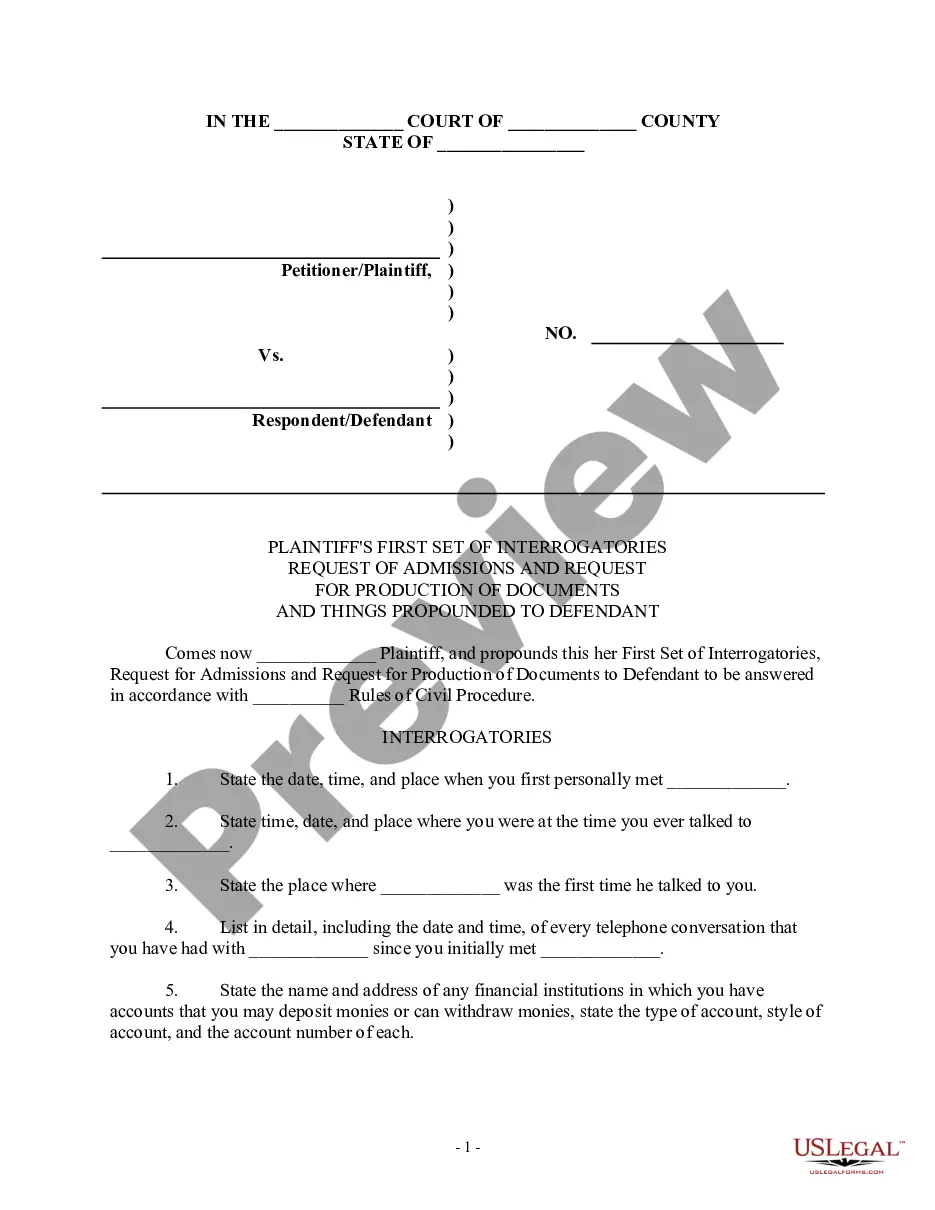
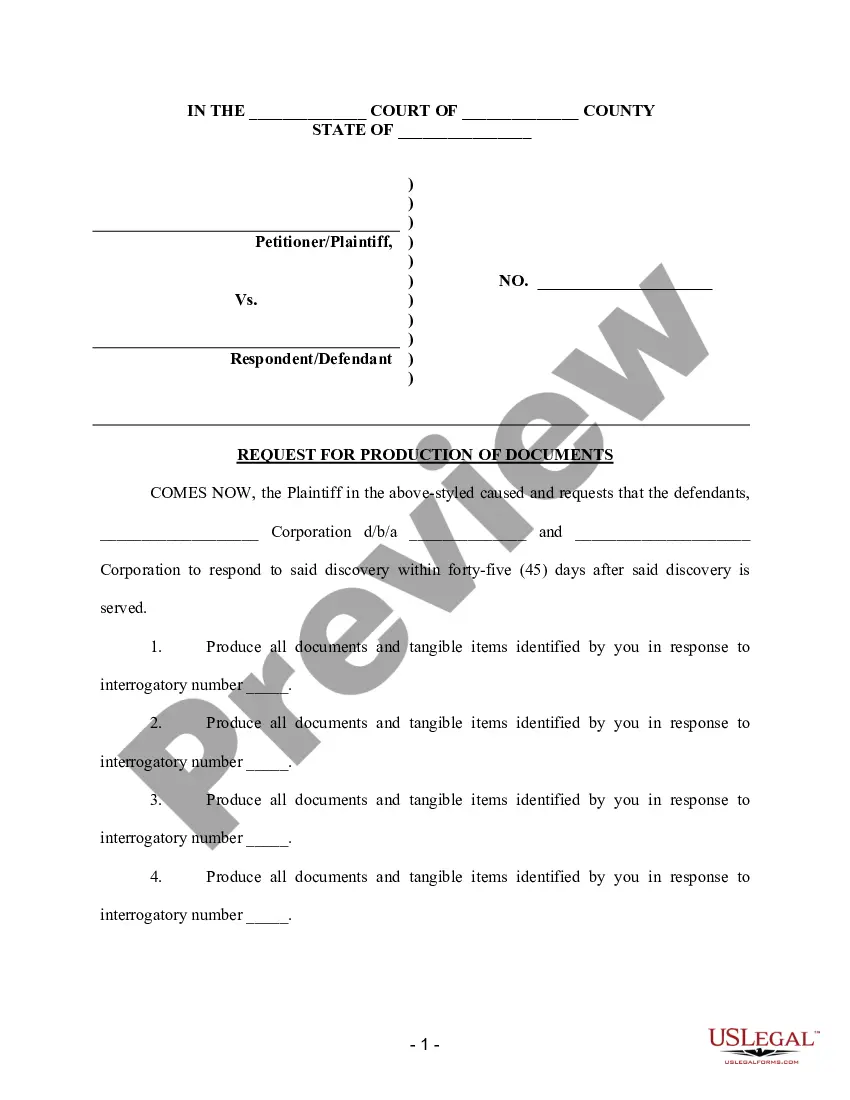
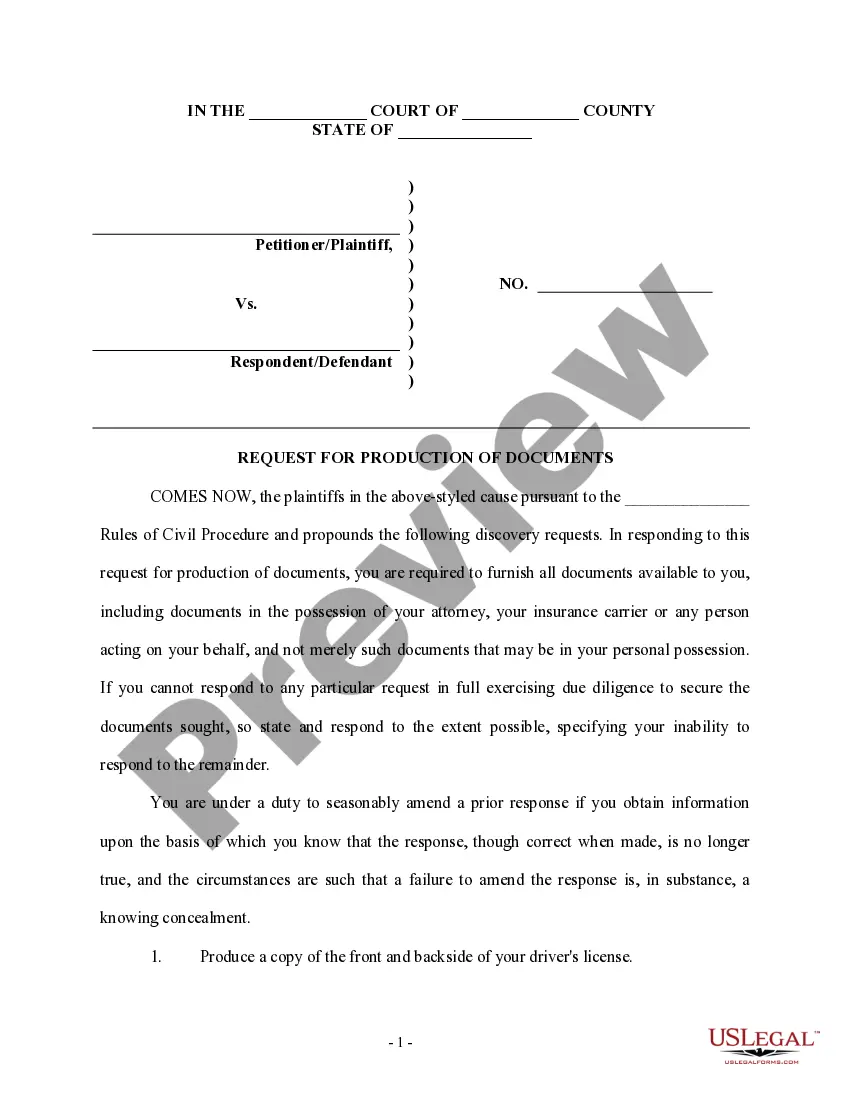
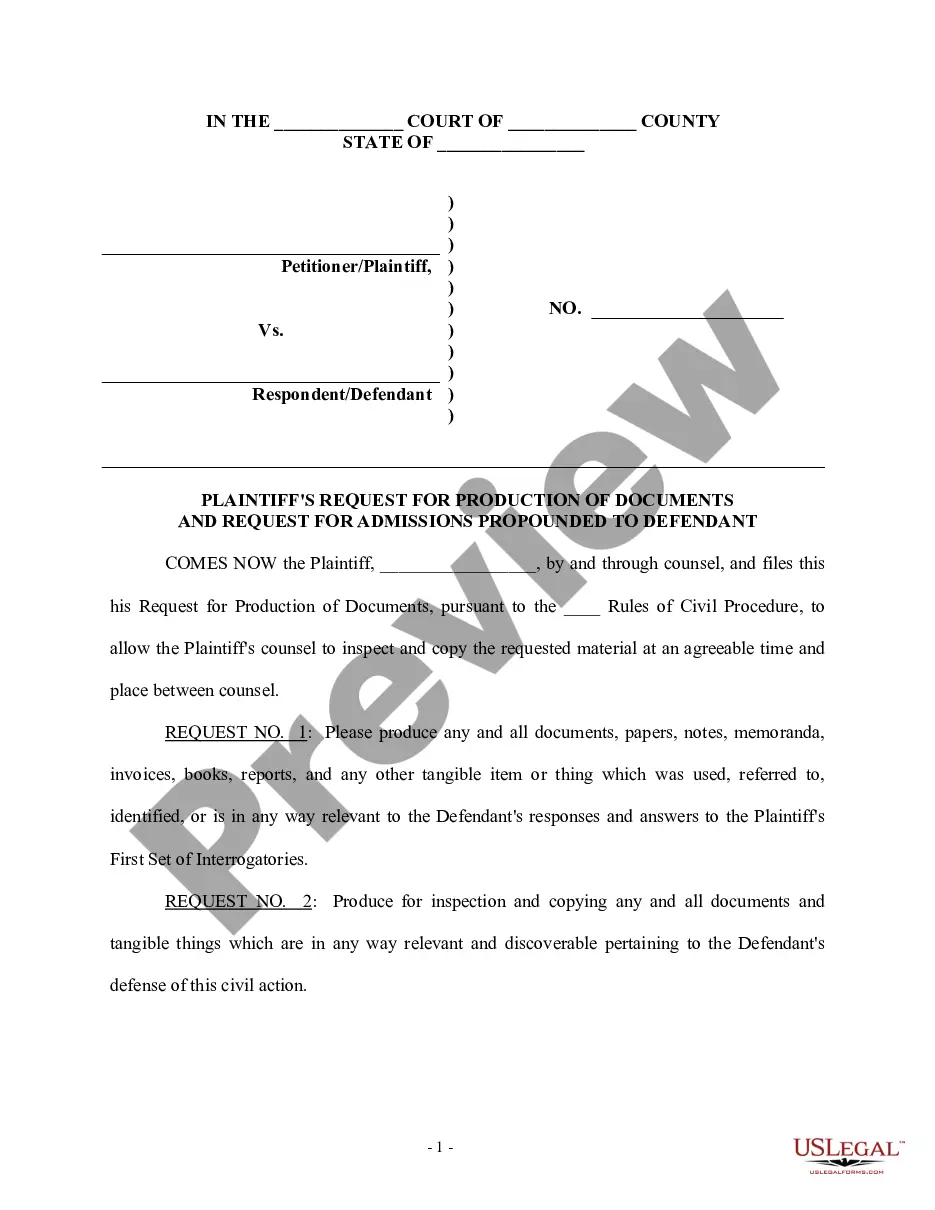
Get your form ready online
Our built-in tools help you complete, sign, share, and store your documents in one place.
Make edits, fill in missing information, and update formatting in US Legal Forms—just like you would in MS Word.
Download a copy, print it, send it by email, or mail it via USPS—whatever works best for your next step.
Sign and collect signatures with our SignNow integration. Send to multiple recipients, set reminders, and more. Go Premium to unlock E-Sign.
If this form requires notarization, complete it online through a secure video call—no need to meet a notary in person or wait for an appointment.
We protect your documents and personal data by following strict security and privacy standards.

Make edits, fill in missing information, and update formatting in US Legal Forms—just like you would in MS Word.

Download a copy, print it, send it by email, or mail it via USPS—whatever works best for your next step.

Sign and collect signatures with our SignNow integration. Send to multiple recipients, set reminders, and more. Go Premium to unlock E-Sign.

If this form requires notarization, complete it online through a secure video call—no need to meet a notary in person or wait for an appointment.

We protect your documents and personal data by following strict security and privacy standards.
Looking for another form?



How to fill out Notice Of 30(b)(6) Deposition Of Defendant And 30(b)(5) Request For Production Of Documents And Or Things - Discovery?
Whether for professional reasons or for personal matters, everyone has to confront legal issues eventually in their lives.
Completing legal documents demands meticulous attention, starting from selecting the appropriate form template.
With an extensive US Legal Forms catalog at your disposal, you need not waste time searching for the suitable sample across the web. Utilize the library’s user-friendly navigation to find the right form for any circumstance.
- For instance, if you choose an incorrect version of a Deadline For Objections To 30(b)(6) Deposition Notice, it will be turned down once submitted.
- Hence, it's crucial to find a trustworthy source of legal documents like US Legal Forms.
- If you require a Deadline For Objections To 30(b)(6) Deposition Notice template, follow these easy steps.
- Locate the sample you need by using the search bar or catalog browsing.
- Review the form’s details to ensure it fits your situation, state, and locality.
- Click on the form’s preview to inspect it.
- If it is the wrong document, return to the search option to find the Deadline For Objections To 30(b)(6) Deposition Notice template you require.
- Obtain the file if it fulfills your specifications.
- If you already possess a US Legal Forms account, simply click Log in to access previously stored documents in My documents.
- Should you not have an account yet, you can acquire the form by clicking Buy now.
- Choose the appropriate pricing option.
- Complete the account registration form.
- Choose your payment method: you can pay with a credit card or a PayPal account.
- Pick the desired file format and download the Deadline For Objections To 30(b)(6) Deposition Notice.
- Once saved, you can fill out the form using editing software or print it and complete it manually.
Form popularity
FAQ
Typically, the deadline for objections to a 30(b)(6) notice is within a reasonable time frame before the scheduled deposition. Courts often require objections to be made as soon as possible to prevent surprises during testimony. It is essential to check local rules, as timelines can vary. For clarity and guidance, US Legal Forms provides resources that can help you navigate these deadlines efficiently.
Yes, you can object to a deposition notice, but your objections must be valid and based on legal grounds. Common reasons for objection might include the notice being overly broad or not specific enough. It is essential to communicate these objections in a timely manner, especially considering the deadline for objections to 30(b)(6) deposition notice. Utilizing resources like US Legal Forms can help you understand your rights and prepare your objections effectively.
A 30(b)(6) deposition notice must clearly outline the topics for examination. It should inform the corporation of the matters it needs to prepare for. This notice also requires the corporation to designate one or more representatives to testify on its behalf. Remember, the deadline for objections to 30(b)(6) deposition notice is crucial for ensuring your rights are protected.
The time limit for a deposition typically follows the general guideline of seven hours in one day, not counting breaks. However, this limit can vary depending on the specific circumstances of the case and any agreements made by the parties involved. Being aware of this time constraint is important for effective preparation. If you require assistance understanding these limits, US Legal Forms can help clarify your obligations and rights.
The rule 30(b)(6) notice of deposition is a legal mechanism that allows a party to depose an organization rather than an individual. Under this rule, the organization must designate one or more representatives to testify on its behalf regarding specific topics. This method ensures that the organization provides comprehensive and authoritative testimony. Knowing how to navigate this process can significantly benefit your legal strategy.
The 7-hour rule refers to the limitation typically imposed on the length of depositions under federal rules. According to this rule, a deposition cannot exceed seven hours of questioning in one day, excluding meal breaks. This guideline helps protect participants from excessive questioning and maintains focus during the deposition. Understanding this rule is essential for managing your legal proceedings effectively.
You usually have a period of 14 days to file an objection to a deposition notice. This timeframe allows you to assess the notice and identify any issues. Missing this deadline can limit your options moving forward. Utilize legal resources, like US Legal Forms, to ensure you remain within this critical timeframe.
Typically, you have 14 days to object to a deposition after receiving the notice. This timeframe ensures you can raise valid concerns and avoid being unprepared. It's essential to understand that timely objections can influence the outcome significantly. If you face difficulties, platforms like US Legal Forms can provide resources to assist you in this matter.
The deadline for objections to a 30(b)(6) deposition notice generally falls within 14 days after service of the notice. This timeline is crucial, as it allows you to formally express any concerns about the notice. If you miss this deadline, you may be required to comply with the deposition request. Always consider consulting legal experts to navigate this process effectively.
The time limit for a 30(b)(6) deposition is usually set at seven hours, aligning with general deposition practices. It is important, however, to confirm if any local rules or specific court orders impose additional time constraints. Staying within this timeframe is important to ensure a fair and thorough process. Proper planning and preparation for your questions can maximize the value of the time spent.