Wrongful Terminations
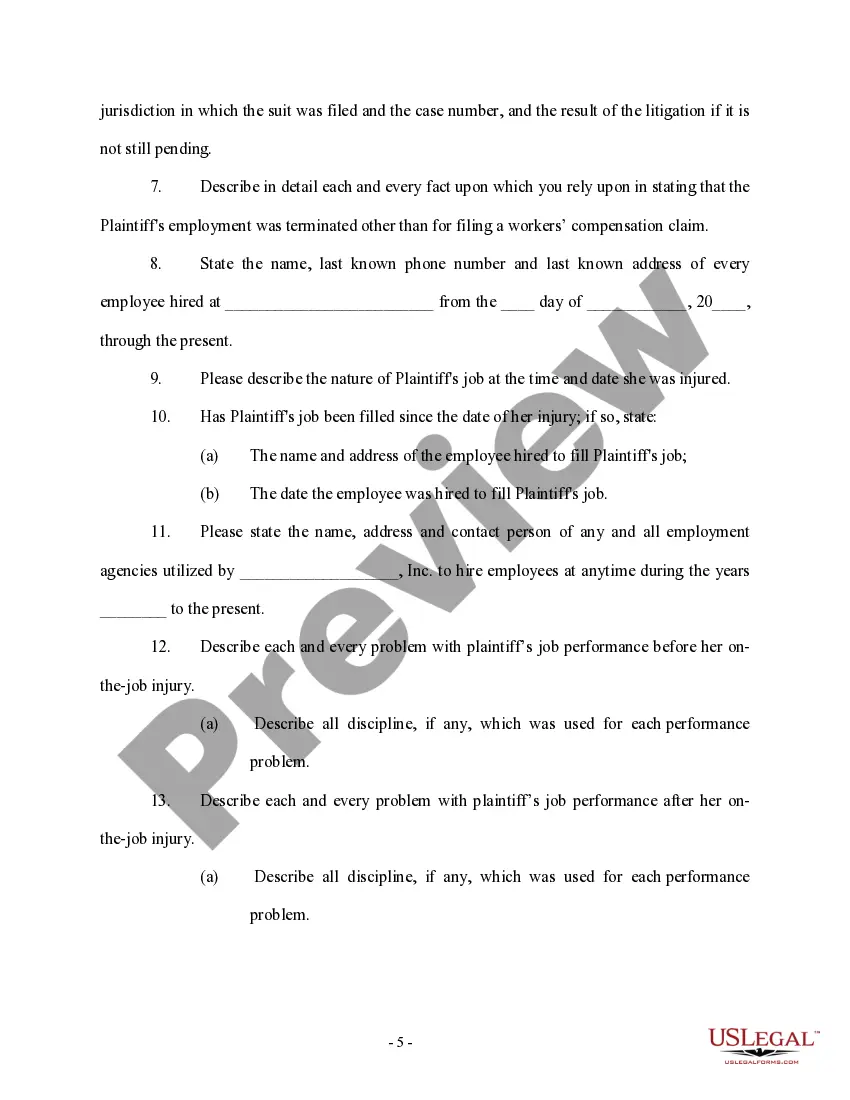
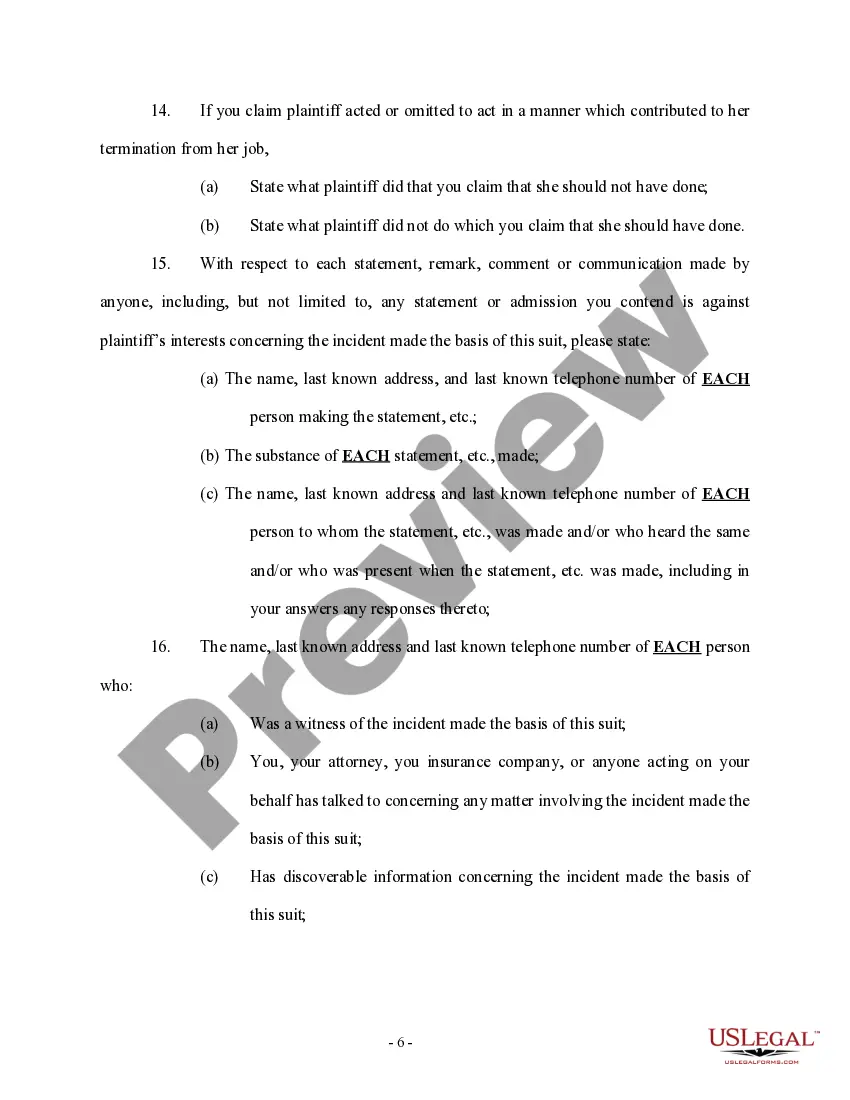
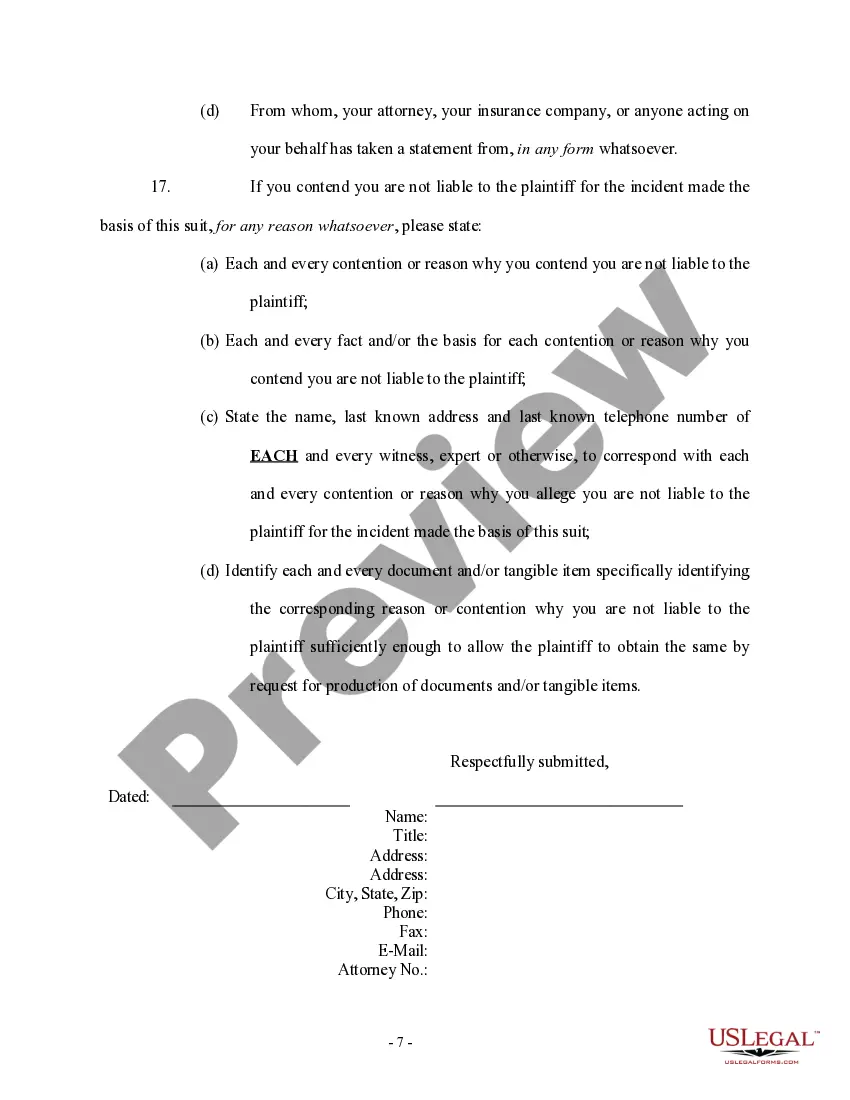
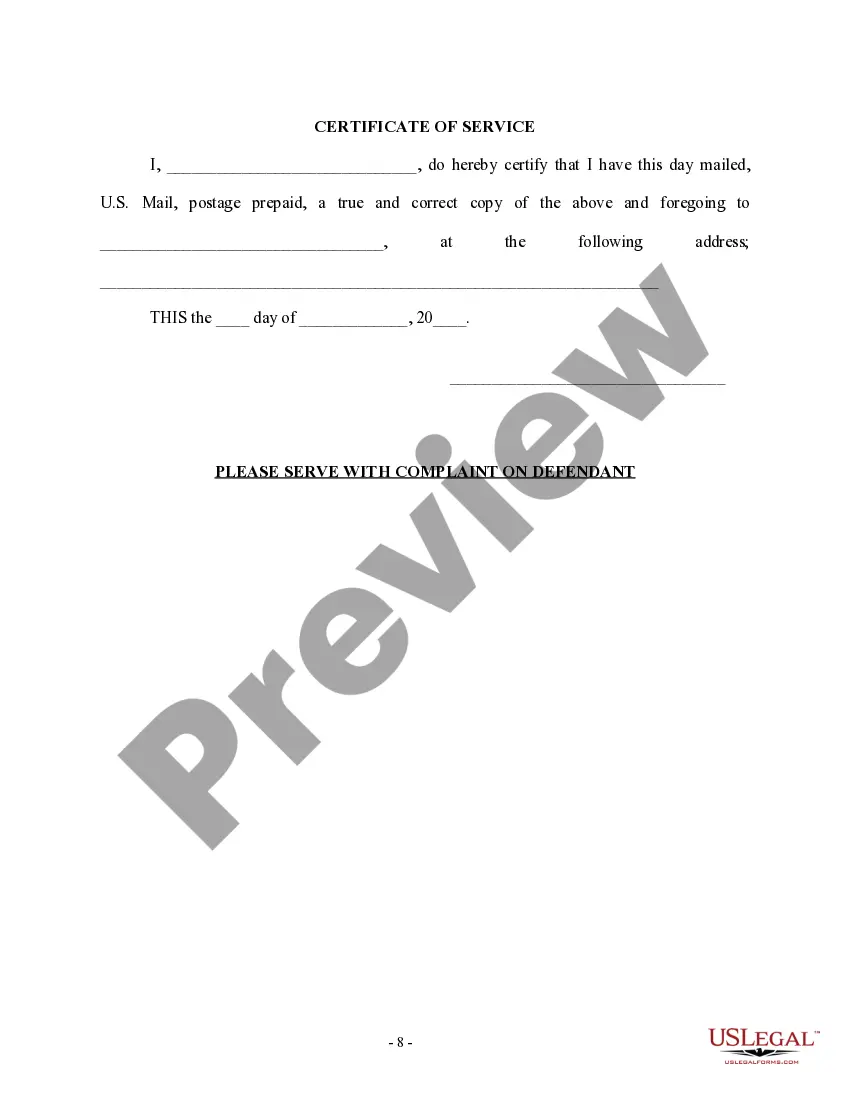
Description
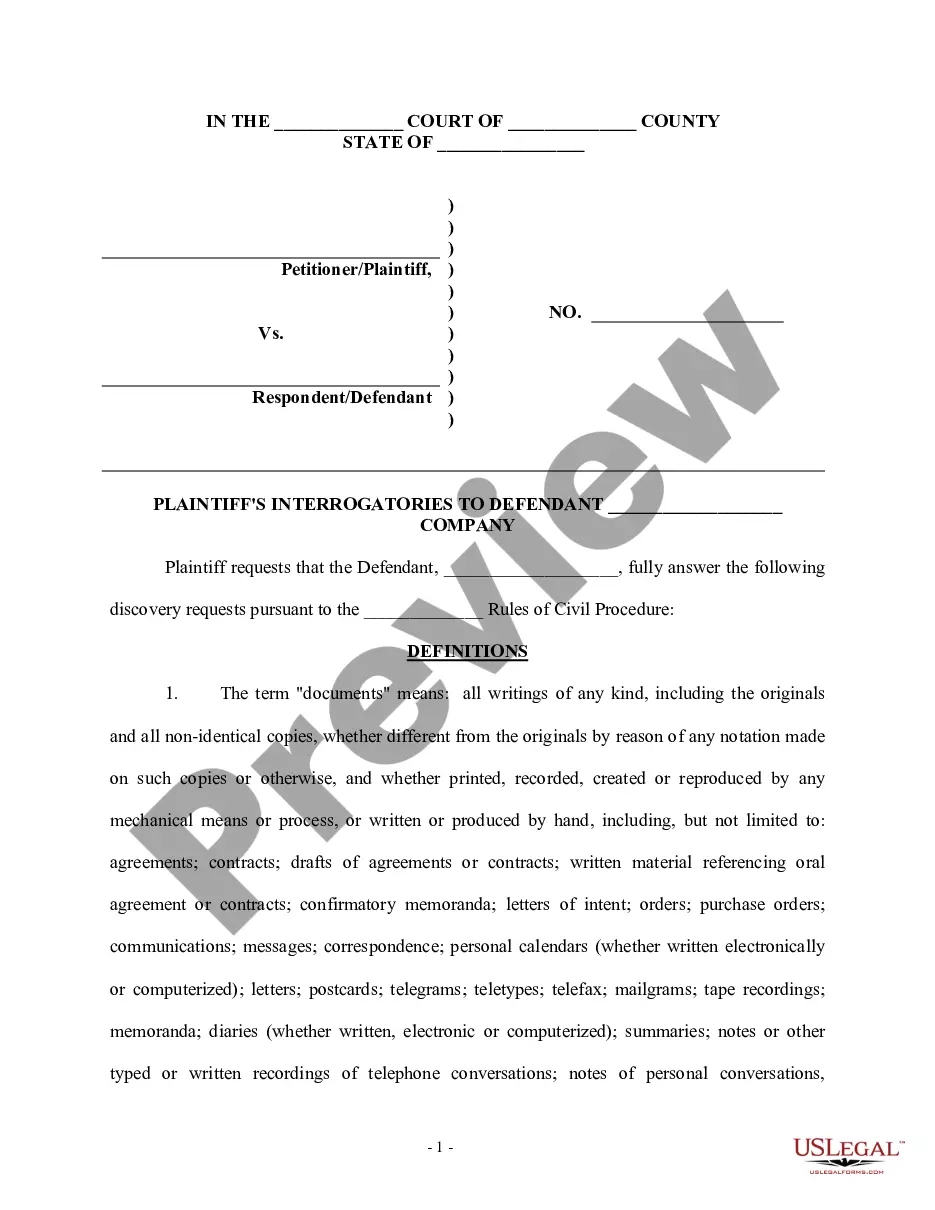
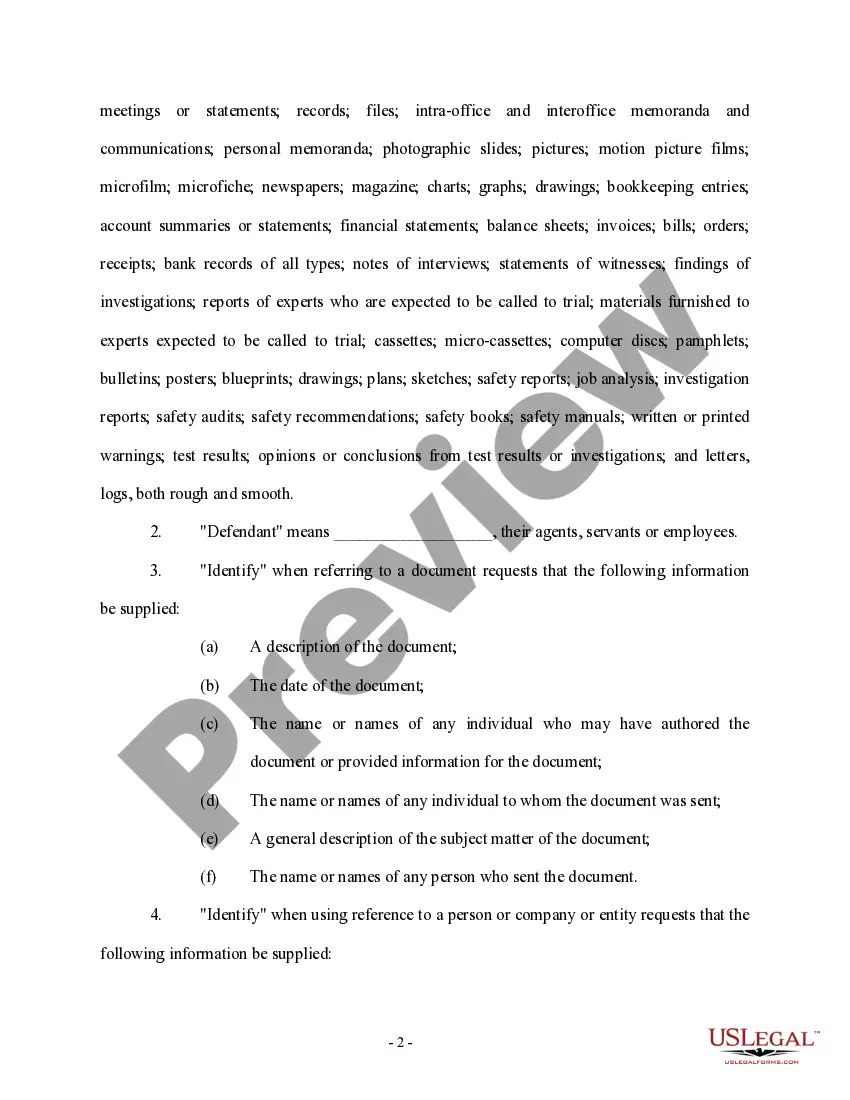
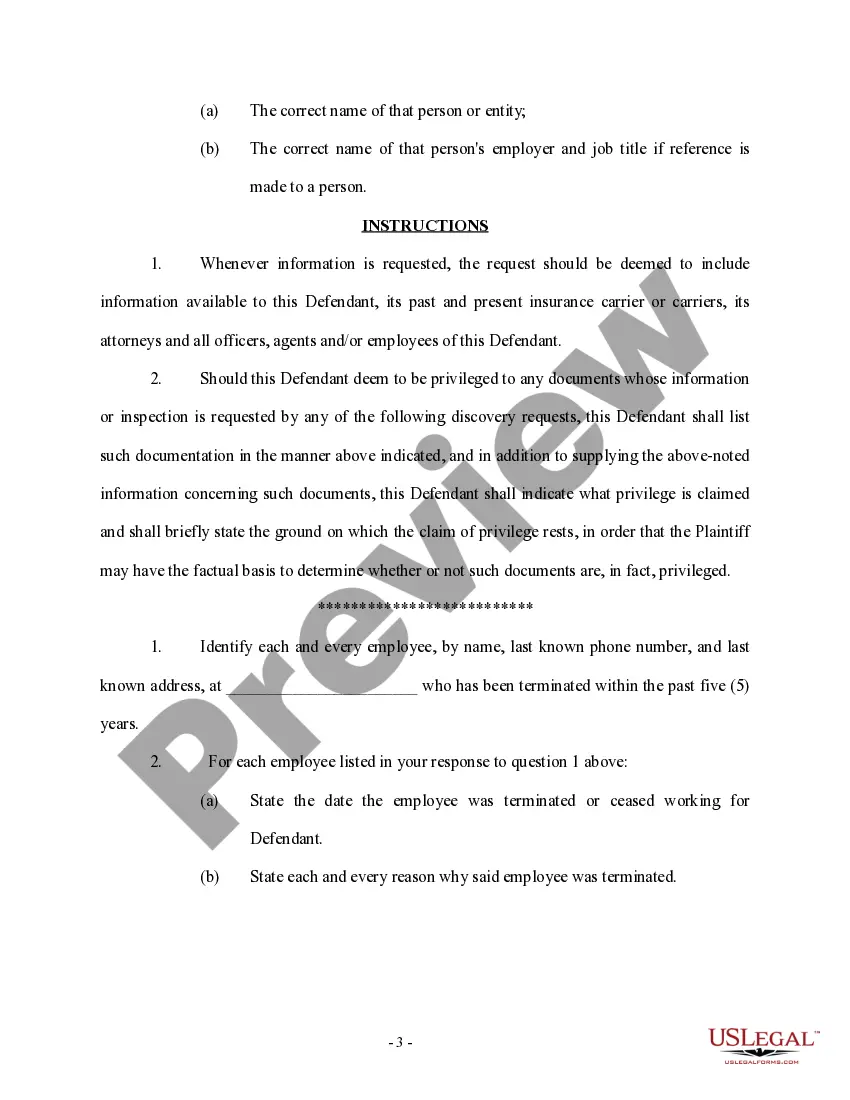
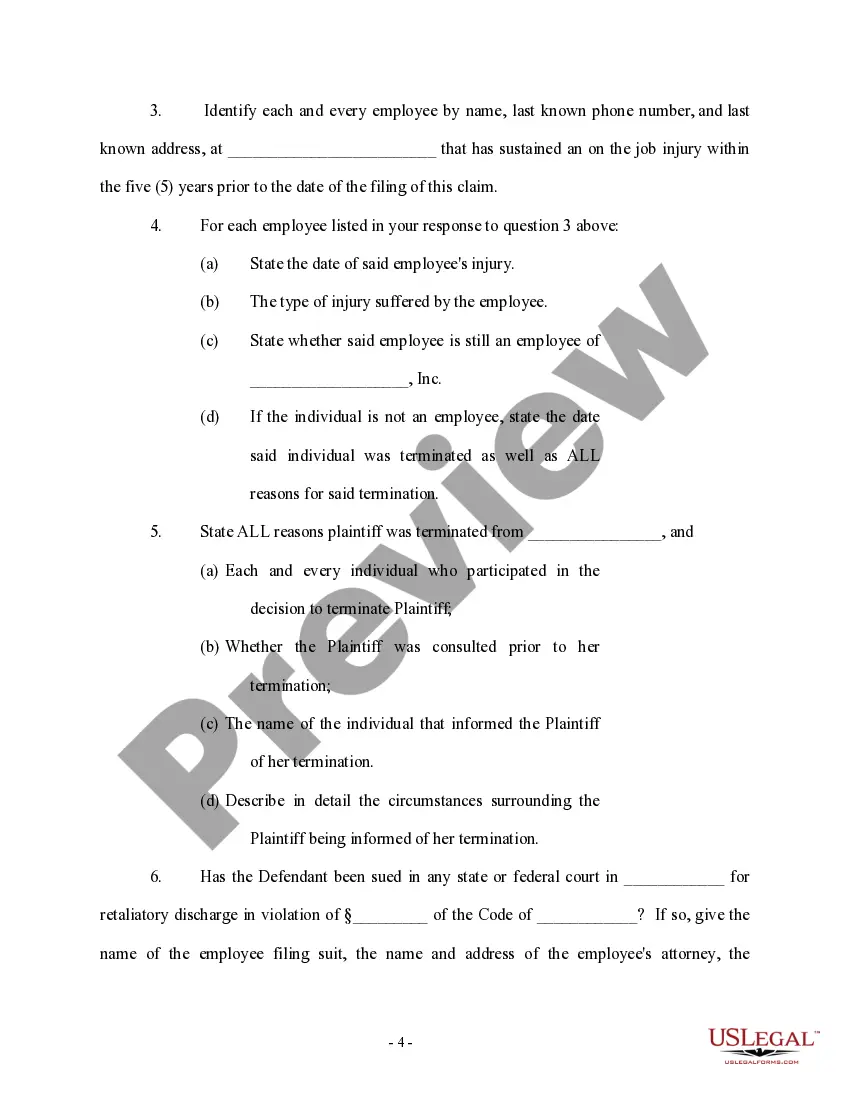
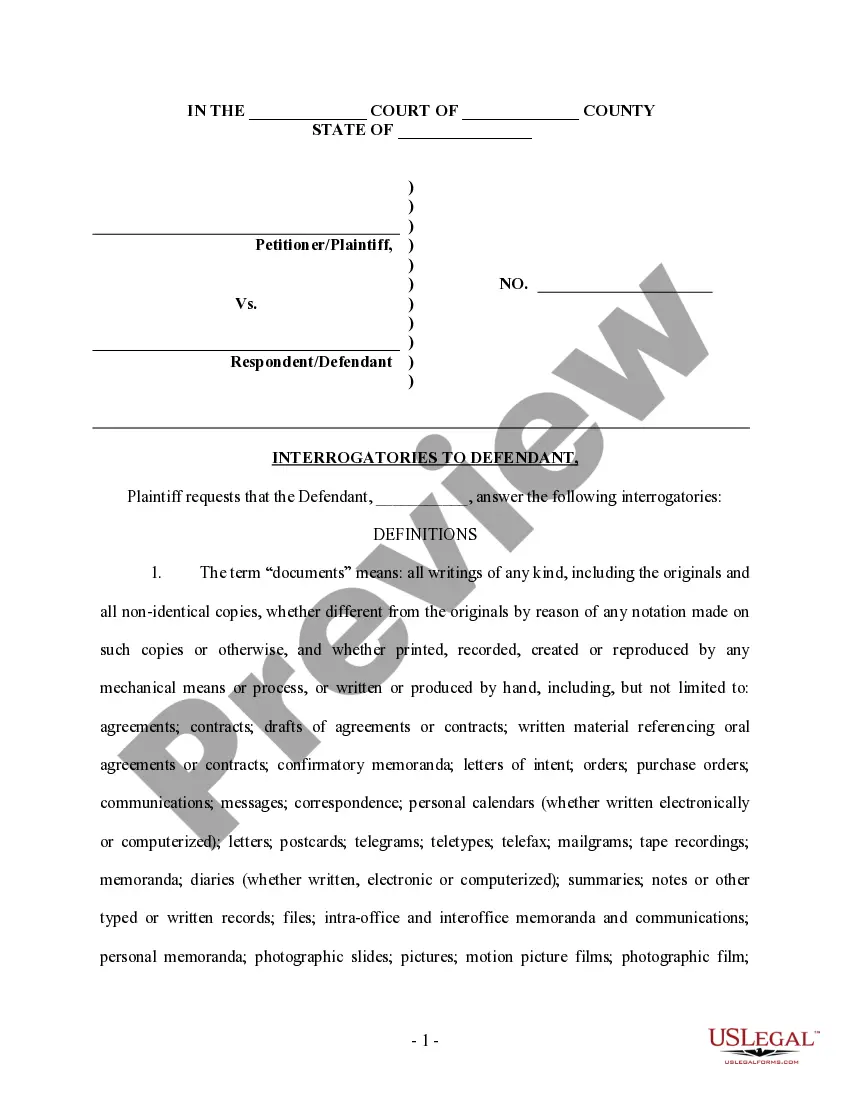
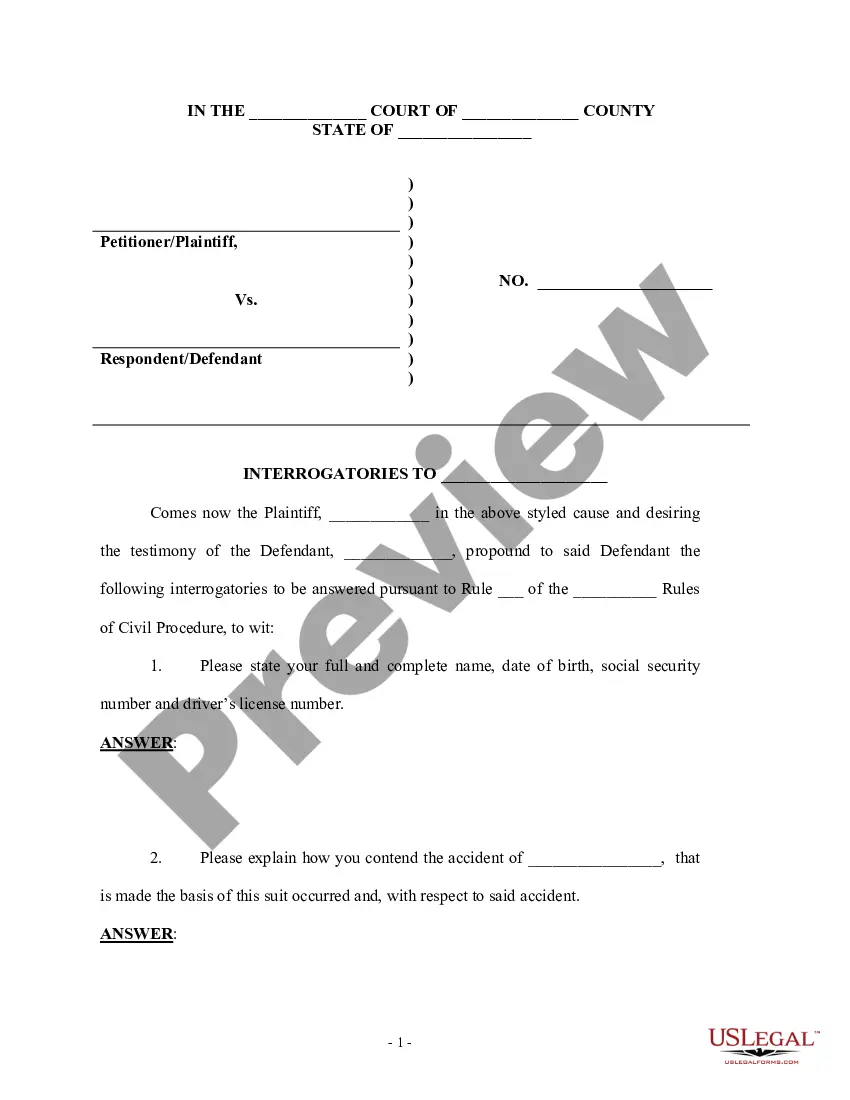
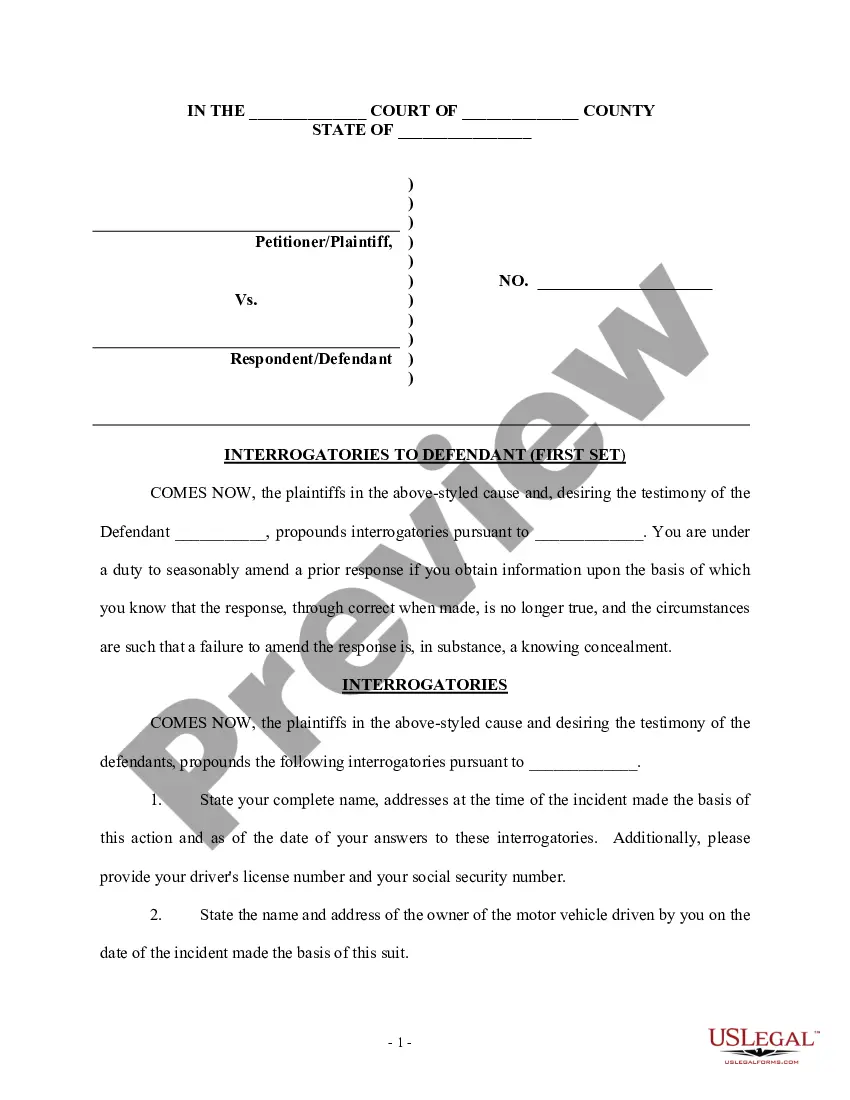
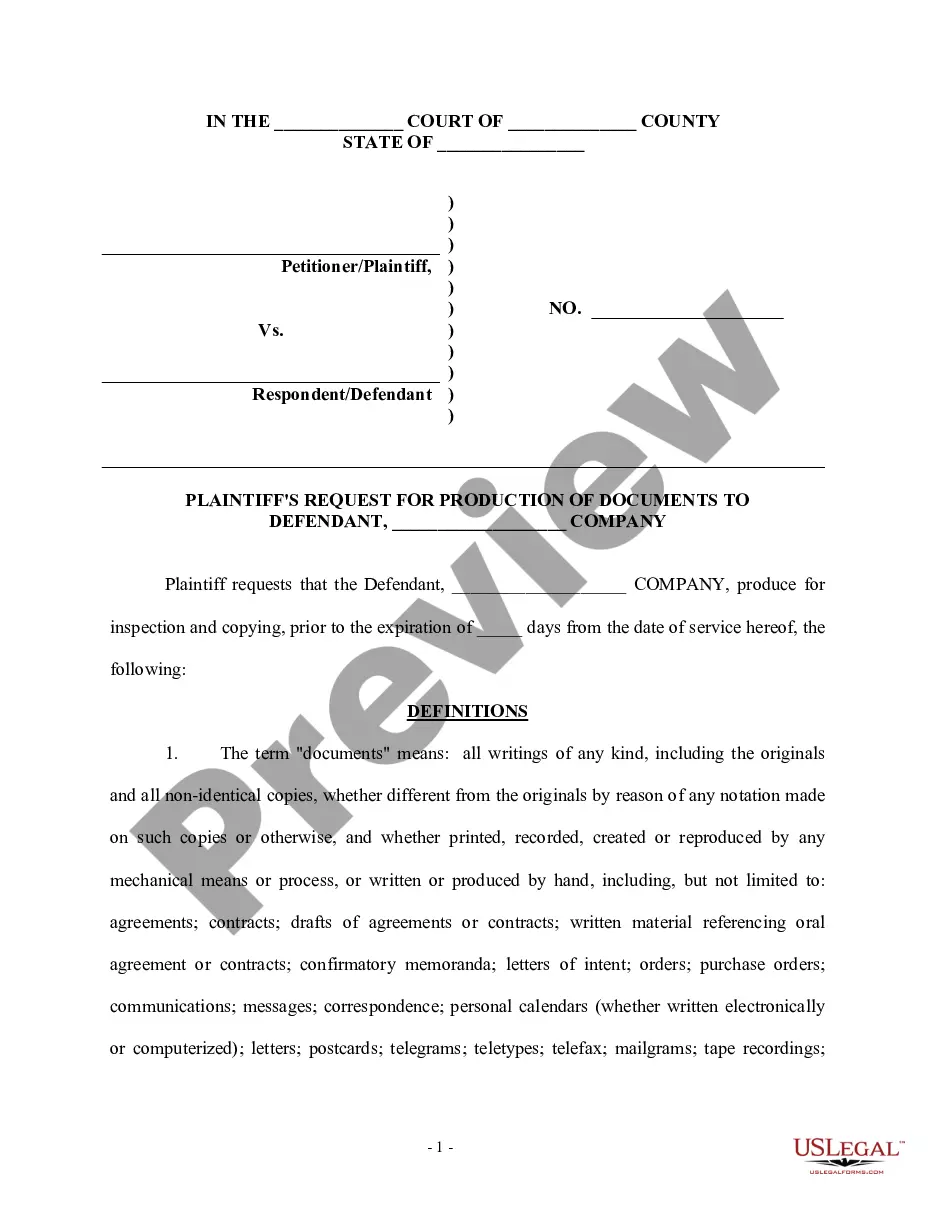
Get your form ready online
Our built-in tools help you complete, sign, share, and store your documents in one place.
Make edits, fill in missing information, and update formatting in US Legal Forms—just like you would in MS Word.
Download a copy, print it, send it by email, or mail it via USPS—whatever works best for your next step.
Sign and collect signatures with our SignNow integration. Send to multiple recipients, set reminders, and more. Go Premium to unlock E-Sign.
If this form requires notarization, complete it online through a secure video call—no need to meet a notary in person or wait for an appointment.
We protect your documents and personal data by following strict security and privacy standards.

Make edits, fill in missing information, and update formatting in US Legal Forms—just like you would in MS Word.

Download a copy, print it, send it by email, or mail it via USPS—whatever works best for your next step.

Sign and collect signatures with our SignNow integration. Send to multiple recipients, set reminders, and more. Go Premium to unlock E-Sign.

If this form requires notarization, complete it online through a secure video call—no need to meet a notary in person or wait for an appointment.

We protect your documents and personal data by following strict security and privacy standards.
Looking for another form?


How to fill out Interrogatories To Defendant - Worker's Compensation - Wrongful Termination?
- Log in to your US Legal Forms account if you're a returning user. Verify that your subscription is active and consider renewing it if necessary.
- For first-time users, begin by checking the preview mode and form descriptions to find a template suitable for your needs and local jurisdiction.
- If you don't find the right form, utilize the search feature to locate other templates that align with your requirements.
- Once you identify the correct document, select the Buy Now option and choose your preferred subscription plan. You will need to create an account to access the document library.
- Complete your purchase by entering your credit card information or using your PayPal account.
- After payment is processed, download your form and save it on your device for easy access, also available under the My Forms section of your profile.
By following these steps, you can ensure you have the necessary documentation to address wrongful terminations effectively. With US Legal Forms, you'll benefit from a robust library of over 85,000 legal forms, tailored support from experts, and easy-to-use templates.
Don't let wrongful terminations overwhelm you; start streamlining your legal processes today with US Legal Forms! Explore your options now.
Form popularity
FAQ
Upon termination, you have specific rights that protect you from wrongful terminations. You can seek clarity about the reasons for your termination and challenge those reasons if you believe they are unfair. Additionally, you have the right to file a complaint with the appropriate legal entities if you suspect discrimination or retaliation occurred. Knowing your rights is crucial, and platforms like US Legal Forms can help guide you through the process effectively.
Fighting against wrongful termination can be a worthwhile endeavor. When you believe your termination was unjust, taking action helps protect your rights and can lead to a resolution that benefits you. Many individuals find that pursuing legal action not only brings closure but may also result in compensation. Therefore, it is essential to understand that wrongful terminations deserve your attention and response.
Yes, many individuals have successfully won their wrongful termination lawsuits, resulting in settlements or court awards. These victories often highlight the employee's rights and set important legal precedents for future cases. By leveraging the resources available through USLegalForms, you can equip yourself with the knowledge and documents necessary for your case.
While the exact number can vary, studies suggest that about 30-40% of wrongful termination cases result in success for the employee. Success often depends on the admissibility of evidence and the ability to prove the employer's liability. Exploring tools offered by platforms such as USLegalForms can provide support and resources needed to increase your chances.
An example of wrongful termination is when an employee is fired due to their race, gender, age, or other protected characteristics under employment law. Another situation would be if an employee is dismissed for reporting illegal activities, known as whistleblowing. Understanding these examples can help you identify if your termination falls under wrongful terminations.
The odds of winning a wrongful termination lawsuit depend on various factors, including the strength of your case and the evidence you present. Generally, cases with clear evidence of illegal practices or violations of employment contracts have higher success rates. Using a platform like USLegalForms can help you navigate the legal process and improve your chances of success.
Yes, pursuing a wrongful termination suit can be worthwhile, especially if you believe your termination was illegal or violated employment laws. A successful suit may lead to compensation for lost wages, emotional distress, and even reinstatement in your position. Additionally, holding employers accountable can prevent future wrongful terminations, benefiting others in similar situations.
To prove wrongful termination, you must gather compelling evidence that demonstrates the termination violated your legal rights or workplace policies. This includes documents like contracts, performance evaluations, and any correspondence that reflects a discriminatory motive. Understanding what constitutes proof is crucial, as wrongful terminations often require showing a link between your actions and the unlawful dismissal. Utilizing services like US Legal Forms can help ensure you have essential resources and forms to make your case stronger.
The odds of winning a wrongful termination case depend on the strength of your evidence and the specific circumstances of your situation. Cases backed by solid documentation, clear legal violations, and expert testimonies generally have higher success rates. However, the particular facts of each case can greatly influence the outcome, so it's wise to consult with an attorney specializing in wrongful terminations. They can help you assess your chances accurately.
An example of wrongful termination would be firing an employee for reporting unsafe working conditions or for taking family leave as protected under law. Such actions are illegal and violate employee rights. Other examples include termination based on race, gender, or disability. Recognizing these examples is essential in understanding your rights and seeking justice in cases of wrongful terminations.