Supplemental Discovery Example For Students
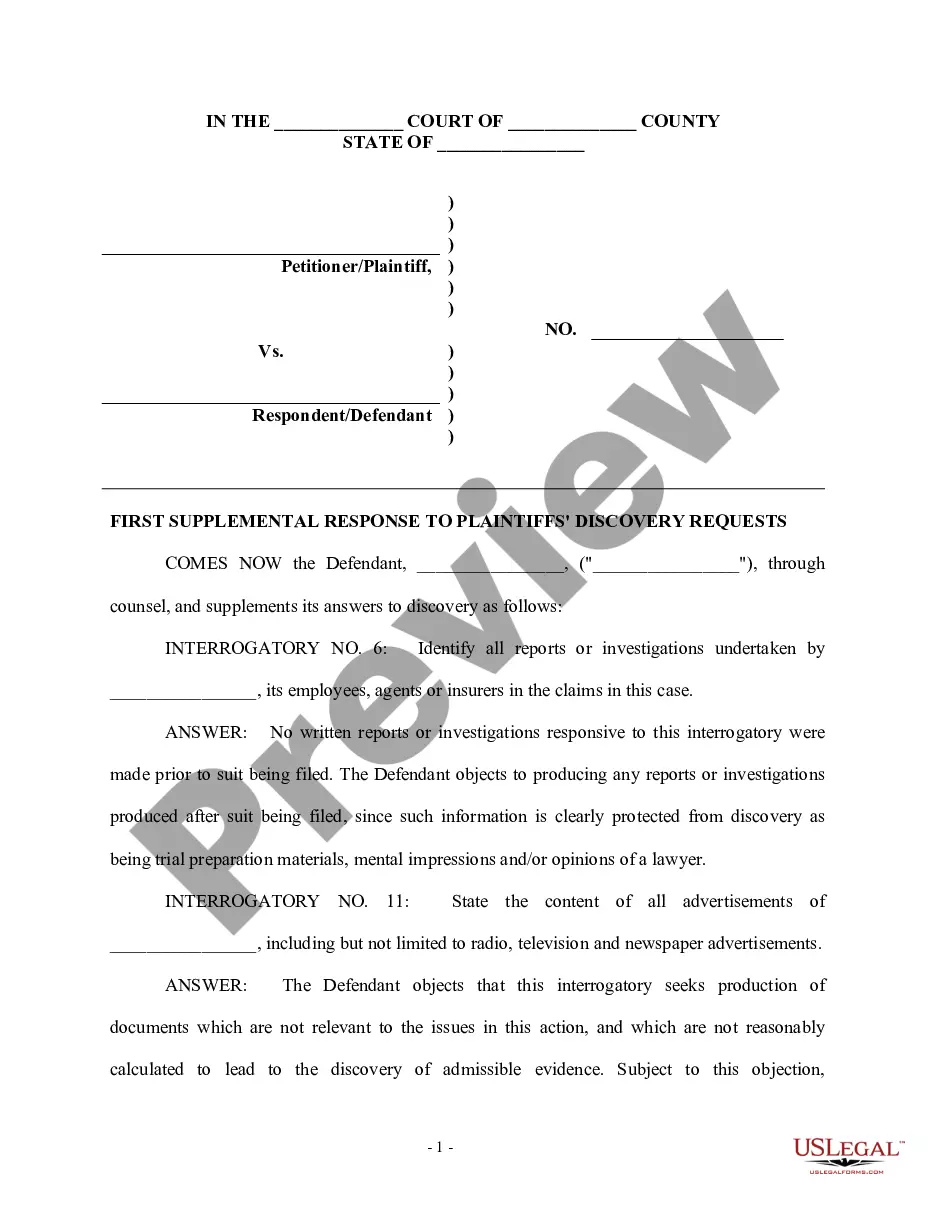
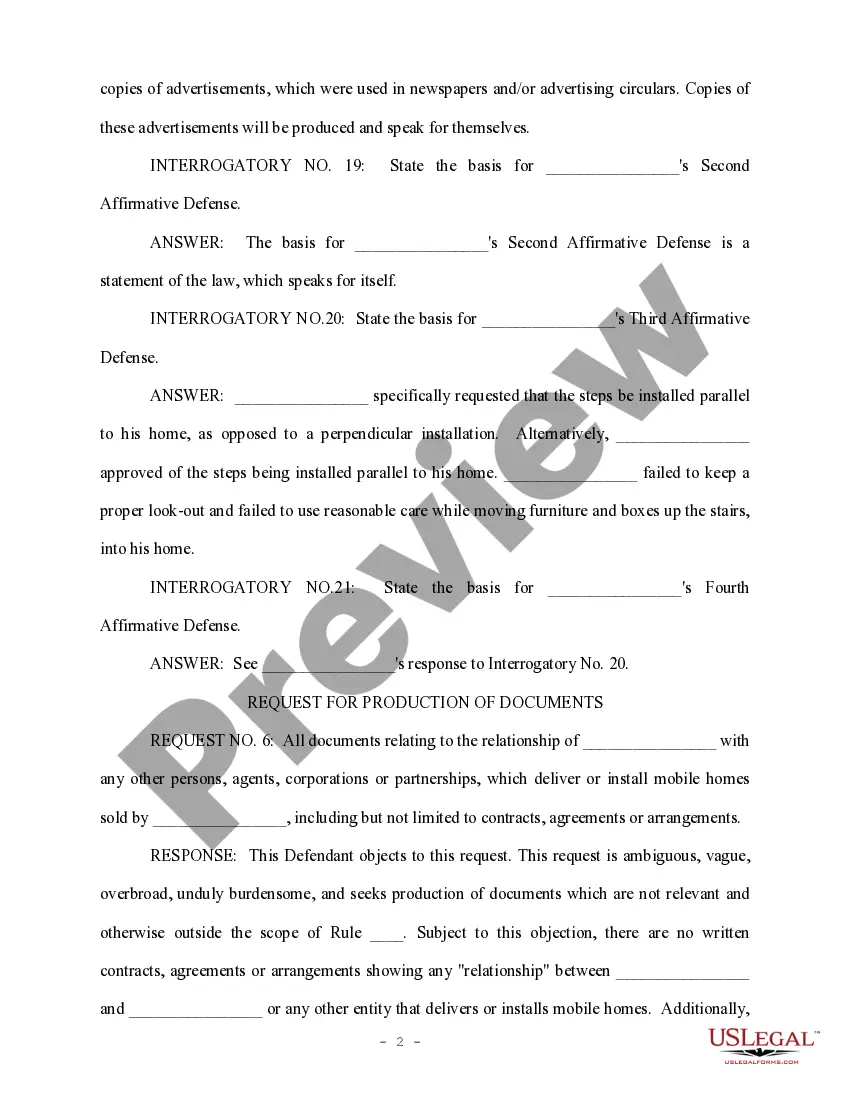
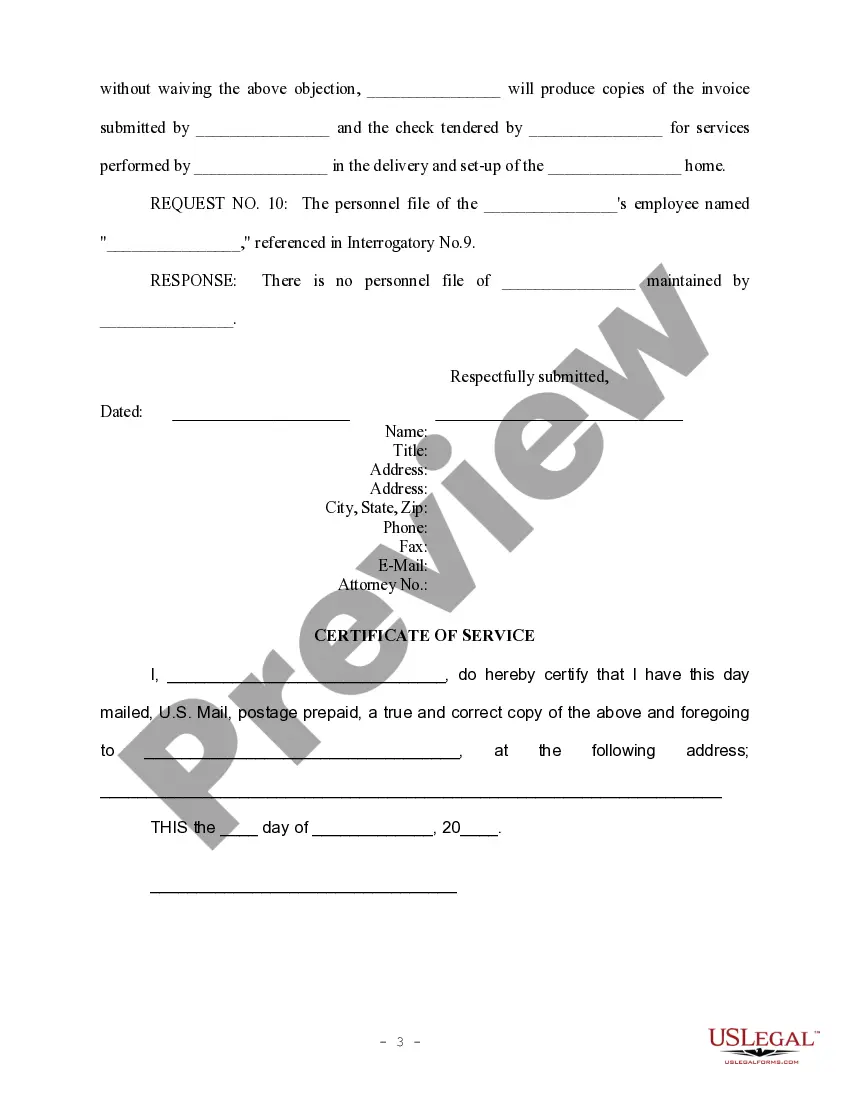
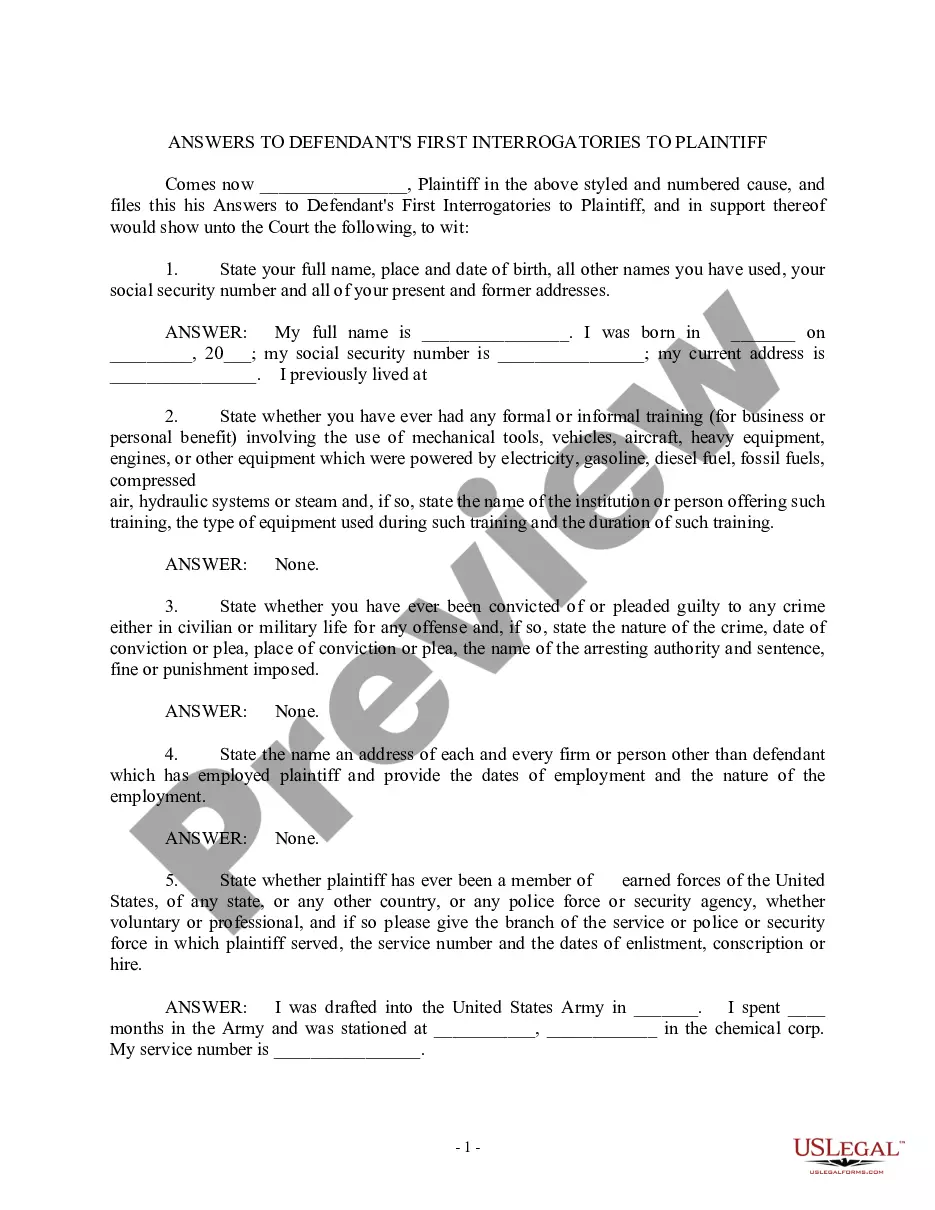
Description
Get your form ready online
Our built-in tools help you complete, sign, share, and store your documents in one place.
Make edits, fill in missing information, and update formatting in US Legal Forms—just like you would in MS Word.
Download a copy, print it, send it by email, or mail it via USPS—whatever works best for your next step.
Sign and collect signatures with our SignNow integration. Send to multiple recipients, set reminders, and more. Go Premium to unlock E-Sign.
If this form requires notarization, complete it online through a secure video call—no need to meet a notary in person or wait for an appointment.
We protect your documents and personal data by following strict security and privacy standards.

Make edits, fill in missing information, and update formatting in US Legal Forms—just like you would in MS Word.

Download a copy, print it, send it by email, or mail it via USPS—whatever works best for your next step.

Sign and collect signatures with our SignNow integration. Send to multiple recipients, set reminders, and more. Go Premium to unlock E-Sign.

If this form requires notarization, complete it online through a secure video call—no need to meet a notary in person or wait for an appointment.

We protect your documents and personal data by following strict security and privacy standards.
Looking for another form?

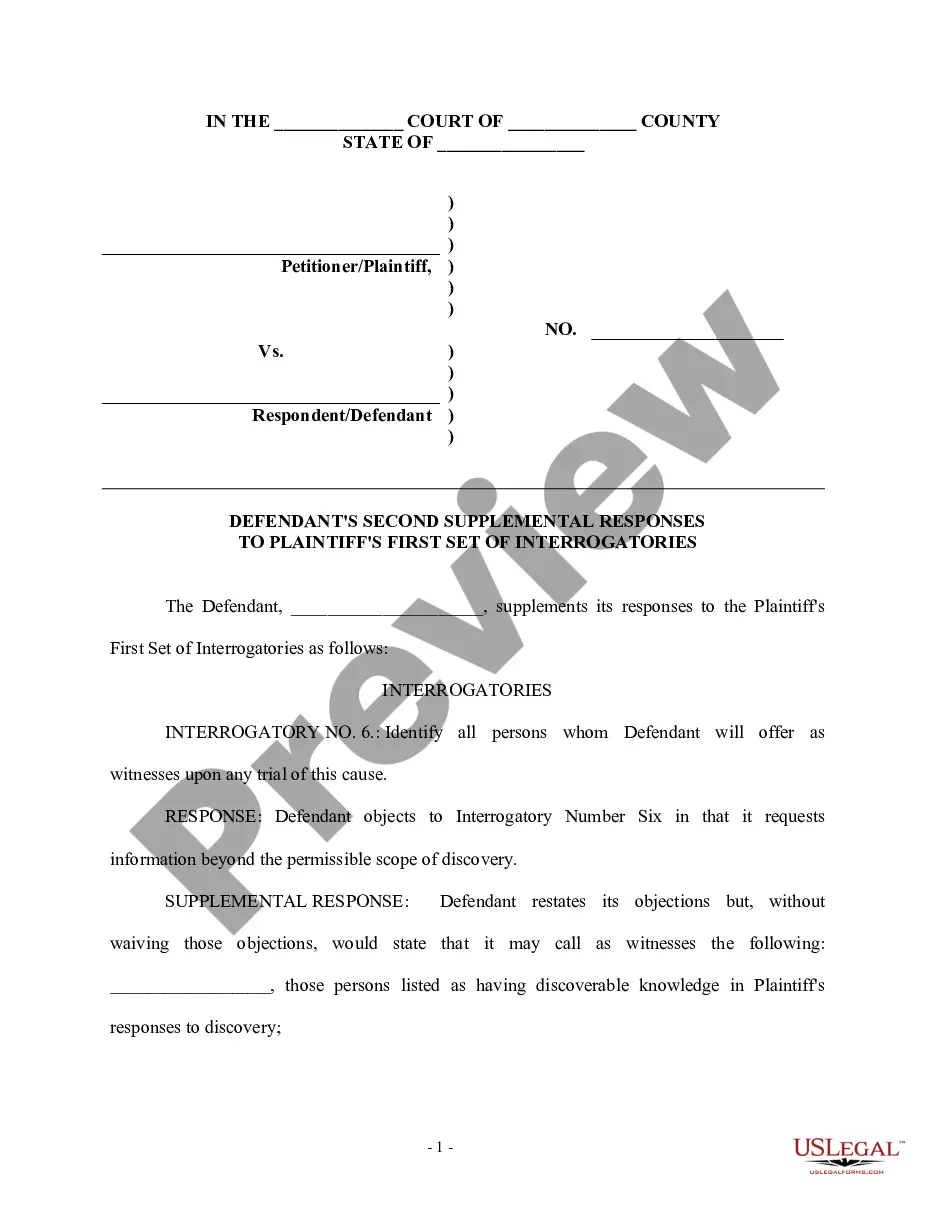
How to fill out Defendant's First Supplemental Response To Plaintiff's Discovery Request?
- If you're a returning user, log in to your account and select the appropriate form template for download. Ensure that your subscription remains active, and renew if necessary.
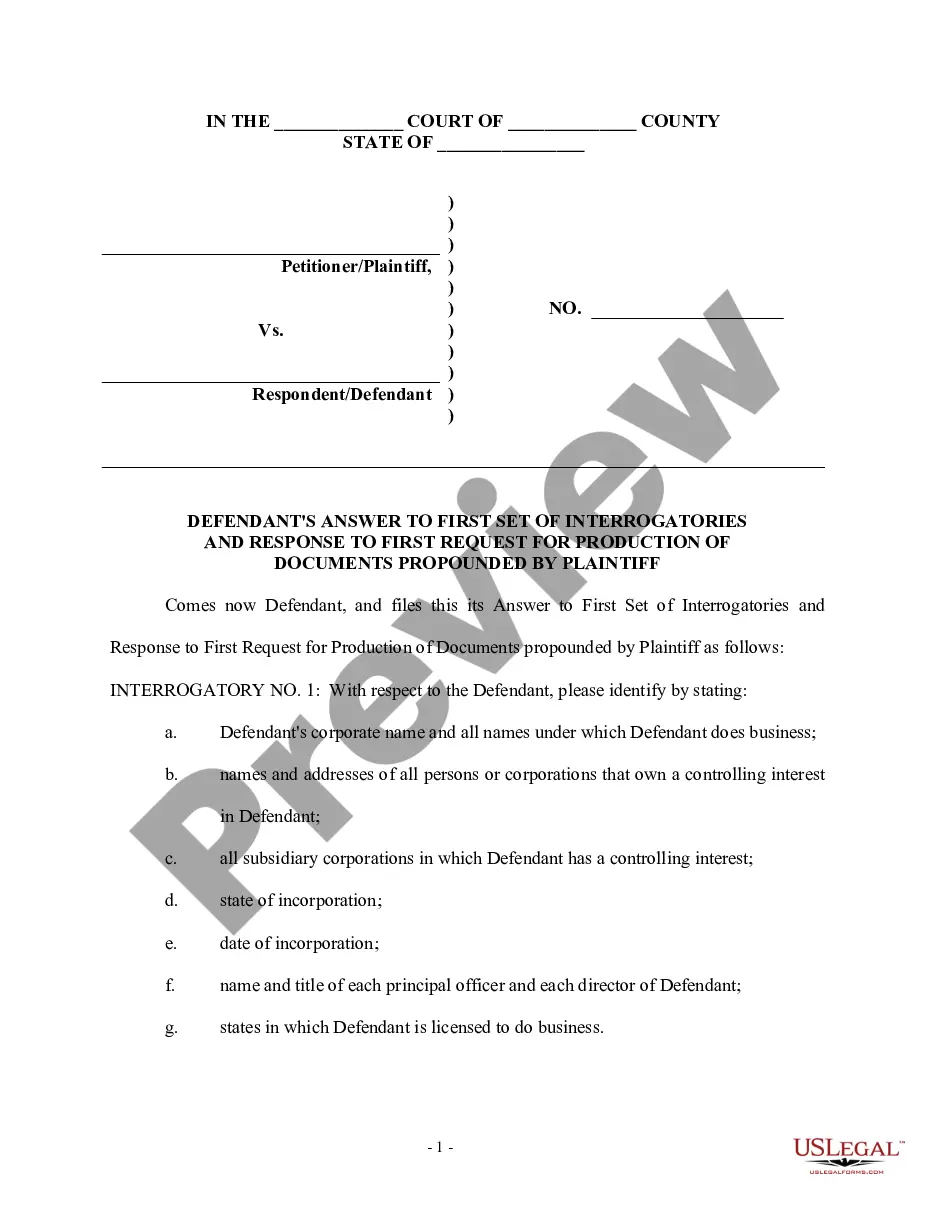
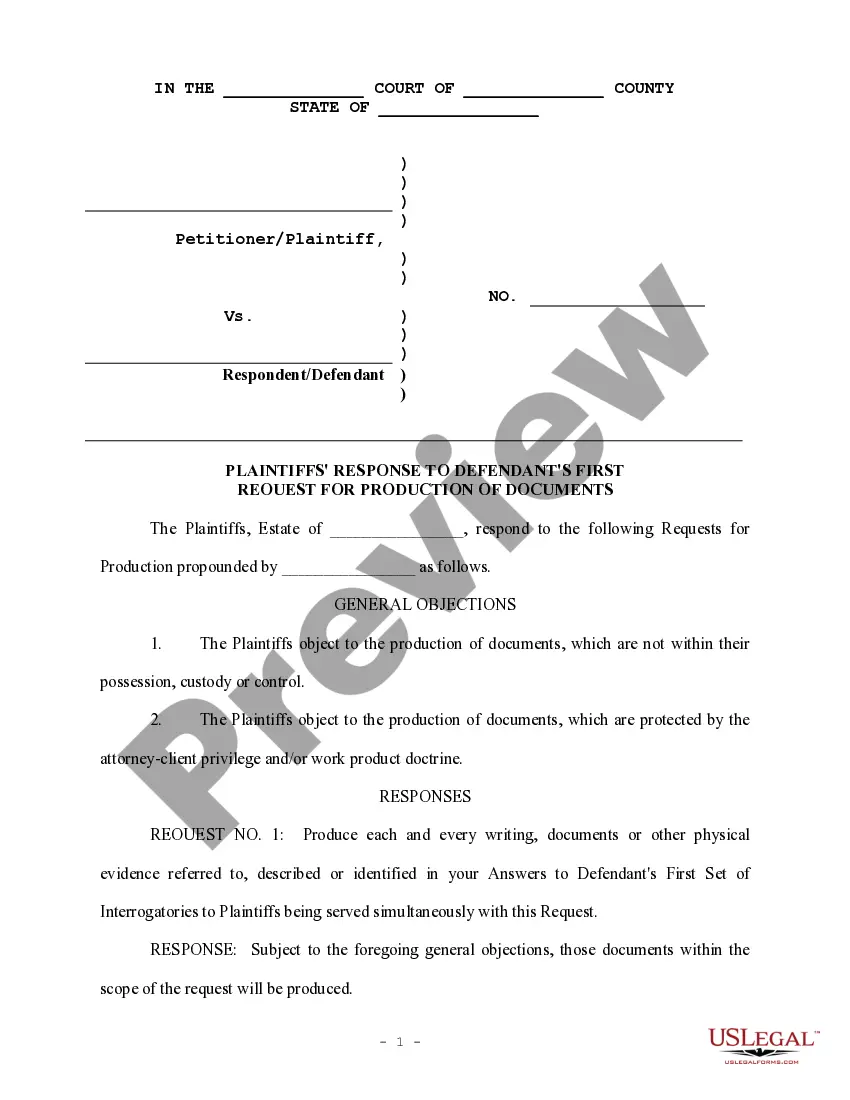
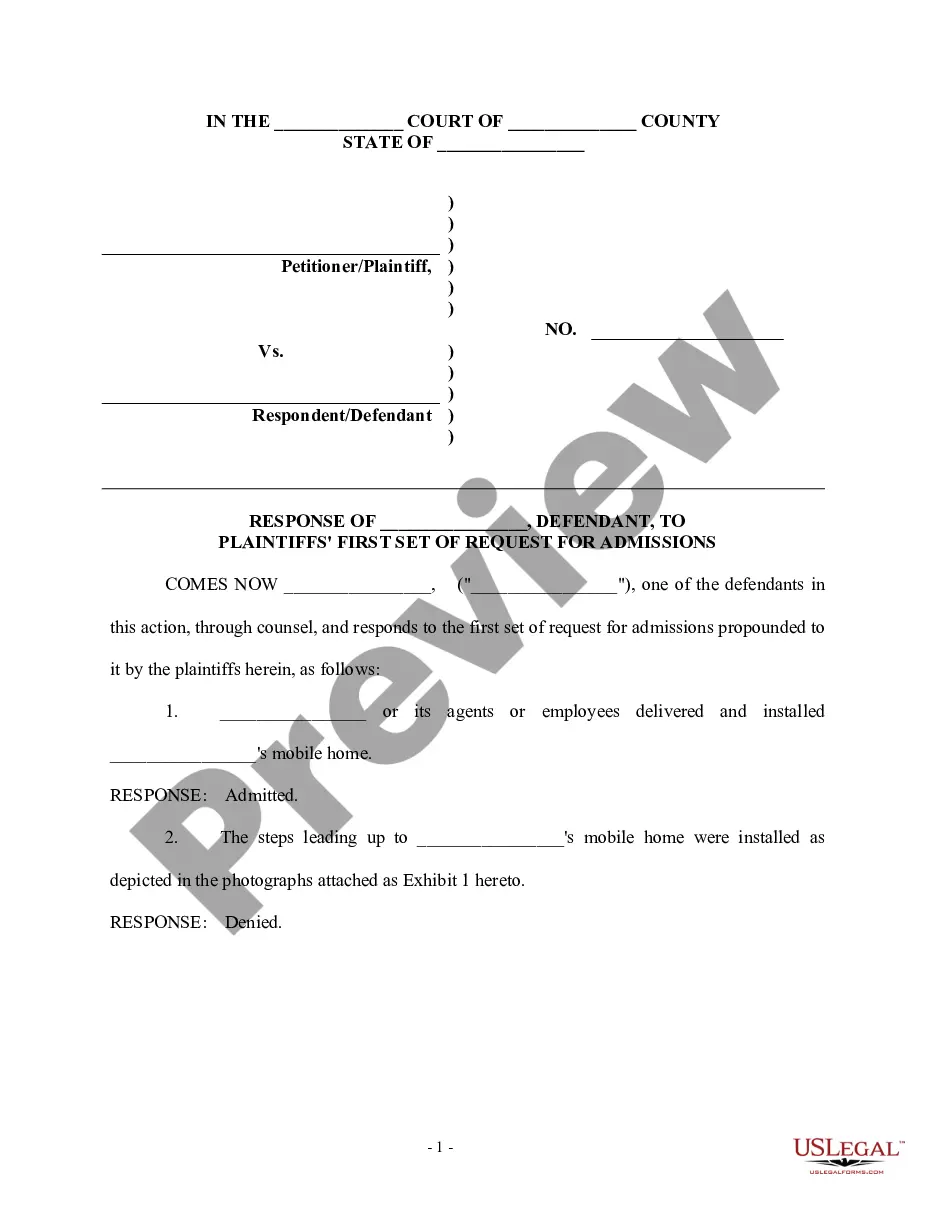
- For new users, start by reviewing the Preview mode and the description of the form you need. Confirm it meets your requirements and adheres to your local jurisdiction's standards.
- Use the Search feature to find additional templates if the initial one does not match your needs closely.
- Proceed to purchase your chosen document by clicking the Buy Now button and selecting a subscription plan suitable for you. Note that you'll need to create an account to access the full library.
- Complete your transaction by entering your credit card information or using a PayPal account for secure payment.
- Once purchased, download your form and store it on your device. You can find this document later in the My Forms section of your profile.
Using US Legal Forms not only grants you access to a vast library of over 85,000 legal documents but also empowers you to obtain personalized assistance from experts to ensure the highest quality of your documents.
Start simplifying your legal documentation today. Access US Legal Forms to streamline the process and ensure you have the right forms at your fingertips!
Form popularity
FAQ
When answering discovery questions in child custody cases, it is crucial to provide clear and honest responses. Focus on relevant information, as your answers should reflect your intentions and situation accurately. For students looking to understand these processes, using a supplemental discovery example can clarify how to structure your responses effectively. Our platform, USLegalForms, offers a variety of templates and resources to assist you in navigating these questions with confidence.
The primary distinction between amended and supplemental discovery lies in their purpose and timing. Amended discovery refers to changes or corrections made to previously submitted information, while supplemental discovery involves adding new information that arises after the original discovery request. For students studying these concepts, a supplemental discovery example for students could illustrate how new evidence is introduced after the initial findings. Understanding these differences helps clarify the legal process, and platforms like US Legal Forms can assist you with detailed templates and resources.
A state's supplemental response to a request for discovery refers to the additional information or documents that a state entity provides in response to a discovery request. This action ensures that all relevant data is disclosed to opposing parties, fostering transparency. Students examining a supplemental discovery example for students will gain insights into how state responses can impact case outcomes.
The duty to supplement discovery responses requires parties to update their information if they discover additional evidence after their initial filings. This duty helps ensure all relevant facts are available to both parties, promoting fairness in litigation. Students can learn about the implications of this duty through a supplemental discovery example for students, highlighting its significance in preparing for trial.
A supplemental discovery response to a request under Rule 16 indicates that a party is providing additional information following a prior request. This action is essential for maintaining transparency and upholding the integrity of the legal process. Understanding how to formulate these responses, as shown in a supplemental discovery example for students, can enhance a student’s analytical skills in law.
The defendant's Rule 16 discovery request is a formal demand for information that helps them understand the plaintiff's claims and defenses better. This request assists in gathering evidence that may support their case or help in negotiations. Students can benefit from studying a supplemental discovery example for students to comprehend how these requests function within legal strategy.
Supplemental discovery refers to ongoing efforts by parties to provide new evidence or information that was not available during initial discovery phases. This can occur at any time during litigation as new facts emerge, making it crucial for both parties to stay informed. A supplemental discovery example for students showcases the importance of adapting to new information in legal contexts.
A request for discovery under Rule 16 involves formal inquiries made by parties in a lawsuit to obtain essential information from each other. This process ensures that both sides can prepare their cases effectively by sharing relevant evidence. For students studying law, a supplemental discovery example for students can illustrate how such requests can help in understanding the legal process.
Typically, parties have a specific period, often around 30 days, to respond to supplemental discovery requests. The exact timeframe can vary depending on jurisdiction and specific case circumstances. Students should familiarize themselves with these timelines, as they form an essential aspect of legal procedures, showcasing practical supplemental discovery examples for students aiming for successful case management.
To supplement discovery means to provide additional responses or materials that build upon previously submitted information. This action can reflect the discovery of new facts or corrections to existing responses. For students learning about legal practices, understanding how to effectively supplement discovery can serve as an excellent supplemental discovery example for students in real-world situations.